Review · ATHENS
3-Day Ancient Greek Archaeological Sites Tour from Athens
The most rewarding part of this three-day trip is the sheer amount of ancient Greece it connects: Mycenae, Olympia, and Delphi are not easy to visit together without a car and careful planning. Add Epidaurus, the Corinth Canal, Nafplio, Arachova, and the Rio-Antirrio Bridge, and you get a broad introduction to Greece’s classical world in one well-packed loop from Athens.
I especially like the way the tour links mythology to physical places. At Mycenae, Agamemnon’s legendary world feels tied to real stone walls and tombs. At Delphi, Apollo, the Oracle, and the idea of the ancient world’s center become easier to understand when a guide such as Anna, Marianna, Christina, or Dimitris explains the site on foot. Dinner and breakfast are included, which makes the price more useful than it first appears.
The tradeoff is distance. You spend a good part of each day on the bus, and Olympia and Delphi can require several hours outside in intense sun. The route is efficient, not leisurely. If you want long museum visits, slow lunches, or time to wander every ruin alone, this schedule may feel tight.
Key points to know before booking
- Three major archaeological sites in three days: See Mycenae, Olympia, and Delphi, with Epidaurus added on the first day.
- A guide makes the ruins readable: Guides including Anna, Marianna Tsigaridou, Dimitris, Christina, and Evangelist have been praised for clear explanations of mythology, history, and site details.
- The route includes more than ruins: You also pass the Corinth Canal, Nafplio, Nafpaktos, Arachova, Tripolis, and Megalopolis.
- Hotels and meals reduce planning: Two hotel nights, breakfasts, dinners, entrance fees, and air-conditioned bus transfers are included.
- Prepare for heat and walking: Delphi and Olympia involve extended outdoor touring, while some sites sit on hills or uneven ground.
- Good value at $506 per person: The price covers transport, a guide, lodging, admission, breakfast, and dinner, but not lunches, drinks, hotel tax, or personal spending.
Why this route works for first-time visitors to ancient Greece
This tour gives you a useful framework for classical Greece rather than a single isolated outing. You see a Mycenaean citadel, a sanctuary devoted to the gods, the birthplace of the Olympic Games, and Delphi’s religious center. These places belong to different periods and served different purposes, so the contrast is part of the value.
You also get a look at the mainland outside Athens. The road passes through olive and vine covered hills, mountain country, coastal towns, and small inland cities. The bus rides are not just dead time. Guides often use them to explain Greek customs, mythology, and the places you are approaching.
The tour is carbon-neutral, another practical reason to choose a shared coach instead of arranging several separate transfers. It is also a sensible solution for anyone who does not want to drive unfamiliar roads, organize two hotel stays, buy separate site tickets, and work out the route between the Peloponnese and Delphi.
The pace is brisk. You will not have the freedom to stay at Mycenae until sunset or spend an entire afternoon in the Olympia museum. But independent travel across this route would likely require at least an extra day, and you would still need to handle the long connections yourself.
More Ancient History Tours in Athens
- Athens: Acropolis & up to 5 Archaeological Sites Combo Pass
★ 4.2 · 13,904 reviews - Athens: Ancient Greek Theater Performance
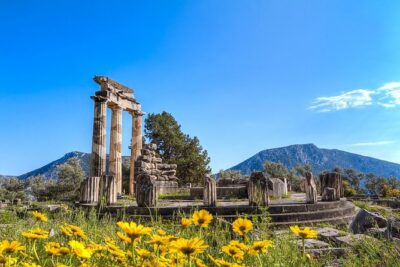
★ 4.7 · 2,481 reviews - Historical Delphi One Day Tour with Arachova Stop & Expert Guide
★ 4.5 · 1,247 reviews
Day one: Corinth Canal, Epidaurus, Nafplio, and Mycenae
Pickup from most centrally located Athens hotels takes place about an hour before departure, or you can meet at the operator’s office 15 minutes before the tour. Once on the road, the first major stop is the Corinth Canal.
The canal is a short visit, but it is a worthwhile one. Completed in the 19th century, it cuts through the narrow Isthmus of Corinth and links the Saronic Gulf with the Corinthian Gulf. Its steep sides make the engineering easy to appreciate, even if you are not especially interested in canals.
Next comes Epidaurus, home to one of Greece’s best known ancient theaters. The theater is famous for its acoustics, and your guide will likely demonstrate why a quiet voice from the stage can carry so clearly through the seating area. The site is more than a quick photo stop, but time is still controlled by the larger route.
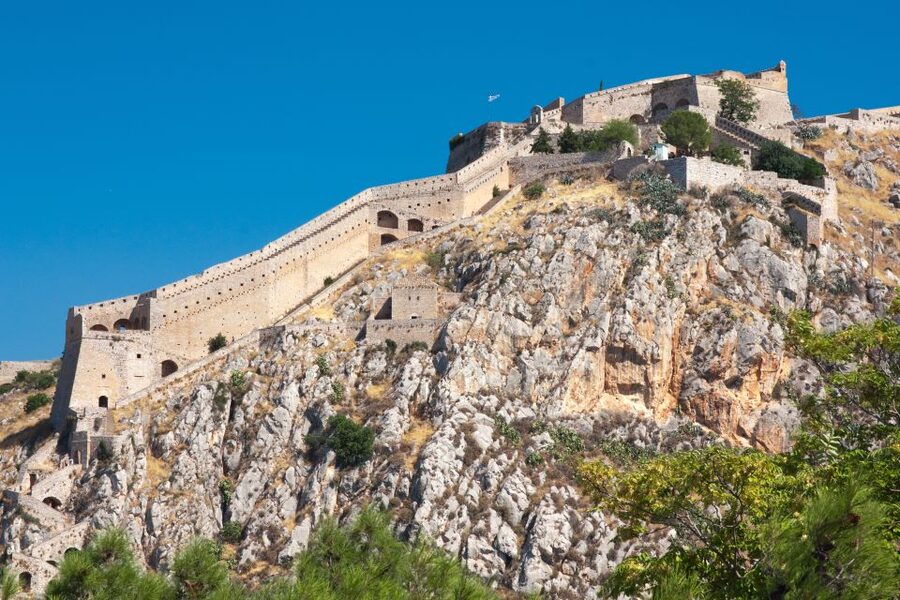
You then pass through the Argos plain toward Nafplio, a former capital of the First Hellenic Republic. The itinerary describes Nafplio as a drive through stop rather than a full city visit, so keep your expectations in check. You may see its character from the road and have a short pause, but this is not a walking tour of its old town.
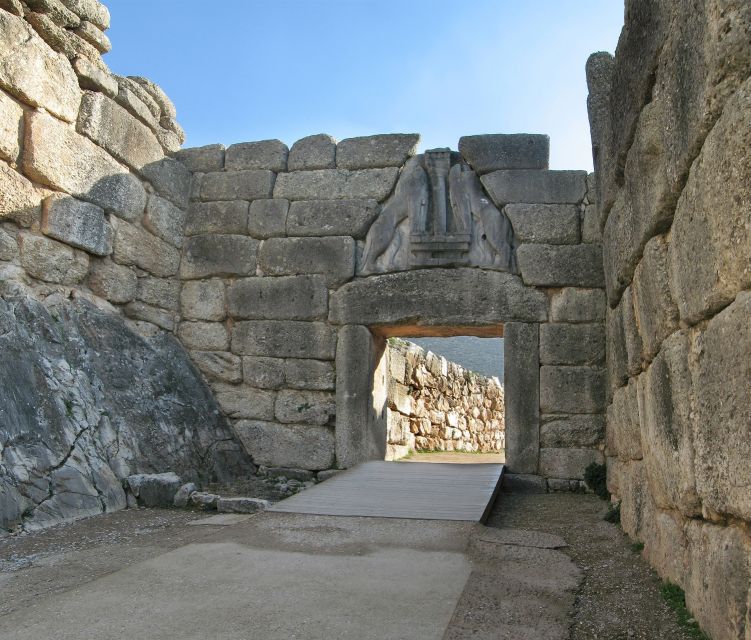
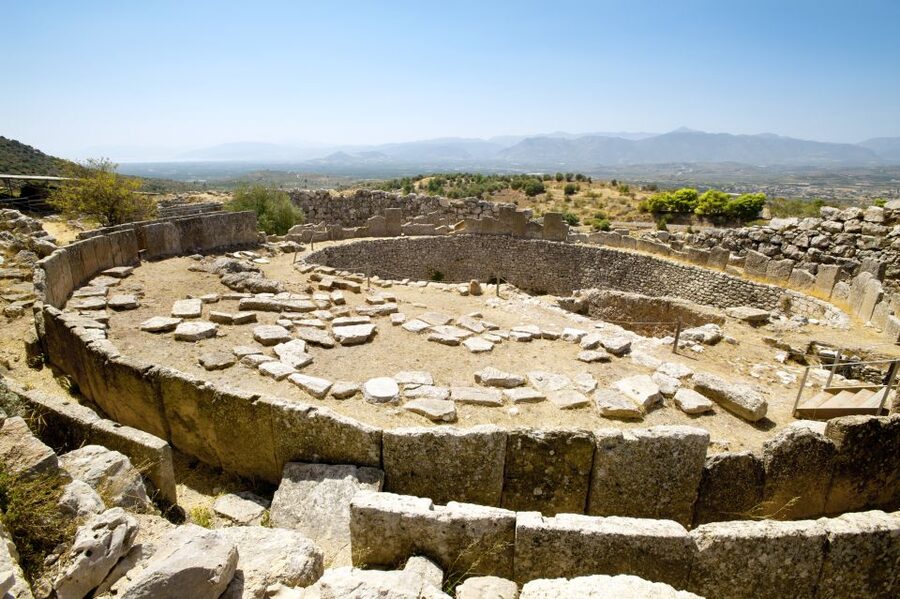
Mycenae is the day’s major archaeological visit. The citadel belongs to the Bronze Age world linked with Agamemnon, the legendary king associated with the Trojan War. You see the ruins of the fortified site and the Tomb of Agamemnon, also known as the Treasury of Atreus.
Mycenae can be difficult to read without help. Much of what remains is stone, walls, and foundations, so the guide’s explanation matters. Some guides bring books or images showing how the ruins may have looked, which helps you picture the citadel as a working center rather than a collection of scattered remains.
The site has uneven ground and can feel exposed in the sun. Wear shoes with a firm sole, carry water, and take photographs as you go. You may not have time to return to a section later, especially if the guide moves the group onward.
After Mycenae, the bus continues toward Olympia. Short stops in Tripolis and Megalopolis give you a chance to stretch, buy a snack, or pick up a souvenir. They are practical pauses rather than headline attractions, but they break up a long driving day.
Day two: Olympia and the road to Delphi
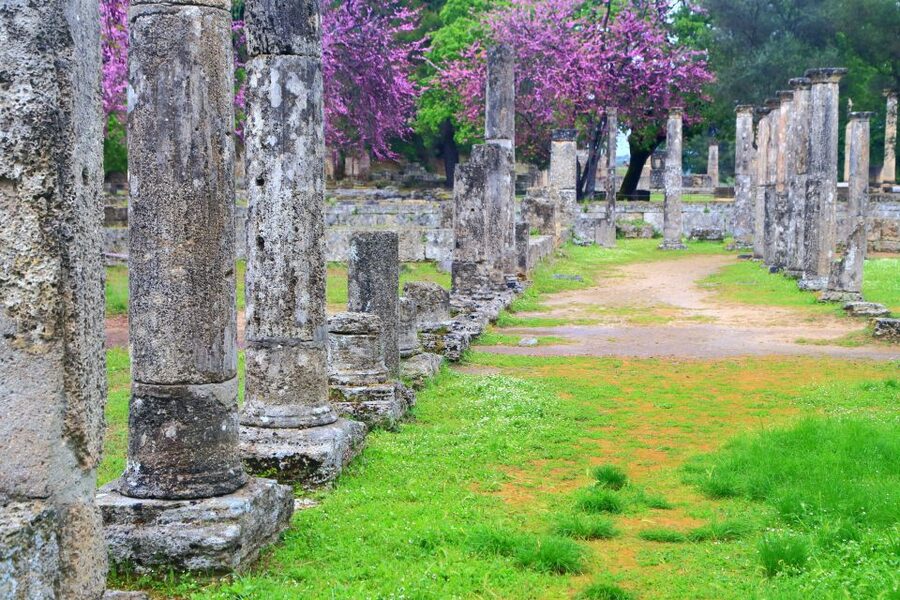
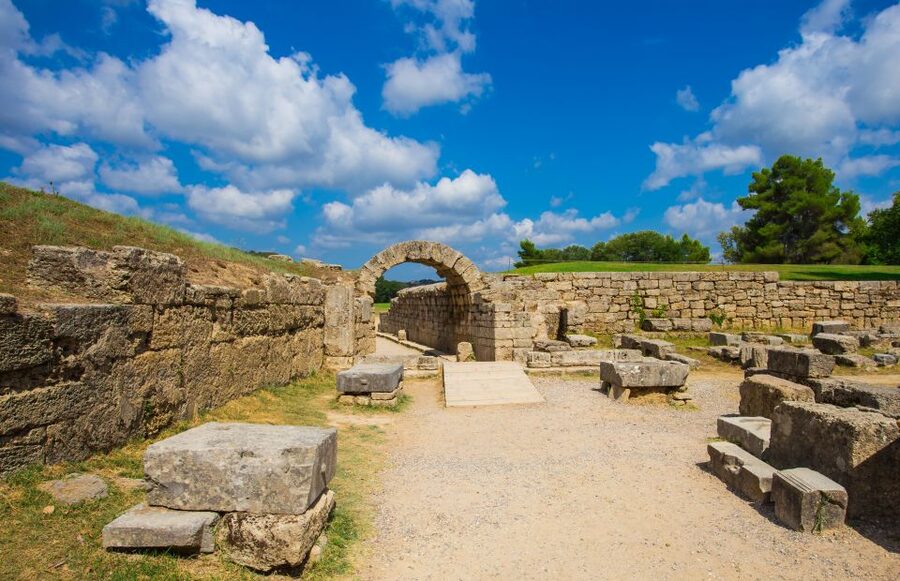
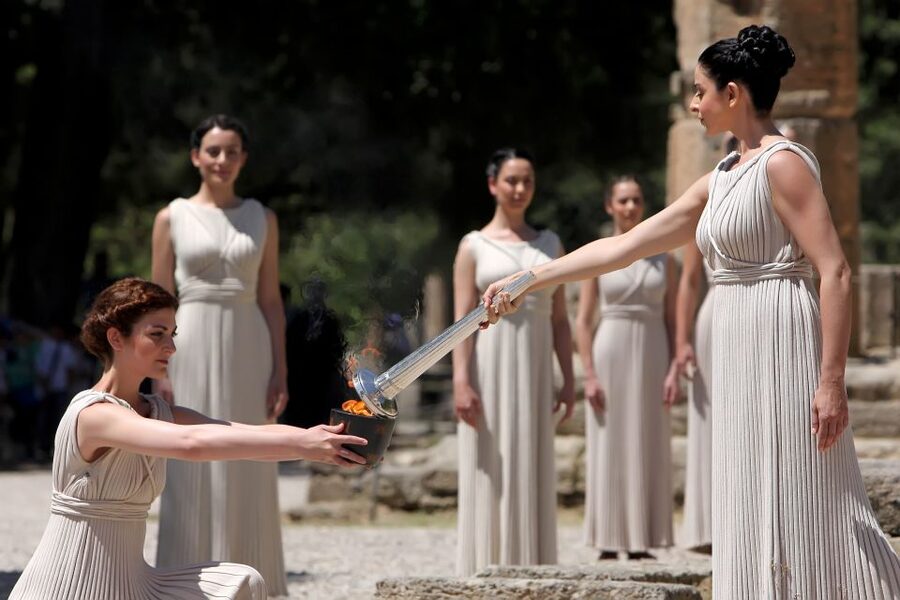
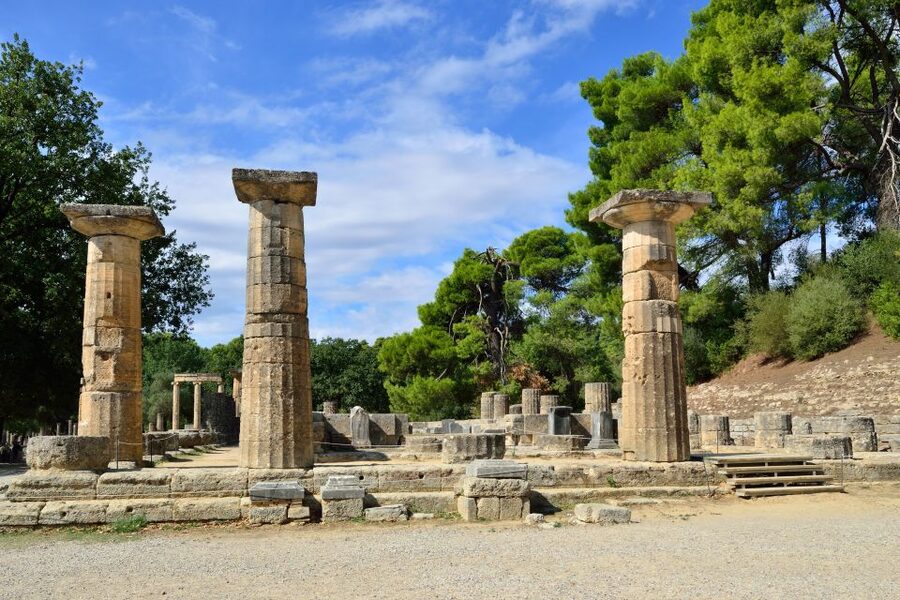
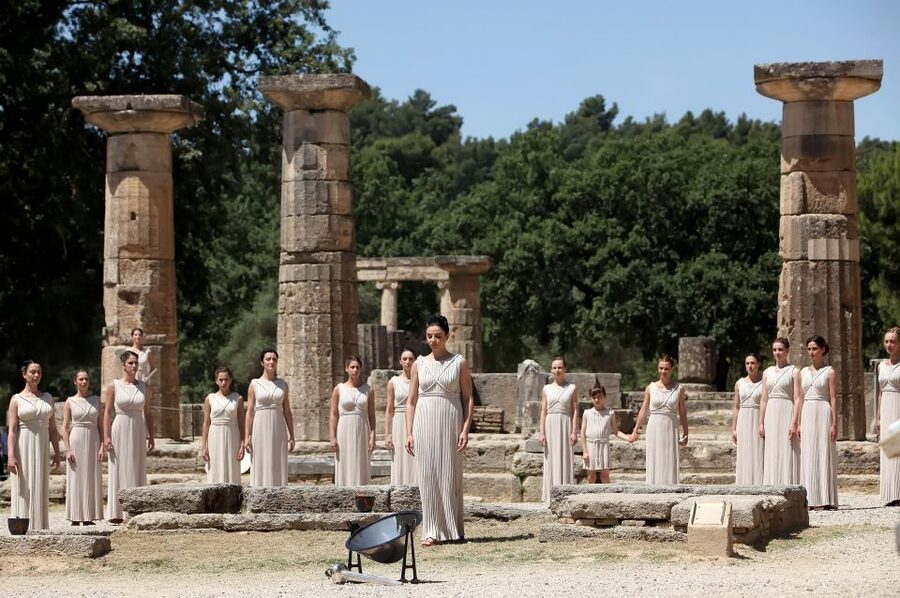
Olympia is where the tour’s ancient sporting story comes alive. The sanctuary was sacred to Zeus and hosted the Olympic Games in classical times. You see the remains of the Stadium, the Doric columns of the Temples of Zeus and Hera, and the altar connected with the modern Olympic flame.
The site is spread out, and the scale can be surprising. The stadium is not just a name on a map. Standing at the starting area gives you a sense of the distance athletes had to run, while the temple remains show how much of the complex was devoted to religion rather than sport alone.
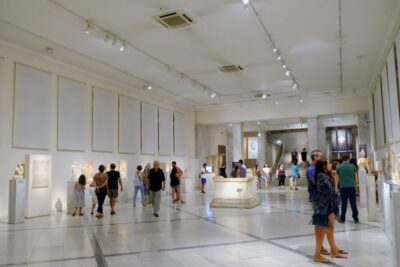
The Archaeological Museum of Olympia sits directly opposite the ruins. This is an important part of the visit, not an optional extra. The excavated objects provide the detail that the open site cannot. Stone sculptures, architectural pieces, and artifacts help you understand how the sanctuary looked and functioned.
Allow for heat here. One of the most useful habits is to carry a hat, sunglasses, sunscreen, and plenty of water. A guide may find shaded places for explanations, but much of the walking is in the open. In summer, the sun can make a three-hour site visit feel longer than expected.
After Olympia, the route heads toward Rion and crosses the Corinthian Bay on the Rio-Antirrio Bridge. This modern bridge is a striking change after a morning among ancient ruins. The coastal drive then continues toward Nafpaktos, a small harbor town with a more relaxed feel than the major cities on the route.
The trip reaches Delphi later in the day, with a stop in Arachova before the overnight stay. Arachova sits on the slopes of Mount Parnassus and is known for its mountain setting. This is a short visit, but it adds variety to a route otherwise dominated by archaeological sites and long roads.
The overnight location matters. Delphi is not only a ruin reached by bus in the morning. It is also a modern mountain town, and staying nearby means you do not have to make the long journey from Athens before touring the sanctuary. Hotel quality can vary by selected category and availability. The three-star option has been described as generally comfortable in some trips, but one stay in Delphi was found worn and in need of repair. If your room matters greatly, confirm the hotel details before departure.
Day three: Delphi, Apollo, and the Oracle
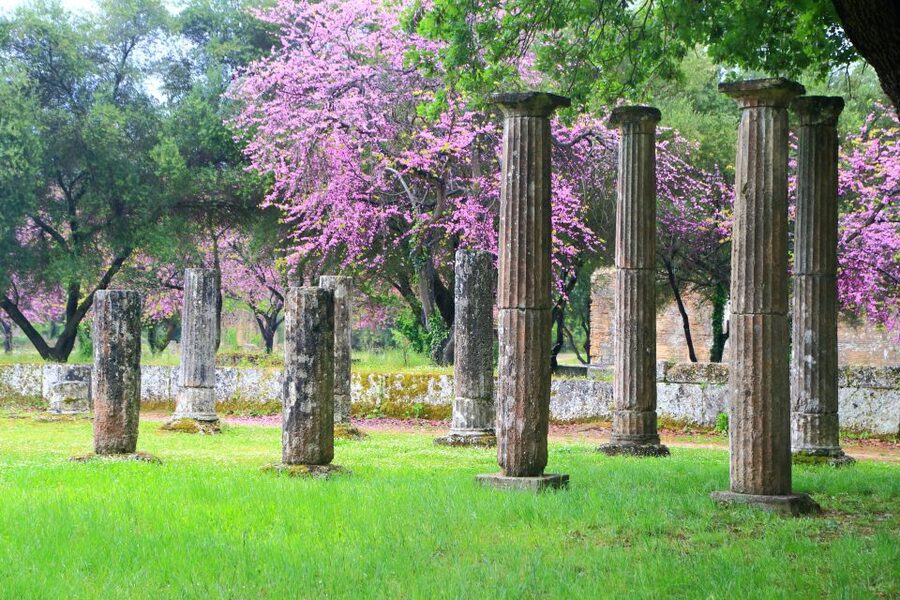
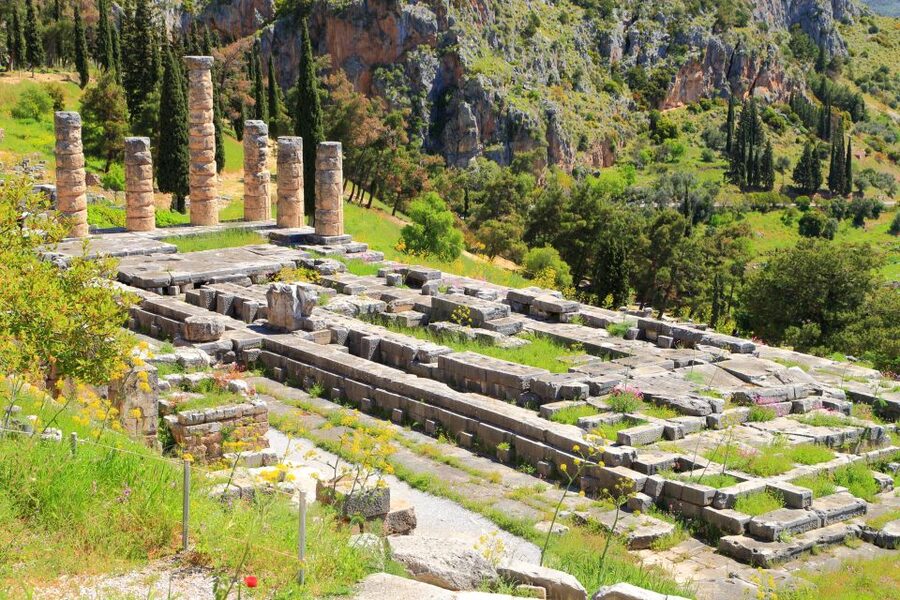
Delphi is the emotional high point of this itinerary for many people. Ancient Greeks regarded it as the center of the world, and the sanctuary was tied to Apollo and the famous Oracle. The site climbs along the slopes of Mount Parnassus, with broad views across the valley below.
Your visit includes the Temple of Apollo, the theater, and the archaeological museum. The theater could hold up to 5,000 spectators and hosted performances, poetry readings, and festivals. It is easy to miss the scale when looking only at photographs, so stand near the upper sections if the route and time allow.
The Oracle is best understood as part of a larger religious complex, not as a single room where visitors received simple predictions. Your guide can explain how worship, politics, pilgrimage, and myth came together here. Guides such as Marianna Tsigaridou have used Greek mythological stories to make the site easier to follow, while others have brought visual material to show possible reconstructions.
Delphi is also physically demanding. The path rises, surfaces are uneven, and shade is limited in places. If you have knee or mobility problems, consider the restriction that this tour is not suitable for wheelchair users. Even fit walkers should set a steady pace and save energy for the upper sections.
The museum helps complete the picture. It holds artifacts connected with ancient Delphi and gives you a closer look at objects that can be hard to interpret among the ruins. I would pay close attention here, even if you are more excited by the views. The museum is where many small details of the sanctuary become clear.
After the visit, you return to Athens through the hills of Parnassus and the Valley of Phocis, passing olive trees and vineyards. The final drive is long, but it lets you see how quickly the setting changes from mountain sanctuary to the Athens area.
More Ancient History Tours in Greece
- From Athens: Ancient Corinth Day Trip with Canal & VR Guide
★ 4.6 · 1,073 reviews - Acropolis, Parthenon & Athens Old City Heritage Walking Tour
★ 4.5 · 876 reviews - Private Biblical Tour Ancient Corinth & Isthmus Canal from Athens
★ 5.0 · 762 reviews - Athens: Ancient Corinth & Nafplio Full Day Trip with Swim
★ 4.8 · 531 reviews
Guides, buses, and group organization
The guide is the main variable that can turn this route from a list of sites into a connected story. The strongest guiding style on this trip combines clear meeting instructions, mythology, archaeology, and modern Greek life. Anna and Marianna Tsigaridou have been singled out for lively explanations and careful organization, while Dimitris has been praised for helping with occasional problems and tying the locations together.
You may not stay with exactly the same guide or group at every point. Some organized Greek archaeology routes combine groups or transfer passengers between vehicles, and one booking found those changes confusing. Listen carefully when the guide gives meeting times and locations.
Transport is by a luxury air-conditioned bus, though the exact vehicle size can vary. One small group used a mid-sized van with charging ports, while other departures have used larger minibuses. Drivers such as Spiros, Giannis, Thomas, and Georgios have received strong praise for handling narrow roads, mountain bends, and small towns.
Expect frequent stops to stretch your legs and buy food. The route has many hours of driving, so these breaks matter. Still, the bus time is a real part of the experience, not a minor footnote. Bring headphones, a book, or a way to charge your phone, and use the road sections to rest between site visits.
What $506 includes, and what it does not
At $506 per person, the cost is reasonable if you value convenience. You are paying for three days of transport, a live English-speaking guide, entrance fees, two hotel nights, two breakfasts, and two dinners. Booking those pieces separately could be cheaper in some cases, but it would require more time and would not provide the same continuous explanation.
Lunch is not included. You should budget for two lunches and drinks, plus snacks during the longer drives. Meals at the hotels have generally been considered good, and special food needs can sometimes be handled. One couple found gluten-free meals available at each location, but you should still notify the operator in advance rather than assume every kitchen will be prepared.
Hotel tax is extra and paid directly to the hotel. The stated rate is €10 per room per night for four-star hotels and €5 per room per night for three-star hotels. Rooms are normally arranged as doubles or triples. A single room requires a separate booking for one person.
The four-star and three-star choices can affect your comfort, but not the archaeological content. I would choose based on budget and sleep needs. You will spend much of the day away from the hotel, yet a clean, well-located base in Olympia or Delphi makes the evening more pleasant.
Who should book this three-day tour?
This trip suits you if you want the major mainland archaeological sites without renting a car. It is especially useful for a first visit to Greece, for history-focused families, and for anyone who wants a guide to explain mythology rather than simply point out stones.
It also works well if you have only three days beyond Athens. The route is too broad for a slow, independent schedule, but that is exactly why the organized format helps.
I would hesitate if you dislike long coach journeys, hot outdoor visits, fixed meal times, or hotel details that may not be confirmed until shortly before departure. The schedule leaves little room for spontaneous changes.
The tour is not suitable for wheelchair users, and people who need generous rest periods should think carefully about the walking at Olympia and Delphi. Spring and autumn should be more comfortable than the hottest part of summer, although the activity is offered across the travel season.
Should you book it?
Book this tour if you want a practical, story-led introduction to ancient Greece and accept that three major sites in three days require a brisk pace. The strongest reasons are the expert guiding, included admissions, simple hotel arrangements, and the chance to connect Mycenae, Olympia, and Delphi in one route.
Skip it if you want to linger. In that case, spend separate nights in the Peloponnese and Delphi, with more time for Nafplio, Olympia’s museum, and the Delphi sanctuary. For everyone else, $506 buys an efficient and memorable sweep through the myths, temples, theaters, and mountain roads that shaped Greece’s ancient identity.
FAQ
How long is the tour?
The tour lasts three days, with departure from Athens and return to Athens on the third day.
Which archaeological sites are included?
The route includes Epidaurus, Mycenae, Olympia, and Delphi. It also includes the Tomb of Agamemnon, the theater at Epidaurus, the Temples of Zeus and Hera at Olympia, the Stadium at Olympia, the altar of the Olympic flame, the Temple of Apollo at Delphi, the Delphi theater, and the archaeological museums at Olympia and Delphi.
Is pickup from my Athens hotel included?
Free pickup is available from most centrally located Athens hotels on request. Pickup usually takes place about one hour before departure. You can also meet at the tour supplier’s office 15 minutes before departure.
What language is the tour conducted in?
The live tour guide speaks English.
Are hotels included?
Yes. Two nights of accommodation in a three-star or four-star hotel are included, depending on the option selected.
Are meals included?
Breakfast and dinner are included. Lunches, drinks, and personal expenses are not included.
Is the hotel tax included?
No. The tax is paid directly to the hotel. It is listed as €10 per room per night for a four-star hotel and €5 per room per night for a three-star hotel.
Can I book a single room?
Each booking normally covers a double or triple room. If you want a single room, you need to make a separate booking for one person.
Is the tour suitable for wheelchair users?
No. The activity is not suitable for wheelchair users.
More Three-Day Trips in Athens
- Cairo: 3-Day Siwa Oasis Tour, Safari, Camp & Historical Site
★ 4.9 · 80 reviews - Beijing: All-Inclusive 3-Day Private Tour of Must-See Sights
★ 5.0 · 35 reviews - 3-Day Medieval Transylvania Package Tour
★ 4.7 · 31 reviews - 3-Day All-Inclusive Beijing Private Tour: Top Sights+Peking Duck
★ 5.0 · 28 reviews
More Archaeological Site Tours in Athens
- Athens: National Archaeological Museum Ticket w/ Opt. Audio
★ 4.4 · 713 reviews - Athens National Archaeological Museum E-Ticket with Audio Guide
★ 3.0 · 57 reviews - Buggy Tour in Ancient Ruins and Temples around Athens-SOUNIO Poseidon Temple
★ 5.0 · 56 reviews - National Archaeological Museum Private Tour with Licensed Expert Guide
★ 5.0 · 53 reviews
Just added around Athens
- Small-Group Women History in Ancient Greece Walking Tour★ 5.0 · 38 reviews
- The original Christian tour on Paul’s footsteps in Athens and ancient Corinth★ 4.5 · 25 reviews
- Ancient Athens tour: Acropolis, Parthenon and Acropolis Museum★ 5.0 · 256 reviews
- Ancient Athens Segway Tour with Agora and Kerameikos★ 5.0 · 94 reviews
- Ancient Sparta & Mystras Private Day Tour from Athens★ 5.0 · 52 reviews
- Athens National Archaeological Museum E-Ticket with Audio Guide★ 3.0 · 57 reviews
- Half Day Historical Athens City Private Taxi Service Tour★ 5.0 · 79 reviews
- Biblical Corinth Taste Faith & History with wine & Oil Tasting★ 5.0 · 28 reviews
Athens History Tours, compared.
Athens: Acropolis & up to 5 Archaeological Sites Combo Pass
Read our review →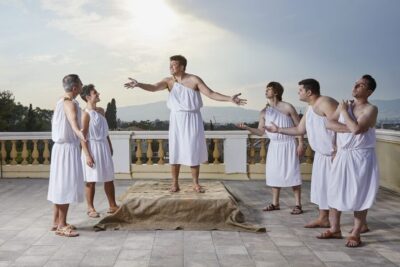
Historical Delphi One Day Tour with Arachova Stop & Expert Guide
Read our review →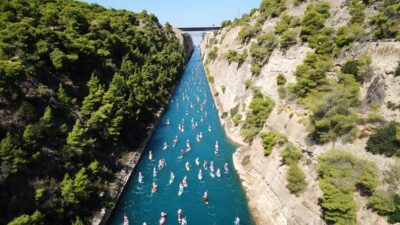
From Athens: Ancient Corinth Day Trip with Canal & VR Guide
Read our review →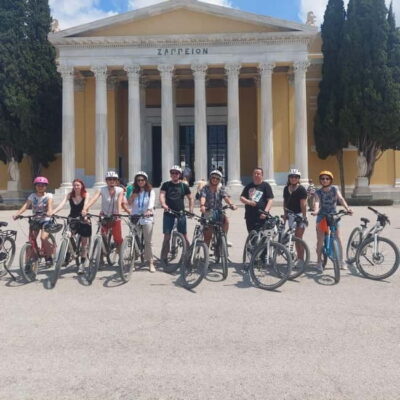
Historic Athens: Small Group Electric Bike Tour
Read our review →
Acropolis, Parthenon & Athens Old City Heritage Walking Tour
Read our review →
Private Biblical Tour Ancient Corinth & Isthmus Canal from Athens
Read our review →