
Review · BUCHAREST
3-Day Medieval Transylvania Package Tour
Transylvania comes alive on this three-day loop from Bucharest, where fortified churches, Saxon towns, mountain roads, and Dracula lore share the same itinerary. You move from the Moorish-style monastery at Curtea de Argeș to the medieval streets of Sighișoara and the grand rooms of Peleș Castle.
I like the small group size, limited to 16 people, and the two nights in central hotels rather than returning to Bucharest each evening. I also like the range: this is not just a castle tour, but a mix of monasteries, old towns, mountain scenery, and Romanian royal history. The main caution is the pace. Several days involve long drives, queues, and plenty of walking, and entrance fees, lunch, and dinner are extra.
Key points to know before booking
- Three countries’ worth of atmosphere in one Romanian circuit: Orthodox monasteries, Saxon villages, royal castles, and Dracula folklore all appear within three days.
- Sibiu and Sighișoara are the cultural heart of the tour: Both reward time on foot, with old squares, medieval buildings, and distinctive local character.
- The driving days are long: You cover a lot of ground by car or minibus, so comfortable shoes and patience matter.
- Matthew may be your guide: Recent trips were led by Matthew, also spelled Mathew in one account, who was praised for his humor, driving, and knowledge of Romanian history.
- Peleș Castle requires calendar planning: It is closed on Mondays and Tuesdays, while Sighișoara’s Clock Tower is closed on Mondays.
- The price covers the framework, not every expense: At $588 per person, transport, guide service, parking, fuel, breakfast, and two hotel nights are included, but paid sights and most meals are not.
From Bucharest to Curtea de Argeș and Cozia
The tour begins with hotel pickup in Bucharest and heads west toward Curtea de Argeș. This first stop introduces you to a different side of Romania, one shaped by Orthodox faith and Wallachian rulers rather than the Germanic towns associated with Transylvania.
Curtea de Argeș Monastery was built in 1514 by Prince Neagoe Basarab, ruler of Wallachia. It is described as Moorish in style, and its unusual decoration makes it an appealing first stop. You get a sense of the region’s layered influences before the tour reaches the better-known Transylvanian towns.
Next comes Cozia Monastery, a smaller religious complex and one of Romania’s important medieval art monuments. The stop is valuable because it gives context to the churches and painted religious art you will see elsewhere. This is not simply a photo stop. It helps explain how powerful monasteries were as centers of art, worship, and political life.
A traditional Romanian restaurant lunch follows, though lunch is not included in the tour price. You should budget separately for this meal, along with dinner each evening. The provided information does not set a fixed meal price, so carrying Romanian lei is sensible.
The route then turns toward Transylvania. The mountain scenery is one of the pleasures of this day, but the road time is real. A recent account praised the forests and roadside views, while another found the driving tiring and wished the guide had paused more often for unexpected sights. If you hope to stop for every viewpoint or wildlife sighting, ask your guide early about the day’s timing.
More Medieval History Tours in Bucharest:
- From Bucharest: Small Group Day Trip to Medieval Bulgaria
★ 4.2 · 382 reviews - Peles Castle, Dracula’s Castle and Medieval Town of Brasov in one day
★ 4.5 · 241 reviews - 2-Day Medieval Transylvania with Brasov,Sibiu and Sighisoara Tour from Bucharest
★ 4.5 · 145 reviews
Sibiu, a former Transylvanian capital
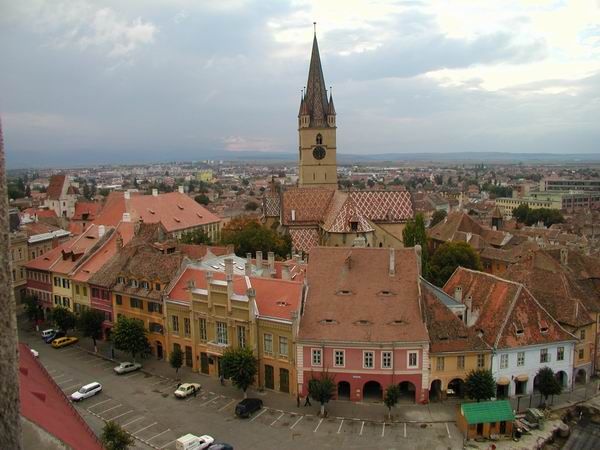
Sibiu is the first major town where you spend the night, and it earns the time. It was the historic capital of the Principality of Transylvania and was once a German medieval citadel. Documentation goes back to 1191, giving the city a long urban story that you can read in its streets and old buildings.
The walking tour focuses on the Old Town. You can expect historic squares, preserved facades, and buildings shaped by the city’s Saxon past. Sibiu feels more polished and spacious than Sighișoara, with enough scale to make an evening walk enjoyable after a day in the vehicle.
The tour includes a traditional Romanian dinner in Sibiu, but dinner is not included in the price. This is a useful chance to try local food with guidance from the tour staff or hotel, though exact restaurant arrangements can vary.
Two practical points matter here. First, you stay in a three-star hotel in or near the town center, which saves you from another transfer after the walking tour. Second, the schedule leaves limited time for independent exploring. You will see the main old-town sights, but you should not expect a slow, open-ended city visit.
Biertan and the fortified churches of the Saxons
After breakfast, the route continues to Biertan, a Saxon village in Transylvania. Its main attraction is a fortified church built between 1490 and 1524, described as the largest fortified church in Transylvania.
These churches were built not only for worship but also for protection. In a region exposed to conflict, villagers could retreat behind defensive walls. Biertan lets you see how religious and defensive architecture worked together, and it gives you a more grounded picture of rural Transylvania than a castle visit alone.
The stop is relatively focused. You tour the church and village, then continue to Sighișoara. On one reverse-order departure, a traveler felt that only about 25 minutes were available at Biertan. That timing may not apply to every departure, but it is a fair warning: this is a sightseeing circuit, not a slow village stay.
Sighișoara and its Clock Tower view
Sighișoara is one of the most memorable stops on the route. The medieval citadel dates to 1280 and is still populated, giving it the unusual feel of a living historic town rather than a preserved museum set.
You walk through the old streets and visit the Clock Tower, the city’s best-known landmark. From the top, you get panoramic views over the old houses and surrounding area. The tower also helps you understand the town’s defenses, since it once guarded a key entrance to the citadel.
The old town is compact but not effortless. Expect cobbled surfaces, steps, and plenty of standing. People with mobility impairments may find this tour difficult, and the operator does not recommend it for children under seven.
Check the departure day before you book. The Clock Tower is closed on Mondays. Saturday and Sunday departures run in reverse order, which can change the sequence of the sights and may affect which attractions are available on a particular day.
More Three-Day Trips in Bucharest:
- Cairo: 3-Day Siwa Oasis Tour, Safari, Camp & Historical Site
★ 4.9 · 80 reviews - 3-Day Ancient Greek Archaeological Sites Tour from Athens
★ 4.5 · 52 reviews - Beijing: All-Inclusive 3-Day Private Tour of Must-See Sights
★ 5.0 · 35 reviews - 3-Day All-Inclusive Beijing Private Tour: Top Sights+Peking Duck
★ 5.0 · 28 reviews
Brașov beneath the Southern Carpathians
Brașov follows Sighișoara, and you spend the second night here. The city sits near the Southern Carpathians and combines a medieval center with a strong modern life.
Its documented medieval story begins in 1235. On the walking tour, you see Gothic churches, old buildings, and the narrowest street in Romania. The city was briefly renamed Stalin City during the Communist period, a reminder that Brașov’s past is not limited to the Middle Ages.
The Black Church is the key sight on the following morning. Built in 1383, it is Brașov’s most important tourist attraction and a major Gothic building. Starting the day here gives the city a proper architectural focus before the tour moves toward Bran Castle.
Brașov is also one of the places where the schedule may feel tight. You get a guided introduction, but not a full free day. If you want to browse shops, visit museums, or sit over coffee in the old center, you will need to use your personal time carefully.
Bran Castle and the Dracula question
Bran Castle is the tour’s biggest name, thanks to its connection with Bram Stoker’s Count Dracula. The castle sits on the border between Transylvania and Wallachia, and the visit includes the grounds and museum.
The Dracula link is more literary than literal. The castle is presented as the home of Stoker’s fictional count, but its value goes beyond the legend. You are seeing a real medieval fortress in a dramatic mountain setting, with a museum that adds context to the building and its occupants.
Expect crowds and queues. A recent account specifically noted long lines for restrooms and entry at both Bran and Peleș. The castle can be atmospheric, but the experience is less private and more commercial than the quiet monasteries and smaller villages earlier in the trip.
A traditional lunch follows, at your own expense. This is another point where the tour’s total cost grows beyond the $588 booking price. Plan for meals, admissions, and any personal purchases when comparing this package with a private tour or a longer stay.
Peleș Castle and Sinaia’s royal setting
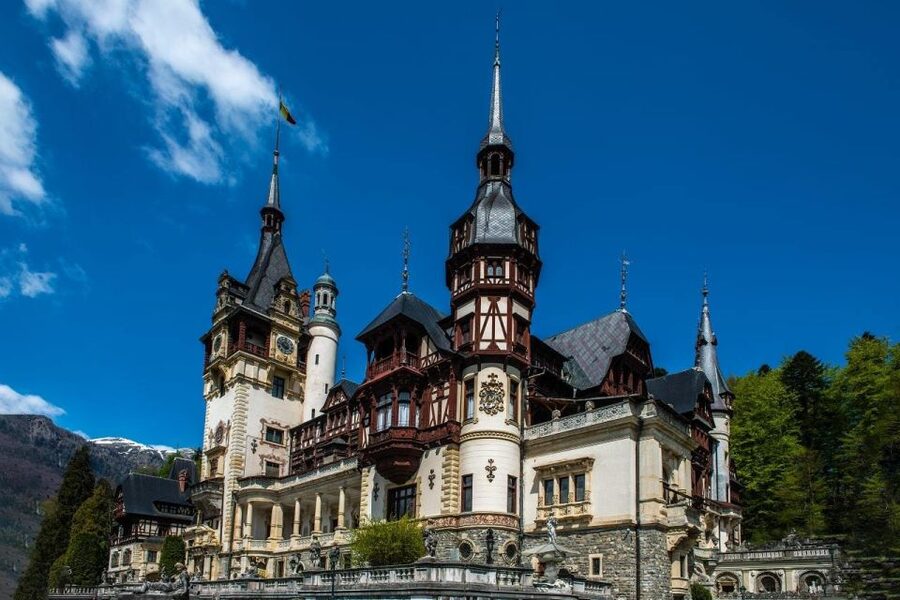
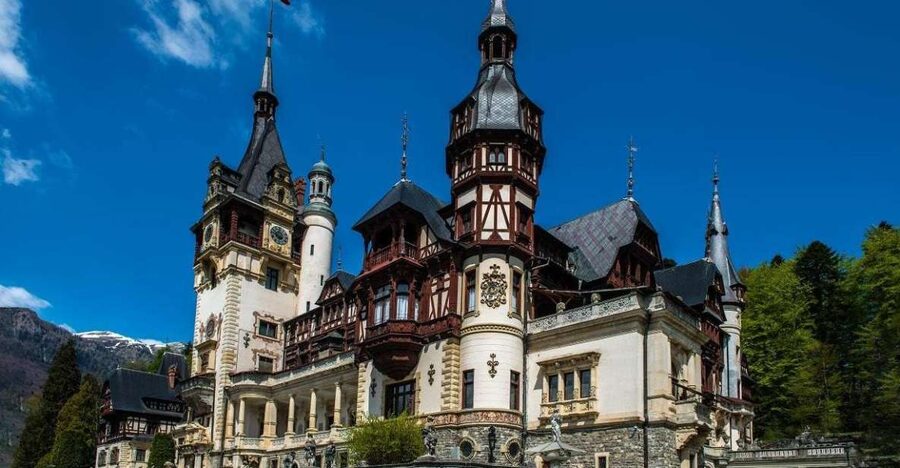
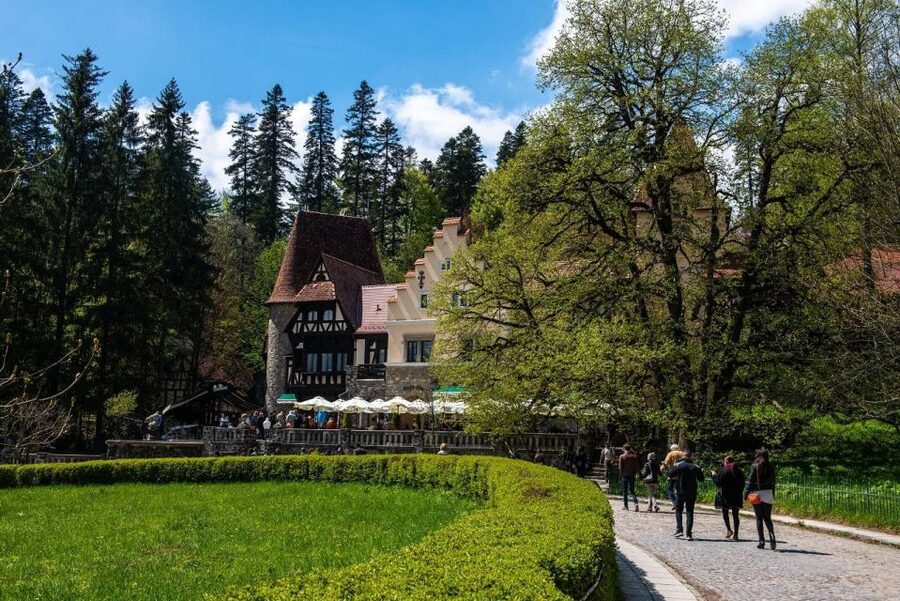
The final major stop is Sinaia, a mountain resort in the Prahova River valley. Here you visit Peleș Castle, built for Romania’s first king, Carol I, between 1875 and 1914.
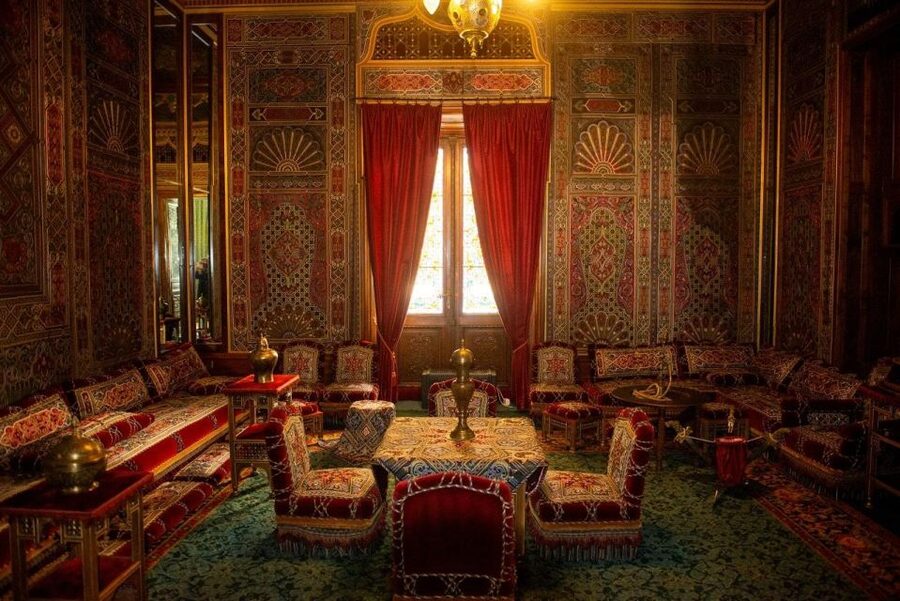
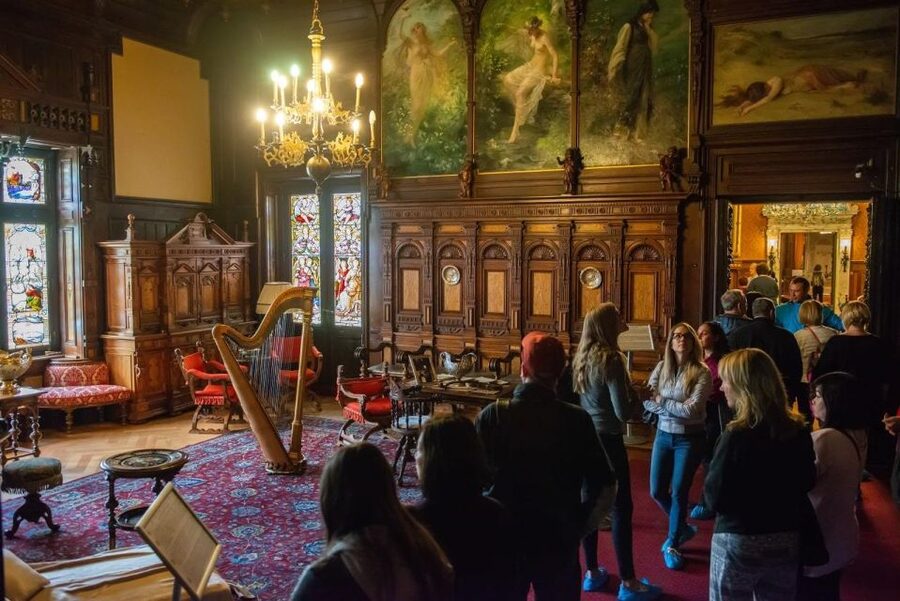
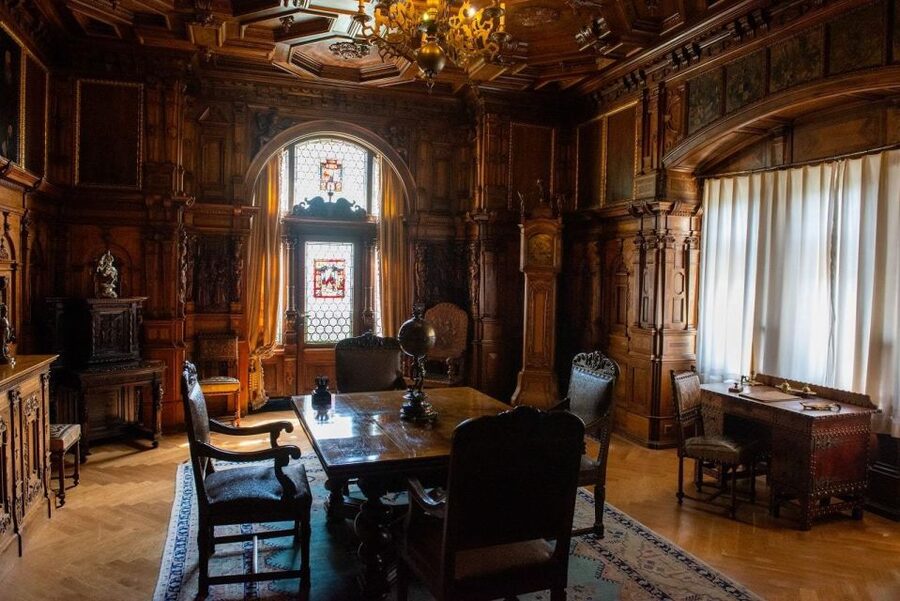
Peleș is a sharp change from Bran. Bran leans on medieval fortress walls and Dracula folklore. Peleș is a refined Neo-Renaissance royal residence, built for comfort, ceremony, and display. Its interior rooms and architectural detail make it one of the tour’s strongest stops for anyone interested in Romania’s royal period.
Peleș is closed on Mondays and Tuesdays, so check the operating days before choosing your departure. Weekend departures run in reverse, and the order may be adjusted to fit opening schedules.
Queues can be long, and the tour price does not include admission. You should also expect standing and walking through the castle. If you prefer a relaxed visit with time for every room, this itinerary may feel brisk.
The day ends at Sinaia Monastery, founded by Prince Mihail Cantacuzino in the seventeenth century after a pilgrimage to Mount Sinai. You visit the Old Church and the nineteenth-century Great Church. This closing stop brings the tour back to religious architecture after the royal grandeur of Peleș.
From Sinaia, the vehicle returns to Bucharest. Depending on the route and order of stops, the return can be demanding. One reverse-order trip reached Bucharest around 2 p.m., but the account described roughly five hours of driving with only a short stop at Biertan and visits to Brașov and Sibiu. The exact timing can vary, but you should not assume every departure will allow a leisurely final morning.
What the $588 price really covers
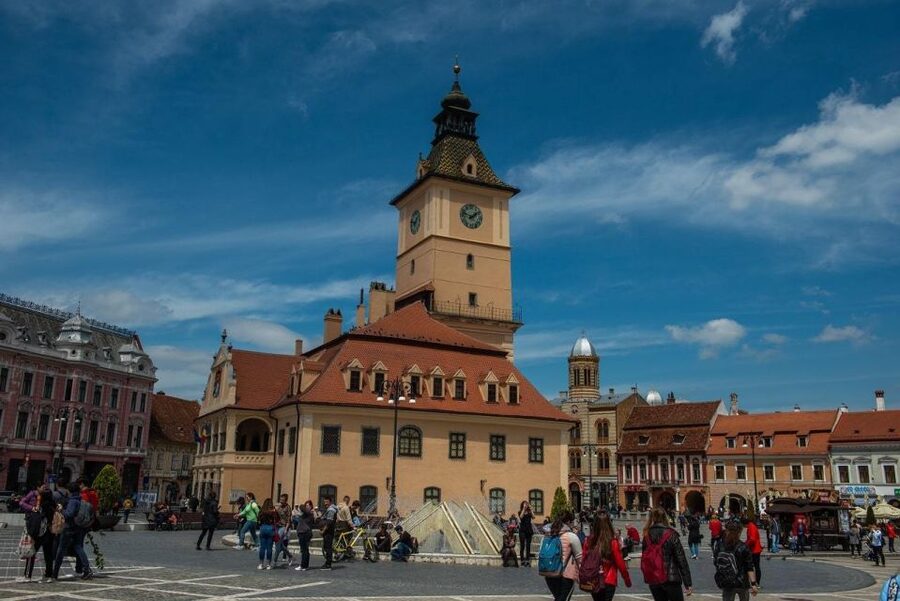
At $588 per person, this is a fairly efficient way to connect a large number of Romanian sights without arranging cars, hotels, parking, and route planning yourself. You receive transportation by car or minibus, fuel, parking, an English-speaking driver-guide, two nights in three-star hotels, and breakfast.
The hotels are a strong part of the package. Recent stays were described as comfortable, with very good breakfasts, and located in Sibiu and Brașov. The accommodation is basic rather than luxurious, but it suits a sightseeing trip where the room is mainly a place to sleep and start the next day.
The main extra costs are important:
- Entrance fees for monasteries, towers, castles, and museums
- Lunches and dinners
- A €60 single supplement, paid in cash to the guide at the start of the tour
Solo visitors should factor in that supplement before comparing the price with other options. Couples and friends generally get better value because they avoid the single-person charge.
The free cancellation window is practical: you can cancel up to 24 hours before departure for a full refund. You can also reserve and pay later. Those policies help if your Romania plans are still shifting, but they do not change the tour’s physical demands.
The guide and group experience
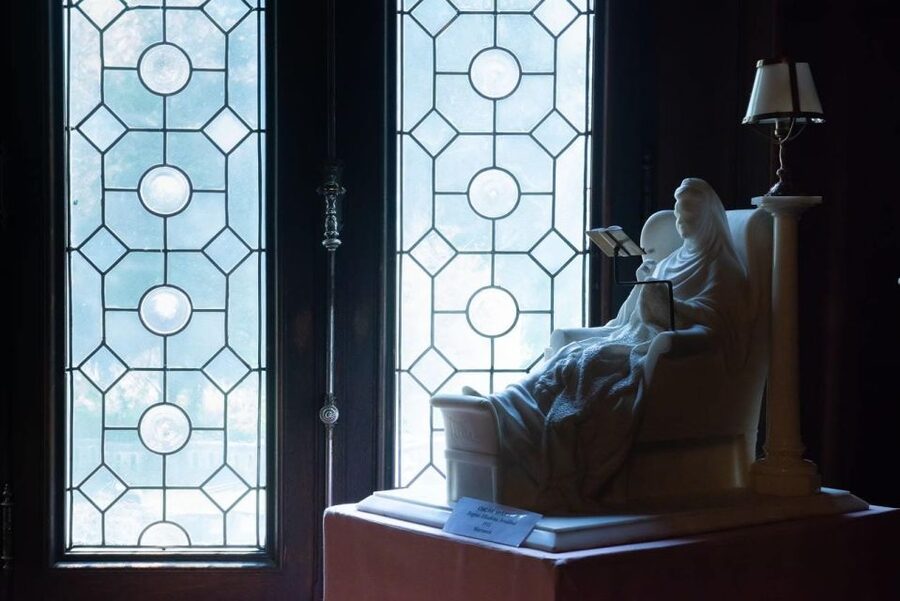
The tour is limited to 16 participants, though some departures may be much smaller. One recent group had only four people, which made the vehicle time more personal and flexible.
Matthew, also spelled Mathew in one account, led several recent departures. He was praised for safe driving, humor, and strong knowledge of Romanian history. That combination matters on a route with many hours in the car.
The guide style can vary by departure. One account felt the guide acted more like a driver and companion, with limited explanations while passing sights. Another felt the guide brought history and humor to the trip. I would ask questions rather than wait for commentary, especially on long transfers between towns.
Driving style is another consideration. Most feedback was positive about safety and the condition of the vehicle, but one person felt the driving was too brisk and wished the group had slowed for roadside wildlife and mountain views. If you want frequent photo stops, make that preference clear at the start.
Who should book this tour?
I would choose this package if you have only three days and want a broad introduction to central Romania. It works especially well for first-time visitors who want to combine Sibiu, Sighișoara, Brașov, Bran, and Peleș without renting a car.
It also suits travelers who enjoy guided context and do not mind moving on once the key sights are covered. The mix of monasteries, Saxon villages, fortified towns, royal architecture, and Dracula folklore gives you a useful first map of the region.
I would hesitate if you dislike long drives, queues, or fixed schedules. People with mobility impairments should also think carefully, since cobbles, stairs, castle interiors, and standing are part of the experience. Children under seven are not accepted.
Should you book it?
Book this tour if your priority is coverage. In three days, you see an impressive range of Romania’s major cultural sights, sleep in Sibiu and Brașov, and avoid the work of coordinating transport and hotels.
Skip it in favor of a slower independent trip if you want long museum visits, quiet village time, or frequent scenic stops. The best value here comes from the route itself and the time saved in planning, not from a leisurely pace. For most first visits, that trade is worthwhile, especially if you are comfortable with early starts, long road sections, and extra admission costs.
FAQ
What is included in the $588 tour price?
The price includes transportation by car or minibus, parking, fuel, an English-speaking driver-guide, two nights in three-star hotels, and breakfast.
Are entrance fees and meals included?
No. Entrance fees, lunches, and dinners are not included, so you need to budget extra for castles, churches, towers, museums, and meals.
Where does the tour stay overnight?
You spend the first night in Sibiu town center and the second night in Brașov. The accommodation is in three-star hotels and includes breakfast.
Can I join the tour alone?
Yes, but solo visitors must pay an additional €60 in cash to the guide at the start of the tour.
Is Peleș Castle open every day?
No. Peleș Castle is closed on Mondays and Tuesdays. Saturday and Sunday departures operate in reverse order, so check the schedule before booking.
Is the tour suitable for young children or people with mobility impairments?
The tour is not suitable for children under seven or people with mobility impairments. Expect walking, standing, cobbled streets, stairs, and castle visits.
Just added around Bucharest
- Private Tour: Transylvanian Castles and Brasov’s Medieval Old Town★ 5.0 · 42 reviews
- Visit Bulgaria – Veliko Tarnovo Medieval Fortress – Private tour from Bucharest★ 5.0 · 51 reviews
- Day Trip to Medieval Bulgaria- Small group tour★ 3.5 · 75 reviews
- Guided Walking Tour of Historical Bucharest★ 5.0 · 84 reviews
- Bucharest Jewish Heritage | Holocaust Memorial | Private Car Tour★ 5.0 · 38 reviews
- 2-Day Medieval Transylvania with Brasov,Sibiu and Sighisoara Tour from Bucharest★ 4.5 · 145 reviews
- Day trip to Dracula’s Castle, Peles Castle and Medieval Brasov★ 4.5 · 41 reviews
- Roma Culture, Realities and Slavery History, Walking tour★ 4.9 · 52 reviews
Bucharest History Tours, compared.
Bucharest: Communism and History Guided City Walking Tour
Read our review →
From Bucharest: Small Group Day Trip to Medieval Bulgaria
Read our review →
Bucharest: 3-Hour Dark History Tour with a Local
Read our review →
Peles Castle, Dracula’s Castle and Medieval Town of Brasov in one day
Read our review →
Bucharest: Small Group History, Art & Secrets Tour
Read our review →
2-Day Medieval Transylvania with Brasov,Sibiu and Sighisoara Tour from Bucharest
Read our review →
Browse the lists this tour appears in