
Review · BELGIUM
From Ypres: WWI Battlefields Private Tour
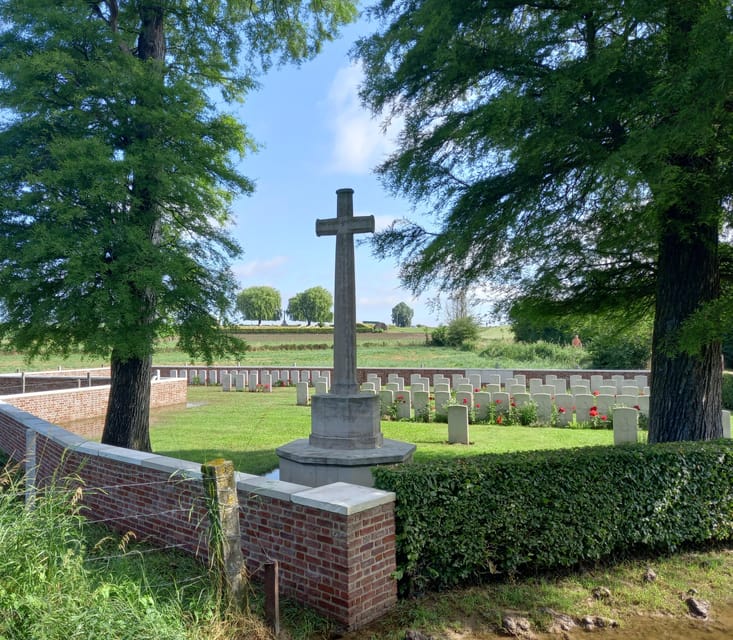
The most moving part of this Ypres tour is the way it links battle sites to individual soldiers. You walk original trenches at Sanctuary Wood, look into the huge Caterpillar mine crater, and visit cemeteries where names, units, and dates turn a distant war into something personal. If you have an ancestor who served here, send the details before you arrive.
I like two things right away. First, this is a private tour, so Søren Hawkes or Sabine can shape the route around your interests instead of giving every group the same script. Second, the driving makes it possible to connect sites spread across the Ypres Salient without wrestling with country lanes or a map.
The main limitation is time. Four hours gives you a strong introduction, but not a full study of every battle or cemetery in the area. The subject is also solemn, so this suits you best if you want serious military history rather than a light sightseeing outing.
Key points at a glance

- Walk through original trench remains at Sanctuary Wood, then use the nearby museum to picture the cramped conditions of trench warfare.
- See the Caterpillar mine crater, a huge mark left by the 1917 underground explosion near Hill 60.
- Visit Tyne Cot Cemetery, where almost 12,000 Commonwealth war dead are buried or commemorated.
- Connect John McCrae with Essex Farm, the dressing station area associated with In Flanders Fields.
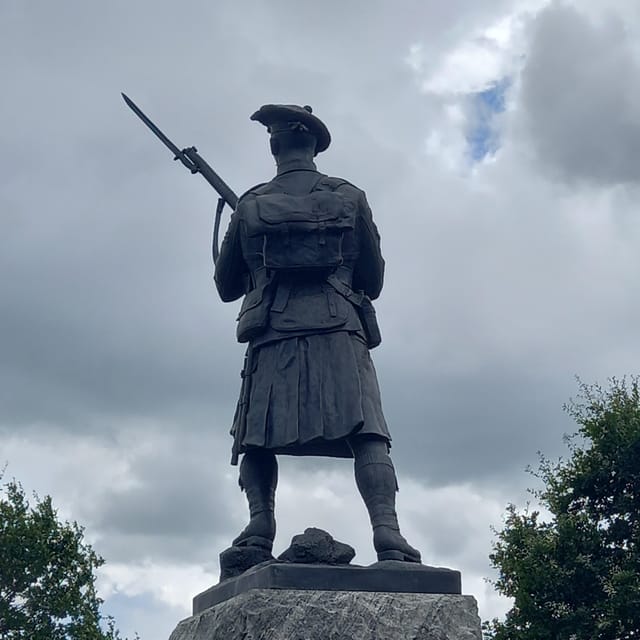
- Stop at the Brooding Soldier, a powerful memorial to the first German gas attack of 1915.
- Choose an Australian, Canadian, or New Zealand focus, or ask the guide to trace a particular relative where possible.
Why a private Ypres tour works so well
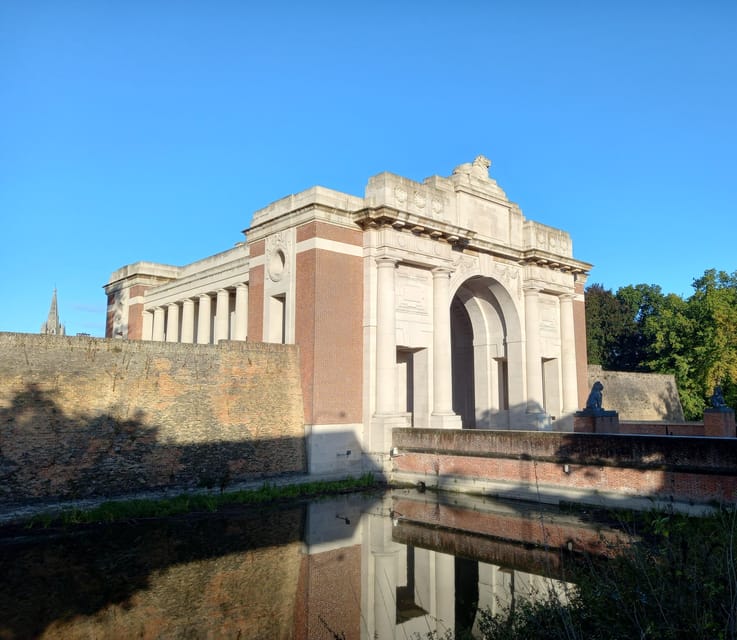
The Ypres battlefields are not gathered in one tidy park. Sites sit among farms, villages, roads, cemeteries, and fields, and several important locations can look unremarkable if you do not know what happened there. A guide gives you the story and the map at the same time.
This matters most in a private vehicle. You can ask why a particular ridge mattered, how an attack moved across the area, or where a unit fought next. Søren brings maps and charts that help you get your bearings, an especially useful aid in a region where roads and farm lanes can quickly blur together.
You meet at your Ypres accommodation, the railway station, or another agreed location in Ypres. Hotel pickup and return are included, along with mineral water and the museum entrance fee. Transport is air-conditioned, clean, and comfortable, which makes a difference on a hot day or in wet Belgian weather.
The group price is $530 for up to four people. That works out to $132.50 each if you fill all four places. For a couple, the per-person cost is higher, but you are paying for a dedicated guide, private transport, and a route adjusted to your interests rather than a standard coach outing.
The advertised duration is four hours. Some tours may run longer when the guide adds a site or spends extra time on family research, but you should treat that as a bonus, not a promise. If you have a train to catch or a fixed lunch booking, allow plenty of breathing room.
More Private History Tours in Belgium
- Private Historical Tour: The Highlights of Bruges
★ 5.0 · 315 reviews - Private tour: Highlights & History of Antwerp
★ 5.0 · 299 reviews - Bruges: Private Historical Highlights Walking Tour
★ 4.7 · 191 reviews
Hill 60 and the Caterpillar mine crater
The first major stop is the Caterpillar Mine Crater, also identified as Hill 60 B. You spend about 30 minutes here, walking and listening as the guide explains the underground warfare that shaped this part of the front.
The crater is the physical result of a 1917 mine explosion. It gives you an immediate sense of the force used to break through fortified positions, and it helps explain why the ground around Ypres was so fiercely contested. A map or verbal description can feel abstract. A massive crater makes the scale plain.
Hill 60 is also a good early stop because it sets up the rest of the visit. You begin to see the battle not as a string of isolated memorials, but as a sequence of attacks toward Passchendaele. The guide follows the movements of Australian, Canadian, New Zealand, South African, and British soldiers, depending on the route you choose.
The stop involves walking outdoors, so wear shoes with a solid grip. The tour does not present the crater as a simple photo stop. You have time to look, ask questions, and consider how an ordinary field became a military target.
Sanctuary Wood’s trenches and museum
At Sanctuary Wood, you walk along original trench remains and spend about 50 minutes with the guide and museum. For many people, this is the point where the war becomes more physical.
The trenches show the narrow, uneven spaces where soldiers lived and fought. They help you understand the daily reality behind the larger names of battles: limited shelter, mud, exposure, and the constant need to defend a position that might look small on a modern map.
The museum adds objects and context, while the guide connects them to the ground outside. That combination is useful. You are not simply looking at a display case, and you are not standing in an old trench without knowing its role.
I would give this stop your full attention. The surface remains are not a complete battlefield, and the museum cannot recreate every wartime condition. Still, the visit provides one of the clearest physical impressions of trench warfare on the route.
Tyne Cot Cemetery and the human cost
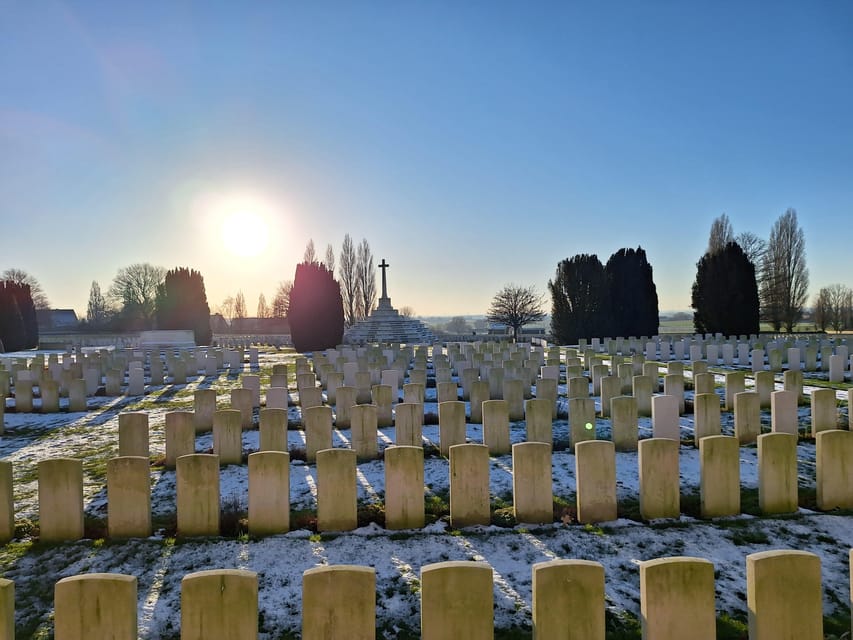
Tyne Cot is the largest cemetery on this short itinerary and one of its emotional centers. You spend roughly 50 minutes here, enough time for the guide to explain the cemetery, identify important names, and give you space to look around.
Almost 12,000 Commonwealth war dead are buried or commemorated at Tyne Cot. The number is hard to take in as a statistic, but the rows of headstones make it personal. The memorial to the missing adds another layer, especially if your family research leads you to a name with no known grave.
This is where the tour’s private format pays off. You can ask the guide to help locate a particular soldier, unit, or decoration. One Canadian visitor received help searching for a Victoria Cross recipient, while another family-focused visit was shaped around an ancestor’s service. The guide can research family details in advance where possible, so send names, service numbers, units, and dates before the tour if you have them.
Do not expect a rushed checklist here. The strongest part of the visit is the balance between explanation and quiet. Søren’s approach, according to the experience details, is to give you context and then let you reflect. That is a better fit for Tyne Cot than constant talking.
More Battlefield and Military History Tours in Belgium:
- From IEPER Private 4-hour Tour of the Ypres Battlefield
★ 5.0 · 154 reviews - Historic Battle of the Bulge Sites Tour from Brussels
★ 5.0 · 31 reviews - 2-Hour Gettysburg Battlefield Guided History Bus Tour with a National Park Guide
★ 4.5 · 2,201 reviews - Prague Communism History and Nuclear Bunker Tour
★ 5.0 · 1,742 reviews
The Brooding Soldier and the 1915 gas attack
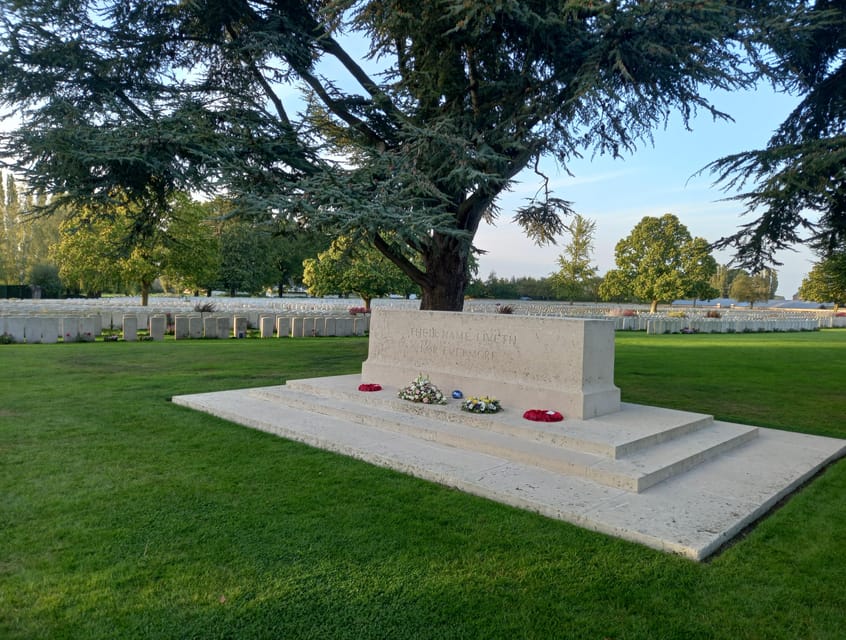
The Brooding Soldier memorial takes about 20 minutes. It commemorates the Canadian troops affected by the first German gas attack in 1915, a grim turning point in the Ypres battles.
The memorial’s power comes from its restraint. It is not a large complex with a long indoor visit. Instead, the figure invites you to pause while the guide explains what happened and why this place matters.
This stop is especially valuable for anyone following Canadian military history. It also broadens the tour beyond the 1917 push toward Passchendaele. The route deals with several phases of the Ypres Salient, and the Brooding Soldier shows how quickly warfare changed during the conflict.
Because the stop is short, ask questions while you are there. If gas warfare, Canadian units, or the 1915 fighting is central to your interests, tell the guide at the start so the explanation can receive the attention you want.
John McCrae, Essex Farm, and In Flanders Fields
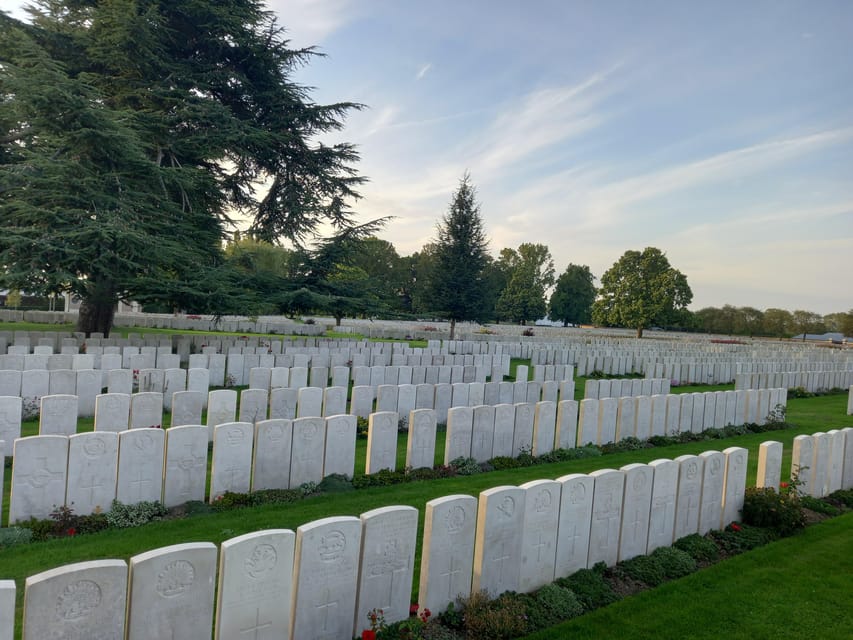
The John McCrae stop takes about 35 minutes and is listed as a photo stop, followed by a shorter guided visit to Essex Farm Cemetery. This is the part of the tour connected with the writing of In Flanders Fields, the poem that became one of the best-known works associated with the First World War.
The location matters because it ties the poem to a working medical setting rather than an abstract literary story. The tour identifies the dressing station area where McCrae wrote the poem, then places that story beside the cemetery.
Essex Farm is a brief stop, listed at about 10 minutes. That means you should not expect a long cemetery study here. Instead, it works as a focused final chapter after the larger visit to Tyne Cot.
I like the structure of this section. You first hear about McCrae and the dressing station, then see the nearby cemetery and the names preserved there. The poem is familiar to many people, but being at the associated site gives the words a more direct connection to the men and medical work of the Ypres front.
Choosing an Australian, Canadian, or New Zealand route
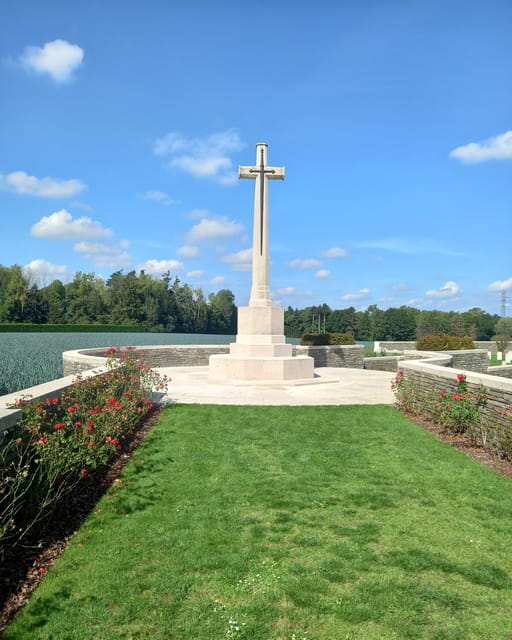
The experience offers three broad routes: Australian 1917 Ypres battlefields, Canadian 1915 and 1916 to 1917 battlefields, and Kiwi 1917 battlefields. This is more useful than it may sound. Different national forces fought in different actions, and a national focus can keep a short tour from becoming a blur of names.
Choose the Australian route if your family or interest centers on the 1917 attacks and Australian units in the Ypres area. Choose the Canadian route if you want the 1915 gas attack, Canadian actions in 1916 and 1917, or Canadian family connections. The Kiwi option suits you if New Zealand ancestors or New Zealand military history are the main reason for visiting.
The route can also cross national lines. One group included a New Zealand family connection and a friend from the United States, and the guide adjusted the visit so both interests had room. That flexibility is a real benefit for mixed groups.
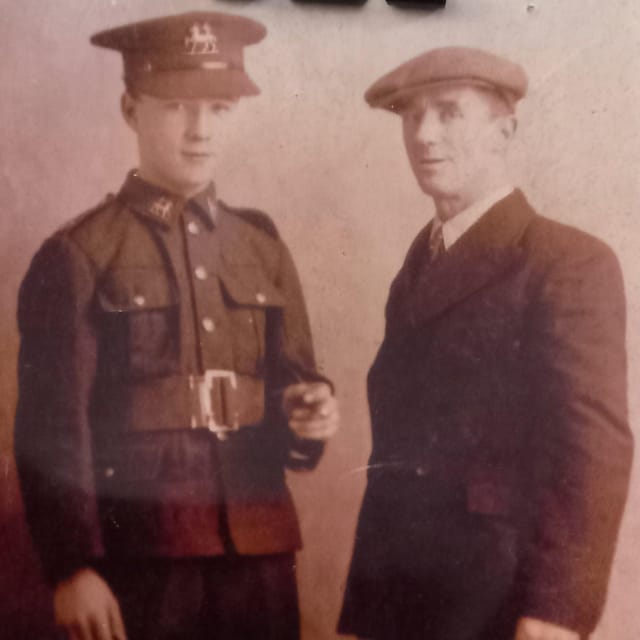
Family research is where this tour becomes more than a general introduction. Guides have helped locate relatives’ graves, trace battle areas, and explain the units involved. Søren also has a personal connection to the area, with a great uncle commemorated there. That kind of personal interest can make the explanations feel less mechanical.
Still, you should bring realistic expectations. The guide can research and include relatives where possible, but the supplied details do not promise that every ancestor can be located or that every battlefield position can be identified precisely. Give the guide the best information you have and let the research shape the route.
How much can you see in four hours?
The listed sequence includes six main stops:
- Caterpillar Mine Crater, about 30 minutes
- Sanctuary Wood Museum, about 50 minutes
- Tyne Cot Cemetery, about 50 minutes
- The Brooding Soldier, about 20 minutes
- John McCrae’s dressing station area, about 35 minutes
- Essex Farm Cemetery, about 10 minutes
Driving fills the gaps, and the guide explains how each place connects to the next. The pace is active but not frantic. You will get out, walk, listen, and move on several times.
A four-hour visit is best viewed as a well-shaped first look. It gives you trenches, a mine crater, a major cemetery, a memorial, and the McCrae connection. It does not give you enough time to study every cemetery, read every name, or explore the wider Ypres area on foot.
The private format helps because you can spend less time on places that matter less to you and more time on family sites. If you want a broad introduction, follow the standard route. If your main purpose is genealogy, tell the guide before pickup.
Practical details for a comfortable visit
The tour is conducted in English by Søren Hawkes or Sabine. Bring comfortable shoes, a camera, and clothing suited to the weather. You will be outdoors at trenches, memorials, and cemeteries, and Belgian weather can change quickly.
Wheelchair access is listed as available, but the experience includes walking at outdoor battlefield sites and original trench areas. If you use a wheelchair or have limited mobility, discuss your needs when booking so the route can be handled appropriately.
There is no food included. Four hours is not a full-day outing, but you should eat before pickup or arrange food for afterward. Mineral water is provided.
The cancellation policy allows a full refund when you cancel at least 24 hours in advance. You can also reserve now and pay later, which is helpful if your Ypres schedule may shift.
Who should book this Ypres battlefield tour?
I would choose this tour if you want a guide to explain the military story while you move through the actual places where it happened. It is particularly strong for families researching Australian, Canadian, New Zealand, British, or South African service.
It also suits first-time visitors who want to cover several important sites without driving themselves. The roads and farm lanes can be confusing, and a local guide can use maps to show how the positions relate to one another.
I would not choose it if you want a relaxed sightseeing drive with little walking or if you prefer to spend an entire day at one cemetery. The four-hour schedule is focused, and the subject is heavy. You need to be ready for war graves, missing soldiers, trench conditions, and gas warfare.
Should you book it?
Book this tour if personal connections matter to you, especially if you can provide an ancestor’s name, unit, or service record. The private setting lets the guide adjust the route, and the combination of maps, cemeteries, trenches, and battlefield sites gives you a clear sense of how the Ypres fighting unfolded.
It is also good value for four people sharing the $530 group price. Couples pay more per person, but gain a private vehicle and a flexible guide rather than a fixed group route. If you want a serious, personal introduction to the Ypres Salient in four hours, this is a strong choice.
FAQ
Where does the Ypres battlefield tour begin?
Pickup is available in Ypres, including your Ypres-based accommodation or Ypres Railway Station. You can also arrange another pickup location in Ypres.
How long does the tour last?
The scheduled duration is four hours, with return to Ypres at the end.
How much does the private tour cost?
The price is $530 per group of up to four people.
Which languages are available?
The live guide language is English.
Which battlefields and memorials are included?
The route includes the Caterpillar Mine Crater at Hill 60 B, Sanctuary Wood Museum, Tyne Cot Cemetery, the Brooding Soldier, the John McCrae dressing station area, and Essex Farm Cemetery.
Can the tour focus on my family member?
Yes. If you have an ancestor connected with the battles, the guide can tailor the tour to include that person where possible. Provide family details before the tour so research can be done in advance.
Are different national routes available?
Yes. The available options are Australian 1917 Ypres battlefields, Canadian 1915 and 1916 to 1917 Ypres battlefields, and Kiwi 1917 Ypres battlefields.
Is transportation included?
Yes. The private tour includes transport, hotel pickup and drop-off, a guide, mineral water, and museum entrance.
What should I bring?
Bring comfortable shoes, a camera, and weather-appropriate clothing. Food is not included.
Just added around Belgium
- Historic Battle of the Bulge Sites Tour from Brussels★ 5.0 · 31 reviews
- Historical Walking Tour: The Story of Brussels – by Legends★ 5.0 · 164 reviews
- Bruges Bites & Sights – Belgian Food, Beer & A Little Bit Of History★ 5.0 · 94 reviews
- Medieval Tour in Bruges with Chocolate Tasting★ 5.0 · 71 reviews
- 2-Hour Historical Walking Tour in Bruges with Praline Included★ 5.0 · 291 reviews
- Bruges at Night: Murder, Mystery & Dark Stories Small Group Walk★ 5.0 · 137 reviews
- Best of Bruges: History, Chocolate & Beer Tour★ 5.0 · 256 reviews
- Food tasting & Historical walk★ 4.5 · 47 reviews
Belgium History Tours, compared.
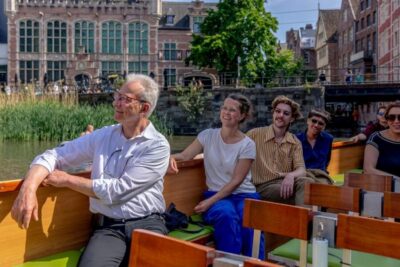
Ghent: 50-Minute Medieval Center Guided Boat Trip
Read our review →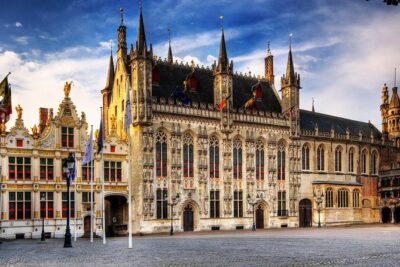
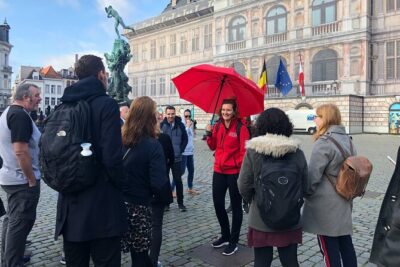

Brussels: Historical Tour with Chocolate & Waffle Tasting
Read our review →
Brussels: Historical Walking Tour with Chocolate & Waffle Tasting
Read our review →
THE Storytelling Tour of Bruges | First Day Must | History & Tips
Read our review →
Ghent: 40 Minute Medieval Center Guided Boat Tour
Read our review →Browse the lists this tour appears in