
Review · USA
Kennebunkport: 2-Hour Historical Walking Tour
Kennebunkport’s prettiest streets tell a sharper story than a quick stroll suggests. This small-group walk follows the town from Dock Square through Maine Street and quiet side roads, where shipbuilders’ and merchants’ homes recall the era when Kennebunkport grew from Poor Arundel into one of Maine’s wealthiest towns.
I like the small group of no more than nine, which gives you room to ask questions and hear the guide clearly. I also like the mix of architecture, local characters, and shipbuilding facts. Guides including Beth, Julie, Barbara, Cynthia, and Marlene have been praised for an easy pace and conversational style.
The main drawback is physical rather than historical: this is a substantial walk, held rain or shine, and it is not suitable for people with mobility impairments. The meeting point can also take a little care to find in busy Dock Square, so arrive early.
Key points to know before you go
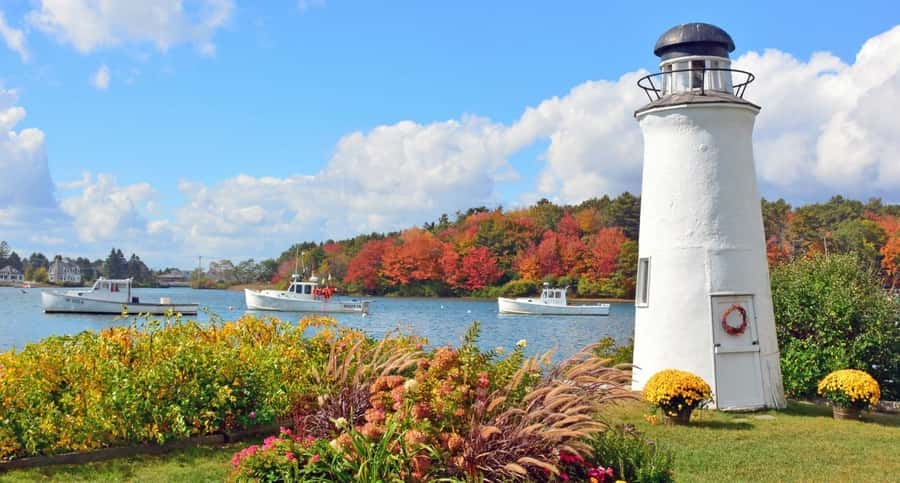
- Shipbuilding shaped the town: Learn how Kennebunkport grew from Poor Arundel in 1743 into a wealthy Maine community by 1810.
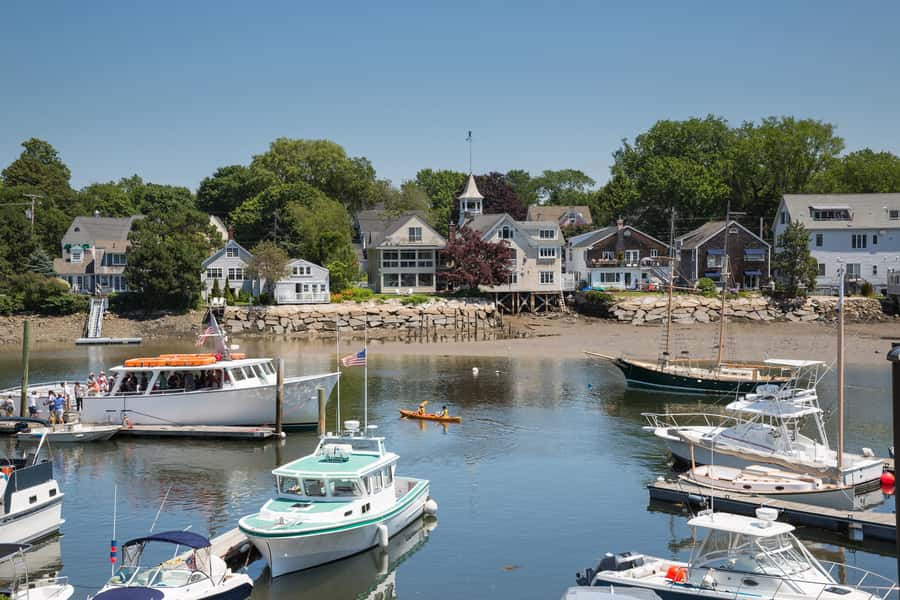
- The route starts in Dock Square: Meet at the benches near the Abacus Gallery at 2 Ocean Avenue, then walk toward Maine Street and the historic district.
- Old houses are part of the lesson: See homes linked to late 18th and early 19th century shipbuilders and merchants.
- The guide makes the difference: Past guides such as Beth, Julie, Barbara, Cynthia, and Marlene have been praised for clear facts, humor, and personal stories.
- Plan for a real walk: The experience lasts 150 minutes, takes place in all weather, and calls for comfortable shoes and water.
- A small Maine treat finishes the outing: The tour ends near Union Square with a local sweet.
Kennebunkport before the postcards
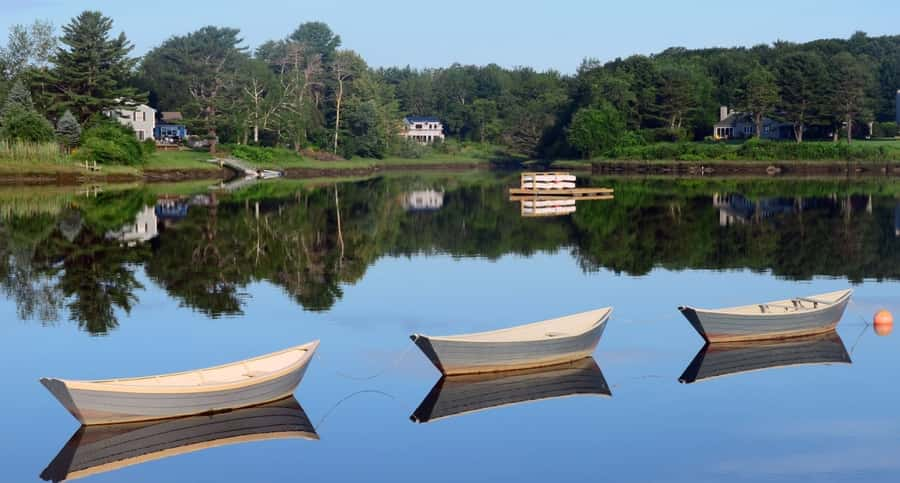
Kennebunkport is easy to reduce to harbor views, gift shops, and polished inns. This walk gives you another way to read the town. Instead of simply admiring old houses, you learn why they were built, who lived in them, and how money from shipbuilding changed the community.
The guide places the town’s story in a useful time frame. In 1743, Kennebunkport was known as Poor Arundel. By 1810, it had become one of Maine’s wealthiest towns. That shift gives the tour a clear storyline: hard-working coastal settlement, growing maritime trade, prosperous shipbuilding center, and historic town with buildings that still shape the streets today.
I find that context especially useful at the start of a trip. Once you know why the town developed as it did, the old homes and public buildings stop looking like a collection of attractive façades. You begin to notice how close the houses sit to the town center, how commerce and private life shared the same streets, and why the Customs House mattered during the 1800s.
More History Walking Tours in the USA
- History and Hauntings of Salem Guided Walking Tour
★ 5.0 · 14,564 reviews - Boston: Freedom Trail History Small Group Walking Tour
★ 5.0 · 6,450 reviews - Historic Charleston Guided Sightseeing Walking Tour
★ 5.0 · 6,216 reviews
Meeting near Dock Square
The tour meets at the benches near the Abacus Gallery at 2 Ocean Avenue. This is an important detail because Dock Square can be busy, and the meeting point is not simply described as any place in the square. Give yourself a few extra minutes to locate the benches and settle in.
The walk begins at Dock Square, a sensible starting point for a town shaped by maritime trade. Your guide quickly connects the present-day center with the old shipbuilding economy. From here, the tour moves along Maine Street and into side streets, trading the activity of the square for quieter residential corners.
The route does not use a coach or shuttle. You walk the entire way, so there is no need to worry about traffic, parking changes, or missing a passing explanation. The tradeoff is that you need to dress for the weather and remain comfortable on your feet for much of the afternoon.
Maine Street and the shipbuilding years
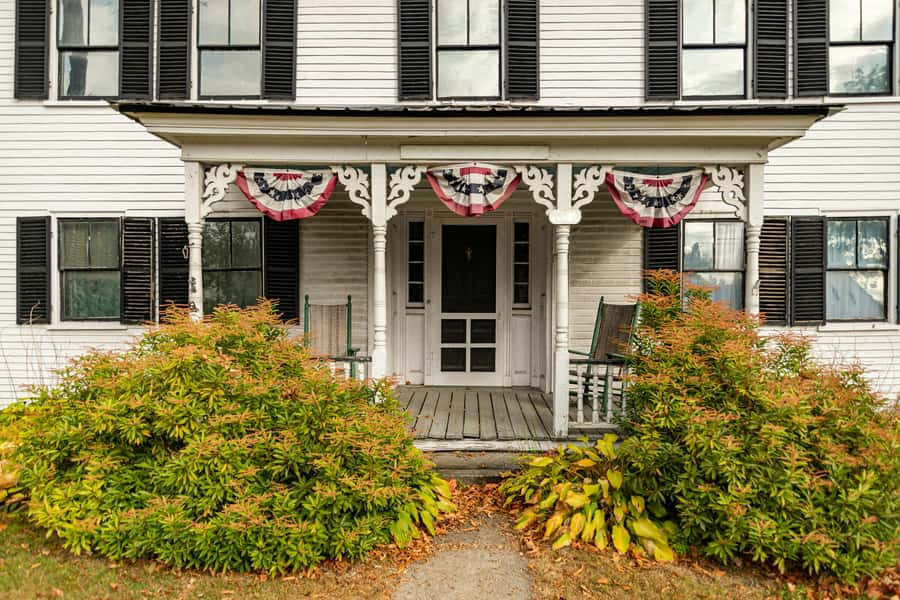
Maine Street is where the town’s past starts to feel close at hand. The guide points out houses connected with shipbuilders and merchants from the late 18th and early 19th centuries. These are not random historic buildings placed behind ropes. They are part of the working town you are learning about.
The best part of this section is the link between private homes and public wealth. A large house tells you something about the success of the family that owned it, but the guide adds the missing pieces: the work that paid for it, the role of local merchants, and the broader importance of shipbuilding after the American Revolution.
You will hear amusing anecdotes along with dates and names. That balance matters. A list of buildings and years can become dry quickly, while a steady stream of local stories helps you remember the people behind the town’s growth. The strongest guides appear to keep the tone relaxed, inviting questions rather than delivering a memorized speech.
Noise can occasionally affect the experience along busier roads. Barbara, one of the guides praised for her work on this walk, reportedly moved groups to quieter spots when road noise made it harder to hear. That is a small but meaningful sign of good tour practice.
Side streets and the old houses
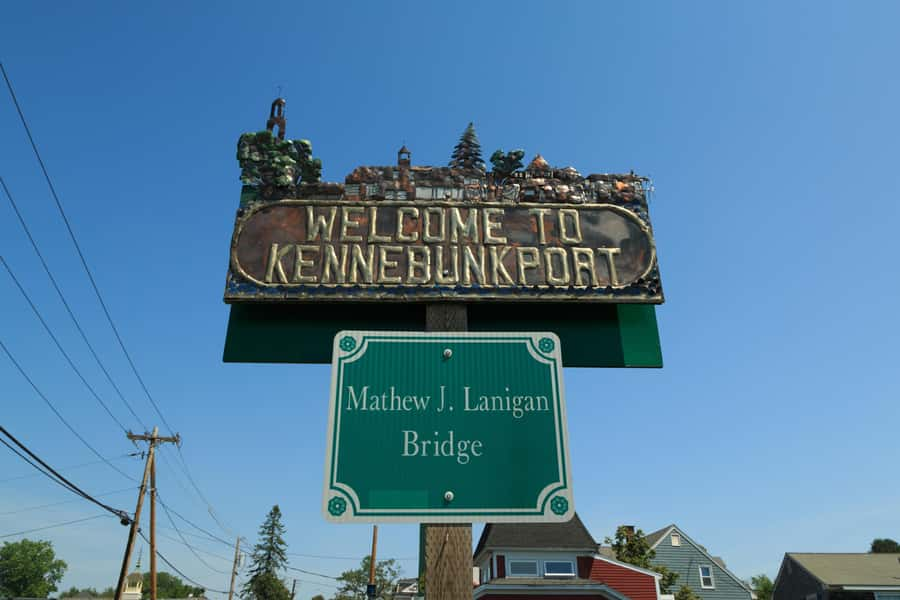
The side streets provide the most intimate part of the route. Here, you step away from the main shopping area and into neighborhoods associated with Kennebunkport’s first residents. The pace is suited to looking up at buildings, listening to stories, and stopping for questions or photographs.
The historic homes are a major reason to choose this walk. You may find yourself looking at doors, windows, rooflines, and the spacing between houses, but the guide helps turn those details into evidence of the town’s past. The old homes belonged to people involved in shipbuilding, trade, and local business, so the architecture becomes part of a wider social story.
A previous group specifically appreciated learning details about the owners of many properties. That is the kind of information you cannot easily gather from a self-guided stroll. A plaque may tell you a date or a name. A local guide can explain how that person fit into the town’s business life and why the property mattered.
The route also gives you a calmer look at Kennebunkport than a short visit to Dock Square allows. You are still close to the center, but the side streets create space for conversation. With a maximum of nine people, the guide can usually keep the group together without shouting.
Same city, a different century:
- Charleston’s Old South Carriage Historic Horse & Carriage Tour
★ 5.0 · 10,023 reviews - Beneath The Streets Underground History Tour
★ 4.5 · 8,006 reviews - Big Island in a Day: Volcanoes Waterfalls Sightseeing and History
★ 5.0 · 6,569 reviews - Charleston Horse-Drawn Carriage Tour: Explore Historic Charleston
★ 5.0 · 3,561 reviews
Poor Arundel to a wealthy town
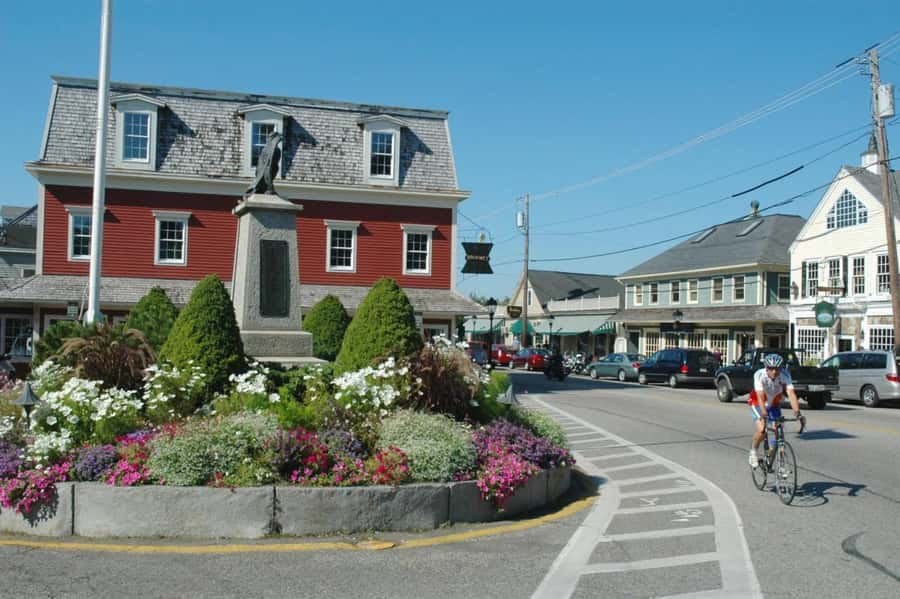
The change from Poor Arundel in 1743 to a wealthy town by 1810 is the central historical question of the walk. Your guide explains the forces behind that rise through local examples rather than treating it as an abstract economic story.
Shipbuilding brought work, trade, and status. Merchants and shipbuilders needed homes, businesses, and public services. As the town prospered, its buildings reflected that success. The route lets you see the physical results while the guide explains the human side of the change.
This is where the tour offers more than sightseeing. You gain a basic framework for understanding Kennebunkport’s position in Maine’s coastal economy. The town’s prosperity did not simply appear because it was scenic. It grew from work, commerce, and access to the sea, then carried that past into the buildings you see today.
The stories also keep the history local. You are not given a broad lecture on all of Maine. You are hearing about specific people, businesses, and decisions tied to the streets around you. That focus makes the information easier to follow, especially if you have limited time in the area.
The Customs House and the working waterfront story
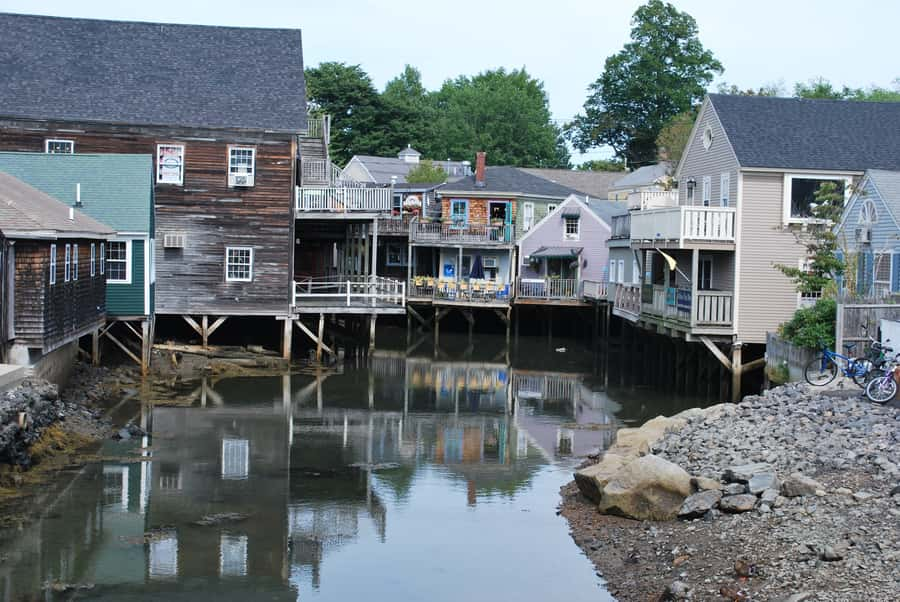
The Customs House receives special attention during the shipbuilding era of the 1800s. Its role helps explain how local commerce connected with government and maritime trade.
This stop is valuable because it broadens the tour beyond houses. The homes show the private rewards of prosperity, while the Customs House points to the systems that managed the commercial side of that prosperity. It helps you picture Kennebunkport as a working port town, not only as a pleasant historic destination.
Your guide also adds the sort of local detail that makes a stop memorable. The tour includes amusing anecdotes from the days when shipbuilding flourished, along with facts about prominent leaders and businessmen. The exact stories can vary by guide, but the format is consistent: place, person, and a reason the detail matters.
For visitors who already know something about Kennebunkport, this section may provide the most useful fresh context. For first-time visitors, it gives you a solid explanation of why the town’s historic center looks the way it does.
A guide-led walk with a personal feel
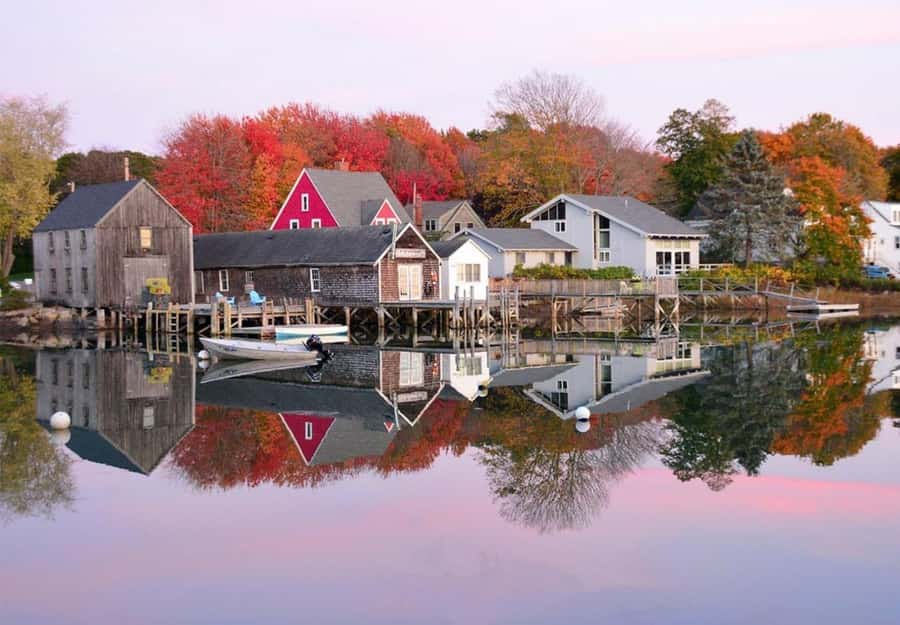
The guide is the heart of this experience. Beth has been praised for her warmth, humor, and clear explanations. Julie has been described as especially engaging when sharing both town history and local stories. Barbara has guided groups at an easy pace, answered questions, offered photographs, and suggested other activities and restaurants.
Marlene’s approach has also been described as personal and well paced, with stories about prominent leaders and businessmen and attention to every member of the group. Cynthia has been praised for a thorough presentation and a comfortable walking speed.
These details matter because a historic walk can feel very different depending on the person leading it. The format allows the guide to respond to questions and adjust the rhythm of the group. You are not being pushed through a fixed series of stops at the speed of a large tour party.
The small group size helps. A group limited to nine participants is large enough for conversation but small enough for the guide to notice if someone is falling behind or wants to ask about a building. One guide even offered to take photographs, a useful touch for families or couples who want a picture together.
How long the walk really feels
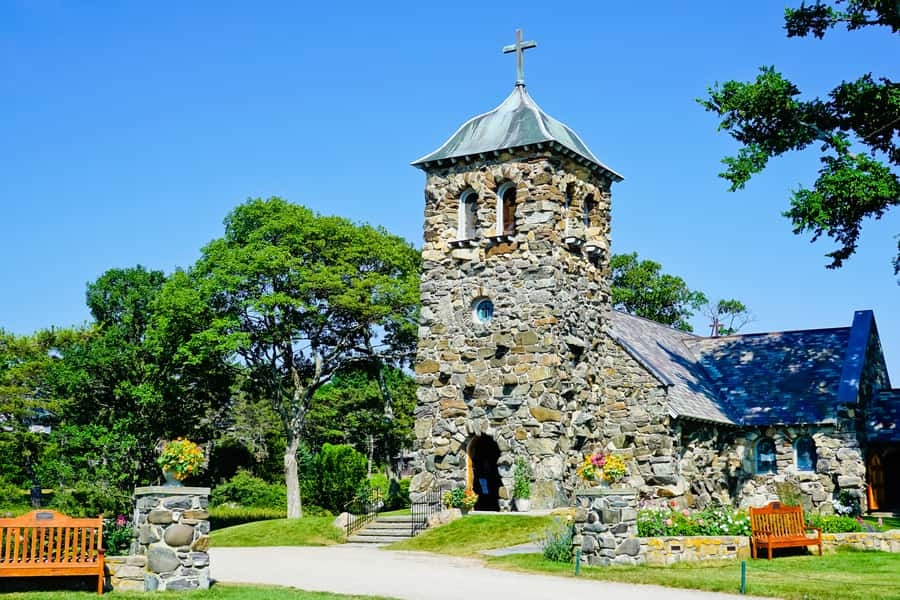
The activity is described as a two-hour historical walking tour, while the stated duration is 150 minutes. Plan your schedule around the longer figure rather than trying to squeeze in a tight appointment afterward.
The extra time can cover introductions, questions, photographs, pauses, and the walk between locations. One group completed nearly the full two hours, while another felt the experience ended sooner than the stated length. That difference may depend on group pace, questions, traffic, and how long people stop at each site.
The walk is described as relatively easy by some participants, but it still requires a considerable amount of walking. I would not book it if you need frequent seated breaks or have mobility limitations. Wear comfortable shoes, bring water, and choose clothing for the forecast.
The rain-or-shine policy is worth taking seriously. Kennebunkport can look lovely in poor weather, but wet streets and cold wind can make a long walk less pleasant. A waterproof layer and sensible footwear will help more than a dressy outfit.
The local treat at Union Square
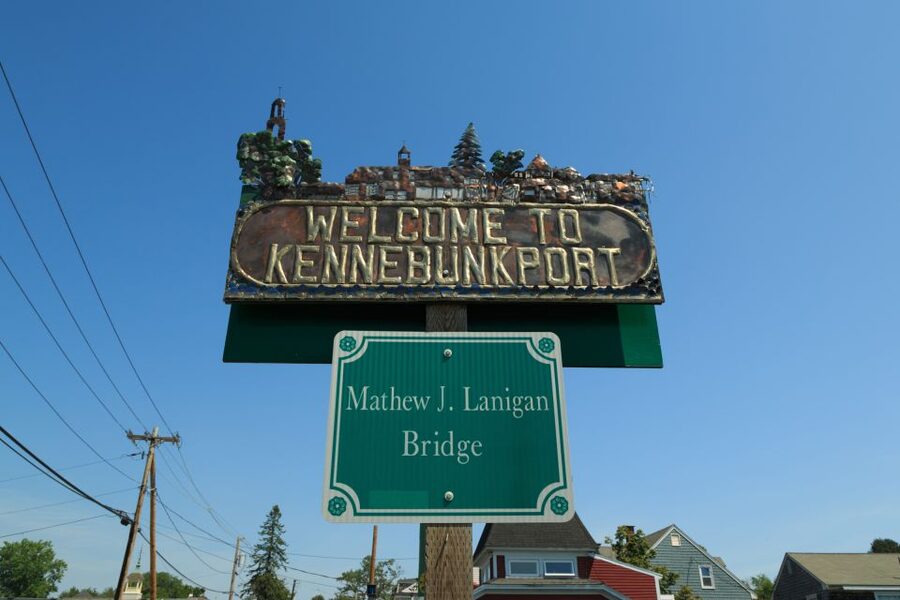
The tour ends back at Union Square, bringing the route full circle. This return point is convenient because you finish in the central part of town rather than being left at a distant neighborhood.
A local sweet treat is provided at the end. It is a modest inclusion, but a good one. After two hours of walking and listening, a small taste of something local gives the outing a pleasant finish and leaves you free to continue exploring Kennebunkport.
Drinks are not included, so bring water. You may also want to plan lunch or a café stop separately, since the treat is not intended to replace a meal.
Is the $49 price fair?
At $49 per person, the value depends on how much you want from a guide. If you only want to see Kennebunkport’s old houses, you can walk the streets yourself for free. If you want the names, stories, shipbuilding context, and explanation of the Customs House, the price is easier to justify.
The small group is the strongest value point. You are paying for access to a local guide who can answer questions and adjust the pace, not for transportation or an elaborate attraction ticket. The two-hour-plus format also gives the tour enough time to cover both the main streets and the quieter residential areas.
I would consider the price fair for a first visit, especially if you plan to spend several days in Kennebunkport. The tour gives you a useful orientation early in your stay, and the guide may help you decide where to return for meals, photographs, or further walks.
It is less compelling for someone who dislikes guided outings or already knows the town’s history well. In that case, the cost pays mainly for companionship and interpretation rather than access to a place you cannot otherwise enter.
Who should book this walk?
This tour suits you best if you enjoy old buildings, local history, and stories about the people who shaped a town. It is also a good first activity because it helps you understand Kennebunkport before you spend time browsing shops or visiting other sites.
Families with older children may enjoy the anecdotes and the change of scene from a standard sightseeing stop. Couples and solo visitors benefit from the small group and the chance to ask questions. History-minded visitors will appreciate the focus on shipbuilding, merchants, local leaders, and the Customs House.
I would skip it if your schedule is extremely tight, if walking for 150 minutes is uncomfortable, or if rain would spoil your day. The route is not designed for people with mobility impairments, and there is no promise of shelter from the weather.
Book this Kennebunkport walk if you want the town explained by a local person rather than simply photographed. The best reason to go is not one single building. It is the way the guide connects houses, businesses, shipbuilding, and personal stories into a readable picture of the town.
FAQ
Where does the Kennebunkport walking tour meet?
Meet at the benches near the Abacus Gallery at 2 Ocean Avenue. The tour begins in the Dock Square area.
How long does the tour last?
The stated duration is 150 minutes, or two and a half hours. It is also described as a two-hour guided walking tour, so allow at least two and a half hours in your schedule.
What language is the tour offered in?
The tour is conducted in English with a live guide.
How many people are in the group?
The tour is limited to nine participants, making it a small-group experience.
What should I bring?
Bring comfortable shoes, water, and clothing suited to the weather. The tour takes place rain or shine.
Is the tour suitable for people with mobility impairments?
No. The walk requires a considerable amount of walking and is not suitable for people with mobility impairments.
More Two-Hour Tours in the USA
- 2-Hour Gettysburg Battlefield Guided History Bus Tour with a National Park Guide
★ 4.5 · 2,201 reviews - 2 Hour LoDo Historic Walking Tour in Denver
★ 5.0 · 1,106 reviews - 2 Hour Historic Market Food Tour and Hands-On Biscuit Class
★ 5.0 · 251 reviews - 2-Hour Food, History and Street Art Tour of Ponce City Market
★ 5.0 · 159 reviews
Just added around the USA
- Red Rocks Amphitheatre Historical Walking Tour★ 5.0 · 74 reviews
- 1-Hour Segway Tour of Cheyenne Cañon Art, History and Nature★ 5.0 · 36 reviews
- Colorado Springs – Guided Walking Ghost / History Tour★ 5.0 · 168 reviews
- Ancient Landscapes Private Geology Hike at Garden of the Gods★ 5.0 · 31 reviews
- Village Food Tours Lunch & History Tour★ 5.0 · 80 reviews
- 2.5 Hour Kayaking with Manatee and History Tour in Tarpon Springs★ 5.0 · 24 reviews
- Safety Harbor Ghost Tour★ 5.0 · 60 reviews
- Historical Bicycle Tour of Dunedin★ 5.0 · 44 reviews
USA History Tours, compared.
History and Hauntings of Salem Guided Walking Tour
Read our review →
Charleston’s Old South Carriage Historic Horse & Carriage Tour
Read our review →
Boston: Freedom Trail History Small Group Walking Tour
Read our review →
Historic Charleston Guided Sightseeing Walking Tour
Read our review →
Savannah History and Haunts Candlelit Ghost Walking Tour
Read our review →
Tour of Historic Fenway Park, America’s Most Beloved Ballpark
Read our review →
Oahu: Mauka Warriors Luau Honoring Polynesia’s Forgotten History
Read our review →Browse the lists this tour appears in