
Review · COLOMBIA
Medellin Historic Walking Tour
Medellín’s story comes into focus on foot. This 210-minute walk moves from the old railway area through Alpujarra, El Hueco, Botero Square, and San Antonio Park, pairing major sights with candid explanations of Paisa culture and the city’s painful past. Local guides such as Julio, Dio, Germán, and Suzy bring personal stories that a sightseeing bus cannot provide.
I like the clear route and the chance to ask questions as you go. I also like the practical help at the end, including restaurant and activity suggestions. The main consideration is that the tour stays in central Medellín, where some stops are more about context and city life than beautiful monuments. Sunday access to some art attractions can also be limited.
Key points to know before you book
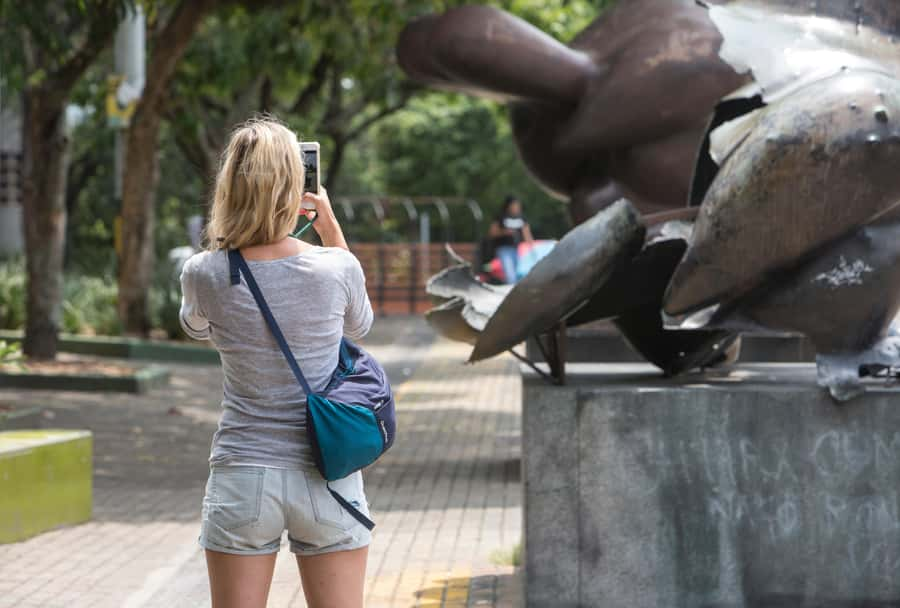
- A 210-minute introduction to downtown: The route links Alpujarra, the historic center, Plaza Botero, Parque Berrío, and San Antonio Park.
- Personal local storytelling: Guides including Suzy, Carolina, Julio, Dio, Germán, Pablo, and Hernán explain Medellín through local experience, not just dates.
- A strong first-day choice: The tour helps you understand the city, spot areas to revisit, and collect food and activity tips.
- Good value at $14: You receive an English-speaking guide, a group picture, and local recommendations, while lunch, museums, and metro tickets cost extra.
- Expect a real downtown walk: El Hueco and the city streets are part of the experience, not just polished plazas and photo stops.
- Flexible booking: You can cancel up to 24 hours before the tour for a full refund, and reserve now while paying later.
Why this walk is useful at the start of a Medellín visit
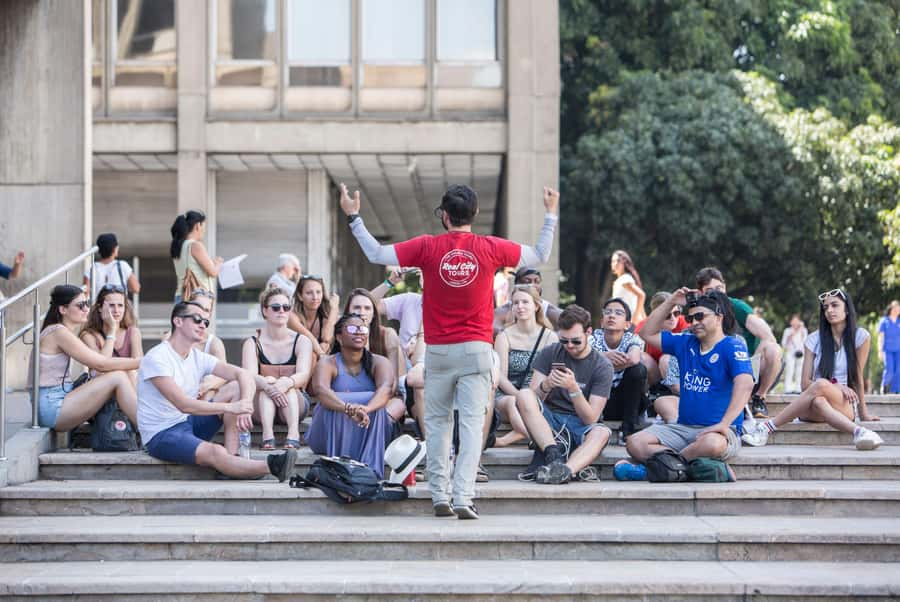
I would put this tour near the beginning of a Medellín stay. The route gives you a working map of the center, but its larger value is explanation. Medellín can be easy to misunderstand if you see only the modern neighborhoods, scenic viewpoints, and cafés. This walk puts the city’s past and present side by side.
You will hear about the origins, tragedies, and recovery of Medellín while moving through places that still function as part of daily life. The guides also explain Paisa culture and Colombian society, giving you a better frame for what you see after the tour.
The tone appears to depend somewhat on the guide, but the guide team has earned strong praise across several names. Suzy is described as energetic and warm, Julio as especially engaging, and Dio as someone who can hold a group’s attention with personal stories. Germán, Hernán, Carolina, and Pablo also receive repeated credit for clear explanations and an open approach to questions.
That range matters. This is not a scripted audio walk where every group gets the same flat delivery. You may get a guide who focuses more on art, one who speaks about social change, or one who brings in personal memories of Medellín. The common thread is an English-language tour led by someone connected to the city.
More History Walking Tours in Colombia:
- Cartagena: Historic Center and Getsemaní Shared Walking Tour
★ 4.9 · 2,716 reviews - Cali: Walking tour of the historic center
★ 5.0 · 69 reviews - History and Hauntings of Salem Guided Walking Tour
★ 5.0 · 14,564 reviews
Meeting at Alpujarra Metro Station
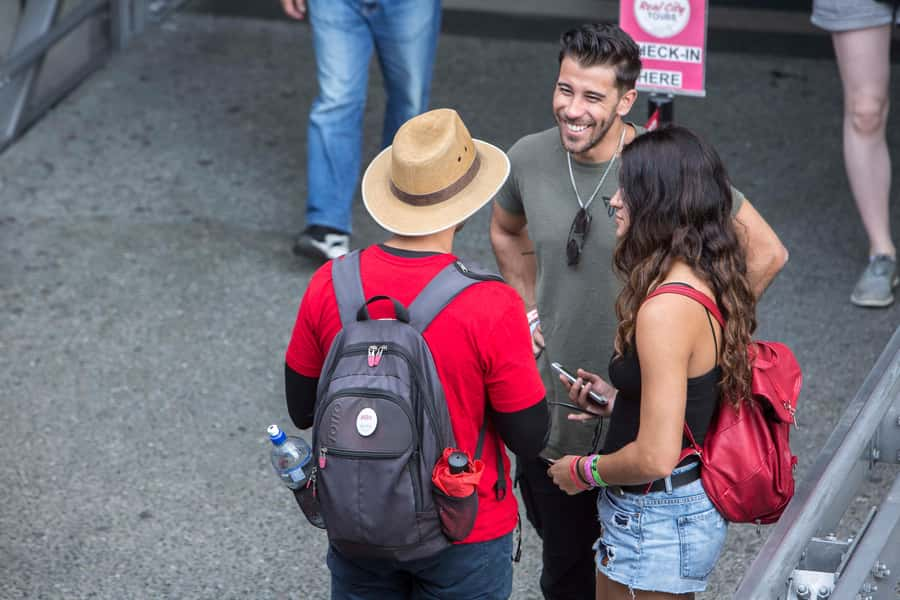
The meeting point is the pedestrian bridge at Alpujarra metro station, where you meet Free Walking Tour Medellín, also known as Real City Tours. Build in extra time for this meeting. One person allowed 30 minutes from a nearby hotel after a map estimate suggested only 10 minutes, though the tour team sent WhatsApp messages to help with the late arrival.
That is useful practical information: do not judge the distance by the map alone. Medellín’s roads, crossings, and metro access can make a short-looking trip slower than expected.
The metro itself is not included, so you pay for that ticket separately if you use it. The meeting point makes sense for the route, since the first part of the walk heads through the Alpujarra area.
The activity is listed as wheelchair accessible. Since this is a long urban walk with many street sections, anyone who needs a specific mobility arrangement should confirm the details with the operator before booking.
Ferrocarril de Antioquia: starting with the railway
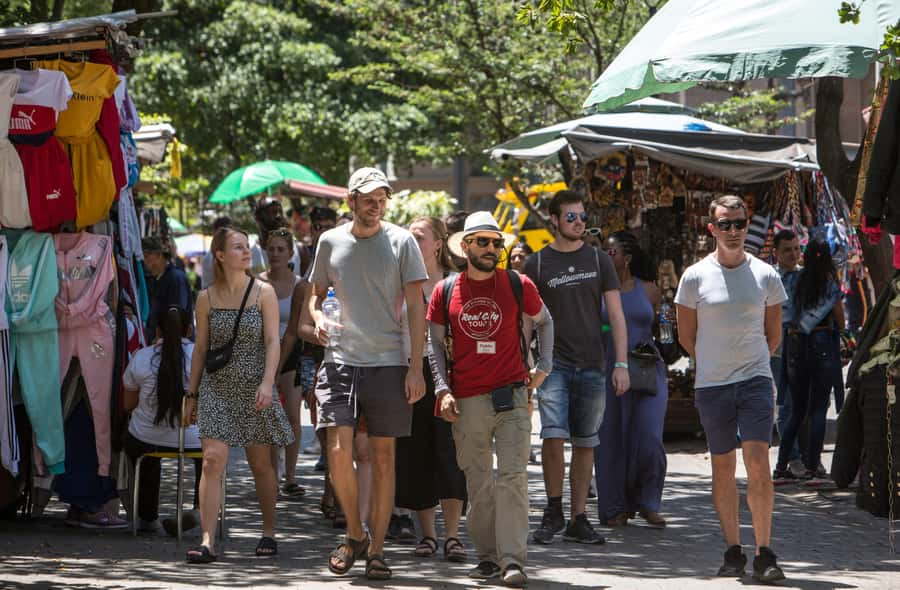
The first substantial stop is Ferrocarril de Antioquia, the old railway site. You get a guided visit and photo stop, with about 30 minutes specifically noted here.
This is a good opening because railways help explain how cities grow. Rather than beginning with a single statue or church, the tour starts with a piece of Medellín’s transport and industrial story. Your guide can place the city’s development in a wider setting before the walk moves into the civic center.
It is also a manageable first stop. You are not thrown straight into the most crowded part of the route. You have time to meet the guide, settle into the pace, and learn how the tour will work.
Monumento a La Raza and Plaza de las Luces
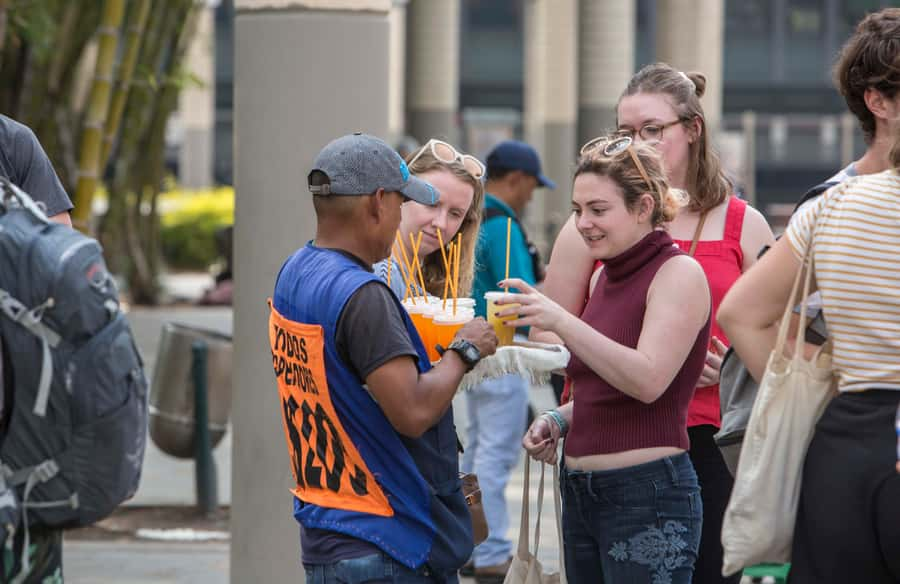
Next comes Monumento a La Raza, followed by Plaza de las Luces. Both are guided photo stops, but their value is less about checking off landmarks and more about understanding Medellín’s public spaces.
Monumento a La Raza gives the guide a chance to discuss identity and regional culture. The name itself points toward a larger conversation about Colombia and the people who shaped it. Your guide can explain the local meaning rather than leaving you with a quick photograph and no context.
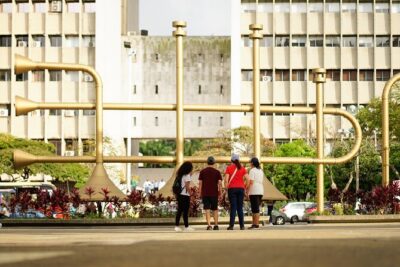
Plaza de las Luces brings you farther into the city center. The name refers to the tall light columns that define the plaza, and the space is tied to Medellín’s urban renewal. This is one of the places where the tour’s past-and-present approach is most useful. You see a public square while hearing how the center has changed.
Do not expect every stop to feel like a preserved European monument. Medellín’s center is a working urban district. The reward comes from seeing how people use these spaces and from hearing what they mean to local residents.
More History Tours in Colombia:
- Shared Tour Cali’s Historical Downtown
★ 4.8 · 143 reviews - Historical Shared Tour Salsa, Graffiti & Resistance in Cali
★ 5.0 · 107 reviews - Shared Tour of Bogota’s Historic Downtown (La Candelaria)
★ 4.7 · 100 reviews - From Medellín: Private Pablo Escobar History Tour
★ 4.9 · 84 reviews
El Hueco: the city at street level
El Hueco is one of the most useful parts of the route for anyone who wants more than postcard Medellín. You walk through the area, hear about it from the guide, and have the chance to try street food.
This section brings you close to commerce and ordinary city movement. It may feel less polished than the plazas, but that is exactly why it matters. A tour that skipped El Hueco would offer a tidier and less complete picture of downtown.
Street food is not included as a meal, so bring some Colombian pesos or another accepted payment method if you want to buy something. The schedule does not promise a full lunch stop. Think of this as a chance to sample something small while learning about the area.
Keep your attention on the group here. The tour description emphasizes a busy urban center, and El Hueco is a place where you should stay aware of your belongings and your guide’s instructions. That is ordinary good practice for any crowded downtown walk.
National Palace Mall and the value of a short pause
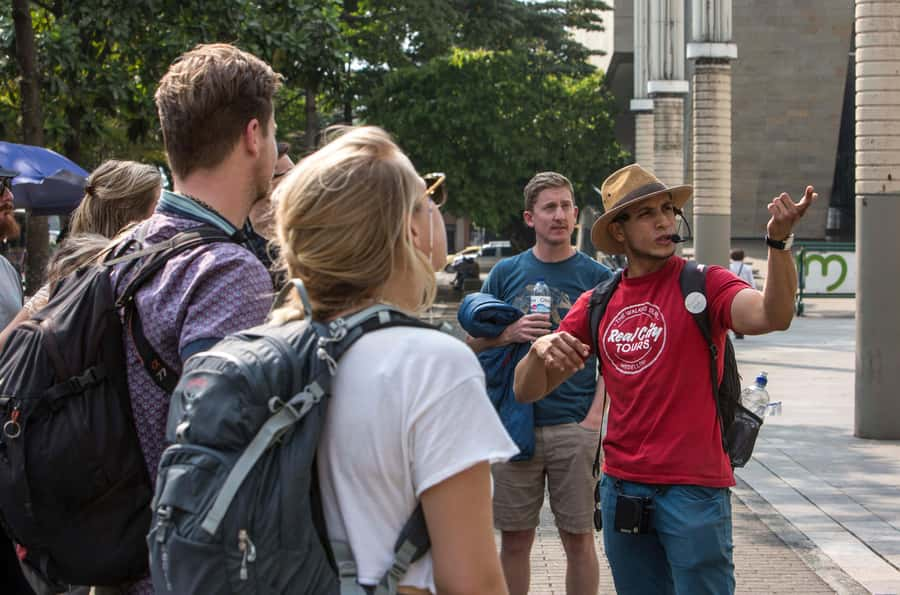
The National Palace Mall offers a break, a photo stop, free time, and a guided visit. After several street sections, this pause helps the walk feel less demanding.
The stop also adds another layer to the center. You are not moving only from monument to monument. You get a sense of how people shop, meet, and move through the city today.
A break can be especially helpful on a warm afternoon, though the provided details do not specify seating, food service, or the exact length of free time. Lunch is not included, so do not count on this part of the route as your main meal.
The tour lasts three and a half hours, making comfortable shoes and water sensible choices. The route is long enough to give you a real sense of downtown, but not so long that it takes up an entire day.
Ermita de la Veracruz and Medellín’s older center
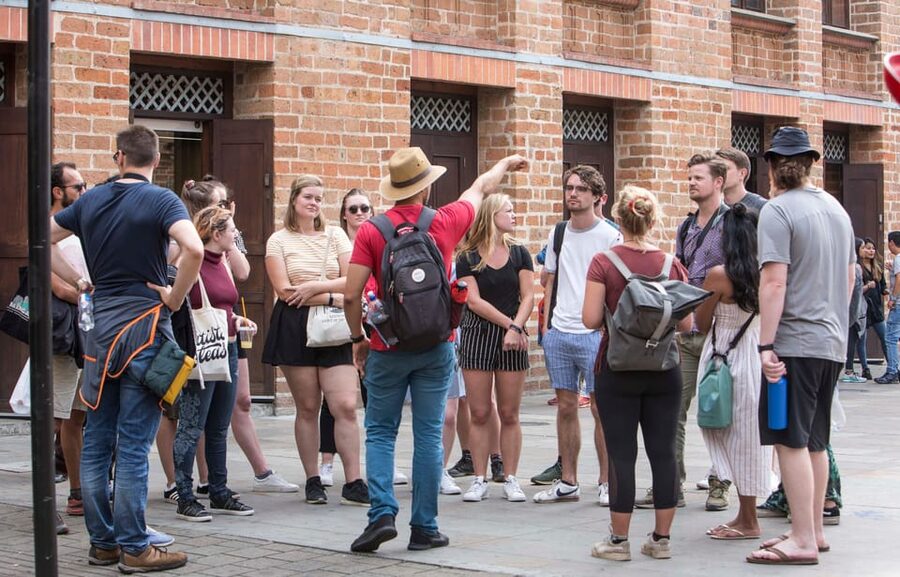
The walk continues to Ermita de la Veracruz, where you have a guided visit and sightseeing time. This church provides a change of scale after the open civic spaces and commercial streets.
Small historic religious buildings can be easy to overlook when a city is known for public art and modern change. Here, the guide can connect the church to the older center and help you notice details that might otherwise pass by.
Access inside attractions can vary by day. One Sunday booking did not include entry to some art attractions, so you should not assume that every interior on the route will be open on Sunday. The tour still runs from Monday through Sunday, but the exact indoor access may differ.
Plaza Botero and the city’s art identity
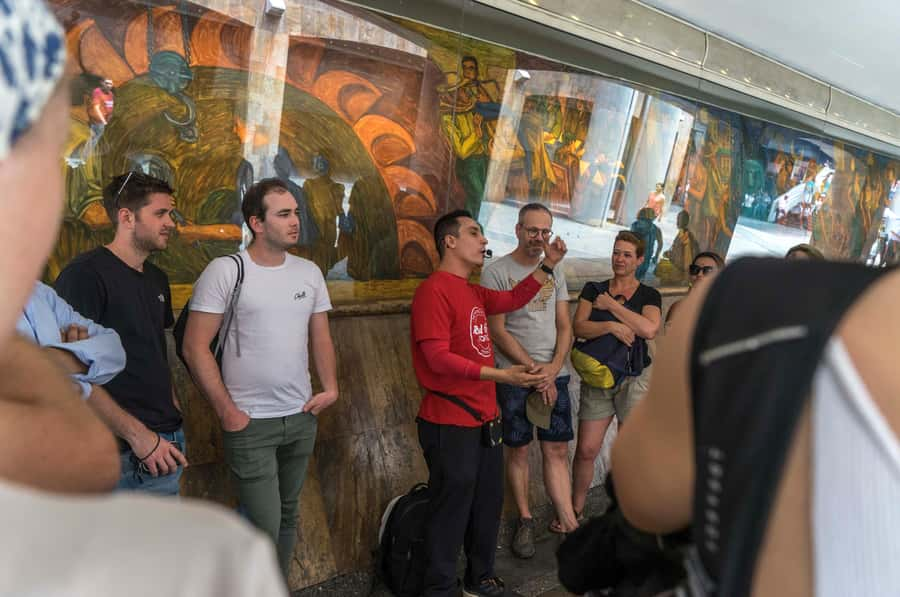
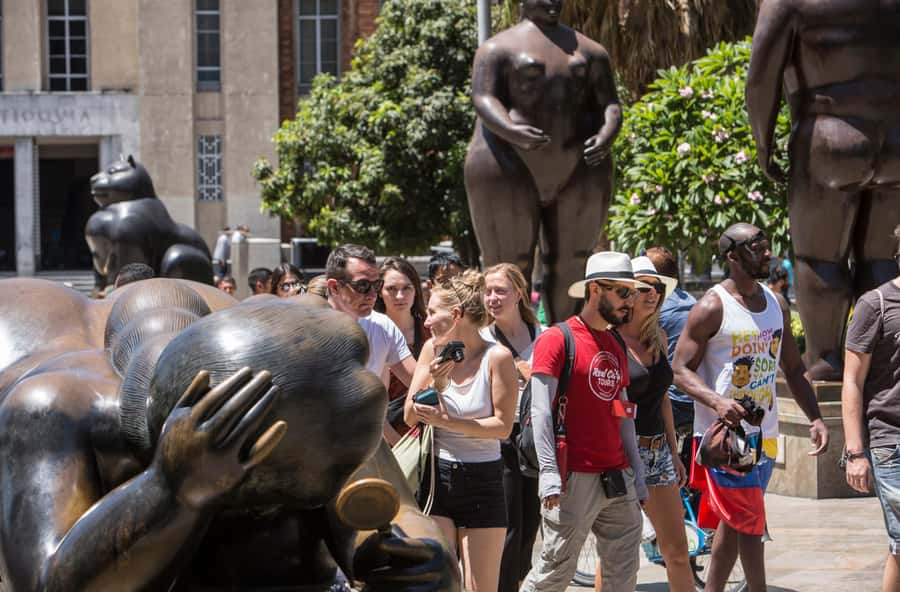
Plaza Botero is the best-known art stop on the route. You get time for photographs, a guided explanation, free time, and a walk through the square.
The plaza is filled with the large, rounded bronze figures associated with Fernando Botero, one of Colombia’s most famous artists. Even if you have seen photographs of the sculptures, the square works better in person because you can compare the figures from different angles and see how they occupy public space.
Your guide should help you place Botero within Medellín and Colombia rather than treating the sculptures as oversized decorations. The art stop is also a natural point for questions and photographs.
Museum entrance is not included. That distinction matters. You can see the public sculptures in the square, but if the route or your own plans include an indoor museum visit, you will pay separately. Sunday hours or access can also affect what you see, so ask the guide early if museum art is important to you.
One point worth keeping in mind: one person found there was not a great deal to see in the center beyond the main stops. I understand that view. Plaza Botero and the public spaces are worthwhile, but this is primarily a history and city-life walk, not a museum-heavy art tour.
A lesser-known stop before Parque Berrío
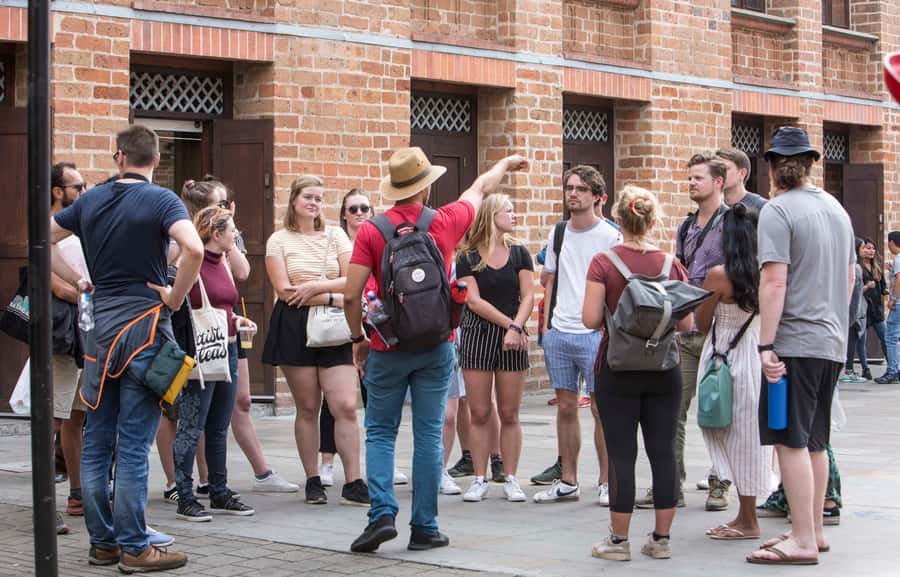
The itinerary includes a less obvious stop between Plaza Botero and Parque Berrío. Its exact name is not given, which may be part of the point: the guide uses the route to show you something you might not find on your own.
Expect another guided sightseeing and photo section rather than a major ticketed attraction. This is where a local guide can add real value. A street corner, public space, or small detail may say more about daily Medellín than another famous monument.
Because the precise feature is not specified, do not book this tour expecting a named secret attraction with guaranteed entry. Treat it as a flexible local stop whose interest depends on the guide and the day’s route.
Parque Berrío and the center’s public life
Parque Berrío is another central gathering place and photo stop. The tour uses it to keep the focus on public life, not just buildings.
The park is part of the central Medellín experience, and a guide can help you read the activity around it. You will have an opportunity to watch the city work around the square, ask questions, and connect the earlier discussion of history to the present-day center.
This is also a point where the tour’s format makes sense. You are moving at walking speed, so you can notice transitions between plazas, businesses, churches, art, and transport. A vehicle would get you from place to place, but it would not give you the same feel for how close these sites are or how the center changes from one block to the next.
San Antonio Park: ending with practical advice
The final stop is San Antonio Park, where the walk ends. You get a photo stop, guided sightseeing, and a final chance to ask questions.
Finishing here is useful because you are not simply dropped back at the starting point. The guide can point you toward additional places to visit, restaurants, and activities. These recommendations are included as part of the experience, and several guide accounts highlight this practical side, including help finding a vegan restaurant and suggestions for what to see next.
San Antonio Park also gives you a natural place to decide how to use the rest of your day. You may want to continue exploring, eat nearby, or return to a stop that deserved more time. Since the tour ends here rather than at Alpujarra, plan your onward route. The details provided do not promise transport back to the meeting point.
What the $14 price really covers
At $14 per person, this is strong value if you want an informed introduction to central Medellín. You receive 210 minutes with an English-speaking guide, a group picture, restaurant recommendations, activity suggestions, and local tips.
The price does not cover everything. Metro tickets, lunch, and museum entrance are separate. That keeps the basic price low, but you should budget for transport and anything you choose to eat or visit indoors.
The guide is the main product here. The strongest praise centers on clear English, personal stories, patience, humor, and the ability to answer questions. Julio is singled out for detailed answers and strong group engagement. Dio is praised for firsthand stories and for keeping the group interested for the full three hours. Suzy receives credit for energy and professionalism, while Germán and Hernán are praised for explaining Medellín with feeling and care.
Guide quality can never be guaranteed by name unless you are specifically able to select one, so I would judge the tour by its overall format rather than book solely in hope of getting a particular guide. Still, the repeated strength of the guide team is a good sign.
Who should take this Medellín walking tour
This tour suits you best if you are visiting Medellín for the first time, enjoy city history, and want a local explanation of places you might otherwise pass quickly. It is also a good fit for solo visitors because the guide makes an effort to include the whole group, and the structure gives you an easy way to meet other people.
Families can also find value here, especially if older children enjoy public art, city stories, and street life. The long duration and urban walking pace may be tiring for very young children.
You should choose something else if your main goal is mountain scenery, neighborhood cafés, or a dedicated museum visit. This route concentrates on downtown. You should also be comfortable with a walk through active commercial areas rather than expecting a quiet heritage district.
The tour is conducted in English. The activity is offered every day, with instant confirmation, last-minute booking, and free cancellation up to 24 hours before departure. Reserve now and pay later is available, which is helpful if your schedule is still shifting.
Should you book it?
I would book this as a first or second activity in Medellín. The strongest reason is not the number of landmarks. It is the chance to connect the city’s public spaces, art, difficult chapters, and daily life through a local guide.
Choose it if you want context, conversation, and useful advice for the rest of your stay. Allow extra time to reach the Alpujarra meeting point, bring money for metro travel and food, and check Sunday access if museum art matters to you.
Skip it only if you want a scenic tour outside the center or a tightly focused art itinerary. For $14, this is a practical introduction to Medellín, with enough history and local perspective to make the rest of your visit more rewarding.
FAQ
Where does the Medellín Historic Walking Tour meet?
The meeting point is on the pedestrian bridge of Alpujarra metro station.
How long does the walking tour last?
The tour lasts 210 minutes, or three and a half hours.
What language is the tour conducted in?
The live tour guide speaks English.
Is the tour wheelchair accessible?
Yes, the activity is listed as wheelchair accessible.
Are metro tickets, lunch, and museum entry included?
No. Metro tickets, lunch, and museum entrance are not included in the tour price.
Can I cancel for a full refund?
Yes. You can cancel up to 24 hours in advance for a full refund. You can also reserve now and pay later.
Just added around Colombia
- Cartagena Instagrammable History★ 4.5 · 29 reviews
- Premium Pirate Beach Adventure, Open sea Rope Swing, Drinks+Lunch★ 5.0 · 64 reviews
- Chiva Private Cultural Tour with Audio Guide in Buga★ 5.0 · 49 reviews
- Cali: Walking tour of the historic center★ 5.0 · 69 reviews
- Historical tour Bogota★ 5.0 · 72 reviews
- Bogota scooter tour★ 5.0 · 46 reviews
- Shared Tour of Bogota’s Historic Downtown (La Candelaria)★ 4.7 · 100 reviews
- Santa Marta A Historical & Street food Experience★ 4.7 · 41 reviews
Colombia History Tours, compared.
Cartagena: Historic Center and Getsemaní Shared Walking Tour
Read our review →
Shared Medellín Downtown Tour with Wireless Audio
Read our review →
Historical Shared Tour Salsa, Graffiti & Resistance in Cali
Read our review →
Shared Tour of Bogota’s Historic Downtown (La Candelaria)
Read our review →
From Medellín: Private Pablo Escobar History Tour
Read our review →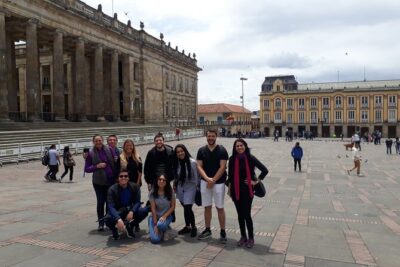
Browse the lists this tour appears in