
Review · SPAIN
Mojo Workshop Cooking Class in Ancient Canarian Village
In the old mountain village of Chirche, you do more than stir sauce. You make traditional Canarian mojos by hand, then sit down to taste them with local food while Erik tells stories about Tenerife and Chef Ave guides the cooking. The setting, with old terrace fields and threshing grounds nearby, gives the class a strong sense of place.
I like the small group size, limited to eight, and the easy, hands-on method using a mortar and pestle. I also like that the class reaches beyond recipes: you hear about island customs, local ingredients, and rural life in a real village rather than a purpose-built tourist venue.
The main drawback is the location. Chirche is not the easiest village to drive through, and transport is not included in the $34 price. The activity also is not suitable for wheelchair users, people with mobility impairments, or babies under one year.
Key points at a glance
- Make red and green mojo by hand: Use fresh ingredients, a mortar, and a pestle under Chef Ave’s guidance.
- Meet the hosts at Casa Carmen: Ave brings professional cooking experience from years as a cruise-line chef, while Erik handles much of the storytelling.
- Taste more than sauce: The food can include Canarian potatoes, tapas, bread, local specialties, wine, beer, and lemongrass lemonade.
- See rural Tenerife: Casa Carmen sits in Chirche, a historic village with terrace fields and old threshing grounds.
- Keep it personal: The class lasts two hours and has room for no more than eight people.
- Plan your arrival: Drive yourself or ask about optional pickup from the South Tenerife area before the visit.
Why this class feels different from a hotel cooking demo
Many cooking activities give you a recipe and a plate, then send you on your way. This one links the food to the island around you. Mojo is not treated as a novelty sauce. It becomes an entry point into Canarian ingredients, farming, family cooking, and the way rural communities used what was available.
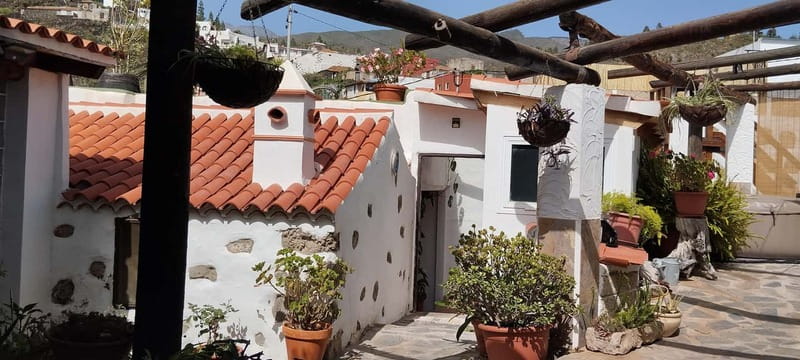
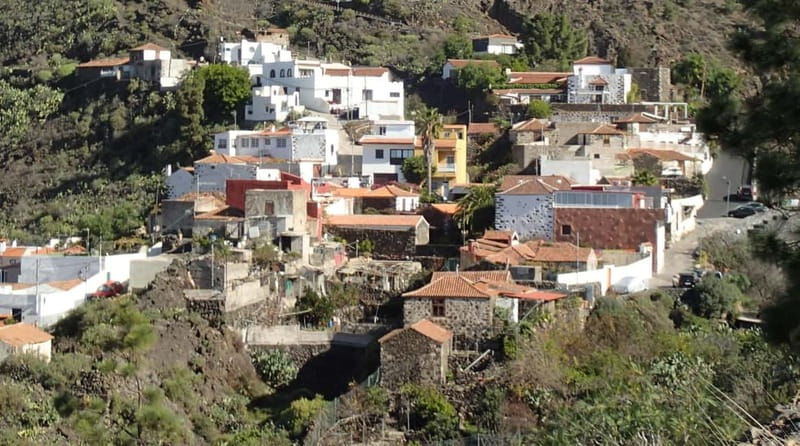
That local setting matters. Casa Carmen is at C/ San Felipe, Nº 18, in Chirche, a village in South Tenerife. You can see old terrace fields and threshing grounds in the area, reminders that food here developed alongside steep hillsides and hard farm work. You are not simply learning how to mix garlic, peppers, herbs, oil, and seasoning. You are seeing the kind of place where those foods belong.
I especially like the tone suggested by the class. The hosts keep the session relaxed and conversational, with stories mixed into the cooking rather than a long formal lecture. Erik is known for making the history entertaining, while Ave leads the practical work. That balance suits people who want to learn but do not want a serious culinary-school atmosphere.
The two-hour length is sensible. It gives you time to prepare the sauces, ask questions, hear the background, and eat without turning the activity into an all-day commitment. You can fit it into a day exploring South Tenerife.
More Ancient History Tours in Spain:
- Cartagena: Ancient Roman Walking Tour with Entry Tickets
★ 4.5 · 89 reviews - Toledo: Ancient Underground City Tour in Spanish
★ 4.6 · 55 reviews - Pompeii: Entry Ticket and Guided Tour with an Archaeologist
★ 4.8 · 19,459 reviews
Arriving in Chirche and meeting Ave and Erik
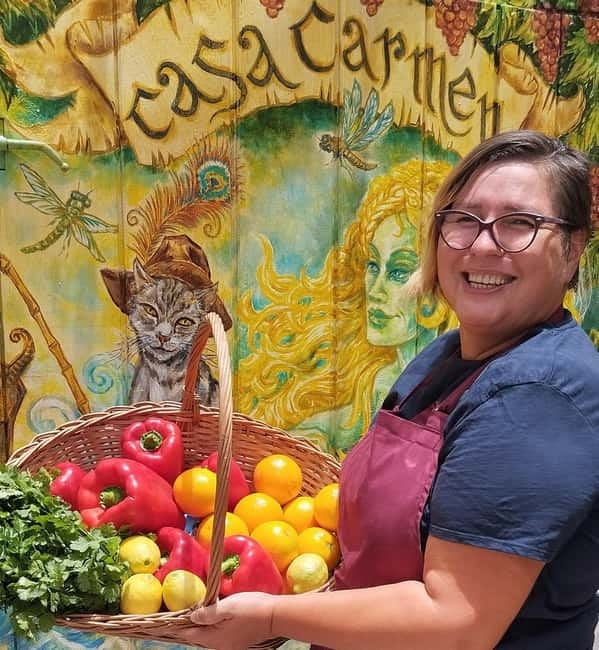
Your meeting point is Casa Carmen, a traditional home in the village. The setting is part of the experience, not just a place with a kitchen. The house is described as warmly decorated with a distinctly Spanish character, and the village itself is one of the reasons to make the trip.
Driving requires some care. Chirche has narrow, less straightforward roads, so give yourself time and follow the directions sent after booking. If you would rather not handle the drive, an optional pickup service is available from the South Tenerife area. Since transport is not included, confirm the arrangement and any cost before setting out.
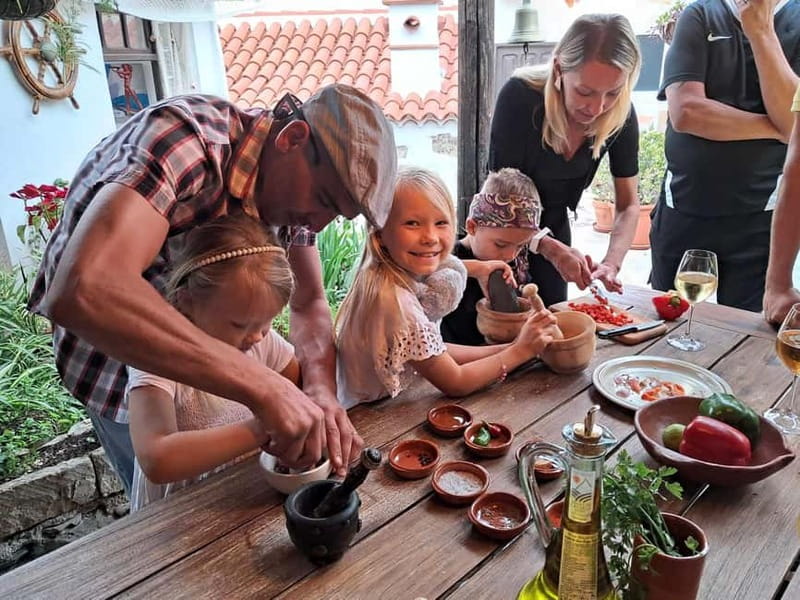
The group limit of eight is one of the strongest practical features. A small class means you can handle the ingredients yourself instead of watching from the back. It also leaves room for questions about substitutions, strength of flavor, and the difference between the sauces.
The hosts speak English, which makes the workshop accessible to English-speaking visitors. The setting is informal, so expect a home-style welcome rather than a commercial demonstration with a fixed stage and scripted presentation.
Making red and green mojo with a mortar and pestle
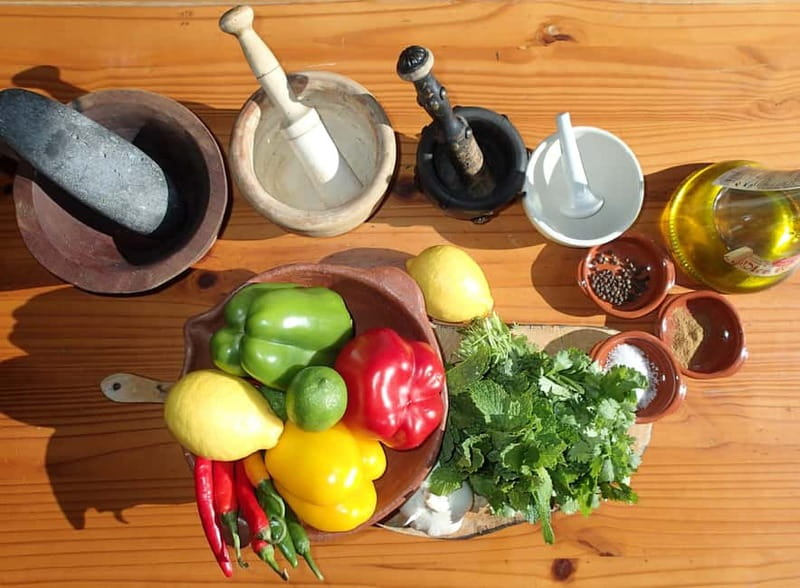
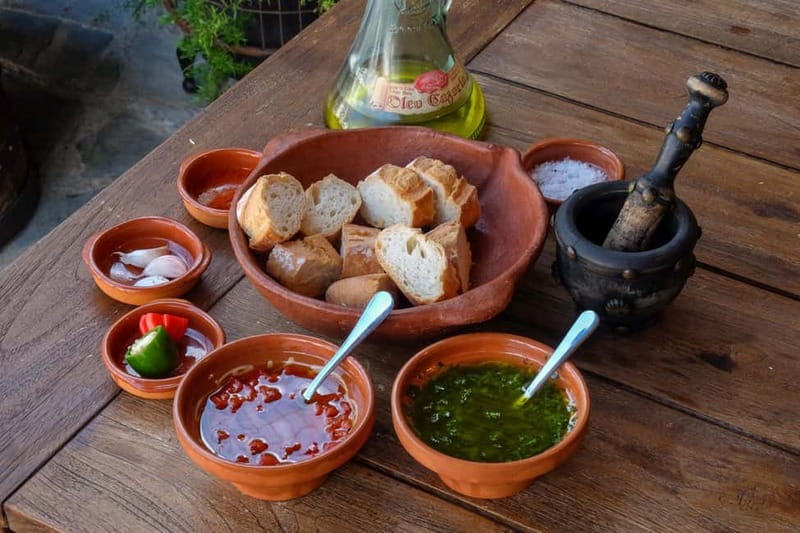
The central task is preparing traditional mojos with fresh local ingredients. The class includes both red and green versions, giving you a useful comparison of color, flavor, texture, and pairing. You do not just taste finished sauces. You take part in making them.
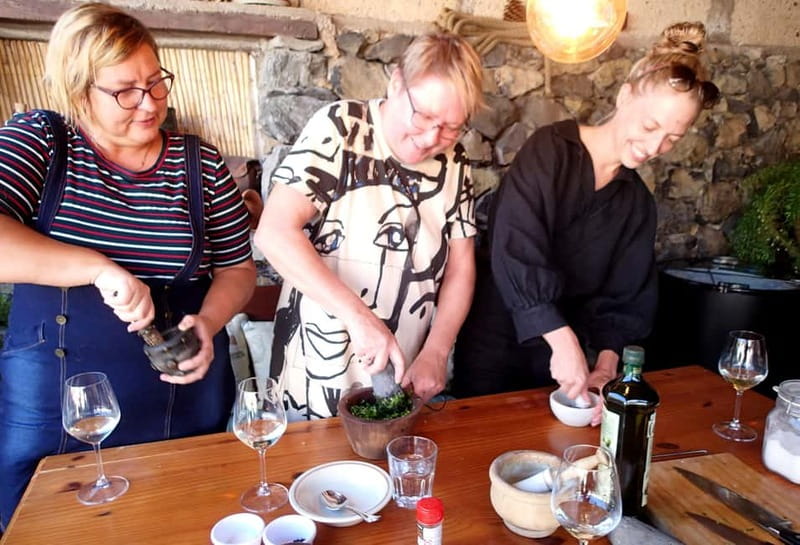
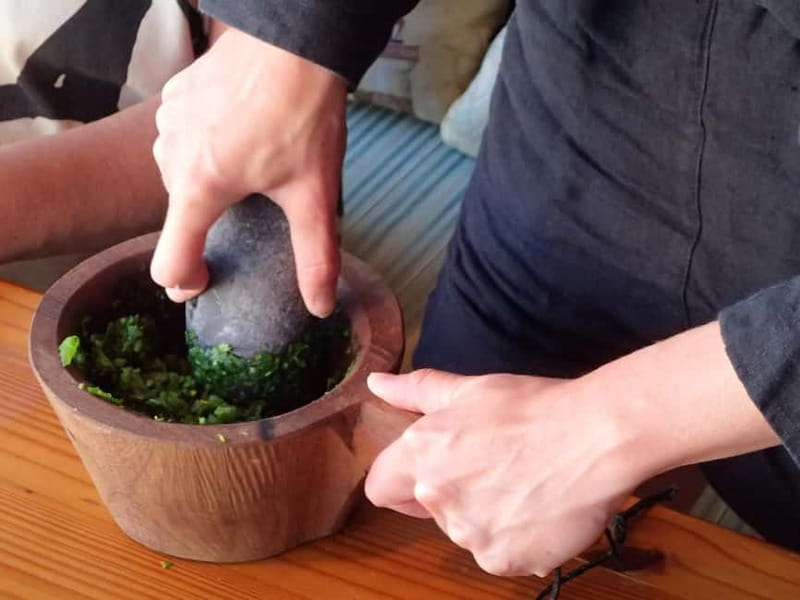
The mortar and pestle are important here. Modern equipment may be faster, but working by hand helps you understand how the ingredients come together. You can see and feel the texture change as you crush and combine them. Chef Ave guides the process, so first-time cooks can take part without needing much kitchen experience.
This is a forgiving class for beginners. One participant described it as a first cooking class, with the steps easy to follow. You should still expect to get involved rather than simply watch. The fun is in doing the work yourself, even if your sauce is not perfectly identical to the host’s version.
Ave’s background adds useful depth. She has long experience as a chef de cuisine on cruise lines, so she brings professional cooking practice to a friendly home setting. That combination is helpful: you get clear instruction, but the activity remains personal and unhurried.
The workshop also explains the foods as you go. You learn not only what is in the sauces, but how they fit into Canarian meals. The class is especially worthwhile if you plan to recreate the mojos at home. You leave with a method and a better feel for texture, not just a list of ingredients.
Listening to Tenerife stories between the recipes
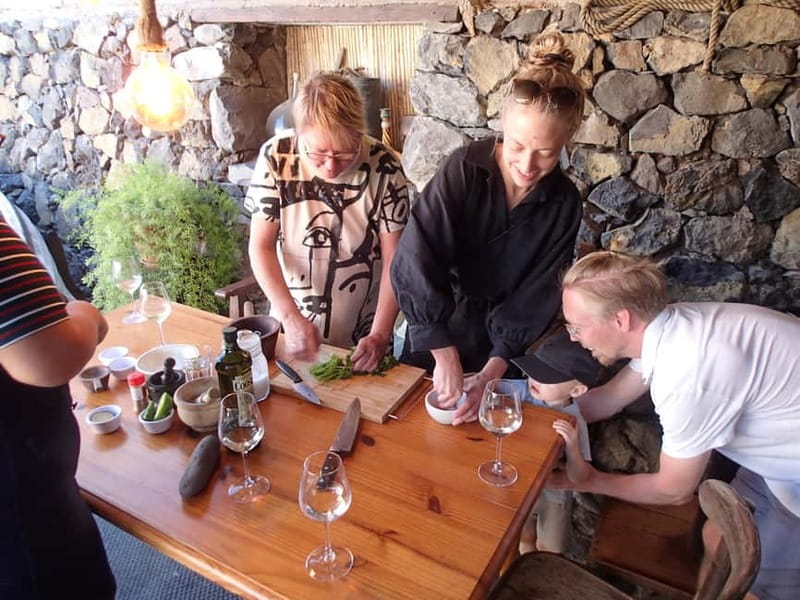
Erik’s role gives the workshop its cultural shape. He talks about the village, Tenerife’s past, local food, and island traditions. The best part is that the stories connect to what is on the table. You may hear why an ingredient matters, how a dish fits local life, or what makes a product distinctly Canarian.
This storytelling also helps explain why the rural setting is worth the drive. Tenerife is often presented through beaches, resorts, and dramatic mountain roads. Chirche offers another view: old agricultural terraces, small village streets, and the quieter customs of inland life.
You should not expect a formal historical tour of every building in Chirche. The information comes through conversation during the workshop. That makes it easy to follow, but the amount of discussion may vary with the group and the flow of the session.
Several families and couples have found the format comfortable. Children as young as six and eight have taken part successfully, and teenagers have enjoyed the class too. Still, the activity involves food preparation, sitting, listening, and tasting. It is a better fit for children who can focus for part of a two-hour session than for very young ones.
A friendly cat named Morris is also part of the Casa Carmen atmosphere, according to the experience details shared by participants. If you like homes with a bit of character, that small touch adds to the relaxed feel. If you have allergies, keep in mind that this is a home setting rather than a sterile teaching kitchen.
More Cooking Classes in Spain:
- Undiscovered Charleston: Half Day Food, Wine & History Tour with Cooking Class
★ 5.0 · 948 reviews - Rome: Five Shapes of Pasta Cooking Class in Ancient Tavern
★ 5.0 · 102 reviews - Syracuse: Traditional Cooking Class & Ancient Market Visit
★ 4.9 · 72 reviews - Cooking Class in a Historic Home in the Heart of Brindisi
★ 4.7 · 28 reviews
The tasting: Canarian potatoes, tapas, and more
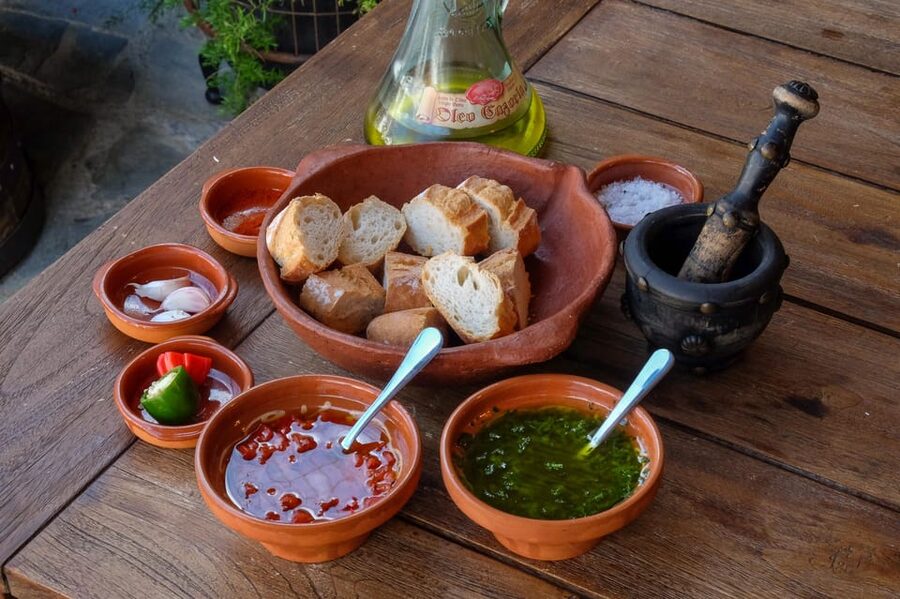
The tasting is where the class often exceeds what people expect from a simple mojo lesson. You will taste the sauces with food, rather than treating them as a small sample on bread. The spread can include traditional Canarian potatoes, tapas, bread, local snacks, wine, beer, and lemongrass lemonade.
Some sessions have included enough food to feel like a full lunch. That is a generous feature for a $34 activity, though it is wise not to book it assuming a particular menu or portion. Ingredients and dishes can change. The confirmed inclusions are the cooking class, instruction, tasting, storytelling, and refreshments.
The potatoes are a key pairing. Their simple flavor lets you notice the sauces clearly, and they connect the workshop to everyday Canarian cooking. The tapas and other local products broaden the tasting, so you get a sense of how the food works as part of a meal.
I appreciate that the tasting is explained rather than rushed. You can compare the red and green mojos and see how different foods handle each sauce. That turns the final meal into a practical lesson in pairing.
Drinks are included as refreshments, with wine, beer, and lemonade appearing in the food experience described by participants. If you do not drink alcohol, the lemonade gives you a nonalcoholic option. Dietary requirements are not specified in the information provided, so contact Casa Carmen before booking if you need changes or have allergies.
Is $34 good value?
At $34 per person, this is good value if you want more than a quick tasting. You receive a two-hour activity, direct instruction, hands-on preparation, several tasting elements, drinks, and a cultural introduction to Tenerife. The small group size improves the value because you are not paying for a large audience experience.
The food alone is not the whole calculation. A restaurant meal might cost a similar amount, but it would not include the village setting, the cooking practice, or Erik’s stories. Conversely, the price does not include transportation, so your total cost will be higher if you need pickup.
The value is strongest for people who enjoy food with context. If you only want to sample mojo and move on, the class may feel longer than necessary. If you like learning a recipe, meeting local hosts, and seeing a less tourist-focused part of Tenerife, the two hours are well used.
The activity has a 4.9 rating from 127 reviews, with repeated praise for the hosts, food, setting, and cultural information. The consistent pattern is more useful than the number alone: the experience appears to work because Ave and Erik combine warmth, clear instruction, generous tasting, and local knowledge.
Who should book this experience?
I would choose this class for couples, families with older children, solo visitors who enjoy small groups, and anyone interested in Canarian food. It suits first-time cooking-class participants because the workshop is guided and the recipes are practical.
It is also a good choice if you have already seen the main resort areas and want a quieter side of Tenerife. Chirche gives you a look at rural island life without requiring a full day of sightseeing.
Food-focused visitors will get the most from it. You can ask about ingredients, taste several local products, and take the mojo method home. The class is also useful for people who enjoy learning through stories rather than reading a long guidebook.
I would be more cautious if you have limited mobility. The activity is specifically unsuitable for people with mobility impairments and wheelchair users. The mountain-village setting and transport arrangements may also make the visit less convenient if you are not driving.
The class is offered in English, and the group is limited to eight. That combination makes it a good option if you prefer a personal experience but do not need a private tour.
Practical details before you reserve
The workshop lasts two hours, with starting times dependent on availability. You can cancel up to 24 hours in advance for a full refund, and the reserve-now-pay-later option lets you hold a place without paying at once.
Casa Carmen is at C/ San Felipe, Nº 18, 38688 Chirche, South Tenerife. Driving directions and optional transport information are sent by email, so check your messages before the day of the class.
Wear something comfortable for a hands-on food activity. The supplied information does not specify a dress code, but cooking with a mortar and pestle is more enjoyable when you are not worried about your clothes or personal belongings.
Plan on staying for the full two hours. The tasting is part of the experience, and leaving early would mean missing the meal and much of the conversation that gives the workshop its character.
Should you book the Mojo Workshop in Chirche?
Yes, if you want a small, friendly food experience that connects cooking with real rural Tenerife. The best reasons to book are the personal instruction from Ave, Erik’s entertaining stories, the chance to make both red and green mojo, and the generous tasting that can include potatoes, tapas, drinks, and local specialties.
I would skip it only if transport to Chirche is a problem, you need step-free access, or you are looking for a fast tasting rather than a two-hour activity. For most food lovers, families with older children, and visitors tired of resort-only sightseeing, $34 buys a useful recipe, a good meal, and a more personal view of the island.
FAQ
Where does the Mojo Workshop take place?
It takes place at Casa Carmen, C/ San Felipe, Nº 18, 38688 Chirche, in South Tenerife.
How long does the cooking class last?
The experience lasts two hours. Starting times depend on availability.
What will I make during the workshop?
You will prepare traditional Canarian mojos, including red and green versions, using fresh local ingredients and a mortar and pestle.
What food and drinks are included?
The activity includes a tasting and refreshments. The food served can include Canarian potatoes, tapas, bread, local snacks, wine, beer, and lemongrass lemonade.
Is transportation included?
No. Transport is not included, but optional pickup service is available from the South Tenerife area. Driving instructions and transport details are sent by email.
Is the workshop suitable for wheelchair users or babies?
No. The activity is not suitable for people with mobility impairments, wheelchair users, or babies under one year.
More Workshops and Classes in Spain
- Dubai Evening Heritage Safari by Vintage G Class Al Marmoom Oasis
★ 5.0 · 1,500 reviews - Sip History in The Sun Cabana Covered Cocktail Class
★ 5.0 · 332 reviews - Amsterdam: 3-Course Meal in Historic 1st Class Waiting Rooms
★ 4.5 · 292 reviews - 2 Hour Historic Market Food Tour and Hands-On Biscuit Class
★ 5.0 · 251 reviews
Just added around Spain
- Visita Guiada Por El Casco Histórico De Cuenca Y Su Catedral★ 5.0 · 45 reviews
- Night Walking Tour of Medieval Cuenca★ 5.0 · 64 reviews
- Mosque of Cordoba History Tour in English Tickets included★ 5.0 · 257 reviews
- 2 Hours Tour around Cádiz: History, anecdotes and curiosities★ 5.0 · 89 reviews
- Jerez de la Frontera History and Art Walking Tour★ 4.5 · 49 reviews
- Bilbao Historical Small Group Tour★ 4.5 · 159 reviews
- The Authentic Bilbao Pintxos, Food & Wine Tour with a Local★ 5.0 · 360 reviews
- Girona, Costa Brava and Medieval Village from Barcelona★ 5.0 · 149 reviews
Spain History Tours, compared.
Madrid Essential: Historic Center, Plaza Mayor & Royal Palace
Read our review →
Montserrat with Black Madonna & Medieval Winery with Tapas/Lunch
Read our review →
Sevilla Food Tour: Tapas, Wine, History & Traditions
Read our review →
Valencia Old Town Tour with Wine & Tapas in 11th Century Historic Monument
Read our review →
Madrid Tapas & Taverns Small Group Food & History Tour
Read our review →
Barcelona Tapas Walking Tour: Food, Wine & History
Read our review →
Ultimate Seville Tapas, Wine & History Small Group Tour
Read our review →
Córdoba: Skip-the-Line Great Mosque-Cathedral History Tour
Read our review →Browse the lists this tour appears in