
Review · ROME
Rome: Five Shapes of Pasta Cooking Class in Ancient Tavern
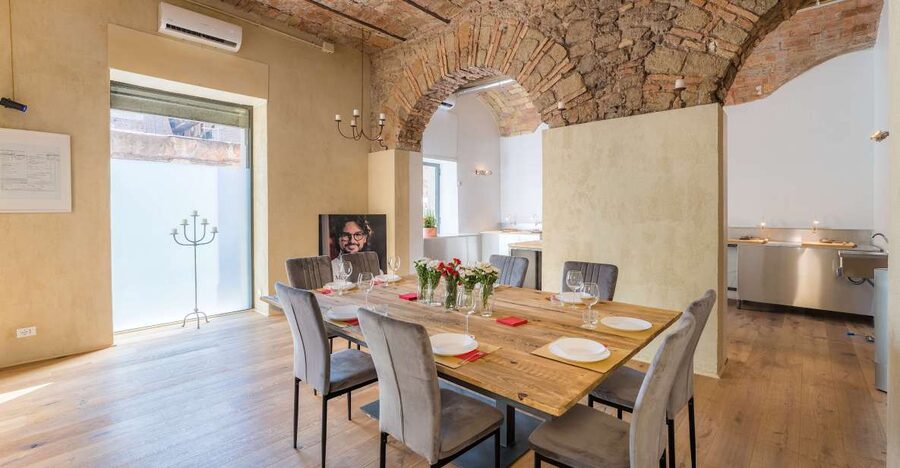
The clever part of this Rome cooking class is that you do not just make one familiar pasta shape and call it a day. In three hours, you work through five traditional shapes, from ravioli and tortellini to agnolotti del plin, cappelletti, and fettuccine, all rolled with a wooden pin in an old tavern turned cooking school.
I like the small-group format, limited to 10 people, and the fact that you eat what you make as part of a full meal. I also like the warm, lively teaching style associated with chefs Emanuele and Angelo, who keep the class practical and playful. The main consideration is physical: this activity is not suitable for people with mobility impairments, and rolling, cutting, folding, and shaping pasta takes steady hands and some time at the worktable.
Key points to know before booking
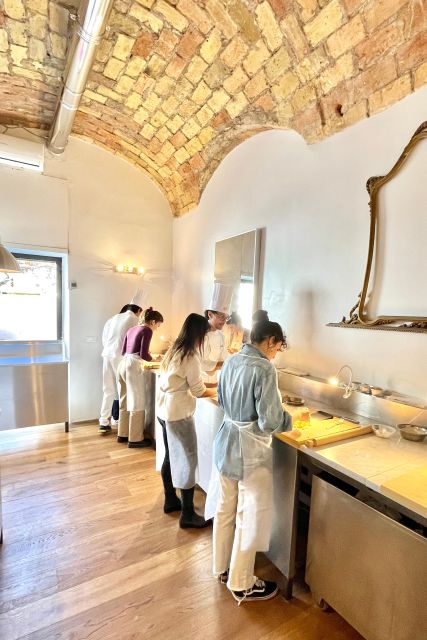
- Five pasta shapes in one class: Make ravioli, agnolotti del plin, tortellini, cappelletti, and fettuccine from fresh dough.
- Hand-rolled dough: Learn the wooden-pin technique for creating thin sheets instead of relying on a pasta machine.
- A real meal is included: Expect cheese and prosecco, two pasta dishes with different sauces, Italian wine, and express tiramisu.
- Historic setting: The class takes place in an Antica Osteria founded in the late 1800s, with the original Cucina marble sign above the entrance.
- Small, social group: The class is limited to 10 participants, with instruction in English and Italian.
- Good value at $67.19: The fee covers the lesson, food, drinks, dessert, and a complimentary Pastificio Faini chef hat.
An old Roman tavern with a working kitchen-school feel
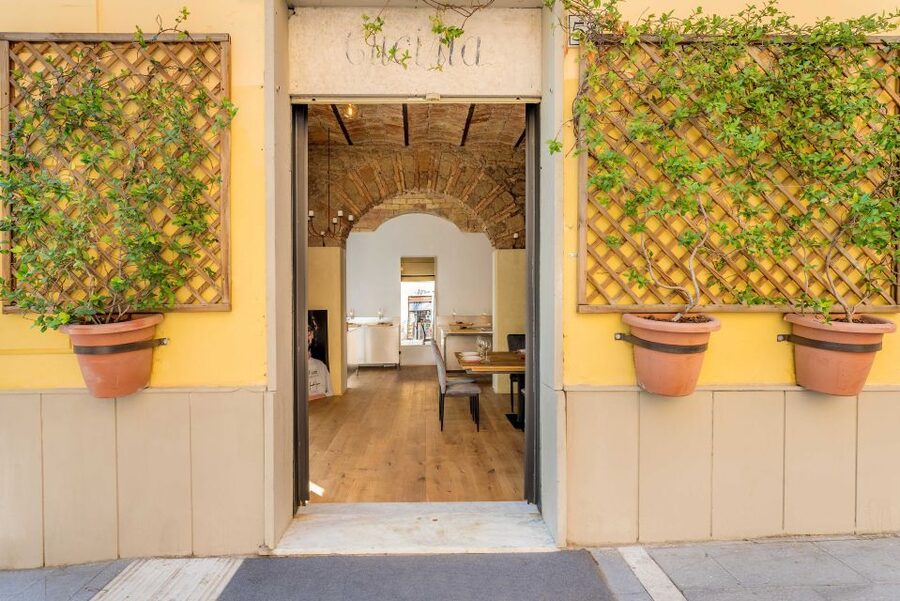
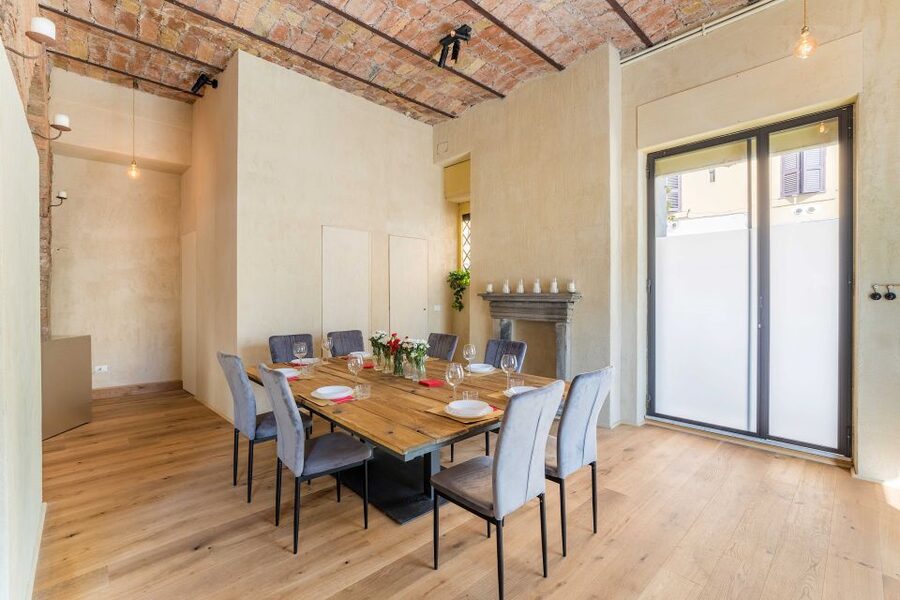
You meet at the old Osteria called Cucina. Look for the original marble osteria sign above the entrance. The building was founded in the late 1800s and has since been converted into a cooking school, so the setting gives you something more memorable than a plain modern classroom.
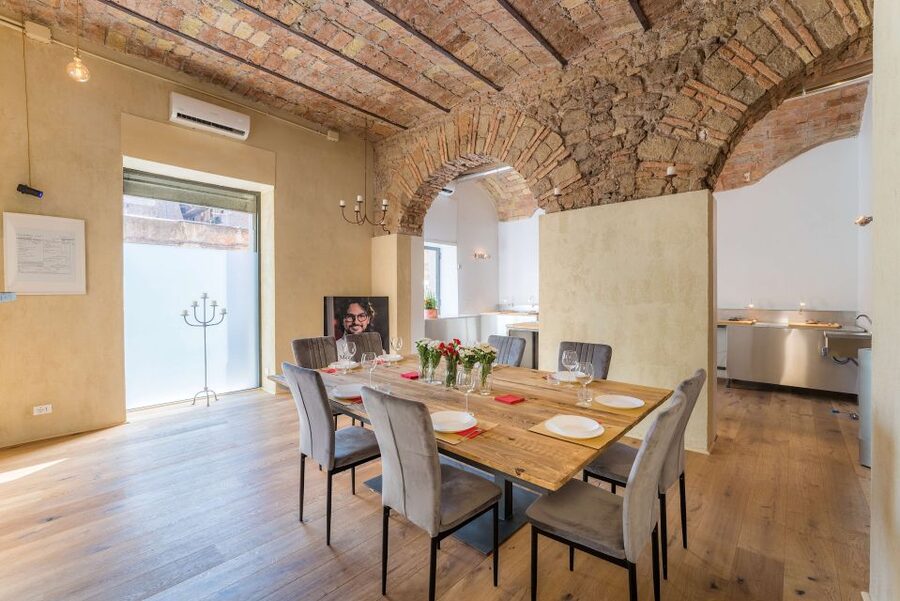
The atmosphere is part of the appeal. The dining and cooking space has old-fashioned character, yet it is arranged for hands-on work. You are not simply watching a chef prepare dinner at the front of a room. You work at the table, handle the dough, shape the pasta, and then sit down to eat it.
That combination matters in Rome, where cooking classes can vary widely. Some are really demonstrations with a small sample at the end. This one is built around participation. You should expect flour, dough, repeated demonstrations, and plenty of correction as you learn how to roll and fold the shapes.
The class is offered in English and Italian. The teaching style appears to be energetic rather than formal, with music, jokes, and plenty of interaction. If you like a quiet, highly technical lesson, the atmosphere may feel a little lively. If you want to meet people and learn without feeling tested, it is a good match.
More Ancient History Tours in Italy
- Colosseum: Underground and Ancient Rome Tour
★ 4.7 · 12,691 reviews - Colosseum & Ancient Rome with Arena Floor Option I Max 6 People
★ 5.0 · 3,306 reviews - Rome: Colosseum, Ancient Rome Tour or AudioGuided Tour
★ 4.4 · 2,879 reviews
Rolling one dough sheet five different ways
The first major lesson is the dough itself. You make fresh pasta from scratch and learn how to roll it thin with a wooden pin. This is a useful skill to take home because it teaches you to judge the dough by touch and thickness, rather than simply trusting a machine setting.
The wooden-pin technique also gives the class an old-school Italian feel. It takes more effort than turning a handle on a pasta roller, but that effort is part of the lesson. You learn how the dough changes as you roll it, how thin it needs to be, and how to prepare it for cutting or filling.
The class also includes safe food-cutting procedures. That is a small but worthwhile detail, especially if you are a beginner or plan to repeat the recipes at home. The teaching is aimed at people who may have made pasta before and people who have never mixed flour and eggs together.
Expect to spend real time on technique. Five shapes sounds impressive, but it also means you will move through a series of short demonstrations and hands-on attempts. You may not leave as a perfect pasta artisan, but you should leave with a better sense of how fresh dough behaves.
Ravioli, agnolotti del plin, tortellini, cappelletti, and fettuccine
The class covers five well-known Italian fresh pasta shapes, each with a different style of folding and cutting.
Ravioli gives you the basic filled-pasta method. You place filling on the sheet, seal it carefully, and cut the individual pieces. The lesson is useful because poorly sealed ravioli can open during cooking, while a well-made one holds its filling and cooks evenly.
Agnolotti del plin is a smaller filled pasta associated with northern Italian cooking. The shape calls for neat pinching and careful spacing. It is a good test of precision, but the chef and assistants can step in to help if your fingers are not yet cooperating.
Tortellini introduces another folded form, usually made by shaping the dough around a small filling and bringing the ends together. It is one of the classic shapes many people hope to learn in Italy, and the hands-on practice gives you a better chance of recreating it at home.
Cappelletti adds another variation to the filled-pasta lesson. The name refers to its little hat-like form, and the folding method helps you see how small changes in a pasta sheet create a different shape.
Finally, fettuccine gives you a simpler, long-cut pasta. After the concentration of filled shapes, cutting long ribbons feels more straightforward. It also gives you a practical pasta to make at home, since fettuccine works with many sauces and does not require the same folding skill as tortellini or agnolotti.
The appeal of covering all five is variety. You are not repeating the same movement for three hours. The trade-off is that each shape receives less time than it would in a class devoted only to tortellini or ravioli.
Two sauces and the best part, eating your work
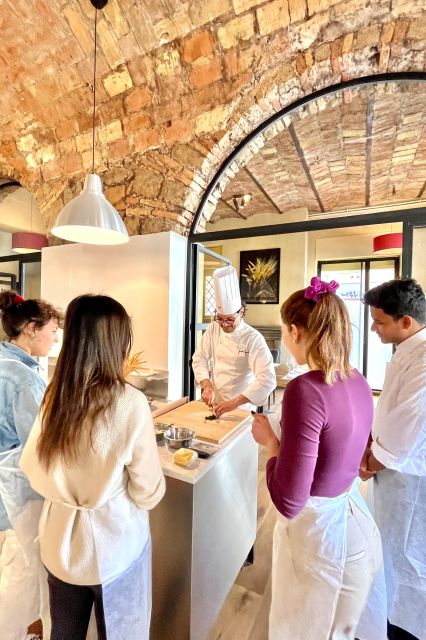
The class includes two different Italian sauces, created and explained by the chef. You taste two handmade pasta dishes as part of the meal, so the lesson does not end with a pile of uncooked dough.
This is where the class earns much of its value. You can learn a pasta shape from a recipe, but tasting it with an appropriate sauce helps you understand why the shape is made that way. A filled pasta needs a different treatment from a long ribbon. The meal gives you a practical reference for texture, seasoning, and portion size.
An appetizer of local Italian cheese with fresh prosecco comes first. It gives you something to enjoy while the pasta work is under way and adds a relaxed social rhythm to the class. Italian wine is also served with the meal.
The food is not an extra charge added at the end. The price includes the appetizer, prosecco, full meal, two pasta plates, wine, and dessert. At $67.19 per person, that is strong value for a three-hour activity, especially compared with paying separately for a cooking lesson and a sit-down dinner.
Still, keep your expectations sensible. This is a group cooking class, not a private chef’s tasting menu. The focus is learning, eating, and having a good time rather than receiving a long series of restaurant courses.
More Ancient History Tours in Rome
- Colosseum Underground & Ancient Rome Guided Tour
★ 4.5 · 2,590 reviews - Pantheon Elite Guided Tour – Rome’s Iconic Ancient Temple
★ 5.0 · 1,447 reviews - Ancient Rome: Colosseum Underground Group Tour
★ 4.5 · 1,059 reviews - Colosseum Express Guided Tour and Ancient Rome Admission Included
★ 4.0 · 1,008 reviews
Express tiramisu closes the meal
Dessert is an express tiramisu preparation. You do not just receive a sweet course without explanation. The chef shows you a quick version, and the class finishes by tasting it.
This is a useful choice for a group lesson because tiramisu is familiar, easy to recognize, and practical to repeat at home. It also provides a relaxed ending after the more exact work of filling and shaping pasta.
The dessert preparation is described as express, so do not expect a full pastry workshop. Think of it as a short final demonstration and tasting. That keeps the three-hour schedule manageable and lets the meal end without turning the class into an all-night event.
Emanuele, Angelo, and the tone of the teaching
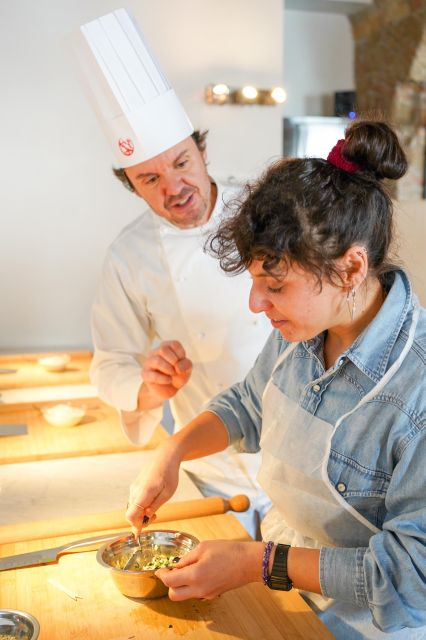
The chefs are a major part of the experience. Emanuele is frequently singled out for his humor, energy, and positive corrections, while Angelo is also praised for being warm, attentive, and engaging. Both names appear in the class experience, though the exact chef leading your session may depend on the date.
The teaching style is informal. Music and dancing may be part of the room’s energy, and the class is designed to keep people talking and laughing while they work. That makes it especially appealing for couples, families with older children, and friends who want an activity with a social side.
At the same time, the instruction is not only entertainment. The class includes clear demonstrations, hands-on help, and explanations of dough, cutting, folding, and sauces. If you make a mistake, the instructors are there to help rather than leave you to struggle.
The small group matters here. With a maximum of 10 participants, the chefs have a better chance of checking your dough and shaping technique. Some sessions may feel slightly larger in practice if arrangements change, so anyone seeking a truly private lesson should ask before booking. The stated group size is small, but it is still a shared class.
The instructors have also handled dietary concerns in individual cases. One participant with a garlic allergy received adjusted ingredients and a separate sauce. You should still tell the provider about any allergy before the class and confirm what can be changed, since the supplied information does not promise every accommodation.
Who will enjoy this class most
I would put this near the top of the list for several types of visitors:
- First-time pasta makers who want clear, practical instruction.
- Couples looking for a meal and activity in the same evening.
- Families with teenagers or older children who can take part at the worktable.
- Food lovers who want to understand fresh pasta rather than only eat it.
- Repeat Rome visitors looking for something more hands-on than another sightseeing stop.
- People who want a souvenir skill, not just another photograph.
The class is also a good break from museums and ancient monuments. Rome can become tiring when every day is built around standing, walking, and looking. Three hours at a table gives you a different way to experience the city, with food as the main connection.
It is less suitable if you want a silent, refined dinner or a tightly controlled professional kitchen lesson. The atmosphere is friendly and high-energy. You will likely learn more if you join in rather than sit back.
The activity is not suitable for people with mobility impairments. Pets are not allowed. Because you will roll, cut, fold, and shape dough, you should also be comfortable working at a table for much of the session.
What the $67.19 price really buys
The price is $67.19 per person. That covers three hours of instruction and participation, an appetizer with prosecco and Italian cheese, a full lunch or dinner, two handmade pasta dishes with different sauces, wine, and the express tiramisu preparation.
There are no extra fees requested during the class. That makes the cost easy to judge because the food and drinks are already part of the package. You also receive a complimentary professional chef hat with the Pastificio Faini logo, a small but fun keepsake.
For a visitor comparing this with a standard restaurant meal, the value is not only the amount of food. You get a meal plus a skill-based activity, and the pasta you make becomes part of the dinner. That is a better deal than a cooking class that charges for the lesson and then leaves you to arrange your own meal.
The strongest value comes if you plan to make pasta at home. The wooden-pin technique and the five shapes give you more to practice than a one-recipe class. If you have no interest in cooking, the price is still fair for the food and social evening, but you will not get as much from the instructional part.
Timing, language, and booking details
The activity lasts three hours, with starting times shown according to availability. Check the time before booking so you can fit it around dinner plans and evening sightseeing.
Instruction is available in English and Italian. The class ends back at the same meeting point, so you do not need to arrange a separate return transfer for the activity itself.
Free cancellation is available up to 24 hours in advance for a full refund. You can also reserve now and pay later, which is useful when your Rome schedule is still shifting. These policies do not change the need to arrive at the correct old Osteria entrance, so allow time to find the marble Cucina sign.
The experience carries a five-star rating from 102 reviews, but the more useful point is what the praise centers on: the chefs, the hands-on instruction, the friendly mood, the food, and the feeling that people of different ages and nationalities can take part together.
Should you book the five-shape pasta class?
Book it if you want a practical Rome activity that combines cooking, dinner, drinks, and conversation. The five pasta shapes give the class real substance, while Emanuele, Angelo, and the supporting team bring enough humor and help to keep beginners comfortable.
I would especially recommend it for a honeymoon, anniversary, family outing, or a break from sightseeing. It also makes sense for anyone who wants to return home with a skill rather than another small souvenir.
Skip it if mobility limitations make table work difficult, or if you want a private, quiet, restaurant-style meal. For most visitors who enjoy food and hands-on learning, though, $67.19 buys a generous evening and a useful introduction to the craft of fresh pasta.
FAQ
Where does the pasta class take place?
It starts at the old Osteria called Cucina, an Antica Osteria founded in the late 1800s and converted into a cooking school. The original marble osteria sign is above the entrance.
How long does the class last?
The cooking class lasts three hours. Starting times depend on availability.
Which pasta shapes will I make?
You will make ravioli, agnolotti del plin, tortellini, cappelletti, and fettuccine.
Do I make the pasta dough from scratch?
Yes. You make homemade fresh pasta from scratch and roll the dough into thin sheets with a wooden pin.
Is food included in the price?
Yes. The price includes an appetizer with Italian cheese and prosecco, a full lunch or dinner, two handmade pasta dishes with two sauces, wine, and dessert.
Is tiramisu included?
Yes. The class includes preparation of an express tiramisu at the end, followed by dessert.
What languages are offered?
The instructors teach in English and Italian.
How many people are in the group?
The class is limited to 10 participants.
Is the activity suitable for people with mobility impairments?
No. The activity is listed as not suitable for people with mobility impairments. Pets are also not allowed.
More Pasta in Rome
- Milan: Fresh Pasta and Tiramisù Class in A Historical Home
★ 4.9 · 195 reviews - Homemade Pasta in a Peaceful Medieval Village
★ 5.0 · 44 reviews
More Cooking Classes in Rome
- Undiscovered Charleston: Half Day Food, Wine & History Tour with Cooking Class
★ 5.0 · 948 reviews - Mojo Workshop Cooking Class in Ancient Canarian Village
★ 4.9 · 127 reviews - Syracuse: Traditional Cooking Class & Ancient Market Visit
★ 4.9 · 72 reviews - Cooking Class in a Historic Home in the Heart of Brindisi
★ 4.7 · 28 reviews
Just added around Rome
- Rome: Colosseum and Ancient Rome Guided Walking Tour★ 4.5 · 95 reviews
- Secrets of Rome: Historical True Crime Small Group Tour★ 4.9 · 85 reviews
- Rome: Rome at Night Evening Historical Walking Tour★ 4.9 · 24 reviews
- Rome Secrets: Dark History & Tasty Bites Tour★ 5.0 · 37 reviews
- Rome: Introduction to the Colosseum and Ancient City Tour★ 4.8 · 75 reviews
- Rome Pantheon Semi-Private Guided Tour with an Archaeologist★ 5.0 · 60 reviews
- Rome: Ostia Antica Archaeological Park Ticket & Audio App★ 4.6 · 146 reviews
- Rome: Food Tour of the Historic Center with Rooftop Spritz★ 4.7 · 43 reviews
Rome History Tours, compared.
Colosseum: Underground and Ancient Rome Tour
Read our review →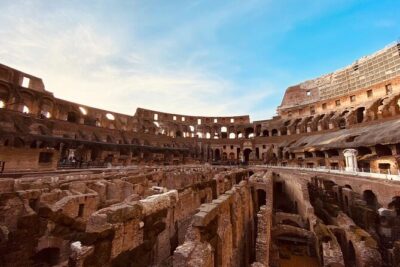
Rome: Colosseum with Arena, Roman Forum and Palatine Guided Tour
Read our review →
Colosseum with Arena, Roman Forum and Palatine Hill Guided Tour
Read our review →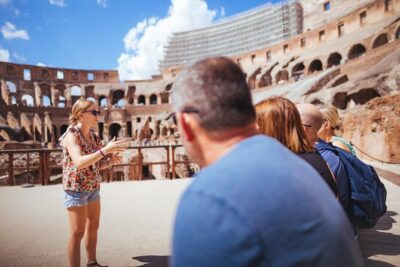
Colosseum & Ancient Rome with Arena Floor Option I Max 6 People
Read our review →
Rome: Colosseum, Ancient Rome Tour or AudioGuided Tour
Read our review →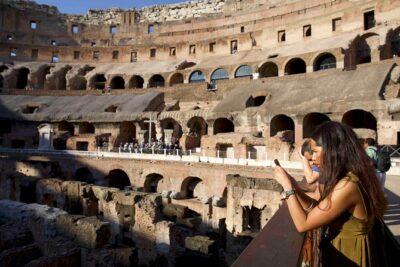
Colosseum Underground & Ancient Rome Guided Tour
Read our review →
Rome: Colosseum Arena, Roman Forum & Palatine Hill Tour
Read our review →
Colosseum, Roman Forum & Palatine Hill Guided Tour
Read our review →Browse the lists this tour appears in