
Review · HISTORY TOURS
Nazis in Buenos Aires: a historical walking tour
Buenos Aires has a difficult chapter that is easy to miss behind its grand avenues and elegant buildings. This walking tour asks how Nazi war criminals reached Argentina after 1945, what the government knew, and how the country’s Jewish community lived with the consequences. Adolf Eichmann’s capture and the attack on the former Israeli embassy give the subject a personal and painful focus.
I like two things here. First, the tour uses real city locations rather than treating the subject as a classroom lecture. Second, Max brings careful research, photographs, and visual material, while making room for uncertainty where the evidence is incomplete. The main consideration is that this is a serious, discussion-heavy history walk, not a light sightseeing stroll.
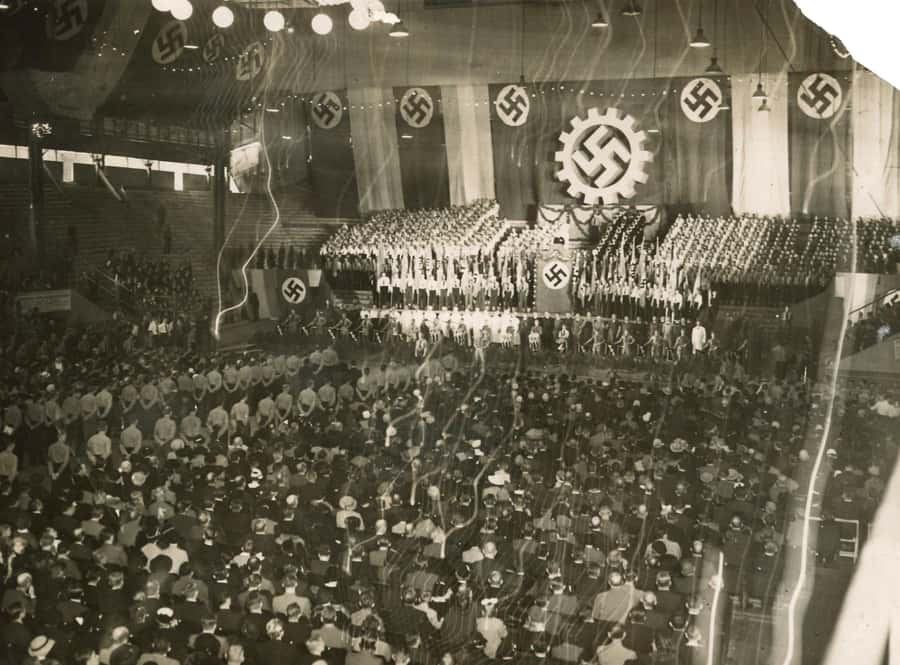
- A 15,000-seat political gathering: Hear how Luna Park became part of the story while the venue remains in use today.
- Eichmann’s Buenos Aires connection: Learn about the spy-like investigation that identified and captured the fugitive war criminal.
- A difficult question about Argentina: Examine claims that Nazi immigration was tolerated or encouraged by the government.
- The Jewish community in focus: Connect national politics with the life of Buenos Aires’ second-largest Jewish community in the Americas.
- Seven central stops: Walk from the Juana Azurduy Monument through Recoleta, Retiro, and Microcentro to the former Israeli embassy memorial.
- A strong value at $25: Two and a half hours with an English-speaking history teacher costs less than many standard city tours.
Why This Buenos Aires history walk matters
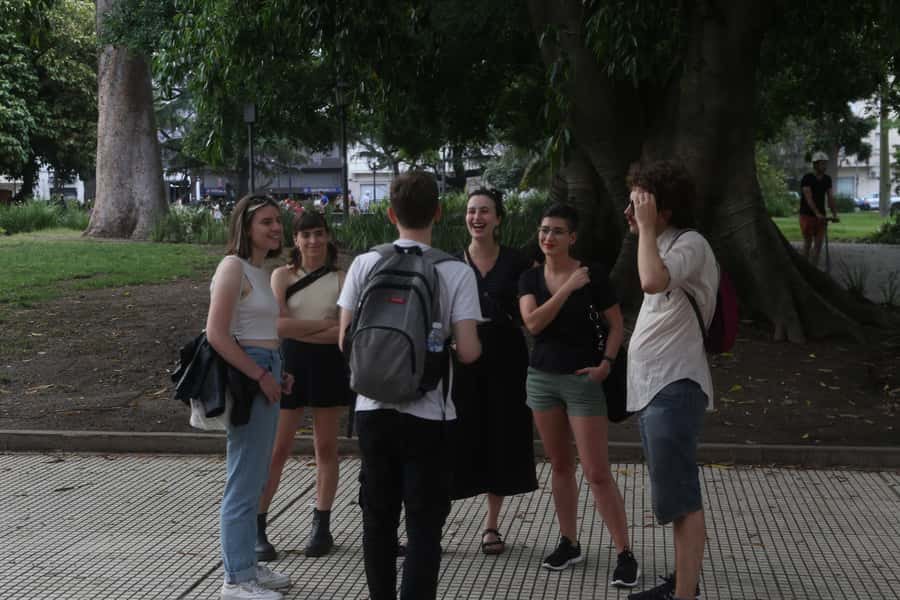
The title is deliberately direct: were Nazis really given refuge in Argentina? The answer is not presented as a simple yes or no. Instead, you follow a chain of places, people, political decisions, and disputed claims tied to the years before and after World War II.
That approach is important because the subject can easily become a collection of sensational stories about fugitives in hiding. Here, the broader setting matters just as much. You learn about Juan Domingo Perón, Argentina’s most important political figure of the 20th century, and the forces shaping the country before, during, and after the war.
I particularly like that the walk connects international events with local life. The story is not only about European war criminals arriving in South America. It is also about the Jewish community in Buenos Aires, the second largest on the continent, and the way national politics affected its safety and public life.
The tour is led in English by Max, a history teacher from the University of Buenos Aires. His teaching background comes through in the structure: he sets the scene first, then adds detail stop by stop. He also uses photographs and other visual material, which helps when the building in front of you looks ordinary but the story attached to it is not.
Starting beside the Juana Azurduy Monument
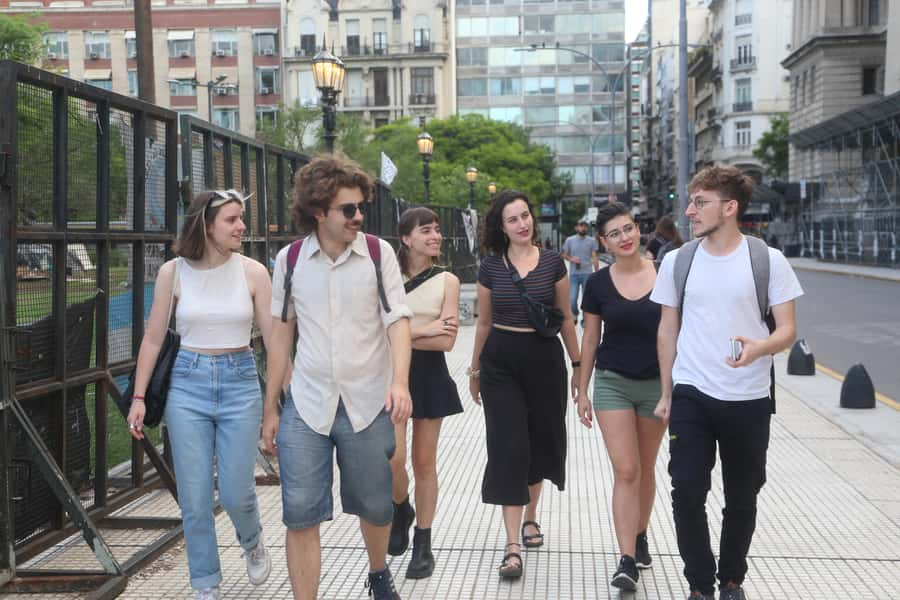
You meet a few meters from the Monument to Juana Azurduy, by the benches facing Palacio Libertad, formerly the CCK. Max wears a black cap, which makes the meeting point easier to spot in this busy central area.
The opening location places you near the border of several neighborhoods used during the walk. From here, the tour moves through Recoleta, Retiro, and Microcentro, with the city itself acting as the setting for the discussion.
You should arrive ready to listen rather than rush into a long list of dates. The guide first establishes the basic World War II and Holocaust background, then explains how Argentina fits into the story. A basic familiarity with those events will help, but you can still ask questions if your knowledge is limited.
This is not designed for children under 10, and that makes sense. The material includes terrorism, the Holocaust, war crimes, antisemitism, and political violence. Older teenagers with an interest in history may find it worthwhile, especially since Max is used to answering questions from people with different levels of preparation.
More WWII and D-Day Tours in the world:
- Amsterdam: Life of Anne Frank and World War II Walking Tour
★ 4.8 · 10,467 reviews - Berlin: Third Reich & Cold War Guided Walking Tour
★ 4.9 · 8,378 reviews - Normandy D-Day Sites & Cemetery Day Trip from Paris with Lunch
★ 5.0 · 6,877 reviews
Luna Park and the 15,000-seat political meeting
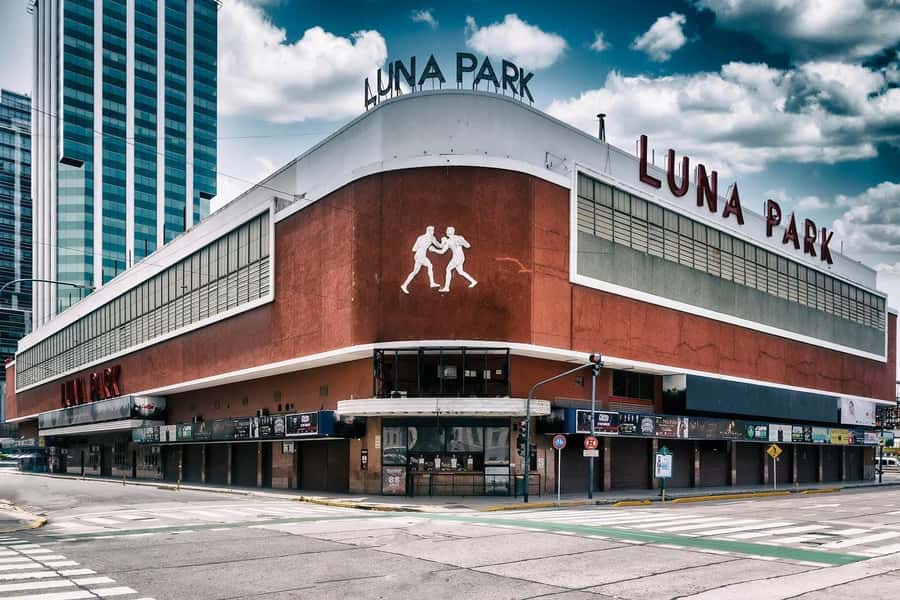
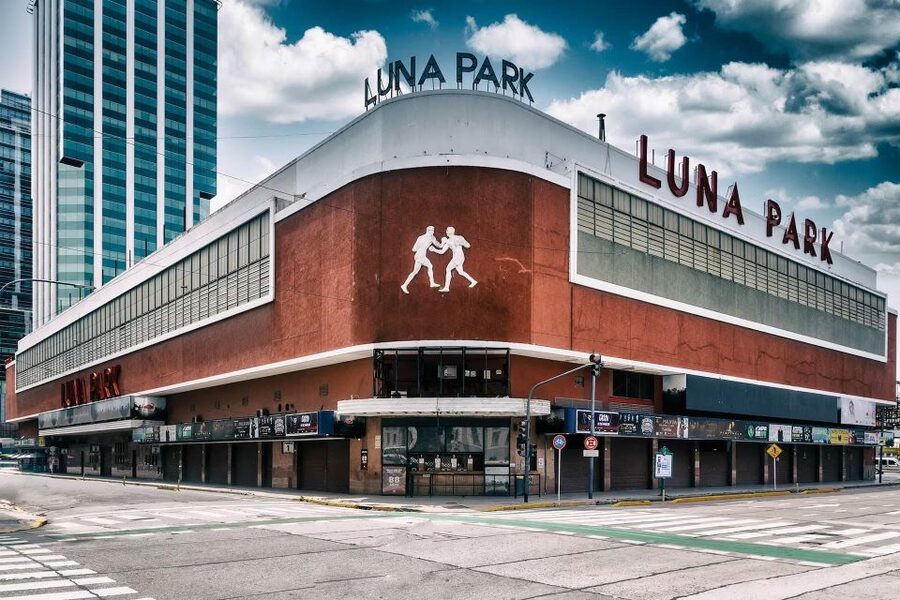
The first listed stop is Luna Park Stadium, where the group spends about 20 minutes. This is one of the most striking locations because it connects an active entertainment venue with a major Nazi gathering in Buenos Aires.
The key detail is the scale: a meeting attended by 15,000 people. That number makes the subject harder to dismiss as the work of a few isolated extremists. Max explains what the gathering meant in the political climate of the time and how it fits into the wider story of Argentina’s relationship with European fascism.
The stadium is still operational, so the experience is mainly about seeing the place from the outside and hearing the history attached to it. Entry is not included. If you were hoping for a stadium visit, check the day’s arrangements before booking, but the historical value does not depend on walking inside.
I like this stop because it gives you a physical sense of scale. A newspaper clipping or a paragraph in a book can describe a mass meeting, but standing outside a large working stadium helps you picture the public reach of the movement.
ABC Restaurant and the politics of the era
The tour then reaches ABC Restaurant for another 20-minute stop. This location is used to discuss the political and social setting surrounding Argentina’s wartime and postwar years.
The tour’s larger question comes into sharper focus here: did Nazi fugitives arrive without official awareness, or were parts of the migration known and possibly promoted by people in power? This is where the walk moves beyond the simple image of secret agents and hidden identities. Government policy, immigration routes, political networks, and public opinion all matter.
You should expect interpretation rather than a single dramatic reveal. The guide’s role is to sort established facts from claims that remain disputed. That restraint is one of the best reasons to choose this tour. On a topic that attracts myths, careful wording matters.
The stop also helps explain why Perón receives attention. You learn about the debates surrounding his presidency and how his policies and political image have been interpreted in relation to postwar migration. The tour does not treat Argentine politics as background decoration. It makes politics part of the answer.
The National Arms Museum and the machinery of power
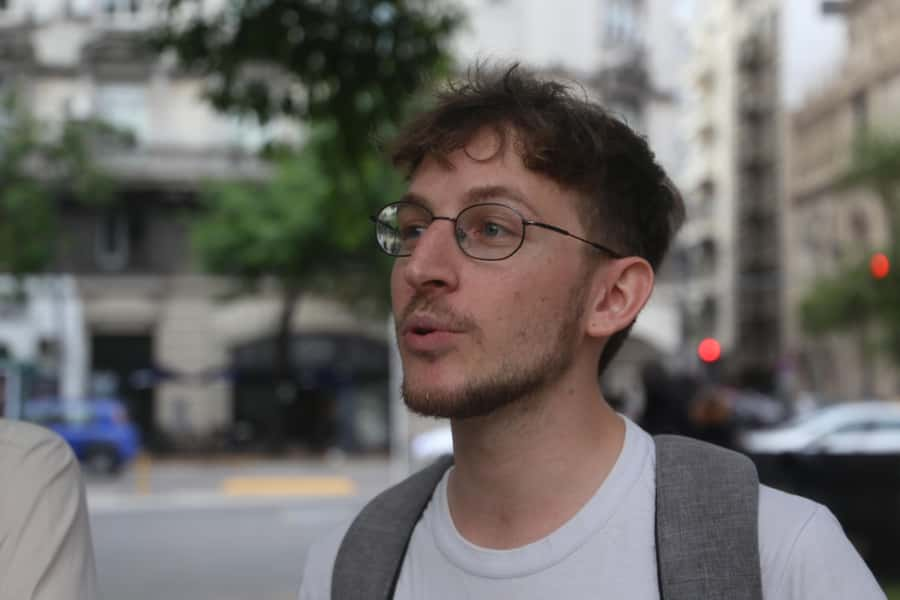
At the Museo de Armas de La Nación Tte. Gral. Pablo Riccheri, the group pauses for about 20 minutes. The museum adds a military and state-power setting to a walk that could otherwise focus only on restaurants, theaters, and city streets.
The information provided does not promise a museum entry, and entry to the listed attractions is not included in the price. Treat this as an exterior or nearby discussion stop unless Max confirms otherwise. The important point is the connection between armed institutions, national authority, and the political conditions in which extremist movements could operate.
This is also a useful place to consider the difference between a country’s official position and what may happen through private groups, informal networks, or individual officials. The tour asks you to look at that difference instead of treating Argentina as a single actor with one clear policy.
If you like history presented through documents and competing interpretations, this section should suit you. If you mainly want stories about fugitives hiding under false names, you may find the political material slower than expected.
More History Walking Tours in the world:
- History and Hauntings of Salem Guided Walking Tour
★ 5.0 · 14,564 reviews - Lisbon: History, Stories and Lifestyle Walking Tour
★ 4.8 · 10,902 reviews - Boston: Freedom Trail History Small Group Walking Tour
★ 5.0 · 6,450 reviews - Historic Charleston Guided Sightseeing Walking Tour
★ 5.0 · 6,216 reviews
Palacio San Martín and Argentina’s international image
Palacio San Martín is the next 20-minute stop. Its setting brings diplomacy and foreign policy into the discussion.
Argentina’s connection to postwar Europe was not only a domestic matter. Immigration, diplomatic relationships, public statements, and international pressure all shaped how the country was viewed. A grand diplomatic building is a fitting place to ask how a nation presents itself abroad while dealing with controversial people and policies at home.
Max’s method is useful here because he connects the immediate site with wider Argentine history. The walk is not limited to one question about Nazis in Buenos Aires. It also explores how modern Argentina was formed by arguments over nationalism, government power, immigration, and its place in the world.
The stop should appeal to you if you want a broader explanation of the period. One criticism raised by a participant was that the walk sometimes gives more attention to Argentina’s political situation than to Nazis on the run. I see that as a fair expectation check. The tour title suggests fugitives, but the content is also a serious study of politics and society.
Italian Circle and the story of public identity
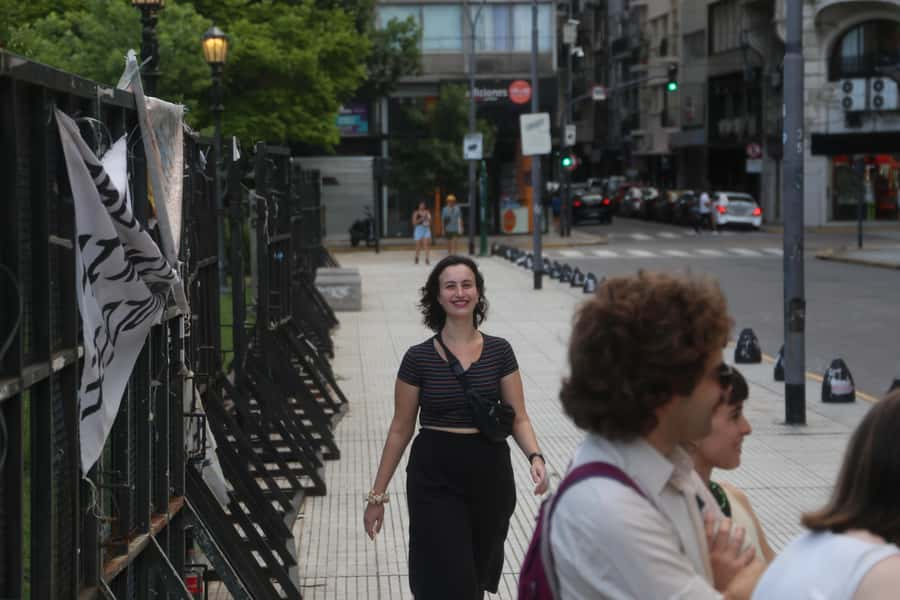
The Italian Circle of Buenos Aires provides another setting for the discussion of European communities, identity, and political influence. The tour uses the location to add texture to the story of how European connections shaped the city.
You will not simply be taken from one alleged hiding place to another. Instead, the route considers the networks and social worlds through which ideas and people moved. That broader frame helps explain why postwar migration cannot be reduced to a secret escape route.
The stop is also a reminder that Buenos Aires has long been shaped by communities with European roots. That fact can make the Nazi story more complicated, not less. Shared language or ancestry did not automatically mean shared politics, and the tour gives you room to consider those distinctions.
As with the other locations, expect about 20 minutes. The frequent pauses keep the walk from becoming a long lecture while giving Max time to show images and answer questions.
The former Israeli embassy memorial
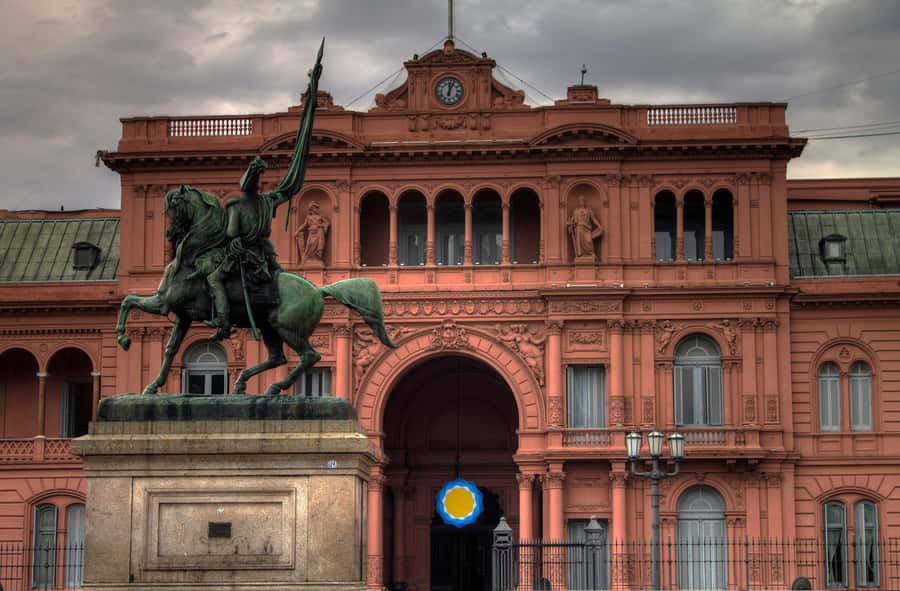
The route ends at Plaza Embajada de Israel, the memorial site of the former embassy of Israel. This is the most emotionally direct stop on the walk.
The tour presents the site as connected to the worst terrorist attack in the history of Latin America. The location brings the discussion into the late 20th century and shows that the consequences of antisemitism and extremist violence did not end with 1945.
You also learn about a neo-Nazi attack in the 1960s and the fate of Buenos Aires’ Jewish community. These subjects place the postwar Nazi story inside a longer record of threats, prejudice, and violence. The final stop therefore shifts the tour from historical investigation to public memory.
I would allow a little quiet time here after the formal walk ends. The ending is not designed as a cheerful photo opportunity. It asks you to think about how the city remembers violence and how old ideologies can reappear in new forms.
There is a small logistical inconsistency in the supplied information: the route description says the walk ends at Plaza Embajada de Israel, while the meeting details say the activity ends back at the meeting point. Confirm the final arrangement when you book, especially if you have dinner, transport, or another tour scheduled afterward.
What the $25 price includes
At $25 per person, this is a good-value tour if you want serious historical context. You receive a 2.5-hour English walking experience with a guide who teaches history and has built the route around evidence, images, and discussion.
The price does not include admission to Casa Rosada, Libertad Synagogue, or Luna Park Stadium. Those exclusions are worth noting, but they do not undermine the value because the core experience is the guided interpretation of public locations.
The advertised duration is 2.5 hours, while the included-services wording refers to a two-hour walking tour. Plan on the longer figure. There is also a 10-minute restroom pause, which is useful during a walk of this length.
Bring comfortable shoes and water. The route covers central neighborhoods, and you will be standing at several stops while listening. The tour is not suitable for wheelchair users, so accessibility should be checked before booking.
Free cancellation is available up to 24 hours in advance, and you can reserve now and pay later. Those terms help if your Buenos Aires schedule is still changing, but the main value question is simple: do you want a focused history lesson in the streets rather than a general introduction to the city?
How Max teaches a difficult subject
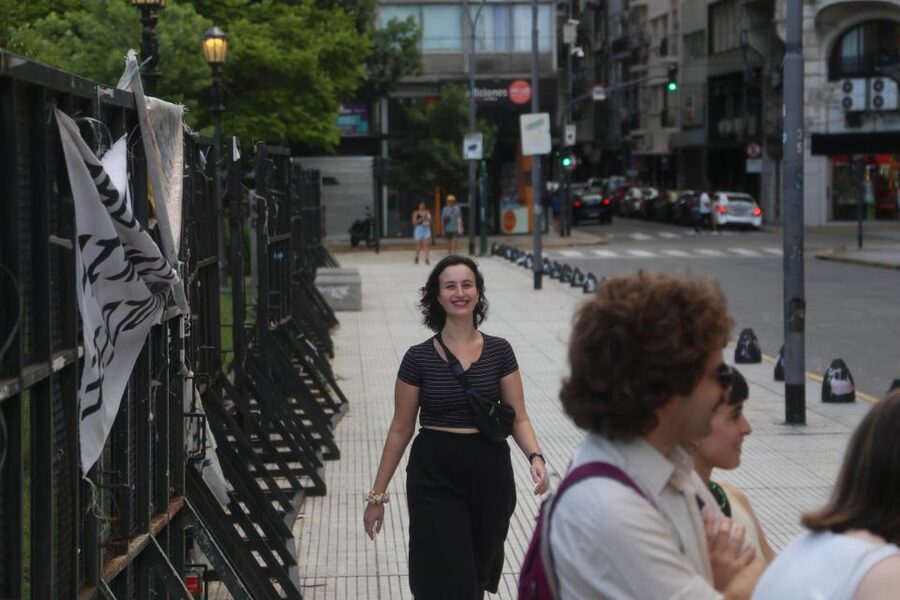
The strongest feature of this experience is the guide’s teaching style. Max is described as friendly, careful, and willing to say when a point is not certain. That habit matters greatly here.
He supports the stops with relevant photographs and visual material, which gives you something concrete to examine while he explains the context. The structure also leaves room for questions about Nazism, Judaism, the war, and Argentine history.
You should expect a balanced presentation rather than a political rant. The material is presented with nuance, and the guide encourages participation. People with a basic background in World War II will probably get the most from the walk, but Max can answer questions from those who are starting with less preparation.
The subject remains uncomfortable, as it should. Yet the walk is not presented in a way that turns suffering into spectacle. Its purpose is to understand what happened, what remains disputed, and why remembering it still matters.
Who should book this walking tour?
I would choose this tour if you enjoy modern history, political history, Jewish history, or carefully researched city walks. It is particularly useful if you have already seen Buenos Aires’ broad sights and want a more focused way to understand the city.
It also suits you if you prefer a guide who explains context instead of simply pointing at buildings. The group moves through familiar central areas, but the stories change what those streets mean.
You may want to skip it if you are looking for a relaxed introduction to Buenos Aires, a food walk, or a tour centered mostly on architecture. The subject matter is heavy, and the political discussion may take up more time than the Nazi fugitives themselves.
Should you book Nazis in Buenos Aires?
Book it if you want a thoughtful, evidence-based walk through one of Argentina’s most disputed modern chapters. At $25, the 2.5-hour format offers strong value, especially with Max’s clear teaching style, visual material, and willingness to handle uncertainty honestly.
Go in with basic World War II knowledge, comfortable shoes, water, and an appetite for difficult questions. If your interest is limited to dramatic stories about Adolf Eichmann and other fugitives, you may find the wider political history unexpected. If you want to understand how war, government, antisemitism, migration, and memory connect in Buenos Aires, this is a worthwhile choice.
FAQ
Where does the tour start?
It starts a few meters from the Monument to Juana Azurduy, by the benches facing Palacio Libertad, formerly known as the CCK. Max wears a black cap.
Where does the tour end?
The route description says it ends at Plaza Embajada de Israel, the memorial site of the former Israeli embassy. The meeting details also say the activity ends back at the meeting point, so confirm the final arrangement when booking.
How long does the tour last?
The activity is advertised as lasting 2.5 hours. The included-services information describes a two-hour walking tour, so you should plan for the longer duration.
Is the tour offered in English?
Yes. The tour has a live English-speaking guide.
What attractions require separate admission?
Entry to Casa Rosada, Libertad Synagogue, and Luna Park Stadium is not included.
Is the tour suitable for children?
It is not suitable for children under 10 years old. The subject includes the Holocaust, terrorism, political violence, and antisemitism.
What should I bring?
Bring comfortable shoes and water. There is also a 10-minute pause for using the restroom during the tour.
Just added around the world
- Scenic Train ride to historical cities of Morretes and Antonina★ 4.0 · 188 reviews
- 6-Day Cultural Tour to Machu Picchu★ 5.0 · 76 reviews
- Jewish Heritage of Curacao★ 4.5 · 68 reviews
- The Curacao’s Colorful History Walking Tour★ 5.0 · 55 reviews
- Discover Scuba Diving Amathounta’s Ancient Port★ 5.0 · 30 reviews
- Olous – Guided Snorkelling Excursion to Discover Olous Sunken Ancient City★ 4.5 · 31 reviews
- Night Walking Tour of Medieval Cuenca★ 5.0 · 64 reviews
- WWII – The Battle of Crete Day Tour★ 5.0 · 103 reviews