
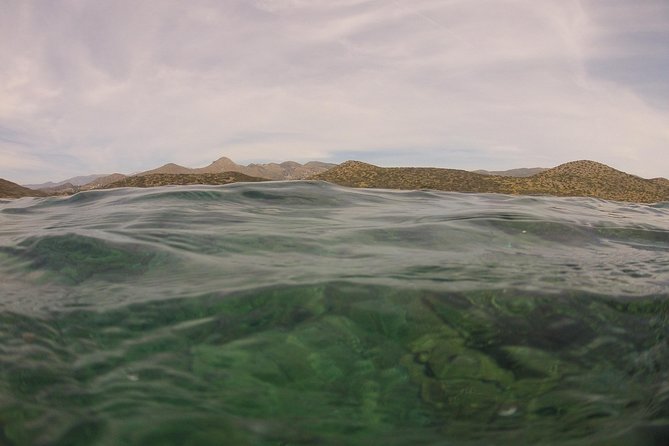
Review · GREECE
Olous – Guided Snorkelling Excursion to Discover Olous Sunken Ancient City
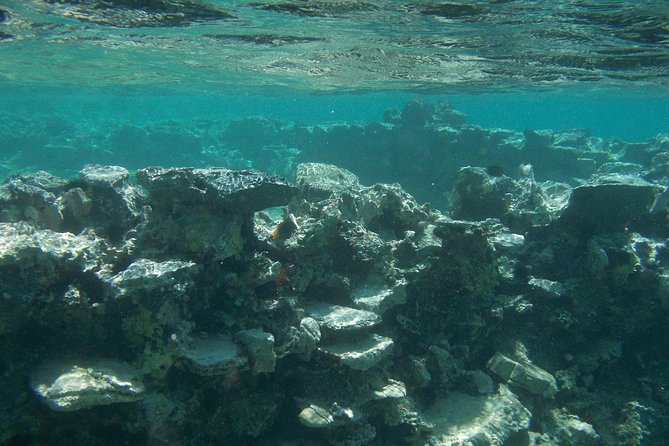
Olous lies just beneath the surface of Elounda Bay, where a ruined road, building remains, steps, and a temple can be seen through the clear water. You are not exploring a perfectly preserved underwater city, but a shallow archaeological site that asks you to use your imagination.
I like the small group limit of eight, which gives the guide room to help nervous swimmers. I also like that the trip begins with a history presentation, so the scattered stones have a story before you enter the water. The main drawback is simple: some people expect more visible ruins than the site can deliver.
Key points
- Shallow ruins at 50 to 80 cm: You stay close to the bottom while looking over the remains of Olous.
- Small groups: The maximum is eight people, with individual help for beginners.
- Useful equipment included: Fins, mask, snorkel, and wetsuit are provided.
- History before swimming: A short presentation helps you picture the old road, houses, temple, kitchen, and villa.
- Marine life adds interest: You might see schools of fish, octopus, and starfish among the seagrass and stones.
- Elounda pickup: Transport from the Blue Dolphin Center is included, with individually arranged pickup in the Elounda area.
What Olous looks like beneath Elounda Bay
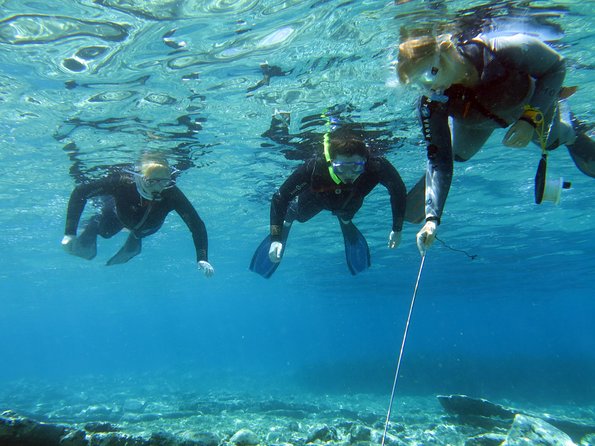
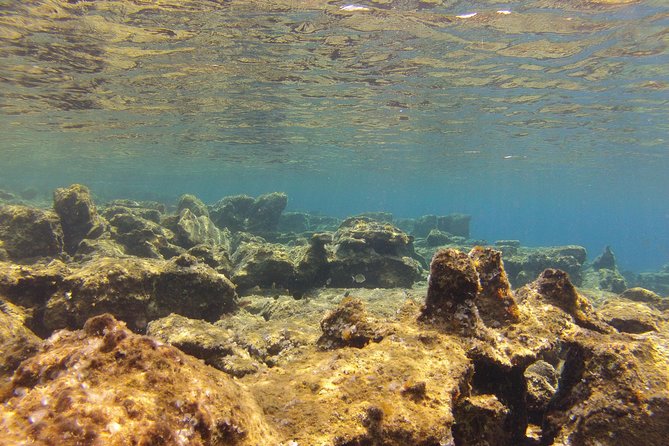
Olous is one of Crete’s important Minoan-era sites, but this is not an underwater version of a grand stone city. The visible remains sit only 50 to 80 centimeters below the surface. You may see parts of an old street, steps, foundations, and building fragments rather than tall walls or complete rooms.
That distinction matters. If you picture a whole city standing intact below the sea, you may be disappointed. The site is best understood as a collection of remains. The guide helps connect those pieces, explaining what the buildings may have been and how the area once functioned.
The setting does much of the work. You are swimming over a place associated with a civilization thousands of years old, with sunlight moving across the ruins and fish passing through the seagrass. The experience is less about dramatic underwater architecture and more about seeing how time, water, and human history meet in one quiet bay.
I find this kind of site rewarding when I know what to expect. You will need to picture the original walls and activity for yourself. A good guide can point out a line of stones or a change in the seabed and help you see it as part of a road or room, but the ruins will not explain themselves.
More Ancient History Tours in Greece
- Athens: Acropolis & up to 5 Archaeological Sites Combo Pass
★ 4.2 · 13,904 reviews - Athens: Ancient Greek Theater Performance
★ 4.7 · 2,481 reviews - Historical Delphi One Day Tour with Arachova Stop & Expert Guide
★ 4.5 · 1,247 reviews
The 9:30 start at Blue Dolphin Elounda
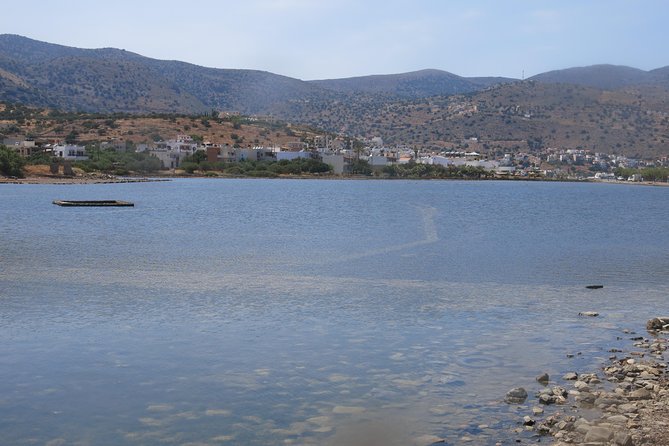
The excursion begins at Diving Center Blue Dolphin Elounda, beside the Aquila Hotel Elounda Village. The listed start time is 9:30 am, and the trip returns to the same meeting point.
Pickup can be arranged individually within the Elounda area. If you use that option, confirm the exact meeting details when your booking is accepted. The center is also near public transportation, which gives you another way to reach the start point.
Allow about two and a half hours for the full outing, even though the water portion is described as about two hours. That extra time covers the introduction, transport, changing, equipment fitting, and getting in and out of the water. One practical complaint is that preparation can feel slow, especially if you are eager to start. The fitting process is still important, since a badly adjusted mask or wetsuit can spoil an otherwise pleasant morning.
The tour is offered in English. Individual guides may vary, with Julie, Jackie, Dimitri, and Adam among the instructors praised for clear explanations and patient help. One French-speaking instructor has also been noted, but English is the language you should expect when booking.
A short history lesson before the water
The excursion starts with an explanation of Olous and what you may see below the surface. This is more useful than it sounds. Without context, the remains can look like scattered rocks. After the presentation, a road, building outline, or set of steps becomes easier to recognize.
The introduction also sets a realistic picture of the site. You are looking at remains from thousands of years ago, not a complete settlement. The guide may use drawings, background information, or a presentation to help you imagine how the city was arranged and how people used the buildings.
This is where the quality of the guiding matters most. Several guides have been praised for pointing out architectural details as well as marine life. Dimitri, for example, was noted for staying calm while helping less confident swimmers. Adam helped a first-time snorkeler with steady tips, while Jackie was praised for checking masks and keeping a comfortable pace.
You should listen closely during this opening talk. It gives you something specific to look for, and it makes the swim feel like a short archaeological visit rather than a simple equipment outing.
Getting fitted with mask, fins, snorkel, and wetsuit
All the main equipment is supplied: mask, snorkel, fins, and wetsuit. That keeps the cost easier to judge, since you do not need to rent these items separately or pack them from home.
The staff will help you try the equipment and prepare for the swim. If this is your first time snorkeling, say so at once. The guides are used to teaching basic technique, and the small group makes it easier to get personal attention.
The most important lesson is usually breathing calmly through the snorkel. Keep your face relaxed, take slow breaths, and tell the guide if water enters the mask or the fit feels wrong. You are not expected to arrive as an expert. The guide can offer tips and stay close to anyone who needs extra reassurance.
The trip does require a moderate level of physical fitness. You need to manage the equipment, enter the water, and swim or float while looking down. The minimum age depends on experience and weather conditions, so families should confirm that point before booking.
Same city, a different century:
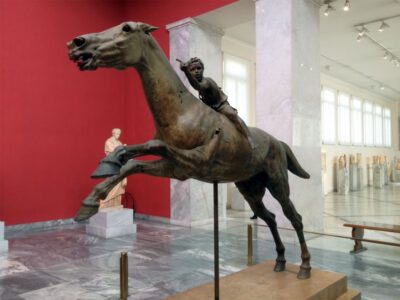
- Athens: National Archaeological Museum Ticket & Audio Guide
★ 4.3 · 1,330 reviews - Mykonos Town: Archaeological Site of Delos Guided Day Trip
★ 4.6 · 1,296 reviews - From Athens: Ancient Corinth Day Trip with Canal & VR Guide
★ 4.6 · 1,073 reviews - Historic Athens: Small Group Electric Bike Tour
★ 4.9 · 966 reviews
Following the old road and building remains
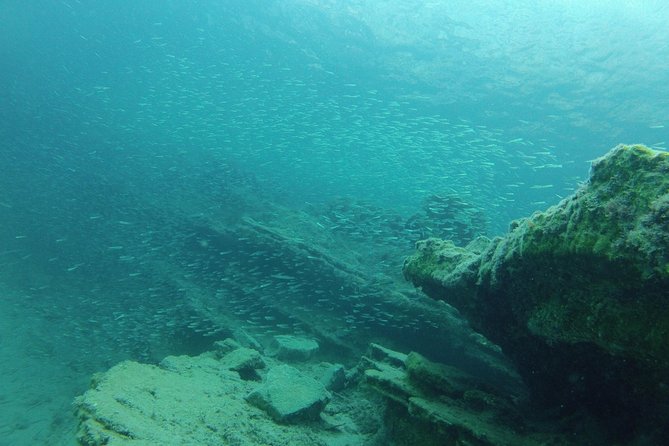
Once you are in the water, the guide leads you across the shallow site. The route may include a first house, steps, a main street, and a temple. You then return through the seagrass toward remains described as a kitchen and villa.
Do not expect a long swim across a large underwater city. The route is compact, and the ruins are low. That is part of the appeal for beginners, since you remain close to the surface and can stop for explanations.
It is also the reason expectations matter. Some parts may be obvious, while others look like rubble unless the guide points them out. The city takes shape in your mind from small clues: the direction of a road, a line of stones, a foundation, or a change in depth.
I like that the history is tied to visible features instead of delivered as a lecture alone. You see something, hear what it may have been, and then look again. That simple pattern makes the experience more engaging.
The water itself adds another layer. Fish move around the stones and seagrass, and you might spot an octopus or starfish. The marine life is not the main historical purpose of the outing, but it keeps the swim lively when the ruins become difficult to make out.
Patient guiding for first-time snorkelers
This is a good choice if you are curious about snorkeling but not yet comfortable in the water. The guides have helped people who were nervous, non-swimmers, or using a mask and snorkel for the first time.
That does not mean the trip is effortless for everyone. A person who is not comfortable in open water may still decide to leave early. You should be ready to tell the guide how you feel rather than trying to keep up silently. The small group helps, but the guide may need to balance different swimming abilities.
The strongest part of the service is the calm attention. Guides have checked masks, offered technique advice, adjusted the pace, and watched weaker swimmers while still explaining the site to more confident members of the group.
If your party includes both beginners and experienced swimmers, expect some compromise. The guide may pause more often, repeat instructions, or stay with someone who needs help. That is the right approach for safety, though strong swimmers may find the pace gentle.
Children have enjoyed the outing, but the minimum age is not fixed. It depends on experience and conditions, so check before you reserve.
How much you see, and how much you imagine
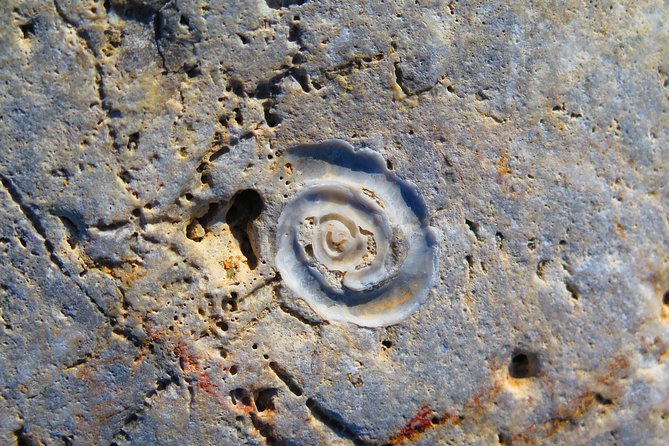
The honest description is that you will not see a large amount of clearly preserved architecture. One of the most useful ways to approach Olous is to treat it as a guided interpretation of remains, not as a spectacular underwater ruin field.
The site becomes more interesting when the guide explains the route. You may follow what appears to be an old street, pass steps and a temple area, then look over building traces near seagrass. Fish, octopus, and starfish can make the natural side of the swim just as memorable as the stones.
I would book this for someone who enjoys history, archaeology, and unusual settings. I would not choose it for someone whose main goal is a dramatic display of intact ruins. You will get the most from the excursion if you enjoy asking what a fragment might have been and letting the guide fill in the missing pieces.
The shallow depth is a benefit for visibility and confidence, but it also means the site lacks the mystery of a deep-water wreck. Scuba equipment is not part of this activity, and the remains are intended to be explored by snorkeling.
The value of $66.08 per person
At $66.08 per person, the cost is reasonable if you would otherwise need to rent equipment and arrange transport separately. The price includes the fins, mask, snorkel, wetsuit, guide, history presentation, and transport from the center to Olous.
The small group adds value. With a maximum of eight people, you are not being moved through the water in a large crowd. The guide has a better chance to notice a leaking mask, explain a feature, or slow down for a nervous swimmer.
The price is less compelling if you only want a short swim with fish. Olous is a specific historical outing, and much of its value comes from the interpretation. If the ruins do not interest you, you may feel that the visible underwater remains are too limited for the cost.
The excursion lasts around two hours, or about two and a half hours when preparation and transport are included. That makes it a manageable morning activity rather than a full-day commitment. You can still plan lunch or another Elounda activity afterward.
Practical details before you book
The activity begins at 9:30 am and ends back at the meeting point. Pickup is available by individual arrangement within Elounda. Confirm your pickup details and booking availability, since confirmation is issued within 48 hours and depends on space.
The tour has a maximum of eight participants, but that does not mean every outing will have eight people. Smaller groups are possible, and a very small group can make the instruction feel more personal.
Bring a swimsuit and anything you normally need after swimming. The supplied information confirms the wetsuit and snorkeling equipment, but it does not list towels or other personal items, so ask the center if you need clarification.
Plan for good weather. The activity can be canceled if conditions are poor, in which case you are offered another date or a full refund. For any other cancellation or amendment, the booking is non-refundable and cannot be changed.
The tour is not presented as suitable for every fitness level. You should be comfortable taking part in a guided swim and managing moderate physical activity. If you are unsure about swimming ability, tell the center before booking.
Who should choose the Olous snorkel trip?
I would recommend this excursion to:
- First-time snorkelers who want patient instruction
- Couples looking for a short activity with a historical angle
- Families whose children meet the age requirement and are comfortable in the water
- History fans who enjoy interpreting partial ruins
- Anyone staying in Elounda who wants a morning outing without a full-day schedule
- Confident swimmers who also appreciate fish and sea life
I would be cautious about booking it if you want large, intact ruins, a long open-water swim, or a fast-paced excursion. The site is shallow and compact, and the experience depends on your willingness to imagine the city from what remains.
Should you book the Olous snorkel excursion?
Book it if the idea of floating over a 4,000 to 5,000-year-old site appeals to you, especially if you are new to snorkeling. The strongest reasons are the small group, included equipment, calm instruction, and the chance to see fish and ancient remains in the same short outing.
Go in expecting foundations, stones, a road, steps, and fragments rather than a complete underwater city. If you accept that limitation, the guide’s explanations can turn a modest archaeological site into an absorbing morning. If you need dramatic ruins to justify the price, choose another water activity.
FAQ
How much does the Olous snorkeling excursion cost?
The price is $66.08 per person. It includes the guided snorkeling trip, equipment, history presentation, and transport from the Blue Dolphin Center to Olous.
How long does the activity last?
The excursion takes approximately two and a half hours overall. The snorkeling program itself is described as lasting about two hours.
Where does the tour begin?
It begins at Diving Center Blue Dolphin Elounda, at the Aquila Hotel Elounda Village in Elounda, Crete. The activity returns to the same meeting point.
What time does the excursion start?
The listed start time is 9:30 am.
Is pickup available?
Yes. Individual pickup can be arranged within the Elounda area. Confirm the exact pickup details after booking.
What snorkeling equipment is included?
The activity includes fins, mask, snorkel, and wetsuit.
Can the tour be canceled because of weather?
Yes. The excursion requires good weather. If the operator cancels because of poor conditions, you can choose another date or receive a full refund. Cancellations or changes for other reasons are non-refundable.
Just added around Greece
- WWII – The Battle of Crete Day Tour★ 5.0 · 103 reviews
- Heraklion Highlights: Knossos, Museum & Historic City Drive★ 5.0 · 64 reviews
- Knossos & Archaeological Museum Shared Guided Tour from Chania★ 5.0 · 41 reviews
- Chania’s Clash of Empires: A Self-Guided Audio Tour★ 4.5 · 28 reviews
- Ancient Corinth Private Tour from Corinth★ 5.0 · 56 reviews
- Epidavros sea kayak at the Ancient sunken city tour, small ancient theater★ 5.0 · 96 reviews
- Sea Kayak Epidavros – Ancient Sunken City Tour★ 5.0 · 213 reviews
- Small-group Corfu Town Historical Walking Tour★ 5.0 · 39 reviews
Greece History Tours, compared.
Athens: Acropolis & up to 5 Archaeological Sites Combo Pass
Read our review →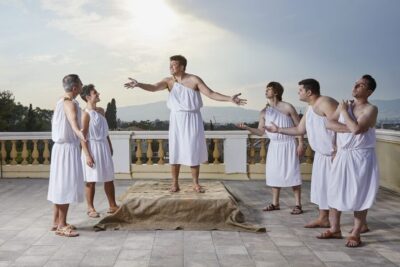
Athens: National Archaeological Museum Ticket & Audio Guide
Read our review →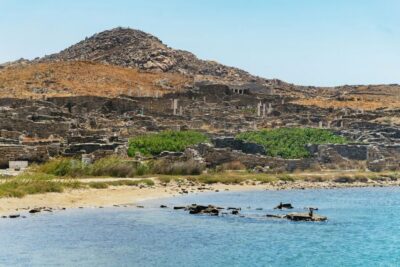
Mykonos Town: Archaeological Site of Delos Guided Day Trip
Read our review →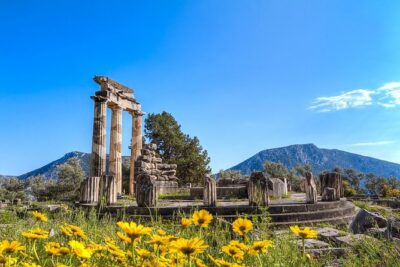
Historical Delphi One Day Tour with Arachova Stop & Expert Guide
Read our review →
From Athens: Ancient Corinth Day Trip with Canal & VR Guide
Read our review →
Historic Athens: Small Group Electric Bike Tour
Read our review →
Acropolis, Parthenon & Athens Old City Heritage Walking Tour
Read our review →Browse the lists this tour appears in