
Review · PHILADELPHIA
Philadelphia: Revolutionary Walk Through Historic Old City
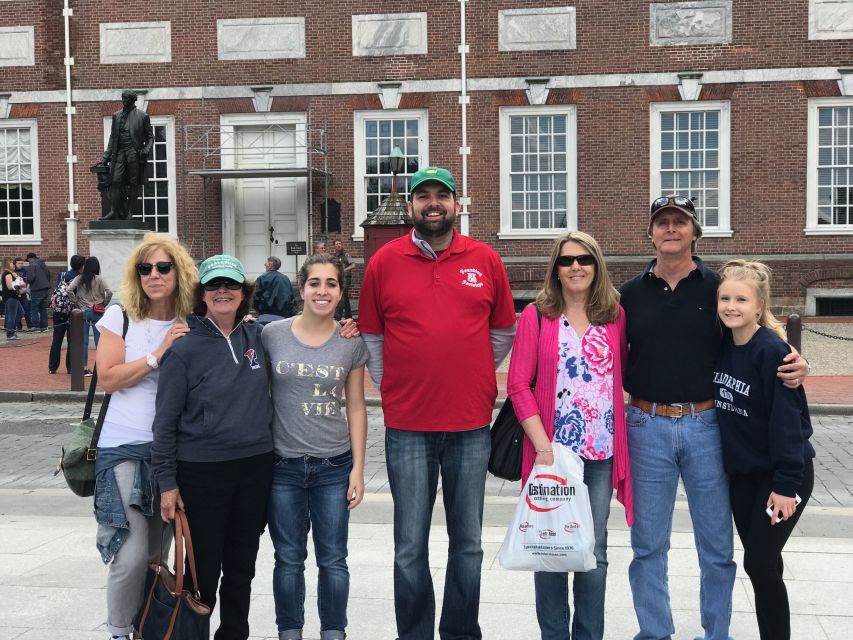
Philadelphia’s Old City packs the birth of the United States into a few compact blocks. This 90-minute walk takes you from the Betsy Ross House past Independence Hall, the Liberty Bell, Elfreth’s Alley, and Christ Church, while your guide connects the buildings to the people and arguments that shaped the new country. Guides such as Seamus, Jay, and Greg bring a teacher’s command of facts with a comedian’s timing.
I like the efficient route and the way it gives first-time visitors a clear map of the historic district. I also like the human touch: Benjamin Franklin’s working life, political disputes, architecture, religion, and everyday city life all get space, rather than reducing Philadelphia to a parade of famous names. The main drawback is simple: you generally see the landmarks from outside, and the $35 price does not include Independence Hall tickets or admission to other sites.
Key points to know before you book
- Betsy Ross House is the starting point: The walk opens with the story of the woman linked to the first American flag.
- The route covers major Old City sights: Independence Hall, the Liberty Bell, Elfreth’s Alley, Christ Church, Carpenter’s Hall, and the B. Free Franklin Post Office all feature.
- The guides make the history lively: Seamus, Jay, and Greg have received special praise for mixing clear explanations with jokes and personal stories.
- It is a fast outdoor overview: Ninety minutes gives you a strong orientation, but not time to tour every interior.
- Families can join in: Children and teenagers have found the storytelling easy to follow, and the route includes chances to pause when needed.
- Bring comfortable shoes: You will be walking and standing on city streets for most of the tour.
Starting with Betsy Ross and the American flag
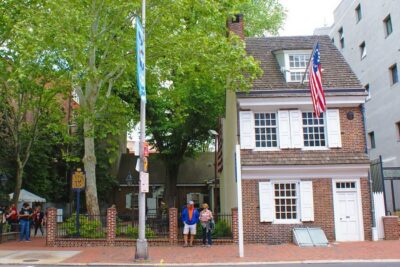
The meeting point at the Betsy Ross House gives the tour an immediate sense of purpose. Betsy Ross is closely tied to the story of the first United States flag, and her house provides a useful entry into the way Philadelphia’s revolutionary past mixes documented events with long-held national stories.
Your guide uses this opening to place you in Old City, rather than launching straight into a list of dates. That matters. Philadelphia’s historic district is easy to walk, but its buildings can blur together if you do not know why each one matters. A good introduction helps you read the streets as you go.
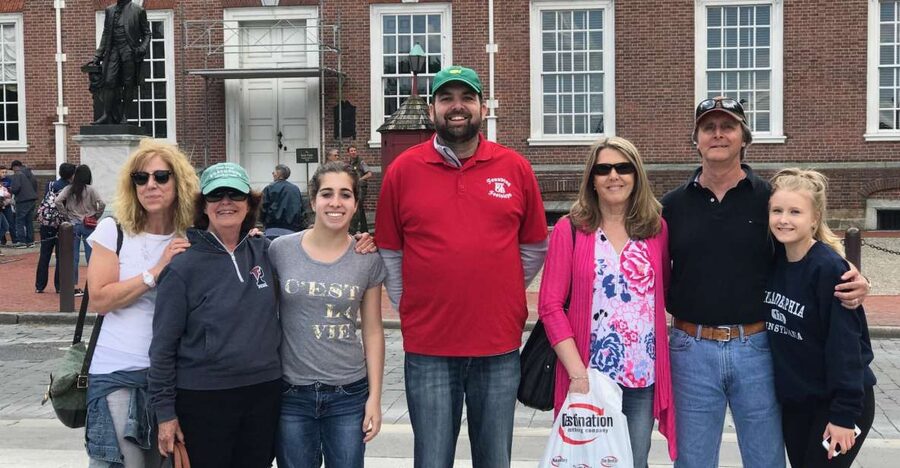
The guides are the heart of this experience. Seamus is frequently praised for being warm, funny, and easy to follow, while Jay has a reputation for presenting history with the energy of a good classroom teacher and stand-up comic. Greg also receives praise for fitting key facts and amusing stories into a short route.
That humor is not just decoration. The American Revolution involves names, documents, debates, and political details that can become dry when delivered without context. A joke, a personal story, or a sharp comparison gives you a handle on the facts. The strongest moments come when the guide explains not only what happened, but why people at the time cared so fiercely.
More History Walking Tours in the USA
- History and Hauntings of Salem Guided Walking Tour
★ 5.0 · 14,564 reviews - Boston: Freedom Trail History Small Group Walking Tour
★ 5.0 · 6,450 reviews - Historic Charleston Guided Sightseeing Walking Tour
★ 5.0 · 6,216 reviews
Independence Hall and the arguments that formed a country
Independence Hall is the central stop. Inside this building, delegates debated and adopted the Declaration of Independence and the Constitution of the United States. Even viewed from the outside, it carries unusual weight because the political work done here changed the direction of the country.
The tour gives you the setting and the story without requiring you to commit to a full interior visit during the walk. That keeps the group moving, but it also creates the tour’s clearest limitation. Independence Hall admission is not included, and you do not receive an interior tour as part of the $35 experience.
If seeing the rooms is important to you, treat this walk as your orientation and arrange a separate visit. The guide can explain the building’s place in the revolutionary story, then you can return with a better sense of what you are looking at. Check the current ticket arrangements before your visit, since access to Independence Hall is separate from this tour.
The route also helps you understand that the Revolution was not a single speech or battlefield moment. It involved arguments over government, representation, rights, money, trade, and the shape of a new nation. That broader context is one reason the tour works well as a first activity in Philadelphia.
The Liberty Bell and the power of a symbol
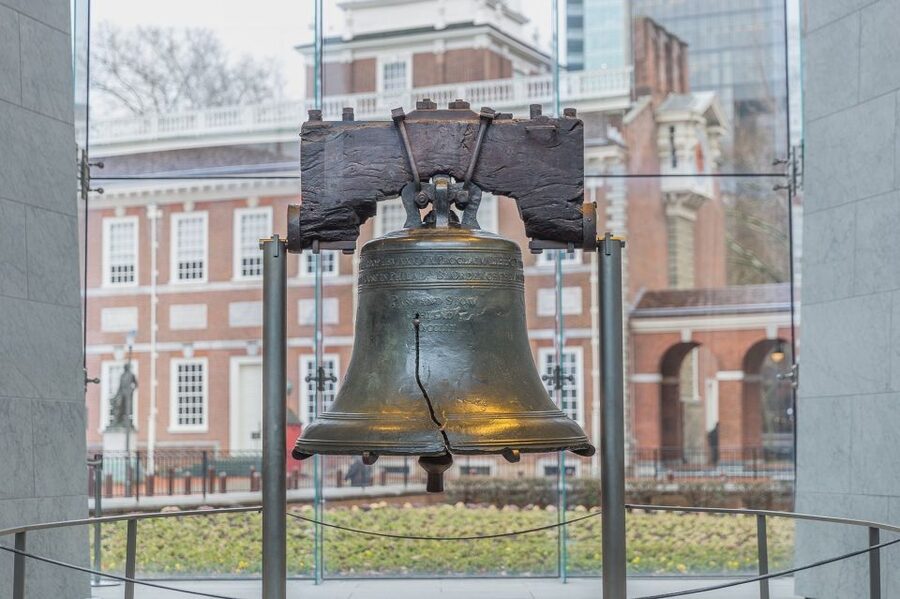
The Liberty Bell is one of Philadelphia’s most recognizable sights. Its crack and inscription have made it an enduring symbol of independence, though the object’s meaning has changed over time as different generations connected it to freedom and equality.
On this walk, you should expect the guide to explain the bell’s place in the city and the national story, rather than give you a long indoor visit. The Liberty Bell Center is a separate attraction, and paid admission to additional sites is not part of the booking.
This distinction is worth keeping clear. The tour lets you build a strong list of places to visit, but it is not a museum pass. You see the historic district with a guide, learn what makes each place important, and decide where you want to spend more time afterward.
For a short stay, that can be a good use of your morning or afternoon. You leave knowing which buildings deserve a closer look and which stories you want to follow up on. If you have only one day in Philadelphia, this kind of overview prevents you from wandering past major sites without understanding them.
Elfreth’s Alley, where the city feels older and more intimate
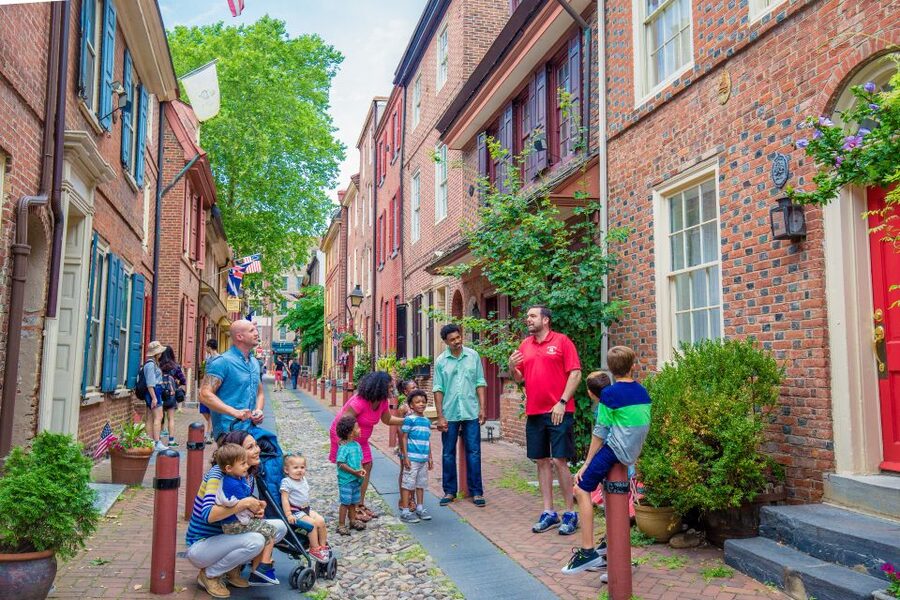
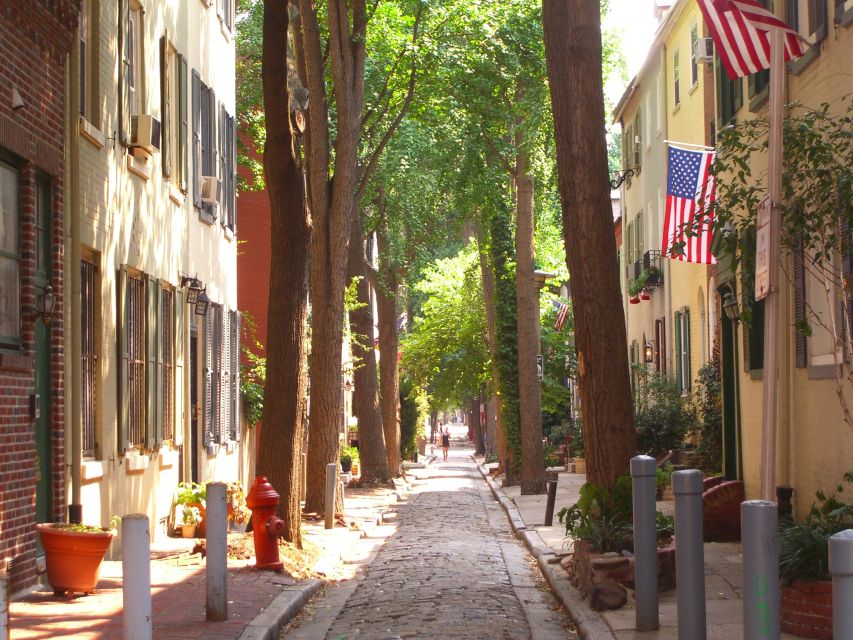
Elfreth’s Alley is one of the most appealing stops on the route. This narrow historic street shifts the focus from national politics to ordinary urban life. Its small scale and old homes help you picture Philadelphia as a working city, not only as the backdrop for famous speeches.
Several people have singled out Elfreth’s Alley as a favorite part of the walk. That makes sense. Independence Hall and the Liberty Bell carry enormous symbolic weight, but Elfreth’s Alley gives you a more personal feeling for the city’s past. You can think about the people who lived, worked, raised families, and conducted business in the same neighborhood.
The street is also a good example of why a local guide helps. Without explanation, you might admire the buildings and move on. With context, you begin to notice the scale of the homes, the tight street plan, and the contrast between this residential lane and the large civic buildings nearby.
The tour does not include paid admission to the interiors of historic attractions. If you want to go inside the Elfreth’s Alley museum or other sites, plan that as a separate stop and allow extra time.
More Old Town and Historic Centre Walks in the USA
- Philadelphia Old City Historic Walking Tour with 10+ Top Sites
★ 5.0 · 2,020 reviews - Asheville Historic Downtown Guided Electric Bike Tour with Scenic Views
★ 5.0 · 1,234 reviews - Walking History Tour of St. Augustine’s Historic District
★ 5.0 · 1,152 reviews - Creepy Crawl Night-Time Haunted Pub Walking Tour of Savannah’s Historic District
★ 4.5 · 802 reviews
Christ Church, Carpenter’s Hall, and Benjamin Franklin’s Philadelphia
The route continues through places tied to religion, civic life, printing, and the founding generation. Christ Church helps show the importance of faith and public life in colonial Philadelphia. Carpenter’s Hall connects to the First Continental Congress, when colonial representatives met before the Declaration of Independence.
The B. Free Franklin Post Office brings Benjamin Franklin into the walk in a more practical way. Franklin is often remembered as a statesman and inventor, but his work as a printer and postal official reveals how information moved through the colonies. A stop here gives the tour a useful change of pace from grand political buildings.
Franklin’s story is a recurring strength of the experience. He was involved in public service, publishing, science, diplomacy, and civic projects, making him an ideal figure for a city walk. You get to see how one person’s life crossed several parts of Philadelphia’s development.
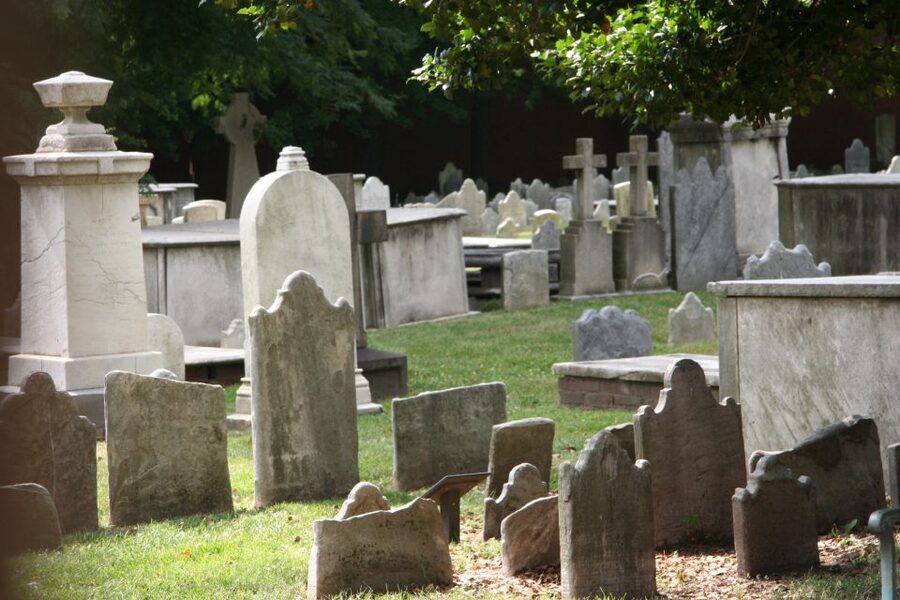
You may also hear about the cemetery where Franklin is buried. One point to note is that the route does not necessarily allow time to enter every site, including burial grounds. If Franklin’s grave is a priority, save time for a separate visit. That is a small but important planning detail, especially if you are trying to fit several attractions into one day.
A brisk route with plenty of history
Ninety minutes is both a strength and a constraint. The time is short enough to fit easily into a busy Philadelphia schedule, and long enough to cover a surprising number of landmarks. It is also short enough that the guide must keep the group moving.
Several people have described the walk as a good choice for a first visit or a short stay. I agree. It gives you the basic geography of Old City, introduces the major figures, and points out places you can return to later.
The pace can feel quick if you want long pauses at each building. One person found the route somewhat rushed, particularly because the group stopped outside rather than entering the sites. That is the tradeoff here: breadth over depth.
You will spend much of the 90 minutes walking or standing. Comfortable shoes are essential. Philadelphia streets can be uneven, and the tour does not work well if you hope to remain seated for most of the time. Guides have made room for people to sit when needed, but this remains an active walking experience.
Weather can affect the mood and the ease of hearing. One group completed the walk during a sudden downpour, while another dealt with intense heat. The guide’s ability to keep the mood light helps, but bring weather-appropriate clothing and water when conditions call for it. In noisy parts of the city, hearing every word may be harder. One person suggested that a microphone would help, so staying close to the guide is sensible.
Why the guide makes the difference
The tour description promises a former teacher and stand-up comedian, and that combination explains much of its appeal. The best guide for this route must do two jobs at once: give accurate historical context and keep a mixed-age group engaged on foot.
Seamus receives especially strong praise for his humor, warmth, and ability to answer questions. Jay is often described as an entertaining teacher who adds political, spiritual, and architectural context. Greg is praised for his concise delivery and funny stories. Other guides, including Tim, Ryan, Casey, and Tessa, have also led enjoyable versions of the route over the years.
That range matters because a walking tour depends heavily on the person holding the group together. The route itself is important, but the guide determines how much you remember. A good guide notices when children are losing interest, makes room for questions, and gives you enough context to connect one stop with the next.
Families should find the format workable. A nine-year-old stayed engaged through the stories, and teenagers have enjoyed the humor and pace. Adults who already know the main dates may still find value in the side stories, city details, and explanations of how the founding generation worked and argued.
What the $35 price really gets you
At $35 per person, this is not the cheapest way to look at Philadelphia’s Old City, since you can walk past many buildings on your own. The value comes from the interpretation and the efficient route.
You are paying for a live English-speaking guide who covers a large number of important sites in 90 minutes. If you tried to research each location while walking, you would lose time and probably miss the connections between them. The guide turns a collection of historic buildings into a readable story.
The price is easier to justify if you use the tour as a first-day orientation. Afterward, you can choose which museums, houses, churches, and civic buildings deserve your admission fees and extra hours. It is less suitable if you mainly want extended interior visits, since those costs are separate.
Food and drink are not included, though the tour is short enough that you can eat before or afterward. Cancellation is free up to 24 hours in advance, and you can reserve now and pay later, which gives you some flexibility when planning a city break.
Who should book this Old City walk?
I would choose this tour if you are visiting Philadelphia for the first time, have only a day or two, or want a lively introduction before exploring on your own. It also suits families with older children, teenagers, and adults who prefer stories and discussion to reading a series of display panels.
It is particularly useful for people who want a broad sweep of Philadelphia’s founding story. You will see the major landmarks, hear about Franklin and the other founding figures, and get enough direction to plan the rest of your time.
I would be more cautious if you dislike group walking tours, need long periods indoors, or expect admission to every landmark. This is not a replacement for visiting Independence Hall, the Liberty Bell Center, the Betsy Ross House, or other paid attractions from the inside.
Should you book it?
Book it if you want a lively, efficient way to get your bearings in Old City and you enjoy a guide who can make history funny without losing the main facts. The 4.8 rating from 208 bookings fits the experience described here: the strongest points are the guides, the amount covered in 90 minutes, and the way the stories work for both adults and younger visitors.
Skip it if your main goal is private time inside each historic site. In that case, build your own route and reserve individual admissions. For most first-time visitors, though, this walk is a smart opening move. Start with the stories, note the places you want to enter, then return to the landmarks that catch your interest.
FAQ
Where does the tour start?
The tour starts at the Betsy Ross House in Philadelphia’s Old City district.
How long does the walking tour last?
The tour lasts 90 minutes.
What landmarks are included?
The route includes the Betsy Ross House, Independence Hall, the Liberty Bell, Elfreth’s Alley, Christ Church, the B. Free Franklin Post Office, and Carpenter’s Hall.
Does the tour go inside Independence Hall?
No. Independence Hall tickets are not included, and paid admission to additional sites is separate from the walking tour.
Is the tour conducted in English?
Yes. The live guide leads the tour in English.
What should I bring?
Bring comfortable shoes for walking and standing through Philadelphia’s Old City streets.
Can I cancel the booking?
Yes. You can cancel up to 24 hours in advance for a full refund. You can also reserve now and pay later.
Just added around the USA
- Red Rocks Amphitheatre Historical Walking Tour★ 5.0 · 74 reviews
- 1-Hour Segway Tour of Cheyenne Cañon Art, History and Nature★ 5.0 · 36 reviews
- Colorado Springs – Guided Walking Ghost / History Tour★ 5.0 · 168 reviews
- Ancient Landscapes Private Geology Hike at Garden of the Gods★ 5.0 · 31 reviews
- Village Food Tours Lunch & History Tour★ 5.0 · 80 reviews
- 2.5 Hour Kayaking with Manatee and History Tour in Tarpon Springs★ 5.0 · 24 reviews
- Safety Harbor Ghost Tour★ 5.0 · 60 reviews
- Historical Bicycle Tour of Dunedin★ 5.0 · 44 reviews
Philadelphia History Tours, compared.
Revolution and the Founders: History Tour of Philadelphia
Read our review →
Philadelphia Old City Historic Walking Tour with 10+ Top Sites
Read our review →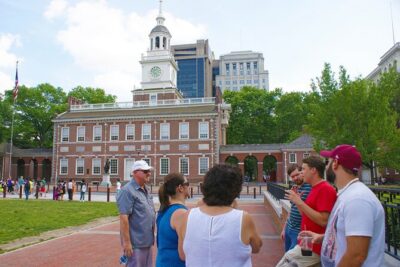
2.5 Hour Philadelphia History Tour with Washington War Tent Show
Read our review →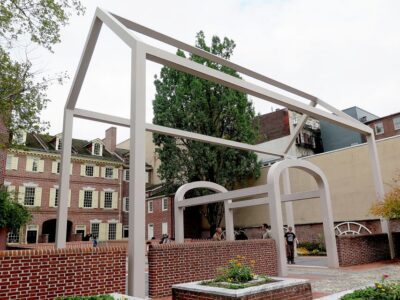
Philadelphia: Revolution and The Founders History Tour
Read our review →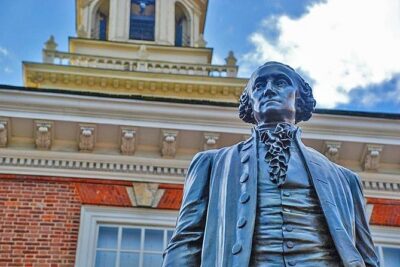
Philadelphia: History, Highlights & Revolution Walking Tour
Read our review →
Philadelphia: Grim, Dark, and Twisted History Tour
Read our review →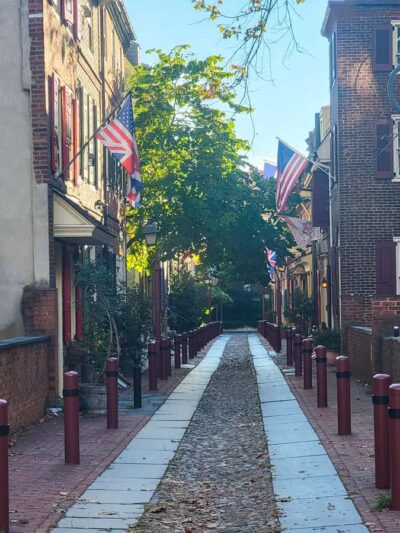
Philadelphia: Guided Walking Tour of Historic District!
Read our review →Browse the lists this tour appears in