
Review · PHILADELPHIA
Philadelphia: History, Highlights & Revolution Walking Tour
Philadelphia’s founding story comes alive on foot, one brick sidewalk and old meetinghouse at a time. This 150-minute Old City walk links Independence Hall, the Liberty Bell, Elfreth’s Alley, Betsy Ross House, and Benjamin Franklin’s grave, while a local guide adds the people and arguments that schoolbooks often skip.
I like two things here. First, the route gives you a strong first look at Philadelphia without scattering you across town. Second, the Museum of the American Revolution presentation, including George Washington’s wartime tent, adds a real indoor component rather than leaving you with only outdoor photo stops. The main drawback is simple: you pass by several major sites instead of touring every interior, so serious history fans will want extra museum time afterward.
- A compact route through Old City: Cover Philadelphia’s major Revolutionary-era landmarks in one walk.
- A special museum presentation: See the tent used by George Washington during the war, with discounted museum admission afterward.
- Stories beyond famous names: Learn about the people who shaped the new nation, including those often left out of the usual founding narrative.
- A meaningful community connection: Part of your ticket supports a local historic site or community organization.
- A guide-led, conversational pace: Guides such as Adam, Tom, Nina, David, and Caroline are praised for clear storytelling, humor, and thoughtful answers.
- Useful for a short visit: The tour begins at Signer’s Garden and finishes in Old City, close to more historic sites, restaurants, and museums.
Why This Philadelphia Walking Tour Works
At $45 per person, this is priced as an introduction rather than a full museum day. You are paying for a live guide, the National Park Service fee, a museum presentation, and a route that gathers many of Philadelphia’s key historic places into two and a half hours.
I think the value is strongest if you have only a half day in Philadelphia. You get your bearings quickly, hear the basic story of American independence, and finish with a clear idea of which sites deserve a longer visit.
The experience also gives you more than a parade of famous names. The President’s House site, for example, brings attention to the two presidents who lived there and to the enslaved people and other lesser-known individuals connected to the early government. That wider view makes the tour more useful than a simple list of founding fathers.
The walk is in English and is wheelchair accessible. You should still expect an outdoor walking tour, so wear comfortable shoes and check the forecast. If you drive, use a garage or parking lot. Metered street parking has a two-hour limit, shorter than the tour itself.
Starting at Signer’s Garden
Meet your guide at the Signer Statue in Signer’s Garden. This is a sensible starting point because it places you near Independence Mall and the core of Philadelphia’s historic district.
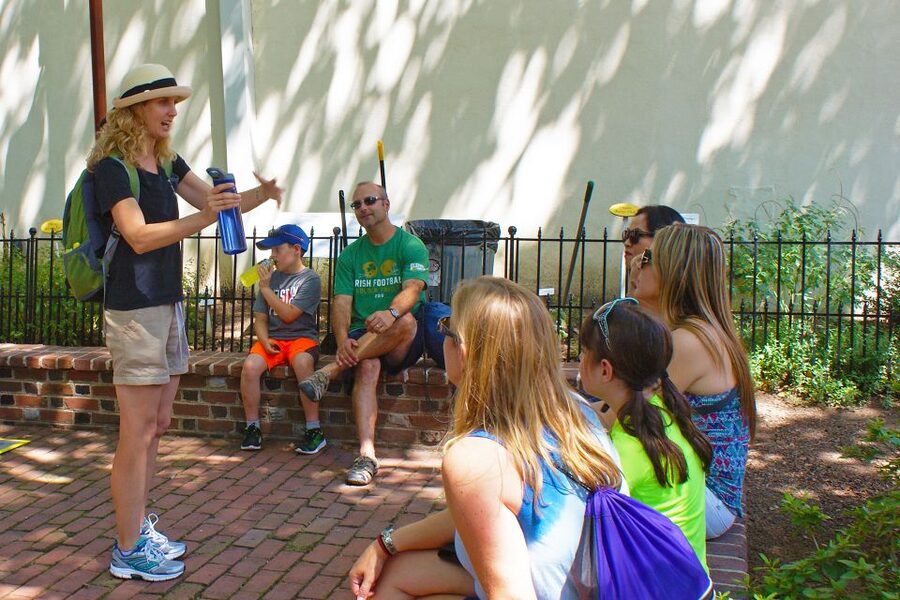
Your guide sets the tone here. The strongest part of this experience depends on the person leading it, and the guides have different styles. Adam is praised for making difficult subjects easy to follow and for handling questions with humor. Tom is described as energetic and good at drawing the group into the story. Nina has a knack for making the subject work for mixed ages, including teenagers.
David, John, Caroline, Peter, Patricia, Maria, Alex, and PJ are also named as guides who bring warmth and clear explanations. I would not book around one particular name unless the reservation specifically confirms it, but the range of guide feedback suggests that the company has several strong storytellers.
More History Walking Tours in the USA
- History and Hauntings of Salem Guided Walking Tour
★ 5.0 · 14,564 reviews - Boston: Freedom Trail History Small Group Walking Tour
★ 5.0 · 6,450 reviews - Historic Charleston Guided Sightseeing Walking Tour
★ 5.0 · 6,216 reviews
Independence Mall and Independence Hall
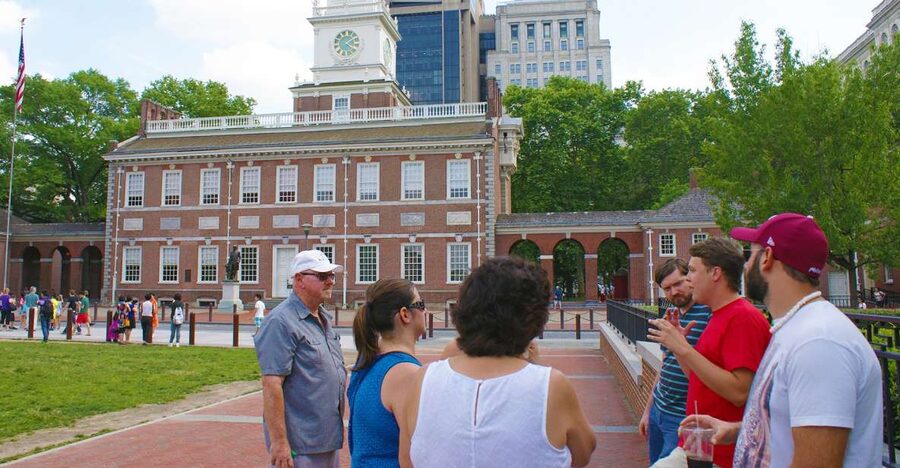
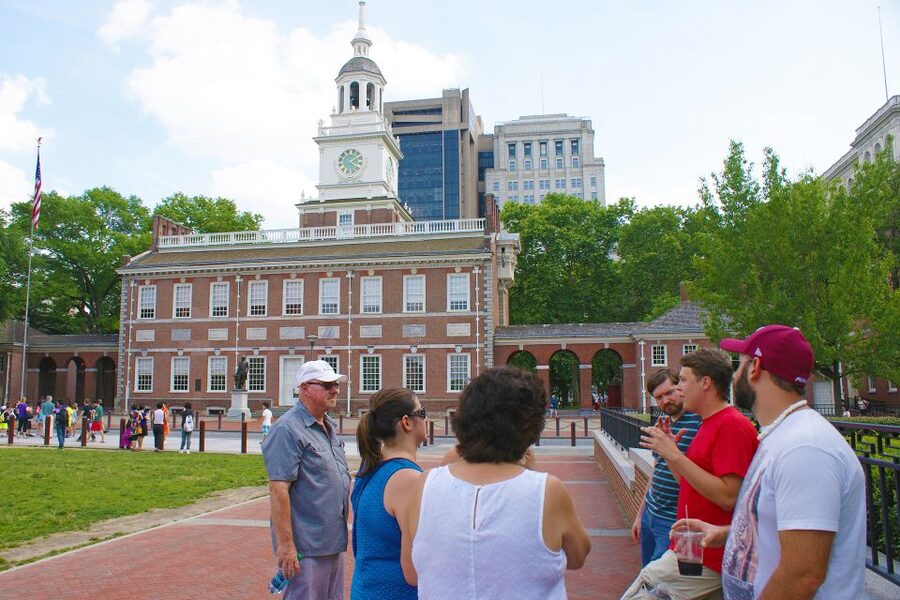
The first section moves through Independence Mall and Independence National Historical Park. Your guide explains how the district developed and points out the buildings tied to the creation of the United States.
Independence Hall is the star here. This is where the Declaration of Independence and the United States Constitution were debated and created. You see the building and hear its place in the story, but this walking tour does not promise an interior tour of Independence Hall.
That distinction matters. If you want to stand inside the Assembly Room, you need to arrange a separate visit. Still, seeing the building with a guide gives you context before you decide how much more time to spend there.
Congress Hall adds another layer. It served as the meeting place of the early United States government and helps you picture Philadelphia during the years when the new nation was still finding its footing. The guide keeps the route moving, so expect an overview rather than a room-by-room history lesson.
The Liberty Bell Photo Stop
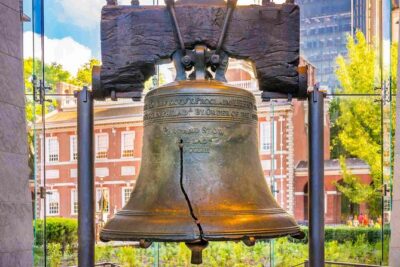
The Liberty Bell is an efficient stop, but it carries plenty of weight. You get time for a photo and an explanation of how this cracked bell became a symbol of American freedom.
Because the bell is one of Philadelphia’s busiest sights, a guided stop helps you use your time well. You receive the essential story without having to work out the larger setting on your own.
The tradeoff is that this is a photo stop, not an extended museum visit. If you want every inscription, exhibit panel, and piece of background, return independently with more time.
Carpenters’ Hall and the Early Republic
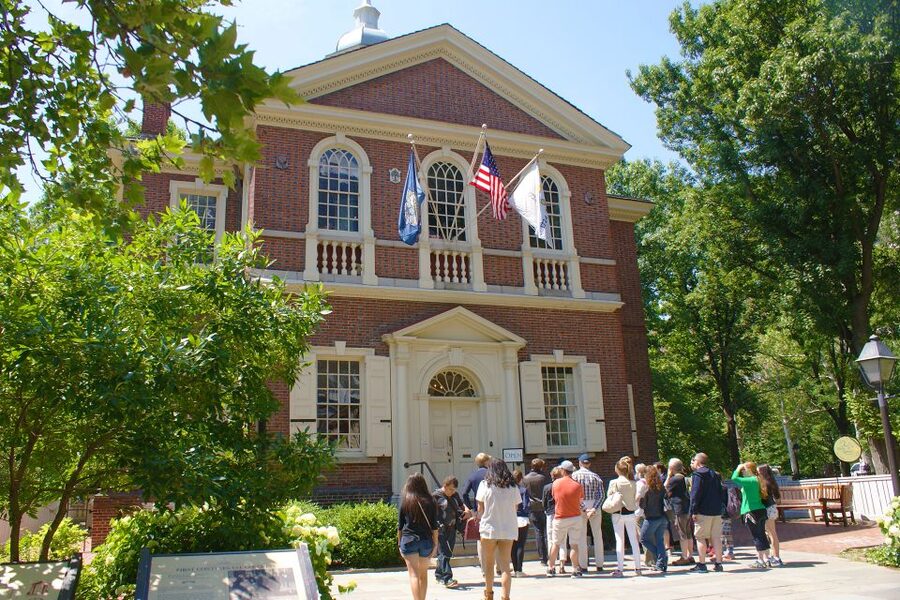
Carpenters’ Hall is one of the quieter stops on the route. It connects the Revolution to the people and professional groups who helped organize colonial Philadelphia.
This is the sort of place that can slip past you if you walk Old City alone. A guide gives the building a reason to matter and places it within the political tension that led to independence.
The tour’s strength is this constant linking of buildings to decisions. You are not only looking at old brick and stone. You are hearing why these rooms mattered and how the city functioned during the country’s uncertain beginning.
Same city, a different century:
- Charleston’s Old South Carriage Historic Horse & Carriage Tour
★ 5.0 · 10,023 reviews - Beneath The Streets Underground History Tour
★ 4.5 · 8,006 reviews - Big Island in a Day: Volcanoes Waterfalls Sightseeing and History
★ 5.0 · 6,569 reviews - Charleston Horse-Drawn Carriage Tour: Explore Historic Charleston
★ 5.0 · 3,561 reviews
The Museum of the American Revolution Presentation
The indoor museum portion is one of the tour’s best features. You receive a special presentation that includes George Washington’s tent, the field headquarters where he lived during the war.
The tent gives the military story a physical focus. Instead of hearing only about Washington’s leadership in abstract terms, you see an object tied to the daily conditions of the conflict.
The presentation may also include a short film or live demonstration, depending on the program running that day. The supplied details describe a demonstration at the museum, while one account refers to a short film, so expect a museum-based presentation rather than a full museum visit.
You also receive discounted admission to the Museum of the American Revolution after the walk. This is important for anyone who wants more detail. The tour gives you an introduction, then leaves you the option to return and explore the galleries at a lower price.
I like this arrangement because it keeps the walking tour from becoming too long while still giving history fans a reason to continue. If you are visiting Philadelphia for several days, schedule the museum after the tour while the story is fresh.
The President’s House and the Stories Often Skipped
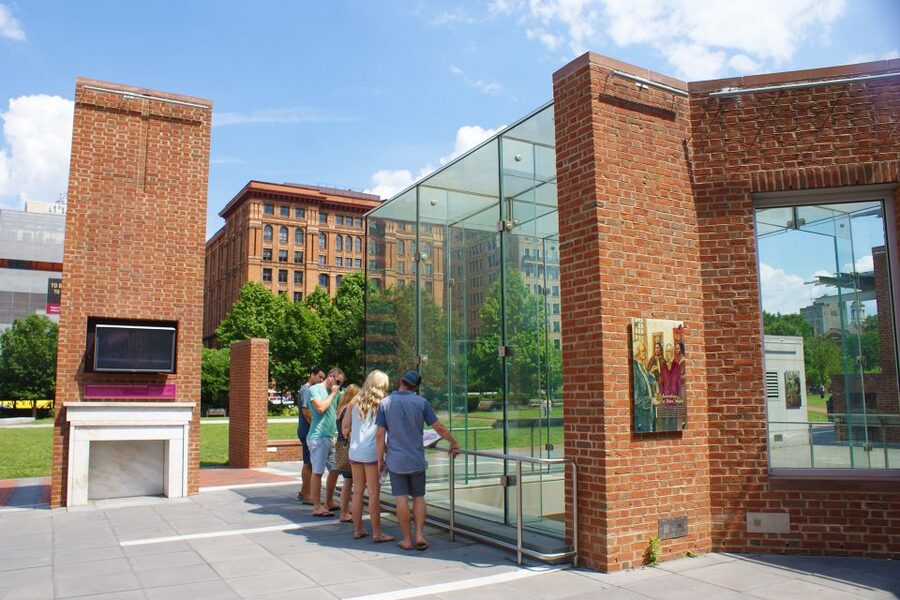
The recreated President’s House site brings a welcome change in focus. The tour discusses the early leaders who lived there, but it also examines the people whose labor and decisions shaped the new nation.
This is where the experience moves beyond polished patriotic storytelling. You hear about individuals who had key roles in the founding period, including people who were not writing the laws or giving the speeches.
I find this especially useful for families and students. It encourages you to ask who had power, who lacked it, and how the ideal of freedom existed beside slavery and unequal rights. The tone remains accessible, but the subject is not treated as a simple victory story.
Elfreth’s Alley: Philadelphia’s Oldest Residential Street
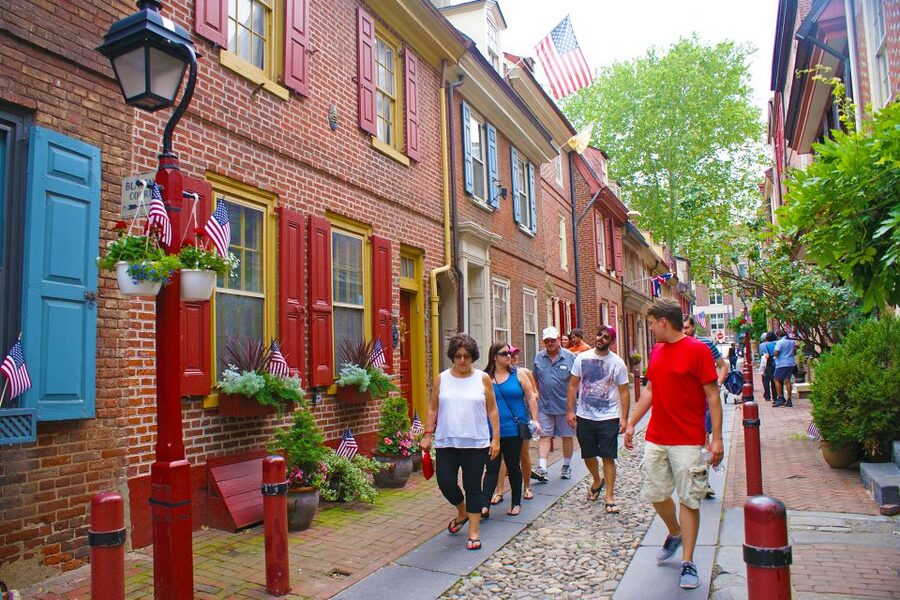
Elfreth’s Alley gives the walking portion a strong visual break. It is the nation’s oldest continuously inhabited residential street, lined with historic homes and narrow paving.
The alley helps you picture ordinary urban life during the colonial period. Independence Hall tells the political story. Elfreth’s Alley shows the scale of daily life, where families lived, worked, and moved through a much smaller city.
Bring your camera, but listen as well. The lane is more than a pretty backdrop. Its value comes from the guide explaining how homes, trades, and city streets fit into Philadelphia’s past.
Betsy Ross House and Franklin’s Grave
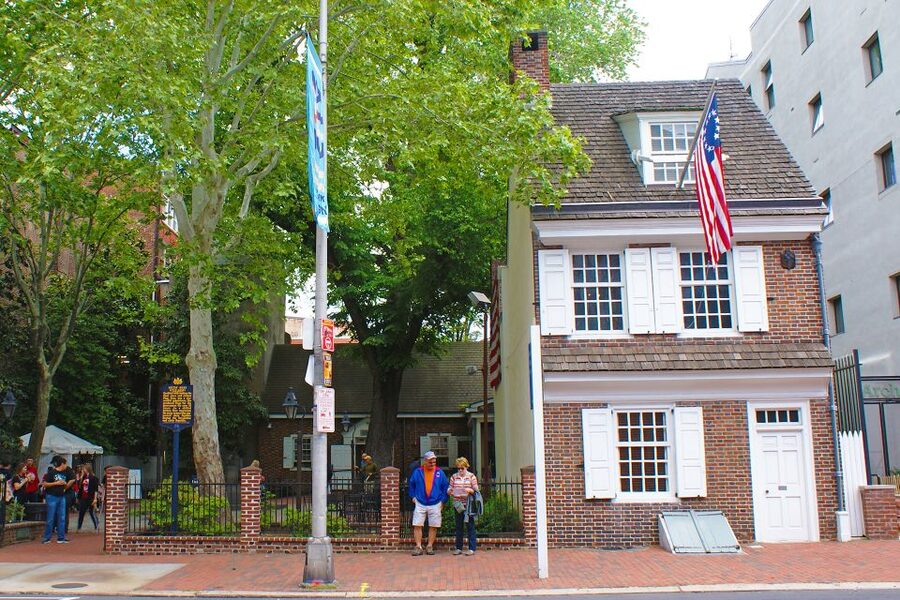
At the Betsy Ross House, you get a photo opportunity and the story of the upholsterer traditionally credited with creating the first American flag. The wording matters here. The tour presents the familiar tradition while allowing you to understand the place as part of Philadelphia’s larger patriotic story.
Benjamin Franklin’s grave provides another quick but memorable stop. You can pay your respects and hear about one of Philadelphia’s best-known founders near the churchyard on the Old City route.
These stops are short, which helps the tour cover a lot of ground. The downside is that anyone who wants a detailed visit inside the Betsy Ross House will need to return separately.
North 6th Street, Market Street, and the Old City Finish
The route continues around North 6th Street and Market Street before finishing in Old City. By this point, you have moved from national symbols to a sense of how the historic neighborhood fits together.
Ending in Old City is convenient. You are still near museums, historic buildings, food, and other places worth exploring. Several guides also offer restaurant suggestions after the tour, which can help if your walk ends around lunchtime.
The experience is not built around one dramatic final view. Its payoff is the full sequence: government buildings, symbols of freedom, military history, residential streets, famous names, and overlooked people.
Pace, Group Feel, and Accessibility
The walk lasts 150 minutes, long enough to cover the main sights without taking up a full day. You should expect regular movement, outdoor narration, photo stops, and several moments where the group gathers around the guide.
The pace can adapt to the group. Some guides have slowed down for older family members, while others have allowed time for questions and photos. That flexibility is useful, though the exact rhythm depends on the guide and the size of the group that day.
Small groups are particularly helpful here. They make it easier to ask about a person or building that interests you, and they allow the guide to adjust the explanation. One guide even asked what people wanted to focus on, then added detail where it fit the route.
The tour is wheelchair accessible. For all participants, comfortable shoes are a good idea because the experience covers several blocks in Old City.
Is $45 a Fair Price?
I consider $45 fair if you want a guided introduction and plan to make use of the museum discount. The price includes the guide, the museum presentation, a National Park Service fee, and a donation to a local community organization.
It is less compelling if you already know Philadelphia well or plan to visit every site independently. You will pass several places rather than receive full interior tours, so the value comes from interpretation, organization, and efficient sightseeing.
For first-time visitors, the calculation is easier. A good guide can prevent the historic district from becoming a blur of buildings and names. The tour also helps you decide where to spend the rest of your day.
Who Should Book This Tour?
I would choose this for first-time visitors, families, students, and anyone with only a short stay in Philadelphia. It also suits people who enjoy asking questions rather than reading every exhibit panel alone.
History fans should book it as a starting point, not a complete study of the Revolution. Add time for the Museum of the American Revolution, Independence Hall, or the Betsy Ross House if those subjects matter most to you.
Children and teenagers may respond well to the mix of outdoor sights, stories, photos, and the Washington tent presentation. The guide style matters, but the route has enough variety to keep a group from listening to one long lecture.
You can cancel up to 24 hours before the tour for a full refund, and you can reserve now and pay later. Those terms are useful if your Philadelphia schedule is still taking shape.
Should You Book It?
Book this tour if you want a clear, lively introduction to Philadelphia’s Revolutionary-era core, especially if you have half a day or less. I like its balance of famous landmarks and less familiar human stories, plus the museum presentation gives the route more substance than a standard outdoor walk.
Skip it only if you need extensive interior visits at each site or already know Old City well. For most first-time visitors, $45 buys a well-organized beginning, a helpful local guide, and a practical plan for what to see next.
FAQ
How long does the Philadelphia walking tour last?
The tour lasts 150 minutes, or two and a half hours.
Where does the tour begin?
Meet your guide at the Signer Statue in Signer’s Garden.
Where does the tour finish?
The tour finishes in Philadelphia’s Old City.
Is the tour conducted in English?
Yes. The live tour guide speaks English.
Does the tour include admission to the Museum of the American Revolution?
The tour includes a special museum presentation and discounted admission that you can use after the tour. It does not describe full museum admission as included.
Is the walking tour wheelchair accessible?
Yes, the activity is listed as wheelchair accessible.
Can I cancel the booking for a refund?
Yes. You can cancel up to 24 hours in advance for a full refund. You can also reserve now and pay later.
Just added around the USA
- Red Rocks Amphitheatre Historical Walking Tour★ 5.0 · 74 reviews
- 1-Hour Segway Tour of Cheyenne Cañon Art, History and Nature★ 5.0 · 36 reviews
- Colorado Springs – Guided Walking Ghost / History Tour★ 5.0 · 168 reviews
- Ancient Landscapes Private Geology Hike at Garden of the Gods★ 5.0 · 31 reviews
- Village Food Tours Lunch & History Tour★ 5.0 · 80 reviews
- Safety Harbor Ghost Tour★ 5.0 · 60 reviews
- Historical Bicycle Tour of Dunedin★ 5.0 · 44 reviews
- 2.5 Hour Kayaking with Manatee and History Tour in Tarpon Springs★ 5.0 · 24 reviews
Philadelphia History Tours, compared.
Revolution and the Founders: History Tour of Philadelphia
Read our review →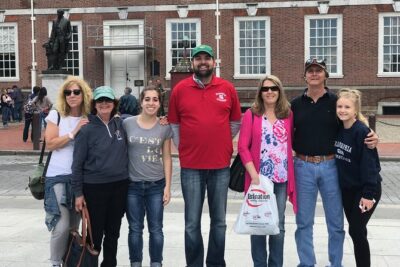
Philadelphia Old City Historic Walking Tour with 10+ Top Sites
Read our review →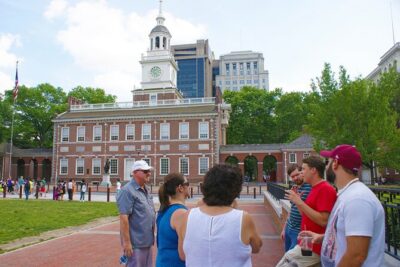
2.5 Hour Philadelphia History Tour with Washington War Tent Show
Read our review →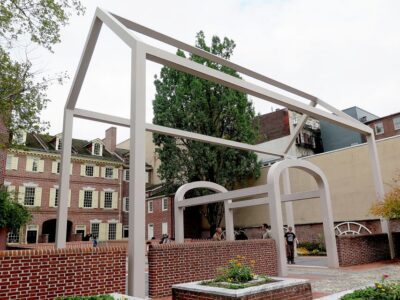
Philadelphia: Revolution and The Founders History Tour
Read our review →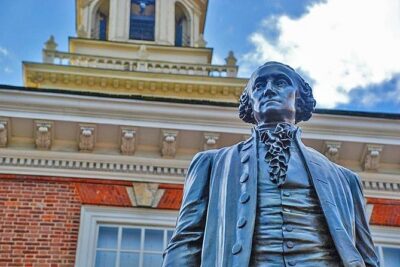

Philadelphia: Grim, Dark, and Twisted History Tour
Read our review →
Philadelphia: Revolutionary Walk Through Historic Old City
Read our review →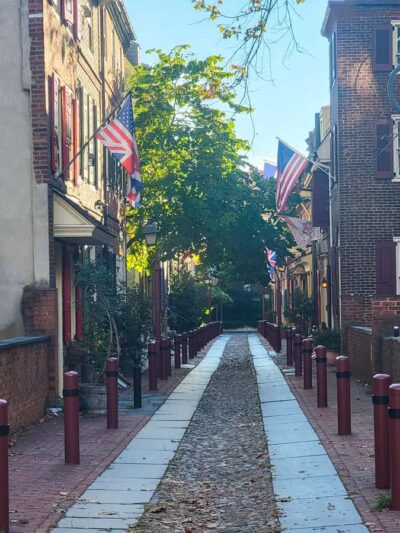
Philadelphia: Guided Walking Tour of Historic District!
Read our review →Browse the lists this tour appears in