
Review · LUNCH EXPERIENCES
Singapore: Chinatown Historic Walking Tour with Lunch
Singapore’s Chinatown is best understood one doorway, temple, and food stall at a time. This 210-minute walking tour links early immigrant stories with living places of worship, old family businesses, shophouses, and a proper local lunch at Chiew Kee Noodle House.
I like the route’s mix of religion and everyday life, and I like that the meal, tea shop, pastries, and traditional medicine stop give you more than a procession of photo stops. The main drawback is simple: you cover a lot of ground on foot, and Singapore’s heat or rain can make the three-and-a-half-hour outing feel longer.
Key points
- Begin at Yueh Hai Ching Temple, a national monument tied to the hopes of early Chinese immigrants.
- See Thian Hock Keng Temple, built in 1821 for Mazu, the sea goddess.
- Eat soy sauce chicken at Chiew Kee Noodle House, one of Singapore’s oldest local eateries.
- Visit Pek Sin Choon, a tea merchant with more than a century of history, and browse Cantonese pastries.
- Finish at Fong Moon Kee, a family-run traditional medicine shop dating to the early 1900s.
- Look for guide Ping, whose storytelling, photos, and care with walking pace have earned especially strong praise.
Why this Chinatown walk is worth your morning
Many Singapore tours show you Chinatown as a colorful shopping district. This one gives you the backstory behind the streets. You move from temples built by Chinese immigrants to old clubs, lanes, food businesses, and shops that still serve local customers.
The route also makes a useful bridge between Singapore’s past and present. You will hear about faith, trade, migration, food, and urban change without being confined to one museum or one grand monument. I especially like that the tour does not treat Chinatown as a sealed-off historical quarter. It shows you a district where old customs and modern Singapore share the same blocks.
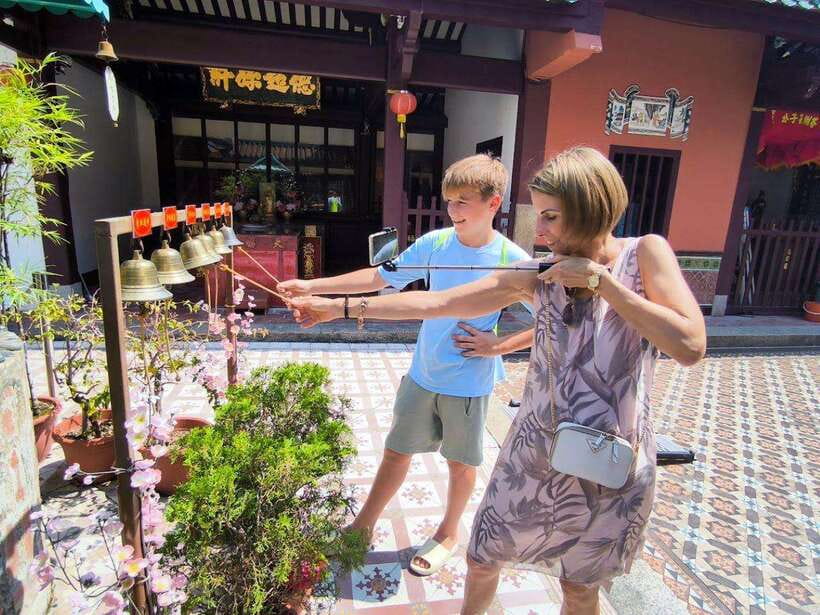
Ping is the guide most often named in the feedback provided for this experience. Guests describe her as warm, funny, clear, and generous with her time. She is also known for taking photos during the walk and sending them afterward, a welcome touch if you are traveling alone or want more than hurried selfies.
The tour is offered in English, and the price is $54 per person. That includes the guide and lunch, which makes the cost reasonable for a private-feeling cultural outing packed with stops. It does not include hotel pickup, drinks beyond what the lunch provides, or shopping at the tea, pastry, and medicine stores.
More History Walking Tours in the world:
- History and Hauntings of Salem Guided Walking Tour
★ 5.0 · 14,564 reviews - Lisbon: History, Stories and Lifestyle Walking Tour
★ 4.8 · 10,902 reviews - Amsterdam: Life of Anne Frank and World War II Walking Tour
★ 4.8 · 10,467 reviews
Starting at Raffles Place and Yueh Hai Ching Temple
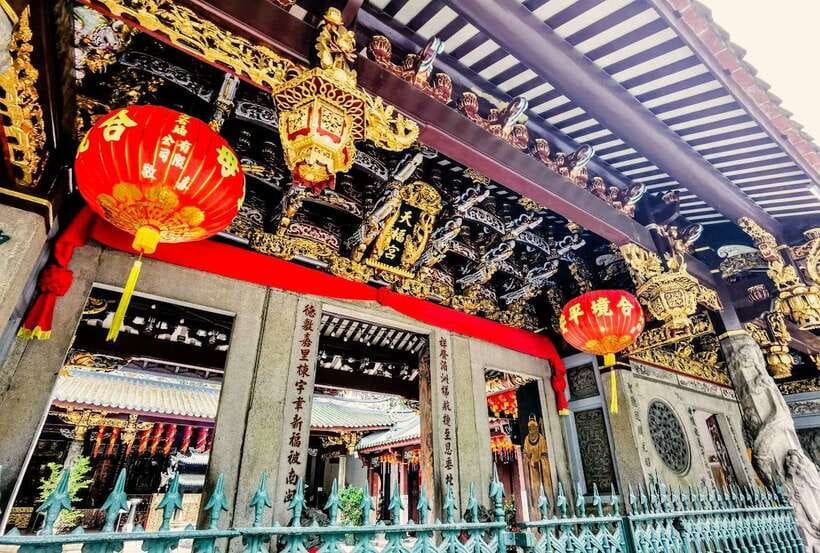
Meet at 9:55 AM in front of The Whisky Distillery at One Raffles Place, across from Raffles Place MRT Station Exit A at street level. The walk begins at 10:00 AM.
This start point is practical. Raffles Place is Singapore’s business center, so the tour begins among modern office towers before turning toward older Chinese religious and commercial landmarks. That contrast helps you see how quickly the city changes from glass-and-steel Singapore to the low-rise streets of Chinatown.
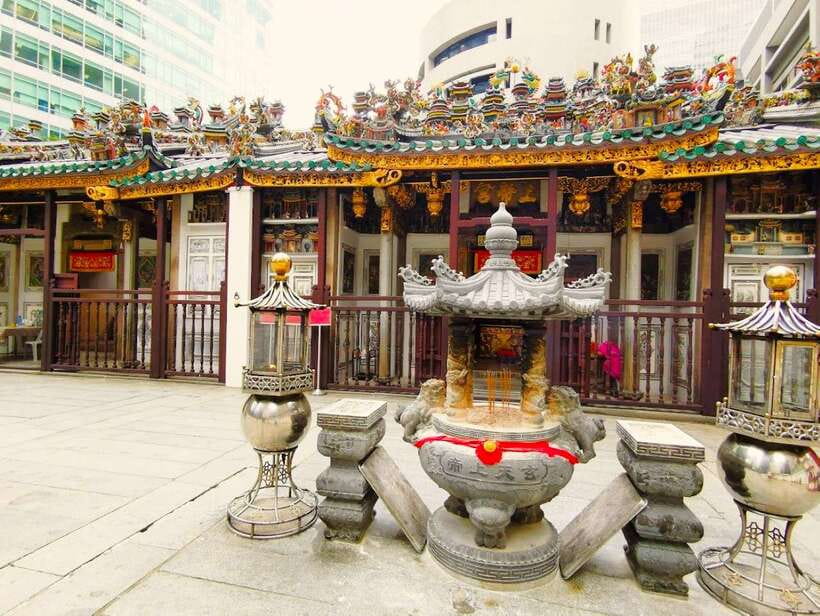
The first stop is Yueh Hai Ching Temple, where you spend about 20 minutes with the guide. It is a national monument and was connected to early Chinese immigrants who prayed for safety and good fortune. Your guide can explain how temples served not only as places of worship but also as gathering points for people arriving in a new country.
This is a good opening stop because it sets up the larger theme of the morning: Chinatown was built by working communities, not simply designed as a sightseeing zone.
Fuk Tak Chi, Nagore Dargah, and the old port district
At Fuk Tak Chi Museum, the guide spends about 20 minutes explaining the former Taoist shrine, now restored within a boutique hotel. The building offers a glimpse of an earlier Chinatown, when narrow lanes, small shrines, and immigrant associations shaped daily life.
The setting also shows how Singapore reuses old buildings. A former religious site now sits beside a modern hospitality business, and the old structure remains part of the city rather than being erased. I would pay attention to the details here, since the stop is less about a large display and more about understanding how compact Singapore once was.
A short visit to Nagore Dargah follows. You get around five minutes here, but the stop matters because it broadens the story beyond Chinese Singapore. The shrine reflects the presence of Indian Muslim communities in the same central district. This is one of the tour’s strengths: Chinatown is presented as part of a mixed port city, not as an isolated ethnic neighborhood.
Thian Hock Keng Temple and the meaning of Mazu
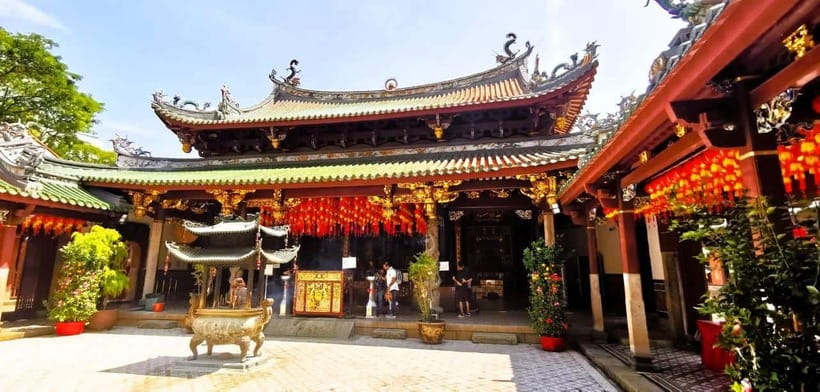
Thian Hock Keng Temple receives about 25 minutes, making it one of the morning’s main stops. Built in 1821, it honors Mazu, the sea goddess who was important to people arriving by sea from southern China.
The temple’s architecture rewards a slower look. Your guide can point out the decorative work and explain how the building expressed gratitude, hope, and community identity. For early immigrants, the journey to Singapore could be dangerous. A temple to a sea deity was not just an ornamental building. It spoke directly to the risks people had faced before reaching the island.
This is also where the tour’s historical setting becomes easier to picture. Modern Singapore’s financial district is close by, yet the temple connects you to a time when the waterfront, maritime trade, and immigrant arrival shaped the area.
More Trips with Lunch in the world:
- Normandy D-Day Sites & Cemetery Day Trip from Paris with Lunch
★ 5.0 · 6,877 reviews - Montserrat with Black Madonna & Medieval Winery with Tapas/Lunch
★ 5.0 · 5,209 reviews - Douro Valley: Historical Sites, Wine Experience, Lunch & Cruise
★ 5.0 · 5,133 reviews - Tromsø: Reindeer Camp and Sami Cultural Tour with Lunch
★ 4.7 · 3,326 reviews
Ann Siang Hill, old clubs, and Mohamed Ali Lane
The route then turns toward Ann Siang Hill, with a guided stop of about 10 minutes. The hill is associated with old shophouses and changing urban life, and it is a good place for photos because the streets offer a different scale from the temple compounds.
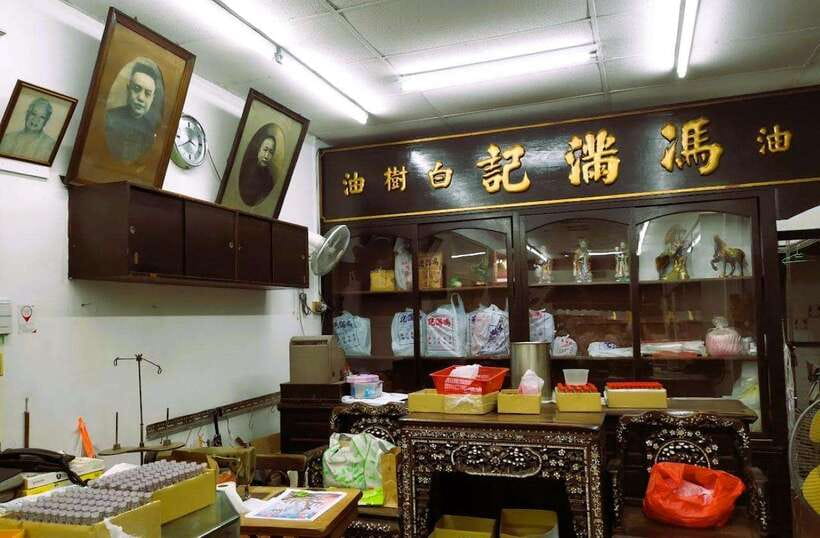
You pause at the Chinese Weekly Entertainment Club, then spend around 20 minutes at the Goh Loo Club. These stops help explain the social world that grew around Chinatown’s working population. Clubs and associations gave people places to meet, share news, keep traditions alive, and build support networks.
At Mohamed Ali Lane, the guide shares stories about the district’s past. It is only a brief stop, but these small lanes are often where a local guide earns the price of admission. On your own, you might walk past without knowing what once happened there. With context, an ordinary lane becomes part of the larger story of housing, work, migration, and neighborhood life.
The pace is generally steady rather than rushed, but the tour includes many stops. Wear shoes you can comfortably use for several hours and carry water. Singapore’s weather can change quickly, and the tour operates rain or shine.
Lunch at Chiew Kee Noodle House
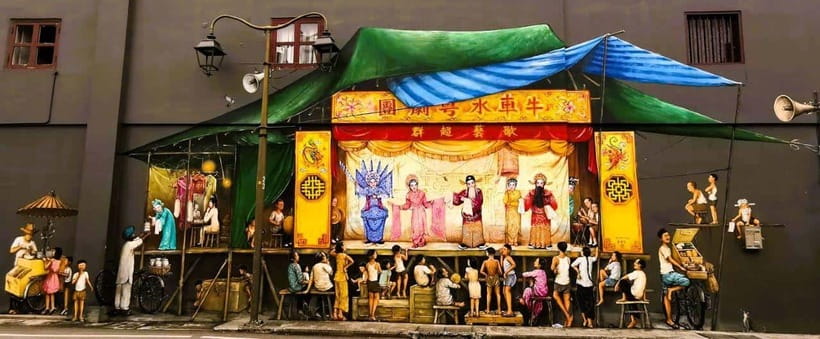
Lunch is at Chiew Kee Noodle House, where you spend about 35 minutes. The restaurant is known for soy sauce chicken and is described as one of Singapore’s oldest and most loved local eateries.
This meal is a useful part of the tour because it breaks up the walking and connects the history lesson to food. You are not simply being told that Chinatown had a working population. You are sitting down at a long-established eatery and eating the sort of dish that helps define local food culture.
The lunch is included, which improves the value of the $54 price. It is described as simple and delicious rather than elaborate. That is worth keeping in mind if you are seeking a polished restaurant meal. This is more about an authentic local stop and the chance to eat where the neighborhood’s everyday food traditions are still visible.
If you have dietary restrictions, check the arrangements before booking. The supplied information does not specify substitutions or special meal choices.
Yue Hwa, The Majestic, and Pagoda Street
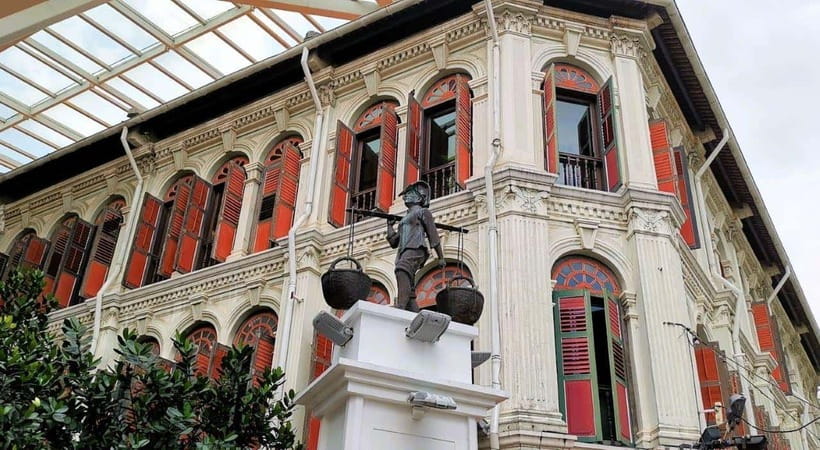
After lunch, the walk continues past Yue Hwa Chinese Products, housed in the Yue Hwa Building. The guide gives only a short explanation here, but the stop adds a commercial angle to the morning. Chinatown is not only temples and old lanes. It is also a place where Chinese goods, household items, remedies, and food products have long been sold.
The Majestic is a brief photo stop. You have around two minutes for the building, so think of it as a quick architectural pause rather than a full visit. The route then moves along Pagoda Street for about 10 minutes.
Pagoda Street is one of the more recognizable Chinatown streets, and it can feel much more commercial than the earlier lanes. That contrast is useful. You see the visitor-facing side of the district, then rely on the guide to connect it with the older community that existed before souvenir shops and organized sightseeing.
Sri Mariamman Temple and the district’s shared faiths
Sri Mariamman Temple receives about 10 minutes. It is a Hindu temple in Chinatown, another reminder that the district’s identity has never been limited to one religion or one community.
The stop works well after Yueh Hai Ching and Thian Hock Keng because you can compare different religious traditions within a compact area. Your guide explains the cultural setting rather than asking you to view the temple only as an exterior landmark.
Dress and behave respectfully at all religious sites. The tour includes guided visits, but the exact access inside any place of worship can depend on conditions at the time.
Smith Street, Sago Lane, and old neighborhood life
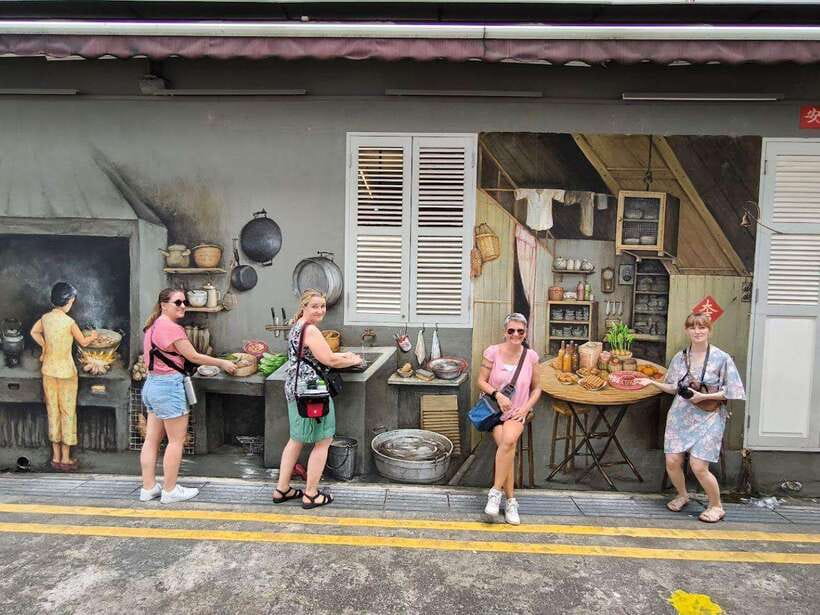
Smith Street receives about 10 minutes, followed by a walk toward Sago Lane. Smith Street is associated with food and street life, while Sago Lane recalls the district’s former sago factories.
The value here is in the connection between street names and vanished trades. A name that may look ordinary on a map can preserve a clue about what people once made or sold there. Your guide’s job is to make those clues readable.
This section also helps explain why a walking tour suits Chinatown. The district’s story is spread across short distances. Buildings, lanes, temples, and businesses make more sense when you move between them on foot instead of seeing each one from a vehicle.
Buddha Tooth Relic Temple, Maxwell Food Centre, and Singapore City Gallery
The route includes short guided visits around the Buddha Tooth Relic Temple and Maxwell Food Centre. The temple is one of Chinatown’s most recognizable modern religious landmarks, while Maxwell Food Centre brings you back to Singapore’s everyday hawker culture.
You do not get a full meal at Maxwell Food Centre because lunch has already taken place at Chiew Kee Noodle House. Treat this as a quick orientation stop rather than a chance to sample every stall. If you want more food afterward, you can return on your own.
The tour also includes about 20 minutes at Singapore City Gallery. This gives the morning a wider urban planning angle. After hearing how Chinatown developed, you can place the neighborhood within Singapore’s larger story of redevelopment and city growth.
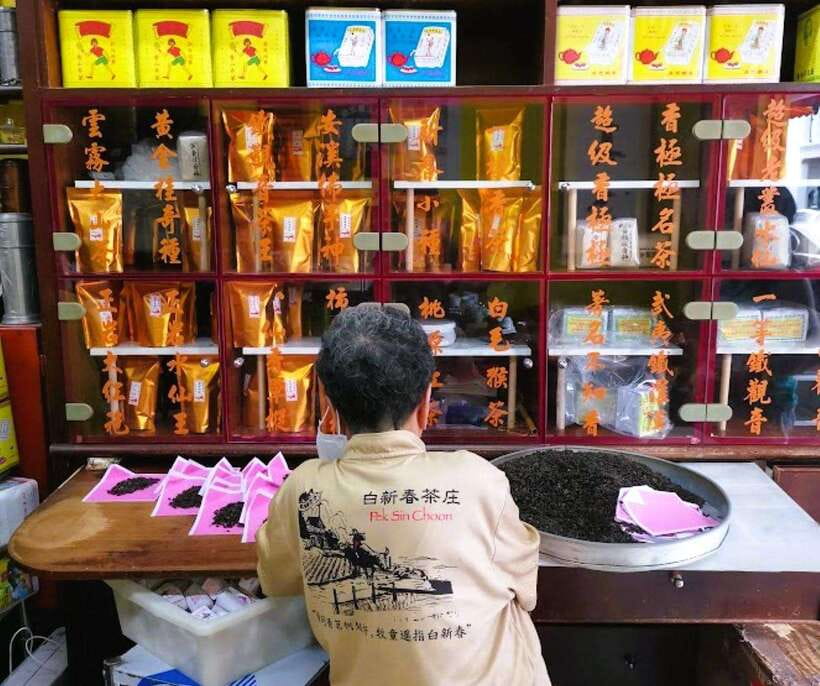
The route description also includes a visit to Pek Sin Choon, a tea merchant with more than 100 years of history, where you can browse tea and Cantonese pastries. It concludes at Fong Moon Kee, a family-run traditional medicine shop dating to the early 1900s. These are among the most distinctive stops because they involve businesses still linked to traditional products and family trade.
Shopping is not required, and purchases are not included. Still, the tea and pastry stop gives you a practical souvenir option, while Fong Moon Kee offers a look at traditional remedies that you are unlikely to get from a standard city sightseeing tour.
How much value do you get for $54?
At $54, this is priced above a basic free walking tour, but it includes a guide for three and a half hours and a full local lunch. You also get access to a carefully linked route that would be difficult to understand from a map alone.
The strongest value comes from the explanation between stops. If you only want quick photos of Chinatown’s temples, you can see several of them independently for less. If you want to understand why they were built, who used them, and how the neighborhood changed, the guide makes the difference.
The price also covers a disposable poncho if rain arrives. That is a small but useful provision in Singapore, where a sudden downpour can change the comfort of a walking day. Bring your own umbrella if you have one, but do not assume dry weather.
Who should book this Chinatown experience?
I would choose this tour if you are visiting Singapore for the first time, enjoy walking, and want food and history in the same morning. It suits solo visitors particularly well because the guide may take photos along the route, and it gives you a clear introduction to several parts of Chinatown without requiring much advance planning.
It is also useful for repeat visitors. The route includes less obvious lanes, old clubs, tea merchants, and traditional shops, so you may see parts of the district that you missed on an earlier visit.
You should think twice if you dislike walking in heat, need a very slow schedule, or prefer to spend a long time inside one museum. The itinerary is full, and some stops last only a few minutes. Ask about the day’s pace if you have mobility concerns, since the tour includes numerous streets and standing stops.
Practical details before you go
Meet at street level in front of The Whisky Distillery at One Raffles Place by 9:55 AM. The guide speaks English, and the tour begins at 10:00 AM.
Wear comfortable shoes and carry water. The experience runs rain or shine, and a disposable poncho is provided if needed. Hotel pickup and drop-off are not included, so you make your own way back after the final stop.
You can cancel up to 24 hours ahead for a full refund, and the reserve-now, pay-later option allows you to hold a place without paying immediately. Availability and starting times should still be checked before booking.
Should you book it?
Book it if you want Chinatown explained rather than simply photographed. The combination of temples, old clubs, lanes, lunch, tea, pastries, and traditional medicine gives you a broad picture of the district in one morning.
I would especially try to request Ping if she is available, since her clear storytelling, flexible pace, and habit of taking photos add real value. The only serious caution is the weather and the packed route. For most visitors who can handle a few hours on foot, $54 is a fair price for a well-supported introduction to Singapore’s Chinese heritage and daily life.
FAQ
How long does the Chinatown walking tour last?
The tour lasts 210 minutes, or three and a half hours.
Where does the tour begin?
Meet in front of The Whisky Distillery at One Raffles Place, across from Raffles Place MRT Station Exit A at street level.
What time should I arrive?
You should meet the guide at 9:55 AM. The tour starts at 10:00 AM.
Is lunch included?
Yes. Lunch at Chiew Kee Noodle House is included in the tour price.
What food is Chiew Kee Noodle House known for?
The restaurant is known for soy sauce chicken.
Is the tour offered in English?
Yes. The live guide speaks English.
What should I bring?
Bring comfortable shoes and water. The tour takes place rain or shine.
Is hotel pickup included?
No. Hotel pickup and drop-off are not included, and you make your own way back after the tour.
Just added around the world
- Scenic Train ride to historical cities of Morretes and Antonina★ 4.0 · 188 reviews
- 6-Day Cultural Tour to Machu Picchu★ 5.0 · 76 reviews
- Jewish Heritage of Curacao★ 4.5 · 68 reviews
- The Curacao’s Colorful History Walking Tour★ 5.0 · 55 reviews
- Discover Scuba Diving Amathounta’s Ancient Port★ 5.0 · 30 reviews
- Olous – Guided Snorkelling Excursion to Discover Olous Sunken Ancient City★ 4.5 · 31 reviews
- Night Walking Tour of Medieval Cuenca★ 5.0 · 64 reviews
- WWII – The Battle of Crete Day Tour★ 5.0 · 103 reviews
Lunch Experiences, compared.

Normandy D-Day Sites & Cemetery Day Trip from Paris with Lunch
Read our review →
Montserrat with Black Madonna & Medieval Winery with Tapas/Lunch
Read our review →
Douro Valley: Historical Sites, Wine Experience, Lunch & Cruise
Read our review →Ninh Binh Heritage Full Day Tour with Buffet Lunch and Limousine
Read our review →
From Kuala Lumpur: Historical Melaka Day Tour with Lunch
Read our review →
Strahan: World Heritage Cruise on Gordon River with Lunch
Read our review →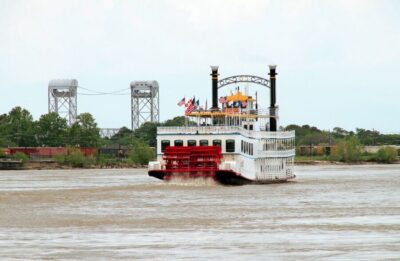
New Orleans: Creole Queen History Cruise with Optional Lunch
Read our review →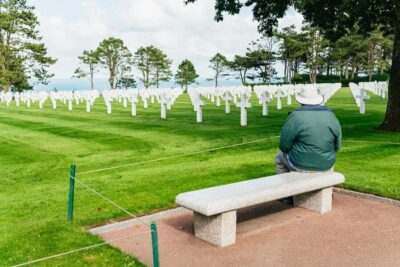
Paris: Normandy D-Day Sites Guided Day Trip with Lunch
Read our review →Browse the lists this tour appears in