
Review · AUSTRALIA
Albany’s Historic Whaling Station Admission Ticket
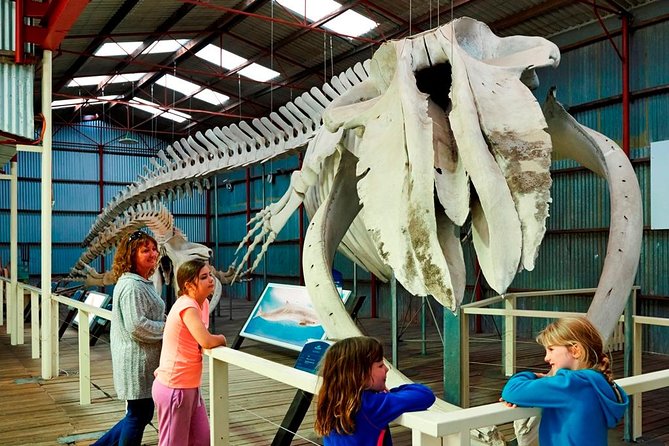
Albany’s Historic Whaling Station puts you inside a former whale-processing site, where the story is told through old oil tanks, machinery, films, artifacts, and the preserved Cheynes IV. The blue whale skeleton is the visual showstopper, but the ship and the blunt evidence of the industry give the visit its real weight.
I like the self-guided pace, because you can spend extra time with the displays that catch your eye instead of being hurried from one room to the next. I also like the mix of history and natural science, from scrimshaw and whaling tools to marine art and a huge whale skeleton.
The main consideration is tone: this is not a light, purely scenic attraction. Whaling was a major part of Albany’s past, and some exhibits may feel confronting. Wet and windy weather can also shorten your visit, since several parts of the site are best enjoyed when you can take your time outdoors.
Key points to know before you go
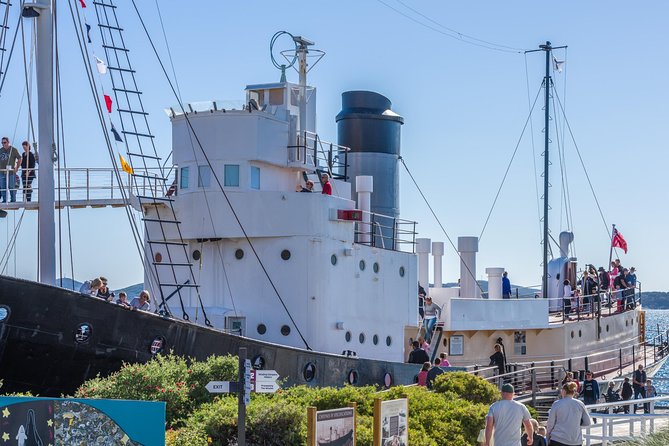
- The Cheynes IV is the centerpiece: Board the only preserved whale chaser ship in the world.
- The former processing site is part of the story: Short films are shown inside converted whale-oil tanks.
- Plan on two to three hours: That gives you time for the ship, displays, films, art, and outdoor areas.
- You explore independently: There is no fixed guided tour schedule listed, so you set your own pace.
- The $26.49 admission covers the activities: Food and drinks are extra, but free BBQ facilities are available.
- Weather matters: The station operates in all weather, so bring suitable clothing for a windy or wet day.
Why Albany’s whaling station is more than a museum
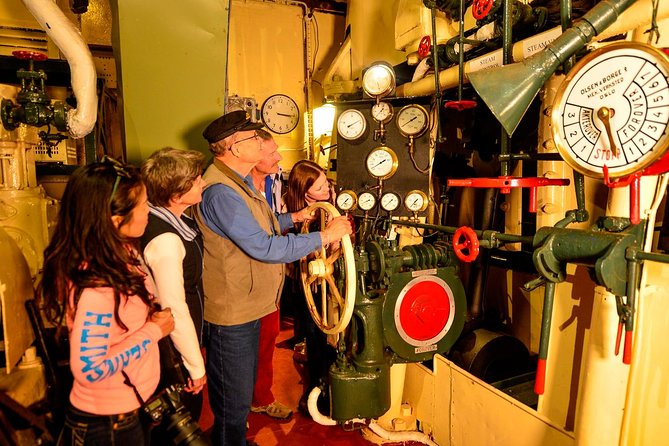
The attraction works because the setting is not just a room filled with labels. You are visiting an old whaling station and seeing parts of the working site itself. That gives the subject a physical edge that a standard museum display cannot quite match.
Albany’s whaling industry was an important part of the area’s past, and the station presents that history plainly. You see equipment, memorabilia, films, vessels, and examples of the craft that grew around whaling. The experience does not ask you to ignore the difficult side of the story. Instead, it shows how the industry shaped local work and the site you are standing in.
That makes this a useful stop for anyone who wants more than postcard views around Albany. You get a better sense of the town’s working past, as well as a closer look at whales and marine life. The mix is especially helpful if your group has different interests. One person can focus on ship design, another on the natural history displays, and another on the social history of the station.
The tone is serious at times. The exhibits deal with a real industry, not a tidy adventure tale. If you are sensitive to displays about whaling, allow yourself time to process what you see. If you want an honest account of Albany’s past, that directness is one of the attraction’s strengths.
More Tickets in Australia:
- Entry Ticket at Historic Village Herberton
★ 5.0 · 114 reviews - Albany: Historic Whaling Station Entry Ticket
★ 4.8 · 24 reviews - Pompeii: Entry Ticket and Guided Tour with an Archaeologist
★ 4.8 · 19,459 reviews
The 20-minute trip from Albany CBD
The station is about a 20-minute scenic drive from Albany’s central business district. That is close enough to fit into a half-day plan, but far enough that you should treat it as a destination rather than a quick stop between city errands.
The setting is one reason to avoid rushing. You have the museum displays, the ship, the outdoor areas, and a café overlooking one of Albany’s picturesque bays. If you arrive with only an hour to spare, you will probably see the main highlights but miss some of the quieter material.
The station is open daily from 9:00 AM to 5:00 PM during the stated operating period, from July 1, 2025, through June 30, 2027. An early or mid-afternoon arrival gives you more breathing room. You can also use the café or flower garden if you need a break between exhibits.
Entering the old whale-processing site
Begin with the station’s displays and original setting. The converted whale-oil tanks are among the most unusual spaces on site. Short films are shown inside them, using the old industrial structures as part of the presentation rather than hiding them behind a modern museum fit-out.
That choice matters. You are not only reading about whale oil production. You are standing inside spaces connected to the process. The films help explain the industry, while the tanks give the story a strong sense of place.
The exhibition areas contain authentic whaling artifacts and memorabilia. Expect a mix of practical equipment, historical material, and objects that show how the station operated. The amount of material means you can move quickly if you are short on time, or slow down and read more closely if the subject interests you.
I would give the original processing area proper attention before heading straight to the ship. It provides the context for everything else. Once you understand what the station did, the whale chaser and other displays make more sense.
Boarding the Cheynes IV
The Cheynes IV is the clearest reason to visit. It is described as the world’s only preserved whale chaser ship, and boarding it changes the scale of the story. A ship can explain the work in a way that photographs and wall text cannot.
You can picture the vessel as a working part of the industry, not simply a maritime display. The ship helps connect the shore-based processing site with the boats that went out to sea. For many people, this will be the most memorable section because it gives the history a practical, human scale.
Allow enough time to look around rather than treating the ship as a quick photo stop. The self-guided format lets you examine the vessel at your own speed. A moderate level of physical fitness is recommended, so you should expect some movement around the site and ship. Specific accessibility details are not provided, so anyone with mobility concerns should check directly before booking.
The ship may also be the part children remember best. Children must be accompanied by an adult, and the attraction is best suited to families who can explain the more serious parts of the subject as they go.
More History Tours in Australia:
- Ultimate Melbourne Walking Tour: History, Laneways & Culture
★ 5.0 · 1,451 reviews - Puffing Billy Railway: Heritage Steam Train Journey
★ 4.6 · 1,195 reviews - Morning World Heritage Cruise on the Gordon River from Strahan
★ 5.0 · 1,193 reviews - Strahan: World Heritage Cruise on Gordon River with Lunch
★ 4.8 · 1,143 reviews
The blue whale skeleton and marine displays
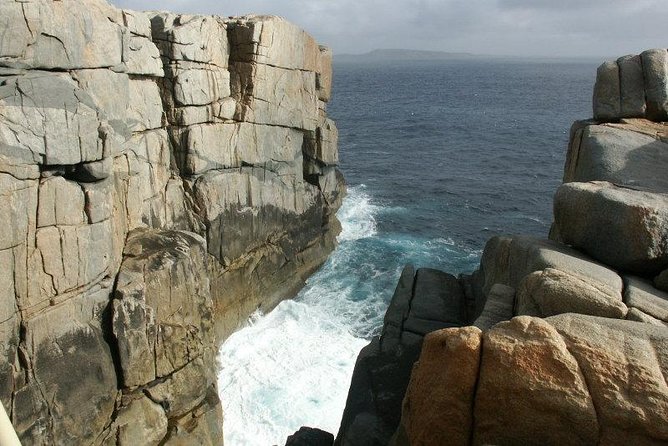
The giant blue whale skeleton provides the strongest natural-history moment at the station. Its size makes the scale of the animal clear in a way that a picture never can. Even if your main interest is local history, this display gives the visit a useful pause from the machinery and industrial story.
You will also find a world-renowned collection of marine animal art, along with precious scrimshaw art. Scrimshaw has a direct connection to maritime culture, and its presence here adds a more personal and artistic layer to the displays. It shows how people at sea used craft and carving as part of their working world.
Together, the skeleton, marine art, and scrimshaw broaden the visit. You are not looking only at the mechanics of whaling. You are also considering the animals, the sea, and the culture that developed around maritime work.
A small Australian wildlife enclosure is also part of the site. It gives you another reason to step outside the main museum areas, though the primary focus remains the whaling station and its exhibits. If you are planning a longer stay, the wildlife area can help break up the indoor displays.
A self-guided visit with room to choose
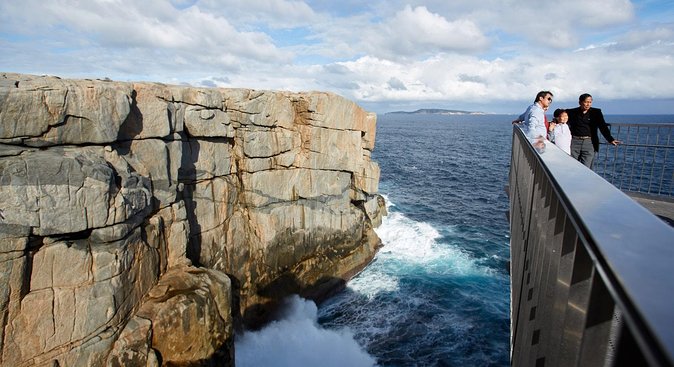
The lack of a fixed tour group is a practical advantage. You can read every label, replay or reconsider the short films, and spend more time on the ship or skeleton without waiting for a guide to move on.
This format also means you need to manage your own attention. There is no guide setting the order or pointing out every detail, so it helps to keep the main sequence in mind:
- Start with the former processing station and whaling displays.
- Watch the short films in the converted whale-oil tanks.
- Board the Cheynes IV.
- See the blue whale skeleton and marine art.
- Leave time for scrimshaw, the wildlife area, the café, or the flower garden.
The full visit takes about two to three hours. You might finish sooner if you focus only on the headline displays, but that would underuse the admission. The site has enough variety to reward a slower visit, particularly if the weather is comfortable.
The self-guided design suits independent adults, couples, families with older children, and anyone who dislikes being kept to a strict timetable. It is less ideal if you want a lively guide, a constant stream of explanations, or a fully structured walking tour. No guide names or scheduled guided presentation are provided.
Why weather can change your visit
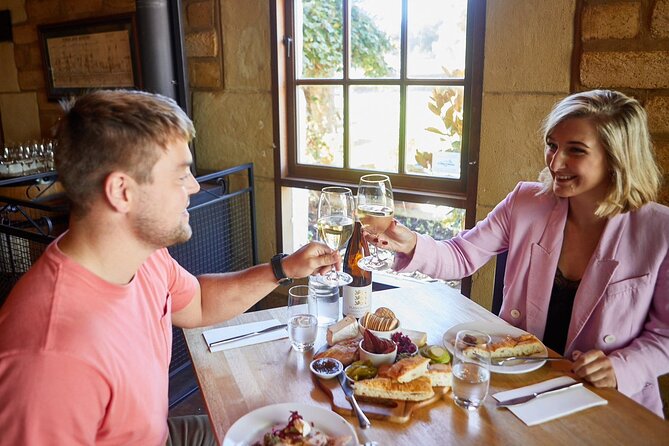
The station operates in all weather, but that does not mean every day feels equally comfortable. A wet and windy day can make outdoor movement less pleasant and may persuade you to leave before you have seen everything.
Dress for Albany conditions rather than relying on a warm indoor museum. A waterproof layer and sensible shoes are practical choices. The advice to dress appropriately is especially important if you want to enjoy the ship, outdoor areas, flower garden, and bay views at an easy pace.
On a good-weather day, the café and garden add a welcome pause. You can look over one of Albany’s picturesque bays and reset before returning to the exhibits. On a poor-weather day, plan your visit around the indoor displays and allow less time for lingering outside.
The attraction remains worthwhile in bad weather, but the experience may feel more functional than leisurely. That is the main reason I would avoid squeezing it into the final hour before closing.
Food, the garden, and the free BBQ facilities

Food and drinks are not included in the admission price. A café is available, with views over the bay, but you should budget separately if you plan to eat there.
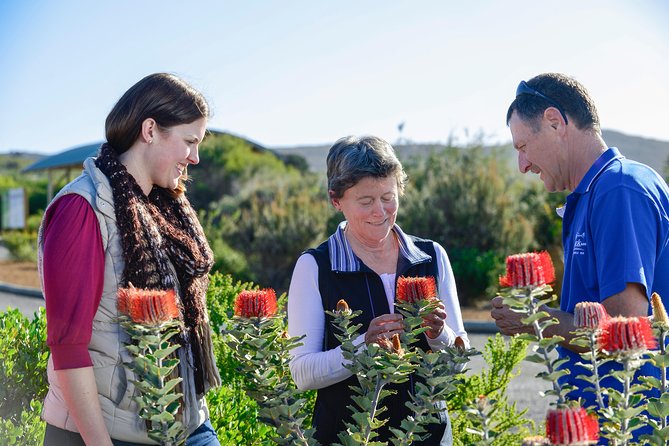
The flower garden has free BBQ facilities. That is a useful extra for families or anyone building a relaxed half-day outing. You need to provide your own food and drinks, and lunch is not included, but the facilities can make the visit more flexible than a simple museum stop.
I would not book this solely for the BBQ. It is a bonus, not the central attraction. Still, it can help you turn the visit into a longer break from Albany’s town center, especially if you prefer to bring your own meal.
Is $26.49 good value?
At $26.49 per person, the admission is fair if you plan to stay for the full two to three hours. You are paying for access to a large collection of connected experiences: the processing station, films, ship, skeleton, marine art, scrimshaw, artifacts, and outdoor areas.
The value is strongest for people who enjoy history presented through real objects and places. The Cheynes IV and converted oil tanks give the ticket more substance than a small gallery with a few photographs. The admission also includes all listed activities and GST.
The price is less compelling if you only want a quick look at one object. Someone passing through Albany with limited time may not get the full benefit. I would book it when you can spare at least two hours and are willing to read, watch, walk, and think about the material.
The free BBQ facilities and café can stretch the outing, but food remains an extra cost. If you are comparing this with other Albany attractions, consider not just the ticket price but the time covered. A two to three-hour self-guided visit gives you a solid half-day anchor.
Who should visit Albany’s Historic Whaling Station?
This is a good choice for you if you:
- Want context about Albany’s working past
- Like maritime history and preserved ships
- Enjoy museums with real industrial settings
- Are interested in whales, marine art, or natural history
- Prefer exploring independently
- Need a flexible half-day activity near Albany
- Are traveling with older children who can engage with serious history
You may want to choose another activity if you need a purely scenic outing, dislike confronting historical subjects, or want a guide leading every step. The attraction is informative and varied, but it is not designed as a polished entertainment ride.
It also suits repeat visitors to Albany. If you have already seen the town’s main viewpoints, this gives you a different angle on the region. You learn about the work, vessels, objects, and industries that helped shape the community.
Booking flexibility and practical details
Confirmation is received at booking. Free cancellation is available if you cancel at least 24 hours before the experience start time. Cancellations made within 24 hours are not refunded, and changes inside that period are not accepted.
Children must be accompanied by an adult. A moderate level of physical fitness is recommended, and the experience runs in all weather.
The attraction is open Monday through Sunday from 9:00 AM to 5:00 PM during the stated operating dates. Since the visit is self-guided, you can fit it around other Albany plans, but leave enough time for the full site rather than arriving shortly before closing.
Should you book it?
I would book Albany’s Historic Whaling Station if you want an honest, hands-on look at the area’s whaling past. The preserved Cheynes IV, the blue whale skeleton, and the converted oil tanks give the visit several memorable anchors, while the self-guided format lets you decide how much time to spend with the harder history.
The best plan is to allow two to three hours, wear clothing suited to wind or rain, and treat the café or BBQ garden as part of a relaxed half-day outing. At $26.49, it offers good value when you use the whole site.
Skip it only if you want a short scenic stop or prefer a lighter attraction. For history-minded visitors, families with older children, and anyone curious about Albany beyond its views, this is a worthwhile booking.
FAQ
How long does a visit to Albany’s Historic Whaling Station take?
The approximate duration is two to three hours. You can move faster through the exhibits or spend longer with the ship, films, art, and outdoor areas.
What are the opening hours?
The station is open every day from 9:00 AM to 5:00 PM during the stated operating period of July 1, 2025, through June 30, 2027.
How far is the station from Albany CBD?
The station is about a 20-minute scenic drive from Albany CBD.
Is the experience guided?
It is a self-guided visit. You explore the displays and activities at your own pace.
What is included in the admission price?
The admission includes all listed activities and GST. Free BBQ facilities are also available.
Is food included?
No. Food, drinks, and lunch are not included. A café is available at the site, and free BBQ facilities are provided in the flower garden.
Can children visit the station?
Yes. Children can visit, but they must be accompanied by an adult.
What happens if the weather is poor?
The experience operates in all weather conditions. You should dress appropriately, particularly for wet or windy conditions.
Just added around Australia
- Authentic Indigenous Cultural Tour Including Scenic River Cruise★ 5.0 · 88 reviews
- Cairns History Walking Tour★ 5.0 · 52 reviews
- Entry Ticket at Historic Village Herberton★ 5.0 · 114 reviews
- Self-Guided Ngilgi Cave Ancient Lands Experience★ 4.5 · 154 reviews
- Hinterland Heritage Wine Tour★ 4.0 · 28 reviews
- 7 Day Adelaide to Uluru Adventure and Cultural Tour★ 5.0 · 52 reviews
- Sydney Convicts, History & The Rocks 2.5-Hour Walking Tour★ 4.9 · 181 reviews
- Port Arthur Historic Site Ghost Tour★ 4.2 · 173 reviews
Australia History Tours, compared.

Ultimate Melbourne Walking Tour: History, Laneways & Culture
Read our review →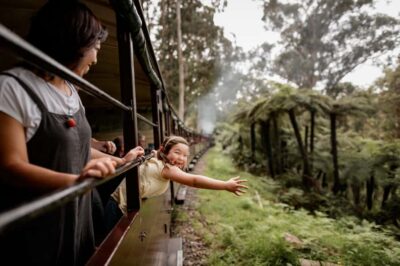
Puffing Billy Railway: Heritage Steam Train Journey
Read our review →
Morning World Heritage Cruise on the Gordon River from Strahan
Read our review →
Strahan: World Heritage Cruise on Gordon River with Lunch
Read our review →
Sydney: The Rocks 90-Minute History Walking Tour
Read our review →
Experience History onboard The Mary Valley Rattler
Read our review →
Snorkel & Dive the Reef: Sustainable, Scientific & Cultural Tour
Read our review →
Derwent River Historic Harbour Cruise From Hobart
Read our review →Browse the lists this tour appears in