
Review · BARCELONA
Barcelona: The Spanish Civil War Historical Walking Tour
Barcelona’s old town is more than Gothic arches and pretty squares. Beneath the tourist facade are streets where anarchists, fascists, communists, and government loyalists fought for control during the Spanish Civil War. This 2.5-hour walk uses those streets to explain a conflict that still shapes Spain.
I like the clear storytelling, especially when guides such as Javier, Chrisa, Yannis, Filipa, Henrieta, and Evan turn a tangled political story into something you can follow. I also like the use of photographs and the links to George Orwell’s Homage to Catalonia. The main drawback is that this is a serious, standing-heavy history lesson, not a light sightseeing stroll, and the subject may be too intense for young children.
Key points to know before you go
- Barcelona’s streets become the classroom: See where Civil War fighting, political clashes, and bombing left visible scars.
- The factions are explained clearly: Learn how fascists, loyalists, anarchists, communists, unions, and other groups fit into the conflict.
- Orwell’s Barcelona comes alive: Visit places connected with the events described in Homage to Catalonia.
- The story continues beyond 1939: The walk covers Franco’s 36-year dictatorship and Spain’s current struggle with historical memory.
- Expect more standing than walking: You move between stops, then pause while the guide explains each place.
- Bring weather protection: The tour runs in rain or shine, and wireless listening equipment can cost an extra €1.
Why this history tour matters in Barcelona
Most first visits to Barcelona focus on Gaudí, markets, Roman remains, and the Gothic Quarter’s attractive stonework. Those sights matter, but they can leave you with a polished picture of the city. This walk adds the harder story: political violence, social division, foreign intervention, dictatorship, and silence.
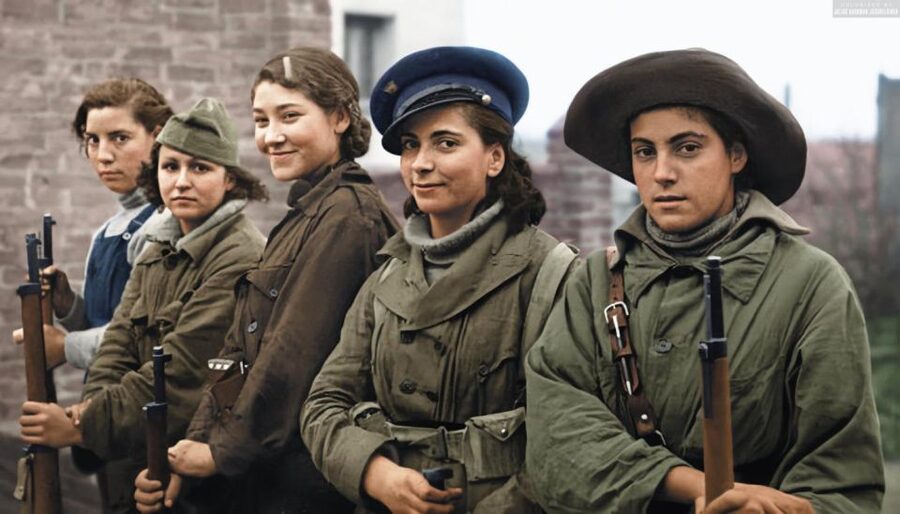
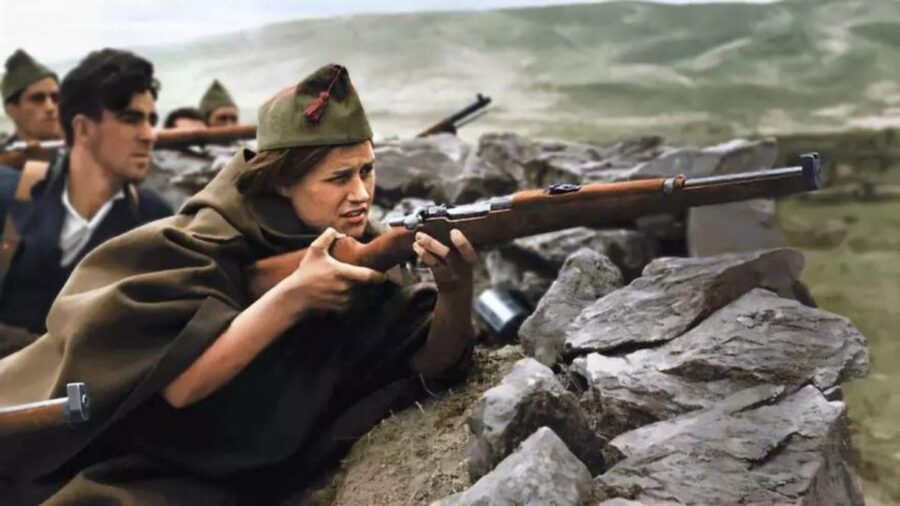
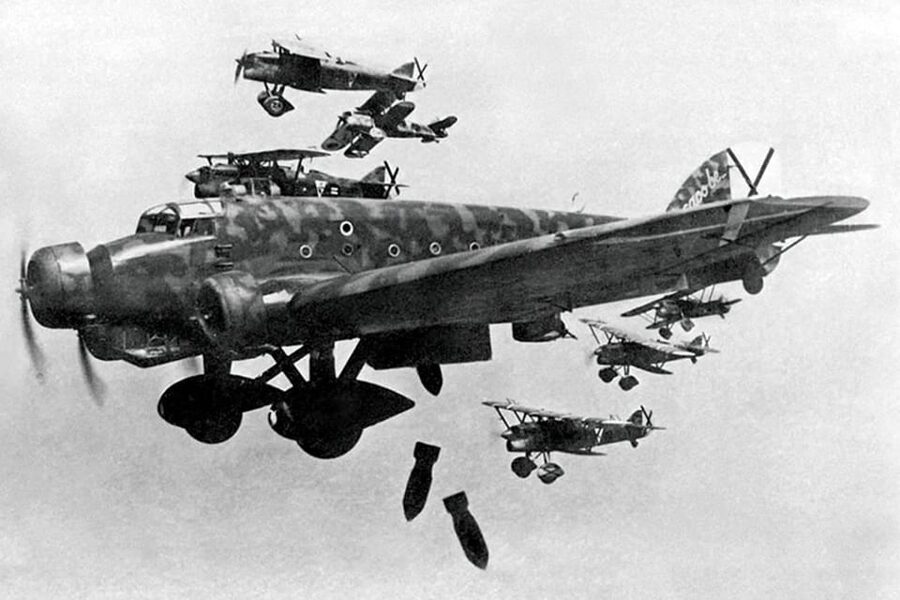
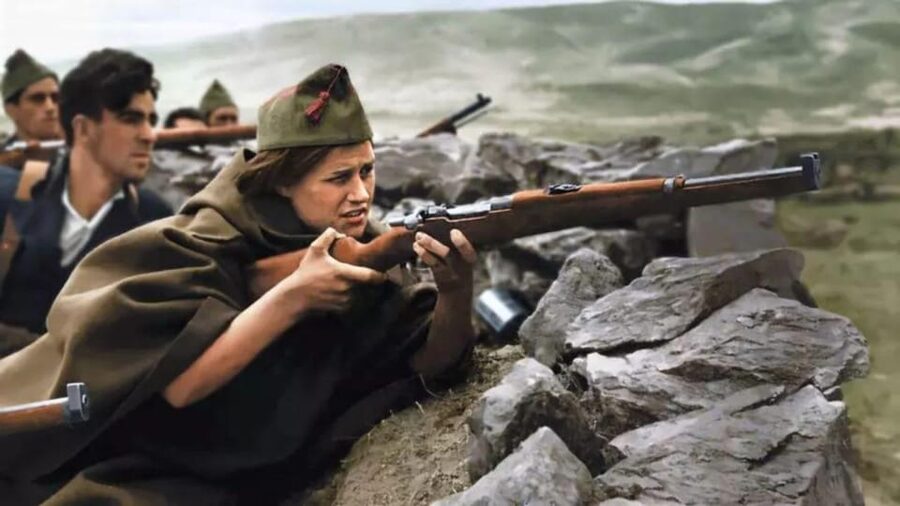
The Spanish Civil War began in 1936 after a military uprising against the elected Republican government. It quickly became both a Spanish conflict and an international struggle. Hitler’s Germany and Mussolini’s Italy backed Franco, while volunteers from many countries joined the International Brigades on the Republican side.
Barcelona became one of the key Republican centers. Its industrial workers, trade unions, anarchists, socialists, communists, and Catalan political groups did not always agree with one another. At times, they fought their supposed allies in the middle of the wider war. That is why a good guide matters here. A simple story of two sides would be misleading.
I like that this tour addresses the competing ideologies rather than treating the war as a basic fight between good and evil. You get a chance to understand why different groups acted as they did, while still confronting the cost of their choices.
The story also reaches beyond the battlefield. You look at the role of the Catholic Church, foreign governments, the Western Allies, labor movements, women’s political activity, and the daily lives of ordinary people. The discussion of Mujeres Libres, an anarchist women’s organization, is especially useful because it brings women’s work and political action into a story often dominated by male leaders.
More History Walking Tours in Barcelona
- Barcelona: Tapas Walking Tour with Food, Wine, and History
★ 4.8 · 4,261 reviews - Barcelona Tapas Walking Tour: Food, Wine & History
★ 4.5 · 1,928 reviews - Barcelona: Dark History Night Walking Tour
★ 4.8 · 344 reviews
Starting at Plaça de Catalunya
The meeting point is on the sidewalk in front of Foot Locker at Plaça de Catalunya. Look for the guide with a white umbrella. This is a busy central square, so give yourself enough time to find the exact side of the plaza and identify the group.
The square is a fitting place to begin. It connects the modern commercial center with the older streets where political conflict later unfolded. The tour does not simply launch into dates and names. It first sets up the forces that made Barcelona such an important center of industry, labor organizing, Catalan politics, and social unrest.
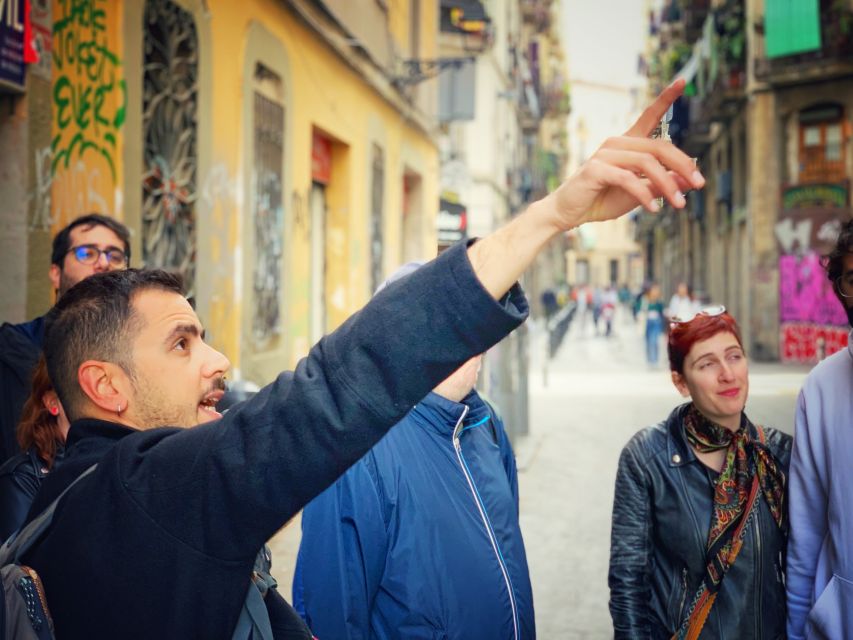
Your guide uses photographs and visual material during the walk. That makes a major difference. Old images can show barricades, damaged buildings, uniforms, crowds, and street scenes that are difficult to imagine from today’s restored facades.
Guides vary by departure, but the names most associated with this experience include Javier, Chrisa, Yannis, Filipa, Henrieta, and Evan. The strongest parts of the tour depend on a guide who can explain the factions without losing you in names and acronyms. The guides are presented in English, and the recorded listening equipment, when used, helps you hear in busy streets. There is an extra €1 charge per person for that equipment.
Through the old town and its political fault lines
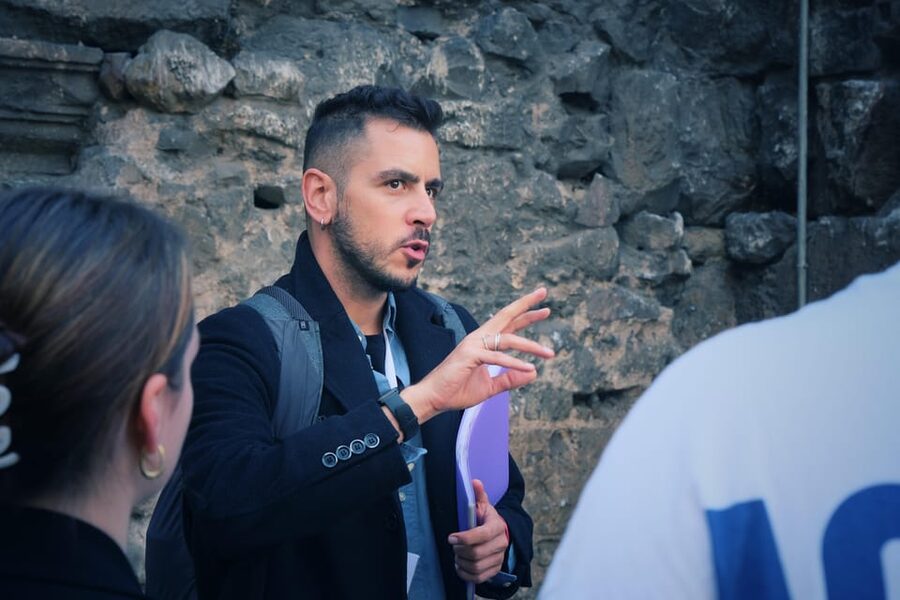
From Plaça de Catalunya, the route moves into Barcelona’s old town. You are not walking for 2.5 hours without pause. Instead, expect a short stroll, a stop for explanation, another short walk, and another period of standing.
That rhythm makes the tour manageable for most people, but comfortable shoes still help. You may not cover a huge distance, yet you remain on your feet for much of the experience. If your knees or back are troublesome, consider this before booking. The activity is listed as wheelchair accessible, though old-town pavement and the standing format are still worth keeping in mind.
The streets are important because the conflict did not happen only in distant battlefields. It entered workplaces, apartment blocks, churches, political offices, and public squares. Barcelona’s fighting included clashes between groups that had been cooperating against Franco. Your guide explains how those internal divisions weakened the Republican cause.
This is where the walk earns its price. A book can explain the political structure, but a street corner can show how close the conflict came to ordinary life. You begin to picture people crossing the same narrow lanes under very different conditions, with barricades, political flags, armed patrols, and sudden violence changing the meaning of familiar places.
The route also helps you understand why Barcelona looked and behaved differently from other parts of Spain. Catalonia’s political identity, industrial economy, strong labor organizations, and anarchist movement all shaped its experience of the war. That local focus gives the tour a clear purpose instead of becoming a general lecture on Spanish history.
Orwell’s Barcelona and the fighting of 1937
George Orwell arrived in Spain intending to support the Republican cause and instead found himself caught in the complicated politics of Barcelona. His book Homage to Catalonia describes the fighting he witnessed and the internal conflict among Republican groups.
The tour visits places connected with Orwell’s account. That does not mean you need to have read the book beforehand. The guide supplies enough background to make the references useful, while readers who know Orwell’s work will get an added layer of recognition.
The Orwell connection works because it links personal observation with the wider political story. You are not only hearing about generals and international alliances. You are also considering what it felt like to move through a city where political loyalty could affect safety, work, speech, and even which streets you could cross.
The internal conflict is one of the hardest parts of the subject. Guides such as Chrisa and Evan have been praised for explaining the competing groups in plain English and for leaving time for questions. That matters because the story can become confusing quickly, especially when several left-wing movements disagree while fighting Franco.
I would not book this expecting a dramatic reconstruction or actors in costume. The experience is built around explanation, photographs, and real locations. Its power comes from connecting ordinary streets with events that are often missing from standard sightseeing tours.
More History Walking Tours in Spain
- Barcelona 1.5h Private Old Town, Gothic & Ramblas Walking Tour
★ 5.0 · 318 reviews - Barcelona Historical Walking Tour: Gothic Quarter and El Born
★ 5.0 · 217 reviews - Barcelona in 2 Hours: Guided Walk Through History and Sights
★ 5.0 · 203 reviews - Barcelona Dark History Night Walking Tour With Drinks
★ 5.0 · 153 reviews
Bombings, memory, and the scars left behind
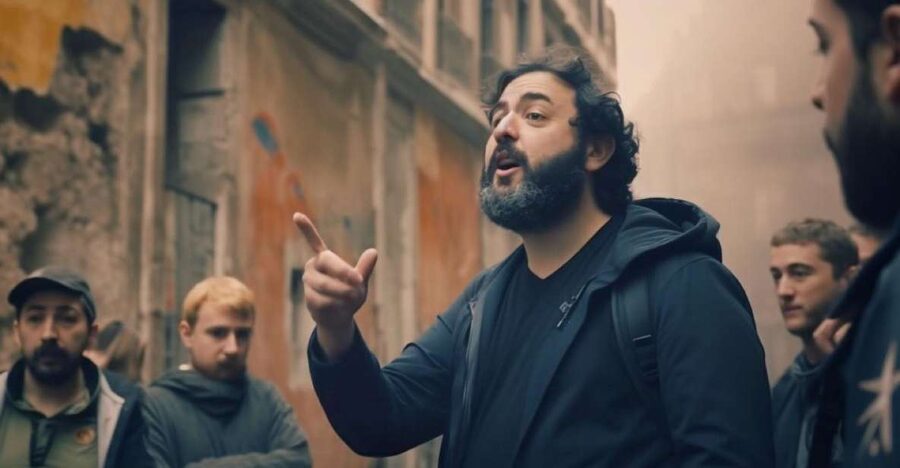
The walk also looks at fascist bombing and the damage inflicted on Barcelona. The city’s appearance has changed, and many traces are subtle. You might pass a building or square without realizing what happened there unless someone points out the connection.
That is one of the tour’s useful lessons. Historical evidence is not always a preserved ruin with a sign beside it. In Barcelona, the absence of official museums and memorials makes guided interpretation especially valuable. The tour helps you notice what the city does not explain on its own.
The discussion does not end with Franco’s victory in 1939. Spain then lived under a military dictatorship for 36 years. The walk considers censorship, political repression, the role of the Catholic Church, and the long effect of public silence.
It also asks how Spain deals with this past today. That question has real weight because the dictatorship ended less than 50 years ago. Families, political parties, regions, and communities do not always agree on how to remember the war or what should be done with its monuments, graves, and symbols.
I appreciate the link to present-day Spanish politics, provided you come ready for a serious discussion rather than a neutral list of dates. The guides aim to explain the historical record while also showing why memory remains contested. You can ask questions, and several guides are willing to extend the conversation briefly after the scheduled finish.
A serious tour with a surprisingly approachable pace
The subject is complex, but the best guide-led sections are built for people who know little about the war. You do not need to arrive with a degree in Spanish history. Still, a basic look at the Republican government, Franco, and the main factions will help you get more from the walk.
The tour can also suit people who have already read about the conflict. The Barcelona focus adds details about street fighting, political divisions, and local life that a broad national history may not cover. One guide may stress industrialization and labor movements, another may spend more time on women’s politics or the dictatorship’s legacy.
The tone is serious, but it is not necessarily grim from start to finish. Guides such as Javier and Evan use measured humor when it fits, while Chrisa, Yannis, Filipa, and Henrieta are known for making difficult material accessible and personal. The right balance matters here. Too much joking would feel careless, but a completely dry lecture would be hard to follow outdoors.
Children are allowed, though the tour is not advised for them because it covers war, politics, dictatorship, and repression. I would recommend it for older teenagers who already enjoy history and can handle difficult subjects. For younger children, Barcelona’s architecture or a food-focused walk will likely be a better choice.
The activity is also available as a private group. That may suit families, schools, or friends who want more time for questions and a pace shaped around their interests. The standard experience is in English, with an optional audio system depending on the guide.
Is $46 a fair price?
At $46 per person, this is not the cheapest walking tour in Barcelona. You are paying for a specialist subject, a professional guide, visual material, and two and a half hours of focused interpretation in the old town.
I think the price is fair if you value context and want something beyond the standard attractions. There are virtually no official museums or memorials devoted to this subject in the city, so a guided walk fills a real gap. You are paying less for a list of buildings and more for the connections between those places.
The value drops if you dislike political history, standing outdoors, or open-ended questions about responsibility and memory. This is not a quick introduction to Barcelona, and it will not replace a general city tour. It is best seen as a specialist experience that changes how you understand the streets you visit afterward.
You also need to budget for the possible €1 wireless guide system charge. Food, drinks, hotel pickup, and drop-off are not included. The tour ends in the middle of the Gothic Quarter near Barcelona City Hall, which is convenient for continuing your afternoon, finding lunch, or exploring nearby sights.
Practical advice for a better experience
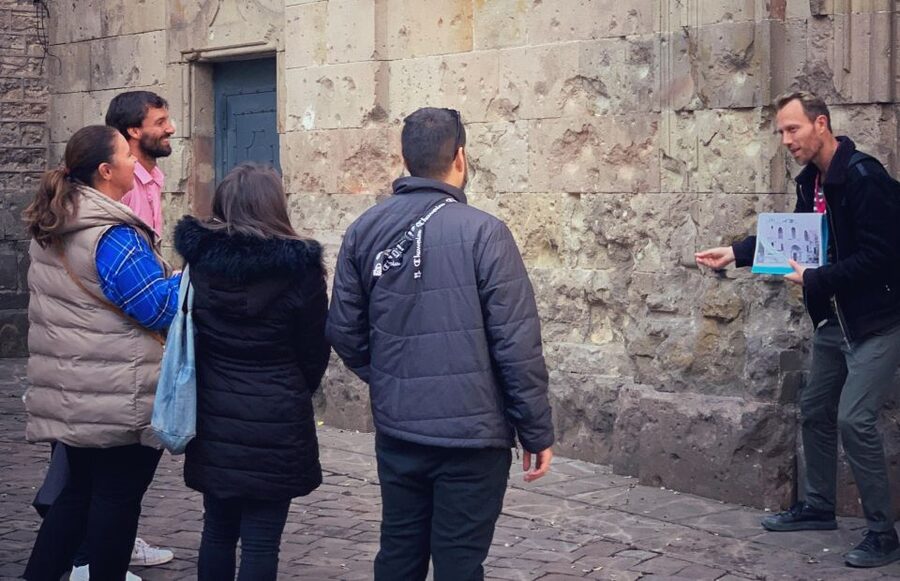
Wear comfortable shoes, but do not assume you will be marching all afternoon. The route is a series of short walks and standing talks. Bring water in warm weather and a rain jacket in unsettled weather, since the tour runs rain or shine.
Cold weather deserves special attention. One January departure involved a long wait in very poor weather, so wrap up well and arrive prepared to stand outside. A white umbrella identifies the guide, but you should still allow time to locate the group at Plaça de Catalunya.
Try to read a short introduction to the Civil War before you go. You do not need to memorize every faction, but knowing that the Republican side contained several rival movements will make the explanations easier to follow.
Keep the rest of the day flexible if you want to continue the subject. Guides sometimes offer restaurant suggestions and further resources after the walk. A menu del dia recommendation can also be useful when you finish near the Gothic Quarter hungry and ready to sit down.
Should you book this Barcelona Civil War walk?
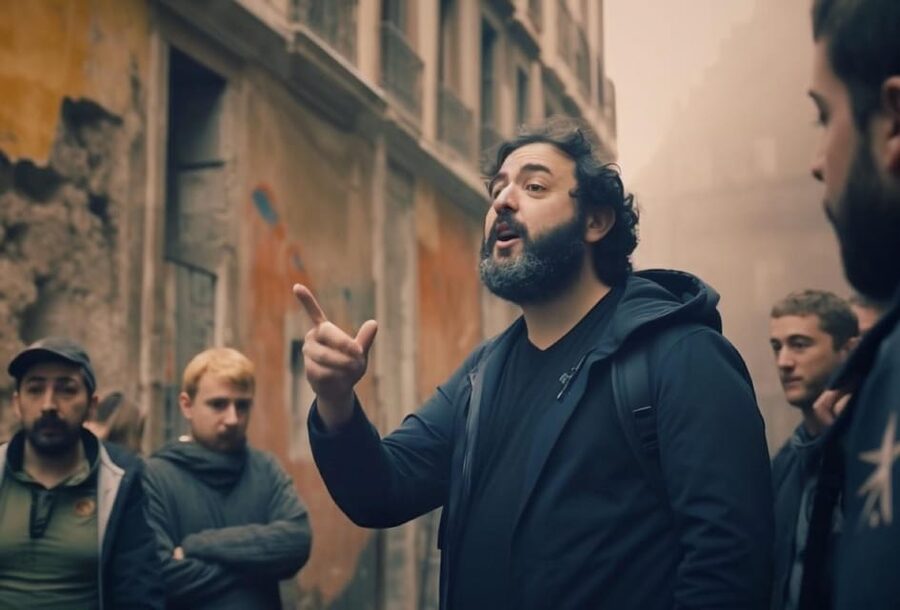
Book it if you want to understand Barcelona beyond its architecture and food. It is especially well suited to history readers, politically curious visitors, fans of Homage to Catalonia, and anyone who wants a clearer picture of how the Civil War and Franco’s dictatorship still affect Spain.
Skip it if you want a relaxed, cheerful introduction to the city or if standing outdoors for long explanations sounds tiring. For everyone else, this is a strong use of 2.5 hours. You leave with a better sense of the factions, the local fighting, the role of foreign powers, and the human cost behind Barcelona’s polished old-town streets.
FAQ
Where does the Spanish Civil War walking tour meet?
The meeting point is on the sidewalk in front of Foot Locker at Plaça de Catalunya. Your guide will have a white umbrella.
How long does the tour last?
The tour lasts about 2.5 hours.
Where does the tour finish?
It finishes in the middle of the Gothic Quarter, near Barcelona City Hall.
Is the tour conducted in English?
Yes. The live guide speaks English. An optional English audio guide may also be used.
Does the tour run in bad weather?
Yes. The tour takes place rain or shine, so bring suitable clothing and shoes.
Is the tour suitable for children?
Children may join, but the activity is not advised for them because it covers war, politics, and dictatorship.
Is the tour wheelchair accessible?
Yes, the activity is listed as wheelchair accessible.
What is included in the price?
A professional tour guide is included. Food, drinks, hotel pickup, and hotel drop-off are not included. Wireless tour equipment may cost an additional €1 per person.
More Battlefield and Military History Tours in Barcelona
- 2-Hour Gettysburg Battlefield Guided History Bus Tour with a National Park Guide
★ 4.5 · 2,201 reviews - Prague Communism History and Nuclear Bunker Tour
★ 5.0 · 1,742 reviews - Communism & Nuclear Bunker Tour + 70s Canteen Lunch (own expense)
★ 5.0 · 1,036 reviews - Loch Ness & Culloden Battlefield Private Tour from Inverness
★ 5.0 · 932 reviews
Just added around Barcelona
- Girona, Costa Brava and Medieval Village from Barcelona★ 5.0 · 149 reviews
- Tarragona and Sitges Small Group Tour – Roman History & Culture★ 4.5 · 339 reviews
- Barcelona Tapas Food Tour, Taverns, History & Local Culture★ 5.0 · 42 reviews
- Private Pre-Pyrenees Medieval Village Hike from Barcelona★ 5.0 · 39 reviews
- Sip, Sites & Bites Barcelona Food, Drinks & History Tour★ 4.5 · 95 reviews
- Savor Spain: Food, Wine, History & Culture Small Group Tour in Old Barcelona★ 5.0 · 140 reviews
- History Museum of Catalonia & Rooftop Access Ticket★ 4.5 · 43 reviews
- Private Besalú & 3 Medieval Towns Tour with Hotel PickUp from Barcelona★ 5.0 · 37 reviews
Barcelona History Tours, compared.
Montserrat with Black Madonna & Medieval Winery with Tapas/Lunch
Read our review →
Barcelona Tapas Walking Tour: Food, Wine & History
Read our review →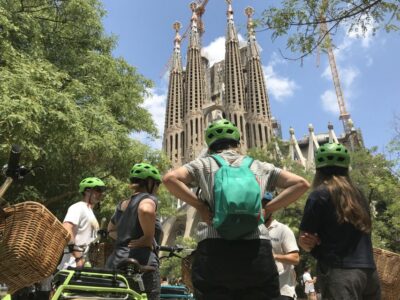
Barcelona: 2.5-Hour Bike or E-Bike Historical Tour
Read our review →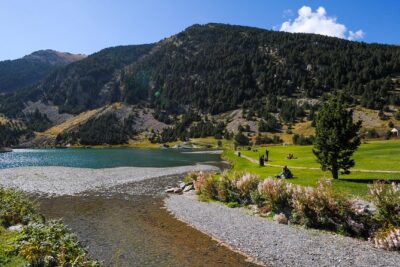
Pyrenees & Medieval Towns Small Group Tour from Barcelona
Read our review →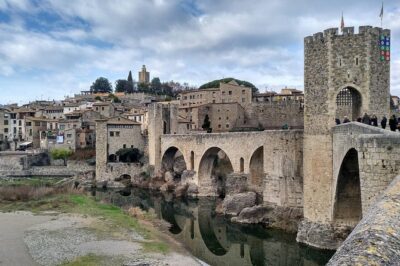
Besalu & 3 Medieval Towns Small Group Tour with Hotel Pick-Up
Read our review →
Costa Brava & Medieval Village Tour with Lunch
Read our review →
Barcelona Erotic Museum – Explore Art, History & Fun
Read our review →Browse the lists this tour appears in