
Review · HISTORY TOURS
Bariloche: German Immigration and History Walking Tour
Bariloche’s German story takes a sharp turn at the German School, where American journalist Sam Donaldson helped expose former Nazi officer Erich Priebke. This 90-minute walk connects that episode to three separate waves of German immigration, so you get more than a tale about postwar fugitives.
I like the route for two reasons: it uses real places rather than keeping the past inside a museum, and guide Diego explains difficult material with clear storytelling and time to ask questions. The 1-kilometer walk also fits neatly between outdoor adventures.
The main catch is the price, $41 per person, for a short walking tour. The route includes uphill sections, and a bilingual group can leave less time for questions than a tour conducted in one language.
Key points to know before you book
- Three immigration waves: Learn how German arrivals changed from early settlers to the later Nazi presence.
- Erich Priebke’s Bariloche connection: See the school where he was found and the house where he lived before his 1994 extradition.
- A real neighborhood route: Walk from the Civic Center to German-influenced buildings and public spaces.
- Bilingual guiding: Diego leads in English and Spanish, with a clear speaking style suited to international groups.
- Short but uphill: The route covers about 1 kilometer in 90 minutes, though some streets rise noticeably.
- History with myth checking: The final discussion separates documented facts from popular theories about Germans in Patagonia.
Why Bariloche’s German story is more complicated than it looks
Bariloche often feels German at first glance. The architecture, alpine associations, chocolate shops, mountain clubs, and old photographs can suggest one tidy origin story. This tour pulls that idea apart.
The central point is that German immigration did not happen in one single wave. The walk presents three main periods, beginning with nineteenth-century arrivals, moving through later immigration, and ending with the postwar Nazi presence. That timeline matters because it prevents a common mistake: treating every German connection in Bariloche as evidence of Nazi activity.
I like this approach. It gives you a way to read the town after the tour. A German-style building may reflect ordinary settlement, a club may relate to mountaineering, and a later resident may belong to a very different chapter. The tour asks you to keep those stories separate.
The final section also deals with theories about German activity in Patagonia. Some stories have a firm documentary basis. Others have grown through rumor, repetition, and dramatic speculation. You are not simply handed a sensational tale. You are encouraged to consider what is known, what is claimed, and what remains uncertain.
More History Walking Tours in the world:
- History and Hauntings of Salem Guided Walking Tour
★ 5.0 · 14,564 reviews - Lisbon: History, Stories and Lifestyle Walking Tour
★ 4.8 · 10,902 reviews - Amsterdam: Life of Anne Frank and World War II Walking Tour
★ 4.8 · 10,467 reviews
Starting at the Civic Center
You meet beside the tourist information office in Bariloche’s Civic Center square. This is a useful starting point because the Civic Center is not just an easy landmark. It also introduces the town’s official public identity and the visual language that makes Bariloche feel connected to Central Europe.
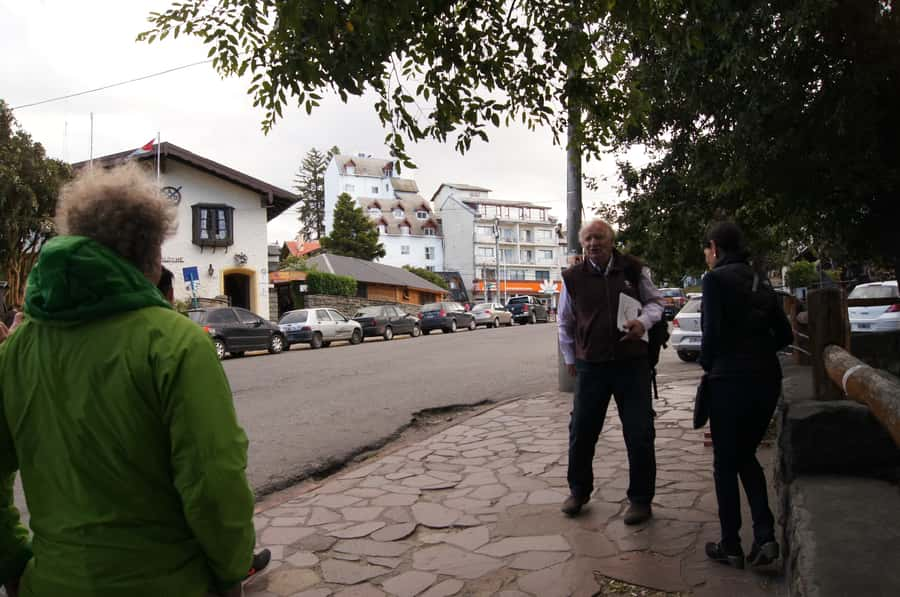
From here, the guide sets the wider scene before taking you toward the German neighborhood. The route is only about 1 kilometer, but the stop-and-walk format gives the tour its pace. You listen at one location, move to the next, and then add another piece to the story.
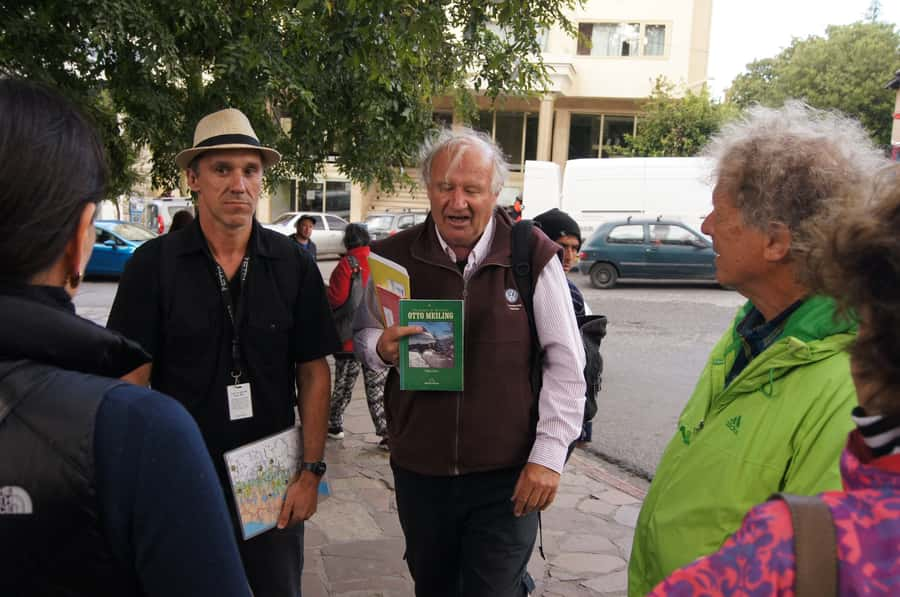
Diego is the guide most often associated with this experience. He speaks English and Spanish well and is comfortable handling questions in both languages. His style relies on storytelling, photographs, and short pauses rather than one long lecture. That helps the information stick.
If your group includes both English and Spanish speakers, expect the explanations to be shared across the two languages. That is useful for mixed groups, but it can make the tour feel less spacious than a single-language walk. One practical tip: save your most detailed questions for natural pauses or the end, especially if the group is large.
The Andean Club and the national park connection
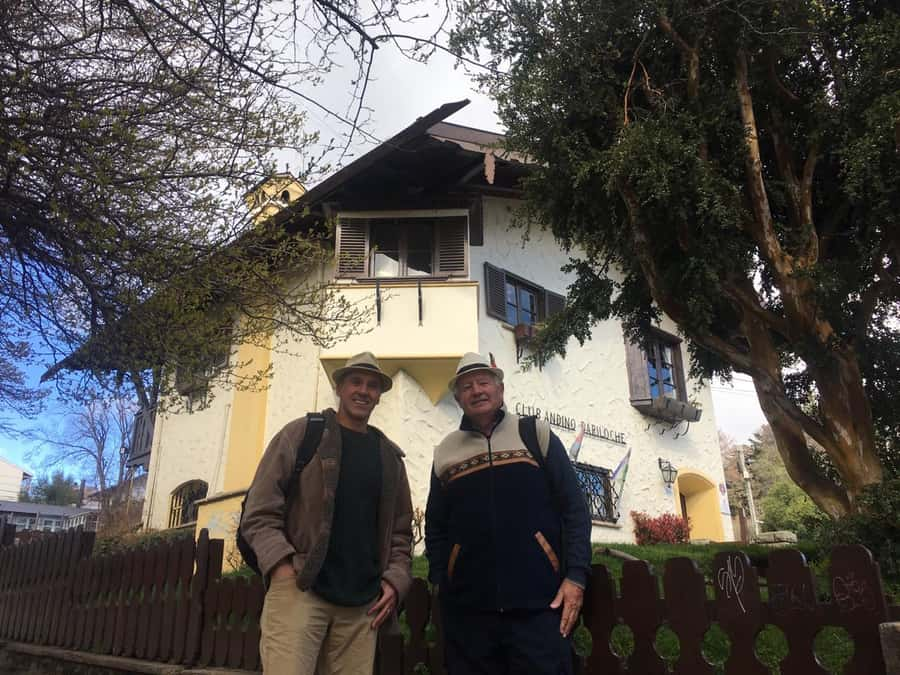
One of the early stops is the Bariloche Andean Club, along with the administration of Nahuel Huapi National Park. These places help explain how Bariloche developed its mountain identity.
The connection is important because German influence here is not only about private homes or immigrant families. It also touches organized outdoor life, mountaineering, and the way the town presented itself as a gateway to the surrounding mountains. The Andean Club gives the story a local, institutional setting.
You will not spend the full 90 minutes at each stop. Instead, the guide uses representative sites to show how different parts of Bariloche fit together. That makes the walk useful for first-time visitors who want a better sense of the city center before heading out on longer excursions.
The route also gives you a break from indoor sightseeing. You see the streets, public buildings, and changing architecture while listening. For me, that makes the history easier to picture than a list of dates would be.
The German School and the Priebke story
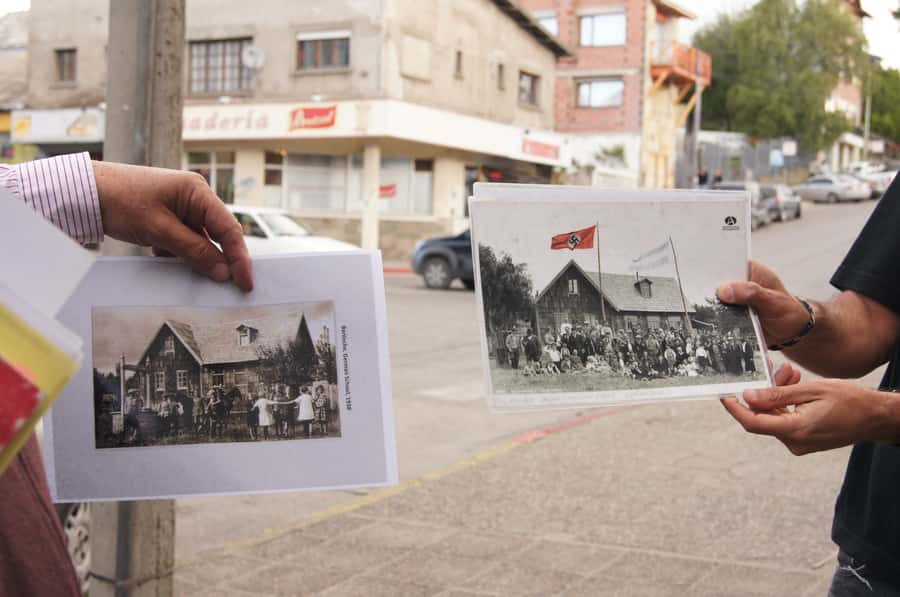
The German School is the tour’s most striking stop. It is tied to the story of Erich Priebke, the former Nazi officer who lived in Bariloche and was later exposed by American journalist Sam Donaldson.
The tour explains how Priebke was intercepted and connects the school with the investigation that brought his presence into public view. It then takes you to the house where he lived before being extradited in 1994.
This part needs a careful tone, and the tour appears designed to provide one. Priebke’s presence is not treated as a shortcut for explaining every German resident in Bariloche. Instead, it is presented as the final and most disturbing chapter in a longer story of immigration.
That distinction is one of the strongest reasons to take the walk. You can learn about Nazi fugitives in Argentina without losing sight of the ordinary German communities that came earlier. The subject is serious, but the guide’s method keeps the narrative organized rather than sensational.
The school and house are also valuable because they turn an abstract historical question into a physical route. You are standing in the places linked to the story, then walking onward to see how that episode fits into the town around it.
More History Tours in the world:
- Prague: Medieval Dinner with Unlimited Drinks
★ 4.4 · 19,847 reviews - Pompeii: Entry Ticket and Guided Tour with an Archaeologist
★ 4.8 · 19,459 reviews - Athens: Acropolis & up to 5 Archaeological Sites Combo Pass
★ 4.2 · 13,904 reviews - Colosseum: Underground and Ancient Rome Tour
★ 4.7 · 12,691 reviews
Belgrano Square and German-influenced buildings
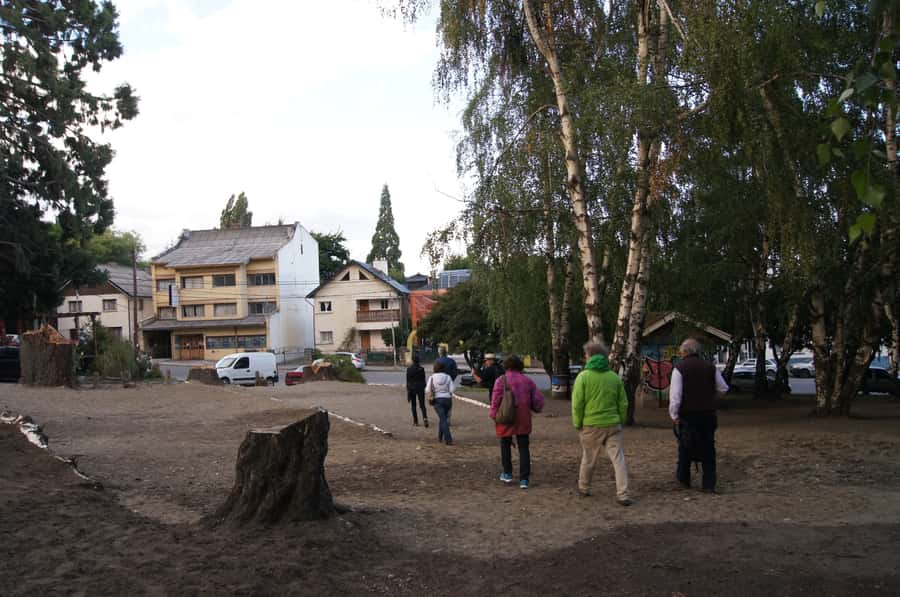
Belgrano Square is another key point on the route. Along the way, you see houses and buildings with German connections or German-inspired features. The architecture is not treated as proof of one political story. Instead, it becomes evidence of how immigrant influence can appear in everyday urban life.
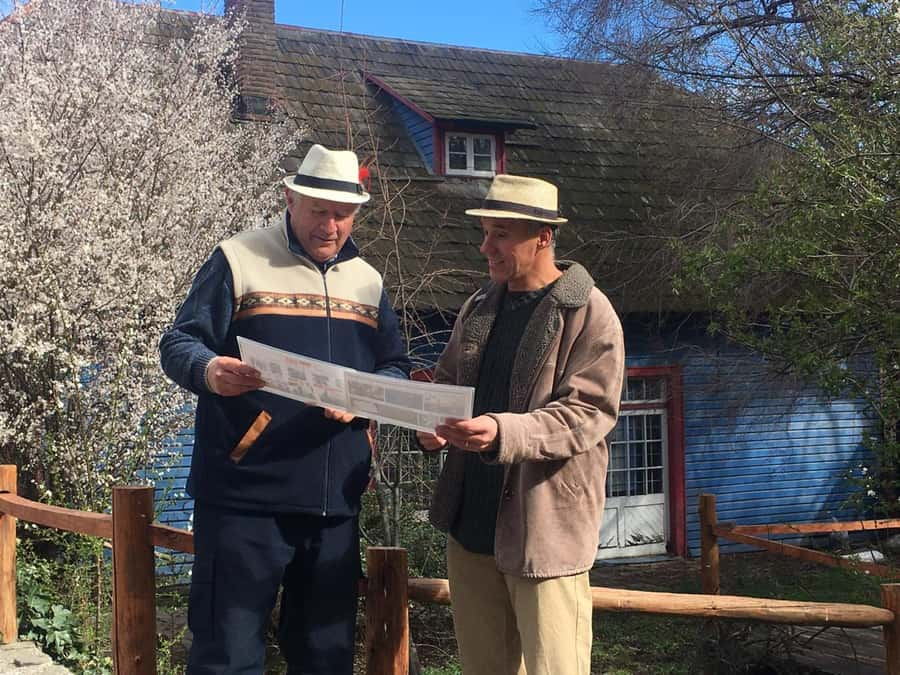
The walk can help you notice details you might otherwise pass without a thought. A building style, a club, or a public space may reflect a different period from the one you first expected. The guide uses older photographs to compare Bariloche then and now, adding a visual layer to the explanations.
This is where the route earns its keep for visitors who have already seen the Civic Center. You are not simply circling the same postcard view. You are moving through nearby streets and learning how Bariloche’s German identity developed beyond its most famous public buildings.
The homes also provide a useful counterweight to the Priebke material. They show that the town’s German connections are broader than the story of one fugitive. You get architecture, migration, local institutions, and political history in the same short walk.
Three waves, not one simple immigrant story
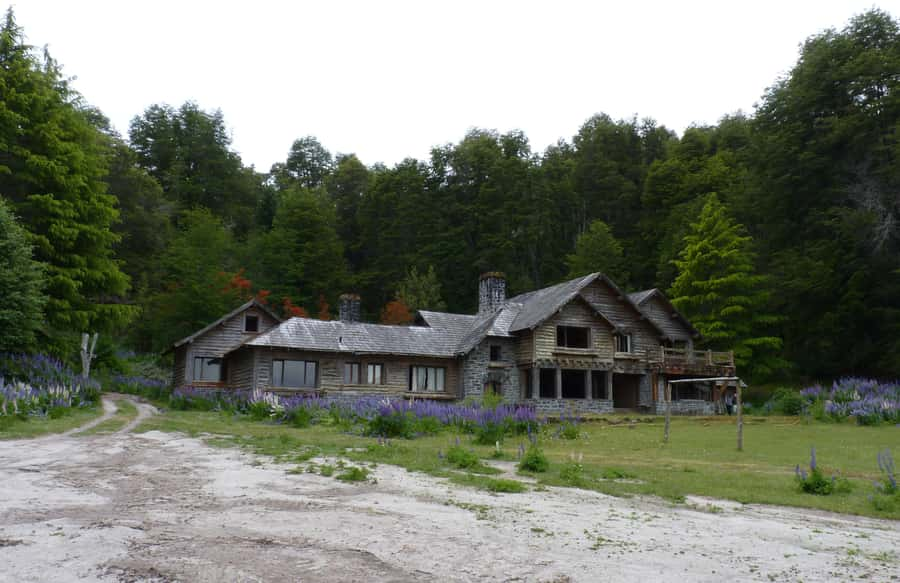
The tour’s main teaching point is the division into three waves of German immigration. The first began in the mid nineteenth century. Later arrivals formed another chapter, while the final wave included Nazi figures who came to Argentina after the Second World War.
The exact value of this framework is not just the number three. It is the separation of motives and circumstances. People arriving as settlers, professionals, families, or members of local institutions should not be placed in the same category as men escaping justice after the war.
You will hear how these different arrivals shaped Bariloche and Argentina. The guide links broad history to local sites, which makes the subject easier to follow than a general talk about German immigration across the whole country.
This is also a good tour for anyone who has heard claims about secret German communities in Patagonia. The closing discussion addresses the theories directly. It gives you a better basis for deciding which stories have evidence behind them and which have grown through legend.
I would not book this expecting a full academic seminar. It is still a public walking tour, and the information arrives in a lively, accessible format. But it offers far more context than a quick architectural stroll.
Diego’s guiding style and group experience
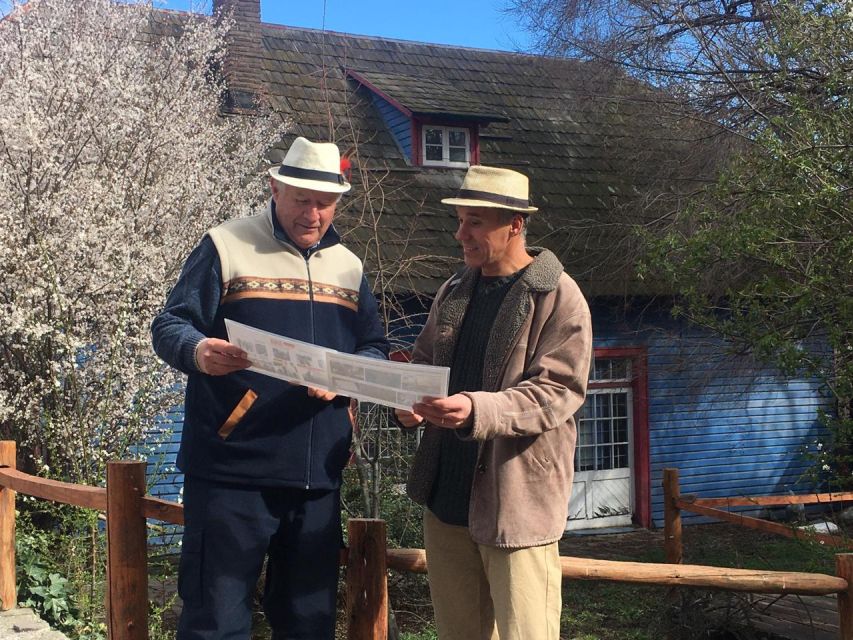
The strongest part of the experience is the guide. Diego is repeatedly praised for fluent English, an easy manner, strong command of the subject, and a talent for keeping the group moving. He uses cliffhangers before the next stop, which gives the route a sense of progression.
That technique works especially well here. The story moves from immigration to institutions, then to the German School and Priebke’s home, before ending with theories about Patagonia. Each stop answers one question while opening another.
He also makes an effort to include the whole group. That matters when the group is larger than usual. A good guide can make a street corner feel like a classroom without turning the walk into a lecture, and Diego’s approach seems suited to that balance.
Still, group size and language mix can affect the experience. A bilingual walk takes longer at each stop, and a large group may make it harder to ask every question. The tour has sometimes run beyond its scheduled 90 minutes, but you should not count on extra time if your next activity begins soon.
One supplied comment names Pedro rather than Diego, but Diego is the guide associated with most of the recent feedback. The practical lesson is simple: the quality of the experience depends heavily on the guide assigned that day, though the format itself is clear.
Is $41 fair for 90 minutes?
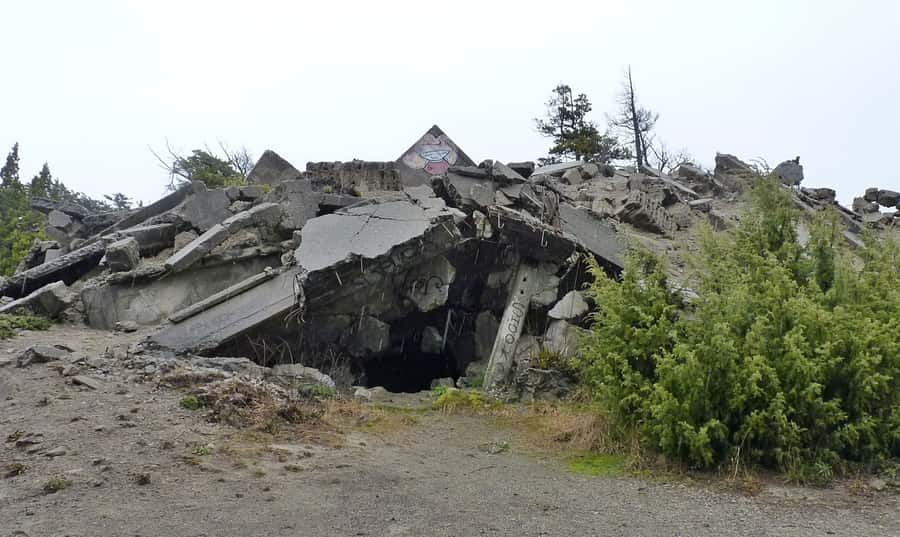
At $41 per person, this is not the cheapest way to see Bariloche. You are paying for a focused historical walk, not transportation, food, museum entry, or a full-day excursion.
The value comes from access to a connected story and a guide who can explain the context at each stop. If you are curious about immigration, Nazi escape routes, local architecture, or the myths surrounding Patagonia, the price is easier to justify. You are also getting a route that combines the Civic Center with less obvious streets and sites.
If you only want general sightseeing, the cost may feel high. You can walk around the Civic Center on your own, and the route is short. The tour makes sense when you want interpretation rather than distance.
I would place it in the category of a worthwhile specialist walk. It is particularly good early in your Bariloche visit, when the information can sharpen your understanding of the town for the rest of your stay. It also works well between outdoor activities, when you want something thoughtful but not physically demanding.
Who should take this walk?
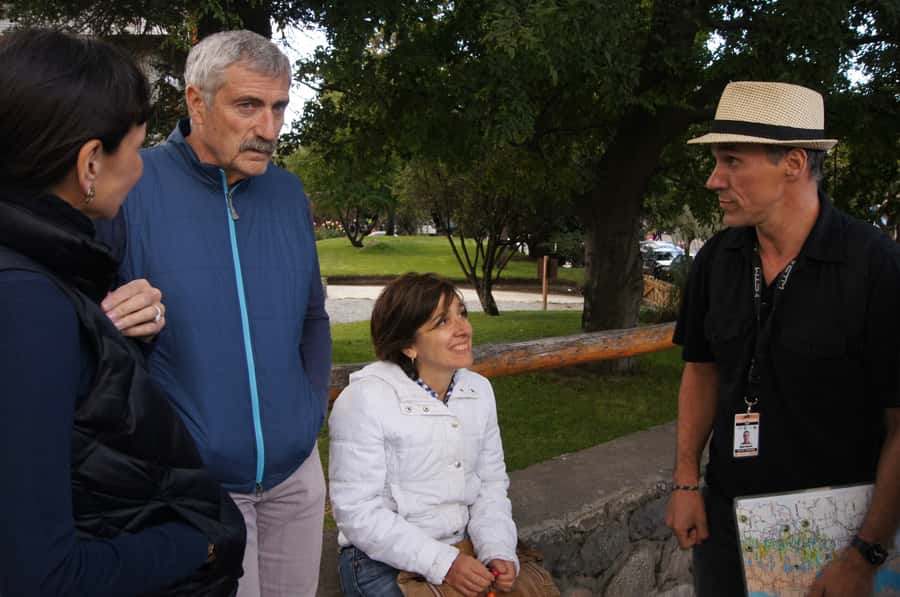
I recommend it most strongly if you enjoy local history, architecture, twentieth-century politics, or stories that challenge a familiar image of a place. It is also a good choice if you have already heard about Nazi fugitives in Argentina and want a more careful explanation of Bariloche’s role.
The tour suits English and Spanish speakers. Diego’s English is described as fluent, and the bilingual format allows both language groups to take part. It may be less suitable if you need a completely private, single-language experience with long question periods.
The 1-kilometer distance is modest, but do not assume the walk is flat. One section is mostly uphill. Wear comfortable shoes and allow enough time to stop, listen, and move between sites.
Families with older children may find the subject engaging, but the Nazi material is serious. The tour is best for anyone ready to discuss difficult history without expecting a light sightseeing stroll.
You should also take it if you like seeing how a city’s identity is built. The walk is not only about German people in Bariloche. It is about how migration, clubs, schools, architecture, journalism, and rumor can shape the way a town is understood.
Booking details that matter
The meeting point is the door of the tourist information office in Bariloche’s Civic Center square. The experience lasts 90 minutes and includes the guide and walking tour.
Spanish and English are offered. You can cancel up to 24 hours before the start for a full refund, and the reserve now, pay later option lets you keep your plans flexible. Check the available start times when booking, since the schedule is not fixed in the information provided here.
Bring shoes suited to an uphill city walk. If you want to ask detailed questions, arrive ready at the meeting point and listen for pauses during the route. The tour has been praised for answering questions, but a bilingual format can reduce the time available for extended discussion.
Should you book the German Immigration and History Walking Tour?
Book it if you want Bariloche explained through its complicated German past, not just its alpine appearance. The combination of three immigration waves, the German School, Priebke’s former home, local institutions, and the final discussion of myth gives the walk a clear purpose.
Skip it if you are looking for sweeping mountain views, food stops, or a long city tour. At $41, it is best value for people who care about the subject and want a guide to connect places with events.
For most history-minded visitors, I would book it early in a Bariloche stay. Diego’s storytelling, the compact route, and the careful separation of ordinary immigration from Nazi escape history make this a useful introduction to a side of the city that is easy to miss.
FAQ
How long does the German Immigration and History Walking Tour last?
The tour lasts 90 minutes.
How far do you walk?
The route covers about 1 kilometer through Bariloche, from the Civic Center toward the German neighborhood.
Where does the tour meet?
You meet in Bariloche Civic Center square, by the door of the tourist information office.
Which languages are available?
The tour is offered in Spanish and English.
Who guides the tour?
Diego is the guide most often associated with the experience. The information also includes one review naming Pedro, so the assigned guide may vary.
What places does the tour visit?
The route includes the Civic Center, the Bariloche Andean Club, Nahuel Huapi National Park administration, the German School, Belgrano Square, German-influenced houses, and the home where Erich Priebke lived.
Does the tour discuss Erich Priebke?
Yes. It explains the connection between Priebke, the German School, American journalist Sam Donaldson, his home in Bariloche, and his extradition in 1994.
What is included in the price?
The price includes the guide and the walking tour.
Can I cancel or pay later?
You can cancel up to 24 hours in advance for a full refund. The reserve now, pay later option allows you to book without paying at the time of reservation.
Just added around the world
- Scenic Train ride to historical cities of Morretes and Antonina★ 4.0 · 188 reviews
- 6-Day Cultural Tour to Machu Picchu★ 5.0 · 76 reviews
- Jewish Heritage of Curacao★ 4.5 · 68 reviews
- The Curacao’s Colorful History Walking Tour★ 5.0 · 55 reviews
- Discover Scuba Diving Amathounta’s Ancient Port★ 5.0 · 30 reviews
- Olous – Guided Snorkelling Excursion to Discover Olous Sunken Ancient City★ 4.5 · 31 reviews
- Night Walking Tour of Medieval Cuenca★ 5.0 · 64 reviews
- WWII – The Battle of Crete Day Tour★ 5.0 · 103 reviews