
Review · HISTORY TOURS
History and Culture in my Belgrade
Belgrade’s story is not tidy, and that is exactly what makes this three-hour walking tour worthwhile. You move from an Orthodox church and medieval relics to the scarred RTS buildings, Ottoman-era streets, student squares, and a riverside viewpoint. Marija connects old Serbia with the country’s more recent, harder chapters.
I like the small-group format, advertised for no more than six people, and the stop for homemade Serbian foods and drinks. I also like that the route gives you both famous sights and less polished corners, including graffiti-covered Dorcol and the old kafana called Znak Pitanja. The main consideration is pace: you cover a lot of ground in half a day, and the tour is more about context and atmosphere than long visits inside monuments.
Key points before you book
- A compact route with real range: You go from St. Mark Orthodox Church to the 1999 bombing site, Ottoman Belgrade, and a Sava River viewpoint.
- Marija makes difficult subjects accessible: Her approach links Serbia’s past with modern life, economics, customs, and youth culture.
- The tasting stop is part of the experience: Try rakija, wine, natural juices, jam, slatko, and honey in a small local shop.
- The group is intended to be intimate: The tour highlights a maximum of six people, although the booking information also gives a maximum activity capacity of 15.
- You finish in Kosančićev Venac: The tour ends in one of Belgrade’s oldest areas, not back at the starting church.
- The route is best for first-time visitors: Three start times make it easy to fit into a short stay, and the guide offers suggestions for the rest of your Serbian trip.
Why this Belgrade walk works so well
I see this as a good orientation tour rather than a single grand monument visit. In roughly three hours, you get a working introduction to religion, politics, war, food, architecture, youth culture, and neighborhood life.
That mix matters in Belgrade. The city can feel confusing at first because its layers are close together but not always easy to read. A grand government building may sit near a damaged structure. A quiet Orthodox church may be followed by a discussion of NATO bombing. A traditional restaurant can be a few minutes from a modern design district.
Marija’s role is important here. The strongest praise of her guiding focuses on her ability to explain difficult subjects in simple terms and connect past events with present-day life. That is useful in Serbia, where a short walk can raise questions about Yugoslavia, the 1990s, Ottoman rule, religion, and current social customs.
The tour is offered in English, with three start times. It costs $90.11 per person, which is not a bargain for a three-hour walk, but the value improves if you want a personal introduction rather than a quick list of sights. The local tasting, small group, and guide’s advice for the rest of your visit help justify the price.
More Local Culture and Traditions Tours in the world:
- Amsterdam Food and Cultural Tour with Tastings
★ 5.0 · 4,315 reviews - Sevilla Food Tour: Tapas, Wine, History & Traditions
★ 5.0 · 3,468 reviews - Tromsø: Reindeer Camp and Sami Cultural Tour with Lunch
★ 4.7 · 3,326 reviews
Starting beneath the dome of St. Mark Orthodox Church
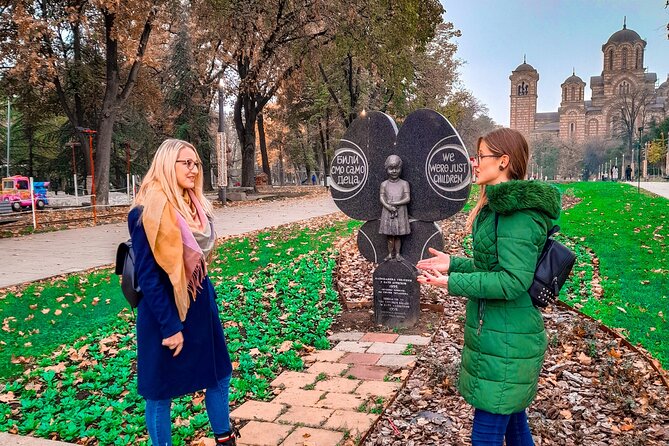
Meet Marija in front of St. Mark Orthodox Church on Bulevar kralja Aleksandra. This is one of Belgrade’s most important Orthodox churches and the second largest in the city, so it gives the tour a suitably grand opening.
You go inside with the guide, where Marija explains customs and practices in Serbian Orthodox culture. This is more useful than simply stepping in, taking a photograph, and leaving. You learn how the church fits into Serbian life and why religion remains an important part of the country’s identity.
The church also provides a link to medieval Serbia. You see the remains of one of the country’s great medieval rulers and hear about major events in Serbian history. The scheduled visit lasts about 20 minutes, so expect an introduction rather than a full art-history lecture.
The church is also a quiet pause before the tour turns toward modern political trauma. If you prefer a slower visit inside religious buildings, you may wish to return on your own later.
The RTS ruins and Serbia’s difficult recent past
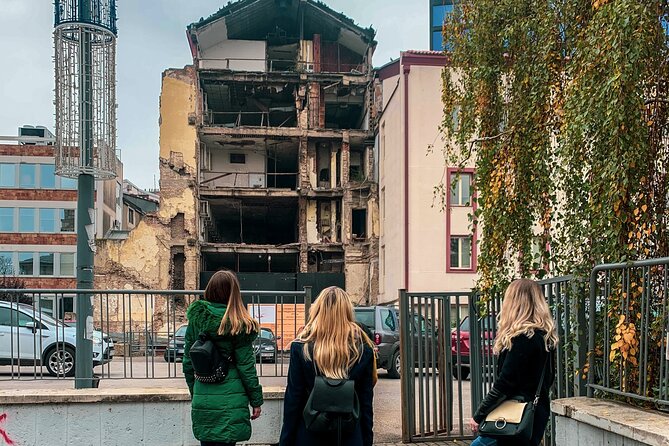
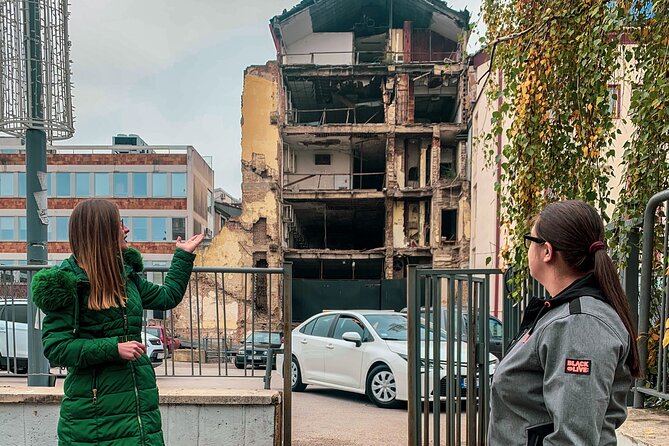
The next stop is the Radio Television of Serbia complex. Here, you see buildings damaged during the 1999 bombing and hear about the tragic events connected with the 1990s.
This is one of the most serious parts of the walk. It is not presented as a polished sightseeing stop. The damaged structures force you to confront the physical marks left by recent conflict, while the discussion places them within the larger story of Yugoslavia, Serbia’s economy, and contemporary life.
Allow yourself to listen rather than rush through this section. The visit lasts about 20 minutes, and its value comes from explanation. Belgrade’s recent past can be politically charged and emotionally difficult, so a guide who can discuss it plainly is especially useful.
I appreciate that the route does not pretend the city’s story is only medieval churches and handsome squares. This stop gives the rest of the walk more meaning.
Tasmajdan Park and the Assembly district
Tasmajdan Park offers a change of mood. After the RTS site, you get a short walk through a green public space known for a calm atmosphere, mysteries, and underground passages.
The stop lasts around 15 minutes. Do not expect a long park visit or a full exploration of the underground areas. Instead, use it as a breather and a chance to see how Belgrade residents use central outdoor spaces.
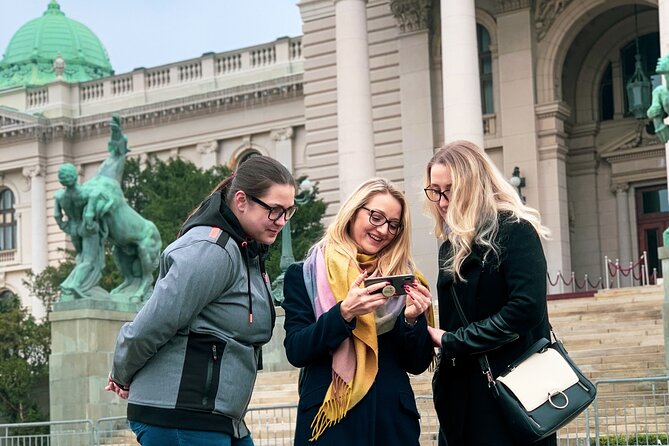
From there, the route reaches the House of the National Assembly of the Republic of Serbia. The building is monumental, but the talk is not limited to its architecture. Marija explains its role in major political protests and why it became associated with Serbia’s own version of Game of Thrones, a phrase pointing to political struggle and changing power.
The stop at the Assembly lasts about 10 minutes. It is brief, but the location helps you understand how public buildings become symbols during political change.
More History Tours in the world:
- Prague: Medieval Dinner with Unlimited Drinks
★ 4.4 · 19,847 reviews - Pompeii: Entry Ticket and Guided Tour with an Archaeologist
★ 4.8 · 19,459 reviews - History and Hauntings of Salem Guided Walking Tour
★ 5.0 · 14,564 reviews - Athens: Acropolis & up to 5 Archaeological Sites Combo Pass
★ 4.2 · 13,904 reviews
Nikola Pasic Square and Belgrade’s public life
At Nikola Pasic Square, you see one of the city’s newer squares and its attractive fountain. The guide also discusses unusual contemporary customs associated with young people in Belgrade.
This is a small but useful detail. It moves the tour away from official history and toward the habits of people who live in the city now. You get a glimpse of how public places become meeting points and how local customs can be playful, surprising, or difficult to explain without local help.
The walk also passes the only hotel in Serbia listed among historic hotels worldwide. The stop is brief, but it adds another architectural and social layer to the route.
Serbian flavors in Cumicevo sokace
The tasting stop in Cumicevo sokace is where the tour becomes especially personal. This small local store sits in Belgrade’s design district and focuses on traditional Serbian products.
You try domestic rakija, wine, natural juices, jam, slatko, and honey. You also hear about older customs, Serbian hospitality, and the local way of saying cheers. The tasting is not just a snack break. It gives you something concrete to remember and helps explain how food and drink fit into Serbian social life.
Rakija can be strong, so pace yourself, especially if your tour takes place early in the day. The presence of natural juices also makes the stop easier for anyone who does not want alcohol.
I like this part because it supports small local production and gives you a chance to ask practical questions about Serbian flavors. If you find something you enjoy, the shop may also help you identify products worth seeking later in your trip. The stop lasts about 30 minutes, making it the longest single pause on the route.
Republic Square and the main pedestrian zone
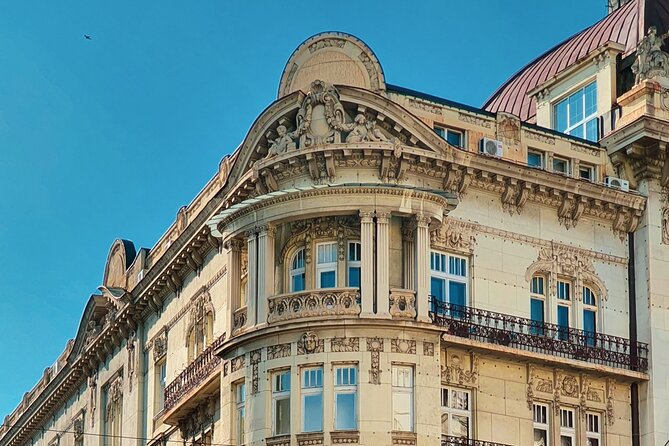
Republic Square brings you into the center of Belgrade’s daily activity. It is one of the city’s best-known public spaces, and you have about 10 minutes to take in the setting.
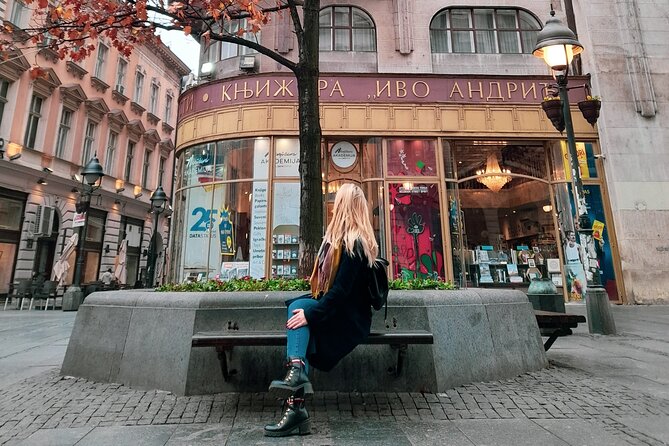
The route then crosses the main pedestrian zone, known for street musicians, cafes, and a lively street scene. This section helps you read Belgrade as a present-day city rather than only as a place shaped by old conflicts and empires.
There is not a separate long stop here, so keep your eyes open while walking. The best use of this part of the tour is to note cafes and streets you may want to revisit later. Marija can also give you practical suggestions for the rest of your stay, which is one of the tour’s most useful features.
Students’ Square and the University of Belgrade
At the University of Belgrade, the walk pauses around Students’ Square and its park. The discussion turns to education in Serbia.
This stop adds a social angle that many sightseeing walks skip. Universities shape a city’s rhythm, especially around public squares and parks. You get a sense of how young people, schools, and central public spaces fit into Belgrade’s urban life.
The scheduled time is about 10 minutes. It is enough for context and orientation, not an academic tour of the university buildings.
Dorcol’s graffiti and Ottoman traces
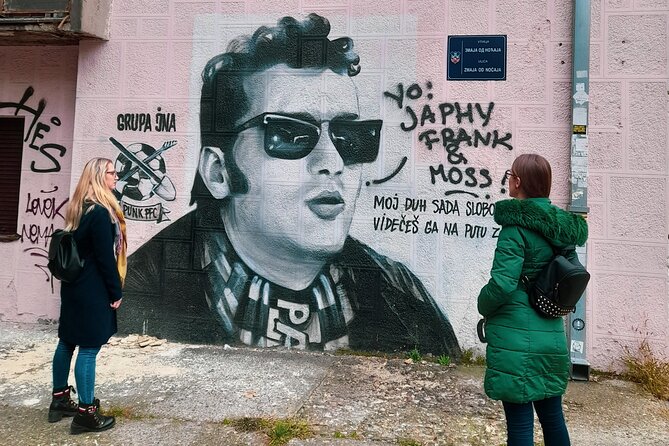
Dorcol is one of the most interesting sections for people who want to see a neighborhood rather than only monuments. You walk through streets marked by distinctive graffiti while hearing stories from the area’s past.
The contrast is the point. Old urban fabric and current street art share the same space. The neighborhood shows how Belgrade continues to change without erasing every visible layer of its past.
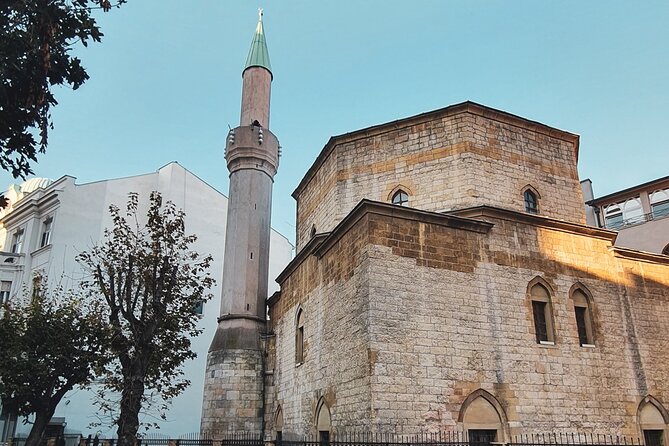
From Dorcol, the route reaches Bajrakli Mosque, also called Bayraklee Mosque. It is the only preserved mosque in Belgrade from the 273 that once existed in the city. The guide explains nearly five centuries of Ottoman influence in Serbia.
That figure gives you a sense of how long Ottoman rule shaped the region. The mosque is a reminder that Serbian history is not only Orthodox and Slavic. The 15-minute stop helps place Belgrade within the wider cultural and political world of the Balkans.
Znak Pitanja and the old kafana tradition
Znak Pitanja, or Question Mark, is known as the oldest kafana in Belgrade. A kafana is a traditional restaurant and social meeting place, so the building offers a window into everyday culture as well as architecture.
You get about 10 minutes here. The stop is short, but it works well after the mosque because both places help explain how Belgrade’s identity formed through different religious and cultural influences.
If you return later, remember that the tour’s focus is the building and its tradition, not a full restaurant meal. You should not treat this walking stop as a replacement for a dedicated food tour.
Kosancicev Venac and the final Sava River view
The final section leads through Kosancicev Venac, one of Belgrade’s oldest areas. Cobblestoned streets, cultural landmarks, and an Orthodox church give the neighborhood a distinct old-city feel.
The route ends at a viewpoint where you can see New Belgrade, the Sava River, and traditional Serbian splavs. These floating river venues are a familiar part of Belgrade’s social scene.
This is a strong finish because it brings several themes together: older neighborhoods, modern development across the river, changing cultural influences, and the city’s relationship with its waterways. You do not simply end beside a random street. You finish with a broad view that helps you understand Belgrade’s shape.
The official endpoint is Kosančićev venac 22, not St. Mark Church. Plan your next activity from the old town side of the center.
Group size, walking, and timing
The experience highlights a maximum of six people, which should make it easier to ask questions and stay close to Marija. The additional booking information gives a maximum activity capacity of 15, so confirm the expected group size if that detail matters to you.
The tour lasts about three hours and includes many short stops. Most travelers can participate, and the route is near public transportation. Still, you should expect steady walking through central Belgrade, including cobblestones in Kosančićev Venac.
Three start times make it easier to fit the walk around a train arrival, a museum visit, or an evening meal. Since the tour is often reserved about 40 days ahead, booking early makes sense if you are visiting on fixed dates.
Free cancellation is available up to 24 hours before the local start time. A cancellation inside that window is not refunded, and last-minute changes are not accepted.
Who will get the most from this tour
I would choose this experience if you are new to Belgrade and want a strong first orientation. It suits you if you enjoy hearing how places connect to politics, religion, and daily life rather than simply checking off landmarks.
It is also a good match if you have limited time. The route covers central Belgrade in less than half a day and gives you ideas for where to return independently.
You may want something else if you prefer long museum visits, a relaxed cafe walk, or a tour focused only on architecture. The number of stops means individual locations receive limited time. The 1990s section may also feel heavy, but avoiding that subject would give you an incomplete view of the city.
At $90.11, the tour makes the most sense for solo visitors and couples who value a personal guide, local tasting, and practical suggestions. It is less compelling if you only want a low-cost route between major sights, since many of the stops are free and can be visited independently.
Should you book History and Culture in my Belgrade?
Book it if you want Belgrade explained through contrasts: Orthodox and Ottoman, medieval and modern, damaged and rebuilt, official history and everyday customs. Marija’s clear, warm style is a major part of the experience, especially when the subject turns to Serbia’s difficult recent past.
The best reason to go is the combination of places that are easy to miss on your own, such as the RTS ruins, Dorcol’s graffiti, the small tasting shop, and the final view from Kosančićev Venac. Just remember that this is a brisk walking introduction, not a slow architectural study. If that sounds right for your first day in Belgrade, it is a sensible way to get your bearings and decide what deserves a second look.
FAQ
Where does the tour start?
It starts in front of St. Mark Orthodox Church at Bulevar kralja Aleksandra 17 in Belgrade, Serbia.
Where does the tour finish?
The tour ends at Kosančićev venac 22, Belgrade 11000, near the viewpoint over New Belgrade and the Sava River.
How long does the experience last?
The tour lasts approximately three hours.
What language is the tour offered in?
The experience is offered in English.
How many people can join the tour?
The tour highlights a maximum group size of six people. The additional activity information gives a maximum capacity of 15 travelers, so you should confirm the expected group size when booking.
What food and drinks are included at the tasting stop?
The tasting includes domestic rakija, wine, natural juices, jam, slatko, and honey, along with information about Serbian customs and hospitality.
Are admission tickets included?
The listed stops have no admission charge. The tour includes visits to places such as St. Mark Orthodox Church, Tasmajdan Park, and Bajrakli Mosque as part of the walking route.
Can I cancel for a full refund?
Yes. You can cancel at least 24 hours before the experience’s local start time for a full refund. Cancellations or changes made less than 24 hours before the start time are not accepted for a refund.
Just added around the world
- Scenic Train ride to historical cities of Morretes and Antonina★ 4.0 · 188 reviews
- 6-Day Cultural Tour to Machu Picchu★ 5.0 · 76 reviews
- Jewish Heritage of Curacao★ 4.5 · 68 reviews
- The Curacao’s Colorful History Walking Tour★ 5.0 · 55 reviews
- Discover Scuba Diving Amathounta’s Ancient Port★ 5.0 · 30 reviews
- Olous – Guided Snorkelling Excursion to Discover Olous Sunken Ancient City★ 4.5 · 31 reviews
- Night Walking Tour of Medieval Cuenca★ 5.0 · 64 reviews
- WWII – The Battle of Crete Day Tour★ 5.0 · 103 reviews