
Review · COLOMBIA
Historical Shared Tour Salsa, Graffiti & Resistance in Cali
Cali’s salsa story is told best on foot, where music, murals, and public life meet. This three-hour walk links the city’s famous salsa spaces with street art and the idea of cultural resistance, showing you how dance, instruments, and painting can give a community a public voice. Guides such as Cristian have added dance steps and simple musical activities to the historical commentary.
I like the route for two reasons: it gives you a useful first look at central Cali, and it points you toward salsa bars you could visit later. The visits to Calle del Sabor, Calle de la Escopeta, and Cimarrón Salsa Bar also bring more character than a standard monument walk. The main drawback is that this is a Spanish-language group tour, with up to 30 people, so the pace and personal attention may vary.
Key points to know before booking
- Ten city stops in about three hours: Each listed stop receives roughly 18 minutes, making this a brisk walking route rather than a long visit at any one site.
- Salsa is treated as culture, not just nightlife: You learn about important composers, dancers, popular culture, and the role of music in Cali.
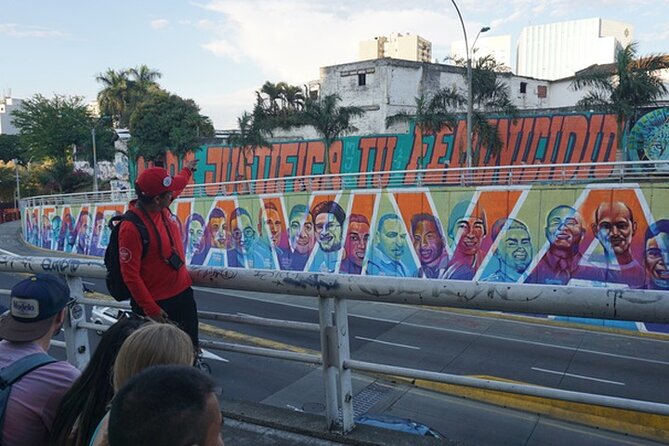
- Street art carries the social message: Murals at several stops connect creativity with community identity and unarmed resistance.
- The guides add participation: Cristian has taught basic dance steps, used instruments, and explained the city’s salsa traditions in an easygoing way.
- The tour ends at Cimarrón Salsa Bar: You finish where you can continue with music and dancing, though drinks, meals, and souvenirs are extra.
- The $14 price buys context and orientation: Direct booking with Beyond Colombia may use a free walking tour and tip model, so compare the booking options before paying.
Why this walk is a useful introduction to Cali
Many visitors arrive in Cali knowing only that it is Colombia’s salsa capital. This tour gives that reputation some substance. Instead of treating salsa as a show placed in front of you, the route connects it with musicians, public squares, street art, city development, and local pride.
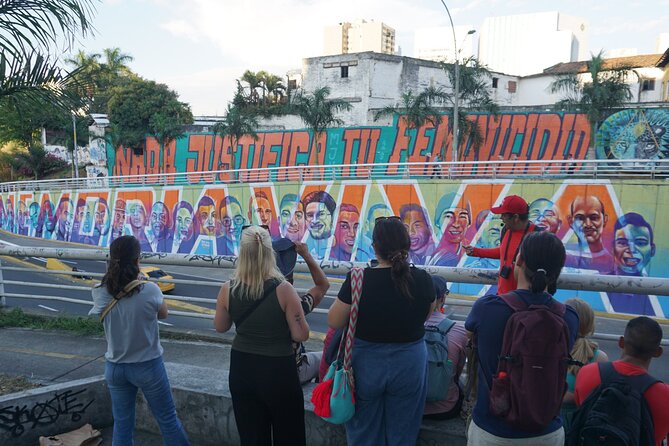
The theme of resistance adds another layer. The guide explains how music, dance, and art can serve as nonviolent forms of expression and community strength. That makes the murals easier to read. You are not simply looking for colorful walls. You are learning to ask who created them, what they celebrate, and why public art matters in Cali.
The tour is also practical for a first day in the city. You pass several central landmarks, get recommendations for salsa bars, and finish near a venue where you can keep listening to music. If you have only a short stay, this is a handy way to find your bearings without spending much.
The group size can reach 30 people, so do not expect a private conversation at every stop. A guide with strong energy can keep a large group engaged, but you may need to stay close and speak up if you want to ask detailed questions.
More WWII and D-Day Tours in Colombia:
- Amsterdam: Life of Anne Frank and World War II Walking Tour
★ 4.8 · 10,467 reviews - Berlin: Third Reich & Cold War Guided Walking Tour
★ 4.9 · 8,378 reviews - Normandy D-Day Sites & Cemetery Day Trip from Paris with Lunch
★ 5.0 · 6,877 reviews
Starting with Jairo Varela and Cali’s salsa identity
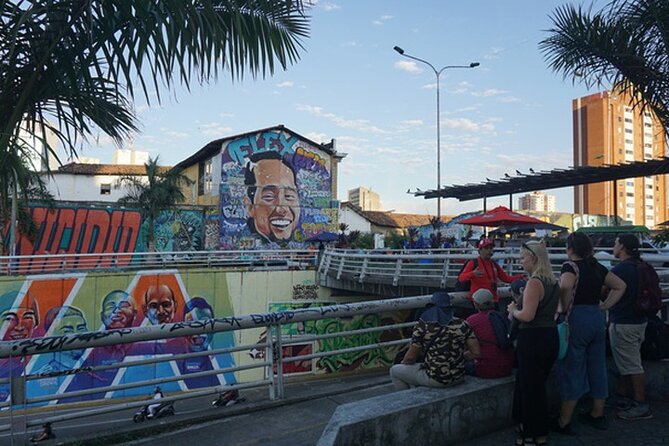
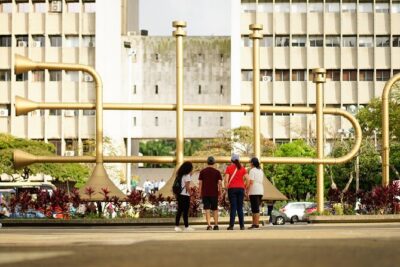
The walk begins at Plazoleta Jairo Varela, also called Plazoleta de la Caleñidad. This is an apt starting point because Jairo Varela was one of Cali’s major salsa composers, and the square is surrounded by murals honoring his life and work.
You begin with the sound and personality of Cali’s salsa tradition rather than with a dry list of dates. The guide sets up the basic story of the city’s music, explaining why salsa became such an important part of local identity. This opening should help you recognize the difference between salsa as a global dance style and salsa as a daily part of Caleño life.
Admission is free, and the square gives the group room to gather. Since the scheduled visit lasts about 18 minutes, expect an introduction and explanation rather than a long look at every mural.
From there, the route continues to Parque de las Piedras. Fountains, sculptures, and open spaces make it a natural meeting point for people who enjoy salsa and live music. The murals here also reflect Cali’s cultural mix.
This stop broadens the story. Salsa is not presented as belonging to one building, one performer, or one neighborhood. It appears in public places where people meet, listen, dance, and spend time together.
Fine Arts, the Boulevard, and a changing city center
The Departmental Institute of Fine Arts brings the route into a more formal cultural setting. The center presents painting, sculpture, and photography, allowing the guide to connect gallery art with the music and street art you have already seen.
That connection is useful. Cali’s creative life is not limited to salsa clubs or painted walls. The stop gives you a short look at the local art scene and shows how different forms of expression can share the same city.
The timing is again brief, so the tour is not designed as a full gallery visit. If you enjoy art museums, you may want to return later rather than expect a detailed examination during the walk.
At La Curva del Boulevard, the mood shifts toward nightlife and food. The area is known for dining options, and murals decorate the building fronts. The tour description encourages you to enjoy a typical dish here, but food is not included in the $14 price.
This is one place where you should carry some Colombian pesos or another accepted payment method for anything you want to eat or drink. The guide can also help you understand which local dishes may be worth trying, but the listed price covers the walking experience only.
Next comes Edificio Boulevard del Río Emcali, a modern building linked with Cali’s urban development. The viewpoint offers a view toward the city and the Cali River, giving you a pause from the close-up mural work.
I like this change of scale. After several stops focused on people, music, and painted walls, you get a broader view of the built city. The stop also helps explain that Cali is not frozen in its cultural past. It continues to change, and the modern architecture forms part of that story.
Calle del Sabor, where salsa becomes a daily habit
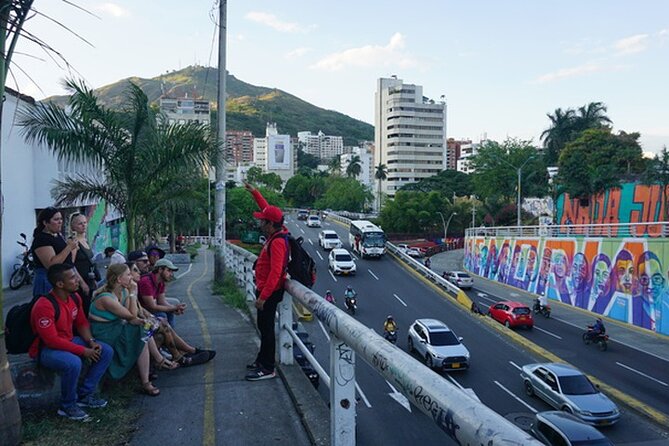
Calle del Sabor is the route’s clearest expression of salsa culture. Bars, restaurants, and themed shops line the street, with murals showing musicians, dancers, and elements of popular Caleño culture.
This is not just a place to take a photograph. It is where the tour explains how salsa fits into eating, nightlife, socializing, and local business. You can look at the painted scenes, listen for music, and picture how the street changes after dark.
The tour ends later at Cimarrón Salsa Bar, but Calle del Sabor gives you a better sense of what to look for if you decide to return on your own. The guide provides suggestions for salsa venues, including places described as cult favorites. Those recommendations may be one of the most useful parts of the afternoon, especially if you are new to Cali and do not know which bars suit your interests.
The route then reaches Beneficencia del Valle del Cauca, a historic colonial-style building that now houses cultural spaces. Exhibitions, music presentations, and other events support the city’s cultural life.
The contrast with Boulevard del Río is helpful. One stop points to newer urban development, while this building links present-day cultural activity with older architecture. Again, allow for a short visit. The tour gives you an introduction, not enough time to attend a full event or study every exhibit.
More History Tours in Colombia:
- Cartagena: Historic Center and Getsemaní Shared Walking Tour
★ 4.9 · 2,716 reviews - Shared Tour Cali’s Historical Downtown
★ 4.8 · 143 reviews - Shared Tour of Bogota’s Historic Downtown (La Candelaria)
★ 4.7 · 100 reviews - Medellin Historic Walking Tour
★ 4.9 · 86 reviews
Street art on Calle de la Escopeta and Túnel Mundialista
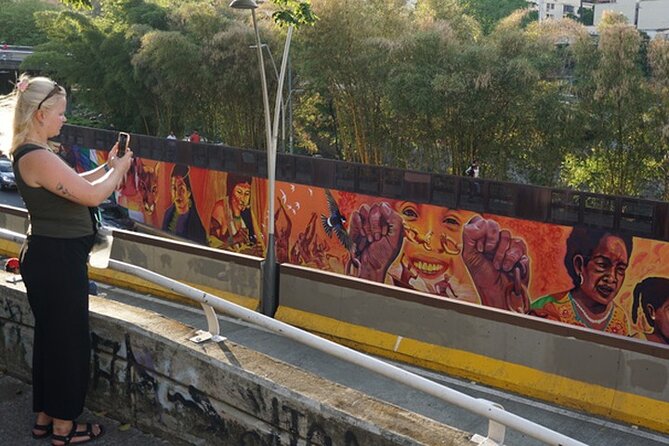
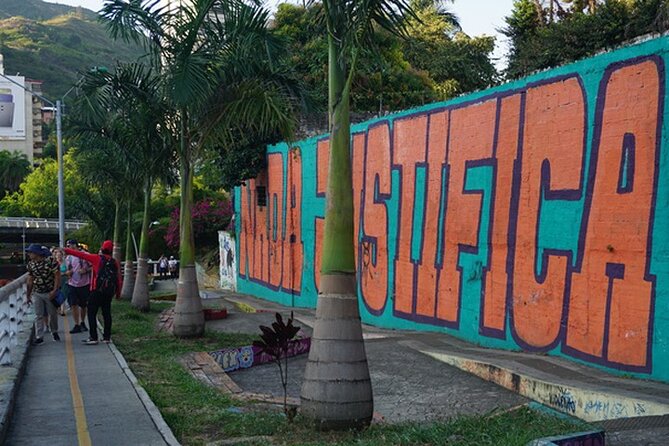
Calle de la Escopeta is one of the strongest stops for anyone booking this walk mainly for graffiti. The facades are covered with colorful murals, and the street functions as an open-air display of local artistic talent.
Here, the guide’s social commentary matters. The tour frames street art as a way to express creativity, identity, and resistance. That context keeps the stop from becoming a quick mural checklist. You learn why public walls can matter to people who do not always have access to formal cultural spaces.
The art is also likely to change over time. Murals may be repainted, added to, or replaced, so the exact visual experience will not remain fixed. That is part of the nature of street art, but it also means photographs from another date may not match what you see.
Túnel Mundialista shifts the focus to football and local culture. Its murals celebrate the sport and decorate the passage with scenes connected to Cali’s identity.
This stop adds variety to the route. The tour is not only about salsa, and the tunnel shows how public art can honor another major source of local feeling. You walk through a space that is practical as well as decorative, with the artwork turning an ordinary passage into a place people notice.
The route’s repeated 18-minute stops keep things moving, but they can also feel quick. If you want to photograph every mural or ask about individual artists, you may need to choose a few favorites rather than document everything.
Finishing at Cimarrón Salsa Bar
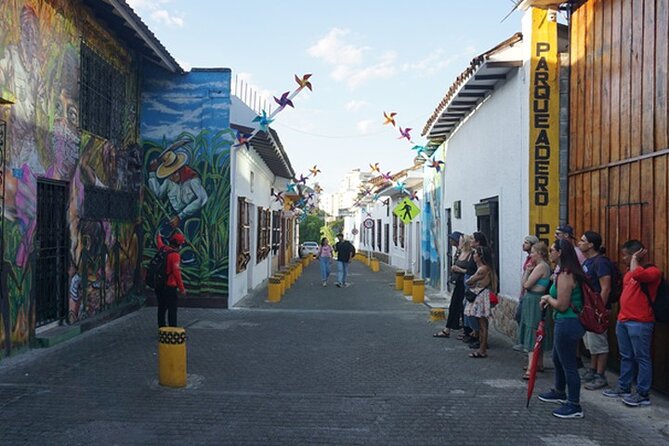
The final stop is Cimarrón Salsa Bar in the Normandía Sebastian de Belalcázar area. It is described as an emblematic place for dancing, with live music and dance performances.
Ending here makes sense. The walk has explained salsa, shown you where it appears in public art, and offered recommendations for nightlife. At Cimarrón, the subject becomes something you can experience through sound and movement.
Do not assume that the tour price includes a drink, meal, show, or dancing lesson at the bar. Food, drinks, and souvenirs are specifically excluded. The practical approach is to treat the finish as an introduction to a venue, then decide how long you want to stay and what you want to order.
If you are shy about dancing, you can still benefit from the stop. Guides such as Cristian have included basic dance steps during the walk, which can make salsa feel less intimidating. The point is not to turn you into an expert in one afternoon. It is to give you enough rhythm and confidence to enjoy the music rather than watch from the edge of the room.
What the guides add to the walk
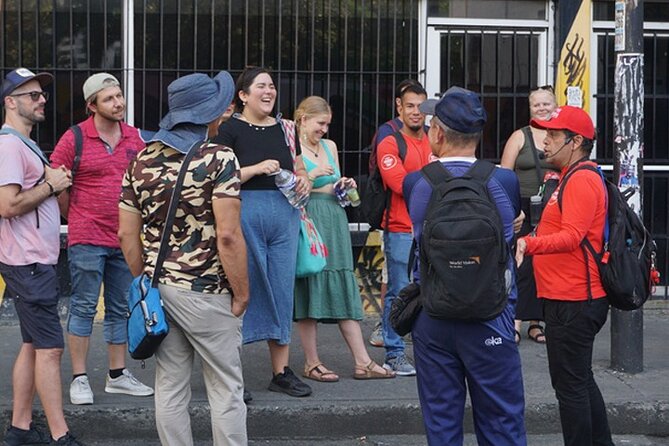
The guide can make or break a history walk, and the strongest accounts here point to warm, energetic leaders. Cristian has been praised for explaining Cali’s history and salsa traditions clearly, while also using instruments and teaching simple steps. Juliana has also led the route and helped make the experience accessible and enjoyable.
The official service includes a certified Spanish-speaking guide with specific knowledge of Cali salsa and the popular cultural revolution. If you do not speak Spanish, confirm the language you need before booking, since the supplied details identify Spanish as the guide language.
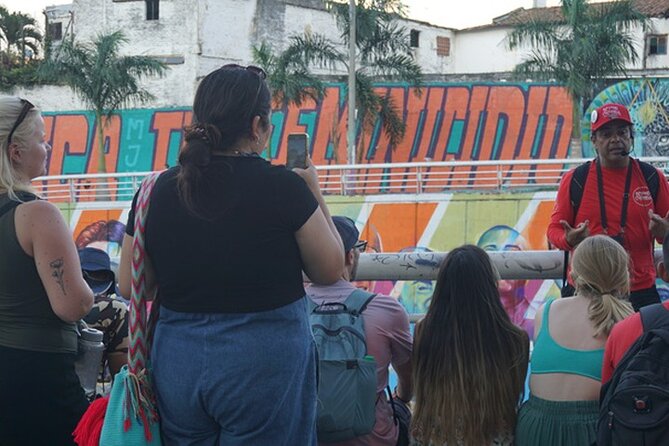
The best approach is to join ready to participate a little. You might clap, handle an instrument, try a basic step, or respond to a question. This is not a silent audio tour. A guide who has good energy can turn a short stop into a memorable one, especially when talking about resistance and community identity.
Still, a group of up to 30 can affect the experience. You may not get much one-to-one time, and it is worth staying near the guide at busy points. Comfortable walking shoes and water are sensible, though no special equipment is required.
Is $14 good value for three hours?
At $14 per person, the price is modest for a three-hour guided walk with ten stops and a clear cultural theme. You are paying for local explanation, route planning, salsa orientation, street-art context, and nightlife recommendations rather than admission tickets. Every listed stop is free to enter.
The value is strongest if you are new to Cali. You receive a useful map of the city’s salsa spaces and several ideas for what to do after the tour. The stop at the food and nightlife areas can also help you decide where to return later.
One point deserves attention before you book. A direct booking option with Beyond Colombia may operate as a free walking tour supported by tips, while the $14 price applies through the booking channel described here. Compare the choices and decide whether the fixed fee is worth the convenience of reserving in advance. If you choose the free model, budget a fair tip for the guide.
The tour is booked an average of 15 days ahead, so advance planning is sensible if your schedule is tight. Confirmation is provided at booking. Free cancellation is available up to 24 hours before the start time, but late cancellations and late changes are not accepted.
The tour needs good weather and a minimum number of participants. If poor weather or low enrollment cancels it, you can receive a different date or a full refund.
Who should choose this Cali walking tour?
I would recommend it to first-time visitors who want more than a nightclub lesson. It suits you if you like public art, local history, music, photography, and a little guided participation. It is also a good first activity if you want practical suggestions for salsa venues later in your stay.
It may be less suitable if you want a slow museum visit, a private guide, or a full meal included. The route covers a lot of ground and gives each stop about 18 minutes. You will see many places, but you will need to return independently for a deeper look.
Most people can participate, and service animals are allowed. The route is near public transportation. As with any group walking tour, tell the guide promptly if you need help keeping up or if you want clarification.
Should you book Salsa, Graffiti and Resistance in Cali?
Book it if you want a lively introduction to how Cali’s salsa, street art, and community expression fit together. The strongest reasons are the social context, the chance to learn a few dance steps, the mural route, and the finish at Cimarrón Salsa Bar.
Skip it if your priority is a long salsa performance, a full food tour, or detailed time inside art institutions. For most first-time visitors, the $14 fee offers a useful orientation, but compare it with the operator’s direct free walking-tour option before paying. Plan for Spanish, a group of as many as 30, and extra money for food and drinks.
FAQ
How long does the Salsa, Graffiti and Resistance tour last?
The tour lasts about three hours. It includes ten listed stops, with approximately 18 minutes assigned to each stop.
Where does the tour begin?
The tour begins at Plazoleta Jairo Varela, also called Plazoleta de la Caleñidad, at Avenida 2 Norte in Granada, Cali.
Where does the tour finish?
The tour ends at Cimarrón Salsa Bar on Calle 4 in the Normandía Sebastian de Belalcázar area of Cali.
Is food or drink included?
No. Food, drinks, and souvenirs are not included in the tour price.
What language is the tour conducted in?
The included guide is certified and Spanish-speaking. The supplied information does not list another guide language.
Can I cancel for a full refund?
Yes, if you cancel at least 24 hours before the experience start time. Cancellations or changes made less than 24 hours in advance are not accepted for a refund.
Just added around Colombia
- Cartagena Instagrammable History★ 4.5 · 29 reviews
- Premium Pirate Beach Adventure, Open sea Rope Swing, Drinks+Lunch★ 5.0 · 64 reviews
- Chiva Private Cultural Tour with Audio Guide in Buga★ 5.0 · 49 reviews
- Cali: Walking tour of the historic center★ 5.0 · 69 reviews
- Historical tour Bogota★ 5.0 · 72 reviews
- Bogota scooter tour★ 5.0 · 46 reviews
- Shared Tour of Bogota’s Historic Downtown (La Candelaria)★ 4.7 · 100 reviews
- Santa Marta A Historical & Street food Experience★ 4.7 · 41 reviews
Colombia History Tours, compared.
Cartagena: Historic Center and Getsemaní Shared Walking Tour
Read our review →
Shared Medellín Downtown Tour with Wireless Audio
Read our review →
Shared Tour of Bogota’s Historic Downtown (La Candelaria)
Read our review →
From Medellín: Private Pablo Escobar History Tour
Read our review →
Browse the lists this tour appears in