
Review · NEW ZEALAND
Blenheim: Omaka Aviation Heritage Centre Admission Ticket
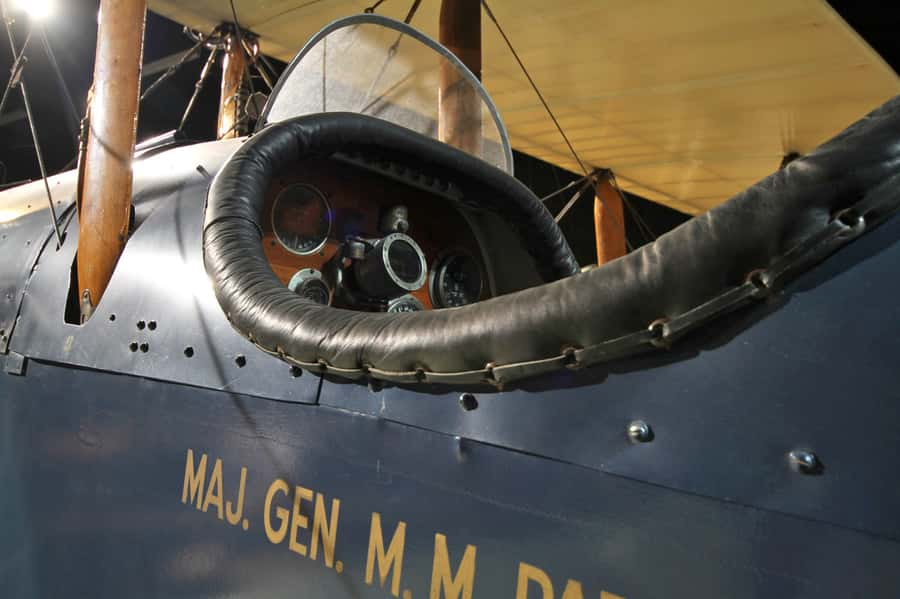
The most striking thing at Omaka Aviation Heritage Centre is the way aircraft and wartime stories share the same stage. You are not simply looking at old machines behind glass. The WWI exhibition uses dramatic sets, mannequins, and rare objects to show what flying meant during the Great War, while the WWII exhibition brings the machines into a wider story of courage and loss.
I like Sir Peter Jackson’s collection of WWI aircraft and artifacts, and I like the chance to see two major WWII aircraft, an original DeHavilland Mosquito and a Griffon-powered Mk.XIVe Spitfire. The main drawback is simple: if you want to see both exhibitions properly, you need to allow a good part of your day, not just a quick stop.
Key points to know before you go
- Two exhibitions cover two different wars: Choose the WWI exhibition, the WWII exhibition, or admission to both.
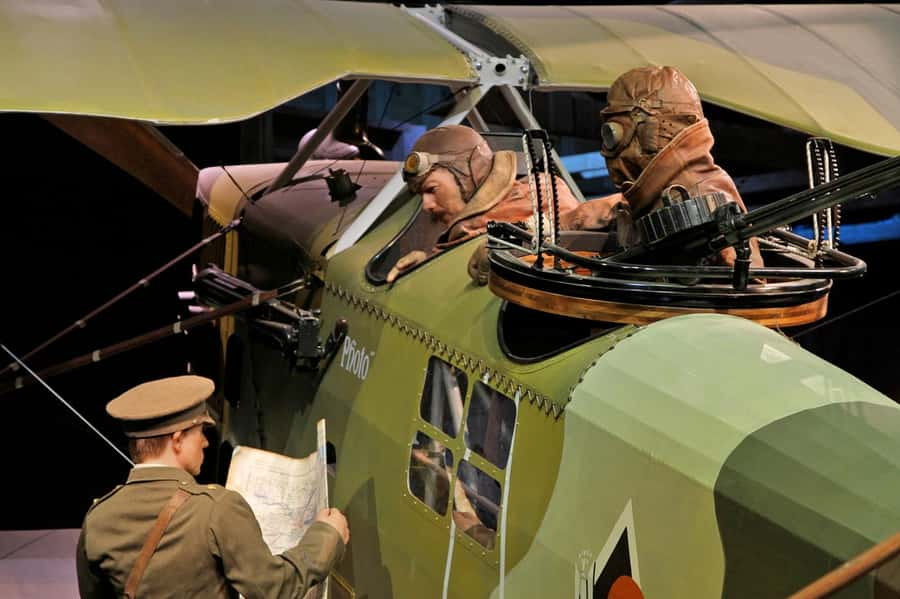
- The WWI displays use film-making skill: WingNut Films created the sets, with mannequins by Wētā Workshop.
- The aircraft are placed in wartime context: You learn what the machines could do and why they mattered.
- The WWII section includes major aircraft: Look for the original DeHavilland Mosquito and Griffon-powered Mk.XIVe Spitfire.
- The ticket is valid for one day: You can take your time rather than rushing through a short timed visit.
- Blenheim access is straightforward: Transportation is not included, and you exchange your voucher at the ticket counter.
Why Omaka is more than an aircraft collection
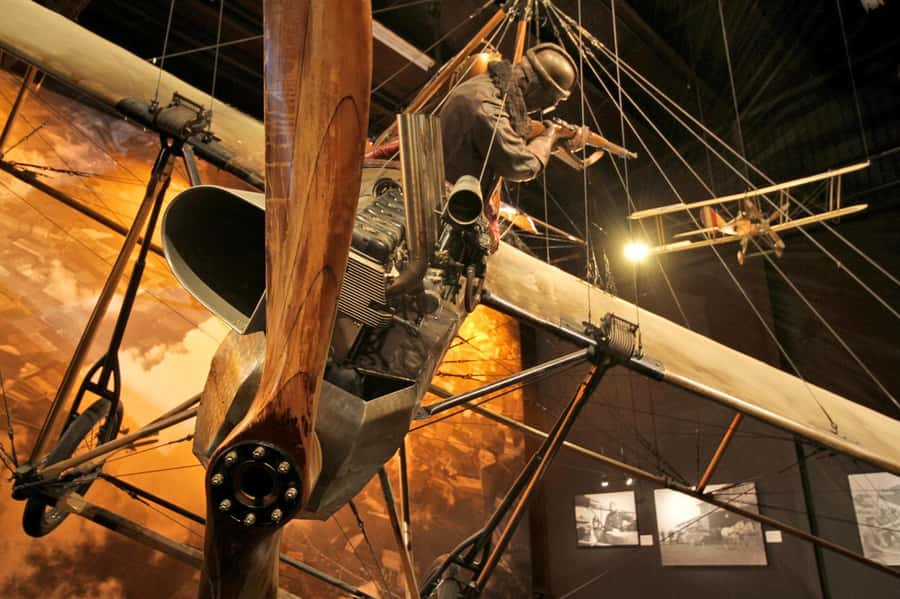
Omaka works because it connects flying machines to human decisions. Aircraft can look impressive on their own, but their meaning becomes clearer when you see the conditions in which men and women flew them, repaired them, and depended on them.
That context is the heart of the centre. You learn about the development of aviation during WWI and WWII, then see how aircraft capabilities affected combat. The displays are designed to answer practical questions: What could this aircraft do? Why was it important? What did its crew face?
I find that approach more useful than a room packed with aircraft names and dates. Even if you are not an aviation expert, you have a way into the subject. The machines become part of stories about courage, danger, invention, and tragedy.
The centre is also a good choice for mixed-interest groups. An aviation enthusiast can study the aircraft and technical details, while someone less interested in engines can focus on the personal stories and wartime memorabilia. That balance helps explain the very strong overall rating of 4.9 from 31 recorded ratings.
More Tickets in the world:
- Pompeii: Entry Ticket and Guided Tour with an Archaeologist
★ 4.8 · 19,459 reviews - Edinburgh: Edinburgh Castle Guided History Tour with Tickets
★ 4.8 · 9,933 reviews - Taormina: Ancient Theater Skip-the-Line Ticket & Audio Guide
★ 4.5 · 2,412 reviews
Starting with Knights of the Sky
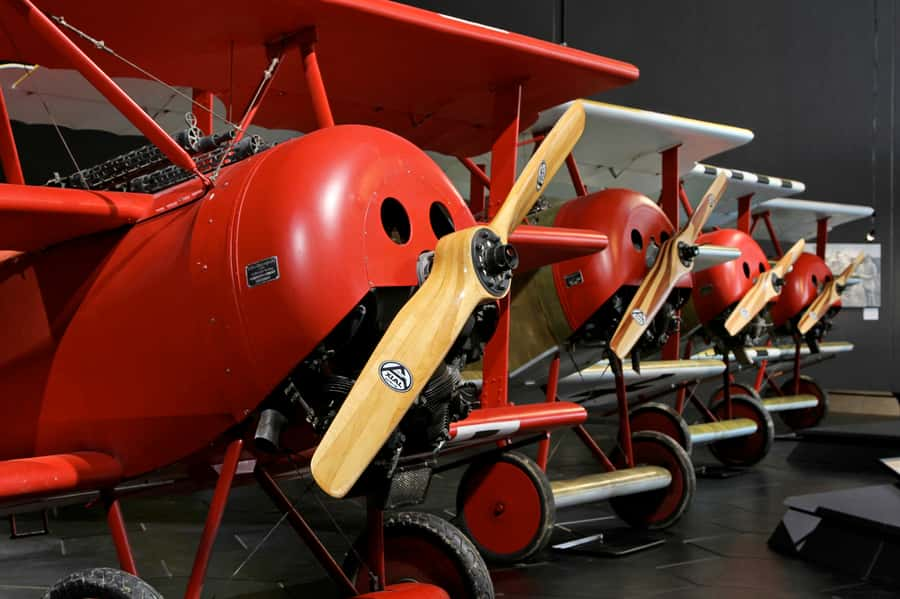
The original WWI exhibition is called Knights of the Sky. This is the section to choose if you want to understand aviation during the Great War, when powered flight was still developing at remarkable speed.
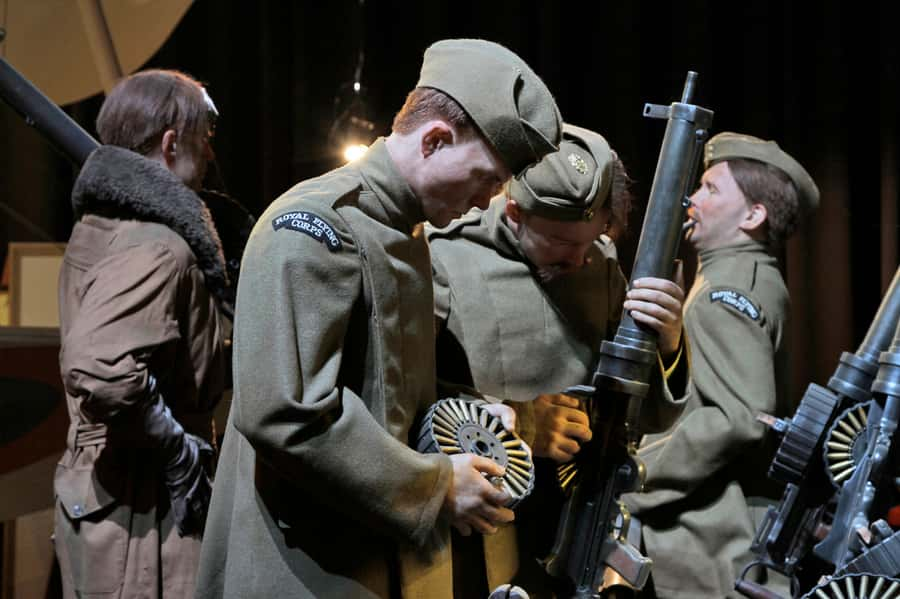
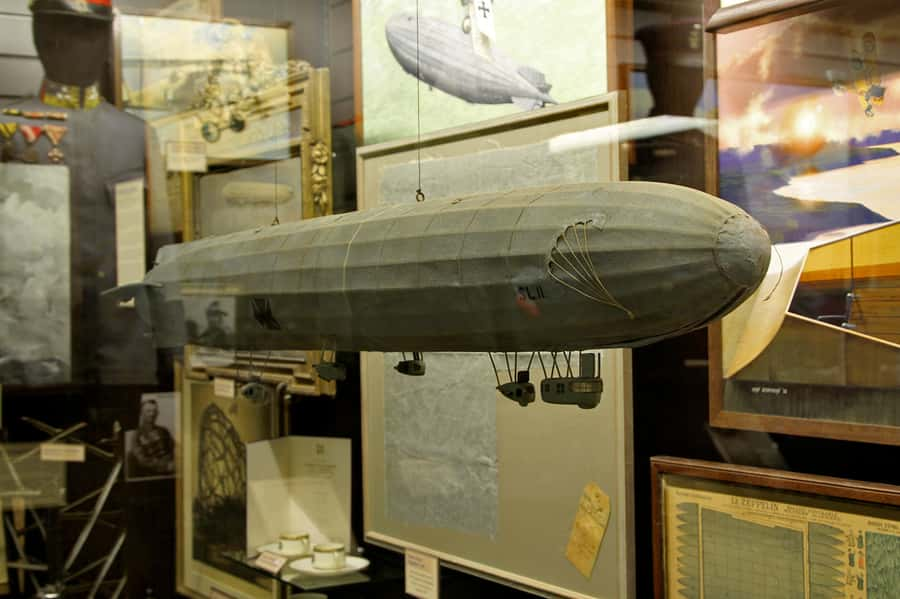
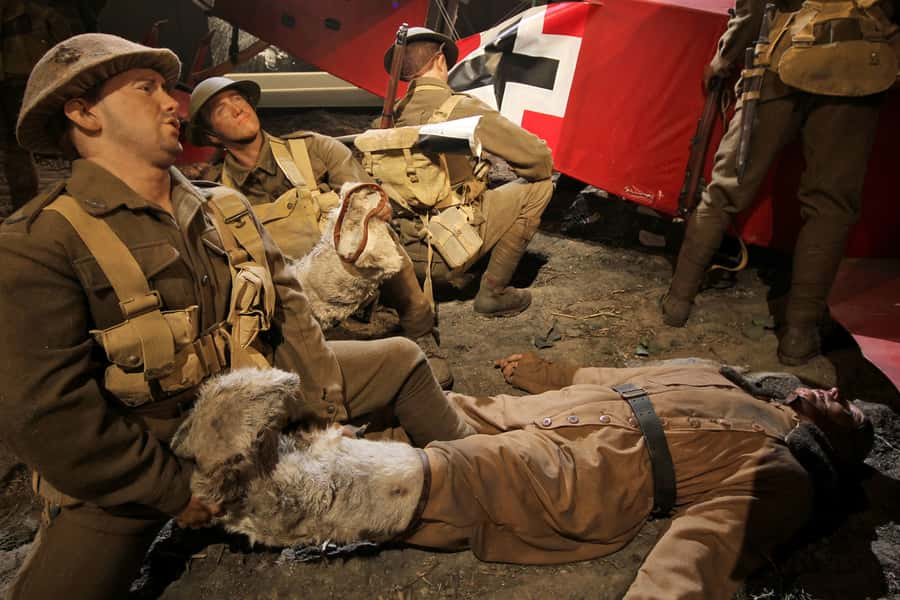
Sir Peter Jackson’s collection supplies the aircraft and artifacts. The exhibition design comes from WingNut Films, with mannequins made by Wētā Workshop. Those names matter because the displays are built with a film-maker’s eye for setting and drama, not just a museum approach based on rows of objects.
You can expect carefully constructed scenes that give the aircraft a sense of place. Instead of seeing a plane as an isolated object, you encounter it as part of a wider wartime situation. The sets and figures help you think about the people around the machine, the work involved in keeping it flying, and the risks faced by those in the air.
The benefit is immediate: aviation history feels easier to grasp. The possible downside is that the presentation is highly theatrical. If you prefer a quiet, strictly technical collection, some of the staging may feel more dramatic than necessary. For most people, though, the visual approach makes the material easier to remember.
The memorabilia adds another layer. Omaka holds rare items that are not commonly found elsewhere, so the visit is not only about the aircraft themselves. Small objects can show how war affected everyday life and how aviation developed within a much larger human story.
What the WWI exhibition explains well
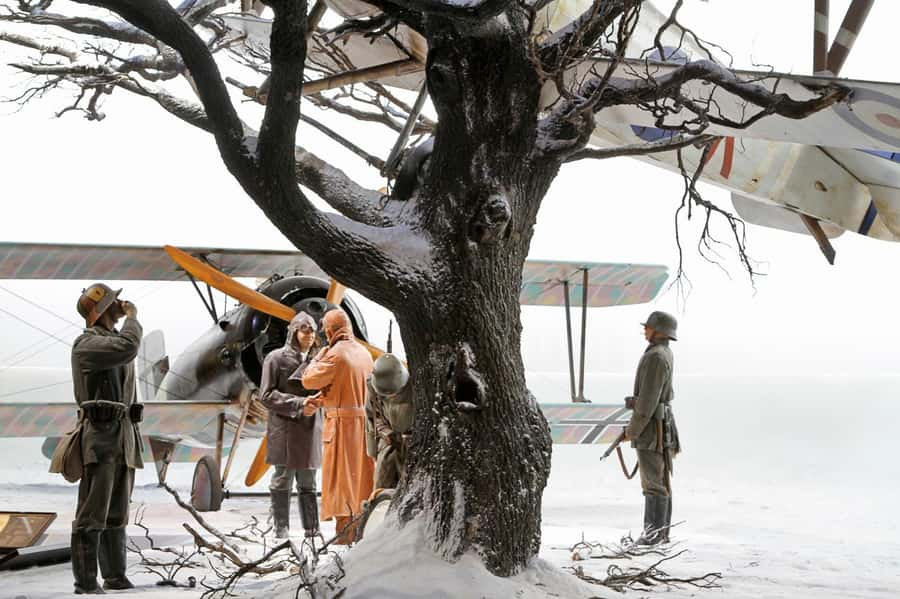
The WWI section is especially useful for showing how quickly aviation changed. Aircraft were not yet the polished, standardized machines familiar from later decades. Their development was tied closely to the changing needs of war.
As you move through the exhibition, pay attention to the relationship between the flying machines and the scenes around them. The sets are not just decoration. They help show how aircraft were used and how their capabilities fit into the wider conflict.
This is also where the centre’s focus on magnificent men and women becomes important. The story is not limited to famous pilots. Aviation depended on a large network of people, and the exhibition gives you a stronger sense of that human effort than a basic aircraft display would.
Allow enough time to read and look closely. The last thing you want is to hurry through the WWI displays because you underestimated how much there is to take in. If your schedule is tight, admission to only this exhibition can still make sense, especially if the Great War is your main interest.
Moving into Dangerous Skies
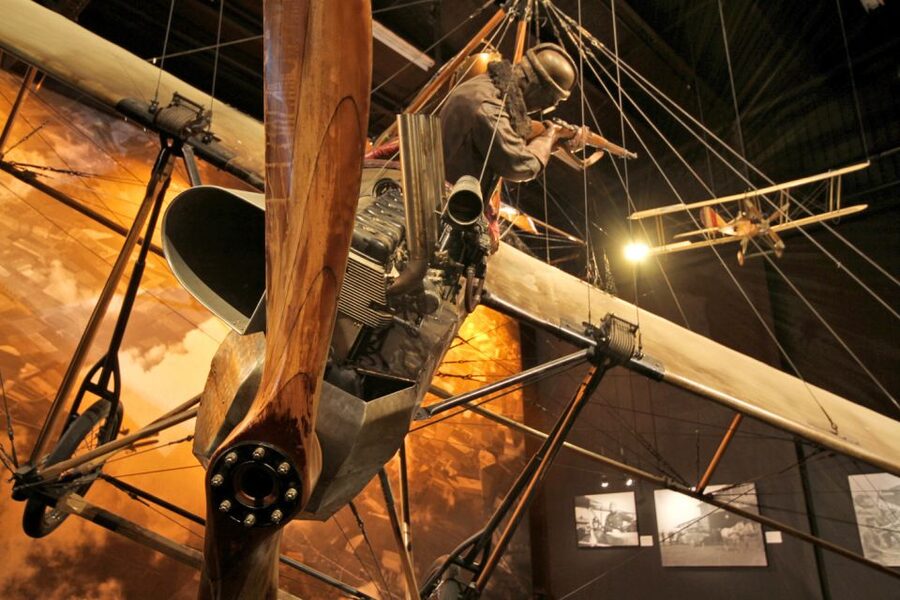
The WWII exhibition is called Dangerous Skies. It takes the story into a later and more developed stage of aviation, but the focus remains on people, machines, and the cost of war.
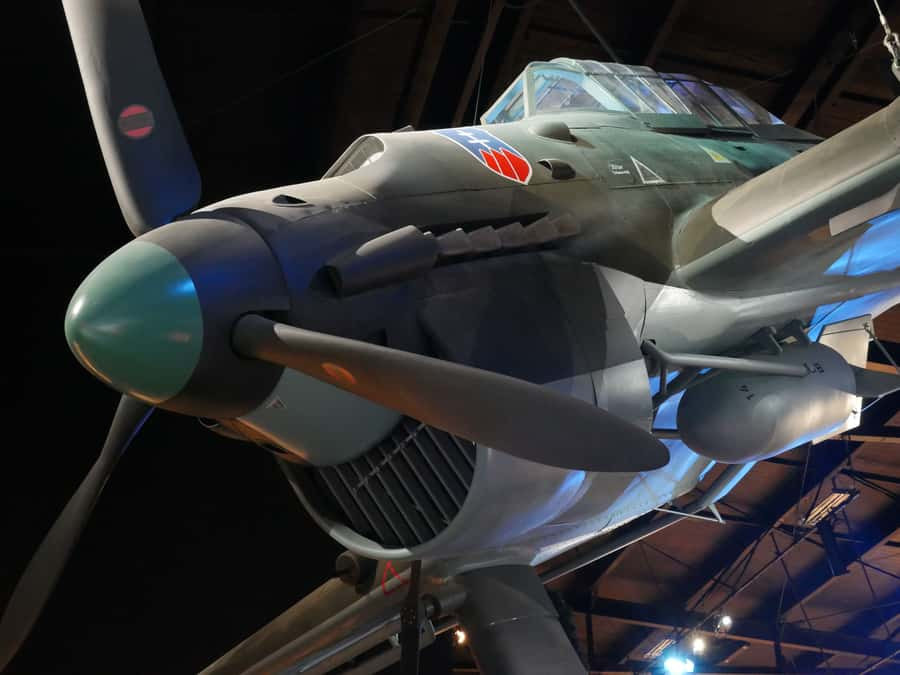
The exhibition covers stories from the British Isles, the forests of Germany, the defence of Russia, and the hot jungles of the Pacific. That range gives you a broad view of the conflict rather than limiting the story to one country or one front.
I like the geographic spread because it reminds you that WWII air war did not happen in one setting. Aircraft and crews faced different climates, different enemies, and different tactical problems. The section helps place each story within its setting, rather than treating all combat flying as the same experience.
The tone includes courage and tragedy. That balance is important. A display about military aircraft can easily become a celebration of speed and power, but Omaka also keeps sight of the human cost. The result is more thoughtful than a simple collection of impressive machines.
More History Tours in the world:
- Prague: Medieval Dinner with Unlimited Drinks
★ 4.4 · 19,847 reviews - History and Hauntings of Salem Guided Walking Tour
★ 5.0 · 14,564 reviews - Athens: Acropolis & up to 5 Archaeological Sites Combo Pass
★ 4.2 · 13,904 reviews - Colosseum: Underground and Ancient Rome Tour
★ 4.7 · 12,691 reviews
The Mosquito and Spitfire
Two aircraft are major attractions in the WWII exhibition: an original DeHavilland Mosquito and a Griffon-powered Mk.XIVe Spitfire.
You do not need to know every version of either aircraft to appreciate why these machines matter. Their presence gives the exhibition a clear focus, and their design helps you connect technical development with wartime demands.
The DeHavilland Mosquito represents the kind of aircraft that invites questions about speed, versatility, and the materials used in its construction. The Mk.XIVe Spitfire brings another famous name into view, with the Griffon engine marking an important stage in the aircraft’s development.
The useful point is not just that these are famous aircraft. Omaka places them within stories from the war, so you can consider their capabilities in context. That is far more satisfying than simply taking a photograph and moving on.
If your main interest is WWII aviation, this exhibition may be enough for your visit. If you have time, combining it with Knights of the Sky gives you a clearer sense of how aviation developed from one world war to the next.
How long should you allow?
The ticket is valid for one day, which gives you needed flexibility. The centre does not force you into a short, tightly timed visit, and that matters because both exhibitions contain aircraft, artifacts, scenes, and stories that deserve attention.
The exact visit length depends on your interest. Someone making a brief stop may choose one exhibition. Someone who wants the full story should plan for both and give the displays enough time to work.
I would not treat Omaka as a quick add-on between unrelated activities. The centre is in the Blenheim area, and the two exhibitions are substantial enough that you should plan around them. If you arrive late in the day, check the opening details carefully because last admission is one hour before closing.
Omaka is open seven days a week from 9 am. The available booking information asks you to check for starting times, so confirm the details for your chosen date before setting out.
Choosing one exhibition or both
You have three practical choices:
- Admission to Knights of the Sky, focused on WWI
- Admission to Dangerous Skies, focused on WWII
- Admission to both exhibitions
Choose the WWI exhibition if you are most interested in early aviation, the Great War, Sir Peter Jackson’s collection, and the film-built sets. Choose the WWII exhibition if the Mosquito, Spitfire, and global air war are your main reasons for visiting.
Choose both if you have the time. The combined visit gives you a stronger sense of change over time, from the early development of military aviation to the more advanced aircraft and wider operations of WWII.
The two exhibitions also offer different moods. The WWI section leans heavily on atmospheric scenes and the drama of early flight. The WWII section broadens the geographical story and places more attention on courage and tragedy across several regions.
Is the $14 admission good value?
At $14 per person, Omaka is a reasonably priced cultural stop, especially if you choose both exhibitions. The value comes from the range of material: aircraft, wartime memorabilia, film-quality sets, mannequins, and stories covering two major conflicts.
The ticket is less compelling if you only have a few minutes and will rush through. A cheap admission price is still poor value when you cannot give the displays proper attention. The one-day validity helps, though, since you can plan a longer visit instead of treating the centre as a brief photo stop.
The strongest value is for anyone with a genuine interest in aircraft, military history, engineering, or the personal stories of wartime service. Families and mixed groups may also find enough variety to keep different interests engaged, though the subject matter includes danger, loss, and war rather than light entertainment.
Practical details for your visit
You exchange your voucher at the ticket counter. Transportation is not included, so you need to arrange your own way to the Omaka Aviation Heritage Centre.
The host or greeter speaks English, and the exhibition information is in English. The centre is wheelchair accessible, which makes it easier for visitors who need step-free access, though you should still confirm any personal requirements before arrival.
You can cancel up to 24 hours in advance for a full refund. The reserve-now, pay-later option also gives you some flexibility if your Blenheim plans are still changing.
The centre opens at 9 am every day. Last admission is one hour before closing, so do not leave the visit until the final part of the afternoon without checking the closing time for your date.
Who will enjoy Omaka most?
I would recommend Omaka first to people who enjoy aviation and want more than a technical display. The centre explains why the aircraft mattered, not just what they looked like.
It also suits anyone interested in the World Wars, especially visitors who prefer personal stories and visual settings alongside historical information. The WWI and WWII exhibitions make it possible to choose your focus without committing to the entire day.
Photographers and aircraft enthusiasts will find plenty to study, but the centre is not only for specialists. The staged scenes provide an easy entry point, and the stories help you understand the machines even if you cannot identify one aircraft from another.
You may want to reconsider if your schedule is very tight, if you have little interest in aviation or wartime history, or if you prefer exhibits without theatrical staging. The centre’s film-style presentation is one of its strengths, but it will not suit every museum preference.
Should you book the Omaka Aviation Heritage Centre?
Book it if you are in Blenheim and want a focused, memorable look at aviation during both World Wars. At $14 per person, it offers good value when you allow enough time for the aircraft, rare memorabilia, and surrounding stories.
If your time is limited, pick the exhibition that matches your interests. Choose Knights of the Sky for WWI aviation and Sir Peter Jackson’s collection. Choose Dangerous Skies for WWII stories, the DeHavilland Mosquito, and the Griffon-powered Mk.XIVe Spitfire.
My practical advice is to visit both if your schedule allows. Omaka is most satisfying when you see the full progression of aviation development, from the uncertain early years of military flight to the powerful and specialized machines of WWII.
FAQ
Where is the Omaka Aviation Heritage Centre?
The centre is in the Blenheim area on New Zealand’s South Island.
What does the admission ticket include?
Depending on the option selected, the ticket includes admission to the WWI exhibition, the WWII exhibition, or both exhibitions.
Can I visit both exhibitions with one ticket?
Yes, you can select an admission option covering both the WWI and WWII exhibitions.
How long is the ticket valid?
The admission ticket is valid for one day.
What are the opening hours?
The centre is open seven days a week from 9 am. Last admission is one hour before closing.
Is transportation included?
No. Transportation to the Omaka Aviation Heritage Centre is not included.
Is the centre wheelchair accessible?
Yes, the Omaka Aviation Heritage Centre is wheelchair accessible.
Just added around the world
- Scenic Train ride to historical cities of Morretes and Antonina★ 4.0 · 188 reviews
- 6-Day Cultural Tour to Machu Picchu★ 5.0 · 76 reviews
- Jewish Heritage of Curacao★ 4.5 · 68 reviews
- The Curacao’s Colorful History Walking Tour★ 5.0 · 55 reviews
- Discover Scuba Diving Amathounta’s Ancient Port★ 5.0 · 30 reviews
- Olous – Guided Snorkelling Excursion to Discover Olous Sunken Ancient City★ 4.5 · 31 reviews
- Night Walking Tour of Medieval Cuenca★ 5.0 · 64 reviews
- WWII – The Battle of Crete Day Tour★ 5.0 · 103 reviews
New Zealand History Tours, compared.

Auckland: All Blacks Experience Guided Cultural Tour
Read our review →
All Blacks Experience: Interactive Guided Cultural Tour
Read our review →

Auckland: Inner-City Glowworm Experience in Ancient Volcano
Read our review →
Skip the Line:WWI & WWII Combo Exhibitions at the Omaka Aviation Heritage Centre
Read our review →

Evening Champagne Cruise on Historic 1935 Motor Yacht.
Read our review →
Skip the Line: Dangerous Skies WWII Exhibition – Omaka Aviation Heritage Centre
Read our review →Browse the lists this tour appears in