
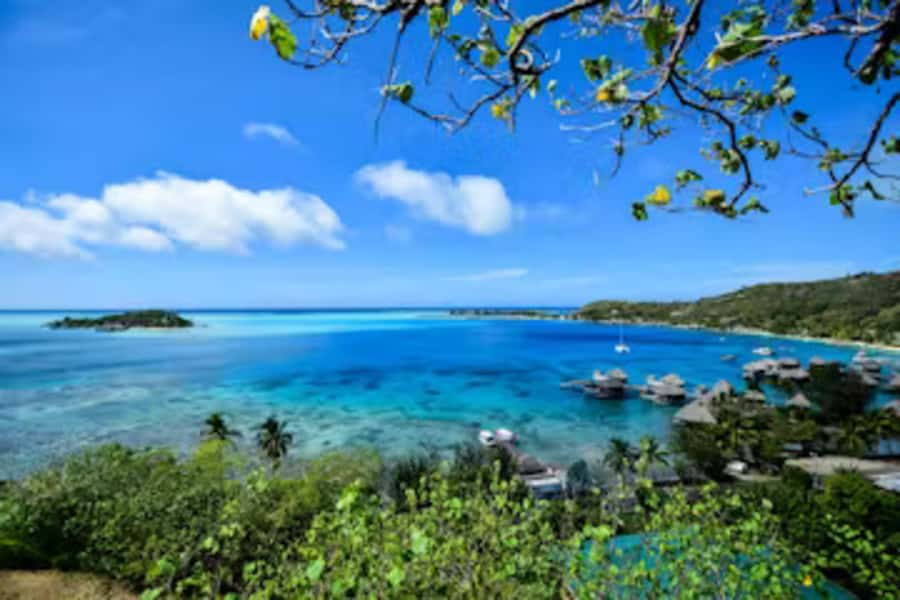
Review · HISTORY TOURS
Bora Bora: 4WD History & Culture Tour
Bora Bora’s lagoon gets the postcards, but this 4×4 history and culture tour takes you onto the island’s rougher side. You’ll reach steep mountain tracks, old American gun positions from 1942, lookout points, and parts of Faanui Valley that are easy to miss from the main road.
I like the mix of wartime history and Polynesian tradition, rather than another outing focused only on pretty water. I also like the family-run pareu workshop, where you can see tie-dye sarongs being made, learn about coconut oil, and taste local fruit. The trade-off is a bumpy ride on narrow, steep roads, and rain can block some views or shorten the sightseeing.
Key points to know before you book
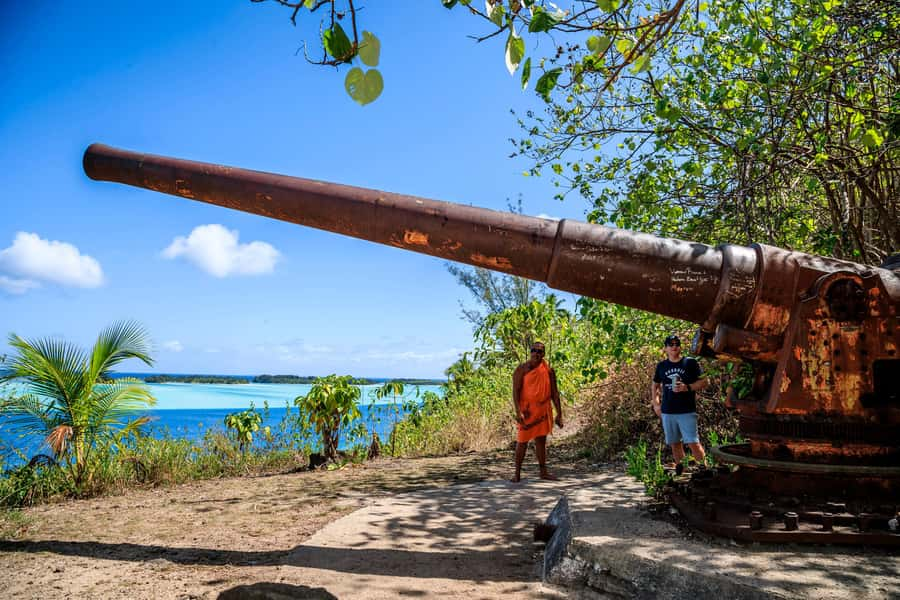
- WWII sites by 4×4: Reach American-built gun positions from 1942, including a short walk where sturdy shoes help.
- Old temples and seafaring legends: Hear about Tahitian society and sacred sites dating to around 1,000 AD.
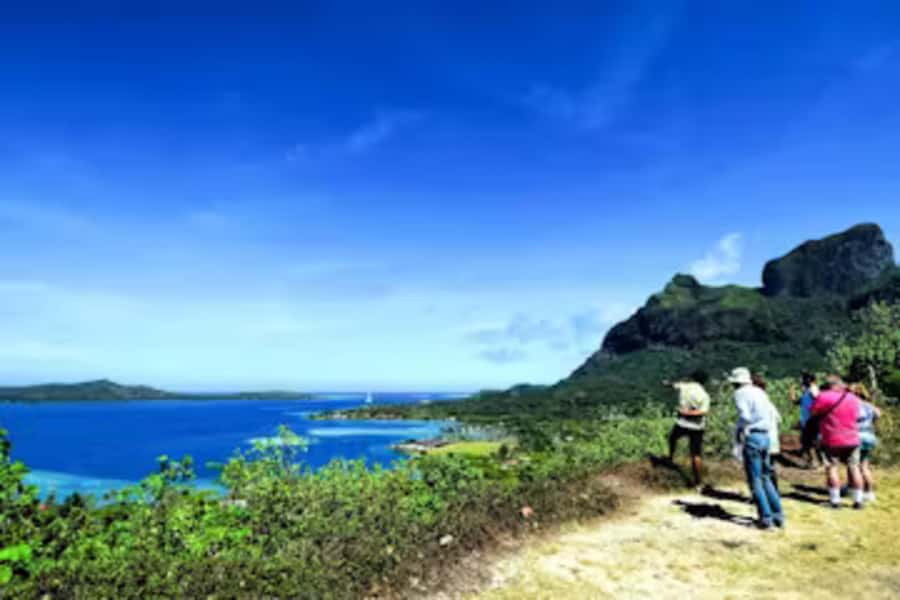
- Lookouts away from the main road: The jeep climbs steep tracks to wide views over Bora Bora and its lagoon.
- Faanui Valley produce: See small fruit plantations and learn about useful island plants.
- Pareu and coconut oil workshop: Visit a family business and sample local fruit.
- Three hours for $72: A useful land-based introduction, especially if your time on Bora Bora is limited.
Why this 4×4 tour adds another side to Bora Bora
Bora Bora is famous for water activities, and for good reason. The lagoon is the star. But if you spend your whole visit on a boat or at a resort, you can leave without much sense of how people lived on the island, how the roads climb into the hills, or why Bora Bora mattered during the Second World War.
This tour gives you that missing context in a compact three-hour outing. You ride in an open or partly open 4×4 vehicle, depending on the vehicle used, and follow roads that ordinary sightseeing vans cannot handle. The route circles parts of the island, then heads into higher ground and the Faanui Valley.
The best part is the variety. In one morning, you can move from military remains to sacred Polynesian sites, then from mountain views to fruit trees and handmade textiles. It is not a museum tour with long indoor talks. Much of the learning happens outdoors, as your guide points out plants, old resorts, views, and places tied to island stories.
The tour costs $72 per person. That is fair value if you want transport, guiding, several stops, local fruit, bottled water, and a look at parts of Bora Bora that would be awkward to reach on your own. It is less compelling if your main goal is swimming, snorkeling, or a long boat ride. This is a cultural and scenic land tour, not a lagoon excursion.
More Local Culture and Traditions Tours in the world:
- Amsterdam Food and Cultural Tour with Tastings
★ 5.0 · 4,315 reviews - Sevilla Food Tour: Tapas, Wine, History & Traditions
★ 5.0 · 3,468 reviews - Tromsø: Reindeer Camp and Sami Cultural Tour with Lunch
★ 4.7 · 3,326 reviews
Starting in Bora Bora, with pickup details that matter
Pickup is included, but the meeting point depends on where you stay. If you are around Matira, pickup is expected at about 8:30 in the morning. If you are in Vaitape, meet at the main pier by the blue taxi sign at 9:00.
Pay attention to this detail. Bora Bora’s hotels and resorts are spread around the island, and a vague meeting plan can waste part of a short stay. If you are staying elsewhere, contact the operator before booking so you know exactly where to go.
The three-hour timing works well for a morning plan. You should still leave room afterward rather than scheduling a tight connection. The tour normally returns to Bora Bora, but weather can affect the route and the amount of time spent at viewpoints.
Guiding is available in English and French. The guide can make or break a tour like this because the scenery alone is not the whole point. Guides named in tour feedback include Deano, Ari, Hery, Tamanono, Matanono, and Terie. Their styles vary, but the strongest part of the experience is usually the personal explanation of what you are seeing. Terie, for example, was noted for singing local songs and taking the group to a high viewpoint. Another guide, Ari, added stories about the island’s name and shared fruit along the route.
Climbing the island’s steep back roads
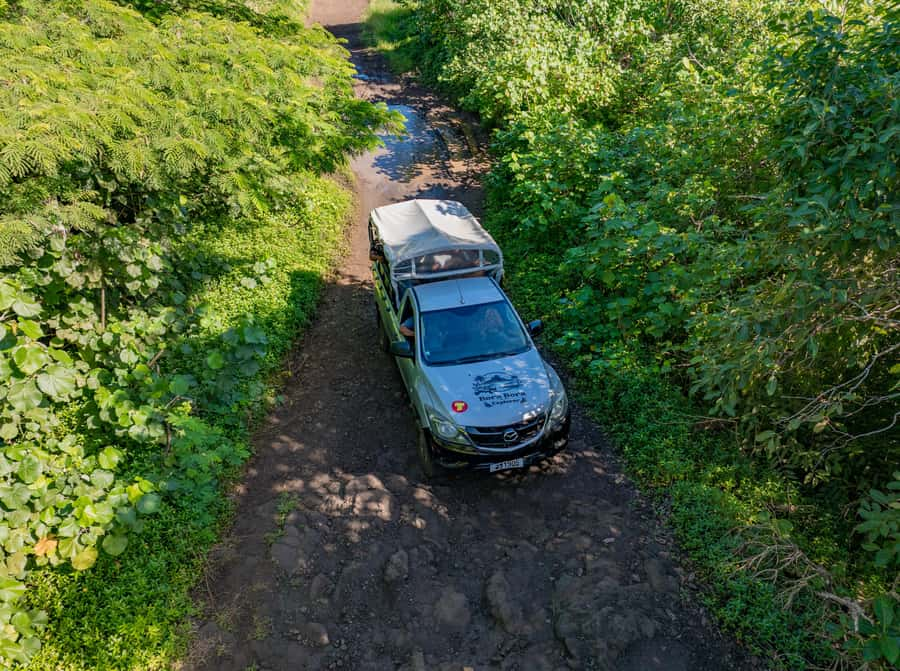
The 4×4 is not just a fun label here. Some of the roads to the best views are steep, narrow, and in rough condition. A guide has to handle one-track sections and sharp climbs, which gives you access to places a regular car may not reach.
That also means the ride can feel lively. If you prefer a smooth, quiet drive, this may not be your ideal Bora Bora outing. Sit securely, hold on where needed, and expect dust, bumps, and changes in speed as the vehicle climbs.
The rough roads are part of the value, not a flaw to hide. From higher ground, you get a different view of Bora Bora than from the shoreline. You can see the lagoon’s many shades, the island’s dramatic peaks, and the way settlements and roads fit around the coast. In clear weather, the views can be the morning’s highlight.
Rain is the main wild card. Cloud cover can hide the best points, as happened on some outings. One advantage is that the tour still offers useful stops when the sky is gray, including history, plants, fruit, and craft work. Do not book it only for a perfect panorama, since the weather may not cooperate.
American gun sites and Bora Bora’s wartime chapter
The WWII stops add weight to what might otherwise be a scenic jeep ride. In 1942, American forces built defensive sites on Bora Bora during a friendly wartime occupation. The remaining gun positions show how the island was used as a strategic base in the Pacific.
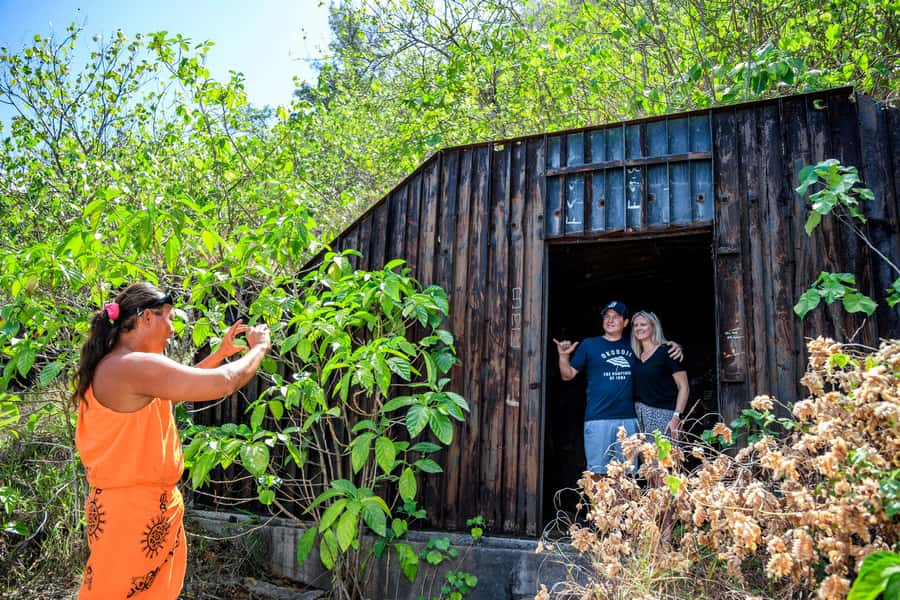
The tour takes you toward these old military sites, including cannons reached by a walk from the road. The walk is not described as long, but the ground can be uneven. Wear trainers or solid walking sandals rather than flip-flops. That small choice will make the stop more comfortable and safer.
The gun sites are not polished attractions with large displays and elaborate visitor facilities. Their appeal is their setting and the chance to connect a quiet tropical island with a major global conflict. Your guide supplies the story, so listen closely and ask questions while you are there.
This is also a stop where expectations matter. If you want a large military museum, you will find the remains modest. If you like seeing physical traces in their original setting, the cannons make the island’s wartime role easier to understand.
More History Tours in the world:
- Prague: Medieval Dinner with Unlimited Drinks
★ 4.4 · 19,847 reviews - Pompeii: Entry Ticket and Guided Tour with an Archaeologist
★ 4.8 · 19,459 reviews - History and Hauntings of Salem Guided Walking Tour
★ 5.0 · 14,564 reviews - Athens: Acropolis & up to 5 Archaeological Sites Combo Pass
★ 4.2 · 13,904 reviews
Temples, legends, and the older island story
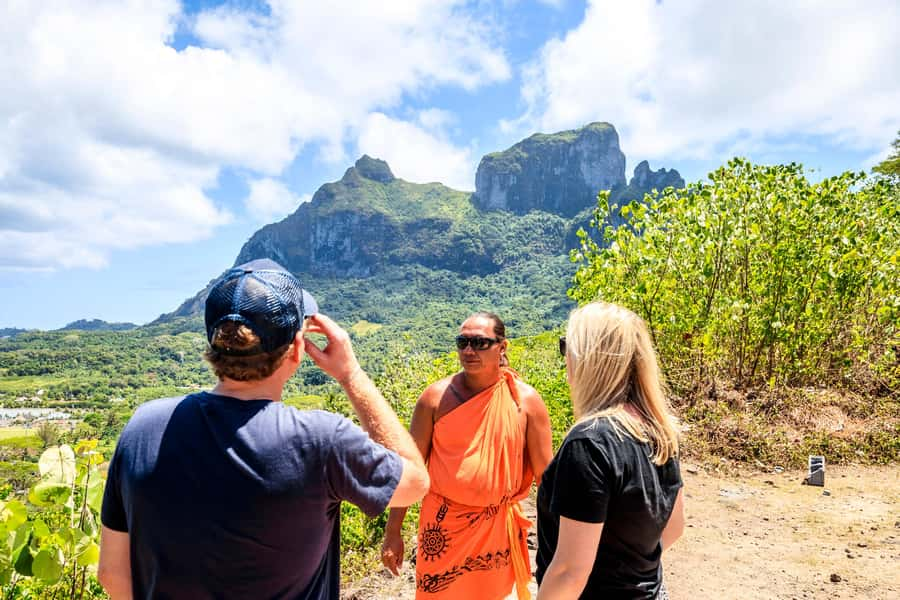
The WWII chapter is only one small part of Bora Bora’s past. The tour also introduces ancient temples, known as marae in Polynesian culture, and stories linked to the great Tahitian seafaring society.
The temples date to around 1,000 AD according to the tour information. That date gives useful perspective: Bora Bora’s story reaches back many centuries before resorts, cruise ships, and military construction. Your guide explains the old religious and social setting, as well as legends connected with the island.
Do not expect every story to be presented as a formal archaeological lecture. The experience is more conversational and tied to the places along the route. That makes it approachable, though the depth can depend on the individual guide and the language of explanation.
I would pay particular attention here if you are interested in Polynesian navigation, oral tradition, or the way sacred places fit into daily life. It is easy to look at an old stone site and see only rocks. A good explanation helps you understand why it mattered.
Faanui Valley, fruit trees, and useful island plants
The route into Faanui Valley changes the pace. Instead of jumping from viewpoint to viewpoint, you get a look at cultivated land and small fruit plantations.
Your guide may point out fruit trees and explain how plants are used on Bora Bora. This is a modest stop, but it gives you a better sense of the island beyond hotels and beaches. You see that the interior is not merely a backdrop for photographs. It has gardens, food production, and family businesses.
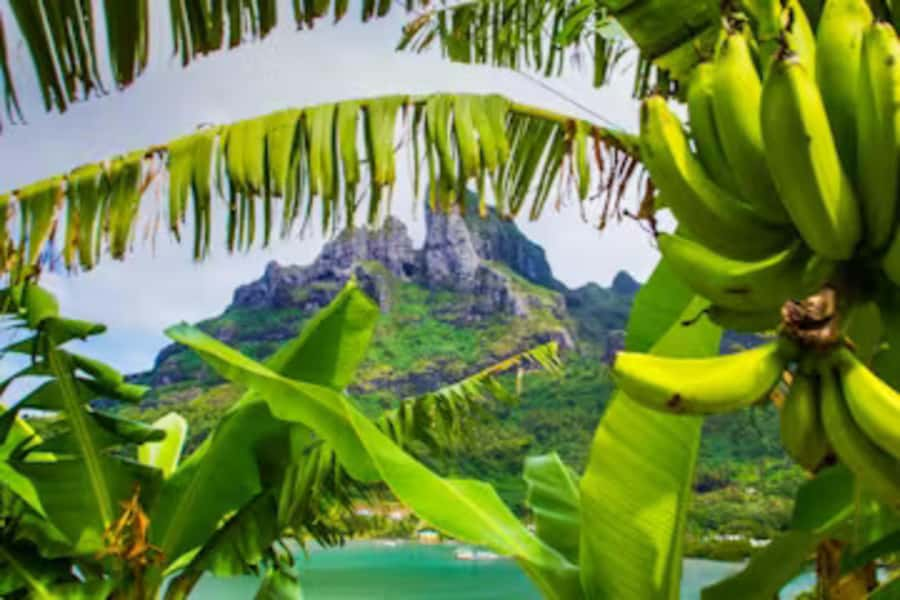
Local fruit is included, along with bottled water. The selection is not specified in advance, but bananas are among the fruits shown on at least one outing. Treat the tasting as a pleasant local extra rather than a full meal. Have breakfast before you go if you need something substantial.
A cold wet oshibori towel is also provided. That is a small but welcome touch in a warm climate, especially after a dusty ride or a walk to a military site.
The pareu workshop and a useful cultural stop
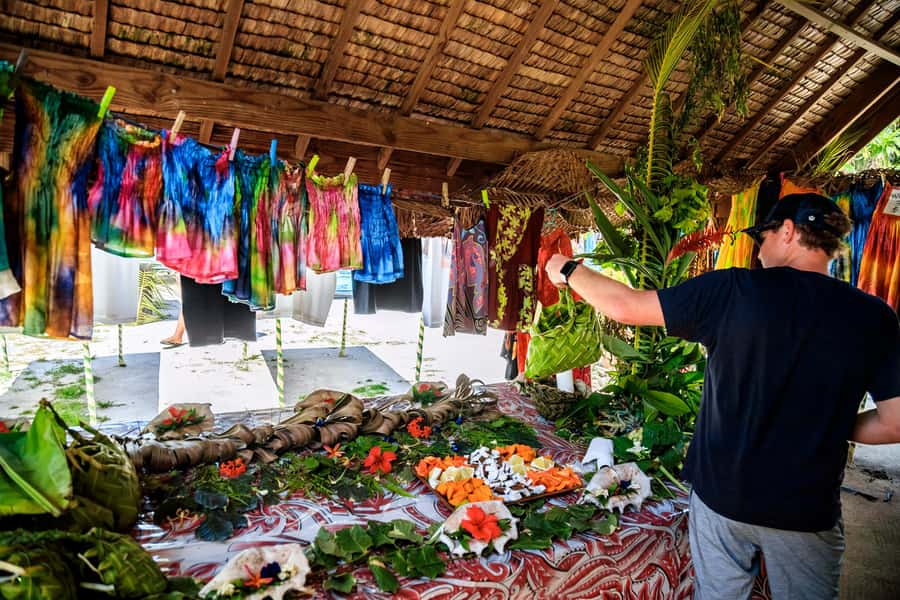
The family-owned pareu workshop is one of the tour’s most personal stops. A pareu is a Polynesian sarong, and the workshop shows how the fabric receives its tie-dye style patterns.
You can watch the process rather than simply seeing finished items in a shop. The visit also includes an explanation of coconut oil production and a taste of local fruit. That combination makes the stop more useful than a standard souvenir break.
The workshop is still a commercial stop, so you may want to buy a pareu. But the activity does not depend on shopping. You can learn how the fabric is made and see a small family enterprise at work even if you leave your wallet closed.
I like this part because it connects the island’s culture to ordinary skills and products. Ancient temples and wartime cannons tell important stories, but a working craft business shows how local traditions continue in everyday life.
Guides, language, and the quality of the explanation
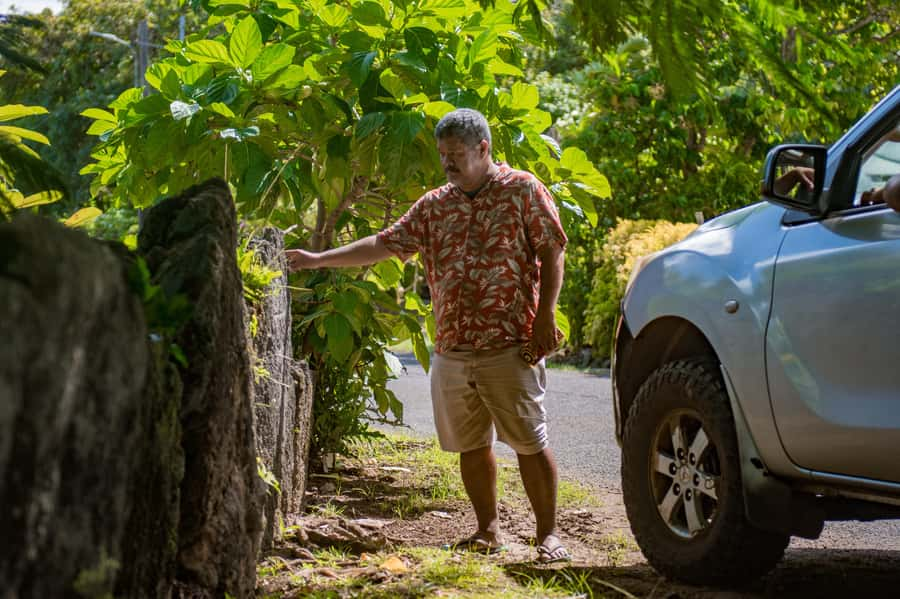
The guide is central to this experience. Several guides have been praised for being friendly, clear, and engaged. Deano has been noted for explaining old hotel sites, trees, and their uses. Tamanono was described as a strong driver and a good source of local information, even in rain. Other guides have added music, including ukulele and local singing.
The main caution is language clarity. English guiding is offered, but one outing included broken English that made it harder to understand the island stories. This does not mean every English-language departure has the same issue. It does mean you should ask questions, request clarification, and confirm the language when booking if detailed interpretation matters to you.
French is also available. If you speak French comfortably, you may find that an easier option on some departures. Guide assignments can vary, so the named guides are examples, not a guarantee.
The best guides do more than point at a view. They explain plants, place names, old resorts, military remains, and local customs. That is the difference between a pleasant jeep ride and a useful introduction to Bora Bora.
What to wear and bring for the ride
Keep your clothing practical. Wear trainers or good walking sandals for the cannon site and any uneven paths. Flip-flops are a poor choice for the rougher stops.
Bring sun protection, though cloud and rain are possible. The tour provides water and a cold towel, but the fruit tasting is not a substitute for lunch. If you are sensitive to motion or bumps, consider how comfortable you are on steep back roads before booking.
A light rain layer may be sensible, since the route can continue in wet conditions and weather may block some views. The scenery is strongest when the sky clears, but the cultural stops still give the tour value during a gray morning.
Who should book this Bora Bora tour?
I would choose this tour if you want to understand more than the resort side of the island. It suits first-time visitors, cruise passengers with a short window, couples who want a shared land adventure, and anyone interested in WWII sites, Polynesian history, plants, and local crafts.
It is also a good choice if you have already booked a lagoon outing and want a different point of view. The two activities cover separate sides of Bora Bora: one from the water, this one from the hills and roads.
You may want to skip it if you dislike bumpy transport, have trouble with steep roads, or want every minute devoted to beaches and snorkeling. It is not a quiet luxury transfer, and the views are weather-dependent.
Booking details and final advice
You can cancel up to 24 hours before the tour for a full refund, and the reserve-now, pay-later option keeps your plans flexible. Starting times vary, so check availability when you choose your date.
My advice is to book this as a short, varied introduction to Bora Bora, not as the main event of your island stay. The strongest reasons are the access to steep viewpoints, the WWII remains, and the family pareu workshop. The main cautions are rough roads, possible rain, and uneven English interpretation on some departures.
If you want the island’s stories along with its famous views, $72 is a sensible spend. If your perfect Bora Bora day means staying on the lagoon, put your money toward a boat or snorkeling trip instead.
FAQ
How long is the Bora Bora 4WD history and culture tour?
The tour lasts three hours, including sightseeing, off-road driving, cultural stops, and the return to Bora Bora.
How much does the tour cost?
The listed price is $72 per person.
Where does pickup take place?
Pickup is included. Around Matira, the expected pickup time is about 8:30 AM. In Vaitape, meet at the main pier by the blue taxi sign at 9:00 AM.
What languages are available?
The tour is offered with a live guide in English or French.
Are WWII sites included?
Yes. The route visits American-built WWII sites from 1942, including cannon positions reached by a walk from the road.
What should I wear for the tour?
Wear trainers or good walking sandals. Some roads are steep and rough, and the walk to the cannons can be uneven. Flip-flops are not recommended.
Is food included?
Local fruit is included, along with bottled water. The tour also includes a visit to a pareu workshop where you can taste local fruit.
Can I cancel the booking?
Yes. You can cancel up to 24 hours in advance for a full refund. You can also reserve now and pay later.
Just added around the world
- Scenic Train ride to historical cities of Morretes and Antonina★ 4.0 · 188 reviews
- 6-Day Cultural Tour to Machu Picchu★ 5.0 · 76 reviews
- Jewish Heritage of Curacao★ 4.5 · 68 reviews
- The Curacao’s Colorful History Walking Tour★ 5.0 · 55 reviews
- Discover Scuba Diving Amathounta’s Ancient Port★ 5.0 · 30 reviews
- Olous – Guided Snorkelling Excursion to Discover Olous Sunken Ancient City★ 4.5 · 31 reviews
- Night Walking Tour of Medieval Cuenca★ 5.0 · 64 reviews
- WWII – The Battle of Crete Day Tour★ 5.0 · 103 reviews