
Review · HISTORY TOURS
Buenos Aires: Historic Buenos Aires Landmarks & Icons Tour
Buenos Aires packs a remarkable amount of national history into the streets around Plaza de Mayo. In 150 minutes, you move from a former convent and grand post office to Casa Rosada, the Cabildo, the cathedral, and a museum filled with presidential artifacts. It is a smart way to get your bearings in the city center without spending a day on a bus.
I like the mix of indoor and outdoor stops, especially the Bicentennial Museum and the Cabildo. I also like the personal touch of guide Miguel, who brings in details such as mate and adjusts his explanations when needed. The main drawback is that this is a walking tour with a significant amount of time on your feet, and the regular language is Spanish.
- Plaza de Mayo gives the tour its historical focus, with Casa Rosada, the cathedral, the Cabildo, and the City Legislature close at hand.
- The Bicentennial Museum adds real objects and artwork, not just stories told from the pavement.
- The Garay Monument marks Buenos Aires’ second founding and offers a useful view toward the historic center.
- Miguel is the named guide, praised for his clear explanations, kindness, flexibility, and personal approach.
- The $20 price is strong value for a 150-minute guided walk through several major sights.
- Comfortable shoes, water, a hat, and sunscreen matter, since much of the experience takes place outdoors.
Why Plaza de Mayo is the right starting point
Meet your guide near the flagpole at Plaza de Mayo. This is a practical meeting place because the square is also the tour’s main stage. Several of Buenos Aires’ most important buildings face it, so you begin with the city’s political and civic center rather than spending the first half-hour getting there.
The square has long been tied to Argentina’s public life. On this walk, you will see how government, religion, commerce, and national memory all meet within a compact area. That makes the tour useful early in your stay, when the names and buildings of Buenos Aires may still seem like a blur.
The tour is led in Spanish. Miguel is the named guide, and the strongest praise centers on his ability to explain history in an engaging way, answer questions, and adjust his pace when needed. One visitor who had booked the Spanish option by mistake said Miguel switched to English for the group. That is encouraging, but I would still treat Spanish as the expected language and confirm your needs before booking if you require English.
Casa Rosada and the political heart of Argentina
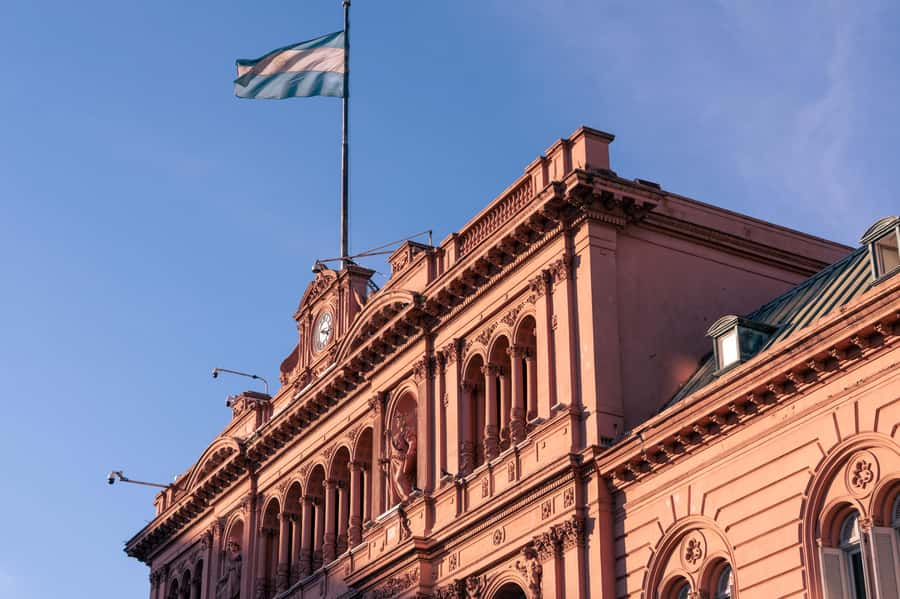
Casa Rosada is the first major landmark on the route. You receive a guided explanation and have time for photographs, with roughly 10 minutes assigned to this stop. The building’s pink exterior is instantly recognizable, but the value here is the context around it: this is not simply a striking façade, it is the working symbol of Argentina’s national government.
The short stop suits the tour’s broad scope. You will not spend hours exploring every room, but you will understand why the building matters and how it fits into Plaza de Mayo. If you want a full interior visit, presidential rooms, or a slower architectural study, you would need to make a separate plan.
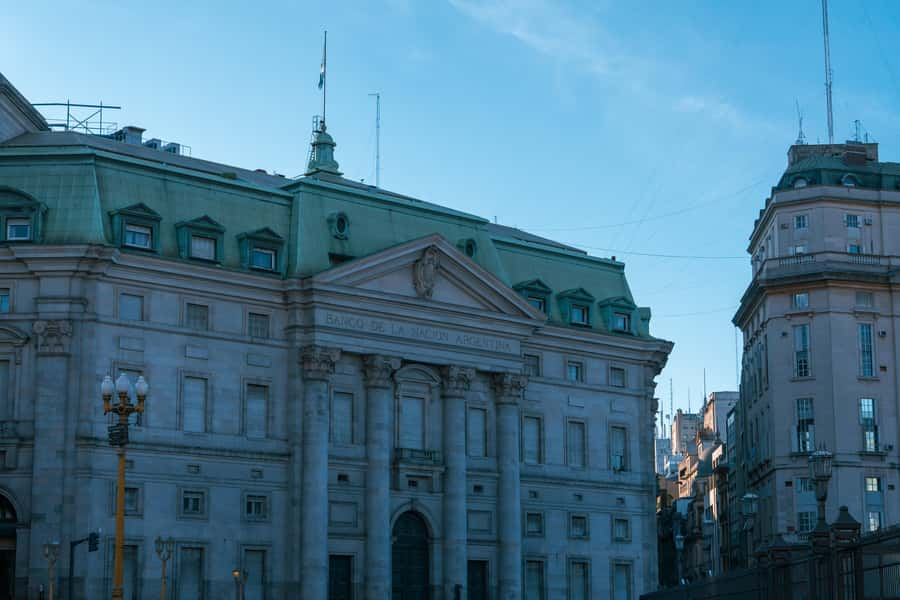
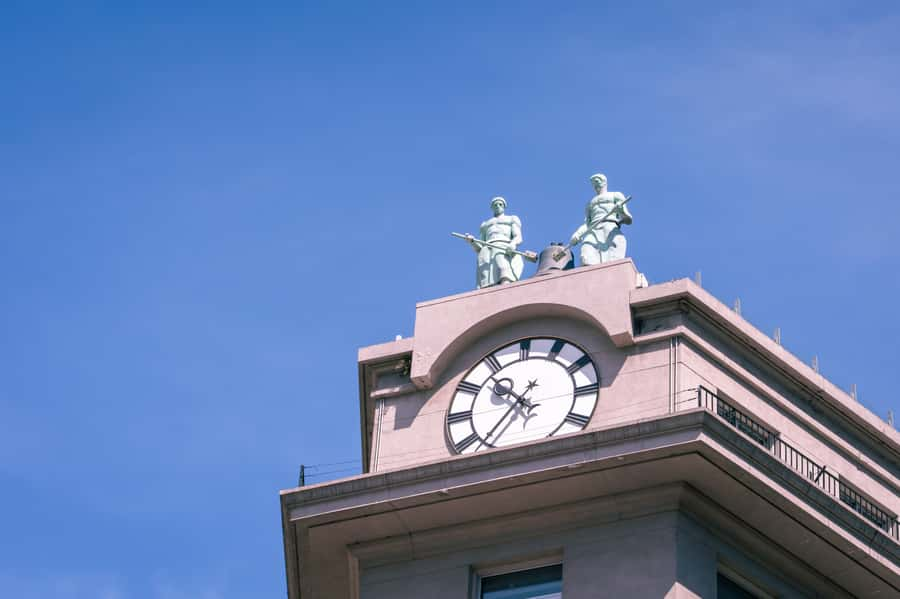
From here, the tour also takes in the Bank of the Argentine Nation building. Its scale helps show how much authority and money were concentrated around this part of the city. The nearby City Legislature adds a different architectural note, with varied styles and a tall clock that gives the building a memorable profile.
More History Tours in the world:
- Prague: Medieval Dinner with Unlimited Drinks
★ 4.4 · 19,847 reviews - Pompeii: Entry Ticket and Guided Tour with an Archaeologist
★ 4.8 · 19,459 reviews - History and Hauntings of Salem Guided Walking Tour
★ 5.0 · 14,564 reviews
The Garay Monument and the city’s second founding
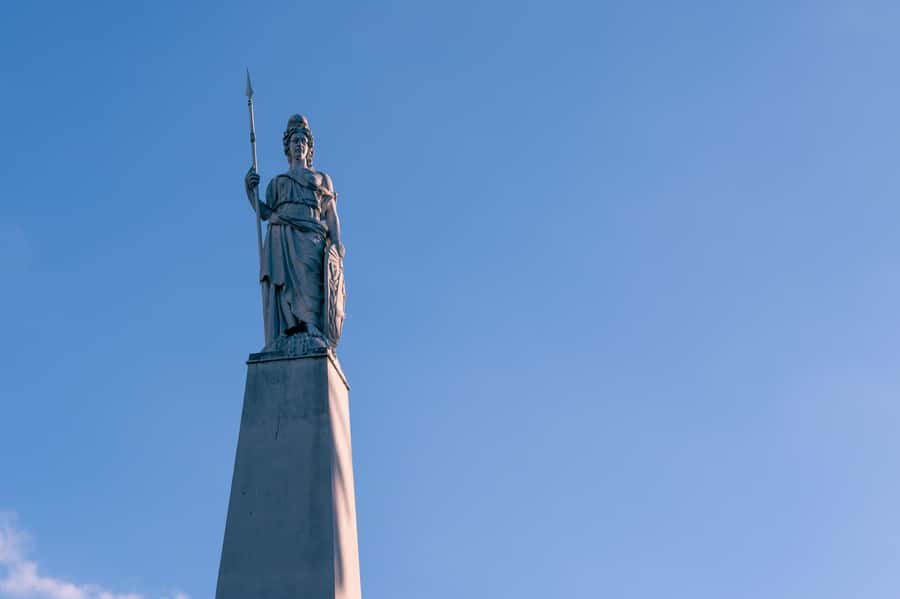
The Monument to Juan de Garay receives its own stop, with about 10 minutes for photographs and explanation. This is more than a quick statue pause. The site marks the second founding of Buenos Aires, an important detail for understanding the city’s early development.
The monument sits near the Cultural Center, which occupies what was once the grand post office palace. The site is also connected with the second founding and gives you a broad view toward the historic center. I like this part because it links a physical place with a specific event, rather than treating the city as a collection of unrelated monuments.
The view is useful for orientation. You can look across the area and see how the major civic buildings relate to one another. Keep your camera ready, but listen closely too. The stop is short, and the historical explanation is the main reason you are here.
The Bicentennial Museum: objects that make history tangible
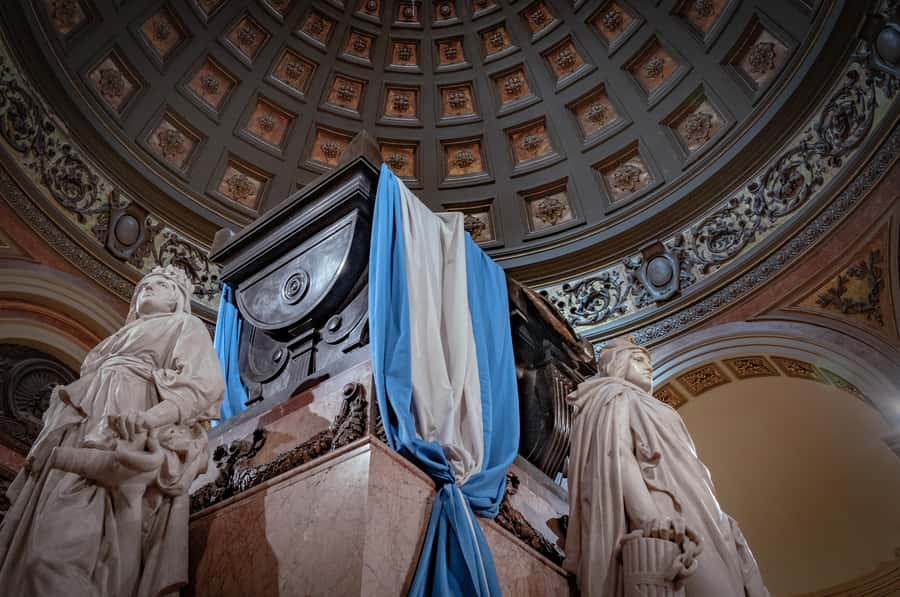
The Museo del Bicentenario is one of the more substantial stops, with about 20 minutes for a visit and guided sightseeing. It houses relics connected with past presidents and a selection of notable artwork. After seeing government buildings from the outside, this museum gives you a chance to meet Argentina’s past through actual objects.
Twenty minutes is enough for an introduction, not a full museum visit. I would treat it as a focused stop that adds depth to the walk. You can see selected pieces, hear why they matter, and then continue with a clearer sense of the country’s political story.
This is also a useful break from constant pavement walking. Still, the overall tour moves at a steady pace, so do not expect long stretches to study each display. If museums are your priority, return later with more time.
The Metropolitan Cathedral and the Cabildo
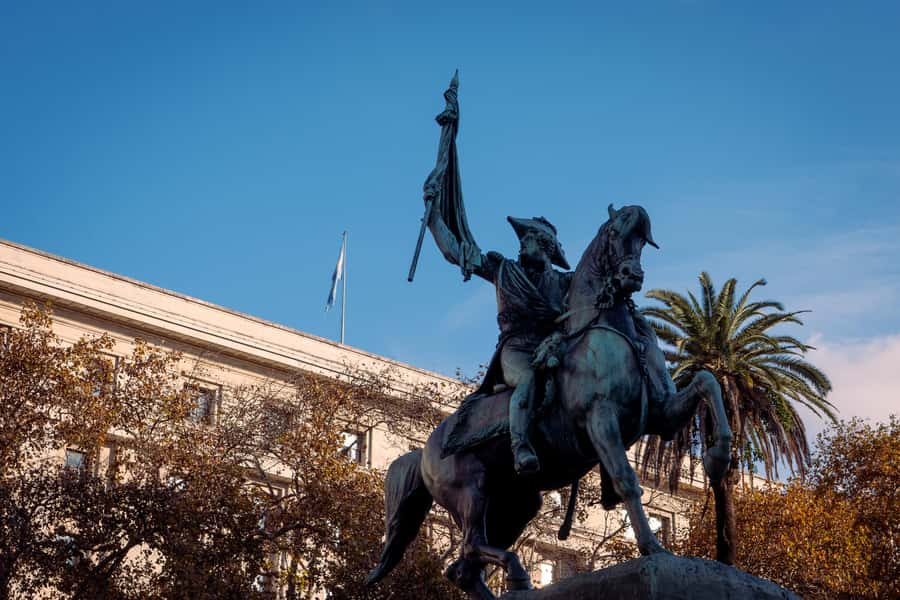
The Buenos Aires Metropolitan Cathedral receives about 20 minutes, including a visit, photographs, and a guided explanation. Its importance is both religious and civic, and its position beside Plaza de Mayo makes it one of the square’s essential buildings.
You can expect the guide to explain what you are seeing rather than simply point out the façade. That matters here because the cathedral’s significance is easy to miss if you are focused only on its exterior. Take the time to look up and around, and keep your pace relaxed while the guide connects the building to the city’s public life.
Next comes the Cabildo of Buenos Aires, also with about 20 minutes. This former colonial government building now functions as a museum preserving the story of Buenos Aires and the nation. It is one of the best stops for understanding the city before and during the formation of modern Argentina.
The Cabildo works well after the cathedral because the two buildings show different forms of authority facing the same square. One represents religious life, while the other recalls colonial administration and political change. The visit is guided, so you are not left to guess why the building matters.
The practical limitation is time. You will receive a useful introduction, but you may not see every part of the museum. If a particular exhibition catches your eye, note it and return later.
Same city, a different century:
- Athens: Acropolis & up to 5 Archaeological Sites Combo Pass
★ 4.2 · 13,904 reviews - Colosseum: Underground and Ancient Rome Tour
★ 4.7 · 12,691 reviews - Pompeii: Small Group Tour with an Archaeologist
★ 4.8 · 12,264 reviews - Lisbon: History, Stories and Lifestyle Walking Tour
★ 4.8 · 10,902 reviews
Manzana de las Luces and the older city beneath the streets
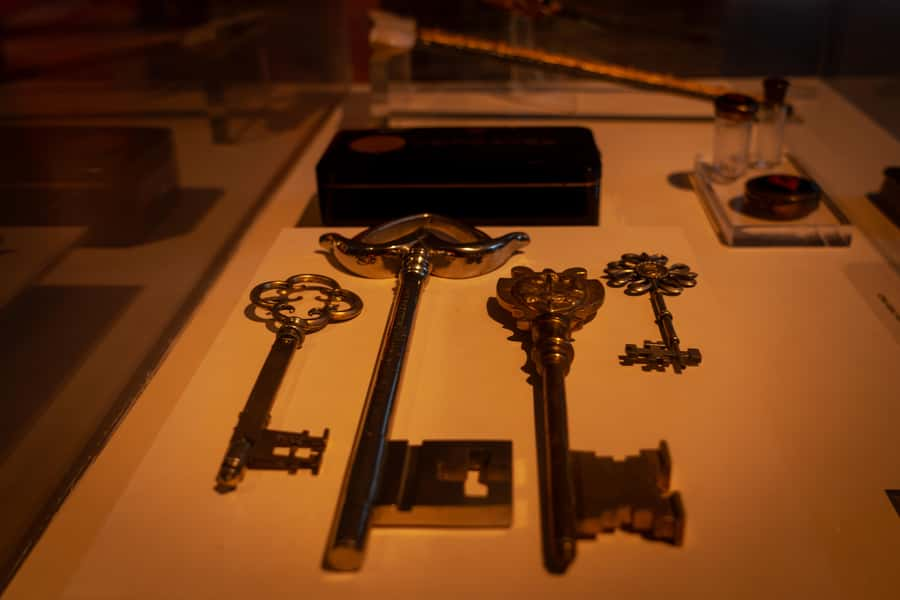
Manzana de las Luces is the final listed stop and receives about 20 minutes for photographs, a visit, and guided commentary. The name refers to a historic city block associated with intellectual and religious life. It is a good place to end the formal portion of the route because it shifts the focus away from national government and toward the older fabric of Buenos Aires.
This part of the city rewards attention to details. Look at the age and character of the buildings, listen for the connections between education, religion, and public life, and ask questions if you want more context. The stop helps prevent the tour from becoming only a parade of famous façades.
The broader route also points out the National Customs House, the Ministry of Defense, and the Comic Strip Plaza. These additions widen the experience beyond the central square. The Ministry of Defense is particularly striking for its immense size and views, while the Comic Strip Plaza brings a lighter, more popular touch to a tour otherwise centered on institutions and national history.
What the 150-minute schedule really feels like
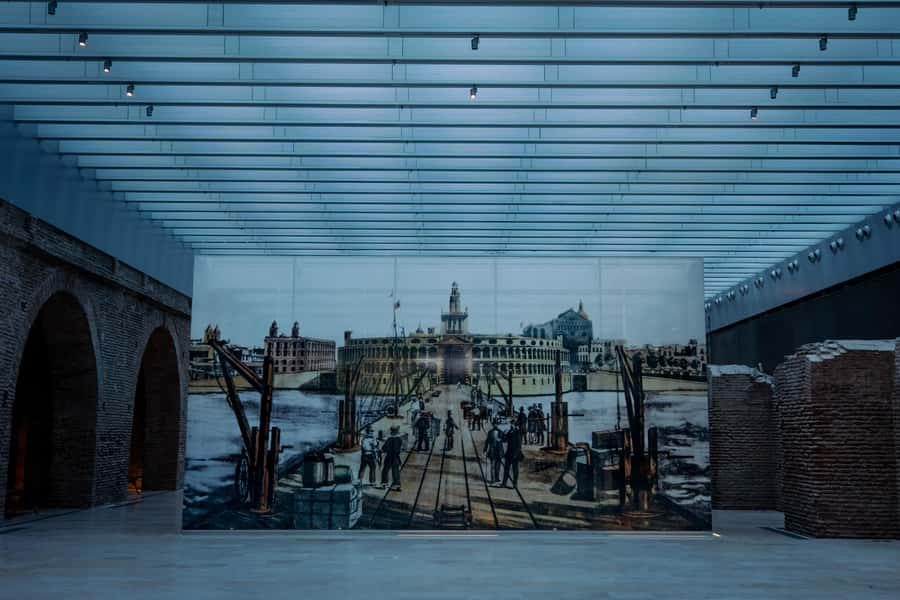
The route covers a lot in two and a half hours. You will walk between several nearby landmarks, pause for photographs, enter selected buildings, and listen to explanations at each stop. The schedule gives you a strong first look, but it is not designed for slow, unhurried museum visits.
I would plan on walking almost continuously. The tour information specifically warns of a significant amount of walking, and comfortable shoes are essential. Bring water, especially in warm weather, along with a hat and sunscreen. Check the forecast before you leave because much of the experience is outdoors, and the comfort of the day will depend heavily on sun, heat, or rain.
The tour is not suitable for people with mobility impairments or wheelchair users. That is important to consider before paying. The route combines city streets, outdoor areas, and visits to historic buildings, so anyone who has difficulty walking should choose a different way to see these sights.
There is no hotel pickup or drop-off, and food and drinks are not included. You arrange your own way to Plaza de Mayo and should eat or carry water before starting. At $20 per person, the low price makes sense because this is a focused walking tour, not a private vehicle outing or a full-day museum program.
Miguel’s guiding style and the language question
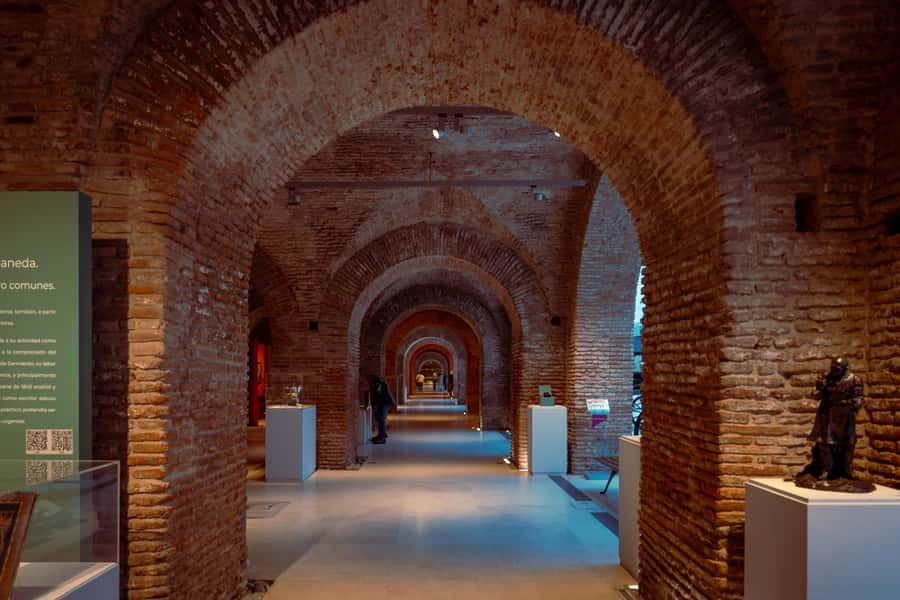
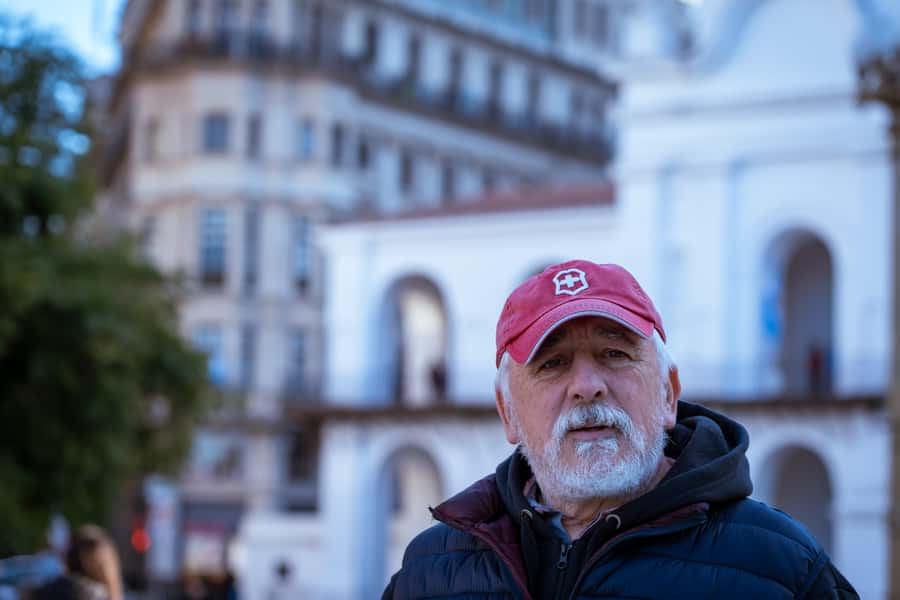
Miguel receives the clearest personal praise connected with this experience. He is described as kind, flexible, attentive, and deeply familiar with Buenos Aires. His explanations are the central feature of the walk, especially for visitors who want more than a list of dates and building names.
He also adds local touches. One person described learning how to drink mate during the tour, which gives the experience a more personal feel than a standard monument circuit. Another appreciated that Miguel listened to questions and looked after the group throughout the walk. These details suggest a guide who treats the route as a conversation rather than a speech.
The official language is Spanish. If you understand Spanish well, you should get the full benefit of the commentary. If your Spanish is limited, Miguel has shown flexibility with at least some English-speaking participants, and one person specifically said he adapted explanations so they could follow along. Still, English support is not presented as a guaranteed part of every departure, so ask before booking if this is important.
The tour has a 4.9 rating from 37 reviews, with praise repeatedly aimed at the guide’s explanations, friendliness, and passion for Buenos Aires. One person called it a great history lesson, while another said the guide showed places other guides might not visit or access. I would take that as a sign that the guide adds much of the tour’s value.
Who gets the best value from this walk
I would choose this tour if you have limited time in Buenos Aires and want a solid introduction to the historic center. It brings together the city’s major political, religious, colonial, and cultural landmarks in one compact outing.
It also suits you if you like asking questions. The strongest element is not simply seeing Casa Rosada or taking a photograph at the cathedral. It is having someone explain how the sites connect, why the buildings matter, and how the city developed around them.
The tour is less suitable if you want a slow photography session, an in-depth museum visit, or a vehicle-based overview. You will be walking, moving on after relatively short stops, and spending much of the time outside. Visitors with mobility limits should not book this route.
At $20, the value is easy to see. You get 150 minutes with a live guide and access to several important sites, including the Bicentennial Museum and the Cabildo. You will still need to pay for your own food, drinks, and transport to the meeting point, but those limits are reasonable for a low-cost city walk.
Should you book the Buenos Aires landmarks tour?
Book it if you want a history-led introduction to Plaza de Mayo and the surrounding center, especially early in your visit. The route is packed, the price is modest, and Miguel’s personal approach appears to be the main reason the walk feels more useful than a simple sightseeing circuit.
Skip it if you need wheelchair access, dislike extended walking, or require a guaranteed English tour. For everyone else, bring water, wear sensible shoes, and arrive ready to listen. This is a practical first look at Buenos Aires, with enough landmarks to fill your camera and enough context to make the city’s center easier to understand.
FAQ
Where does the tour start?
Meet your guide near the flagpole at Plaza de Mayo.
How long does the tour last?
The tour lasts 150 minutes, or two and a half hours.
What language is the tour conducted in?
The tour is conducted in Spanish. Miguel has adapted explanations or used English for some participants, but English is not listed as the standard language.
What landmarks are included?
The route includes Casa Rosada, the Monument to Juan de Garay, the Bicentennial Museum, the Buenos Aires Metropolitan Cathedral, the Cabildo of Buenos Aires, and Manzana de las Luces. It also covers other nearby landmarks, including the Bank of the Argentine Nation, the City Legislature, the Ministry of Defense, the National Customs House, and the Comic Strip Plaza.
Is hotel pickup included?
No. Hotel pickup and drop-off are not included. You must make your own way to the meeting point at Plaza de Mayo.
What should I bring?
Bring comfortable walking shoes, a hat, sunscreen, and water. Dress for the weather because much of the tour takes place outdoors.
Is the tour suitable for wheelchair users?
No. The experience is not suitable for wheelchair users or people with mobility impairments.
Just added around the world
- 3 Hour Whiskey and History Tour★ 5.0 · 152 reviews
- Downtown Denver History & Highlights – Small Group Walking Tour★ 5.0 · 285 reviews
- Denver – Capitol Hill Guided Walking Ghost / History Tour★ 4.5 · 75 reviews
- Private Nightlife Tour in Denver: Culture, History, and Cocktails★ 5.0 · 48 reviews
- Delphi: Archaeological Site & Museum Ticket with Audio★ 3.5 · 24 reviews
- Tip Based: Capitol Hill History & Ghost Tour★ 5.0 · 34 reviews
- 1-Hour Thunderball WWII Adventure Jet Skiing in Darwin★ 5.0 · 70 reviews
- Bombing of Darwin World War II Tour with Harbour Cruise★ 4.5 · 219 reviews