
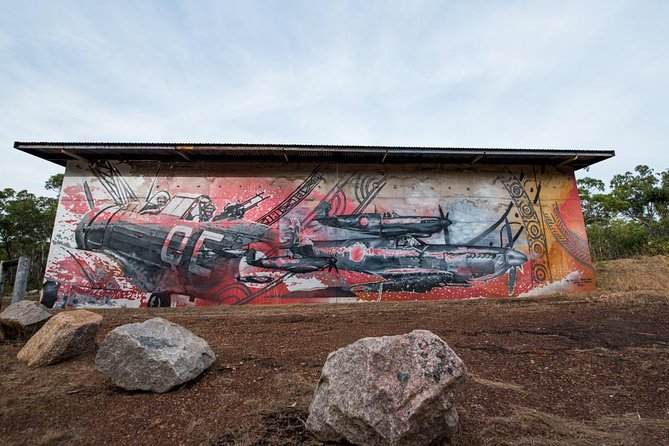
Review · AUSTRALIA
Bombing of Darwin World War II Tour with Harbour Cruise
Darwin’s World War II story becomes clearest from the water. This half-day tour takes you past harbour sites linked to Japan’s 1942 raids, then connects those views with bunkers, weapons, vehicles, museums, and wartime defenses on land. The small boat helps you picture how exposed Darwin was when the attacks began.
I especially like the bus-and-boat format, which keeps four and a half hours from feeling like one long museum visit. I also like the human touch: guides such as Jim, Mariette, and Betty have been praised for clear storytelling, local detail, and patient help. The main drawback is time. Forty-five minutes at each museum can feel short, and some stops move at a brisk pace.
Key points at a glance
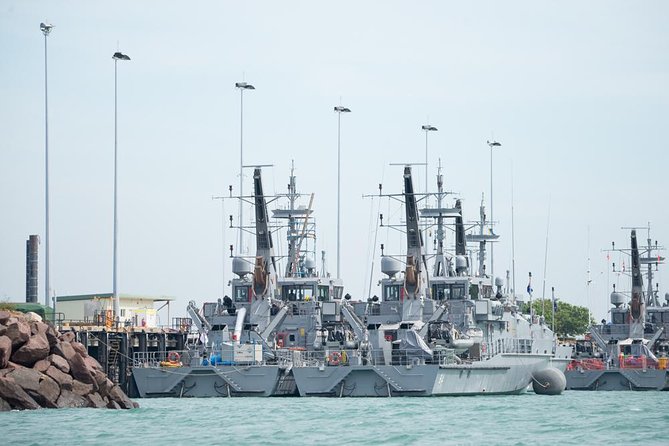
- See wartime Darwin from the harbour: The one-hour cruise points out bomb and wreck sites, including the remains of USS Peary beneath the water.
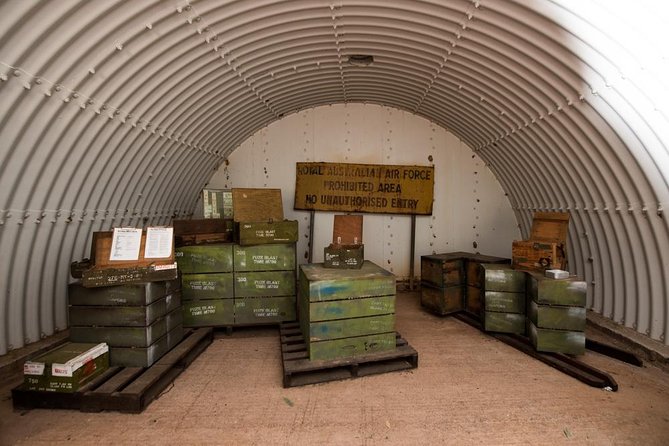
- Visit real military sites: Charles Darwin National Park includes an ammunition storage area and bunker exhibit, while East Point connects the city to Australia’s only wartime battleground.
- Use your time well: The air-conditioned minibus, boat, entrance fees, live commentary, and selected hotel pickup are included.
- Expect a serious subject: The military museum and bombing story can be moving, so allow yourself time to take in the material.
- Pack for the Top End: Bring a hat for the exposed boat ride. Food and drinks are not included.
- Know the limit: The oil tunnels are not part of this tour, and museum visits may feel rushed if you want to read every display.
Why Darwin’s wartime story works best from land and sea
The bombing of Darwin is often overlooked in broader Australian history. This tour gives you a practical way to understand it without spending a full day in formal museums. You move through the city by road, then see the harbour from a small boat, where the location of the attacks becomes easier to grasp.
I like that the experience is not limited to one memorial or one exhibition. You see the Defence of Darwin Experience, military equipment, ammunition storage structures, coastal defenses, and harbour wreck locations. Each stop adds another piece to the story.
The live commentary matters here. Dry dates and military terms can blur together, but a guide can explain how the city developed, what Darwin was like before World War II, and how the raids changed its role. Several guides, including Jim and Mariette, have been singled out for explaining the subject in a clear, engaging way. Betty has also been praised for her kindness and personal care.
This is not a light sightseeing trip with a wartime label attached. The museum material can be emotional, and the story includes loss, fear, confusion, and the long period when the scale of the bombing was not widely discussed. You get history, but you also get a sense of how ordinary life was disrupted.
More WWII and D-Day Tours in Australia:
- Bombing of Darwin WWII Heritage Tours
★ 5.0 · 261 reviews - Darwin: Bombing of Darwin WW2 Tour with Harbor Cruise
★ 4.8 · 170 reviews - 1-Hour Thunderball WWII Adventure Jet Skiing in Darwin
★ 5.0 · 70 reviews
The one-hour Bombing of Darwin harbour cruise
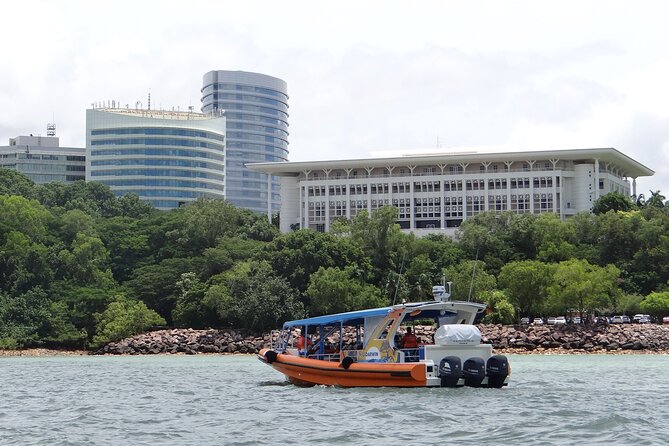
The cruise is the tour’s most distinctive feature. Sea Darwin operates a small boat for about one hour, taking you around Darwin Harbour and pointing out sites connected with the February 1942 attacks.
From the water, you can see the relationship between the city, the harbour, military facilities, and the naval base. The boat also passes locations where ships were damaged or sunk. The wreck of USS Peary is one of the most memorable sights mentioned by visitors, and seeing it from the harbour gives the bombing a physical sense that a museum display cannot quite match.
The cruise is also a useful break from the bus and indoor exhibits. Darwin’s heat can be intense, and the breeze across the water may feel welcome. Still, bring a hat. Much of the boat ride is exposed, and shade should not be assumed.
The commentary comes from the boat guide, not just a recording, so you can expect a spoken account of what you are seeing. The quality of the cruise depends partly on how much detail you want. If you prefer long stops and extensive wreck viewing, one hour may feel limited. If you want a clear overview and a different view of Darwin, the cruise fits the half-day schedule well.
You disembark at Cullen Bay Marina, with about five minutes allowed for the transfer before continuing by road. That short changeover is functional rather than leisurely.
Darwin Military Museum: weapons, vehicles, and personal impact
The Darwin Military Museum is one of the strongest land-based stops. You get about 45 minutes for a self-guided visit, with weapons, vehicles, and other material connected with the city’s wartime role.
The self-guided format gives you some freedom. You can spend more time with the objects that interest you, rather than following a fixed group explanation. The trade-off is that 45 minutes is not enough for a slow reading of every display. If military equipment is your main interest, you may wish the tour allowed longer here.
This stop can also be emotionally heavy. The museum does more than display hardware. It helps show the human cost of the bombing and the pressure placed on Darwin during the war. I would not rush through it simply because the next departure is approaching. Listen to the guide’s timing instructions, but give yourself a quiet moment with the displays that affect you.
The museum works especially well after the harbour cruise. You have already seen the setting, so the weapons and vehicles feel connected to a real place rather than isolated objects in a room.
Defence of Darwin Experience and East Point
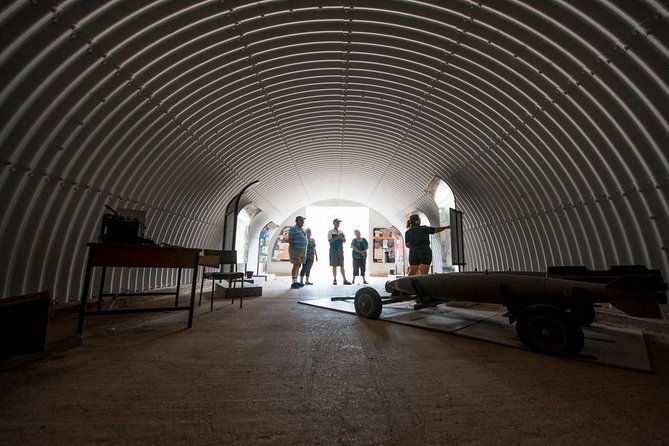
The Defence of Darwin Experience adds a second museum-style stop, also with about 45 minutes for a self-guided visit. It focuses on the defense of the city and the wider wartime experience, helping explain how Darwin prepared for and responded to the attacks.
The tour also visits the East Point Military Precinct, described as Australia’s only wartime battleground. That detail gives the site special importance. You are not just looking at a memorial to distant events. You are visiting a place tied directly to Australia’s wartime defense.
The exact balance between the East Point precinct and the Defence of Darwin Experience can depend on the day’s running order, but you should expect a mixture of museum material, military remains, and guide commentary. The road sections between stops also add useful context. The guide may point out older homes, city areas, and places connected to Darwin’s growth before and during the war.
This is where a strong guide makes the greatest difference. Jim has been praised for adding information beyond the official account, while Mariette has been noted for speaking clearly across all parts of the tour. Those personal stories can make the city’s wartime period easier to understand, though the experience will still vary with the guide assigned to your departure.
More History Tours in Australia:
- Ultimate Melbourne Walking Tour: History, Laneways & Culture
★ 5.0 · 1,451 reviews - Puffing Billy Railway: Heritage Steam Train Journey
★ 4.6 · 1,195 reviews - Morning World Heritage Cruise on the Gordon River from Strahan
★ 5.0 · 1,193 reviews - Strahan: World Heritage Cruise on Gordon River with Lunch
★ 4.8 · 1,143 reviews
Charles Darwin National Park and its bunker exhibit
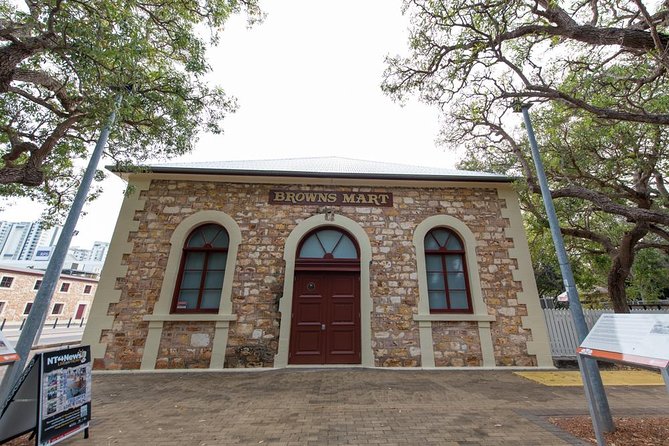
Charles Darwin National Park provides a short but worthwhile stop, with about 20 minutes at the bunker exhibit. You also see ammunition storage tanks connected with the military protection of Darwin.
Twenty minutes is brief, but this stop gives you a look at the practical side of wartime preparation. The museums explain events and equipment. The national park shows where supplies and defenses were positioned.
Do not expect a long walk or a full nature visit as part of this tour. The stop is built around the bunker exhibit and military features, not a broad exploration of the park. If you want extended time outdoors, you would need to return separately.
The stop also helps break up the indoor museum visits. You can step out, see the setting, and continue the story through physical remains rather than display cases alone.
What the bus portion adds
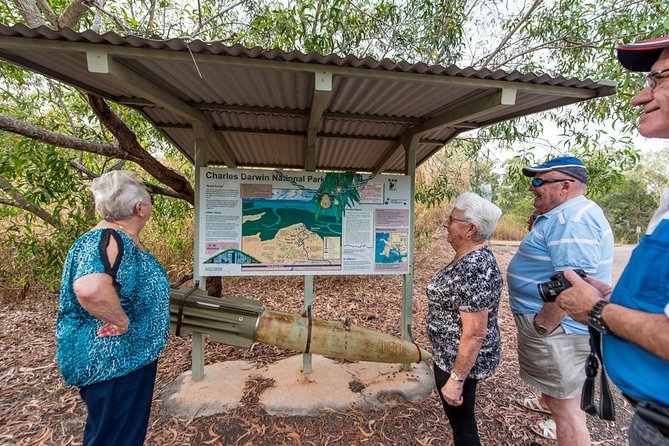
The air-conditioned vehicle is more than a transfer between attractions. The road portion gives the guide space to explain Darwin’s development, the city before World War II, and the way the bombing shaped modern Darwin.
The vehicle is especially useful in the Top End heat. Water and bug spray may be available, but I would still bring your own water, hat, and sun protection. The tour includes transport, but not food or drinks.
The group size is capped at 10 people, which should make the commentary easier to hear and questions easier to ask than on a large coach. The smaller vehicle also suits a route with several short stops. On the other hand, a small group does not guarantee a slow pace. The timetable is tight, and late pickups can shorten the time at later stops.
Most departures begin at the Aquascene Fish Feeding Sanctuary and Cafe on Doctors Gully Road and return to the same meeting point. Pickup and drop-off are offered at selected hotels, so check your exact accommodation before booking rather than assuming every Darwin hotel is covered.
Price, pace, and what you receive
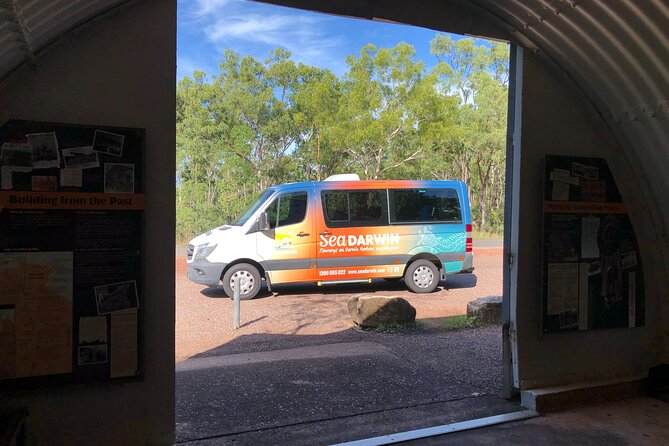
At about $106.87 per person, this is not the cheapest way to see Darwin. The value comes from the combination: a four-and-a-half-hour route, air-conditioned transport, a local driver or guide, live bus and boat commentary, museum admission, the harbour cruise, and selected hotel pickup.
If you visited the museums and harbour separately, you would need to arrange transport and work out how the sites fit together. This tour saves that planning and gives you a connected explanation. For a first visit to Darwin, that convenience is worth considering.
The price may be less attractive if you mainly want a relaxed harbour cruise or one museum. The tour is designed for people who want the full wartime overview. You are paying for the connections between the sites as much as for admission to them.
Check the currency carefully before paying. One customer was surprised that the displayed amount was in US dollars, so confirm the final charge in your booking details.
The pace is generally described as good, but it is not leisurely. The four main stops are short, and the boat transfer adds fixed timing. If you like to photograph every site, read every panel, or ask long questions, you may feel hurried. If you prefer a clear route with steady commentary, the schedule should suit you.
Who should book this Darwin tour?
I would recommend it to anyone who wants to understand Darwin beyond beaches, markets, and tropical weather. It suits first-time visitors, Australian history enthusiasts, families with older children, and anyone interested in military sites without committing to a full day of museums.
It is also a good choice if you do not know much about the bombing of Darwin. The guide supplies the background, and the mix of boat, bus, museum, and outdoor stops keeps the subject approachable.
The tour may be less suitable if you need long, quiet museum visits or dislike moving on according to a timetable. It also requires a moderate level of physical fitness. You should be comfortable getting in and out of the vehicle and boat and walking through the various sites.
Do not book it expecting the oil tunnels. They are not included, despite the fact that they are another well-known wartime attraction in Darwin. Plan them separately if they are a priority.
Practical ways to get more from the morning
Wear light clothing and bring a hat. The harbour cruise is exposed, and Darwin’s heat can be strong even when the bus and museums are comfortable.
Have breakfast before pickup or carry something to eat. Food and drinks are not included, and the tour’s schedule does not promise a meal stop.
Listen closely during the bus sections. The road commentary adds background about Darwin, Parap, older houses, and places of interest that you might otherwise pass without noticing.
At the museums, choose your priorities quickly. If weapons and vehicles interest you, begin there. If personal stories and the broader defense of Darwin matter more, ask the guide which displays deserve your limited time.
Keep your expectations realistic about the harbour. The cruise gives you important views and context, but it is not a long sightseeing voyage. Its value is in seeing the bomb and wreck locations from the water, especially after hearing how the raids unfolded.
Pickup communication has usually been praised, but one departure experienced a significant delay, with a scheduled 7:30 pickup arriving around 8:20. If your start is delayed, contact the operator promptly. A late beginning can make the later stops feel more rushed.
Should you book the Bombing of Darwin tour?
Yes, if you want a well-organized introduction to Darwin’s World War II story and value seeing the harbour as well as the museums. The combination of the USS Peary wreck site, East Point defenses, military displays, Charles Darwin National Park, and live commentary gives you a fuller picture than any single stop.
Book it with two cautions: the museums receive limited time, and the cruise is exposed to the sun. Bring a hat, accept the brisk pace, and plan the oil tunnels for another time if needed.
The tour has a strong 4.7 rating from 219 reviews and a 95 percent recommendation rate, but the most useful question is whether its format suits you. If you want context, variety, and efficient sightseeing, it is a good use of half a day. If you want to study every exhibit at length, visit the museums independently instead.
FAQ
How long does the Bombing of Darwin tour last?
The experience lasts approximately 4 hours and 30 minutes.
What is included in the ticket?
The tour includes transport in an air-conditioned vehicle, a local guide or driver, live bus and boat commentary, entrance fees, the harbour cruise, and hotel pickup and drop-off at selected hotels.
Where does the tour start and finish?
The listed meeting point is Aquascene Fish Feeding Sanctuary and Cafe at 28 Doctors Gully Road, Larrakeyah. The activity returns to the meeting point at the end.
Is hotel pickup available?
Yes, pickup and drop-off are offered from selected hotels. Confirm that your accommodation is covered before booking.
How long is the harbour cruise?
The Bombing of Darwin cruise lasts about one hour. You disembark at Cullen Bay Marina afterward.
Are food and drinks included?
No. Food and drinks are not included, so you should arrange your own refreshments.
Are the oil tunnels included?
No. The oil tunnels are not part of this experience and must be visited separately.
What happens if the tour is canceled?
If poor weather or an insufficient minimum number of bookings causes cancellation, you will be offered another date or experience, or a full refund. You can also cancel for a full refund if you do so at least 24 hours before the start time.
Just added around Australia
- Darwin History and Wartime Experience Tour★ 5.0 · 144 reviews
- 1-Hour Thunderball WWII Adventure Jet Skiing in Darwin★ 5.0 · 70 reviews
- Darwin Heritage Walk★ 4.5 · 101 reviews
- Bombing of Darwin WWII Heritage Tours★ 5.0 · 261 reviews
- Authentic Indigenous Cultural Tour Including Scenic River Cruise★ 5.0 · 88 reviews
- Cairns History Walking Tour★ 5.0 · 52 reviews
- Entry Ticket at Historic Village Herberton★ 5.0 · 114 reviews
- Self-Guided Ngilgi Cave Ancient Lands Experience★ 4.5 · 154 reviews
Australia History Tours, compared.

Ultimate Melbourne Walking Tour: History, Laneways & Culture
Read our review →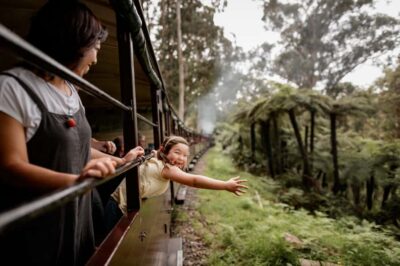
Puffing Billy Railway: Heritage Steam Train Journey
Read our review →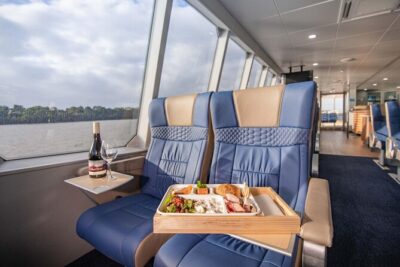
Morning World Heritage Cruise on the Gordon River from Strahan
Read our review →
Strahan: World Heritage Cruise on Gordon River with Lunch
Read our review →
Sydney: The Rocks 90-Minute History Walking Tour
Read our review →
Experience History onboard The Mary Valley Rattler
Read our review →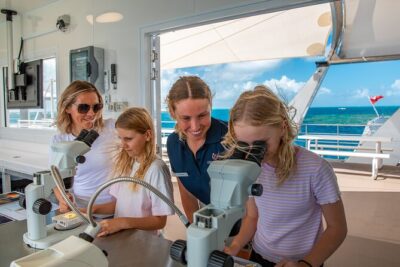
Snorkel & Dive the Reef: Sustainable, Scientific & Cultural Tour
Read our review →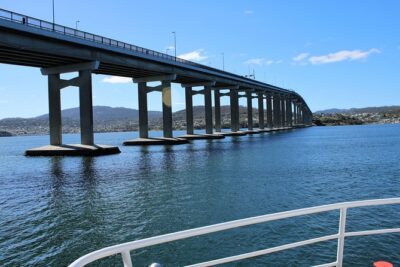
Derwent River Historic Harbour Cruise From Hobart
Read our review →Browse the lists this tour appears in