
Review · HISTORY TOURS
Chisinau: Discover Soviet Heritage of Transnistria
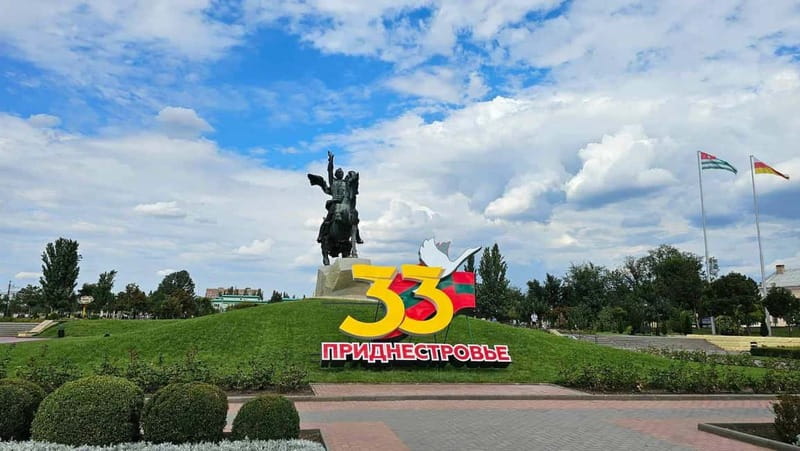
Transnistria is one of Europe’s strangest day trips: a self-declared state that is not widely recognized as a country, with Soviet symbols still built into daily life. From Lenin statues and Russian flags to military memorials and wide, quiet streets, the experience feels less like visiting a museum than walking through a living political time capsule.
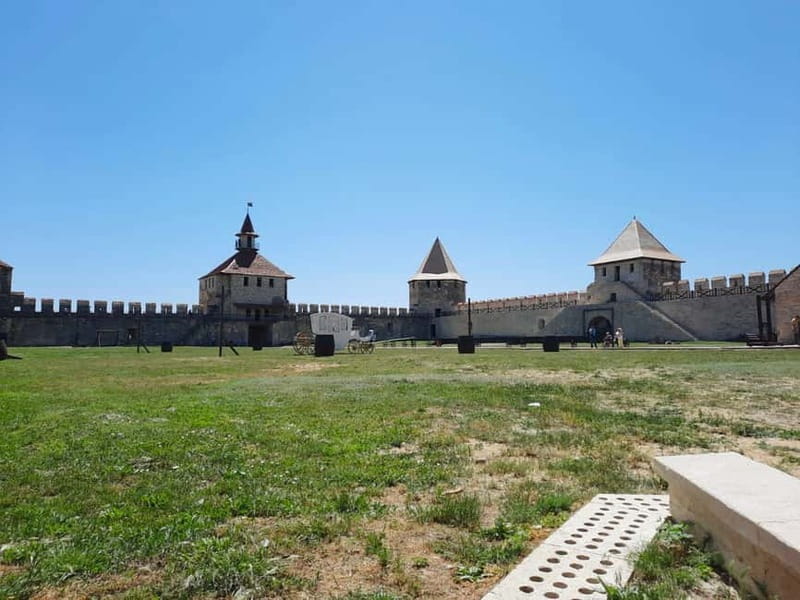
I like the contrast between Bender Fortress, a 16th-century military monument, and the Soviet streets of Tiraspol. I also like the small-group format, which lets guides such as Natalia, Corneliu, and Nicolai answer questions and sometimes adjust the day for an extra stop.
The main drawback is practical rather than scenic. You need your passport, cash, and comfortable shoes, and you cannot photograph the border. Lunch costs extra, credit cards are not accepted in Transnistria, and the tour is not suitable for wheelchair users or people with major mobility limits.
Key points to know before booking
- Bender Fortress adds centuries of history: The tour is not only about Soviet monuments. You also visit a major 16th-century fortress on the Dniester River.
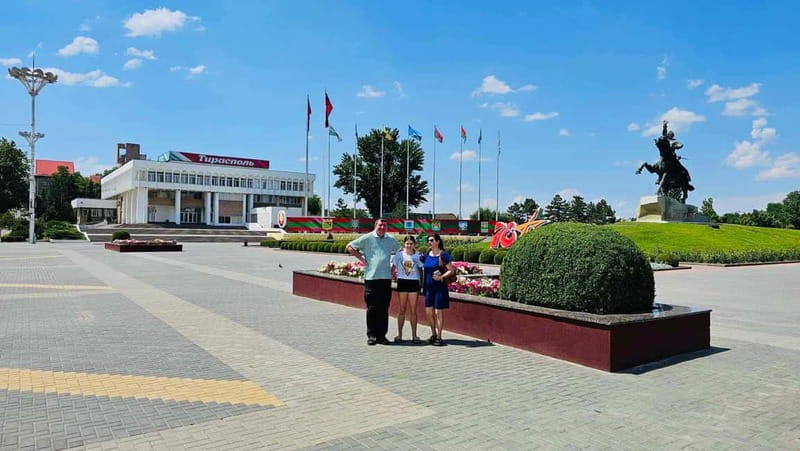
- Tiraspol feels like a working Soviet set: Lenin statues, memorials, Soviet-style buildings, parks, and military symbols appear in ordinary public spaces.
- Small groups make the day flexible: With no more than 10 people, guides can answer questions and may add places such as a food market or Gagarin mural.
- Bring cash in several forms: Credit cards are not accepted in Transnistria, so budget for lunch, drinks, and souvenirs.
- The guide matters here: This is a politically complicated place, and guides including Natalia, Corneliu, Marcel, and Nicolai are praised for explaining both history and current affairs clearly.
- Expect a full day on your feet: The tour lasts eight hours, with walking in Bender and Tiraspol, so comfortable footwear is essential.
Why this day trip feels different from ordinary sightseeing
Most day trips from Chisinau lead to wineries, monasteries, or rural villages. This one takes you into Transnistria, a narrow territory along Moldova’s eastern edge that operates separately from the Moldovan government but is not broadly recognized as an independent country.
That political fact shapes the entire day. You pass through a controlled border area, see symbols tied to Soviet and Russian identity, and hear competing explanations of the region’s past and present. The tour is at its best when it treats the place as more than a collection of odd Soviet relics.
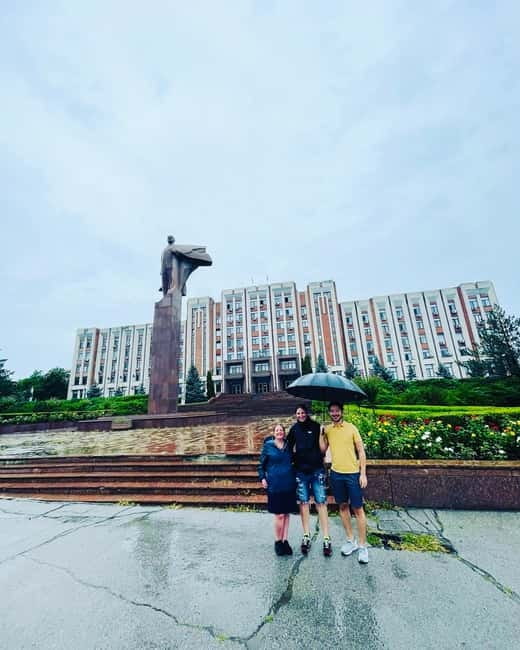
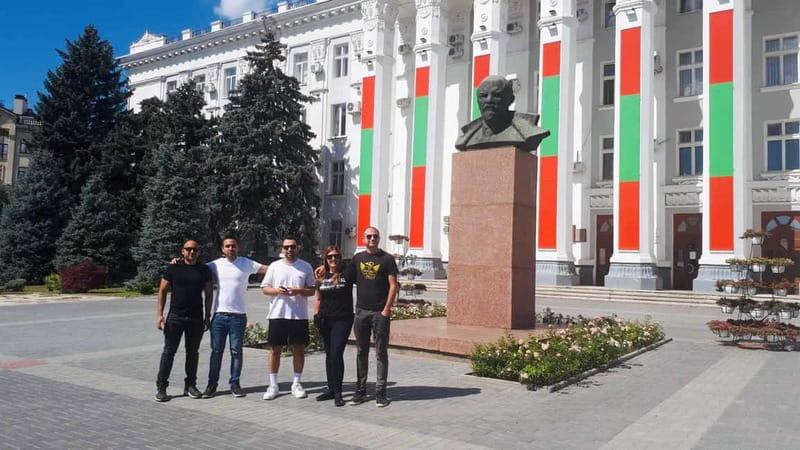
You will see familiar communist-era images, including Lenin statues, Soviet flags, memorials, tanks, and monumental buildings. But you also see ordinary life: parks, shops, a market, restaurants, and people going about their day. That mix gives the visit its unusual value.
The tour costs $130 per person. That is not a bargain-priced bus ride, but the price includes hotel or apartment pickup and drop-off in Chisinau, comfortable transportation, entry to Bender Fortress, and a professional guide. For a border crossing into a politically sensitive area, that convenience matters.
Lunch, drinks, and souvenirs are extra. A practical cash budget is about $15 per person for food and small purchases, based on advice from the tour experience. Bring a little more if you want flexibility.
More Cold War and Communism Tours in the world:
- Berlin: Third Reich & Cold War Guided Walking Tour
★ 4.9 · 8,378 reviews - Berlin’s Best: 2 Hour Walking Tour Third Reich and the Cold War
★ 5.0 · 5,486 reviews - Prague: Communism History and Nuclear Bunker Guided Tour
★ 4.7 · 2,417 reviews
From Chisinau to Bender Fortress
Pickup is included directly from your Chisinau hotel or apartment. You receive the exact pickup time after booking, and you should wait in the lobby about 10 minutes before departure.
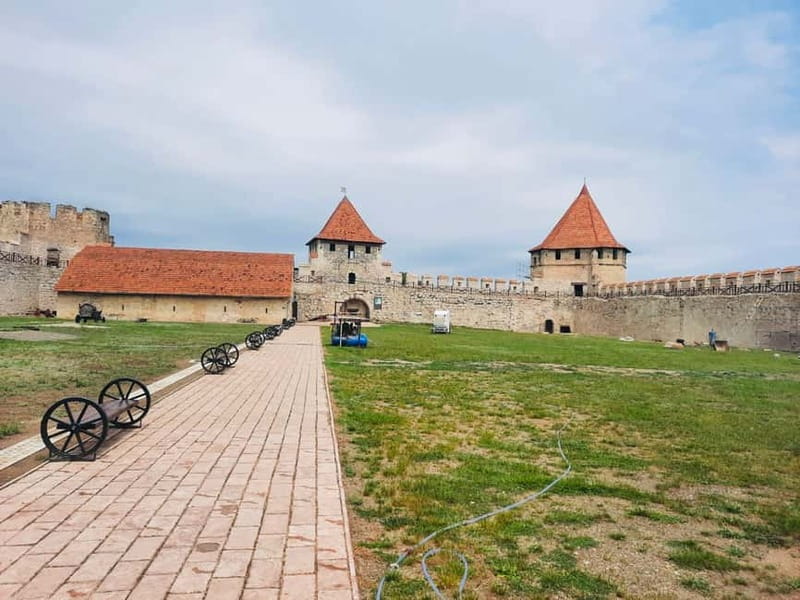
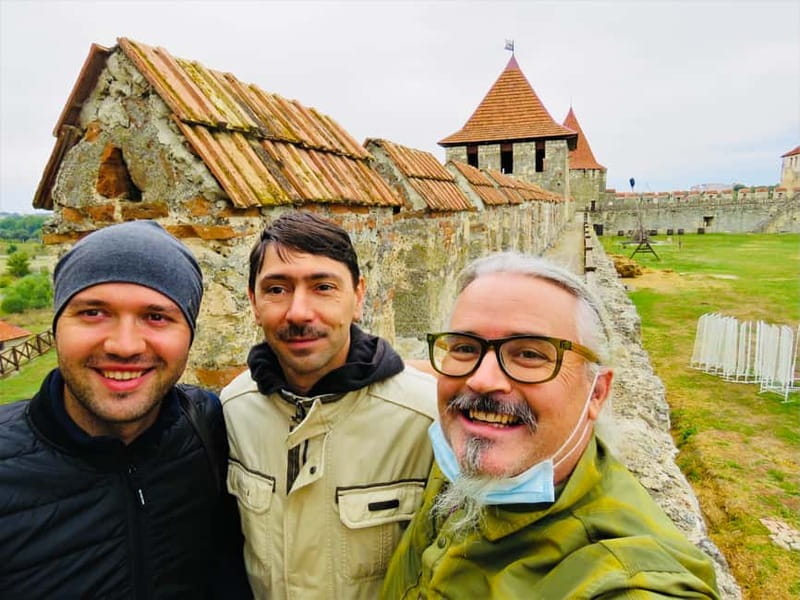
The drive brings you to Bender, also known as Tighina, on the Dniester River. The first major stop is Bender Fortress, where you spend about 100 minutes on a guided visit and walk.
This stop gives the day useful depth. If you only visited Tiraspol, you might come away thinking the area is defined by Soviet architecture and political theater. The fortress shows that the region’s story began long before the 20th century.
The fortress dates from the 16th century and is one of the area’s major architectural monuments. Its walls and defensive setting offer a change of pace after the journey from Chisinau. You get time to walk, look closely at the structure, and hear about the territory’s earlier importance.
Do not expect a vast archaeological complex with hours of rooms and exhibits. The stop is compact compared with a full fortress day in Romania or Poland. Its value comes from putting Transnistria into a longer historical frame.
Comfortable shoes are important here. The tour includes walking, and fortress surfaces may not be as easy as a paved city sidewalk. The experience is not suitable for wheelchair users or people with mobility impairments.
Walking through Bender’s Soviet-era streets
After the fortress, the tour continues with a guided look at Bender. The city helps you understand the difference between seeing Soviet objects in a museum and encountering them in daily surroundings.
You may see Communist-era buildings, statues, memorials, flags, and other public symbols connected to the Soviet period. The guide explains what you are looking at rather than leaving you to collect photographs without context.
Bender is also useful because it avoids a one-note version of Transnistria. The city has older layers, modern routines, and political symbols together. You are not simply being shown the most theatrical monuments for a quick photo.
Guides have received particular praise for explaining the political situation without reducing it to a simple good side and bad side story. Natalia, for example, is described as clear and well informed about Moldova and Transnistria. Corneliu has guided groups in German, English, Romanian, and Russian, which is helpful in a multilingual setting.
The border rules deserve attention. Keep your passport with you, since you need it at the Transnistrian border. Do not take photographs at the border, and leave professional large cameras at home. A phone or small camera is allowed away from restricted points, but follow your guide’s instructions.
Tiraspol and the Soviet symbols of daily life
The main Tiraspol visit lasts about three and a quarter hours, including walking, lunch, shopping, a food market visit, and guided sightseeing. Tiraspol is the place where the Soviet theme becomes most visible.
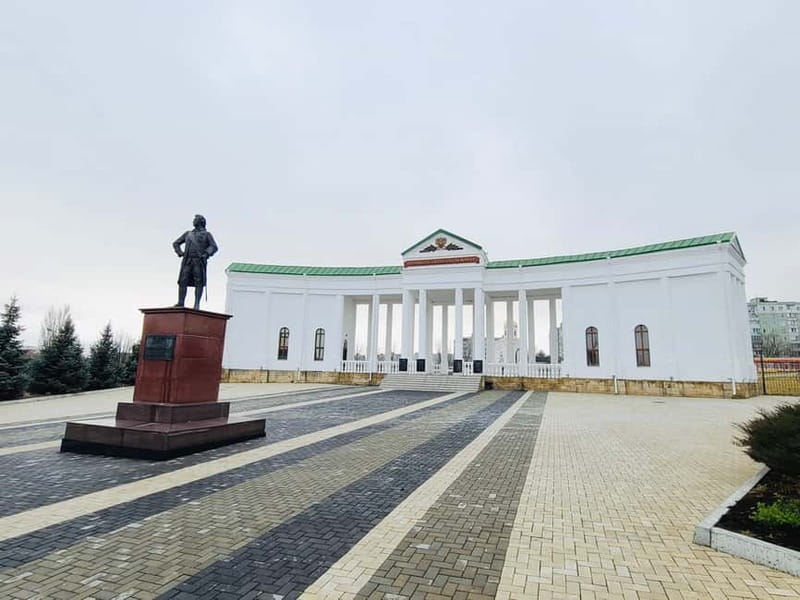
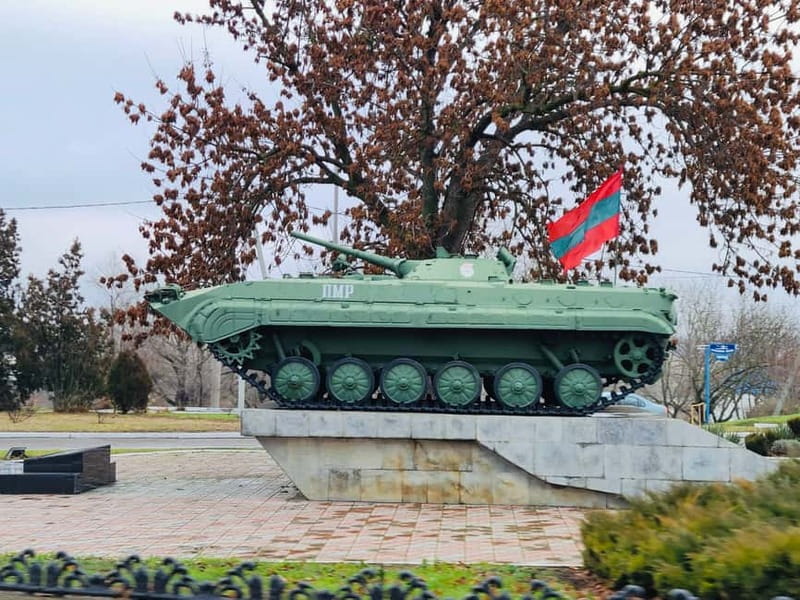
The city’s streets include Soviet-era architecture, monuments, parks, and public spaces that still carry the visual language of the former Soviet Union. The Suvorov Monument and Tank Monument are among the named sights, and Lenin statues are part of the city’s public imagery.
The appeal is not that every building is beautiful. Some sights are plain, oversized, or weathered. That is precisely why the city is worth seeing. You are looking at a functioning urban center where political symbols have not been cleared away and placed behind glass.
The guide is essential. Without explanation, a Lenin statue is just a Lenin statue. With context, it becomes part of a story about identity, memory, power, and the different ways Moldova and Transnistria describe their shared past.
The group may also visit local parks and a food market. These stops are valuable because they shift attention from monuments to routine. You might see what people buy, how shops operate, and how the city feels away from formal memorials.
Some guides have added stops when time and group interest allow. Past routes have included a Gagarin mural and other places not always listed as fixed stops. Do not treat these additions as guaranteed, but the small group gives the day more room to respond to your interests than a large coach tour would.
More History Tours in the world:
- Prague: Medieval Dinner with Unlimited Drinks
★ 4.4 · 19,847 reviews - Pompeii: Entry Ticket and Guided Tour with an Archaeologist
★ 4.8 · 19,459 reviews - History and Hauntings of Salem Guided Walking Tour
★ 5.0 · 14,564 reviews - Athens: Acropolis & up to 5 Archaeological Sites Combo Pass
★ 4.2 · 13,904 reviews
A Soviet-style lunch, with the bill separate
Lunch takes place at an authentic Soviet-style restaurant in Tiraspol or Bender. The food is cooked according to Soviet-era recipes, giving you a chance to connect the historical theme with local dining rather than only looking at statues.
The meal is not included in the $130 price, so keep cash ready. Credit cards are not accepted in Transnistria. You may also want cash for drinks, market purchases, and souvenirs.
The restaurant stop helps break up the walking. Several guides have recommended themed dining spots, including one where you can dress up as Stalin. That detail is not the reason to book the tour, but it shows the playful side of a day that can otherwise feel politically heavy.
Expect the lunch to be part of the experience, not a formal food tour. The focus remains history and everyday culture. If you have dietary needs, the supplied tour details do not promise special menus, so ask when booking.
What the guides add to the day
This tour depends heavily on the person leading it. You are entering a place with complicated names, borders, languages, and political viewpoints. A good guide keeps the day clear without pretending the story is simple.
Natalia appears repeatedly among the named guides, and her strengths include explaining Moldova and Transnistria, making time for photographs, and answering questions about the present situation. Corneliu is praised for switching between languages and for combining historical detail with practical care. Marcel is described as especially good at explaining Soviet history in a simple way.
Other guides named in the experience include Nicolai, Nicolina, Marina, Victor, Dimitri, Ludmilla, Valerii, and Vitalie in guiding or driving roles. The exact guide is not guaranteed, but the range of languages is useful: English, Romanian, Russian, and German are offered.
The strongest guides do more than recite dates. They explain how the region’s past affects its public symbols and how the local political situation shapes what you see. That makes this a better choice for curious adults than for anyone seeking a quick collection of photogenic sights.
Transport, group size, and the pace of the day
The tour lasts eight hours from Chisinau and includes pickup and drop-off. Transportation is described as comfortable, and most of the experience takes place in a small group of no more than 10 people.
That size is a real advantage. You spend less time waiting for people to reboard, and the guide can respond to questions. A few comments praise punctual pickups, clean vehicles, smooth driving, and efficient organization.
There is one practical caution. One past booking reported that the rear air conditioning did not work well when six people were seated in the back, making that part of the vehicle cramped and warm. This appears to be an isolated complaint among otherwise positive transport comments, but it is worth keeping in mind during hot weather.
The day includes walking in both Bender and Tiraspol. You should be comfortable spending time outdoors and moving between stops. Children under three are not accepted, and the experience is not suitable for wheelchair users, people with mobility impairments, or people over 95.
What to bring and what not to do
Your passport is the most important item. You need it at the border, and forgetting it could prevent you from taking part.
Wear comfortable shoes, and bring cash. Credit cards do not work in Transnistria, so plan for the separate lunch cost and any purchases at the market or souvenir stops.
A phone or small camera is allowed, but do not bring a professional large camera. Never photograph the border. This is one of those moments when following local instructions matters more than getting one extra picture.
Pets, baby strollers, alcohol, drugs, and intoxication are not allowed. These rules are straightforward, but the border setting makes it sensible to keep your belongings and behavior simple.
The tour offers free cancellation up to 24 hours before departure, and you can reserve now and pay later. Those terms are useful if your Chisinau plans are still changing.
Who will enjoy this most
I would choose this tour if you have a strong interest in 20th-century history, disputed borders, Soviet public art, or places that do not fit neatly into a standard sightseeing list.
It also suits you if you prefer a guide to explain political context rather than exploring independently. The border, language, currency, and photography rules make an organized trip more practical than going alone.
It may not suit you if you want a relaxed food-and-wine outing, polished historic centers, or a day with little walking. The Soviet theme is the point, and the visual style can feel stark, repetitive, or politically uncomfortable.
Families can take part, since one booking specifically describes a child enjoying the sights and history, but children under three are excluded. Older visitors should consider the amount of walking and the eight-hour length.
Should you book the Transnistria day trip?
Book it if you want to see Soviet symbols in a living city rather than in a museum. The combination of Bender Fortress, Tiraspol’s monuments, a food market, and a Soviet-style lunch gives you more range than the title alone suggests.
The $130 price is fair for a small group with transport, hotel pickup, fortress entry, and a multilingual guide. Add cash for lunch and purchases, and accept that the day is about history and politics as much as sightseeing.
I would especially book this tour if you can join a guide such as Natalia, Corneliu, Marcel, or Nicolai, though the provider assigns the guide. Their explanations are a major part of the value. If you want a tidy, simple story, choose another day trip. If you want an unusual and carefully guided look at a disputed corner of Europe, this is one of the more memorable choices from Chisinau.
FAQ
How long does the Transnistria tour from Chisinau last?
The tour lasts eight hours, including pickup from Chisinau, visits to Bender and Tiraspol, and return transportation.
What is included in the price?
The $130 price includes comfortable transportation, hotel or apartment pickup and drop-off, entry to Bender Fortress, and professional guide services.
Is lunch included?
No. Lunch in Tiraspol or Bender is not included, so bring cash to pay separately.
Do I need my passport?
Yes. You need to bring your passport because it is required at the border with Transnistria.
Can I use a credit card in Transnistria?
No. Credit cards are not accepted in Transnistria, so bring cash for lunch, souvenirs, and other purchases.
Can I take photographs at the border?
No. Photography at the Transnistrian border is not allowed. Phones and small cameras are permitted elsewhere where photography is allowed.
What languages are available for the guided tour?
Guides are available in English, Romanian, Russian, and German.
How large is the group?
The tour is limited to 10 participants, making it a small-group experience.
Is the tour suitable for children?
Children under three are not accepted. Older children may enjoy the monuments and historical material, but the tour includes walking and lasts eight hours.
Is the tour suitable for wheelchair users?
No. The experience is not suitable for wheelchair users or people with mobility impairments. Comfortable shoes are recommended for everyone taking part.
Just added around the world
- Scenic Train ride to historical cities of Morretes and Antonina★ 4.0 · 188 reviews
- 6-Day Cultural Tour to Machu Picchu★ 5.0 · 76 reviews
- Jewish Heritage of Curacao★ 4.5 · 68 reviews
- The Curacao’s Colorful History Walking Tour★ 5.0 · 55 reviews
- Discover Scuba Diving Amathounta’s Ancient Port★ 5.0 · 30 reviews
- Olous – Guided Snorkelling Excursion to Discover Olous Sunken Ancient City★ 4.5 · 31 reviews
- Night Walking Tour of Medieval Cuenca★ 5.0 · 64 reviews
- Knossos & Archaeological Museum Shared Guided Tour from Chania★ 5.0 · 41 reviews