
Review · PHILADELPHIA
Philadelphia Old City Historic Walking Tour with 10+ Top Sites
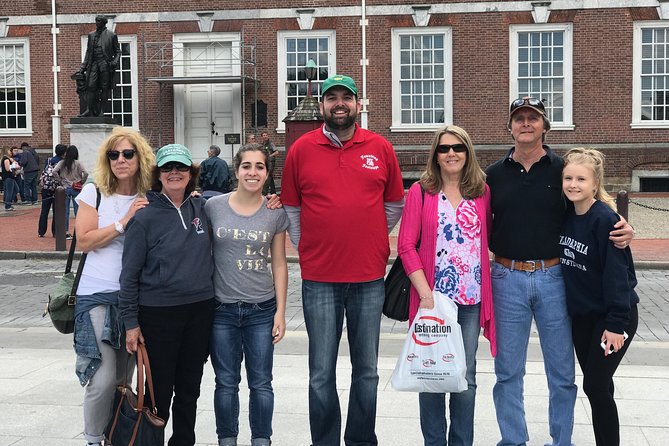
Philadelphia’s Old City is compact, but its story is anything but small. In 90 minutes, this walking tour takes you from the Betsy Ross House and Elfreth’s Alley to the Liberty Bell and Independence Hall, with the American Revolution unfolding around you in brick, stone, and cobblestones. The guides, including Seamus, Joseph, Amanda, and Ty, bring a mix of facts, questions, and humor.
I like the well-paced route, which covers a lot without turning into a tiring half-day march. I also like the guide style: former stand-up comedian meets history teacher. The main consideration is that this is largely an outside tour. Some sites have admission fees, and Carpenter’s Hall is currently closed to the public.
Key points to know before booking
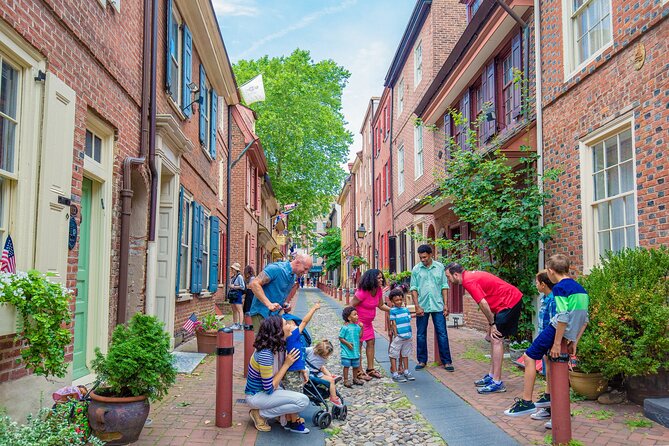
- The tour covers Old City’s essential landmarks: Betsy Ross House, Elfreth’s Alley, Christ Church, Carpenters’ Hall, the Second Bank, the Liberty Bell, and Independence Hall.
- Seamus and Joseph receive especially strong praise: Both are known for clear stories, friendly conversation, and a good sense of humor.
- The 90-minute length is practical: You see the district’s main sights without giving up most of your day.
- Most stops are exterior visits or photo stops: Admission to the Betsy Ross House and Liberty Bell is not included.
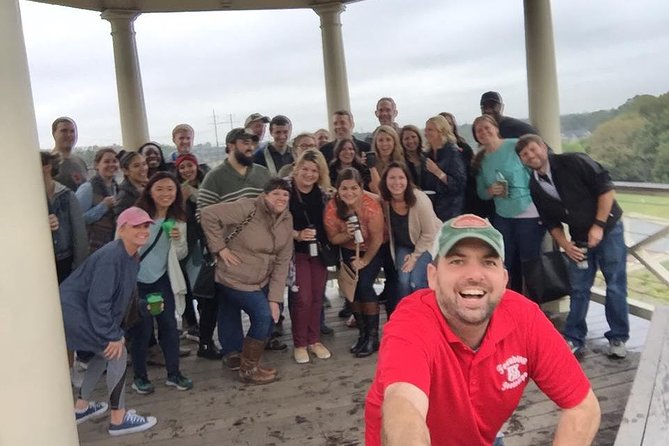
- The group is capped at 20 people: That is small enough for questions and a reasonable view of the guide.
- The finish is useful: The tour ends outside Independence Hall, close to more Old City sights, restaurants, and museums.
Why a 90-minute walk works well in Philadelphia’s Old City
This is a good first look at Philadelphia because the route gives you a clear sense of place. Instead of viewing the Liberty Bell, Independence Hall, and Christ Church as separate attractions, you connect them on foot and understand how close they are to one another.
The tour begins at 302 Arch Street and ends outside Independence Hall around Fifth and Chestnut Streets. That makes the route useful for getting your bearings. Afterward, you can return to a site that caught your interest, continue toward the waterfront, or stop for lunch nearby.
I also like the duration. Ninety minutes is long enough for real context, but short enough to fit into a busy day. The route involves steady walking on city streets and cobblestones, so you should have a moderate level of fitness. Good shoes matter more here than fancy sightseeing gear.
The tone is part of the appeal. Guides are selected for both historical knowledge and presentation skills, and the strongest comments center on Seamus and Joseph. Seamus is described as interactive and especially good at drawing questions from the whole group. Joseph is praised for adding extra facts and even helping point people toward a good lunch spot.
That combination matters. Philadelphia’s early-American story can become a parade of dates and famous names. A guide who can tell a story, answer a question, and add a little humor helps the places feel connected rather than merely checked off.
More History Walking Tours in the USA
- History and Hauntings of Salem Guided Walking Tour
★ 5.0 · 14,564 reviews - Boston: Freedom Trail History Small Group Walking Tour
★ 5.0 · 6,450 reviews - Historic Charleston Guided Sightseeing Walking Tour
★ 5.0 · 6,216 reviews
Betsy Ross House and the first Old City stories
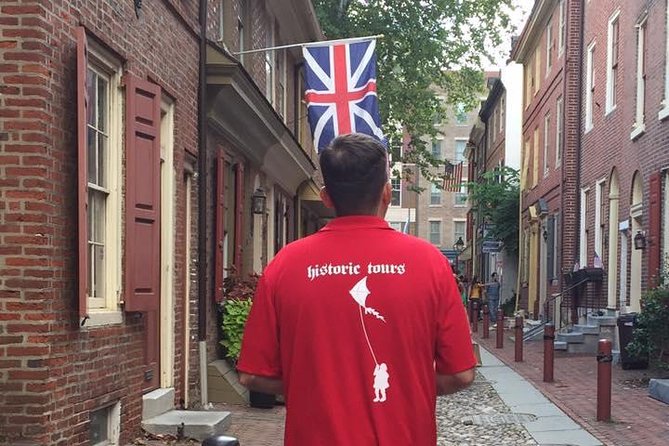
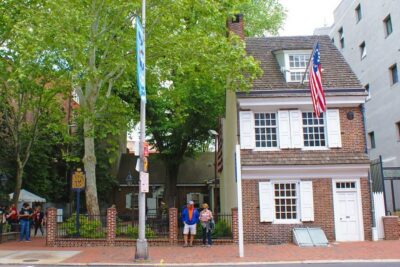
The first stop is the courtyard of the Betsy Ross House. You have about seven minutes here, enough for an introduction and photographs, but not a full museum visit.
Admission to the house is not included. You can buy a separate ticket at the gift shop if you want to return afterward. This is a useful distinction when comparing the tour with a larger admission-based sightseeing package: the walking tour gives you the setting and explanation, but it does not take you through every interior.
The Betsy Ross story is closely tied to Philadelphia’s popular image of the Revolution. A guide can also help you keep legend and documented history in perspective. That is one reason a live explanation is useful here. You get more than a building photo, even if your time inside is saved for later.
The courtyard is a sensible first stop because it introduces the neighborhood at a human scale. You are looking at a house, a street, and the people who lived and worked in this part of town, not only at grand government buildings.
Elfreth’s Alley, where the city feels residential
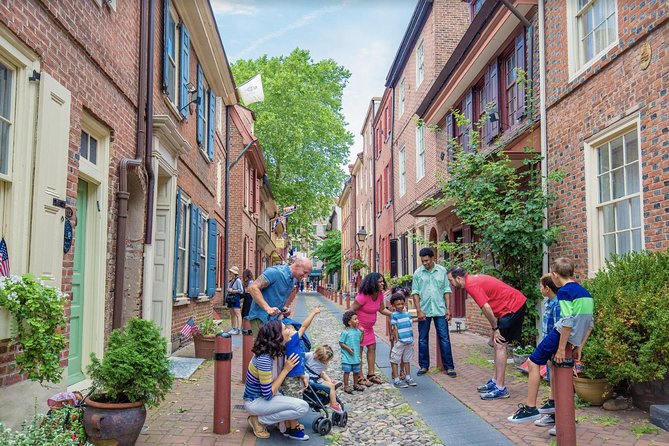
From there, the tour reaches Elfreth’s Alley, described as the oldest continuously lived-on street in the original American colonies. You have around ten minutes, and admission to the street is free.
This is one of the most visually distinctive stops. The narrow lane and old homes give you a sense of everyday urban life in early Philadelphia. It is also a welcome change from the larger civic monuments later in the route.
I would pay attention to the street itself rather than rushing for a single photograph. The value here is the scale. You can picture tradespeople, families, and workers living close together, which adds social context to the better-known stories of presidents and revolutionaries.
The tour also passes more than 15 Philadelphia sites beyond the formal stops, including Ben Franklin Court. That means the guide can point out details that you might walk past on your own. This is one of the strongest reasons to take the tour early in your visit.
Christ Church and Philadelphia’s revolutionary congregation
Christ Church receives about seven minutes. Admission is donation-based, so you may be able to go inside if the church is open and you choose to contribute.
The church is often called the Church of the Revolution, and it gives the tour a chance to move from streets and houses into the religious and civic world of colonial Philadelphia. The guide explains why this place mattered and connects it to the political life of the era.
Since this is a short walking tour, do not expect a long interior visit or a detailed architectural lecture. Think of Christ Church as a focused stop within a larger story. If the building interests you, you can ask the guide whether a return visit makes sense after the tour.
That flexibility is useful. The route introduces many places, but it does not pretend to replace a full visit to every one.
More Old Town and Historic Centre Walks in the USA
- Asheville Historic Downtown Guided Electric Bike Tour with Scenic Views
★ 5.0 · 1,234 reviews - Walking History Tour of St. Augustine’s Historic District
★ 5.0 · 1,152 reviews - Creepy Crawl Night-Time Haunted Pub Walking Tour of Savannah’s Historic District
★ 4.5 · 802 reviews - Savannah: Historic District Foodie Walking Tour
★ 4.8 · 613 reviews
Ben Franklin’s post office and the working city
The B. Free Franklin Post Office gets about five minutes. It is identified as the first post office in America, and the stop adds a practical side to the story of Philadelphia.
This is not only a tour of declarations and famous speeches. Postal service, printing, trade, and communication helped shape the city’s role in the colonies. The stop also connects naturally with Benjamin Franklin, whose presence appears in several parts of Old City.
Admission is not included, though the stop is mainly part of the outdoor route. I like this kind of brief pause because it keeps the tour from becoming too narrowly focused on military battles and political leaders. It shows how the new nation depended on ordinary systems as well as grand ideals.
Carpenters’ Hall and the limits of current access
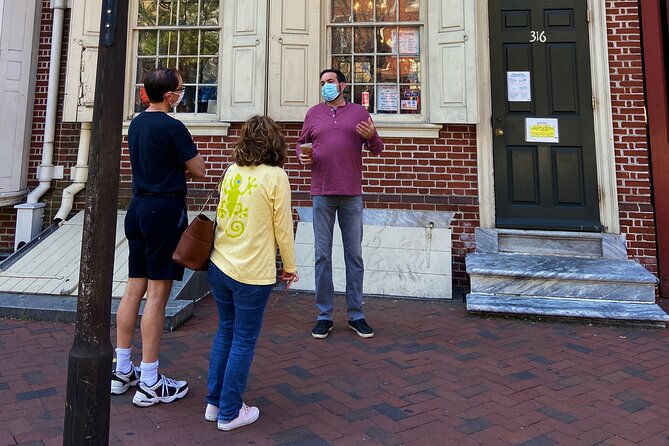
Carpenters’ Hall is allocated about seven minutes and is presented as a place where the early movement toward American independence took shape. Admission is donation-based when the site is open.
There is an important current limitation: Carpenters’ Hall is listed as closed, so the guide will visit it when it is available to the public. That means you should not book this tour expecting a guaranteed interior visit. The guide can still explain the building’s importance from the route, but access may change.
This is a good example of why an outdoor history tour offers some practical flexibility. If a government building or historic site closes, the guide can keep the story moving and point out other places. At the same time, you should keep your expectations realistic. The tour is not a guarantee of entry to every landmark.
The Second Bank and a quieter art stop
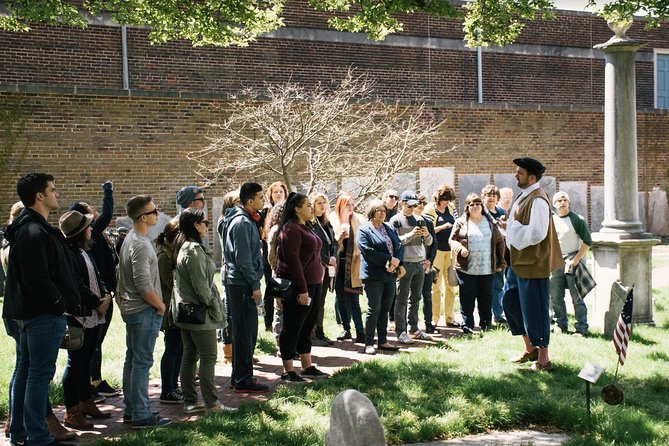
The Second Bank of the United States receives the longest stop, about 15 minutes. It now serves as a presidential portrait gallery operated by the parks department, and admission is free.
This pause gives the tour a different rhythm. Instead of only discussing the Revolution, you get a look at the early financial system and the political arguments that shaped the young United States. The portraits add a visual layer, particularly if you enjoy seeing how later generations imagined their leaders.
The longer stop also gives you a chance to ask questions. Guides such as Seamus are praised for making a point of speaking with people throughout the group rather than addressing only the most vocal participants. That can make a real difference when the group includes children, teens, and adults with different levels of interest.
If you are traveling with family, this may be one of the more manageable interior stops because it combines art, politics, and a short visit rather than requiring prolonged concentration.
The Liberty Bell, with time to decide if you want more
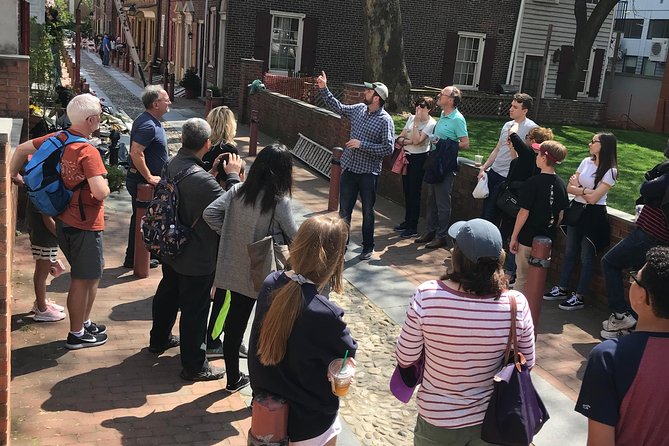
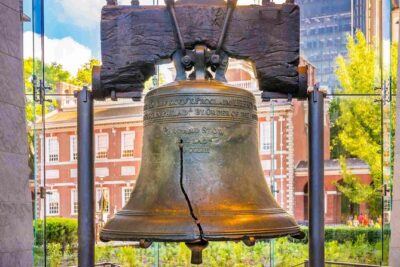
The Liberty Bell stop lasts about 15 minutes. Admission is not included, and the tour description treats it as a photo stop rather than a guaranteed museum visit.
The bell is one of Philadelphia’s most famous symbols, but its meaning has changed over time. Your guide discusses its place in the story of independence and the way later Americans used it as a symbol of liberty. You will get the key context without having to spend your whole morning in line or inside a museum.
If you want a closer look, plan to return after the tour and check the current admission arrangements. Since the walking tour does not include the ticket, you can decide based on your schedule and interest.
The stop is also a good reminder that a photo does not tell the whole story. Listen for the explanations about how national symbols are created and reused. That is where the guide adds real value.
Independence Hall, the finish that ties it together
The tour concludes outside Independence Hall, with about ten minutes devoted to its role in the Revolutionary War and the founding of the United States.
This is the natural ending. After seeing homes, churches, workshops, a post office, and financial institutions, you arrive at the building most closely tied to the Declaration of Independence and the Constitutional Convention.
The tour discusses the Founding Fathers who passed through these rooms, but the broader value is seeing the building in its neighborhood. You can understand why the surrounding streets mattered and how the city functioned as a political center.
Admission to Independence Hall is not included. If you want to tour the interior, arrange that separately and check the current ticket rules. The walking tour gives you the setting and background, but it should not be treated as an interior access ticket.
The ending is well chosen for the rest of your day. You are near Fifth and Chestnut, about four blocks from the starting point. The guides can provide directions back, though you may prefer to continue exploring from the finish.
What the price means at $43.50
At $43.50 per person, this is not the cheapest way to stroll around Old City. You can walk past many of these buildings on your own for free. The question is whether the guide’s explanations are worth the added cost.
For a first visit, I think the price is reasonable if you want a clear introduction rather than a list of addresses. You are paying for the route, the storytelling, the chance to ask questions, and the time saved researching what you are seeing.
The value is strongest when you use the tour as an orientation. Afterward, you can choose which places deserve a longer visit. If you already know Philadelphia’s colonial history well and plan to read plaques at your own pace, the price may feel less worthwhile.
The group maximum of 20 is another part of the value. It is not a private tour, but it should be easier to hear the guide and ask a question than on a very large group walk.
Practical details that affect your day
Multiple departure times make it easier to fit the tour around a museum visit, meal, or train schedule. Confirmation arrives when you book, and the experience is offered in English with a mobile ticket.
Children must be accompanied by an adult, and service animals are allowed. The route is near public transportation, but the tour itself is on foot. Wear comfortable shoes and prepare for the possibility of uneven historic streets.
Weather matters. The experience requires good conditions, and if poor weather causes cancellation, you are offered another date or a full refund. You can also cancel for a full refund up to 24 hours before the start time. Cancellations or changes inside that window are not refunded or accepted.
The tour requires a minimum number of participants. If that minimum is not met, you are offered another date or experience, or a full refund.
Who will enjoy this walk most
I would choose this tour if you are visiting Philadelphia for the first time, want the main Old City sights explained in plain language, or prefer learning through stories rather than reading signs.
It also suits families and mixed-age groups. The pace is steady, the route is not overly long, and the humor helps keep the subject from feeling like a lecture. The guide style works especially well for people who want to ask questions.
History fans should enjoy the number of stops and the Revolutionary War context. Still, this is an introduction, not an exhaustive study. You will not spend long inside each building, and several admission fees are separate.
If access to every interior is your top priority, book individual site visits as well. The walking tour gives you the framework, then lets you decide where to spend more time.
Should you book the Philadelphia Old City walking tour?
I would book it for a first morning or afternoon in Philadelphia, especially if you want to understand how the city’s main historic sites fit together. The route is efficient, the end point is useful, and the best guides bring humor without turning the subject into a costume show.
Choose it with clear expectations: this is a 90-minute guided walk with several exterior stops, not an all-access museum ticket. You will pay separately for places such as the Betsy Ross House, the Liberty Bell, and Independence Hall if you decide to go inside.
At $43.50, the tour earns its keep through strong storytelling and practical orientation. If you want a lively introduction to Old City, it is a sensible choice. If you already know the district well or prefer exploring alone, save the money and use the route as your own walking plan.
FAQ
How long is the Philadelphia Old City Historic Walking Tour?
The tour lasts approximately 90 minutes.
Where does the tour begin?
It begins at 302 Arch Street, Philadelphia, Pennsylvania 19106.
Where does the tour end?
It ends outside Independence Hall around Fifth and Chestnut Streets, about four blocks from the starting point.
What sites are included on the route?
The route includes photo stops and commentary at the Betsy Ross House, Elfreth’s Alley, Christ Church, the B. Free Franklin Post Office, Carpenters’ Hall, the Second Bank of the United States, the Liberty Bell, and Independence Hall. It also passes more than 15 Philadelphia sites, including Ben Franklin Court.
Are admission tickets included?
Admission is not included for the Betsy Ross House, the B. Free Franklin Post Office, the Liberty Bell, or Independence Hall. Christ Church and Carpenters’ Hall use donation-based admission when open. The Second Bank stop is free.
Can I visit Carpenters’ Hall during the tour?
Carpenters’ Hall is currently closed. The tour will visit it when it is available to the public.
Is the tour suitable for children?
Children may join, but they must be accompanied by an adult.
How many people can join the tour?
The maximum group size is 20 participants.
What happens if the weather is poor?
If poor weather causes the experience to be canceled, you will be offered a different date or a full refund.
Just added around the USA
- Red Rocks Amphitheatre Historical Walking Tour★ 5.0 · 74 reviews
- 1-Hour Segway Tour of Cheyenne Cañon Art, History and Nature★ 5.0 · 36 reviews
- Colorado Springs – Guided Walking Ghost / History Tour★ 5.0 · 168 reviews
- Ancient Landscapes Private Geology Hike at Garden of the Gods★ 5.0 · 31 reviews
- Village Food Tours Lunch & History Tour★ 5.0 · 80 reviews
- 2.5 Hour Kayaking with Manatee and History Tour in Tarpon Springs★ 5.0 · 24 reviews
- Safety Harbor Ghost Tour★ 5.0 · 60 reviews
- Historical Bicycle Tour of Dunedin★ 5.0 · 44 reviews
Philadelphia History Tours, compared.
Revolution and the Founders: History Tour of Philadelphia
Read our review →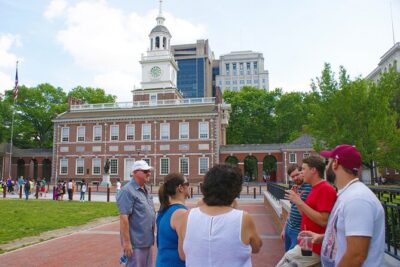
2.5 Hour Philadelphia History Tour with Washington War Tent Show
Read our review →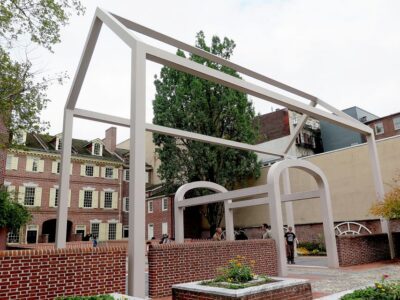
Philadelphia: Revolution and The Founders History Tour
Read our review →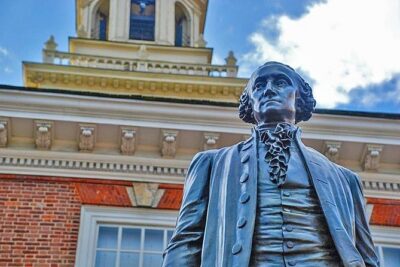
Philadelphia: History, Highlights & Revolution Walking Tour
Read our review →
Philadelphia: Grim, Dark, and Twisted History Tour
Read our review →
Philadelphia: Revolutionary Walk Through Historic Old City
Read our review →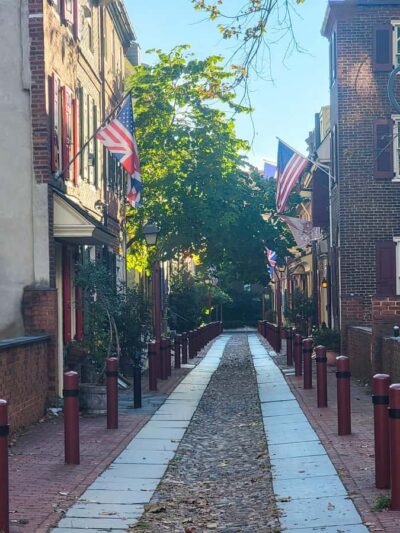
Philadelphia: Guided Walking Tour of Historic District!
Read our review →Browse the lists this tour appears in