
Review · NIGHTLIFE
Buenos Aires: San Telmo, History, Bars, and Tango!
San Telmo gives you Buenos Aires in close-up: tango signs, old churches, antique shops, comic-book characters, market stalls, and bars tucked into streets with plenty of stories. This 150-minute walking tour links those pieces together, from the Santo Domingo Convent to Nápoles, with Miguel explaining the neighborhood in Spanish.
I like the small group limit of six, which leaves room for questions and a more personal pace. I also like the mix of famous sights and local details, especially the difference between tanguerias and milongas, the Mafalda comic strip street, historic pizzerias, and San Telmo’s old bars. The main caution is simple: this is a lot of walking, and Spanish is the only listed tour language.
Key points
- Miguel’s personal storytelling: He explains Argentine culture, tango terms, San Telmo facts, and local characters with care.
- A wide-ranging route: You see churches, government buildings, tango venues, the market, parks, museums, and bars in one walk.
- Mafalda and the comic strip street: A playful stop that adds local culture beyond the usual colonial sights.
- San Telmo Market and Plaza Dorrego: Two central stops for food, antiques, browsing, and neighborhood atmosphere.
- A Spanish-language experience: The guide makes an effort to help non-native Spanish speakers follow along.
- A strong price for a small group: At $20 per person, the tour offers 150 minutes of guided sightseeing at a modest cost.
Why San Telmo works so well on foot
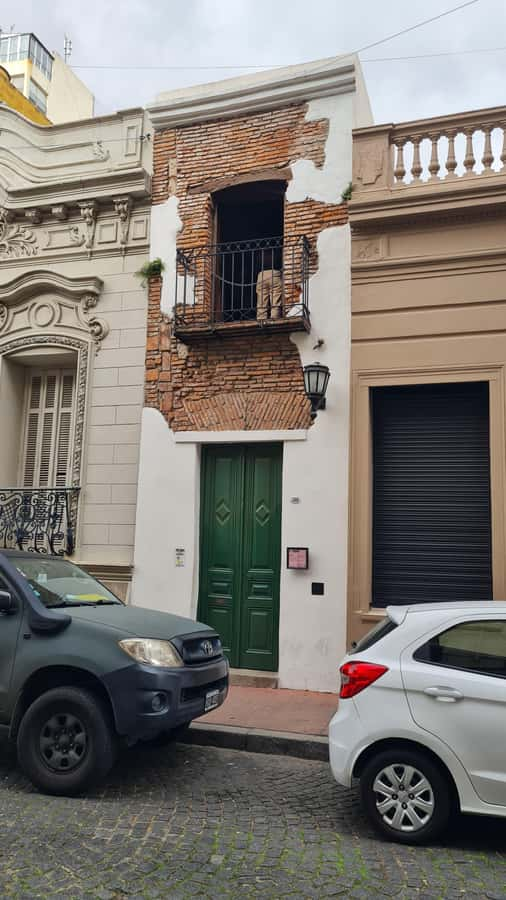
San Telmo is Buenos Aires’ oldest neighborhood, and it rewards slow walking. Its appeal is not one grand monument. It is the way small details collect within a few blocks: a church with military connections, a narrow house, a tango theater, an iron market, a former prison, and a park linked to the city’s first founding.
That variety gives this tour a useful shape. You are not spending two and a half hours looking at similar facades. The route moves between architecture, popular culture, food, tango, religion, and public history.
You meet next to the Santo Domingo Convent, at Avenida Belgrano and Defensa. Look for Miguel there. Since the group is limited to six participants, the meeting should feel more like a guided walk than a large procession. Still, arrive ready to walk continuously. The tour includes a short restroom pause, but the walking portion is substantial.
More Pub and Bar Trips in the world:
- London Small Group Tour of Historical Pubs
★ 5.0 · 10,422 reviews - Prague Historic Pub Tour with Drinks Included
★ 5.0 · 2,084 reviews - Soho Music & Historic Pubs Tour
★ 5.0 · 1,993 reviews
Otto Wulff and Santo Domingo set the tone
The Otto Wulff building is one of the first visual stops. You get a photo opportunity and a guided explanation before continuing. The building gives you an early example of San Telmo’s decorative architecture, and it helps establish the tour’s approach: look up, notice the details, and connect what you see to the city’s past.
The Santo Domingo Convent and the Basilica Nuestra Señora del Rosario de la Defensa y Reconquista de Buenos Aires follow. Here, the tour shifts from street architecture to religious and civic history. You visit the site rather than simply passing its entrance, so this is one of the more substantial early stops.
I would pay attention to Miguel’s explanation here, particularly if you have not studied Buenos Aires before. The names are long, and the historical connections can be difficult to keep straight without a guide. This is also the meeting point, so you begin and end the walk with a clear reference point.
Mafalda brings Buenos Aires culture to the sidewalk
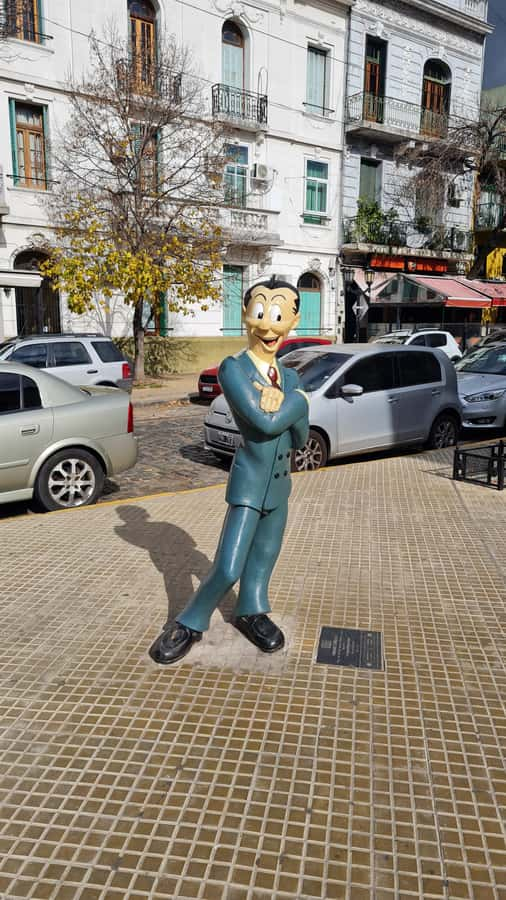
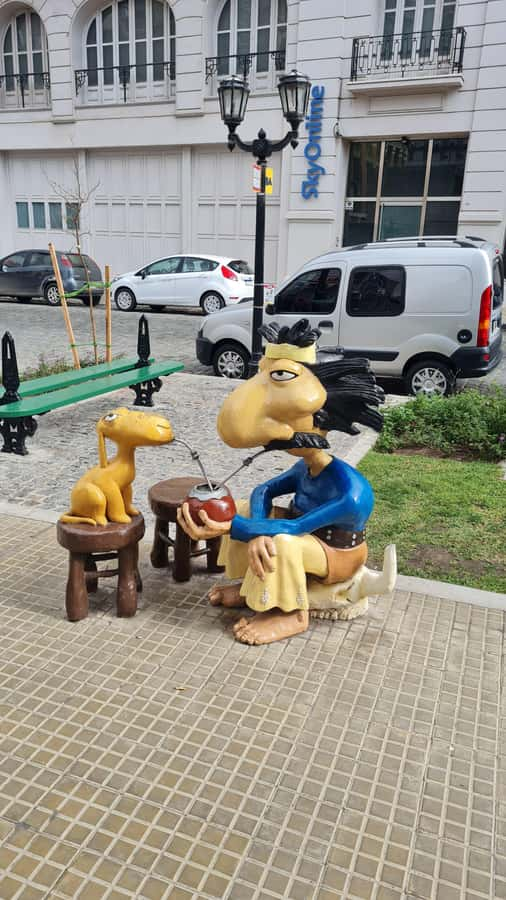
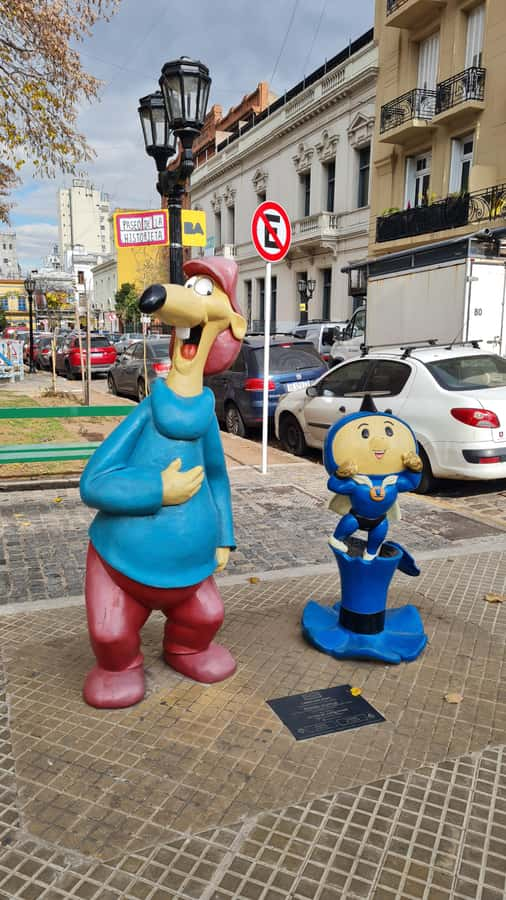
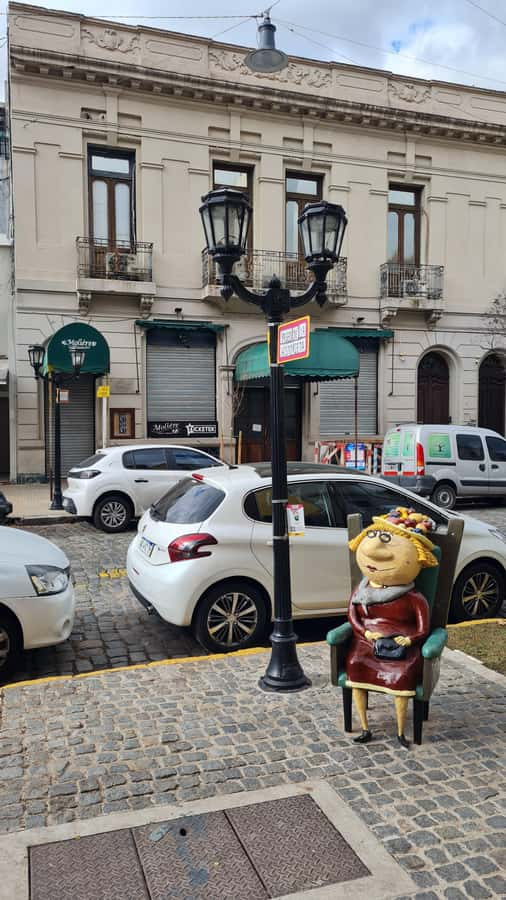
The Mafalda Statue is one of the tour’s most appealing stops. Mafalda is an Argentine comic character known far beyond the country, and the nearby comic strip street gives the walk a lighter, more local feel.
You spend about 20 minutes in this area, with time for photos, sightseeing, and explanation. This is not just a quick statue stop. Miguel uses the character and the surrounding comic references to explain a part of Argentine popular culture that you could easily miss if you only visit churches and plazas.
I especially like this section for first-time visitors. It shows that understanding Buenos Aires means more than learning dates and admiring old buildings. You also need to recognize the characters, jokes, and cultural symbols people grew up with.
Tango appears in several forms
The route passes El Viejo Almacén Tango Cena Show, one of the better-known tango venues in Buenos Aires. You stop for a photo and explanation rather than attending a full show. That distinction matters. This tour introduces you to tango places and vocabulary, but it is not a tango performance package.
Miguel also explains the difference between tanguerias and milongas. That is useful because the two words are often treated as if they mean the same thing. A tangueria is generally associated with a staged tango show, while a milonga is connected with social dancing. The tour gives you enough context to understand what you are seeing and to make better choices if you later seek out tango on your own.
The route also includes bars and historic pizzerias, with particular attention to Bar Nápoles. The emphasis is on stories and places, not a meal or a structured tasting. If you expect food and drinks to be included, adjust your expectations. You are learning where these places fit into San Telmo’s social life.
More Nights Out in the world:
- Southern Flavors Food, Pub Crawl, and History Walking Tour
★ 4.5 · 1,623 reviews - Boston Freedom Trail History Pub Crawl Small-Group Tour
★ 5.0 · 996 reviews - Rome: Forbidden History Walking Tour & Pub Crawl with Drinks
★ 4.9 · 688 reviews - Boston: History Pub Crawl Tour Along the Freedom Trail
★ 4.9 · 279 reviews
Government buildings add a different side of the neighborhood
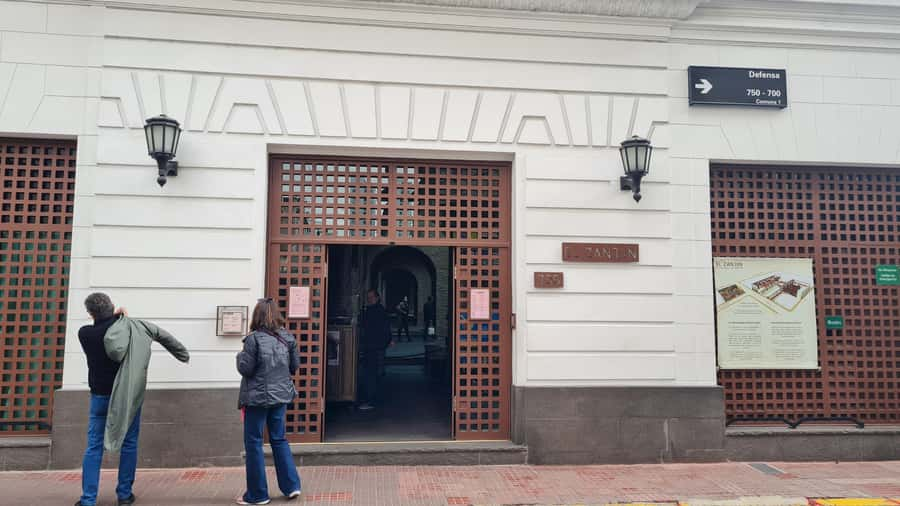
Next come the Faculty of Engineering and the Ministry of Agro Industry. Each receives a short guided stop, roughly 10 minutes apiece. These buildings may not be the first places you would choose for a sightseeing walk, which is precisely why they add value.
The Faculty of Engineering offers another look at Buenos Aires architecture and public institutions. The Ministry of Agro Industry adds a connection to Argentina’s agricultural economy and government. The tour does not simply stay with tango and old bars. It shows how the neighborhood also relates to education, administration, and national life.
The stops are brief, so you should expect an outside explanation and photo opportunity rather than an extended interior visit. That keeps the walk moving, but anyone who prefers long museum visits may find the pace quick.
San Telmo Market is the route’s busiest stop
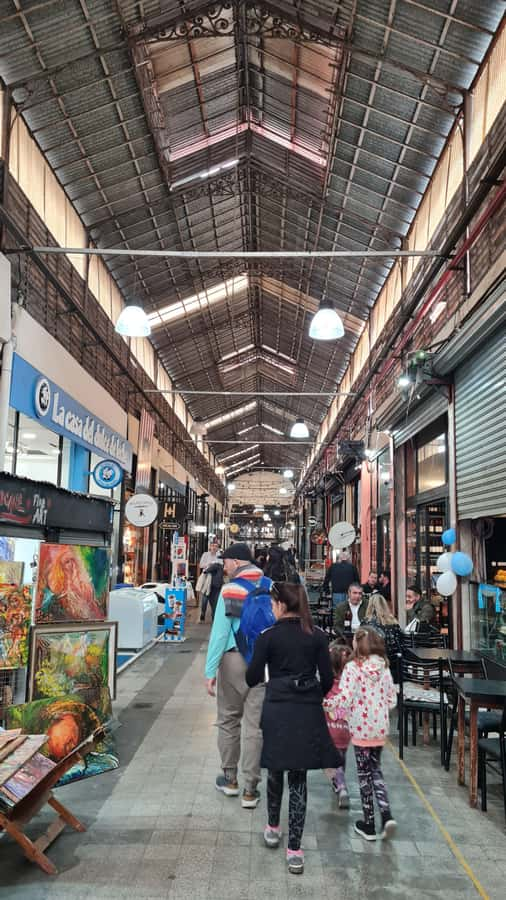
The San Telmo Market is one of the central points of the walk. The market was constructed by Gustave Eiffel, a detail that gives the building extra interest beyond its food and shopping.
You have about 15 minutes here for a visit, guided explanation, sightseeing, and shopping. That is enough to get your bearings and browse, but not enough for a relaxed meal or a thorough examination of every stall. If you want to buy something, keep the time limit in mind.
The market works well in this tour because it connects several themes. You see the neighborhood’s commercial life, its old structure, its food culture, and its role as a place where people still gather. San Telmo can sometimes feel like a district built for sightseeing, but the market gives you a more everyday setting.
I would save major purchases for another visit unless you already know what you want. The main value here is the guide’s context and a quick look at the market’s character.
Plaza Dorrego and San Pedro González Telmo
Plaza Dorrego follows the market. You spend about 10 minutes on guided sightseeing and photos. This is one of San Telmo’s key public spaces, and it helps you understand how the neighborhood’s streets connect around a central plaza.
The stop is short, but it fits naturally after the market. You move from an enclosed commercial space into an open square, then continue to the Parish of San Pedro González Telmo. The parish receives a shorter visit of about five minutes, so expect a brief exterior or passing explanation rather than a long church tour.
The sequence is useful because it lets you compare different layers of San Telmo. The market reflects trade and daily activity. The plaza reflects public life. The parish reflects the neighborhood’s religious identity.
Former women’s prison and Lezama Park
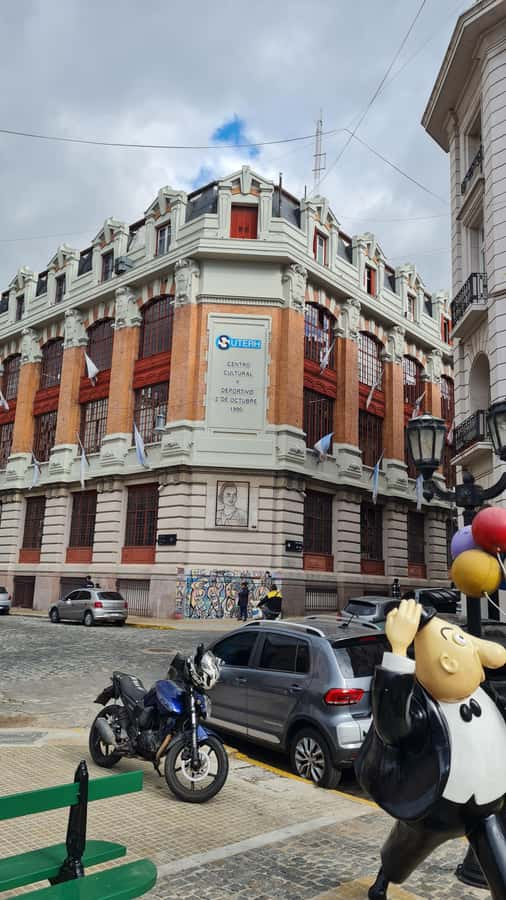
The route passes the former women’s prison, also known as the former National Penitentiary and now associated with a museum. This is another quick stop, but it brings a less polished part of the city’s past into view.
You do not spend a long period inside the museum. Instead, Miguel provides context as you pass the site. That may leave you wanting more if prison history interests you, but it also prevents one subject from taking over the whole walk.
The tour then reaches Lezama Park. The park is linked to the site of Buenos Aires’ first founding and includes a notable monument. The stop is listed as a guided pass-by of about five minutes, so do not expect a long rest or extended park visit.
Lezama Park gives the route breathing room after the market, plaza, and dense streets. It also shows a broader part of San Telmo, where the story of Buenos Aires shifts from neighborhood life to the city’s earliest beginnings.
The Russian Orthodox Church adds visual contrast
The Russian Orthodox Church of the Holy Trinity is another short but memorable stop. Its distinctive domes give you a sharp change of style from the surrounding streets and the churches seen earlier.
The tour passes by with a guide explanation rather than offering a long interior visit. Bring your camera, but also listen to the details. In a neighborhood filled with colonial and European influences, the church helps show how many traditions have shaped Buenos Aires.
This is a good example of the tour’s range. You are not asked to spend an hour at every location. Instead, you get a series of focused introductions that help you see San Telmo as a neighborhood with many cultural layers.
The National Historical Museum closes the history loop
The walk continues to the National Historical Museum of Buenos Aires. The planned stop lasts about 10 minutes and includes a photo opportunity and guided explanation, with the tour passing by rather than offering a full museum visit.
That limitation is worth noting. If you want to explore the museum’s galleries, you will need separate time. The benefit of including it here is orientation. You learn where the museum is and why it matters, then you can decide if you want to return.
The museum also provides a fitting link to the earlier stop at Lezama Park. The park and museum together point you toward the city’s founding and national story, while the rest of the route has focused more on street life, commerce, tango, and local culture.
Nápoles is both a stop and the finish
The final stop is Nápoles, where the tour ends. You visit, take photos, and hear more from Miguel for about 10 minutes. The activity description gives Bar Nápoles special attention, so expect this place to play an important role in the closing part of the walk.
Ending at a bar rather than returning to the starting point is practical. You can continue your afternoon in San Telmo, stay for food if you choose, or use the location as a base for more independent sightseeing. The tour does not state that a drink or meal is included, so plan to pay separately if you decide to order something.
The ending also suits the theme. After churches, museums, government buildings, and parks, you finish with the social side of Buenos Aires: a notable bar, food nearby, and the city’s long connection with conversation, music, and nightlife.
What Miguel adds to the walk
The guide is Miguel, and the strongest praise centers on his explanations and personal care with the group. He covers facts and figures about San Telmo, Argentine culture, tango vocabulary, comic characters, bars, and local landmarks.
The language is Spanish. If you are a non-native speaker, the available feedback suggests Miguel makes a real effort to explain clearly and check that people understand. That does not turn the tour into an English-language experience, so you should have enough Spanish to follow a live walking explanation.
The group size matters here. With no more than six people, Miguel can spend more time answering questions than he could with a large crowd. You also get a better chance to hear him in busy streets and at short stops.
Is $20 good value for 150 minutes?
At $20 per person, this is a strong-value introduction to San Telmo, especially for a small group. You are paying for about two hours of guided walking, plus a 10-minute restroom pause, with many stops packed into the route.
The value comes from the connections. You could pass the Mafalda Statue, San Telmo Market, the Russian Orthodox Church, or Nápoles on your own, but you would not automatically understand how they fit into Argentine culture and Buenos Aires history.
The tradeoff is depth. Because the route includes 16 locations, many stops are short. You will see and hear a lot, but you will not fully explore every church, museum, bar, or market. Think of it as a well-organized introduction, not a series of long visits.
The tour also has free cancellation up to 24 hours before the start and allows you to reserve without paying immediately. Those terms make it easier to fit into a changing Buenos Aires schedule.
Who should book this walk?
I would recommend it to you if you want a broad first look at San Telmo and enjoy learning through stories rather than simply collecting photos. It suits people interested in tango, architecture, comic culture, public history, old bars, and local food places.
It is also a good match if you prefer a small group. Miguel’s attention to non-native Spanish speakers makes it more approachable for visitors who can follow Spanish but do not speak it perfectly.
You should think twice if you dislike walking, want a fully wheelchair-accessible route, or need an English-language guide. The activity is not suitable for wheelchair users or people with mobility impairments, and some areas may be difficult for anyone with limited mobility.
Wear comfortable shoes, light clothing, and a hat. Bring water and sunscreen. Buenos Aires sun can make a long walk feel longer, and there is little benefit in arriving underprepared.
Should you book the San Telmo walk?
Book this tour if you want many sides of San Telmo in one affordable outing, especially with a guide who explains tango, Argentine culture, comic characters, and local landmarks in clear Spanish. The small group and Miguel’s personal approach are the main reasons to choose it.
Skip it if your priority is a full tango show, a long market visit, a museum interior tour, or a relaxed food crawl. For everyone else, the route offers a useful first orientation, plenty of specific places to return to, and a better sense of why San Telmo remains one of Buenos Aires’ most rewarding neighborhoods to explore on foot.
FAQ
Where does the San Telmo tour start?
The meeting point is next to the Santo Domingo Convent at Avenida Belgrano and Defensa. Your guide Miguel will be waiting there.
Where does the tour finish?
The tour finishes at Nápoles.
How long does the experience last?
The listed duration is 150 minutes. The guided walking portion lasts about two hours and includes a 10-minute pause for using the restroom.
What language is the tour conducted in?
The live tour guide speaks Spanish. Miguel makes an effort to help non-native Spanish speakers understand the explanations.
How large is the group?
The tour is limited to six participants.
What places are visited?
The route includes the Otto Wulff building, Santo Domingo Convent and Basilica, Mafalda Statue, El Viejo Almacén, the Faculty of Engineering, the Ministry of Agro Industry, San Telmo Market, Plaza Dorrego, San Pedro González Telmo Parish, the former women’s prison, Lezama Park, the Russian Orthodox Church, the National Historical Museum, and Nápoles.
Is food or a drink included?
The tour visits notable bars and historic pizzerias, including Nápoles, but the provided information does not state that food or drinks are included.
What should I bring?
Bring comfortable walking shoes, water, sunscreen, a hat, and comfortable clothes. The tour involves a lot of walking.
Just added around the world
- Scenic Train ride to historical cities of Morretes and Antonina★ 4.0 · 188 reviews
- 6-Day Cultural Tour to Machu Picchu★ 5.0 · 76 reviews
- Jewish Heritage of Curacao★ 4.5 · 68 reviews
- The Curacao’s Colorful History Walking Tour★ 5.0 · 55 reviews
- Discover Scuba Diving Amathounta’s Ancient Port★ 5.0 · 30 reviews
- Olous – Guided Snorkelling Excursion to Discover Olous Sunken Ancient City★ 4.5 · 31 reviews
- Night Walking Tour of Medieval Cuenca★ 5.0 · 64 reviews
- WWII – The Battle of Crete Day Tour★ 5.0 · 103 reviews
Nightlife, compared.
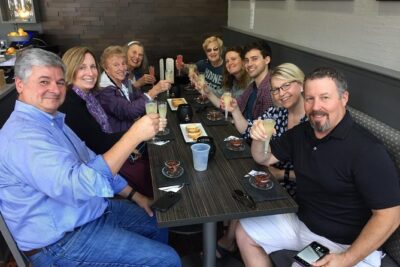
Southern Flavors Food, Pub Crawl, and History Walking Tour
Read our review →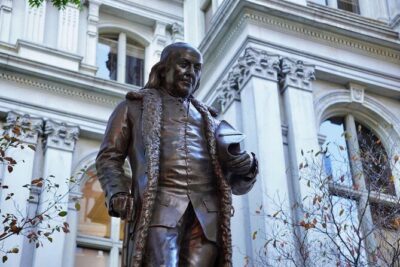
Boston Freedom Trail History Pub Crawl Small-Group Tour
Read our review →
Rome: Forbidden History Walking Tour & Pub Crawl with Drinks
Read our review →
Boston: History Pub Crawl Tour Along the Freedom Trail
Read our review →
NYC: Night Out Prohibition History Bar and Speakeasy Tour
Read our review →
Boston: Haunted Pub Crawl of Historic Pubs and Taverns
Read our review →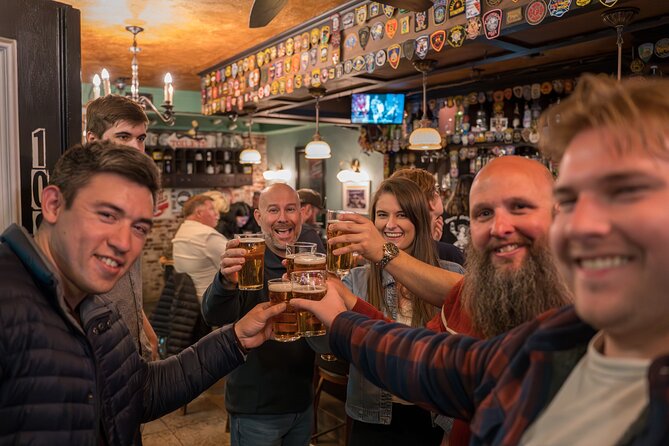

Browse the lists this tour appears in