
Review · AUSTRALIA
Albany: Historic Whaling Station Entry Ticket
Albany’s Historic Whaling Station gives you an unusually close look at an industry that shaped this part of Western Australia. You can walk through the restored processing factory, watch films inside old whale oil tanks, and board Cheynes IV, the world’s only preserved whale chaser ship.
I like the mix of big, memorable sights and quieter museum details. The giant blue whale skeleton makes the scale of these animals clear, while the scrimshaw, machinery, and personal objects show how whaling worked day to day. The main drawback is that the subject can feel confronting, especially when the films and factory exhibits explain how whales were killed and processed.
Key points
- Cheynes IV is the world’s only preserved whale chaser ship, and you can go aboard.
- The restored processing factory lets you see the physical setting where whales were handled.
- A giant blue whale skeleton anchors an impressive marine display.
- Short films play inside converted whale oil tanks, including a vivid 3D presentation.
- Regional Wildflower Gardens and the Australian Wildlife Park are included in the $25 entry.
- Free BBQs and a picnic area make it easy to turn the visit into a full-day outing.
Start with Albany’s last working whaling station
The attraction occupies the site of Australia’s last operating whaling station. That fact gives the visit weight. You are not looking at a recreated village or a remote museum display. You are walking through a real industrial site connected to Albany’s past.
The station operated in an era when whaling was treated as a normal commercial trade. Today, the exhibits let you examine that past without pretending it was harmless. You will see the tools, buildings, ships, and processing areas, then learn how attitudes changed and why commercial whaling ended in Australia.
I think this direct approach is one of the site’s strengths. The experience is not only about whales as beautiful animals. It also explains the jobs, machinery, products, and working systems that supported the industry. That makes the visit useful for anyone interested in Australian coastal history, not just marine life.
Your ticket is valid for one day, so you do not need to rush through the factory and museum. The Historic Whaling Station opens from 9:00 AM to 5:00 PM daily. The Regional Wildflower Garden and Australian Wildlife Park open from 10:00 AM to 5:00 PM, so an early arrival gives you time to see the main site first and visit the outdoor areas later.
More Tickets in Australia:
- Entry Ticket at Historic Village Herberton
★ 5.0 · 114 reviews - Albany’s Historic Whaling Station Admission Ticket
★ 4.5 · 86 reviews - Pompeii: Entry Ticket and Guided Tour with an Archaeologist
★ 4.8 · 19,459 reviews
Walk through the restored processing factory
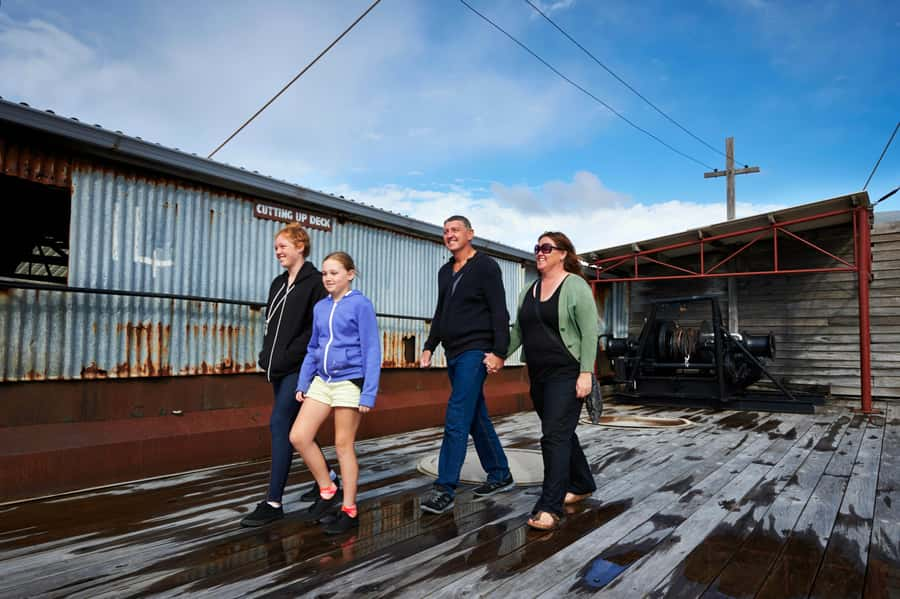
The factory is the core of the visit. Inside, you can see where the whaling operation handled its catch and gain a clearer sense of the work involved. The machinery and industrial setting do much of the explaining before you even read a label.
I prefer this kind of museum to a display made up only of photographs. Here, the scale of the building and equipment helps you understand the physical side of the industry. It is easier to picture the noise, work, and organization when you are standing inside the actual factory.
The subject matter is not light. The factory was built for processing whales, and the attraction does not hide that purpose. If you are sensitive to displays about animal deaths, allow yourself time and do not feel obliged to linger at every station. The visit is educational, but it can also be sad.
For families, the factory offers a useful chance to explain how industries change. Younger children may focus on the size of the buildings and equipment, while older children can think about conservation, employment, and the moral choices behind commercial practices.
Board Cheynes IV, the preserved whale chaser
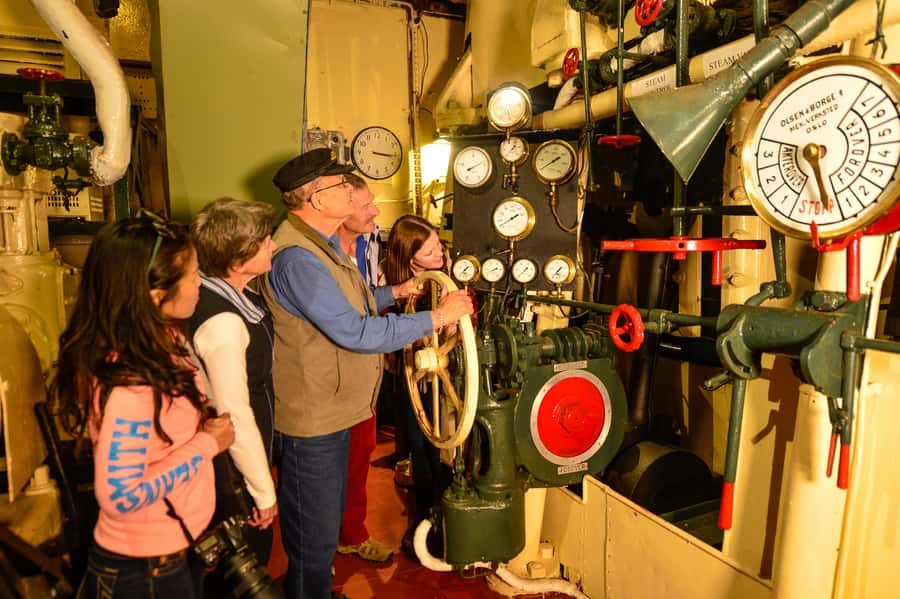
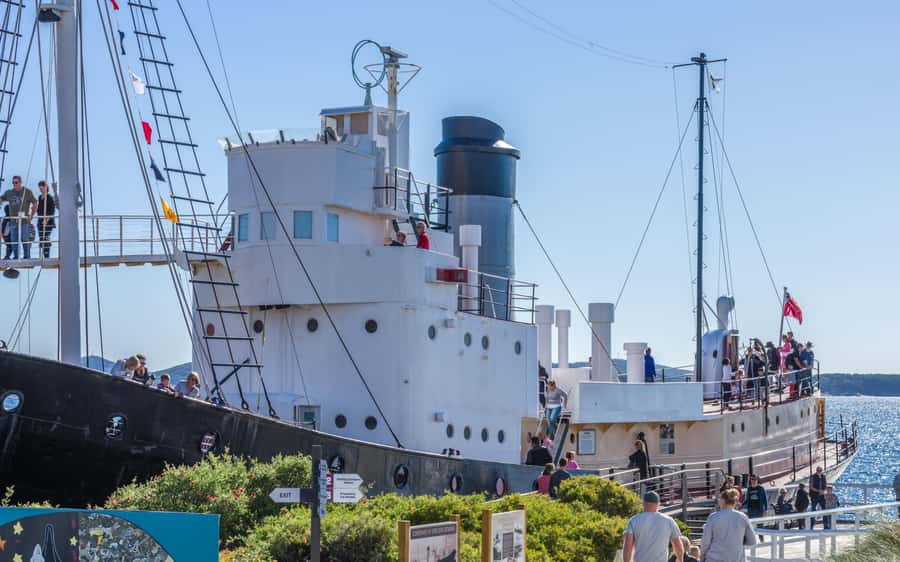
Climbing aboard Cheynes IV is one of the most distinctive parts of the day. This is the world’s only preserved whale chaser ship, so the visit offers something you will not find at a standard maritime museum.
The ship connects the factory to the sea. After seeing where whales were processed, you can step onto the vessel used to locate and pursue them. That physical link gives the history a sharper edge. The boat is not simply a model or a generic working vessel. It belongs to the story of this particular station.
I would make time for the ship even if boats are not your main interest. The experience gives you a better sense of how the operation functioned and why the station needed both marine crews and industrial workers.
Comfortable shoes are important for the whole attraction, but especially here. You should also note that bare feet are not allowed anywhere at the experience, and smoking and vaping are prohibited. The site is wheelchair accessible, although the precise experience of moving through every part of a historic vessel can vary.
See the blue whale skeleton and marine displays
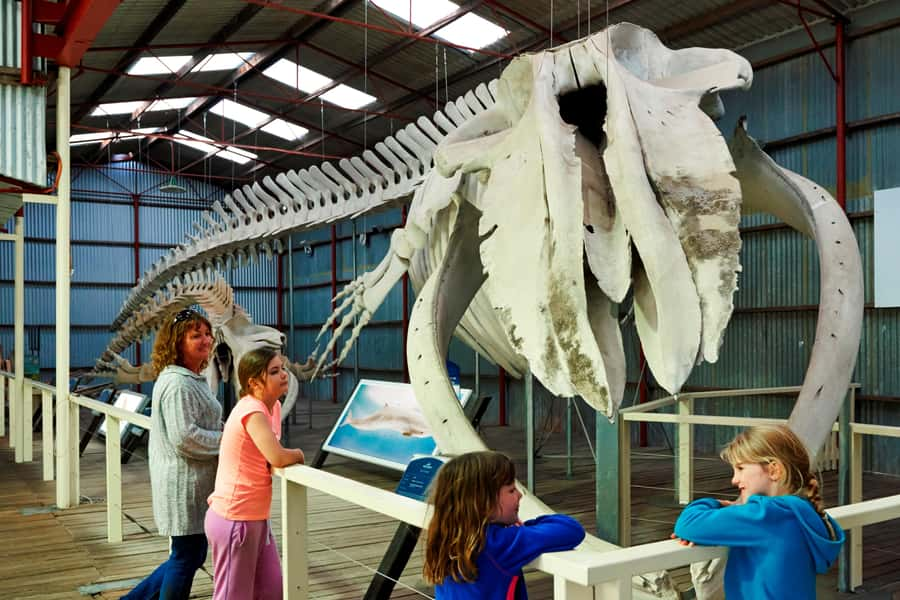
The marine skeleton display supplies the day’s biggest visual moment. A giant blue whale skeleton shows the sheer size of the animal in a way that photographs cannot match.
You can also see other marine remains, including a pygmy whale skeleton that one visitor found enormous. That reaction makes sense once you are standing beside the display. Even a smaller whale species can seem huge when its bones are arranged in full view.
The skeletons also add context to the factory. The industrial exhibits explain what happened to whales, while the bones remind you what the animals themselves were like. Together, the two parts create a more complete picture than either would provide alone.
The collection includes a world-renowned marine animal art display and scrimshaw art. Scrimshaw is especially interesting because it reflects the objects and traditions associated with whaling crews. These pieces can be delicate and detailed, giving you a quieter museum experience after the large factory and ship.
More History Tours in Australia:
- Ultimate Melbourne Walking Tour: History, Laneways & Culture
★ 5.0 · 1,451 reviews - Puffing Billy Railway: Heritage Steam Train Journey
★ 4.6 · 1,195 reviews - Morning World Heritage Cruise on the Gordon River from Strahan
★ 5.0 · 1,193 reviews - Strahan: World Heritage Cruise on Gordon River with Lunch
★ 4.8 · 1,143 reviews
Watch short films inside the old oil tanks
The converted whale oil tanks now contain short films. That is a clever use of the original structures, and it gives you a chance to sit down during a busy day of walking.
One film uses 3D effects. The presentation can make whales seem to move close to you, which adds drama and scale. It is not just a break from the exhibits. The film helps you picture the animals in the water before returning to the machinery and processing rooms.
The emotional effect is mixed. The film can be exciting because of the close-up underwater imagery, but the wider subject remains difficult. The attraction does not separate whales from the industry that hunted them, and that contrast is part of the point.
If you are visiting with children, the film can be a good shared experience, though you may want to explain beforehand that the station presents an industry that no longer operates in Australia. The attraction is open about the fact that the whales were killed, and that honesty makes the visit more meaningful.
Look for the small details in the museum exhibits
The museum rooms contain authentic whaling artifacts and memorabilia. These displays help fill in the everyday side of the story, including the objects connected with the people who worked at the station.
This is where I would slow down. The factory gives you the large picture, but smaller objects can show how a workplace actually functioned. You may find yourself paying more attention to tools, personal items, and old equipment than expected.
The English-language displays and host assistance make the site straightforward for English-speaking visitors. If you take part in any guided commentary, Joy has been praised for friendly, personal, and engaging explanations. Her commentary was described as so absorbing that the time passed quickly, so a guided element may be worth seeking out if it is available during your visit.
Do not expect a tightly timed guided tour from the entry ticket itself. This is primarily a site admission, allowing you to explore the station and its grounds over the day. That flexible format suits you if you like to read at your own pace or move between indoor and outdoor areas.
Add the Wildflower Garden and Australian Wildlife Park
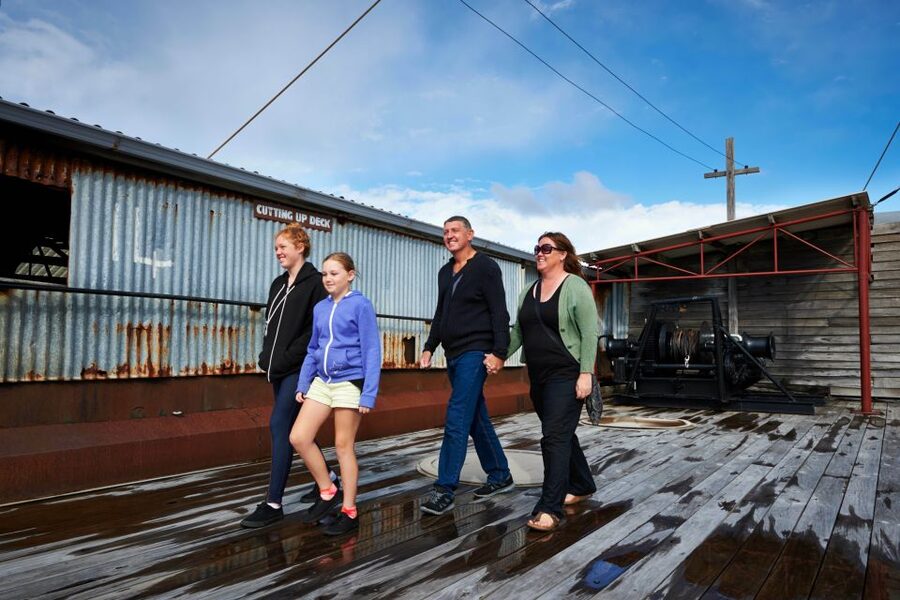
Your $25 admission includes more than the former whaling station. The Regional Wildflower Garden and Australian Wildlife Park are part of the ticket, making the price stronger if you plan to stay for several hours.
The garden displays native plants from a region described as home to more than 100,000 native plant species. The outdoor setting provides a change of pace after the industrial buildings, museum rooms, and ship. You can use it to break up the more serious parts of the visit.
The Australian Wildlife Park adds a family-friendly element. You can see a collection of native animals and use the outdoor areas for a slower afternoon. The information provided does not list individual species or animal presentation times, so you should treat it as a general wildlife stop rather than plan the day around a particular animal encounter.
Free BBQs and a picnic area are available on site. That matters because the station is designed for a full day, not a quick one-hour museum visit. If you bring food, you can pause between the factory and the gardens without needing to leave the attraction.
There is also a café overlooking one of Albany’s picturesque bays. You can choose a café stop instead of using the picnic area, or combine both if you want a longer, relaxed visit.
How long to stay and how to plan your day
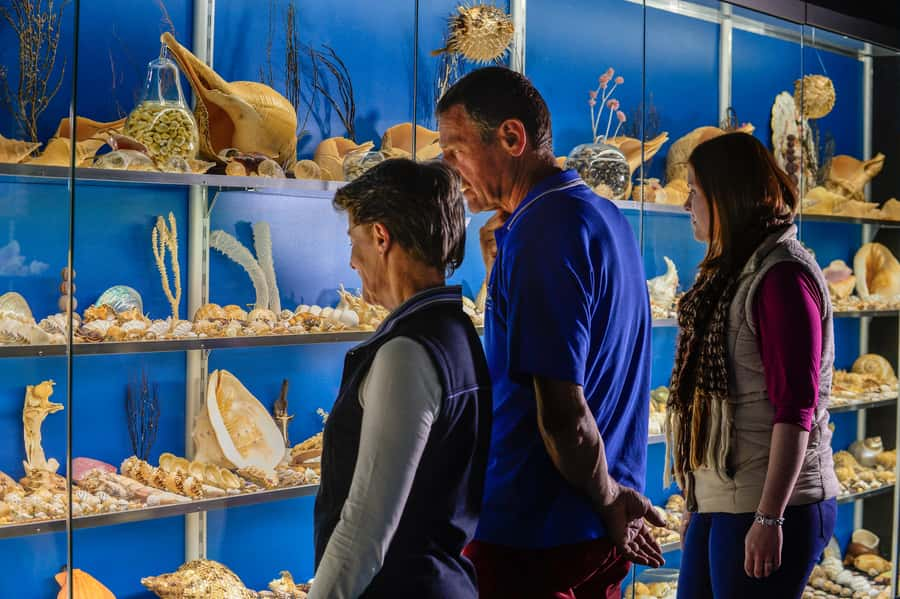
The ticket is valid for one day from first activation. I would allow at least several hours if you want to see the factory, ship, films, marine displays, museum exhibits, gardens, and wildlife park without rushing.
A practical order is:
- Arrive after 9:00 AM and begin with the Historic Whaling Station.
- Walk through the processing factory while the industrial story is fresh.
- Board Cheynes IV and visit the marine skeletons.
- Watch the short films in the converted tanks.
- Take your time with the museum objects and scrimshaw.
- After 10:00 AM, move outside to the Wildflower Garden and Australian Wildlife Park.
- Finish with a café stop, picnic, or BBQ if you have brought food.
This order is only a suggestion. The main point is to remember that the gardens and wildlife park open one hour later than the station. If you arrive early, start indoors rather than waiting outside.
The attraction is open seven days a week and closes only on December 25. That gives you useful flexibility when planning an Albany itinerary. Comfortable walking shoes are the only item specifically recommended, but they are a good idea for the factory, ship, museum, and outdoor paths.
What the $25 ticket is really worth
At $25 per person, the entry price is reasonable if you use the full day. You are not paying for one small gallery. The ticket covers the restored factory, Cheynes IV, films, marine skeletons, art, museum exhibits, gardens, wildlife park, picnic area, and BBQ access.
The value is strongest for families and curious visitors who want several types of activity in one place. One person can focus on industrial history, another on wildlife, and another on the ship or marine displays. The ticket also gives you room to take breaks rather than racing through a single attraction.
The value is weaker if you only want a quick look at a boat or a short museum stop. You may still find the factory and blue whale skeleton worth seeing, but the ticket makes the most sense when you stay long enough to use the outdoor areas and café or picnic facilities.
The high rating of 4.8 from 24 bookings fits the attraction’s broad appeal, but you should not expect a light, purely entertaining outing. The strongest experiences here are informative, visual, and sometimes sobering. The most praised features include the clear presentation, the well-kept site, the vivid 3D film, and the friendly commentary from Joy when she is guiding.
Who should visit Albany’s Historic Whaling Station
I would recommend this experience to families, history fans, wildlife enthusiasts, ship lovers, and anyone who wants a substantial stop near Albany. It works particularly well when you have a full day available and want both indoor exhibits and open-air space.
It is also a good choice if you prefer attractions that explain a difficult part of local history rather than smoothing it over. The station shows why whaling mattered economically while making clear that whales are no longer killed commercially in Australia.
You may want to choose a different activity if you dislike industrial museums, animal remains, or emotionally serious subjects. The skeletons are impressive, but the processing factory and films can be confronting. This is not just a scenic garden visit with a few whale photographs attached.
Wheelchair access is available, and the English-language host or greeter can help you navigate the experience. Since the site includes a preserved ship and older industrial buildings, you may wish to confirm any specific access needs before arriving.
Should you book this Albany experience?
Book it if you want a full, flexible day that combines Australia’s whaling past with ships, marine science, native plants, wildlife, and practical family facilities. The $25 price is fair when you use the entire site, and the blue whale skeleton, Cheynes IV, and restored factory give the visit plenty of substance.
Skip it if you only have a short stop in Albany or want a cheerful attraction without difficult history. For everyone else, I would arrive early, wear comfortable shoes, allow several hours, and leave time for the gardens and wildlife park. The station’s best quality is its honesty: it shows you the industry as it was, then gives you the space to think about how much has changed.
FAQ
Where is Albany’s Historic Whaling Station located?
The attraction is at 81 Whaling Station Road, Torndirrup, Western Australia 6330.
How much does entry cost?
Entry costs $25 per person.
How long is the ticket valid?
The ticket is valid for one day from first activation.
What are the opening hours?
The Historic Whaling Station is open daily from 9:00 AM to 5:00 PM. The Regional Wildflower Garden and Australian Wildlife Park are open daily from 10:00 AM to 5:00 PM. The site is closed on December 25.
What does the ticket include?
Admission includes all exhibitions at the Historic Whaling Station, the Regional Wildflower Garden, the Australian Wildlife Park, free on-site BBQs, and the picnic area.
Is the attraction wheelchair accessible?
Yes, the experience is wheelchair accessible. The host or greeter language is English.
Just added around Australia
- Authentic Indigenous Cultural Tour Including Scenic River Cruise★ 5.0 · 88 reviews
- Cairns History Walking Tour★ 5.0 · 52 reviews
- Entry Ticket at Historic Village Herberton★ 5.0 · 114 reviews
- Self-Guided Ngilgi Cave Ancient Lands Experience★ 4.5 · 154 reviews
- Hinterland Heritage Wine Tour★ 4.0 · 28 reviews
- Albany’s Historic Whaling Station Admission Ticket★ 4.5 · 86 reviews
- 7 Day Adelaide to Uluru Adventure and Cultural Tour★ 5.0 · 52 reviews
- Sydney Convicts, History & The Rocks 2.5-Hour Walking Tour★ 4.9 · 181 reviews
Australia History Tours, compared.
Ultimate Melbourne Walking Tour: History, Laneways & Culture
Read our review →
Puffing Billy Railway: Heritage Steam Train Journey
Read our review →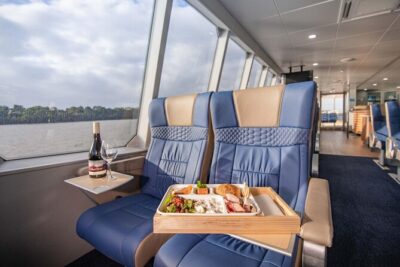
Morning World Heritage Cruise on the Gordon River from Strahan
Read our review →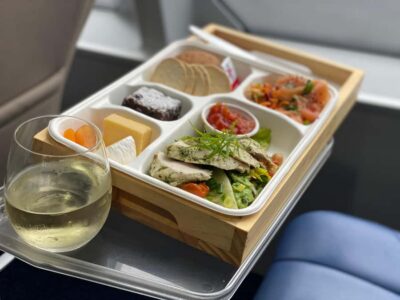
Strahan: World Heritage Cruise on Gordon River with Lunch
Read our review →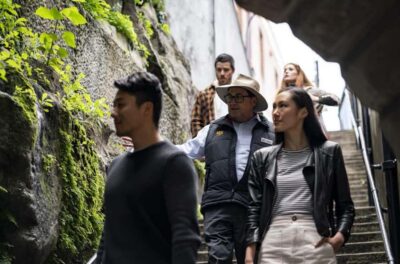
Sydney: The Rocks 90-Minute History Walking Tour
Read our review →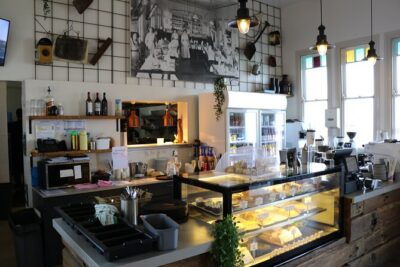
Experience History onboard The Mary Valley Rattler
Read our review →
Snorkel & Dive the Reef: Sustainable, Scientific & Cultural Tour
Read our review →
Derwent River Historic Harbour Cruise From Hobart
Read our review →Browse the lists this tour appears in