
Review · AUSTRALIA
Ultimate Melbourne Walking Tour: History, Laneways & Culture
Melbourne reveals itself best on foot, one narrow lane and grand Victorian building at a time. This three-hour walk links Gold Rush history, street art, coffee culture, arcades, and pub life in a compact route through the city centre. Guides such as Hugo, Emily, Beau, and Ian bring local stories and plenty of humour.
I like the small maximum group of 12, which gives you room to ask questions and follow a passing curiosity. I also like the two well-judged breaks: a Melbourne coffee halfway through and a drink at a local pub near the finish. The main consideration is pace. You cover a lot of ground, about 2.5 miles according to one detailed account, so comfortable shoes matter.
Key points at a glance
- Gold Rush Melbourne: Connect Parliament, the Old Treasury Building, Collins Street, and grand civic architecture with the city’s sudden nineteenth-century wealth.
- Laneways with a local guide: Hosier Lane, Degraves Street, Chinatown, and smaller passages show the city’s street art, food, and everyday character.
- Coffee and pub culture: A flat white, long black, or hot chocolate is included, followed by a house beer, wine, cider, or soft drink.
- A wide city sampler: The route takes in Federation Square, Flinders Street Station, arcades, the State Library, the Yarra River, and Old Melbourne Gaol.
- Useful local advice: Your guide can point you toward restaurants, bars, attractions, and places worth returning to after the tour.
- Good early-trip choice: The walk gives you a working map of central Melbourne in three hours, with practical ideas for the rest of your stay.
Why this walk works as a first look at Melbourne
Melbourne can feel scattered at first. Its grand railway station sits beside a river, its best-known art is tucked into side lanes, and its arcades hide behind busy shopping streets. This tour helps you connect those pieces.
The route moves from Spring Street through the central city and finishes at Captain Melville. You get history, architecture, art, food culture, and social history rather than a single-theme walk. That mix suits you if you want context without spending a full day inside museums.
The guide is a major part of the experience. Hugo is repeatedly praised for being relaxed, funny, and good at drawing the group into conversation. Emily is noted for her passion for Melbourne and for adding local food suggestions, including Melbourne Magic coffee and kangaroo pie. Beau brings humour and a clear sense of pride in his home city, while Ian is especially good at linking history with personal stories.
The tour carries a rating of 4.8 from 338 reviews, with praise focused mainly on the guides, the easy pace, the lesser-known corners, and the balance between information and fun. That pattern matters. A walking tour can have an excellent route and still feel flat if the guide simply recites dates. Here, the guide’s style appears to be the strongest reason to book.
More History Walking Tours in Australia
- Ultimate Melbourne Walking Tour: History, Laneways & Culture
★ 5.0 · 1,451 reviews - Sydney: The Rocks 90-Minute History Walking Tour
★ 4.7 · 1,092 reviews - Discover Perth Walking Tour: History, Art, Local Insights + More!
★ 5.0 · 458 reviews
Starting at Gordon Reserve and Parliament
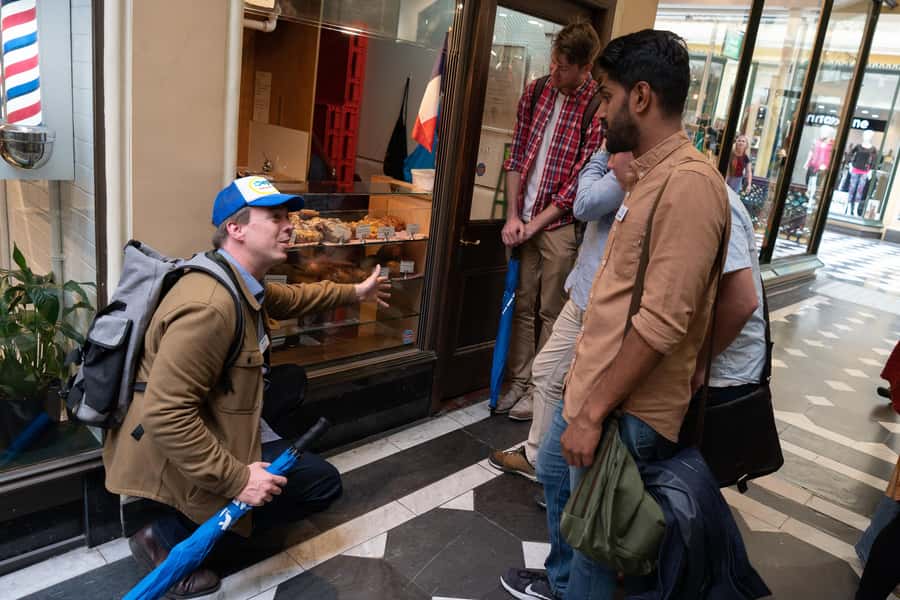
Meet at Gordon Reserve, the small park across from the Windsor Hotel. Look for the guide beside the fountain with a blue umbrella. The exact meeting point is confirmed 24 hours before departure, so check your booking message and arrive about 10 minutes early.
The walk starts around Spring Street and Parliament of Victoria. This is a useful opening because it puts Melbourne’s civic identity front and centre. Your guide sets up the story of how a frontier settlement grew into a wealthy city after the Gold Rush.
From there, the Old Treasury Building provides a short but important stop. The building helps explain where Melbourne’s new money went and why the city developed such a grand collection of public architecture. You should not expect a long interior visit here. The stop is brief, about five minutes, so pay attention to the explanation and the exterior details.
Collins Street follows, with more Victorian buildings and a chance to see how business and government shaped central Melbourne. The guide also pauses at another photo stop before the group turns toward the lanes. These early stops are less about ticking off attractions and more about giving you the story behind the city’s appearance.
Hosier Lane and Melbourne’s changing street art
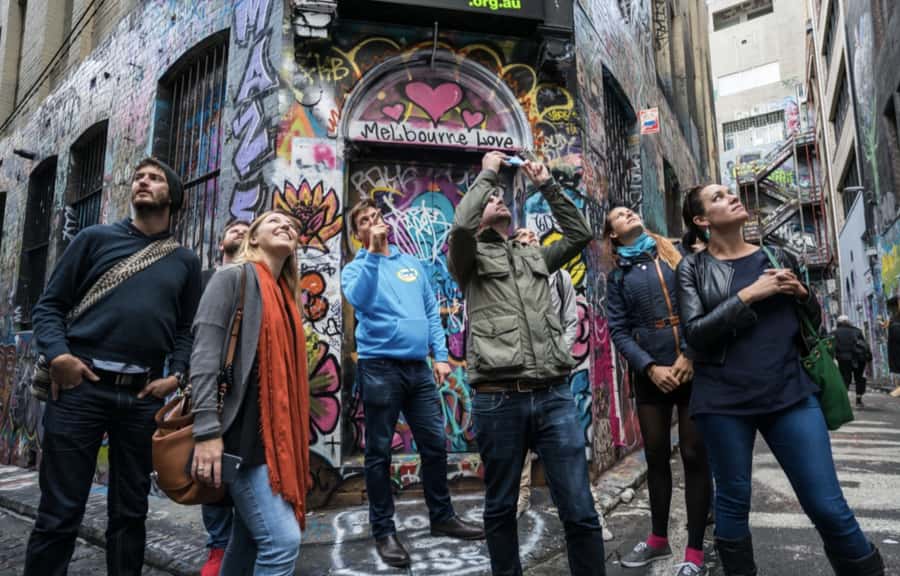
Hosier Lane is one of the tour’s most obvious crowd-pleasers. Its walls carry layers of spray paint, murals, stencils, and new work placed over older pieces. The art changes constantly, so the lane you see today will not be exactly the same on a later visit.
A short stop here works well as an introduction rather than a full street-art tour. The guide explains the artists and cultural movements connected with Melbourne’s outdoor art scene, while also helping you read the lane as part of the city’s identity. Bring your camera, but remember that some indoor places later on may restrict flash photography.
The advantage of seeing Hosier Lane with a guide is context. On your own, you can admire colour and technique, but you may miss why certain lanes became associated with public art in the first place. The drawback is that Hosier Lane can be busy, and the formal stop is only around two minutes on the stated route. Your best photographs may require patience and a little space around other people.
Federation Square, the MCG, and Flinders Street Station
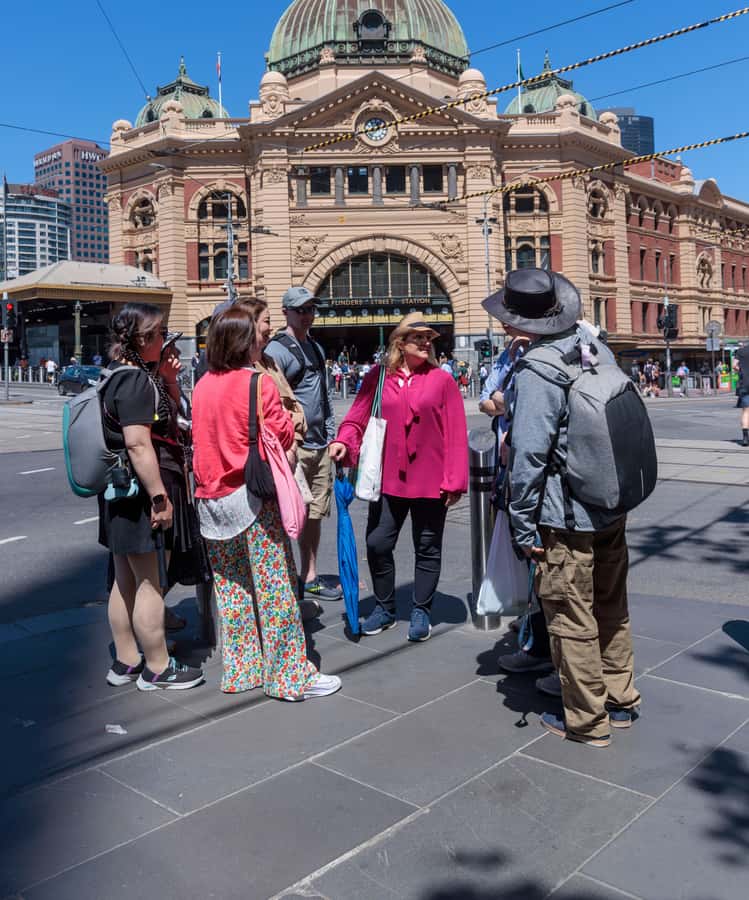
Federation Square offers one of the clearest views of modern Melbourne. The guide talks through the square’s place in city life and its position beside the Yarra River and Flinders Street Station. The stop lasts about 10 minutes, giving you time to look around while keeping the group moving.
The route then points you toward the Melbourne Cricket Ground. This is a brief guided stop, not a stadium tour, so treat it as a city landmark and a piece of Melbourne’s sporting culture rather than an opportunity to explore the grounds. If Australian sport matters to you, the mention will add useful perspective. If it does not, it still helps explain how sport fits into local life.
Flinders Street Station gets about five minutes. Its famous façade and clock-lined entrance are among Melbourne’s most recognisable sights, but a guide can give the building more meaning than a quick photograph. One account of the walk found the station especially useful as a symbol of Melbourne’s growth and its role as a gateway into the city.
This part of the route delivers the big sights quickly. You will not get a long stop at every landmark, but you will leave with a list of places to revisit if you want more time.
More Local Culture and Traditions Tours in Australia
- Snorkel & Dive the Reef: Sustainable, Scientific & Cultural Tour
★ 4.5 · 841 reviews - From Perth: Wave Rock, York and Aboriginal Cultural Tour
★ 4.6 · 498 reviews - Authentic Indigenous Cultural Tour Including Scenic River Cruise
★ 5.0 · 88 reviews - 7 Day Adelaide to Uluru Adventure and Cultural Tour
★ 5.0 · 52 reviews
Degraves Street and the serious business of coffee
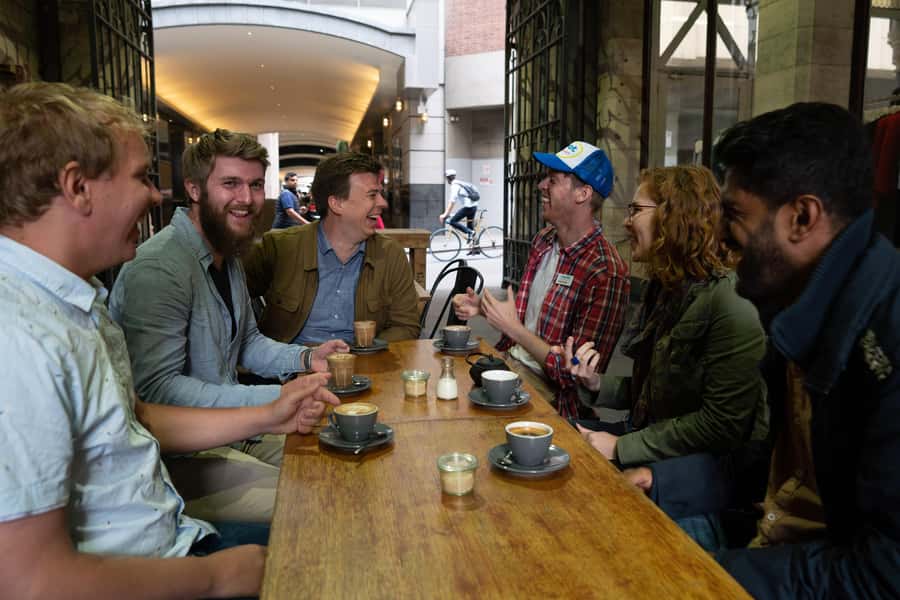
Degraves Street is where the tour slows down for its first real break. This narrow lane is lined with cafes and small shops, and the guide explains why coffee is such a serious part of Melbourne’s daily culture.
Your included drink can be a flat white, long black, or hot chocolate. The coffee stop takes about 20 minutes, enough to rest your feet, chat with the group, and ask about places to eat later. One local guide also introduces the group to Melbourne Magic coffee, a style that may be unfamiliar if you usually order a standard flat white.
This is more than a free drink. It gives you a practical window into the city’s cafe habits and a chance to compare the quick coffee stops here with the grand architecture seen earlier. It also breaks up the walking at exactly the right point.
You may find the stop a little short if you want a full cafe meal. The tour includes a drink, not lunch, and the group needs to continue. If you need food before the walk, plan ahead.
Block Arcade, Royal Arcade, and Bourke Street Mall
After Degraves Street, the route heads into the Block Arcade, one of central Melbourne’s most elegant covered passages. Look up as you walk. Decorative details, tiled floors, and old-fashioned shopfronts make the arcade feel quite different from the graffiti-covered lanes.
Royal Arcade offers another version of the same idea. Together, the arcades show how Melbourne has long made use of narrow pedestrian spaces. They also demonstrate the city’s habit of placing small shops, cafes, and social life in passages just off the main roads.
Bourke Street Mall provides the contrast. Here, the city feels more open and commercial, with major retail activity and a steady flow of people. The guide uses these shifts in scale to show how Melbourne works: grand streets, intimate lanes, covered arcades, and public squares all sit within a short walk.
There is a lot to absorb in this middle section. If you enjoy architecture, it may be one of the most rewarding parts of the walk. If you prefer long stops and detailed building tours, the short five-minute arcade visits may feel brisk.
Chinatown, the State Library, and the city’s stories
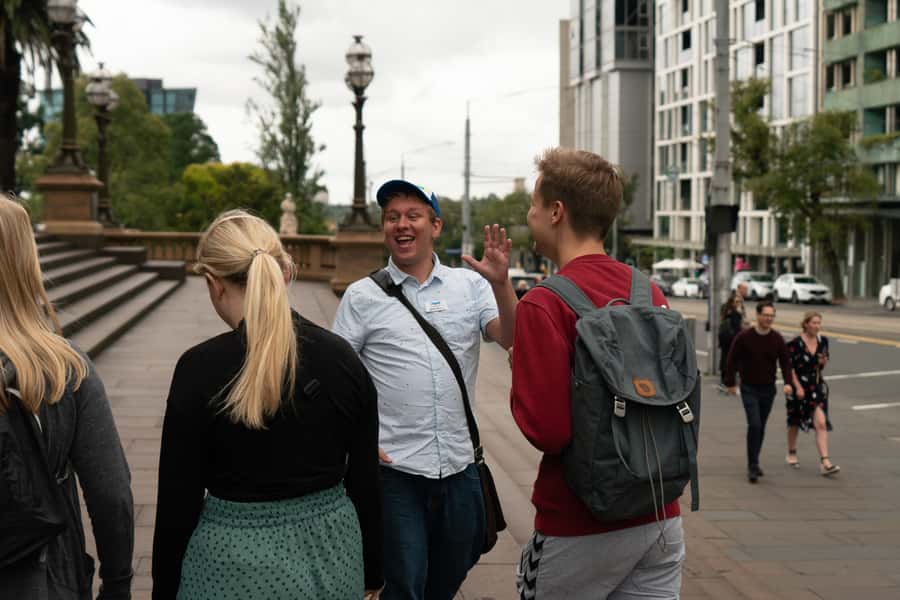
Chinatown adds another layer to Melbourne’s cultural story. The stop is brief, around five minutes, but it gives the guide a chance to discuss the city’s changing communities and food culture. You will also get ideas for restaurants and bars to try later.
The State Library of Victoria follows. Again, this is a guided look rather than a lengthy interior visit. The building is a useful reminder that Melbourne’s cultural life is not limited to cafes and street art. Its libraries, public institutions, and old civic buildings help explain why the city has such a strong arts and education identity.
The guide’s storytelling matters here. The tour covers Indigenous heritage, early settlement, Gold Rush wealth, modern culture, and personalities such as John Batman. It does not try to turn every stop into a lecture. Instead, the best guides use a story or character to make the place easier to remember.
This is also where questions can shape the experience. Several guides are praised for expanding on subjects that interest the group rather than forcing everyone through a fixed script. With a maximum of 12 people, that sort of exchange is more realistic than on a large coach tour.
The Yarra River and Old Melbourne Gaol
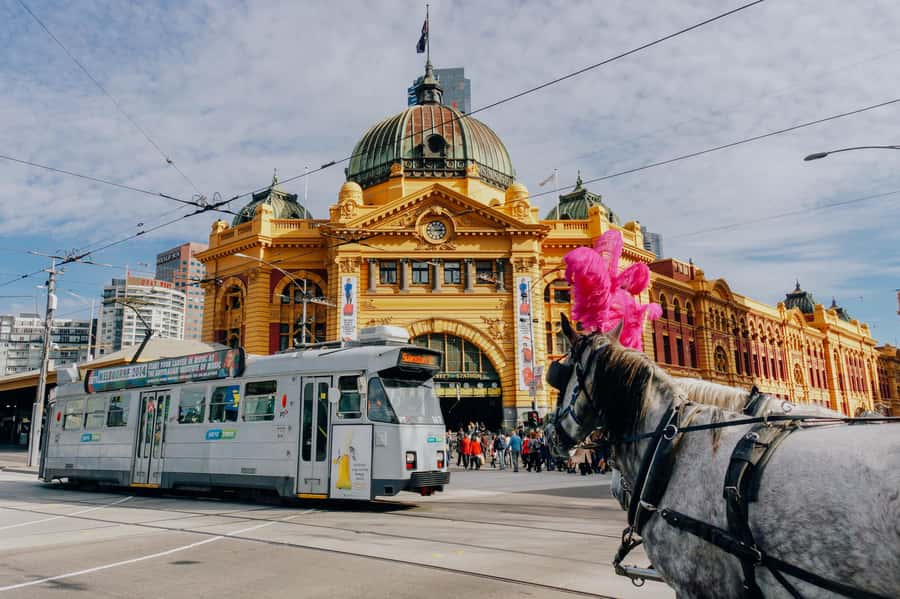
The route reaches the Yarra River for a sightseeing stop. The river helps you understand Melbourne’s geography and offers a change from the tight lanes and crowded central streets. Your guide connects the waterway to the city’s growth and modern public life.
Old Melbourne Gaol follows with a short guided stop. You should not expect admission or a full gaol visit as part of this walk. Instead, the guide provides historical context and points out why the site remains important.
This distinction is worth knowing before you book. The tour shows you a broad range of landmarks, but most are viewed from outside or discussed briefly. You are buying a guided orientation, not a sequence of full museum entries.
That broad reach is also the tour’s strength. In three hours, you see enough of the central city to decide what deserves a longer visit. If Old Melbourne Gaol interests you, you can return later with more time for the interior experience.
Finishing with a drink at Captain Melville
The final stop is a local bar, with the tour finishing at Captain Melville. You receive one house beer, wine, cider, or soft drink. This is a simple but smart ending because it turns the walk into a social experience rather than an abrupt goodbye.
The pub stop lasts around 20 minutes. Guides often stay with the group, answer final questions, and continue the conversation. That gives you another chance to ask for restaurant suggestions, bar recommendations, or help planning the rest of your Melbourne visit.
I like this ending because it reflects Melbourne’s social history. The coffee stop shows how the city starts its day; the pub stop shows how people gather later. Both included drinks also add real value to the $91 price, although the tour is not cheap by walking-tour standards.
The price makes most sense if you would otherwise pay for a coffee, a drink, and a separate orientation tour. You are also paying for a small group and a local guide who can adjust the route’s storytelling to your interests. If you mainly want free sightseeing and already know central Melbourne, you may prefer to explore independently.
Walking conditions, timing, and who should book
Wear comfortable walking shoes. The route includes stairs, uneven laneways, and arcade surfaces, and it runs in all weather. Bring an umbrella if rain is forecast and dress for conditions rather than trusting the season.
The tour is described as wheelchair accessible, but it may not suit people with severe mobility issues because of the stairs and uneven sections. Tell the operator about mobility limits or dietary needs when booking.
English is the tour language, and the guide is a professional local English speaker. The small group size is particularly helpful if you want to ask about food, art, architecture, or local customs without losing the guide in a crowd.
I would book this early in a Melbourne stay. You will get your bearings, learn which lanes and arcades deserve a return visit, and collect practical suggestions for restaurants and bars. The free Melbourne map is useful, but the spoken recommendations are likely to be more valuable.
The tour allows free cancellation up to 24 hours before departure, and you can reserve now and pay later. Those terms are useful if your Melbourne plans are still shifting.
Should you book this Melbourne walking tour?
Book it if you want a lively introduction to central Melbourne that mixes history with present-day city life. It is especially good for first-time visitors, people with only a few days in town, and returning visitors who want a fresh angle.
Book it for Hugo, Emily, Beau, Ian, or Laura if one of those guides is shown for your date. The strongest praise centres on guides who are warm, funny, flexible, and proud of Melbourne.
Skip it if you want lengthy museum visits, a dedicated food tour, or a slow architecture lecture. The route is broad and brisk. For most people, though, the balance is right: two useful drink breaks, plenty of landmarks, a small group, and enough local colour to make Melbourne easier to understand.
FAQ
How long is the Melbourne walking tour?
The tour lasts three hours.
How much does the tour cost?
The listed price is $91 per person.
Where does the tour meet?
Meet at Gordon Reserve, a small park across from the Windsor Hotel. The guide stands beside the fountain with a blue umbrella. The meeting point is confirmed 24 hours before departure.
What is included in the coffee stop?
You can choose a flat white, long black, or hot chocolate.
Is an alcoholic drink included?
Yes. The final stop includes a house beer, wine, or cider. You can choose a soft drink instead.
What language is the tour conducted in?
The live tour is conducted in English by a local English-speaking guide.
How many people are in the group?
The group has a maximum of 12 travelers.
Is the tour wheelchair accessible?
The activity is described as wheelchair accessible, but it includes stairs and uneven surfaces in laneways and arcades. It may not suit people with severe mobility issues.
What should I wear and bring?
Wear comfortable walking shoes and dress for the weather. The tour operates in all weather, so bring an umbrella if rain is forecast.
Just added around Australia
- Authentic Indigenous Cultural Tour Including Scenic River Cruise★ 5.0 · 88 reviews
- Cairns History Walking Tour★ 5.0 · 52 reviews
- Entry Ticket at Historic Village Herberton★ 5.0 · 114 reviews
- Self-Guided Ngilgi Cave Ancient Lands Experience★ 4.5 · 154 reviews
- Hinterland Heritage Wine Tour★ 4.0 · 28 reviews
- Albany’s Historic Whaling Station Admission Ticket★ 4.5 · 86 reviews
- 7 Day Adelaide to Uluru Adventure and Cultural Tour★ 5.0 · 52 reviews
- Sydney Convicts, History & The Rocks 2.5-Hour Walking Tour★ 4.9 · 181 reviews
Australia History Tours, compared.
Ultimate Melbourne Walking Tour: History, Laneways & Culture
Read our review →
Puffing Billy Railway: Heritage Steam Train Journey
Read our review →
Morning World Heritage Cruise on the Gordon River from Strahan
Read our review →
Strahan: World Heritage Cruise on Gordon River with Lunch
Read our review →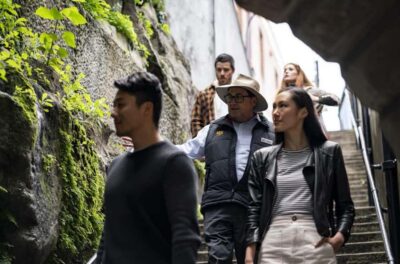
Sydney: The Rocks 90-Minute History Walking Tour
Read our review →
Experience History onboard The Mary Valley Rattler
Read our review →
Snorkel & Dive the Reef: Sustainable, Scientific & Cultural Tour
Read our review →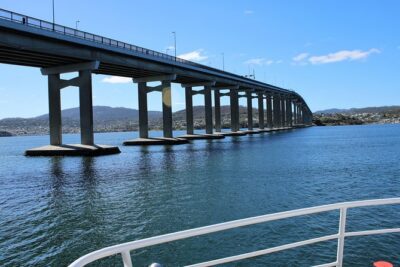
Derwent River Historic Harbour Cruise From Hobart
Read our review →Browse the lists this tour appears in