
Review · USA
Fairbanks: Gold Dredge 8 Historic Train Tour
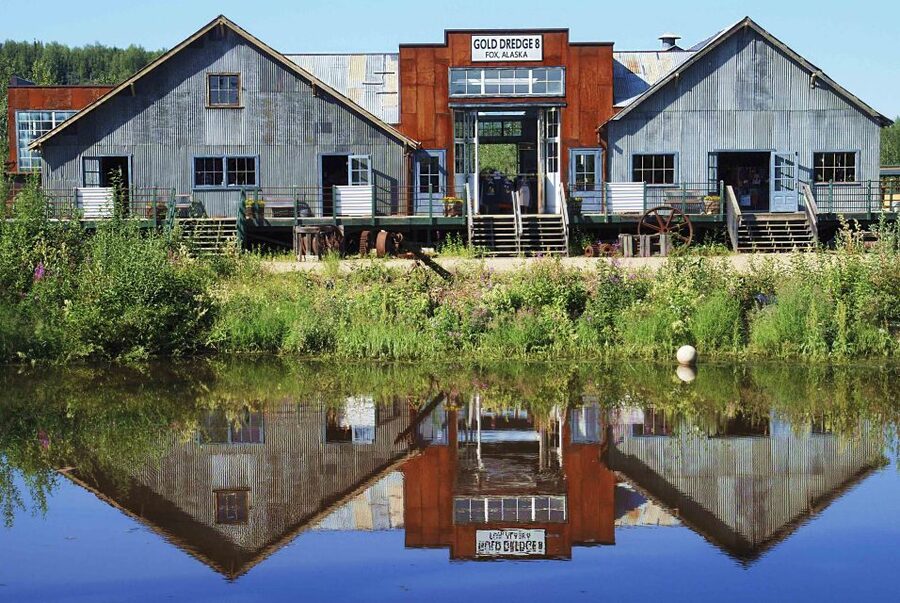
Gold Dredge 8 turns a short train ride into a hands-on lesson in Alaska’s gold-mining past. You travel through the Tanana Valley gold fields, stop beside the Trans-Alaska Pipeline, and try panning for flakes before browsing the shop.
I like the clear storytelling, especially when guides such as Tim explain how the dredge, water channels, and gravity-fed equipment worked. I also like that your gold-panning session is included, so you are not just looking at old machinery behind a fence. The main drawback is time: the visit moves briskly, and you may have to choose between extra panning, shopping, and a closer look at the dredge.
What makes this Fairbanks tour worth your time
- A 45-minute train ride through old gold fields: The Tanana Valley Railroad gives the history a sense of place instead of keeping you in a museum room.
- The Alaska Pipeline is part of the story: You stop beside this 800-mile oil route and hear how it fits into the mining district.
- Gold panning is hands-on: You work a pan yourself and can take home the gold you find.
- The guide makes the difference: Strong guides explain the machinery and mining process in plain language, with personal stories and a natural style.
- The experience works in poor weather: The tour runs rain or shine, so a jacket and sensible clothing matter.
- The $89 price covers the main activities: Train travel, guiding, the dredge visit, and panning are all included.
Riding the Tanana Valley Railroad from Fairbanks
Gold Dredge 8 is at 1803 Old Steese Highway North, roughly 25 minutes outside Fairbanks by car. You follow the Steese Highway, Route 2, north, turn left onto Goldstream Road, then left again onto Old Steese Highway. The entrance is the first driveway on the right.
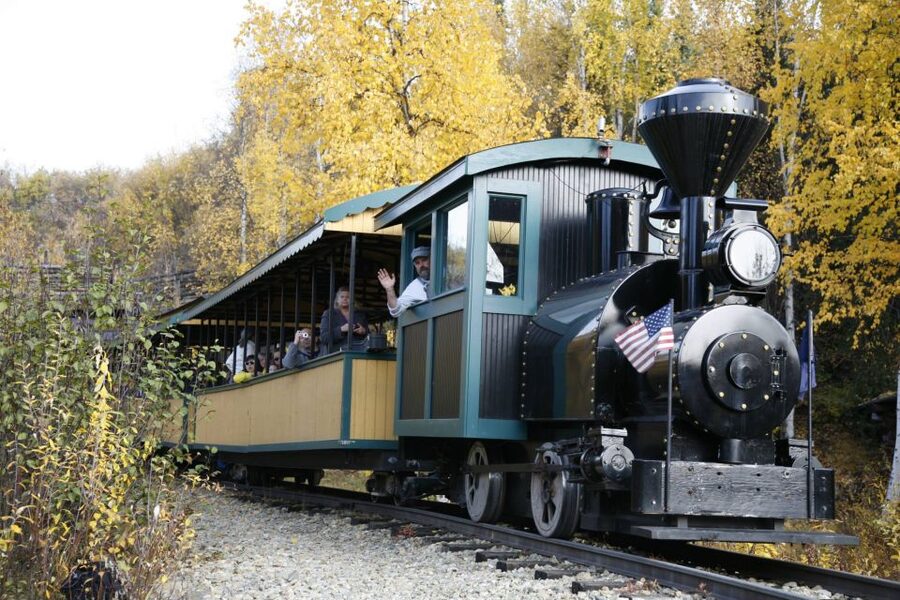
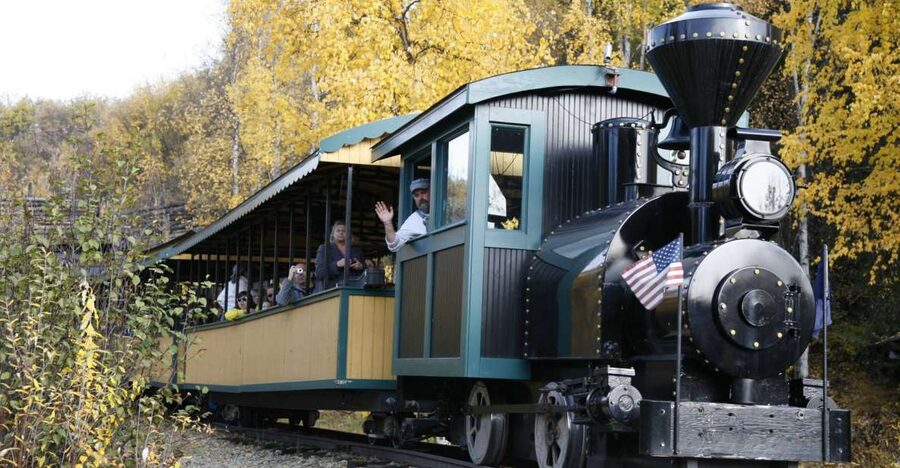
The attraction begins with a narrow-gauge train ride lasting about 45 minutes. This is not a long scenic railway journey through remote Alaska. It is a compact ride through a working historical site, with the train serving as both transportation and classroom.
You sit back while the conductor or guide explains the gold fields and the people who came here looking for a fortune. The setting matters. Gold mining makes more sense when you see the broad ground that had to be worked, the water needed to move soil, and the large machinery built to handle it.
The ride is a good fit if you enjoy stories tied to visible places. Instead of hearing general facts about the gold rush, you are shown the area where mining methods changed the Tanana Valley. The train also gives you a chance to settle in before the more active part of the visit.
Several people who enjoyed the tour most wanted a little more time on the train. That is fair. If you are hoping for a long railroad excursion, this will feel short. If you see the train as a well-presented introduction to the site, the length works better.
More Train Trips in the USA:
- Sedona, AZ: Grand Canyon Guided Tour and Historic Railway
★ 4.6 · 122 reviews - Skip the Line: Historic RailPark and Train Museum Ticket with Guided Tour
★ 4.5 · 59 reviews - Puffing Billy Railway: Heritage Steam Train Journey
★ 4.6 · 1,195 reviews
The Trans-Alaska Pipeline stop
One of the most useful surprises is the stop at the Trans-Alaska Pipeline. The 800-mile oil line runs through the Gold Dredge 8 mining district, making it an unexpected companion to the old mining equipment.
Your guide explains the pipeline and its relationship to the property. The tour can also cover the water trench, gravity intake, and the way water helped power or support mining operations. These details show that Alaska’s resource story did not end with the gold rush. Gold, oil, water, transport, and heavy machinery all meet in this small area.
This stop is especially valuable if you are interested in engineering. You get a chance to see the pipeline close up rather than treating it as a distant line beside the road. The explanation gives context to its size and purpose, while the nearby dredge shows a much older form of large-scale resource extraction.
You do not need a technical background to follow the talk. The best guides use the equipment in front of you to explain the process. Tim, a guide praised for his natural storytelling, is one example of the style you may encounter. He is described as clear, entertaining, and comfortable with the subject, without leaning too hard on forced jokes.
Seeing Gold Dredge 8 up close
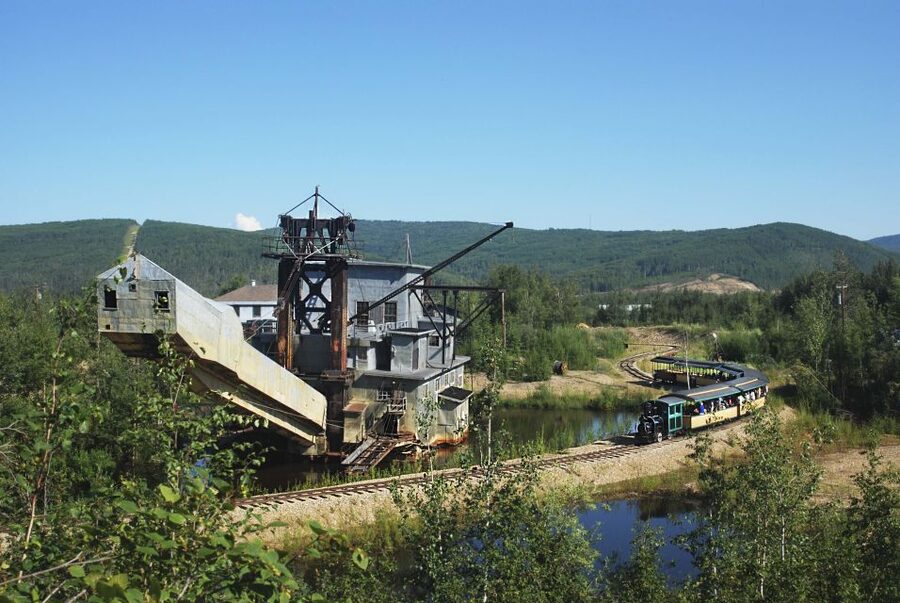
The central stop lasts about an hour and combines a guided visit, free time, gold panning, and shopping. You see the huge dredge and learn how it worked the gold fields.
A dredge was not simply a large bucket. It was a complete system for moving and processing earth. The guide explains the machinery, the use of water, and the method of separating gold from gravel and dirt. You also see more traditional tools, including pans and sluice boxes, which help show the difference between small-scale prospecting and industrial mining.
The dredge is the most impressive object on the property because its size makes the work easy to picture. Gold panning can look simple until you consider the enormous amount of material that had to be handled to find small flakes. The machinery represents the next stage, using scale and mechanical power to process far more ground than an individual miner could manage.
The history is not presented as a simple success story. You hear about the hard conditions, the hopes of miners, and the reasons this type of dredging eventually stopped. That context gives the machinery more meaning. You are not just admiring an old machine. You are looking at a tool that changed the ground around it and shaped the local mining economy.
One practical caution matters here: the schedule does not leave unlimited time for every part of the site. Some visitors have found that spending longer at the panning area leaves little or no time to explore the dredge more closely. The dredge is presented as part of the guided experience, but do not assume you will have a long, independent walk through every section.
Panning for gold at Gold Dredge 8
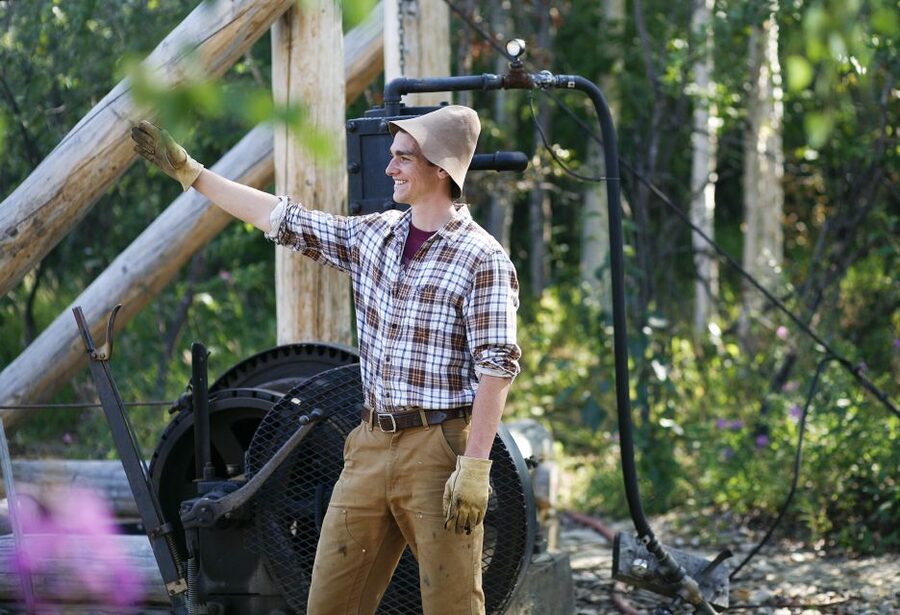
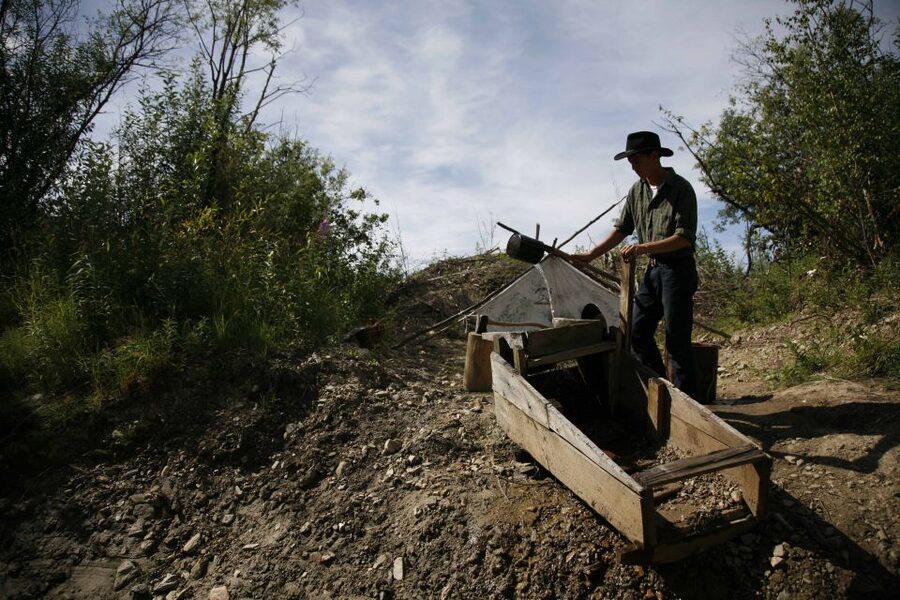
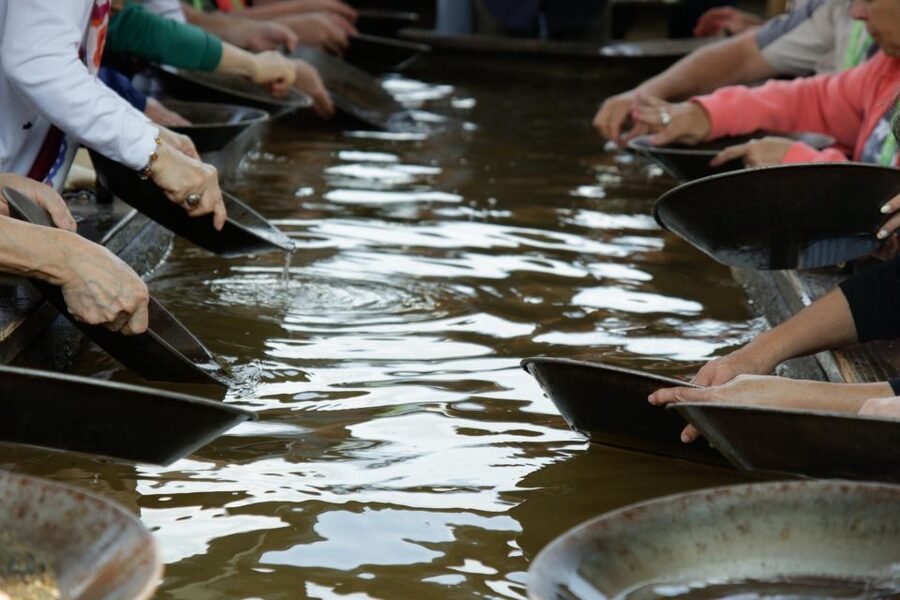
Gold panning is the most active part of the experience. You receive dirt to work through, then use a pan to wash away lighter material while trying to keep the heavier gold at the bottom.
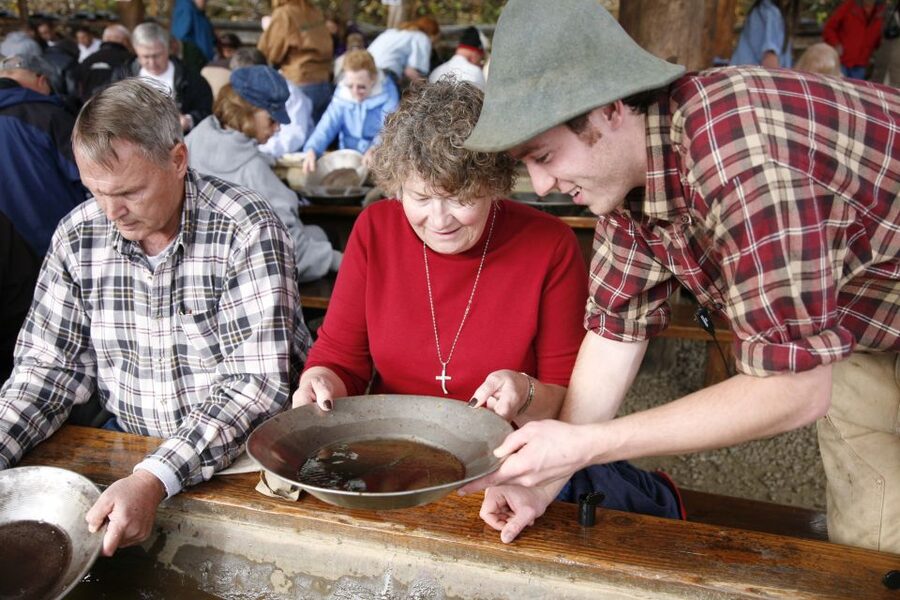
The motion takes a little patience. You swish and swirl the pan carefully rather than shaking it hard. The goal is to remove unwanted material without losing the heavier flakes. A guide shows you how to do it, which makes the activity approachable even if you have never handled a gold pan.
This is a good feature for families and for anyone who prefers doing something to simply listening. Children and teenagers can understand the basic idea quickly, while adults often get just as competitive about finding a glint. You may find only tiny pieces, but the point is the process and the satisfaction of seeing something you recovered yourself.
The gold you find can be taken home, giving the activity a physical souvenir rather than only a photograph. That does not make you a prospector, but it does make the lesson memorable.
Not everyone will care about panning. If you are mainly interested in industrial history, you may prefer more time with the dredge and equipment. If you want to try panning more than once, extra time may be available, but that can reduce time for shopping or examining the site.
More History Tours in the USA:
- History and Hauntings of Salem Guided Walking Tour
★ 5.0 · 14,564 reviews - Charleston’s Old South Carriage Historic Horse & Carriage Tour
★ 5.0 · 10,023 reviews - Beneath The Streets Underground History Tour
★ 4.5 · 8,006 reviews - Big Island in a Day: Volcanoes Waterfalls Sightseeing and History
★ 5.0 · 6,569 reviews
Guides, stories, and the quality of the explanation
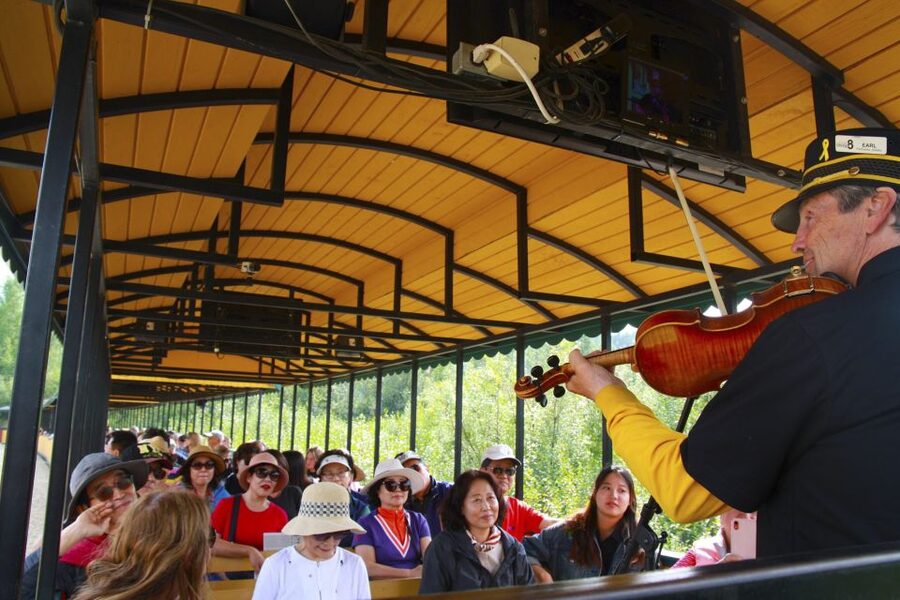
The strongest part of Gold Dredge 8 is often the live narration. A good guide ties together the train route, pipeline, water system, dredge, and panning instead of treating them as unrelated stops.
Guides such as Tim have been singled out for telling stories in an authentic, conversational way. The style is informative without becoming a stand-up routine. That suits the subject. Gold mining involved risk, labor, engineering, and environmental change, and the explanations work best when they let those facts carry the interest.
You should also listen for the practical details. How did the dredge move? Why was water so important? How did gravity help move material? Why did this form of mining stop? The answers turn large objects into understandable tools.
The staff at the site also help keep the experience moving. The tour is organized around a fixed train schedule, so clear instructions matter. Staff members assist with the panning activity, answer basic questions, and direct you toward the shop and other displays.
One small weakness is that the artifacts and displays may not always have a guide nearby once the main talk is over. If you want to know the story behind every object, ask questions during the guided portion or before moving on.
The final train ride and gift shop
After the main stop, you return to the train for about 15 minutes back to the starting point. This final ride is short, but it closes the loop and gets you back without another walk across the property.
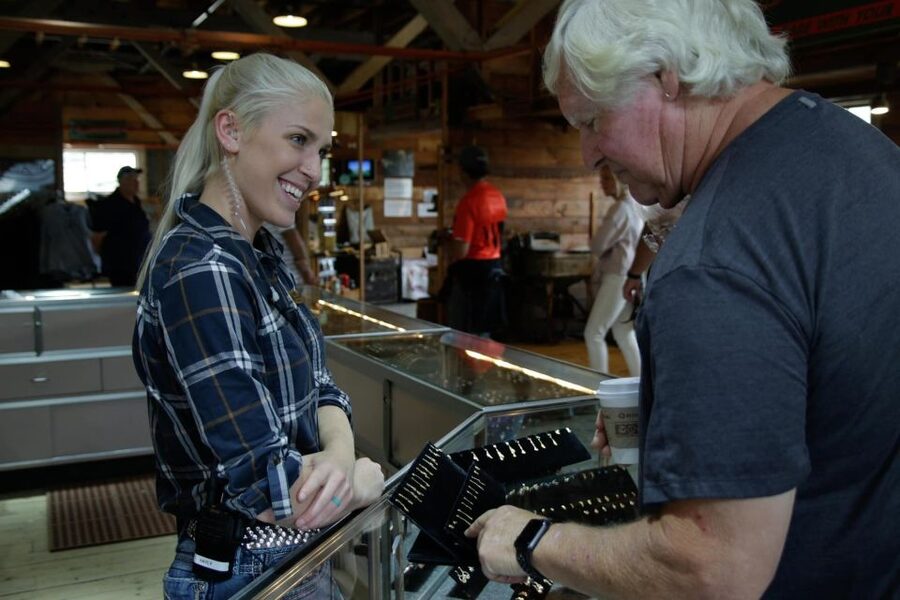
Before leaving, allow time for the gift shop. It carries gold-related souvenirs, memorabilia, and items connected with the site. The shop is useful if you want a small reminder of the experience or a gift that feels more specific than a generic Alaska product.
Prices in the shop have been described as reasonable, which matters because some attraction shops charge heavily for basic souvenirs. You can also find artifacts and displays connected with the mining era, though the amount of time available for browsing depends on how long you spent panning and how the train schedule is running.
Some departures offer hot drinks and cookies at the end. These are small touches, but they are welcome in cool or wet weather. Do not plan on the shop alone making the visit worthwhile. The main value is the combination of train, guide, machinery, and panning.
Is $89 a fair price?
At $89 per person, I consider this a solid value if you want several activities in a short block of time. The price includes the guided Gold Dredge 8 visit, both train segments, and gold panning. You are paying for more than admission to see an old dredge.
The tour lasts two hours, with about 45 minutes on the first train ride, one hour at the mining site, and 15 minutes on the return train. That makes it easy to fit into a Fairbanks day alongside another activity, though the compact schedule means you should not expect a leisurely museum visit.
The value is strongest for families, first-time visitors to Fairbanks, and anyone who wants local history without committing to a full-day excursion. It is also a practical choice when different people in your group have different interests. One person can focus on the pipeline and machinery, another can enjoy the stories, and everyone can try panning.
The value is weaker if you want an in-depth mining museum or a long scenic train journey. You may leave wishing for more time at the dredge, more time on the train, or a slower look at the artifacts. The experience gives you a lively overview, not a full day of study.
Weather, comfort, and access
The tour operates rain or shine. Bring a jacket, dress for the day’s weather, and carry a camera if you want photographs of the train, pipeline, machinery, and panning activity.
Waiting and presentation areas may include outdoor seating, and rain can make seats wet. A small cushion could improve comfort, especially for older visitors, though one is not listed as provided. If you need a break from standing, plan ahead and ask staff where seating is available.
The activity is wheelchair accessible. Assistance dogs are allowed, but other pets are not. The live tour is offered in English.
Because the tour is outdoors and the schedule is fixed, wear shoes and clothing that can handle damp conditions and dirt. You do not need special mining equipment. The attraction provides the gold-panning activity and instruction.
Who should book Gold Dredge 8?
I would choose this for families with school-age children or teenagers, couples who enjoy local history, and anyone who wants a short, structured activity outside central Fairbanks. The panning gives children something concrete to do, while the pipeline and dredge provide enough substance for adults.
It also suits visitors who want an introduction to Alaska’s resource history. You get gold mining, heavy machinery, water engineering, and the Trans-Alaska Pipeline in one visit.
I would think twice if your priority is solitude, a long wilderness ride, or a detailed archaeological visit. This is a popular, organized attraction with a clear schedule. The train ride is scenic in a modest way, but the real focus is the guided story and hands-on panning.
My verdict on the Gold Dredge 8 train tour
Book Gold Dredge 8 if you want a well-paced two-hour activity that combines Alaska history with something you can do yourself. The guides are the key strength, and the best ones make the machinery and mining process easy to understand.
Go in with the right expectations. You will see the dredge, but you may not have a long time to explore every part of it. You will pan for gold, but the pieces are small. You will ride a train, but it is a short historical railway experience rather than a grand scenic journey.
For $89, the mix is fair: a guided train ride, a close look at major mining equipment, an explanation of the pipeline, and a chance to take home Alaskan gold. Wear a jacket, keep an eye on the clock, and save enough time for the part you care about most.
FAQ
How long does the Gold Dredge 8 tour last?
The experience lasts two hours. The schedule includes about 45 minutes on the first train ride, one hour at Gold Dredge 8, and 15 minutes on the return train.
How much does the tour cost?
The listed price is $89 per person.
Where does the tour start?
It starts at 1803 Old Steese Highway North, at Gold Dredge 8. The site is about 25 minutes outside Fairbanks.
Is gold panning included?
Yes. Gold panning is included with the guided tour, and you have the chance to take home gold that you find.
Will I see the Trans-Alaska Pipeline?
Yes. The tour stops at the Trans-Alaska Pipeline, which runs through the Gold Dredge 8 mining district. The guide explains the pipeline and related local systems.
Is the tour offered in English?
Yes. The activity includes a live English-speaking guide.
Is Gold Dredge 8 wheelchair accessible?
Yes, the activity is listed as wheelchair accessible.
What should I bring?
Bring a camera, a jacket, and clothing suited to the weather. The tour operates rain or shine.
Just added around the USA
- Red Rocks Amphitheatre Historical Walking Tour★ 5.0 · 74 reviews
- 1-Hour Segway Tour of Cheyenne Cañon Art, History and Nature★ 5.0 · 36 reviews
- Colorado Springs – Guided Walking Ghost / History Tour★ 5.0 · 168 reviews
- Ancient Landscapes Private Geology Hike at Garden of the Gods★ 5.0 · 31 reviews
- Village Food Tours Lunch & History Tour★ 5.0 · 80 reviews
- 2.5 Hour Kayaking with Manatee and History Tour in Tarpon Springs★ 5.0 · 24 reviews
- Safety Harbor Ghost Tour★ 5.0 · 60 reviews
- Historical Bicycle Tour of Dunedin★ 5.0 · 44 reviews
USA History Tours, compared.

History and Hauntings of Salem Guided Walking Tour
Read our review →
Charleston’s Old South Carriage Historic Horse & Carriage Tour
Read our review →
Boston: Freedom Trail History Small Group Walking Tour
Read our review →
Historic Charleston Guided Sightseeing Walking Tour
Read our review →
Savannah History and Haunts Candlelit Ghost Walking Tour
Read our review →
Tour of Historic Fenway Park, America’s Most Beloved Ballpark
Read our review →
Oahu: Mauka Warriors Luau Honoring Polynesia’s Forgotten History
Read our review →Browse the lists this tour appears in