
Review · USA
Skip the Line: Historic RailPark and Train Museum Ticket with Guided Tour
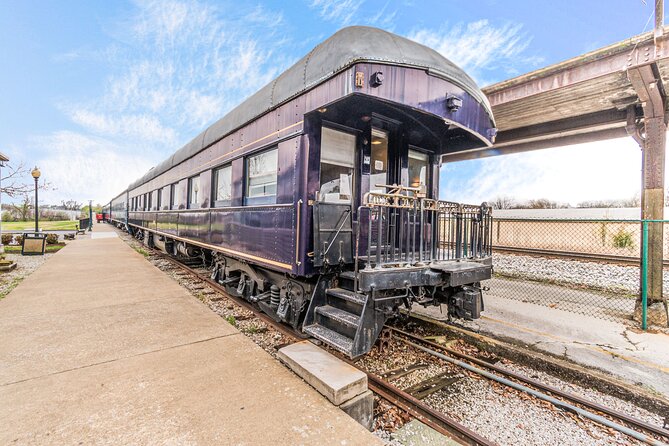
The most memorable part of this Bowling Green visit is not the small museum gallery. It is the chance to walk through actual historic railcars, including a railroad post office car, Pullman diners, a sleeper, and a presidential office car. The old L&N Depot gives the visit useful context: more than 20 trains once departed this site each day.
I like the low $22 price, especially since it covers both the self-guided museum and the guided railcar tour. I also like the flexible schedule, with several tour times offered throughout the day and mobile tickets confirmed right away.
The main consideration is time. The visit lasts about 45 minutes, and the indoor exhibit area is fairly small. You get the most from the ticket if you are especially interested in trains, mail delivery, transportation, or everyday life aboard old passenger cars.
Key points to know before you go
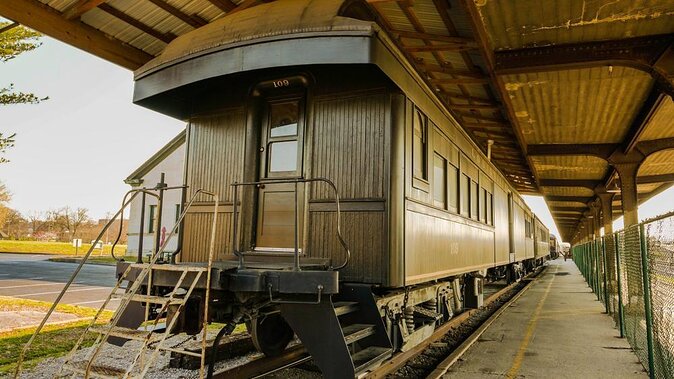
- Walk through a real railroad post office car: See how mail was sorted and moved between cities before modern delivery systems.
- The railcars are the star: The outdoor display includes an E8 engine, Duncan Hines Diner, two Pullman cars, and the 353 Presidential office car.
- Your ticket covers both parts: Explore the museum at your own pace, then join the guided tour of the historic cars.
- A useful stop between Louisville and Nashville: Bowling Green’s location helps explain why the depot became an important transportation hub.
- Good family value at $22: The visit is short, visual, and hands-on enough to work well for many age groups.
- Plan around the 24-hour cancellation rule: Cancel at least one full day before the start time for a refund.
Bowling Green’s 1925 depot tells the first part of the story
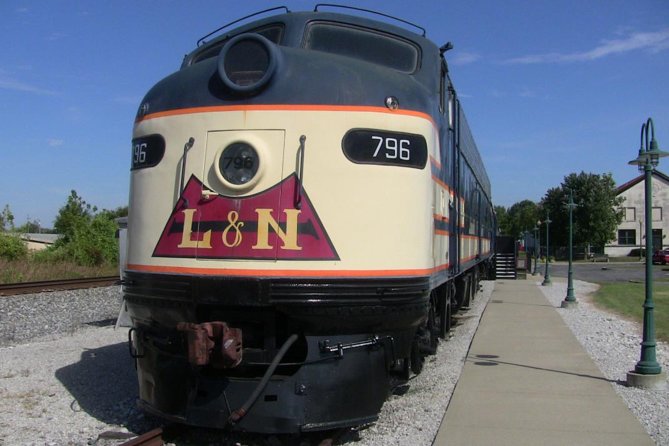
The Historic RailPark begins in Bowling Green’s former Louisville and Nashville Railroad Depot. The current building dates to 1925, when it replaced an older station. Its location between Louisville and Nashville helped make it a key stop for people, freight, mail, and business in the region.
At its busiest, more than 20 trains left this site each day. That figure gives you a better sense of the depot’s role than a simple date on a wall. Bowling Green was not just a place where trains paused for a few minutes. The station helped support the city’s economy and connected local life to a much larger rail network.
I find that context useful because it keeps the museum from feeling like a random collection of old machinery. The cars outside belonged to a working transportation system. They carried passengers, delivered mail, served meals, and supported government travel.
The depot itself also helps set the mood. You begin with the architecture and history of the station, then move toward the equipment that operated behind it. That order makes sense, especially if you do not know much about American rail travel before arriving.
More Train Trips in the USA:
- Fairbanks: Gold Dredge 8 Historic Train Tour
★ 4.7 · 219 reviews - Sedona, AZ: Grand Canyon Guided Tour and Historic Railway
★ 4.6 · 122 reviews - Puffing Billy Railway: Heritage Steam Train Journey
★ 4.6 · 1,195 reviews
The museum gallery is small but useful
The indoor museum is not large. You can likely cover its main displays without spending several hours, and that is worth knowing before you book. If you want a huge railroad collection, this is not that kind of museum.
Still, the gallery provides an important foundation. It covers the local railroad story along with broader transportation, cultural, and economic themes. You can learn how rail service affected Bowling Green and how the railroad fit into daily life across the country.
I would start with the indoor section before joining the railcar tour. The displays help explain what you are about to see outside, particularly the mail car and passenger cars. Without that background, the cars can look like old vehicles. With it, you begin to notice how each one served a specific purpose.
The gallery is also a sensible choice for families. Children who may not want a long museum visit can see the main exhibits, then move outdoors to the larger railcars. Adults interested in social history will find more to consider than engines and track. The displays touch on work, travel, communication, and commerce.
Do not judge the whole attraction by the size of the indoor exhibit. The strongest part of the visit comes next.
The guided railcar tour brings the past to life
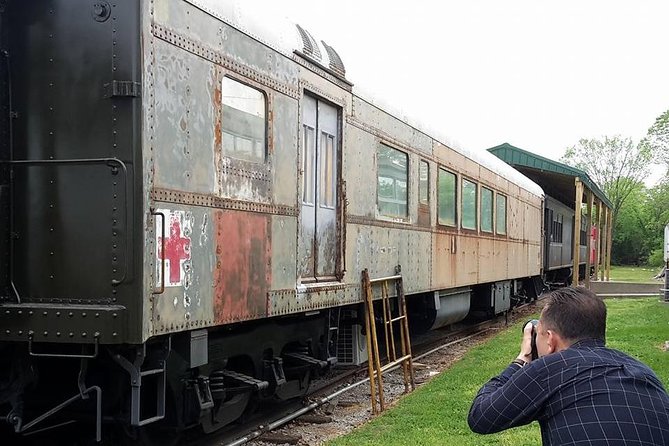
Behind the depot, about 450 feet of track holds the main collection. The guided tour takes you through the cars, allowing you to see their interiors rather than only viewing them from behind a barrier.
That guided explanation matters. Old railcars can be confusing if you do not know what you are looking at. A guide can point out how the cars were used and explain why their layouts differ. The strongest feedback about this experience centers on the guide’s clear, passionate presentation, especially when explaining railroad history and mail delivery.
The tour is especially good for people who enjoy practical details. You are not only looking at polished wood, seats, and narrow corridors. You are seeing the physical spaces where work and travel took place for decades.
Expect to walk through the cars and listen as the guide explains their roles. The route is short enough to fit into a busy day, but it has enough variety to keep the visit from feeling repetitive.
The railroad post office car is the most revealing stop
The railroad post office car may be the most interesting part of the collection. It shows how mail was once sorted while trains were moving between cities.
Today, most people think of mail as something processed in a large facility away from the journey itself. In these cars, postal workers handled mail en route. That meant letters and packages could be sorted during the trip, helping them reach different destinations more efficiently.
Walking through the car gives you a direct sense of how physical and labor-intensive the process was. The space was designed for work, not comfort. It also explains why railroads were so important to communication, not just passenger travel.
I would pay close attention here if you are visiting with children. The mail car gives them a clear comparison between earlier delivery systems and today’s methods. It is easier to understand than a general lecture because the working space is right in front of you.
The railcar tour also makes the history personal. You are not simply reading that mail moved by train. You can see the car built for the job and picture the staff sorting mail as the train traveled from one city to another.
More Skip-the-Line Tickets in the USA:
- Herculaneum: Skip-the-Line Guided Tour with Archaeologist
★ 4.8 · 3,439 reviews - Taormina: Ancient Theater Skip-the-Line Ticket & Audio Guide
★ 4.5 · 2,412 reviews - Historic Milan Tour with Skip-the-Line Last Supper Ticket
★ 4.5 · 1,976 reviews - Córdoba: Skip-the-Line Great Mosque-Cathedral History Tour
★ 4.7 · 1,690 reviews
The dining cars show how rail travel felt
The display includes the Duncan Hines Diner and a 1949 Pullman diner. These cars offer a different view of railroad travel. The mail car was about speed and work. The diners were about food, service, and the social side of a long train journey.
The Duncan Hines name adds an extra point of interest. It connects the rail collection with American food culture, though the provided details do not specify the diner’s full operating history. You can still appreciate the setting as a period dining space within the larger collection.
The 1949 Pullman diner helps show how rail travel continued into the postwar era. Pullman cars were built for passenger service, and the dining car format made a long journey feel more organized and comfortable than simply sitting in a standard coach.
You may find the diner cars particularly appealing if you like design and ordinary details. Tables, service areas, and compact layouts reveal how many functions had to fit inside a moving train. The spaces are not enormous, but that is part of the point. Rail travel required careful use of every foot.
Food and drinks are not included with admission, so treat the diners as historic exhibits, not working restaurants. Plan any meal separately.
The Pine sleeper shows the private side of train travel
The Pine is a 1953 Pullman sleeper. It shows how passengers could spend the night on a train rather than treating rail travel as a short daytime ride.
Sleepers are useful for understanding the scale of long-distance rail journeys. A passenger train was not just a row of seats. It could include places to eat, work, sleep, and move about during a trip that lasted through the night.
The Pine also adds variety to the tour. After seeing a mail car and dining cars, you can compare a car designed around rest and privacy. Look at how the interior is arranged and consider the space required for sleeping quarters, passageways, and service.
I would not expect a modern hotel room. The value is in seeing how the system worked, not in comparing the car with present-day comfort. For anyone interested in travel before air service became dominant, this is a useful and tangible stop.
The 353 Presidential office car adds a national connection
The 353 Presidential office car gives the collection a link to government travel. Its presence adds a different layer to the tour because it was not designed for ordinary passenger service.
An office car suggests a working environment on wheels, with space for official travel and business. That makes it distinct from the sleeper and diners. You can compare how the car’s purpose shaped its interior with the needs of mail workers, diners, and overnight passengers.
The attraction does not provide enough detail to promise a specific presidential story or famous occupant, so you should not book expecting a political biography. Its value comes from the design and function of the car itself, along with the guide’s explanation.
Together, the Presidential car and the other railcars show how one railroad system served very different users. Mail workers needed practical workspaces. Passengers needed meals and beds. Officials needed a mobile office. The collection becomes more interesting when you compare those roles.
Why the $22 admission is good value
At $22 per person, this is a reasonably priced stop, particularly because the ticket includes two parts of the attraction. You receive admission to the self-guided museum and the guided tour of the railcars, along with taxes, fees, and handling charges.
The value depends on what you want from a museum visit. If you measure value by size or by the number of hours spent inside, the small gallery and 45-minute duration may seem limited. If you value access to preserved railcars and a guided explanation, the price makes more sense.
I see it as a strong short-stop option. You do not need to give up an entire day, and the experience has enough variety for adults and families. The train cars also provide something a display case cannot: you can walk through the spaces and see their proportions firsthand.
The ticket works best for you if you enjoy history presented through objects. It is less suitable if you want a large, highly interactive museum or a long tour with extensive activities.
Who will enjoy this 45-minute visit
This experience suits several kinds of visitors:
- Families: The short duration, large railcars, and clear subject matter help keep the visit manageable.
- Railroad enthusiasts: You get access to an engine, mail car, diners, sleeper, and office car in one stop.
- History-minded visitors: The depot connects local economic development with national transportation and communication.
- People interested in mail delivery: The railroad post office car gives a direct look at an earlier system.
- Road trippers: Its Bowling Green location makes it a practical stop when moving between Louisville and Nashville.
- Visitors with limited time: The approximate 45-minute schedule leaves room for other activities.
You should think twice if your interest in railroads is very low. The museum’s appeal comes from the cars and their uses, so the visit may feel brief if you are not curious about transportation history.
Timing, tickets, and practical details
Mobile tickets are provided, and confirmation arrives at the time of booking. Several tour times are offered during the day, which makes it easier to fit the visit around other plans.
The experience is offered in English. Most people can participate, service animals are allowed, and the attraction is near public transportation. The suggested dress code is smart casual.
Since the tour lasts about 45 minutes, arrive with a clear idea of what you want to notice. I would give priority to the mail car, the Pullman cars, and the 353 Presidential office car. If you have extra time, use the museum gallery to fill in the local story before or after the guided portion.
There is no food or drink included. You can visit the attraction as a stand-alone stop, but plan your meal elsewhere.
Free cancellation is available if you cancel at least 24 hours before the experience start time. Changes or cancellations made inside that window are not accepted, and the local time at the attraction controls the cut-off.
Should you book the Historic RailPark tour?
I would book this tour if you want a well-priced, focused railroad experience in Bowling Green. The ticket gives you more than a quick look at an old station. You get a small museum, a guided walk through working railcar designs, and a useful explanation of how trains carried people, mail, food, and officials.
The strongest reason to go is the railcar collection. The railroad post office car and the 1953 Pullman sleeper offer especially clear examples of how travel once worked. The guided format also helps you notice details you might miss on your own.
I would skip it only if you want a large museum or a full-day attraction. For a 45-minute stop at $22, though, the Historic RailPark offers a practical amount of history, a family-friendly format, and access to cars you can actually walk through.
FAQ
How long does the Historic RailPark and Train Museum experience last?
The experience lasts approximately 45 minutes.
What does the $22 ticket include?
The ticket includes the self-guided museum and the guided tour of the historic railcars. Taxes, fees, and handling charges are also included.
Is the tour offered in English?
Yes. The experience is offered in English.
What historic railcars can I see?
The collection includes an E8 engine, a railroad post office car, the Duncan Hines Diner, a 1949 Pullman diner, the Pine 1953 Pullman sleeper, and the 353 Presidential office car.
Can I cancel for a refund?
Yes. You can receive a full refund by canceling at least 24 hours before the experience start time. Cancellations made less than 24 hours before the start time are not refunded.
Is the attraction suitable for most people?
Most people can participate. Service animals are allowed, and the attraction is near public transportation.
Just added around the USA
- Red Rocks Amphitheatre Historical Walking Tour★ 5.0 · 74 reviews
- 1-Hour Segway Tour of Cheyenne Cañon Art, History and Nature★ 5.0 · 36 reviews
- Colorado Springs – Guided Walking Ghost / History Tour★ 5.0 · 168 reviews
- Ancient Landscapes Private Geology Hike at Garden of the Gods★ 5.0 · 31 reviews
- Village Food Tours Lunch & History Tour★ 5.0 · 80 reviews
- 2.5 Hour Kayaking with Manatee and History Tour in Tarpon Springs★ 5.0 · 24 reviews
- Safety Harbor Ghost Tour★ 5.0 · 60 reviews
- Historical Bicycle Tour of Dunedin★ 5.0 · 44 reviews
USA History Tours, compared.
History and Hauntings of Salem Guided Walking Tour
Read our review →
Charleston’s Old South Carriage Historic Horse & Carriage Tour
Read our review →
Boston: Freedom Trail History Small Group Walking Tour
Read our review →
Historic Charleston Guided Sightseeing Walking Tour
Read our review →
Savannah History and Haunts Candlelit Ghost Walking Tour
Read our review →
Tour of Historic Fenway Park, America’s Most Beloved Ballpark
Read our review →
Oahu: Mauka Warriors Luau Honoring Polynesia’s Forgotten History
Read our review →Browse the lists this tour appears in