
Review · SPAIN
Alcalá World Heritage Tour
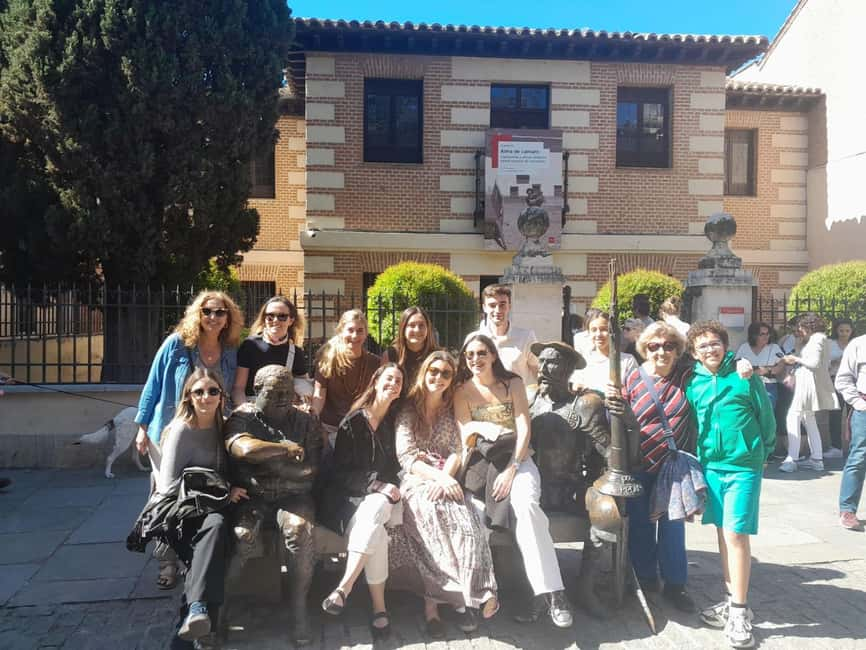
Alcalá de Henares tells its story in a compact historic center, where Cervantes, Cardinal Cisneros, medieval religious life, and university traditions all meet on the same walk. This $11 guided tour gives you a useful first look without making a full day of formal museum visits.
I like the route’s steady build from Plaza de las Bernardas to the old university, and I like that guide David Alba adds a game and small historical details instead of simply pointing at façades. The main consideration is language: the activity is listed as Spanish, so contact David in advance if you need an English tour.
Key points to know before you book
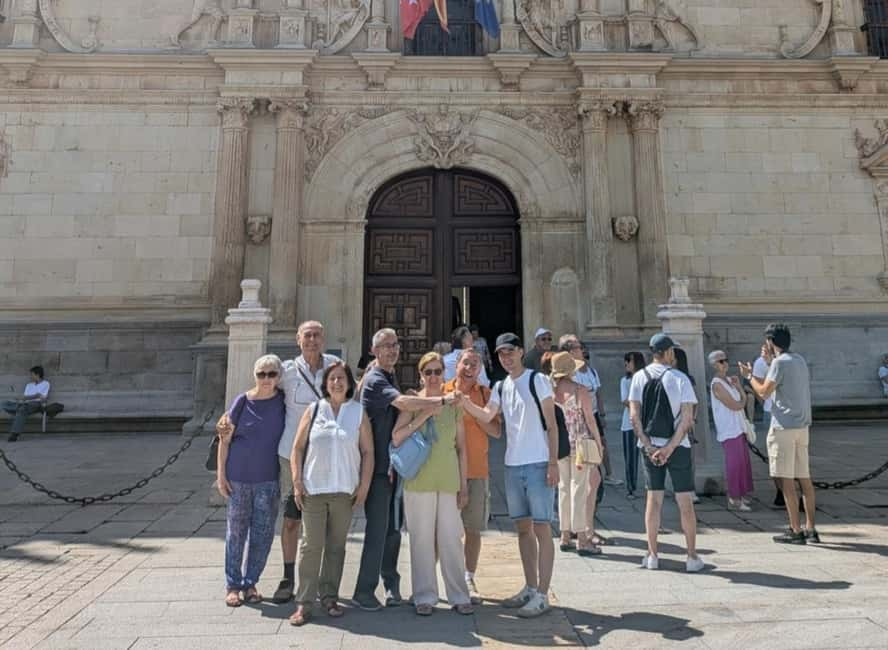
- The route ends at the old University of Alcalá: This is the tour’s main historical focus and gives the walk a clear finish.
- Cervantes is part of the story throughout: You visit his birthplace museum, the Hospital de Antezana, Cervantes Square, and the chapel holding his baptismal certificate.
- Only Capilla del Oidor is clearly an interior stop: Most sights are viewed from outside, including the old university.
- David Alba leads the walk: He is a certified guide and a University of Alcalá tourism graduate.
- The tour is priced at $11 per person: That makes it an inexpensive orientation to Alcalá’s historic quarter.
- Spanish is the listed language: Ask about English before booking, rather than assuming it is available.
Why this Alcalá walk works as an introduction
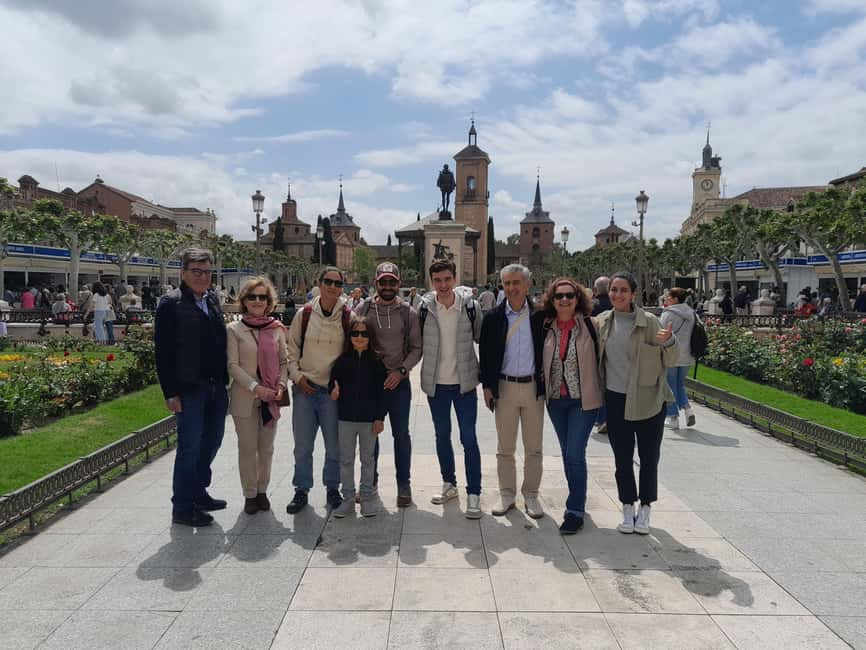
Alcalá de Henares is easy to underestimate. It sits close enough to Madrid for a day trip, yet its old center carries more than two thousand years of history. A guide helps you connect the pieces: Roman-era roots, the city’s period of three religious cultures, the rise of Cardinal Cisneros’s university, and the local life of Miguel de Cervantes.
The route is designed as a light walk rather than a museum-heavy excursion. David begins in a quieter part of the historic quarter and gradually leads you toward the university. That order matters. You first get your bearings, then meet the city’s religious and literary landmarks, and finally arrive at the place that shaped Alcalá’s identity.
I also like the human scale of the route. The scheduled explanations range from five to fifteen minutes, so you keep moving. This is useful if you want the big picture before deciding which buildings deserve a separate visit later.
The tradeoff is that the tour cannot give you a detailed interior examination of every monument. Most visits are external. If your main goal is to spend time inside the cathedral, Archbishop’s Palace, or university buildings, you will need to arrange additional sightseeing on your own.
More UNESCO World Heritage Tours in Spain:
- Essentials of Valencia and its World Heritage Sites
★ 4.5 · 405 reviews - World Heritage Shirakawa-go and Experience Tours from Kanazawa
★ 5.0 · 4,049 reviews - From Tirana: Berat UNESCO Heritage & Belshi Lake Tour
★ 4.9 · 3,863 reviews
Starting at Plaza de las Bernardas
Meet David at the obelisk in Plaza de las Bernardas. He will wear a card marked Discover with David, which should make the meeting point easy to identify.
The square is a smart starting place because it is away from the busiest central stretch. You begin with space to listen and a chance to understand Alcalá’s layout before reaching Calle Mayor and Cervantes Square.
The first guided explanation lasts about five minutes. You will also see the Arch of San Bernardo, included as part of the opening section. This is less about a long architectural lecture and more about setting the scene for the city’s historic quarter.
For practical planning, arrive ready to walk on paved city streets and remain on your feet for much of the route. The activity is marked wheelchair accessible, but the description does not explain the surface or access conditions at every individual stop.
The Archbishop’s Palace and Casa de la Entrevista
From Plaza de las Bernardas, the walk moves to the Archbishop’s Palace, with about ten minutes of explanation. The palace gives you a sense of Alcalá’s religious and political importance, especially when placed beside the nearby cathedral and older institutions.
Next comes Casa de la Entrevista, known in English as the Interview House. The stop is brief, around five minutes, so expect an exterior explanation rather than a long visit inside.
These early stops help you see that Alcalá was not built around one single idea. It was a place of church power, public life, education, and cultural exchange. David’s training in tourism at the University of Alcalá is especially relevant here because the route depends on linking nearby buildings into one story.
The Cathedral of the Holy Children
The official name is the Magistral Cathedral of the Holy Children, and the tour allows about ten minutes here. The cathedral is one of Alcalá’s major religious landmarks, but this experience is primarily an exterior visit.
That distinction is important. You will hear why the cathedral matters and see its place in the historic center, but you should not book this walk expecting a full interior tour of the building. The same applies to several other monuments along the route.
I find this kind of short cathedral stop useful when I want context without committing an entire morning to one site. If you already know you want detailed art, architecture, or worship-related information, plan extra time after the walk.
More History Tours in Spain:
- Madrid Essential: Historic Center, Plaza Mayor & Royal Palace
★ 5.0 · 6,416 reviews - Montserrat with Black Madonna & Medieval Winery with Tapas/Lunch
★ 5.0 · 5,209 reviews - Barcelona: Tapas Walking Tour with Food, Wine, and History
★ 4.8 · 4,261 reviews - Sevilla Food Tour: Tapas, Wine, History & Traditions
★ 5.0 · 3,468 reviews
Calle Mayor and the city’s everyday character
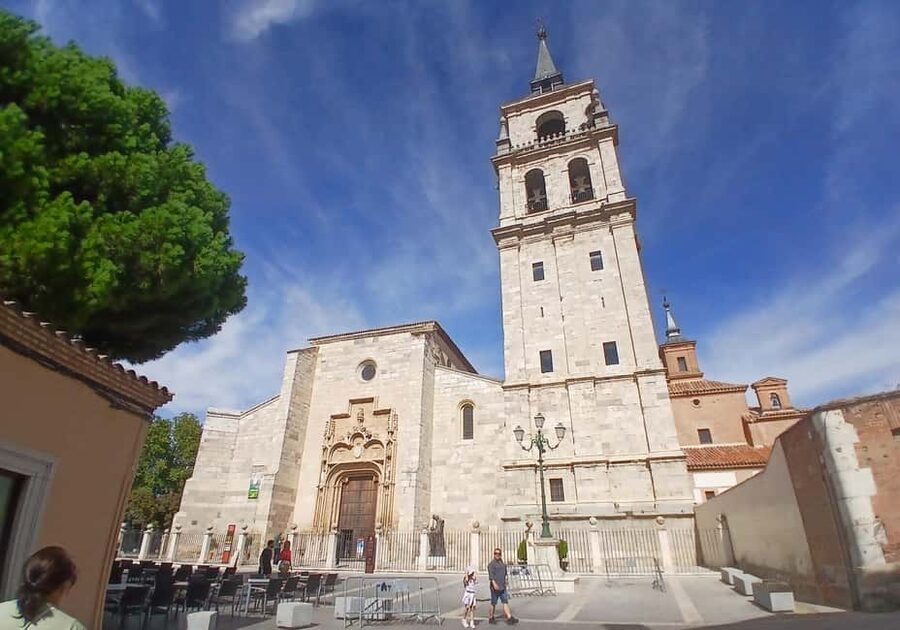
Calle Mayor brings you into one of the city’s best-known public spaces. The explanation lasts about ten minutes, giving you time to notice how the street connects the historic monuments with ordinary urban life.
This is also where the tour’s relaxed tone should work well. David has been praised for keeping the pace lively, explaining both favorable and difficult parts of the past, and avoiding wasted time. His approach appears suited to visitors who want facts with a little humor, not a formal lecture delivered without pause.
The street is a useful link between the religious landmarks and the Cervantes section of the walk. Instead of treating each building as a separate postcard stop, the route shows how the old center functions as one connected district.
Cervantes’s Alcalá, from birthplace to baptism
The Cervantes section is the heart of the literary story. You visit the Cervantes Birthplace Museum, the Old Hospital of Antezana, and Cervantes Square.
The birthplace museum is scheduled for about ten minutes of explanation. The tour focuses on Cervantes as a local figure and on Alcalá’s connection with the author of Don Quixote of La Mancha. Since the visit is listed as external, do not assume your $11 includes a full museum admission or a long indoor visit.
The Old Hospital of Antezana follows with a shorter, five-minute stop. Its presence adds another layer to the Cervantes story and helps place his family background within the working city, rather than presenting him as an isolated literary name.
At Cervantes Square, you get another ten-minute explanation. The square is a natural point to connect the author’s birthplace with the wider public memory of him in Alcalá. This portion should appeal to readers who know Cervantes mainly through Don Quixote and want a local setting for his life.
Corral de Comedias and Capilla del Oidor
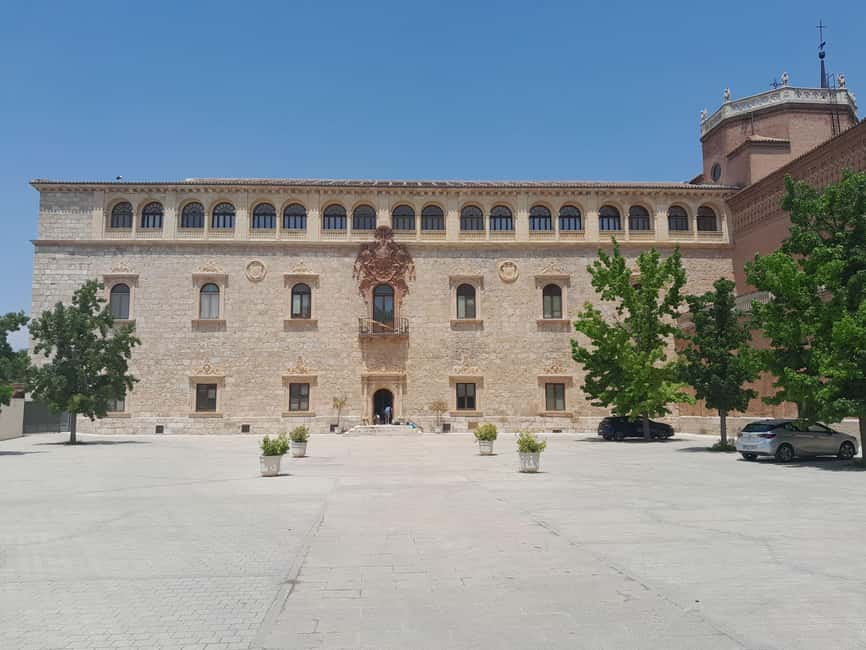
The Corral de Comedias receives about five minutes. It represents Alcalá’s theater tradition and adds a cultural stop after the literary landmarks. Again, the advertised format is mainly external, so treat the explanation as an introduction rather than a performance venue visit.
The walk then reaches Capilla del Oidor, or the Chapel of the Hearers. This is the one clearly stated interior visit, with an important Cervantes connection: his baptismal certificate is kept here.
That document gives the route a nice physical link to the author. You are not only hearing that Cervantes belonged to Alcalá. You are seeing the place connected with his baptismal record.
There is one timing note to watch. The description says the chapel is visited inside except for the 6:00 pm group. If you choose that departure, expect the chapel to be an exterior stop instead.
Finishing at the old University of Alcalá
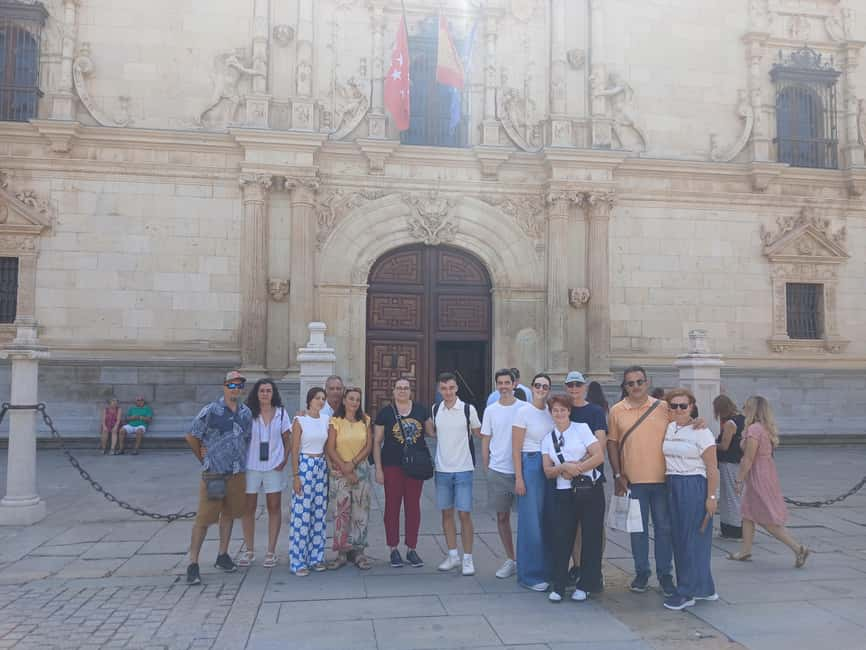
The final major stop is the Old University of Alcalá de Henares, with about fifteen minutes of guided explanation. This is the longest scheduled stop and the point David presents as the most important part of the walk.
Cardinal Cisneros founded the university tradition that made Alcalá the first university city in the world, according to the tour’s historical framing. The university is also central to the city’s identity today, so ending here gives the route a strong sense of purpose.
The walk finishes in Plaza de San Diego. That is useful because you do not end back at the starting point. Before booking, note the one-way nature of the route and plan your onward movement from Plaza de San Diego rather than Plaza de las Bernardas.
The old university is listed as an outside visit. You will get the historical explanation and see the main university setting, but admission to its interior is not included in the stated format.
David Alba’s guiding style
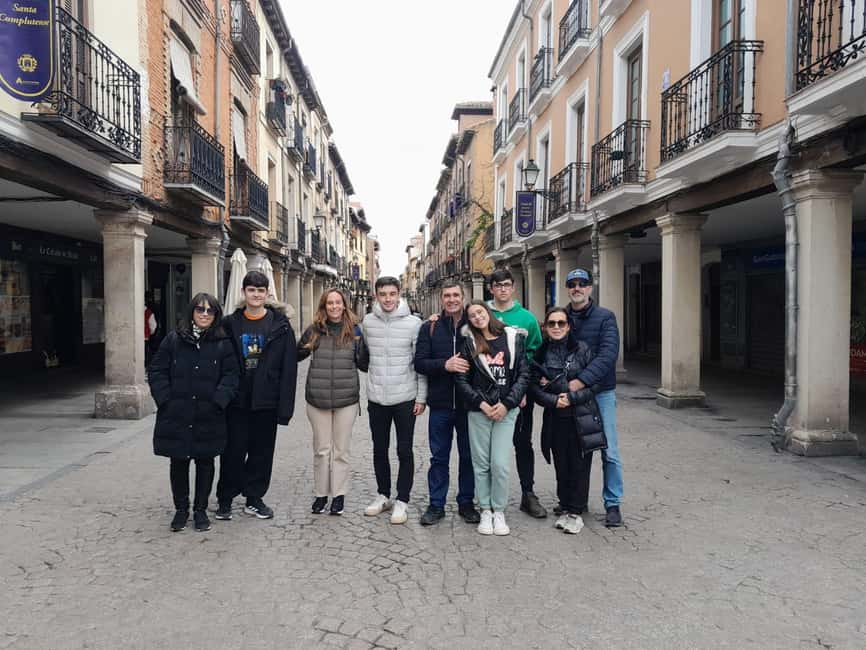
David Alba is identified as a certified guide and a tourism graduate from the University of Alcalá. That background fits this particular route: the tour needs someone who can explain local monuments, university history, and Cervantes without treating them as unrelated subjects.
The strongest praise attached to his work centers on three things: historical command, clear explanations, and a friendly sense of humor. His pace also receives special attention. The walk is presented as efficient, with little dead time, and one of the planned features is a game near the end.
That combination should suit you if you want a guide who keeps the group involved. It may be less suitable if you prefer a slow, highly academic tour with long periods inside each monument.
The language point deserves emphasis. The booking details identify Spanish as the live tour language, while the welcome text asks people seeking English to contact David. Treat English as a request, not a guarantee. Get confirmation before you reserve if language will affect your enjoyment.
What $11 really gets you
At $11 per person, this is strong value for a guided orientation to Alcalá’s historic center. You are paying for a route through the city’s major landmarks, a local guide, historical explanation, and an interior stop at Capilla del Oidor when the departure time allows it.
The price is especially sensible if you are visiting Alcalá for the first time and want help deciding where to return. A guide can show you the relationship between the Archbishop’s Palace, cathedral, Calle Mayor, Cervantes sites, theater, chapel, and university in roughly one continuous walk.
The value is more limited if you expect several paid interior admissions. The stated experience is mainly outdoors, and the included items list Capilla del Oidor as the interior visit. You may still want to budget separately for any museum or monument you choose to enter afterward.
The tour is valid for one day, and departure times depend on availability. Cancellation is free up to 24 hours before the activity, and you can reserve while paying later. Those terms make it easier to fit the walk into a changing Madrid-area schedule.
Who should book this tour
I would choose this walk if you want a short historical overview, enjoy literary connections, or are making Alcalá part of a larger day out. It also suits you if you like a guide who explains both celebrated events and less flattering parts of the past.
Families and mixed-age groups may appreciate the game and the light pace, though the supplied information does not specify a minimum age or group size. The wheelchair-accessible designation is helpful, but ask ahead about access at specific historic buildings if that is important for your plans.
You may want a different format if you need an English-language tour confirmed in advance, want long interior visits, or prefer to spend most of your time inside museums. This walk is an introduction, not a complete monument-by-monument admission package.
Final decision: a good first look at Alcalá
Book this tour if you want Alcalá’s main story in one affordable walk, especially if Cervantes and the old university are high on your list. David Alba’s local academic background, lively delivery, and planned game add personality to what could otherwise be a routine sightseeing circuit.
Before booking, confirm the language and check the departure time. If you select the 6:00 pm group, the Capilla del Oidor interior visit is excluded. With those points clear, the $11 price makes this a practical way to get your bearings, learn the city’s key stories, and decide what deserves a closer look afterward.
FAQ
Where does the Alcalá World Heritage Tour begin?
It begins at the obelisk in Plaza de las Bernardas. Look for David wearing a card that says Discover with David.
Where does the tour finish?
The walk finishes at Plaza de San Diego, near the old University of Alcalá.
How much does the tour cost?
The listed price is $11 per person.
How long is the experience?
The activity is valid for one day, with the sightseeing route moving through the historic center. The listed stop explanations add up to about 90 minutes, though the total time can vary.
Is the tour offered in English?
Spanish is the listed live tour language. The tour information asks people who want English to contact David, so request confirmation before booking.
Which buildings do you enter?
The stated format is mainly exterior visits. Capilla del Oidor is the interior visit, except for the 6:00 pm group.
Is the old University of Alcalá an interior visit?
No. The old university is included as an exterior visit with a guided explanation.
Is Capilla del Oidor always visited inside?
No. The interior visit is excluded for the 6:00 pm group.
Is the tour wheelchair accessible?
The activity is marked wheelchair accessible. The provided details do not specify access conditions at each individual monument.
Can you cancel for a full refund?
Yes. You can cancel up to 24 hours in advance for a full refund. You can also reserve now and pay later.
Just added around Spain
- Night Walking Tour of Medieval Cuenca★ 5.0 · 64 reviews
- Visita Guiada Por El Casco Histórico De Cuenca Y Su Catedral★ 5.0 · 45 reviews
- Mosque of Cordoba History Tour in English Tickets included★ 5.0 · 257 reviews
- 2 Hours Tour around Cádiz: History, anecdotes and curiosities★ 5.0 · 89 reviews
- Jerez de la Frontera History and Art Walking Tour★ 4.5 · 49 reviews
- Bilbao Historical Small Group Tour★ 4.5 · 159 reviews
- The Authentic Bilbao Pintxos, Food & Wine Tour with a Local★ 5.0 · 360 reviews
- Girona, Costa Brava and Medieval Village from Barcelona★ 5.0 · 149 reviews
Spain History Tours, compared.
Madrid Essential: Historic Center, Plaza Mayor & Royal Palace
Read our review →
Montserrat with Black Madonna & Medieval Winery with Tapas/Lunch
Read our review →
Sevilla Food Tour: Tapas, Wine, History & Traditions
Read our review →
Valencia Old Town Tour with Wine & Tapas in 11th Century Historic Monument
Read our review →
Madrid Tapas & Taverns Small Group Food & History Tour
Read our review →
Barcelona Tapas Walking Tour: Food, Wine & History
Read our review →
Ultimate Seville Tapas, Wine & History Small Group Tour
Read our review →
Córdoba: Skip-the-Line Great Mosque-Cathedral History Tour
Read our review →Browse the lists this tour appears in