
Review · SPAIN
Essentials of Valencia and its World Heritage Sites
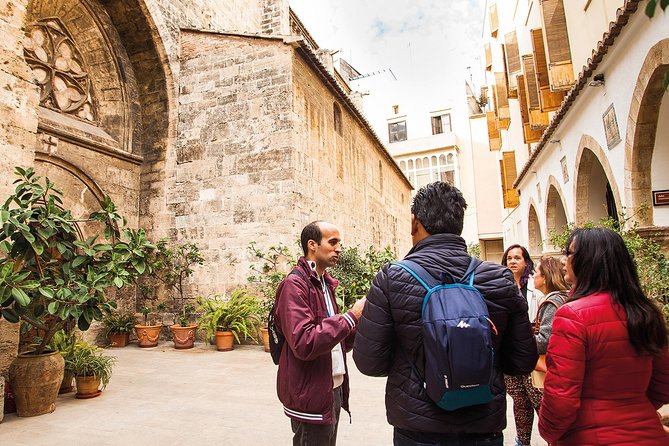
Valencia’s best introduction may be a short walk from its grand train station to the cathedral quarter, with the Silk Exchange as the clear star. This tour links architecture, food, festivals, and old civic traditions in about two hours, so you get a useful first look before exploring on your own.
I like the small maximum of 25 people, which should make it easier to hear the guide, and I like the practical ending in the old center, close to more sights and places to eat. The main consideration is pace: two hours covers a lot, but several stops are exterior explanations rather than full visits, and the Central Market is not entered on the evening departure in August and September.
Key points to know before booking
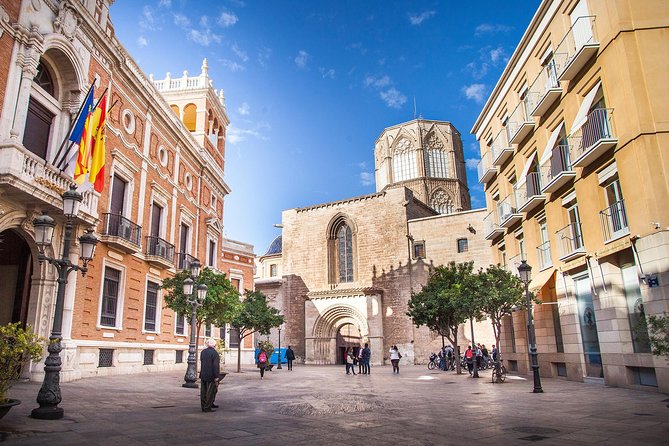
- La Lonja de la Seda is the main interior visit: Your ticket includes entry to this remarkable Gothic trading hall, with its famous contract room, twisting columns, vaults, and ribs.
- The route begins at Estació del Nord: You start with one of Valencia’s most decorative public buildings, then walk toward the old center.
- Thursday timing can add a special moment: Tours that reach the cathedral area around noon may explain the Tribunal of the Waters, held every Thursday at 12:00.
- Fallas gets proper context: At Plaza del Ayuntamiento, you learn why Valencia’s March festival is recognized as intangible cultural heritage.
- The tour is a city primer, not a full-day sightseeing program: It is best for first-time visitors who want orientation, history, and ideas for later.
- The stated price is $21.78 per person: With a guide and Silk Exchange admission included, that is a sensible price for a compact introduction.
Why this two-hour walk works for a first day
Valencia can feel spread out when you first arrive. The old center has grand squares, market streets, churches, government buildings, and small traces of earlier Roman and medieval settlements. Without a plan, you may walk past the best details without knowing what you are seeing.
This route gives you a clear line through the central sights. You begin at Estació del Nord, pass through Plaza del Ayuntamiento, visit the city hall area, pause at the Central Market, enter La Lonja de la Seda, and finish near Plaza de la Mare de Déu and the cathedral quarter.
I especially like the mix of subjects. You are not given only dates and architectural labels. The guide connects the train station to modern Valencia, Fallas to local identity, the market to the Mediterranean diet, and the Silk Exchange to the city’s commercial success.
The tour carries a 4.7 rating from 406 reviews, with 94 percent of customers recommending it. Guides named in the feedback include Maria, Sara, Gabor, and Sofi. The strongest praise centers on clear explanations, friendly presentation, useful restaurant suggestions, and a walking speed that works even on a hot day.
More UNESCO World Heritage Tours in Spain:
- Alcalá World Heritage Tour
★ 4.8 · 24 reviews - World Heritage Shirakawa-go and Experience Tours from Kanazawa
★ 5.0 · 4,049 reviews - From Tirana: Berat UNESCO Heritage & Belshi Lake Tour
★ 4.9 · 3,863 reviews
Estació del Nord, Valencia’s ornate starting point
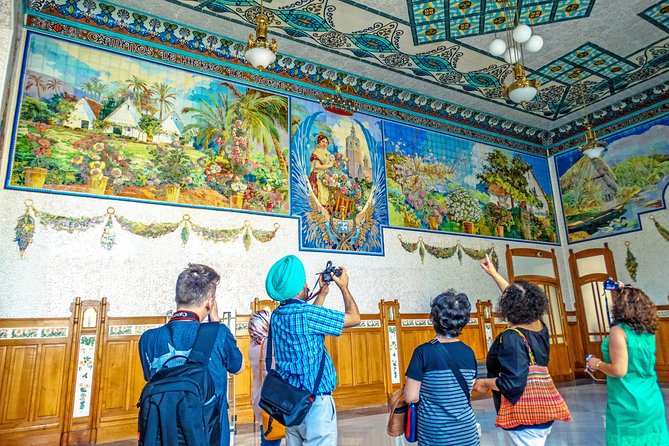
The meeting point is Estació del Nord, Valencia’s main railway station. The first 20 minutes are devoted to the station, and admission is free.
This is a smart place to begin because the building gives you an immediate sense of Valencia’s character. Rather than treating the station as a place to pass through, the guide explains its decorative design and its role in the city. One tour participant specifically valued learning about the station before heading into the historic center.
Starting here also makes the route easy to find. The station is a recognizable public building, and the walk proceeds toward the main civic and historic areas. You do not need to arrange transport between stops, though getting to the station and returning from the endpoint is your responsibility.
Expect the opening explanation to set the larger story of Valencia. The guide may cover the city’s changing fortunes, its public buildings, and the way local culture continues to shape daily life. Guides such as Sara and Gabor have been singled out for making this background easy to follow in English.
Plaza del Ayuntamiento and the story of Fallas
The next stop is Plaza del Ayuntamiento, where the guide discusses Fallas. The festival takes place from March 15 to 19 and fills Valencia with enormous temporary monuments, music, traditional clothing, and the unmistakable smell of gunpowder.
Fallas was added to UNESCO’s list of intangible cultural heritage in 2016. The stop lasts about 15 minutes and does not include a paid admission. Its value is not in entering a building. It is in understanding why a major city festival matters so much to Valencians and how a short-lived celebration can become part of a place’s lasting identity.
If you visit outside the festival dates, you will not see the full event described here. Still, the explanation gives you a better frame for Valencia’s public art, neighborhood traditions, and seasonal celebrations. If you happen to be in town during Fallas, this background becomes even more useful.
The square is also a practical orientation point. It helps you understand the central grid and puts later stops within easy walking distance. The tour keeps moving, so you will have time to return for photographs or a closer look after the guide finishes.
Valencia City Hall and the civic center
The route continues to Ajuntament de València, or Valencia City Hall. The planned visit lasts about 20 minutes and is free, but entry depends on working-day access, official events, holidays, and the time of the tour.
That qualification matters. The itinerary indicates that the city hall visit may not operate during official events or holidays. Evening tours in August and September, scheduled at 6:30 pm, also need to be considered separately. You should treat this stop as subject to local opening conditions rather than a guaranteed interior visit every time.
The building adds a civic layer to the tour. After hearing about Fallas as a citywide tradition, you see the place where municipal life is organized. A good guide can help you understand how the grand square, public offices, and festival calendar fit together.
The tour’s value here is explanation rather than a long architectural inspection. You get enough context to recognize the building later and to understand why Plaza del Ayuntamiento functions as more than a large open space.
More History Tours in Spain:
- Madrid Essential: Historic Center, Plaza Mayor & Royal Palace
★ 5.0 · 6,416 reviews - Montserrat with Black Madonna & Medieval Winery with Tapas/Lunch
★ 5.0 · 5,209 reviews - Barcelona: Tapas Walking Tour with Food, Wine, and History
★ 4.8 · 4,261 reviews - Sevilla Food Tour: Tapas, Wine, History & Traditions
★ 5.0 · 3,468 reviews
Central Market and Valencia’s food culture
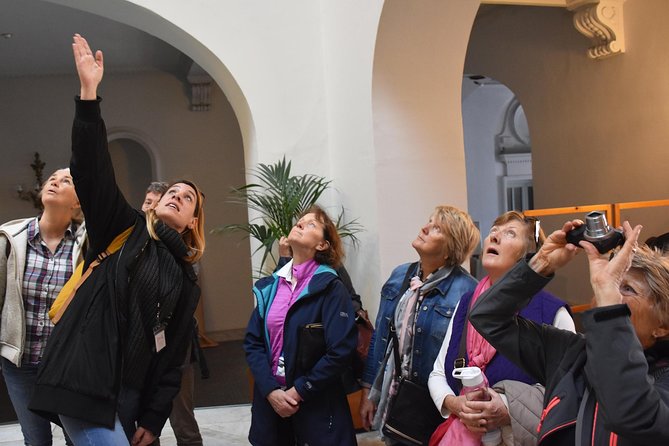
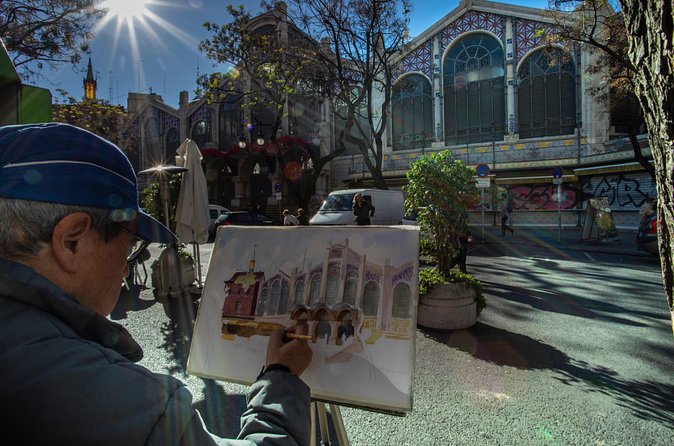
At the Central Market, the guide gives a 10-minute explanation of the building and the Mediterranean diet. The itinerary lists this as a free stop, but the evening tours in August and September at 6:30 pm do not include entrance.
That makes the timing important. If the market interior is a priority, a morning or daytime departure is the safer choice. On an evening tour, you may receive the explanation from outside without going in.
Ten minutes is enough for an introduction, not enough for a full market visit. I would treat this as a useful preview, then return later if you want to browse stalls, look closely at the building, or buy food. The guide’s comments can help you understand why the market belongs in a city tour rather than being treated as a quick photo stop.
The food connection is one of the tour’s practical strengths. Valencia’s story is not only about medieval trade and grand monuments. The Mediterranean diet gives the walk a daily-life angle. You hear about the food culture, then have a clear reason to make the market one of your independent stops afterward.
La Lonja de la Seda, the tour’s centerpiece
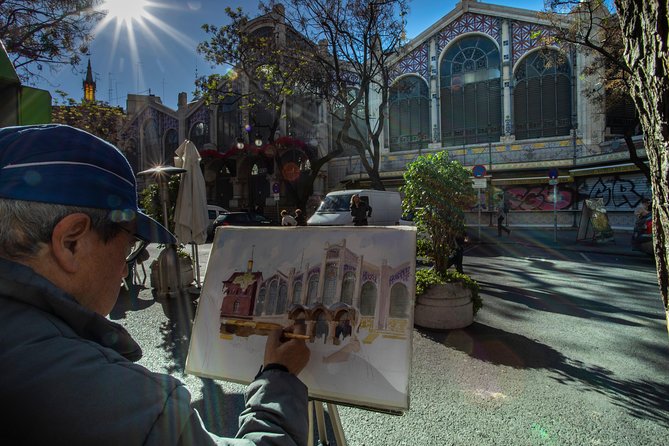
The best part of the route is La Lonja de la Seda, the Silk Exchange. Your admission ticket is included, and the visit lasts about 30 minutes.
The building was declared a UNESCO World Heritage Site in 1996. Its Sala de Contratación, or contract hall, is the key interior space. Tall columns, ribbed vaults, and stonework recall the period when Valencia was a major center of commerce during its Golden Age.
This is where the tour earns much of its price. You are not simply told that the Silk Exchange is important. You enter the building and have the guide point out the features that give it meaning. The architectural details can be easy to miss without help, especially when you are trying to understand how a trading hall functioned.
The 30-minute visit is long enough to appreciate the structure without turning the entire walk into an architecture lecture. Guides such as Maria and Sara have been praised for explaining the building’s design and history in clear English. If you enjoy architecture, you may want to return on your own for more time and photographs.
There is one important caveat. If the Silk Exchange closes for an event during the scheduled visit, the operator may send you the ticket so you can enter independently later in the afternoon. Another option may be a ticket of equal value to a different museum or monument. That is a reasonable solution, but it means the planned group visit is not guaranteed on every date.
Plaza de la Mare de Déu and the Water Tribunal
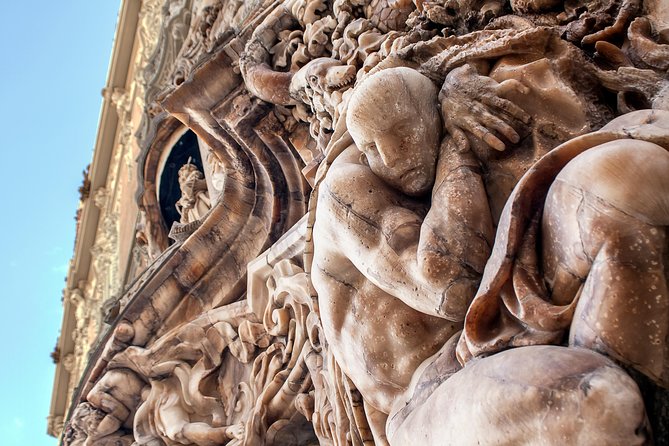
The final listed stop is Plaza de la Mare de Déu, near the cathedral. The explanation lasts about 15 minutes and focuses on the Tribunal of the Waters, an institution recognized as intangible cultural heritage in 2008.
The tribunal meets every Thursday at 12:00 noon at the Apostles’ Gate of the cathedral. The nine irrigation districts meet to discuss water matters between their communities. This is one of the most unusual traditions connected with the tour, because it is not only a historical display. It remains part of the city’s public life.
Timing can make a real difference here. A Thursday tour that reaches the cathedral area before noon may allow you to see the event. One detailed account described a guide adjusting the route so the group arrived just before the session began. That is not something to assume on every departure, but Thursday morning is clearly the most promising time if the tribunal interests you.
The stop also gives the tour a fitting ending. You have seen commercial power at the Silk Exchange, public life at city hall, food culture at the market, and now an old water-sharing tradition near the cathedral. It leaves you in the heart of the historic center, where you can continue sightseeing without needing to return to the station.
What the guiding is like
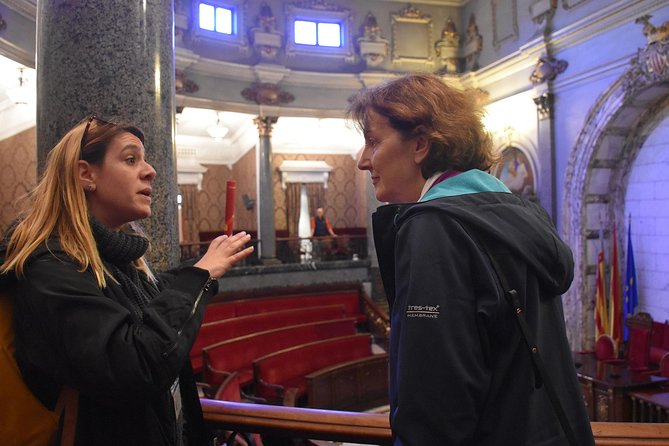
The guide is the heart of this experience. The tour is offered in English, but it may be operated by a multilingual guide, so speaking styles can vary.
Maria, Sara, Gabor, and Sofi are among the guides praised for their warmth, clear explanations, and enthusiasm for Valencia. Specific strengths include answering questions, keeping a comfortable pace, explaining architecture in plain language, and offering suggestions for restaurants and cultural activities after the walk.
One useful detail is that guides may stay after the official route to answer questions. Maria was noted for providing restaurant suggestions in different parts of the city, while another guide helped explain where to go next after the tour. That kind of local advice can be more useful than another ten minutes of dates and names.
The group size is capped at 25 people. That is not a private tour, but it is more manageable than a large coach group. You should still stay close to the guide in busy central streets and take care around your belongings. One participant reported a pickpocketing incident, which the guide handled with care. The incident is a reminder to keep wallets and phones secure in crowded areas.
Price, pace, and practical value
At the stated price of $21.78 per person, this is a good-value introduction if you want a guide and plan to enter the Silk Exchange. La Lonja admission is included, along with the guide’s time at several major sites.
The tour does not include transportation to the meeting point or from the endpoint. That is not a major drawback if you are already near the central station or staying in the old center. It matters more if you are arriving from the port, a distant hotel, or a cruise ship. One useful point is that the tour finishes in town, and a taxi is reported to be easy to find there.
Two hours is a sensible length for a first orientation. You get the basics without giving up the whole day. The tradeoff is that several stops receive only 10 to 20 minutes, and some are exterior explanations. If you want to study every room of the city hall, browse the market slowly, or spend a long time at the cathedral, you will need to return independently.
The walk may feel warm in summer. A steady pace and short explanations help, but bring water and wear comfortable shoes. Children must be accompanied by an adult, and most people can participate.
Free cancellation is available up to 24 hours before the start time for a full refund. Cancellations or changes made within 24 hours are not accepted for a refund. The operator also requires a minimum number of participants, so a canceled departure may lead to another date, another experience, or a full refund.
Who should book this Valencia walk
I would choose this tour for a first visit, especially if you have only a day or two in Valencia. It gives you a map in your head, introduces the city’s main historic center, and shows you which places deserve a longer return visit.
It also suits cruise passengers who need a compact city visit before returning to the ship. The route stays central, and the two-hour length leaves room for independent sightseeing or a taxi back to the port.
History and architecture fans will appreciate the Silk Exchange and the station. Food-focused visitors will value the Central Market introduction. If local traditions interest you, schedule around Thursday noon for the best chance of seeing the Water Tribunal.
I would look elsewhere if you want a private guide, a slow food tour, or extensive interior access at every stop. This is a brisk orientation walk with one major paid monument, not a full city sightseeing day.
Should you book it?
Yes, if you want a low-cost introduction that combines Valencia’s buildings with its living traditions. The included Silk Exchange entry gives the tour solid value, while the guides add the context that turns a walk past grand façades into a clearer story about the city.
Book a daytime departure if entering the Central Market matters to you, and consider Thursday morning if you hope to see the Water Tribunal. For most first-time visitors, this tour is a practical way to get your bearings, learn what you are looking at, and decide where to spend the rest of your time.
FAQ
How long does the Valencia tour last?
The tour lasts approximately two hours.
Where does the tour begin?
It begins at Estació del Nord in Valencia, Spain.
Where does the tour end?
It ends at Carrer del Micalet, 7, in Valencia’s Ciutat Vella, near the cathedral area.
Is the tour offered in English?
Yes. The activity is offered in English, though the guide may be multilingual.
Is entry to La Lonja de la Seda included?
Yes. Admission to La Lonja de la Seda is included in the tour price.
Does the tour include transportation?
No. Transportation to the meeting point and from the ending point is not included.
Can I enter the Central Market on an evening tour?
Evening tours in August and September at 6:30 pm do not include entrance to the Central Market.
Can I see the Tribunal of the Waters?
The Tribunal of the Waters takes place every Thursday at 12:00 noon at the Apostles’ Gate of the cathedral. The tour explains this tradition, and timing may allow you to see it.
What is the cancellation policy?
You can cancel up to 24 hours before the start time for a full refund. Cancellations or changes made less than 24 hours before the start time are not refunded or accepted.
Just added around Spain
- Visita Guiada Por El Casco Histórico De Cuenca Y Su Catedral★ 5.0 · 45 reviews
- Night Walking Tour of Medieval Cuenca★ 5.0 · 64 reviews
- Mosque of Cordoba History Tour in English Tickets included★ 5.0 · 257 reviews
- 2 Hours Tour around Cádiz: History, anecdotes and curiosities★ 5.0 · 89 reviews
- Jerez de la Frontera History and Art Walking Tour★ 4.5 · 49 reviews
- Bilbao Historical Small Group Tour★ 4.5 · 159 reviews
- The Authentic Bilbao Pintxos, Food & Wine Tour with a Local★ 5.0 · 360 reviews
- Girona, Costa Brava and Medieval Village from Barcelona★ 5.0 · 149 reviews
Spain History Tours, compared.
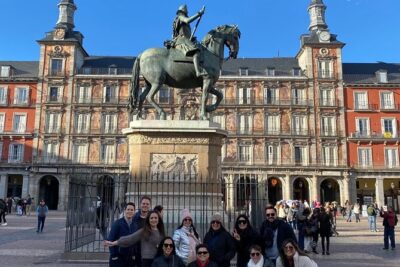
Madrid Essential: Historic Center, Plaza Mayor & Royal Palace
Read our review →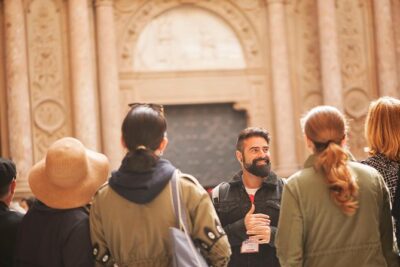
Montserrat with Black Madonna & Medieval Winery with Tapas/Lunch
Read our review →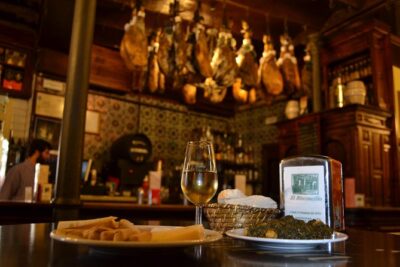
Sevilla Food Tour: Tapas, Wine, History & Traditions
Read our review →
Valencia Old Town Tour with Wine & Tapas in 11th Century Historic Monument
Read our review →
Madrid Tapas & Taverns Small Group Food & History Tour
Read our review →
Barcelona Tapas Walking Tour: Food, Wine & History
Read our review →
Ultimate Seville Tapas, Wine & History Small Group Tour
Read our review →
Córdoba: Skip-the-Line Great Mosque-Cathedral History Tour
Read our review →Browse the lists this tour appears in