
Review · HISTORY TOURS
Arusha; Walking City Tour History, Culture & Lifestyle
Arusha reveals itself best on foot, between its museums, markets, government buildings, and ordinary side streets. I like the mix of history and daily life, and I like that guides such as Israel, Daudi, and Innocent often shape the walk around your questions rather than rushing you from one sight to the next. The main caution is simple: this is a real city walk, not a polished sightseeing loop, so expect heat, traffic, uneven pavement, and a fair amount of walking.
I also like the practical side of the tour. Guides have helped visitors with SIM cards, local food, Swahili phrases, and souvenir shopping, which can make your first hours in Tanzania much easier. The possible drawback is that the Natural History Museum entrance fee, food, drinks, and some transport costs are extra, and shopping stops may not suit everyone.
Key points to know before you book
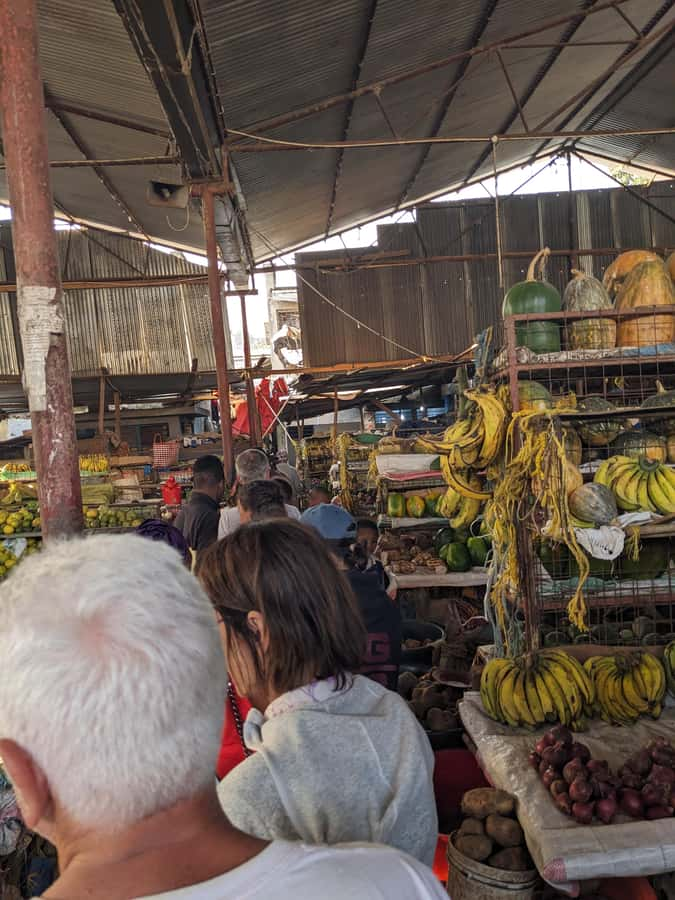
- The Central Food Market is the tour’s daily-life highlight, with local produce, spices, smells, and possible street-food stops.
- You visit several different sides of Arusha, from the old German fortress and AICC to markets, art collections, and local streets.
- Guides can personalize the day, with Israel, Daudi, Innocent, John, Jackson, and others praised for flexible pacing and strong local insight.
- The Tanzanite Experience explains Tanzania’s famous blue gemstone, with time to shop if you want to buy.
- Hotel pickup is included near the center, while farther hotels may require an added fee.
- Plan for a half day or longer, with the advertised duration ranging from four to eight hours.
Why walking gives you a better first look at Arusha
Many safari visitors treat Arusha as a launching point and leave without seeing much of the city. That is a missed chance. This tour gives you a useful introduction to the place behind the safari lodges, with time to notice how history, commerce, politics, food, and ordinary routines fit together.
You move at street level, where the city makes more sense. Instead of seeing only a few grand buildings from a vehicle, you pass shops, markets, sidewalks, public offices, and people going about their day. A guide helps explain what you are seeing and can smooth out the small cultural gaps that are hard to manage alone.
The pace is one of the strongest features. Several visitors spent much longer than planned with guides such as Israel and Daudi because the conversations and stops kept developing. The stated tour time is about four and a half hours, but the full range is four to eight hours, so ask about timing if you need to catch a flight, begin a safari, or check out of your hotel.
More Local Culture and Traditions Tours in the world:
- Amsterdam Food and Cultural Tour with Tastings
★ 5.0 · 4,315 reviews - Sevilla Food Tour: Tapas, Wine, History & Traditions
★ 5.0 · 3,468 reviews - Tromsø: Reindeer Camp and Sami Cultural Tour with Lunch
★ 4.7 · 3,326 reviews
Beginning at the old German fortress
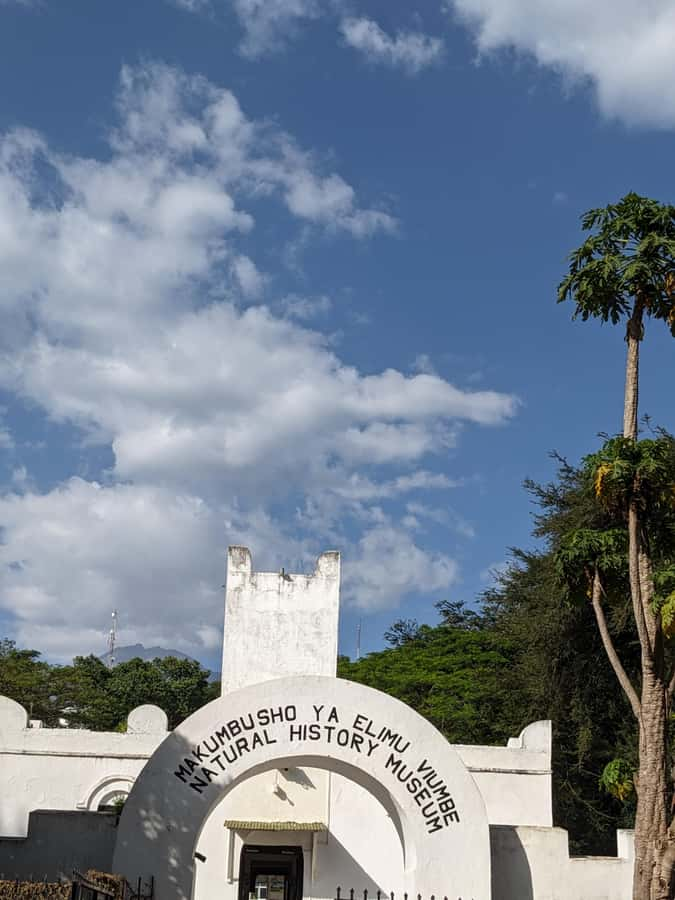
The Natural History Museum is housed in a colonial-era German fort, making the building itself part of the lesson. Inside, you can learn about human evolution, local wildlife, and the history of the area before stepping into the modern city outside.
The museum entrance costs $6 per adult and is not included in the tour price. That extra fee is modest, but you should carry cash and confirm the opening details when arranging your day. If museums are not your priority, this is also the easiest stop to shorten.
I find this opening useful because it gives you context before the markets and streets. The guide can connect what you see in the exhibits with Tanzania’s people, wildlife, and past, rather than leaving the museum as an isolated collection of displays.
Government buildings, AICC, and the city’s public face
The walk continues through Arusha’s governmental district. You pass the East African Community Headquarters, Mount Meru Hospital, and the Arusha International Conference Centre, known locally as AICC.
AICC is an important stop because Arusha is more than a safari base. The city has a regional diplomatic role, and the conference center reflects that wider East African connection. A guide can explain the importance of these buildings and point out the way national and regional institutions shape city life.
This section may appeal most to you if you like politics, modern history, or urban life. It is less visually dramatic than a market or art gallery, but it gives Arusha a wider frame. You see the city as a working center, not just a place where safari vehicles gather.
The Clock Tower and the meaning of a city landmark
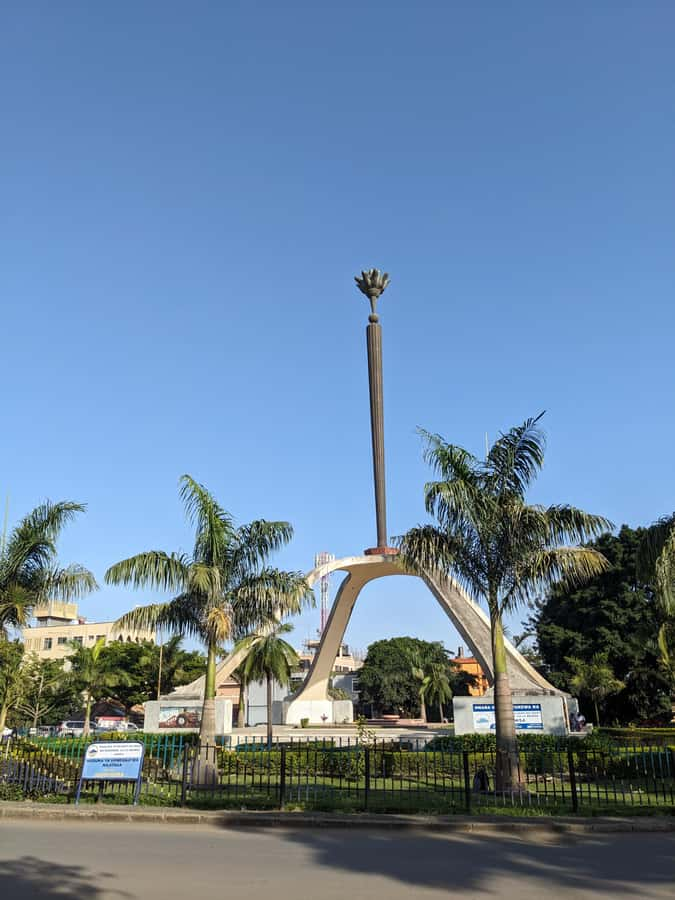
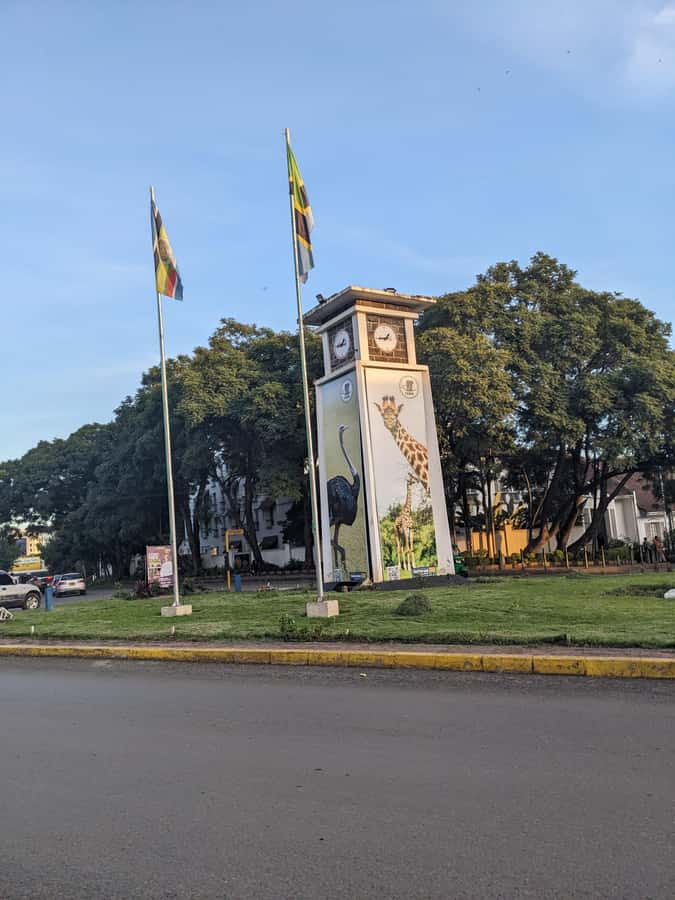
The Arusha Clock Tower is one of the city’s best-known meeting points. It is commonly described as marking the midpoint between Cairo and Cape Town, a detail that gives the landmark a memorable place in the story of Africa.
The stop is brief, but useful for orientation. It helps you understand the central part of town before the walk turns toward markets and shopping areas. Ask your guide about the stories connected with the clock tower, the Torch of Freedom, and other city markers, since the exact route and amount of time at each point can vary.
This is also a good place to notice how Arusha works as a busy commercial center. The city is not arranged as a quiet museum district. Streets can feel crowded and noisy, and you need to stay aware of traffic and your belongings.
More History Walking Tours in the world:
- History and Hauntings of Salem Guided Walking Tour
★ 5.0 · 14,564 reviews - Lisbon: History, Stories and Lifestyle Walking Tour
★ 4.8 · 10,902 reviews - Amsterdam: Life of Anne Frank and World War II Walking Tour
★ 4.8 · 10,467 reviews - Berlin: Third Reich & Cold War Guided Walking Tour
★ 4.9 · 8,378 reviews
Learning about Tanzanite at the museum and shop
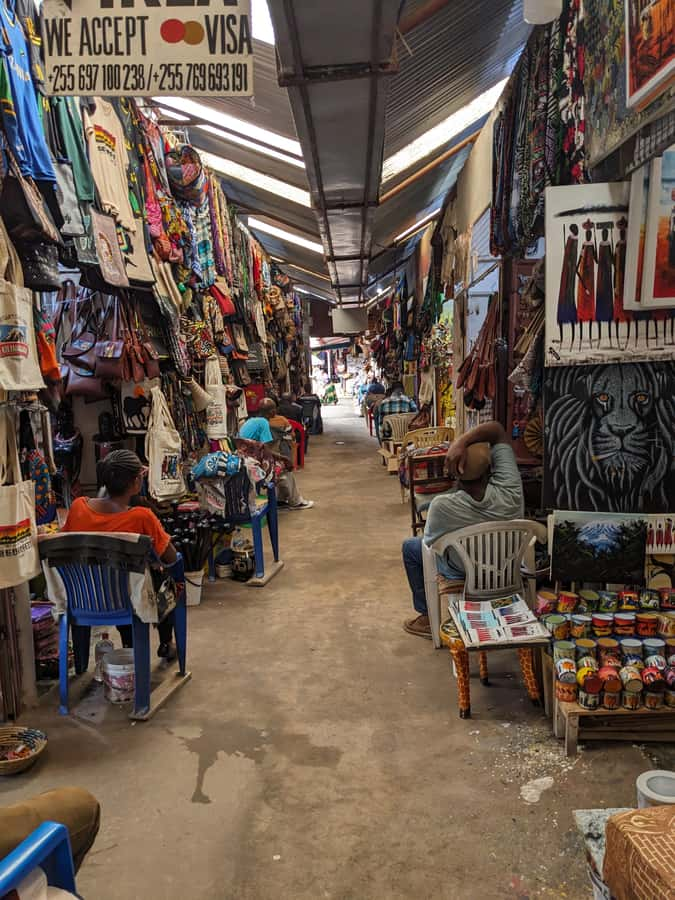
The Tanzanite Experience Museum explains the story of tanzanite, a blue gemstone associated with Tanzania. The stop covers the stone’s history and appeal, and you have the option to shop if you are interested in buying jewelry or a loose stone.
I appreciate having the museum component before any shopping. It gives you a better basis for judging what you see and asking sensible questions. You are not required to buy anything, and the tour description makes clear that shopping is optional.
Still, be direct with your guide if you do not want a retail stop. One visitor found the short gift-shop visits less appealing, even though they did not spoil the day. That is fair advice. Shopping can be useful if you want a Tanzanian souvenir, but it can also take time from the markets, museums, or street walk.
If you do plan to buy tanzanite, bring your questions and allow extra time. The tour can hold while you shop, but personal purchases are your responsibility and are not included in the $28 price.
Maasai Market crafts, textiles, and souvenir choices
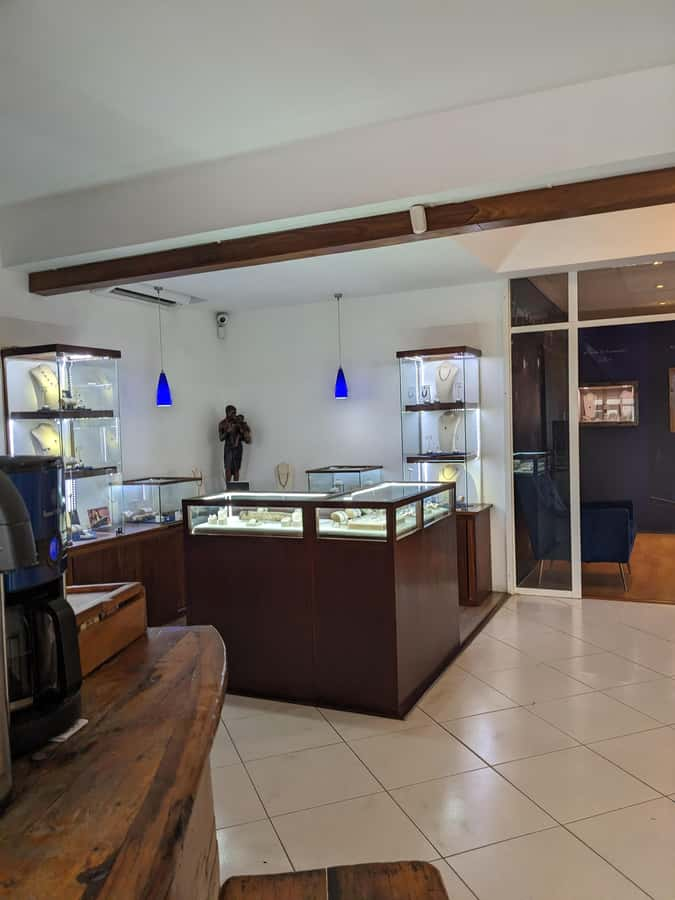
The Maasai Market is the tour’s main stop for traditional crafts, jewelry, and textiles. It is a good place to compare items and see the range of work sold to both local shoppers and visitors.
This is where a guide can make a real difference. You can ask about materials, styles, appropriate prices, and how to handle bargaining politely. The guide may also help you pause while you choose souvenirs, rather than forcing you to shop quickly.
The market is not a quiet gallery. Expect sellers to approach you, and remember that browsing does not commit you to a purchase. If you dislike shopping, say so early and ask to keep the stop short. If you want gifts, this is one of the better places to set aside time, especially with help from a local guide.
The Central Food Market is the most revealing stop
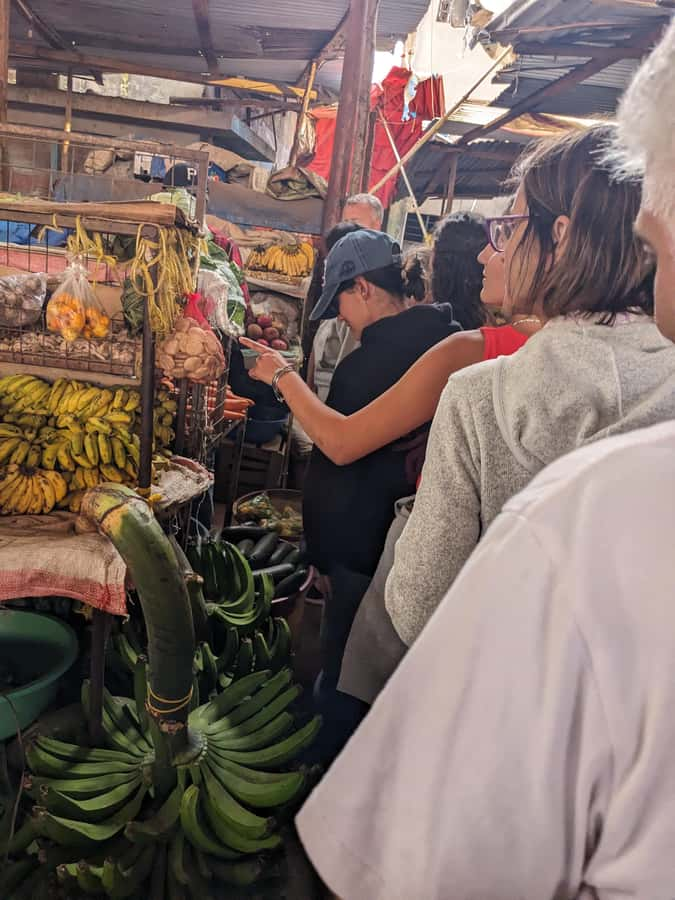
For me, the Central Food Market is the heart of the tour. This is where Arusha feels most immediate, through piles of produce, spices, food smells, and the regular work of buying and selling.
The guide can explain unfamiliar fruits and ingredients, introduce you to local foods, and show you how the market fits into everyday life. Several guides have also suggested local places to eat or stopped for street food when visitors wanted to try something more authentic. Food costs are extra, so carry Tanzanian shillings or ask your guide what payment is easiest.
You should come with an open mind and sensible caution. If you have allergies or a sensitive stomach, explain that clearly before eating. You can still enjoy the colors, smells, and conversation without trying every dish.
Wear shoes that can handle a market floor and busy pavements. Keep your bag closed and close to you, not because the tour is presented as unsafe, but because ordinary city awareness is part of walking anywhere crowded.
African art and the Cultural Heritage Centre
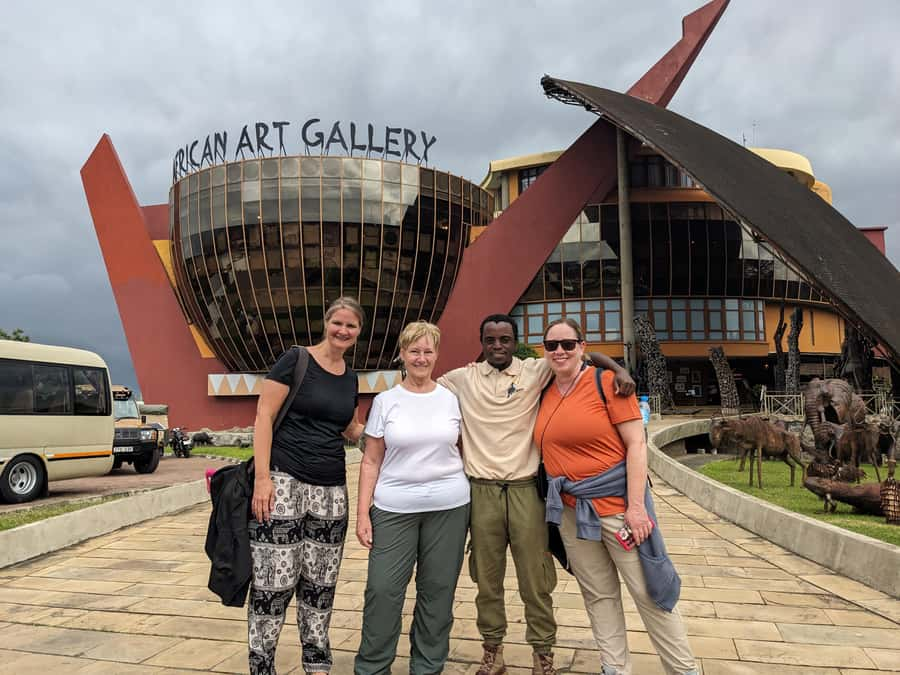
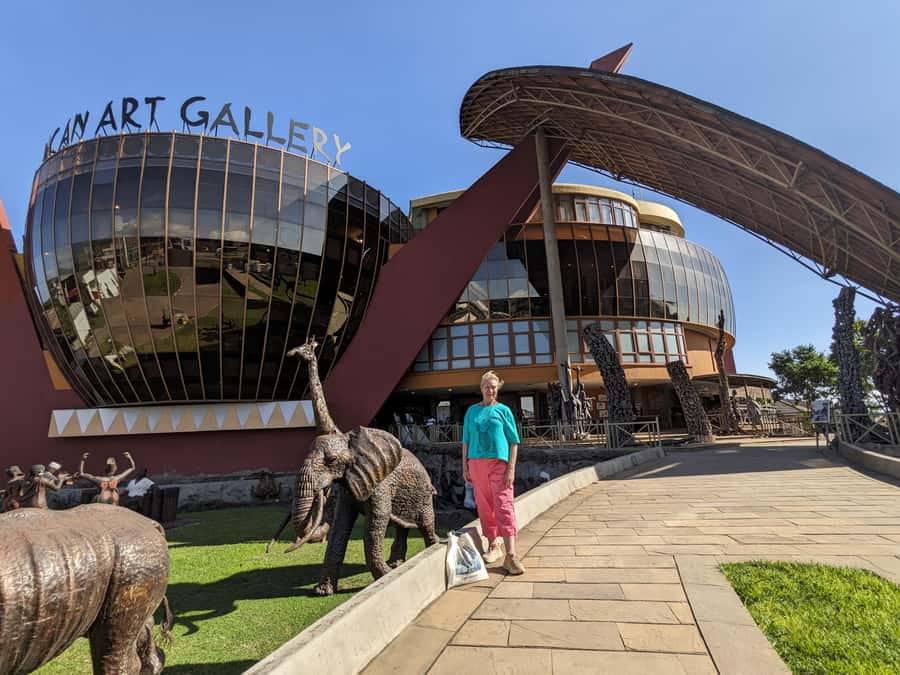
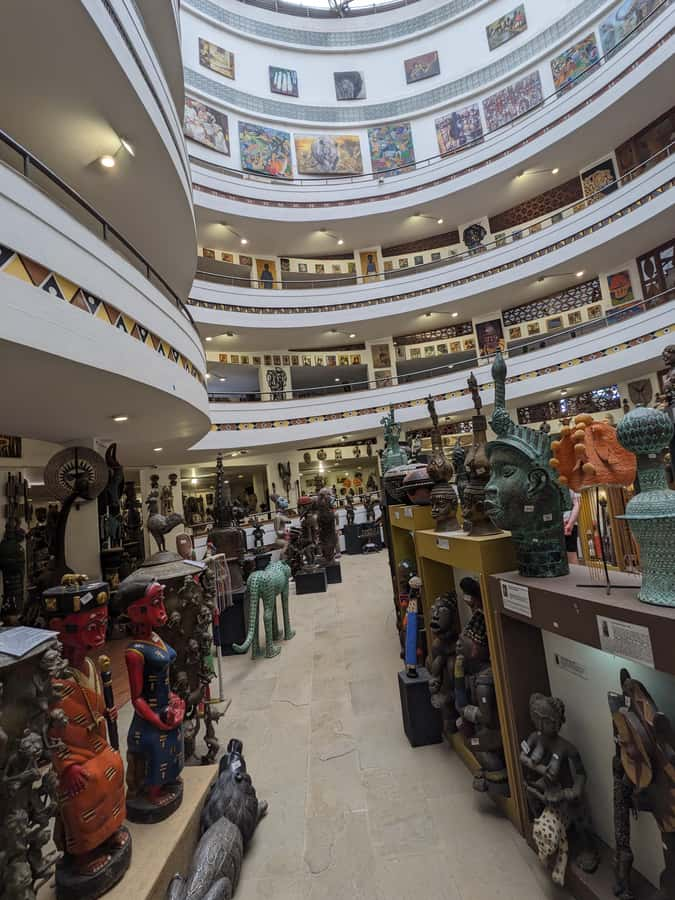
The final major stop is the African Art Gallery and Cultural Heritage Centre. The collection includes a wide range of African art, and the scale can feel overwhelming if you try to inspect everything closely.
Give yourself time to look at the pieces that catch your eye. A guide can help explain styles, materials, and cultural background, but you should not feel pressured to absorb the entire collection in one pass. This stop suits art lovers and souvenir hunters, while visitors mainly interested in street life may prefer more time outside.
The center adds a different mood after the food market. You move from everyday trade to objects made for display, collecting, and cultural expression. It rounds out the tour and helps show that Arusha’s identity is not limited to wildlife and safari tourism.
The local streets are the point of the tour
The named attractions matter, but the walk between them may be more valuable than any single building. You pass through ordinary streets, interact with local people, and practice small bits of Swahili if you wish.
Guides have helped visitors with practical needs such as finding a SIM card and getting around town after the tour. That kind of help is especially useful on your first day in Arusha, when you are still learning how the city works.
Solo women have found the guided walk reassuring, and families with small children have benefited from flexible pacing. Still, the tour is not suitable for wheelchair users, people with mobility impairments, or pregnant women. The amount of walking is moderate, and you should be comfortable on your feet for several hours.
What the $28 price really covers
At $28 per person, the tour is good value if you want a guide, several major stops, and a practical introduction to Arusha. The price includes the walking tour, a local English-speaking guide, the Tanzanite Experience Museum, Central Food Market, African art visit, Maasai Market, and pickup and drop-off for hotels close to the city center.
The Natural History Museum fee is extra at $6 per adult. You also pay for food, drinks, purchases, accommodation, and private transport if needed. Hotels more than roughly three to five kilometers from the center may require an added pickup fee, so confirm your location before booking.
The value is strongest when you use the guide actively. Ask questions, request local food advice, and tell the guide if you want more history, more markets, less shopping, or a slower pace. The tour is less useful if you simply want a fast checklist of photo stops.
African Snarl Safari provides the experience, with guides including Israel, Daudi, Innocent, John, Jackson, and others. Guide assignments can vary, so do not assume you will receive a particular person unless that is confirmed directly.
Who will enjoy this Arusha walk most
I would recommend it for a first visit, especially if you have just arrived before a safari or have returned from the Serengeti and want a final look at Tanzania beyond the parks. It also works well on a last day, provided your schedule allows the flexible four to eight-hour window.
Families can benefit from the adaptable approach, though young children may tire during the market and street sections. Solo visitors get company, orientation, and help with practical details. Couples and small groups who enjoy food, art, history, and conversation will get the most from it.
You may want another type of activity if you dislike walking, avoid markets, want a private vehicle, or prefer a tightly timed sightseeing program. This is a people-focused city experience, not a luxury excursion.
Practical tips for a smoother day
Wear comfortable walking shoes and light clothing suited to the weather. Bring water, sunscreen, a hat, a camera, and cash for the museum, food, and purchases.
Start with a clear plan for shopping. You can ask the guide to hold time for souvenirs, but tell them if markets and shops are not your priority. Also mention food restrictions before any tasting stop.
Pickup is free for hotels near central Arusha. Farther away, an added charge may apply, and private transport can be arranged for an extra cost. Confirm the meeting point after booking, since the pickup option depends on your hotel location.
The tour is offered in English. You can cancel up to 24 hours in advance for a full refund, and reserve now while paying later, which helps if your safari schedule is still shifting.
Should you book the Arusha Walking City Tour?
Book it if you want to understand Arusha as a living city rather than a stop between airport, hotel, and safari vehicle. The combination of the old fortress, AICC, Clock Tower, Tanzanite museum, markets, food, art, and local streets gives you a useful range in one day.
I would especially choose it at the start of a Tanzania trip, when help with food, SIM cards, local customs, and city orientation has immediate value. Book with realistic expectations: you will walk, shop areas can be persistent, the museum fee is extra, and the route may run longer than a standard half-day outing.
At $28, it is a sensible buy for curious visitors who want conversation and local context. If that sounds like your kind of sightseeing, this is one of the better ways to give Arusha more than a passing glance.
FAQ
How long does the Arusha Walking City Tour last?
The stated duration is four to eight hours. The main city visit is listed at about four and a half hours, but the pace and stops can make the day longer.
What is included in the tour price?
The price includes the walking city tour, an English-speaking local guide, the Tanzanite Experience Museum, Central Food Market, African Art Gallery and Cultural Heritage Centre, Maasai Market, and pickup and drop-off for qualifying hotels near the city center.
Is the Natural History Museum entrance included?
No. The Natural History Museum entrance fee is listed separately at $6 per adult.
Is hotel pickup available?
Yes, pickup and drop-off are included for hotels near central Arusha. Hotels farther from the center may require an additional fee, and private transport can also be arranged at extra cost.
Are food and drinks included?
No. Food and drinks are not included. You can bring water and carry cash if you want to buy local food or drinks during the walk.
Is shopping required during the tour?
No. The Maasai Market and Tanzanite shopping are included as places to visit, but purchases are optional. The guide can hold time while you shop if you are interested.
Is the tour suitable for people with limited mobility?
No. The tour is not suitable for pregnant women, people with mobility impairments, or wheelchair users. You should also be prepared for a moderate amount of walking.
Just added around the world
- Scenic Train ride to historical cities of Morretes and Antonina★ 4.0 · 188 reviews
- 6-Day Cultural Tour to Machu Picchu★ 5.0 · 76 reviews
- Jewish Heritage of Curacao★ 4.5 · 68 reviews
- The Curacao’s Colorful History Walking Tour★ 5.0 · 55 reviews
- Discover Scuba Diving Amathounta’s Ancient Port★ 5.0 · 30 reviews
- Olous – Guided Snorkelling Excursion to Discover Olous Sunken Ancient City★ 4.5 · 31 reviews
- Night Walking Tour of Medieval Cuenca★ 5.0 · 64 reviews
- WWII – The Battle of Crete Day Tour★ 5.0 · 103 reviews