
Review · AUSTRALIA
Darwin: Bombing of Darwin WW2 Tour with Harbor Cruise
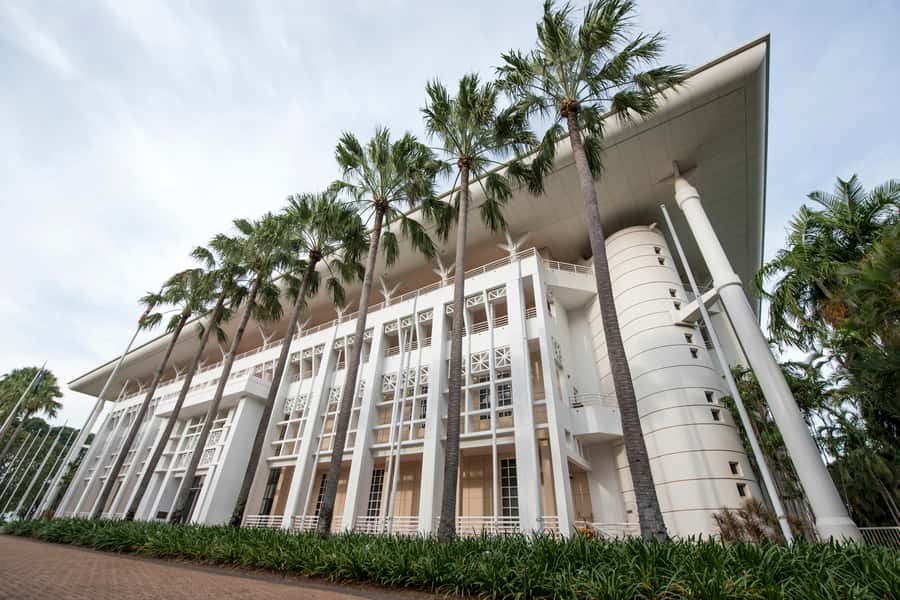
Darwin’s wartime story comes sharply into view on this half-day tour. You visit the bunkers, museums, wharves, and harbor waters tied to the Japanese attacks of 19 February 1942, when two air raids killed 243 people and devastated the city. The boat ride adds a useful second angle, especially when you pass the wreck sites of the SS Neptuna and USS Peary.
I like the mix of on-the-ground military sites and a one-hour cruise. I also like the guides’ personal approach: Mariet, Penny, Phil, and others have led this tour with clear, story-driven commentary rather than a dry list of dates. The main drawback is time. Four and a half hours gives you a good introduction, but some visitors want another 30 minutes or more at the military museum.
- The 1942 story has a clear setting: You visit places directly linked to the bombing rather than hearing the story only inside a museum.
- Charles Darwin National Park adds real wartime remains: Expect ammunition stores, bunkers, and other World War II relics.
- East Point and the Defense of Darwin Museum provide the main museum stop: Film, photographs, and first-hand testimony help explain the human cost.
- The harbor cruise changes your viewpoint: You pass Stokes Hill and Fort Hill wharves, two shipwreck sites, Doctors Gully, and Cullen Bay defenses.
- Hotel pickup and admissions are included: At $105, the tour bundles transport, two museum entries, park entry, water, and the cruise.
- Plan for heat and a brisk pace: Wear comfortable shoes, bring sun protection, and remember that the tour is not suitable for wheelchair users.
Why Darwin’s 19 February 1942 story matters
Most people know Darwin as a tropical northern city, but its wartime past is central to understanding the place. On 19 February 1942, Japanese aircraft attacked Darwin in two raids. The attacks killed 243 people and destroyed much of the city, leaving scars that are easy to miss if you only visit the waterfront and central streets.
This tour puts those events in order. Your guide explains why Darwin mattered as a military base, what the attacks did to the city, and how the bombing affected people living and working there. The subject is serious, but the commentary is designed to be understandable rather than academic.
I especially value the use of photographs, testimony, and film at the Defense of Darwin Museum. These details give the story a human scale. You are not just hearing that bombs fell on a port. You are seeing evidence of the people, buildings, ships, and military facilities caught in the attack.
The subject can be confronting. That is part of the point. If you want only scenic sightseeing, this may feel heavy. If you want to understand Darwin beyond its markets and sunsets, it is one of the more useful ways to begin.
A morning that covers a lot of ground
The tour lasts 270 minutes, or four and a half hours. That is long enough to cover several parts of Darwin without taking up a full day, but the schedule is active. You move between sites by vehicle, get out to explore, return to the vehicle, and later board a boat for the harbor section.
Pickup is available from Darwin city hotels. You are asked to wait in the lobby at 7:45 AM, ahead of pickup before 8 AM. You can also meet at 8 AM at the Aquascene Fish Feeding car park at 28 Doctors Gully Road. That meeting point has unlimited free parking, which is useful if you have a rental car.
Transport matters here. The sites are spread across Darwin, and seeing them independently would require planning your own route and finding parking. The included vehicle also lets the guide connect one stop to the next, so the bombing story does not feel like a series of unrelated military displays.
The tour is conducted in English. Guide names vary, but Mariet, Penny, Phil, and other guides have led the land portion. Their strongest role is explaining what you are looking at and adding local context. The boat section has also been led by guides such as John, Andrew, Dave, Rob, and Tyler.
More WWII and D-Day Tours in Australia:
- WWII Bombing of Darwin & Royal Flying Doctor Service
★ 4.8 · 34 reviews - Amsterdam: Life of Anne Frank and World War II Walking Tour
★ 4.8 · 10,467 reviews - Berlin: Third Reich & Cold War Guided Walking Tour
★ 4.9 · 8,378 reviews
Charles Darwin National Park and the wartime remains
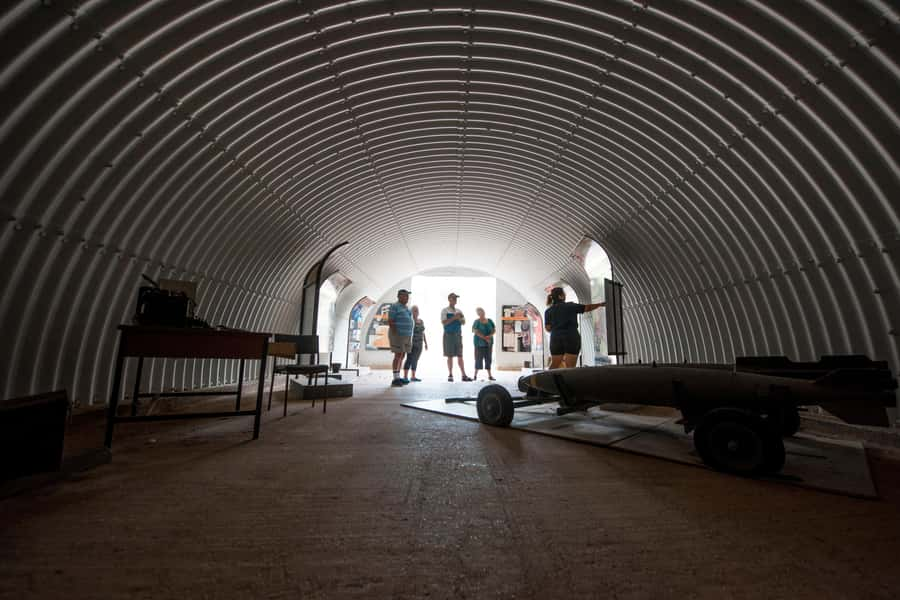
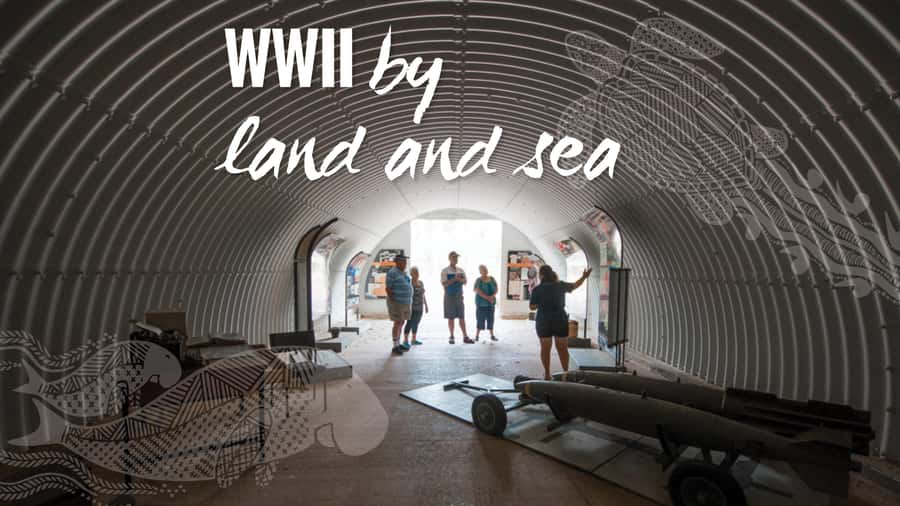
Charles Darwin National Park is one of the more worthwhile stops because it takes you away from the polished parts of the city. Here you see bunkers, ammunition stores, and other World War II remains connected to Darwin’s defenses.
This is the sort of place that can be hard to appreciate without explanation. Concrete structures and storage areas do not always tell their own story. Your guide helps place them within the wartime system, showing how Darwin was prepared for attack and how military supplies were stored.
I like this stop because it gives the tour physical substance. You are not only watching archival footage or looking at photographs. You are standing among the surviving structures. The setting also helps you understand how military planning shaped parts of Darwin that may otherwise look like ordinary bush or parkland.
Wear comfortable shoes. The tour includes several stops, and you will get more from the park if you are ready to walk and look closely. Bring a sun hat and sunscreen too. Darwin’s heat can make even a short outdoor stop tiring, especially during the warmer part of the year.
East Point and the Defense of Darwin Museum
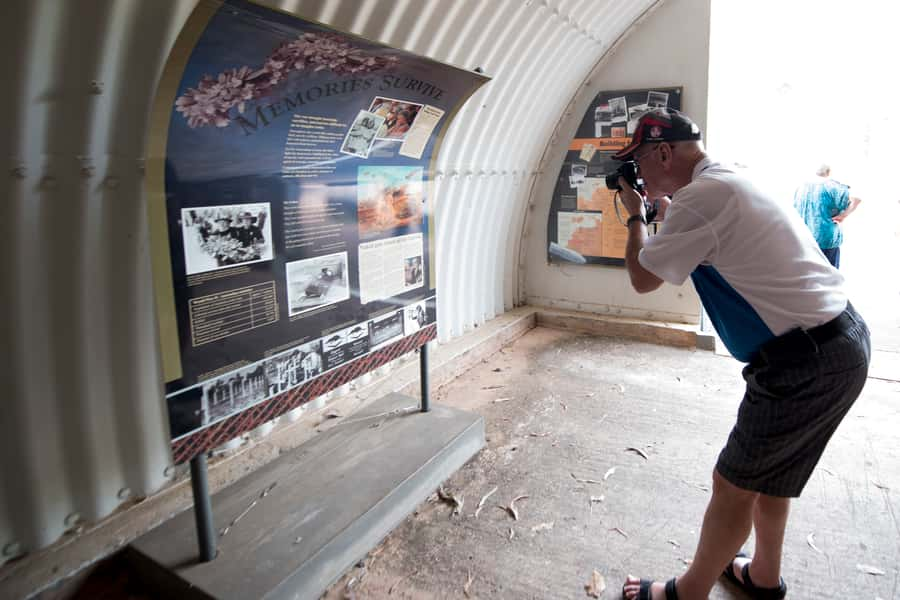
East Point Military Precinct is the main museum area on the tour. The Defense of Darwin Museum presents the bombing through displays, film, photographs, and testimony from people connected to the events.
The film is an important part of the visit. It helps connect the broad military facts with personal accounts and the experience of civilians and service personnel. This is where the scale of the attacks becomes easier to grasp.
You will also visit the Darwin Military Museum as part of the East Point stop. The displays add equipment and military context to the story. Allow yourself time to read and watch rather than treating the museum as a quick photo stop.
Here is the practical compromise: the tour gives you a solid introduction, but museum time is limited by the need to reach the other stops and the boat. I would choose this tour if you want a guided overview. If military museums are your main interest, plan a separate visit or look for a longer option. You may find the allotted time feels short, particularly if you read every panel.
Still, the balance works well for many people. You see the key displays without spending an entire day indoors, then return to the city and harbor for a different part of the story.
Myilly Point and Darwin’s wartime scars
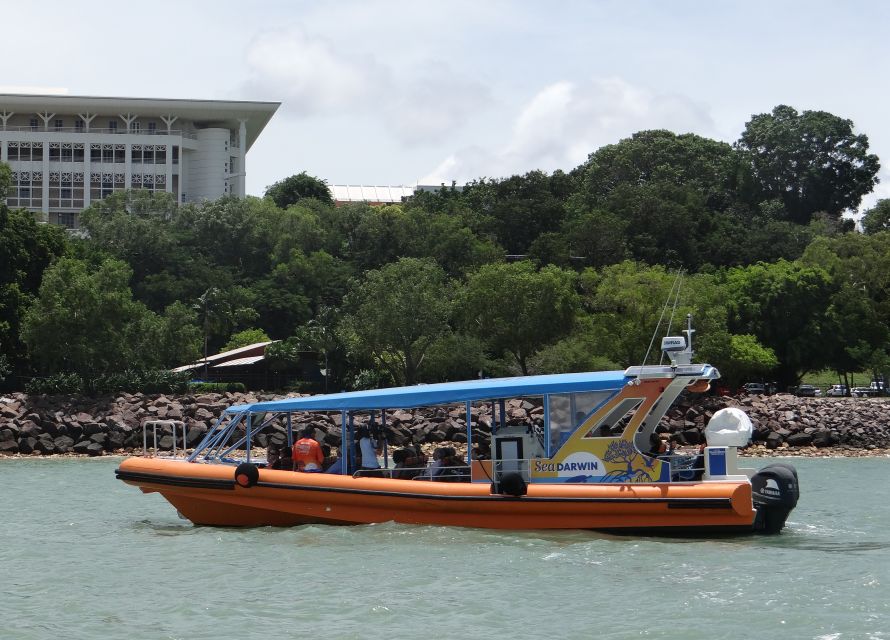
Myilly Point Heritage Precinct adds another layer to the tour. This stop helps show that wartime Darwin was not only a military base. It was also a working settlement with homes, public buildings, and families affected by the attacks.
The value of this area is its connection to everyday life. Military museums explain strategy and equipment, while heritage sites help you picture the city that existed before and during the bombing. The tour’s guide links those places to the wider story, so you get more than a quick look at old buildings.
The route also takes in sites around Darwin that were hit during the Japanese raids. Some evidence is obvious; some is easier to miss. This is where a local guide makes a real difference. A good explanation can turn an ordinary-looking corner into part of the wartime map.
Several guides on this tour have been praised for mixing solid detail with humor and a relaxed manner. That balance matters. The subject deserves respect, but four and a half hours of grim narration would be hard going. The best commentary gives you facts, pauses for reflection, and lets you take in each place at your own speed.
More History Tours in Australia:
- Ultimate Melbourne Walking Tour: History, Laneways & Culture
★ 5.0 · 1,451 reviews - Puffing Billy Railway: Heritage Steam Train Journey
★ 4.6 · 1,195 reviews - Morning World Heritage Cruise on the Gordon River from Strahan
★ 5.0 · 1,193 reviews - Strahan: World Heritage Cruise on Gordon River with Lunch
★ 4.8 · 1,143 reviews
Seeing the bombing from Darwin Harbor
The final hour is a cruise around Darwin Harbor. It is not just a scenic add-on. From the water, you see the port from the angle that mattered most during the attacks.
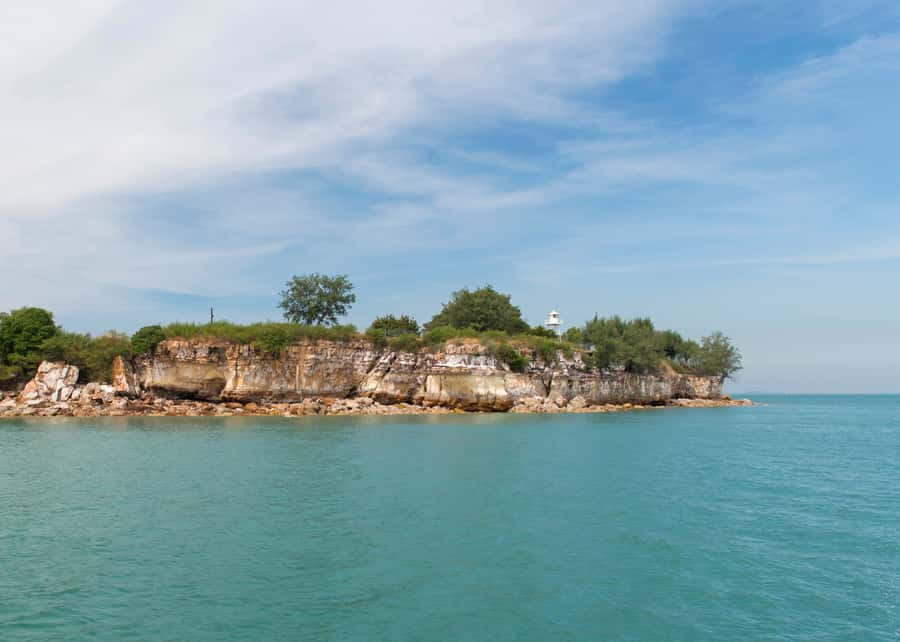
The boat passes the historic Stokes Hill and Fort Hill wharf areas. These waterfront locations help explain why Darwin was important as a supply and military base. You also sail past the wreck sites of the SS Neptuna and USS Peary, two of the most memorable reminders of the attack.
The cruise continues past the old flying boat base at Doctors Gully. Finally, you reach Cullen Bay, where you can see gun emplacements from the water. That view ties together the harbor’s commercial, aviation, and defensive roles.
Water conditions can affect the experience. A low tide may keep the boat farther from some landmarks, and a choppy day can lead the operator to change the embarkation point for safety and comfort. That flexibility is sensible, but you should not expect every cruise to offer identical views.
The boat guides add a second voice to the morning. John, Andrew, Rob, Tyler, and others have handled the commentary at different times. The strongest part of this section is the combination of moving through the harbor and hearing what happened in the places around you.
Is $105 good value?
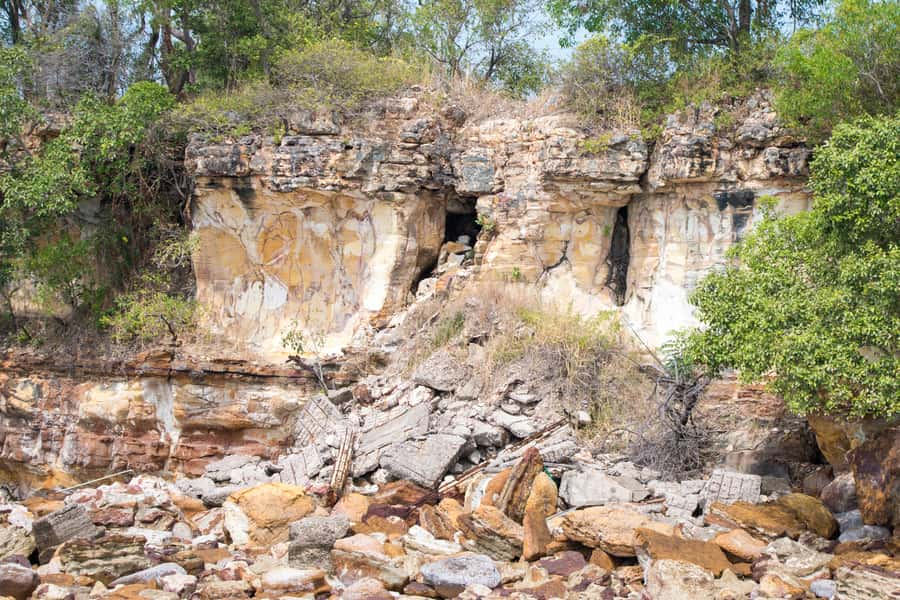
At $105 per person, the price is fair for what is included. You receive hotel pickup and drop-off, transport between scattered sites, entry to Charles Darwin National Park, entry to the Defense of Darwin Museum, entry to the Darwin Military Museum, drinking water, and a one-hour harbor cruise.
Buying those pieces separately would require more planning and may not save much once you account for transport and admissions. The tour also saves you from arranging a route through Charles Darwin National Park, East Point, Myilly Point, and the harbor.
The value depends on your interests. If you want a relaxed city sightseeing loop with lots of free time, the pace may feel too full. If you want a guided introduction to Darwin’s World War II story and do not have a car, the package makes good sense.
Food and drinks are not included. Eat before pickup or bring something with you if you need more than water during the morning. The tour information does not list a meal stop, so do not count on buying lunch along the way.
Free cancellation up to 24 hours before departure and the reserve-now, pay-later option make booking less risky. Those terms are useful if your Darwin plans are still shifting.
Who will get the most from this tour?
I would recommend it to first-time visitors who want to get their bearings while learning why Darwin looks and feels the way it does. It also suits anyone with a strong interest in World War II, military sites, local history, or the bombing of Darwin.
Families can benefit from the mix of vehicle travel, outdoor stops, museums, and a boat ride. A 10-year-old has enjoyed the format, though the subject matter is serious and younger children may not follow every detail.
This is also a good choice if you do not want to drive. The tour reaches places you might skip with limited time, including Charles Darwin National Park and the military precinct at East Point. The guide handles the route, parking, timing, and explanations.
It is less suitable if you use a wheelchair, since the activity is specifically listed as unsuitable for wheelchair users. It may also disappoint you if you want a slow museum visit. The tour gives you a broad and well-organized picture, not an unhurried study of every exhibit.
What to bring and how to prepare
Wear comfortable shoes. You will be getting in and out of the vehicle and visiting outdoor wartime remains.
Bring a sun hat and sunscreen. Darwin’s tropical conditions can be demanding, and several parts of the tour take place outside.
Bring water if you prefer to drink more than the supplied amount. Food and other drinks are not included.
Arrive ready for an early start. Hotel pickup requires you to wait in the lobby at 7:45 AM, while the alternative meeting time is 8 AM at the Aquascene Fish Feeding car park.
Keep some flexibility for the cruise. Tide and weather can affect how close the boat gets to some landmarks or where you board. A change of embarkation point is possible when conditions make it safer.
Should you book the Bombing of Darwin tour?
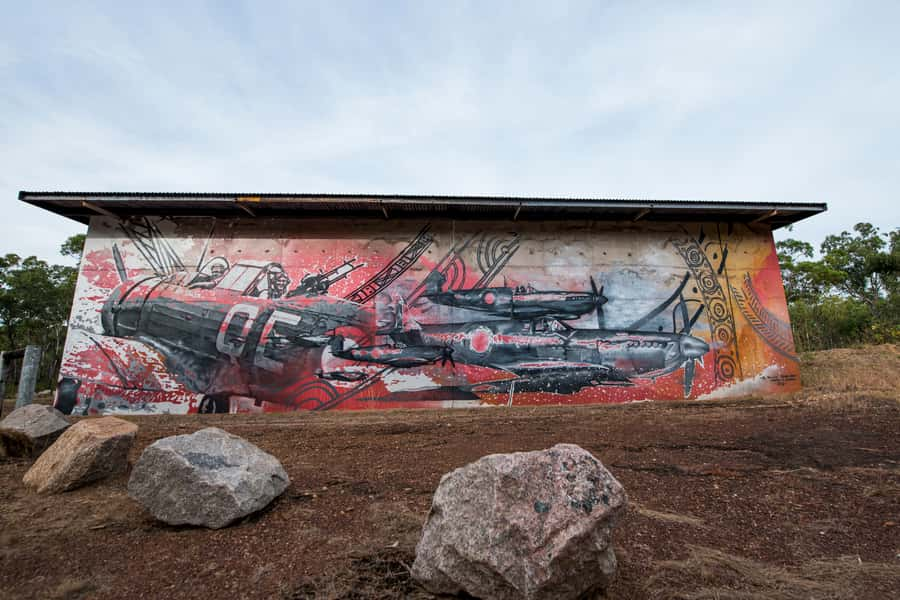
Book it if you want a serious, well-paced introduction to Darwin’s wartime past, especially if you value having a guide explain the connections between museums, bunkers, heritage sites, and the harbor. The strongest features are the local commentary, the Defense of Darwin Museum, the surviving ammunition stores at Charles Darwin National Park, and the cruise past the SS Neptuna and USS Peary wreck sites.
Do not book it expecting a long, leisurely museum day. Four and a half hours goes quickly, and you may wish for more time at East Point. You should also be comfortable with outdoor heat, vehicle transfers, and a subject that includes loss and destruction.
For most first visits, I think the $105 price is justified. You get a broad picture of Darwin, a useful route through sites that are spread across the city, and a harbor view that is difficult to reproduce on your own. If you want to understand Darwin rather than simply see it, this is a smart morning choice.
FAQ
How long does the Bombing of Darwin tour last?
The tour lasts 270 minutes, or four and a half hours.
What time does hotel pickup take place?
Pickup is available from Darwin city hotels. You should wait in the lobby at 7:45 AM for pickup before 8 AM.
Where can I meet the tour without hotel pickup?
You can meet at 8 AM at the Aquascene Fish Feeding car park, 28 Doctors Gully Road. Unlimited free parking is available there.
What places are included in the tour?
The tour includes Charles Darwin National Park, the Defense of Darwin Museum, the Darwin Military Museum, East Point Military Precinct, Myilly Point Heritage Precinct, bombing-related sites around Darwin, and a harbor cruise.
What can I see during the harbor cruise?
The cruise passes Stokes Hill and Fort Hill wharf areas, the wreck sites of the SS Neptuna and USS Peary, the old flying boat base at Doctors Gully, and the gun emplacements at Cullen Bay.
Is food included?
No. Food and drinks are not included, though drinking water is provided.
Is the tour suitable for wheelchair users?
No. The activity is listed as unsuitable for wheelchair users.
Just added around Australia
- Authentic Indigenous Cultural Tour Including Scenic River Cruise★ 5.0 · 88 reviews
- Cairns History Walking Tour★ 5.0 · 52 reviews
- Entry Ticket at Historic Village Herberton★ 5.0 · 114 reviews
- Self-Guided Ngilgi Cave Ancient Lands Experience★ 4.5 · 154 reviews
- Hinterland Heritage Wine Tour★ 4.0 · 28 reviews
- Albany’s Historic Whaling Station Admission Ticket★ 4.5 · 86 reviews
- 7 Day Adelaide to Uluru Adventure and Cultural Tour★ 5.0 · 52 reviews
- Sydney Convicts, History & The Rocks 2.5-Hour Walking Tour★ 4.9 · 181 reviews
Australia History Tours, compared.

Ultimate Melbourne Walking Tour: History, Laneways & Culture
Read our review →
Puffing Billy Railway: Heritage Steam Train Journey
Read our review →
Morning World Heritage Cruise on the Gordon River from Strahan
Read our review →
Strahan: World Heritage Cruise on Gordon River with Lunch
Read our review →
Sydney: The Rocks 90-Minute History Walking Tour
Read our review →
Experience History onboard The Mary Valley Rattler
Read our review →
Snorkel & Dive the Reef: Sustainable, Scientific & Cultural Tour
Read our review →
Derwent River Historic Harbour Cruise From Hobart
Read our review →Browse the lists this tour appears in