
Review · FOOD
Cebu City: Historical Street and Food Tour
Cebu’s past is packed into a few walkable streets, from a coral-stone home built in 1680 to the cross linked with Magellan’s arrival in 1521. This three-hour small-group tour adds local food to the history lesson, so you are not just looking at churches and monuments. You are also learning what people eat between them.
I like the personal guiding and the route’s variety. Guides such as Philip, Nacien, Kyle, and Nescian have been praised for clear English, good energy, and careful help, including getting a solo guest safely into a taxi. I also like that the tour reaches Carbon Market and Colon Street, places that can feel easier to understand with a local beside you.
The main drawback is the price. At $90 per person, this is not a cheap walking tour, especially if you are comfortable exploring Cebu independently. The food is included, but it may not impress every palate, and the three-hour schedule moves quickly.
Key points at a glance
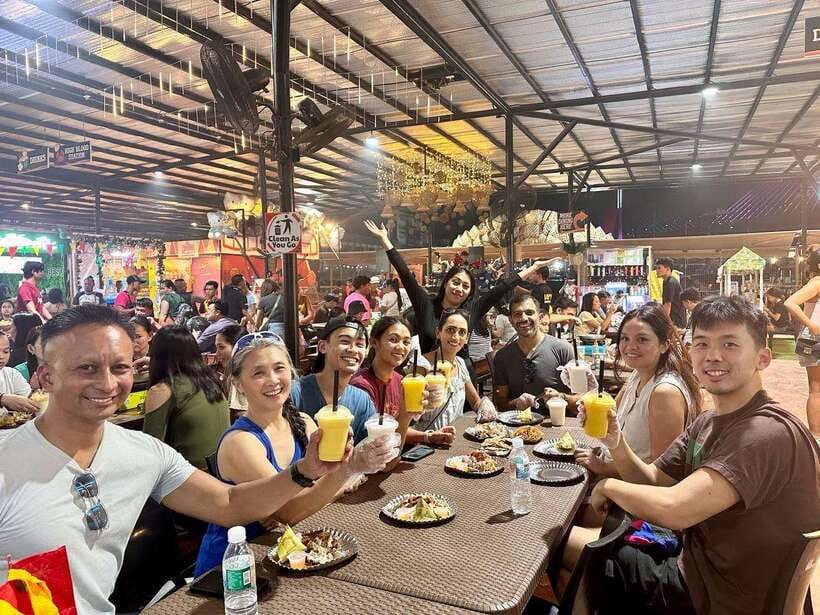
- Balut and local snacks: Taste balut, the boiled salted duck egg, along with other Filipino street food and drinks.
- Cebu’s oldest landmarks: Visit the Basilica Minore del Sto. Niño, founded in 1565, and Magellan’s Cross, linked to 1521.
- A 1680 ancestral house: See the Yap Sandiego Ancestral House, made from coral stone with Chinese and Spanish design touches.
- Markets with a local guide: Walk through the Cebu Farmers Market and Carbon Market, a former coal depot.
- Small groups: The tour is limited to 10 people, with an English-speaking live guide.
- Good solo support: Guides have helped solo guests with questions, transport, and walking through busy areas.
Cebu’s early story, told on foot
Cebu was the first Spanish settlement and capital in the Philippines, and this route gives you a quick lesson in how that story took shape. You move through religious sites, commercial streets, old homes, and markets rather than viewing the city from a vehicle.
That mix matters. A church can tell you about colonial rule and Catholic devotion, while a market shows how the city works today. In three hours, you get both sides of Cebu: the monuments visitors come to see and the everyday food culture that gives the streets their character.
The group is capped at 10 people. That is small enough for questions, which is useful here because the route contains several names, dates, and religious details. Guides Philip, Nacien, Kyle, and Nescian have all been singled out for friendly service and clear explanations. If you want to ask about Filipino food, Spanish rule, or the meaning of a particular church, a small group gives you a better chance to do so.
The walking pace and city setting require practical preparation. Wear comfortable shoes and light, comfortable clothes. Bring cash for food or small purchases, plus a camera. The tour runs rain or shine, so check the weather before leaving, but plan as if a shower is possible.
More Food and History Tours in the world:
- Sevilla Food Tour: Tapas, Wine, History & Traditions
★ 5.0 · 3,468 reviews - Victoria Guided Food and History Tour
★ 5.0 · 2,015 reviews - Gastown Historic Walking Food Tour
★ 5.0 · 1,863 reviews
Starting with Cebu Farmers Market
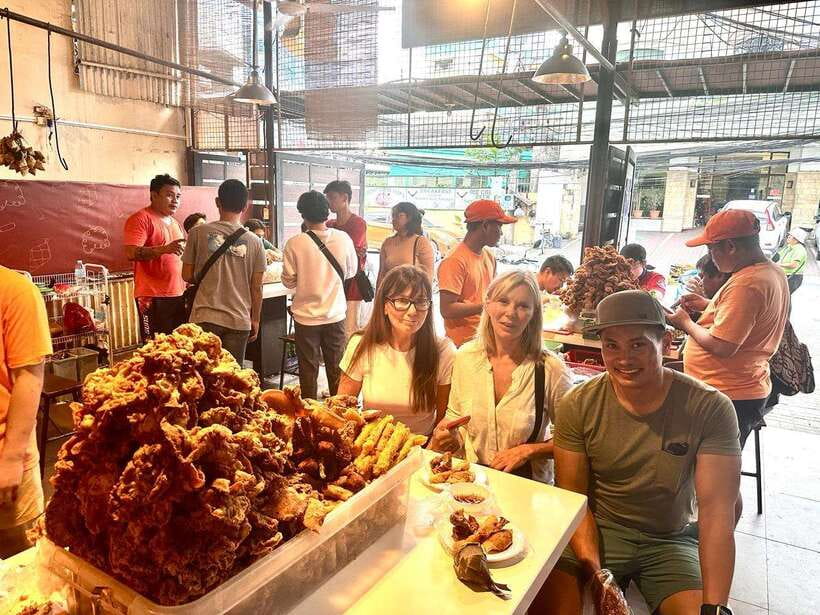
The food side of the tour begins at Cebu Farmers Market. This is a useful opening because your guide can explain the ingredients and eating habits before you start sampling. You are not simply handed a snack with no context. The market gives you a place to connect the food with daily life in Cebu.
The highlight for many people is balut, a boiled duck egg traditionally eaten with salt. It is famous across the Philippines, but it can be a confronting first taste. If you are curious about local food, this is a direct and memorable introduction. If you are cautious with unfamiliar dishes, you should know in advance that balut is part of the plan.
The food is one reason this tour feels more local than a standard church walk. Filipino street food is known for bold flavors and unusual combinations, and the route includes several tastings and drinks. Still, keep your expectations sensible. The food is an added part of the tour, not a full restaurant meal, and one person found it only average for the price.
Cash is listed as something to bring. That is useful advice for a market stop, even though the tour includes food. It also gives you a little flexibility if something catches your eye.
The Heritage of Cebu Monument
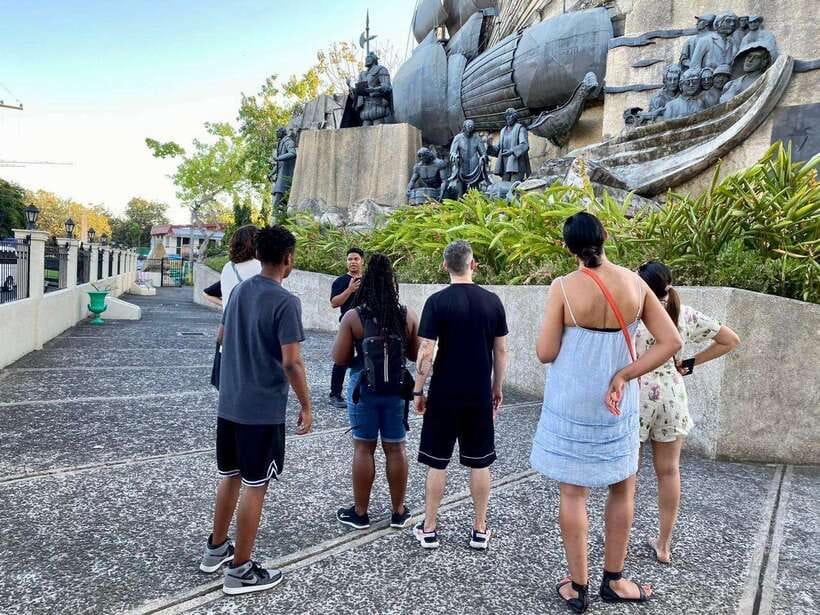
From the market, the route reaches the Heritage of Cebu Monument, where metal sculptures present scenes from Cebu’s past. This stop helps organize the historical story before you visit the buildings themselves.
The monument is especially useful if you do not already know the basic timeline. Cebu’s story includes local culture, Spanish arrival, Catholic conversion, and the growth of the city as a major center. Rather than treating each site as an isolated photo stop, your guide can connect them.
The stop is also a reminder that this tour is not only about preserved colonial buildings. Cebu’s identity includes public art, markets, churches, old homes, and busy streets. The contrast is part of the appeal.
Take your camera, but listen as well. The monument is more useful when you understand what its figures and scenes represent. With limited time, you will get more from the visit if you focus on the guide’s explanation rather than trying to photograph every detail.
Inside the Yap Sandiego Ancestral House
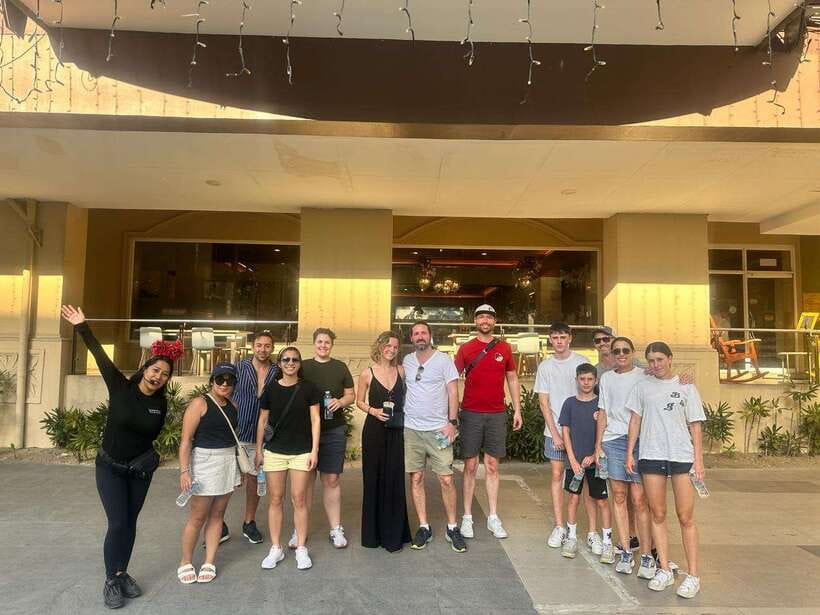
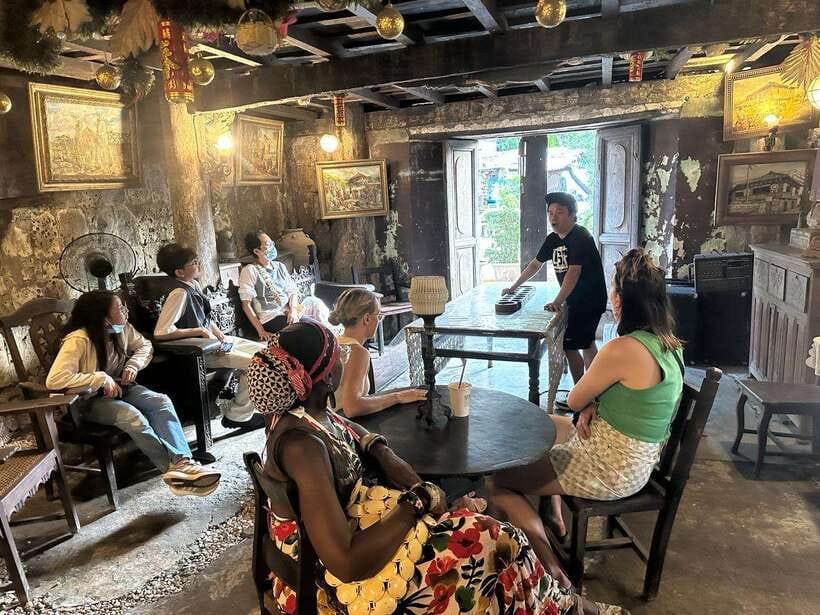
The Yap Sandiego Ancestral House is one of the most distinctive stops. Built from coral stone in 1680, it reflects both Chinese and Spanish architectural influence. That combination fits Cebu’s position as a trading city with connections beyond the Spanish world.
The house gives the itinerary a change of scale. At the churches, you are looking at public religious buildings. Here, you get a sense of domestic life and older construction. Coral stone also makes the building feel tied to the materials and conditions of the region, rather than copied from a distant European model.
I particularly like this stop because it adds texture to the tour. Dates such as 1565 and 1521 can sound abstract when presented on a street sign. An old house with its own construction history makes the past easier to picture.
Do not expect a long, leisurely house museum visit within this three-hour schedule. The tour has several major stops, and the guide must keep the group moving. Think of the ancestral house as a focused historical visit that works best when paired with the rest of the route.
More Food and Drink Trips in the world:
- Amsterdam Food and Cultural Tour with Tastings
★ 5.0 · 4,315 reviews - Barcelona: Tapas Walking Tour with Food, Wine, and History
★ 4.8 · 4,261 reviews - Normandy D-Day Small-Group Day Trip with Omaha Beach, Cemetery & Cider Tasting
★ 5.0 · 2,786 reviews - Madrid Tapas & Taverns Small Group Food & History Tour
★ 5.0 · 2,664 reviews
Basilica Minore del Sto. Niño and Cebu’s Catholic story
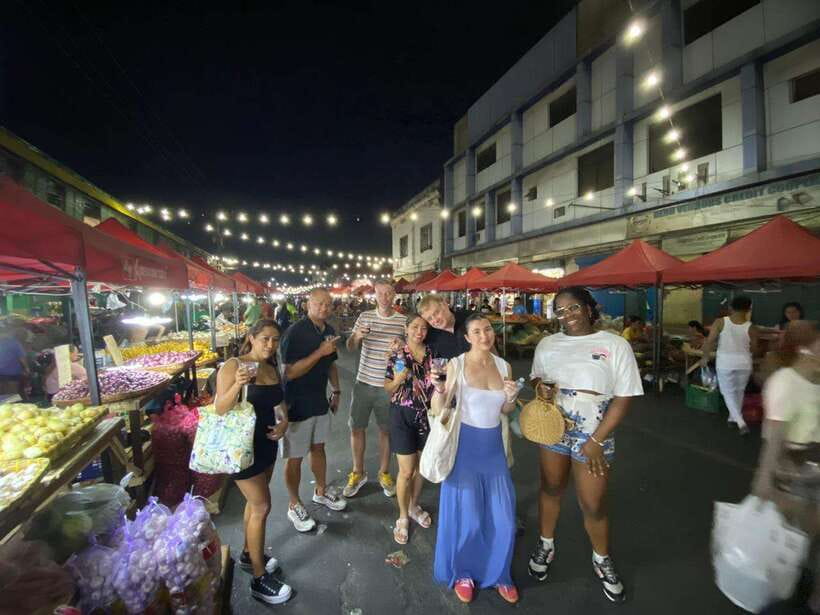
Next comes Basilica Minore del Sto. Niño de Cebu, described as the oldest Roman Catholic church in the Philippines and dating to 1565. This is one of the central stops, both for its age and for its place in Cebu’s religious story.
The church is tied to the arrival and spread of Christianity in the Philippines. Your guide can give the date context and explain why the basilica matters, which is more helpful than simply stepping inside, taking a photograph, and leaving.
The site can also be busy. The supplied information does not promise a quiet visit or guaranteed access to every interior area, so you should be ready for a public religious space rather than a private museum. Dress comfortably and respectfully, and follow any instructions given at the church.
This is a strong stop for anyone interested in religion, colonial history, or Cebu’s role as the first Spanish settlement and capital. It may be less satisfying if you want long periods of independent sightseeing, since the route has more places to cover.
Carbon Market and the working city
Carbon Market gives the tour a different feel. Its name comes from the Spanish word for coal, and the site was formerly a coal depot. Today, it is part of the city’s market life and helps show how Cebu developed beyond its churches and colonial landmarks.
I like the inclusion of Carbon Market because it keeps the tour from becoming a procession of old buildings. A market gives you sounds, movement, food, and commerce. It also provides a better sense of how the historic center functions as a living part of Cebu rather than a preserved display.
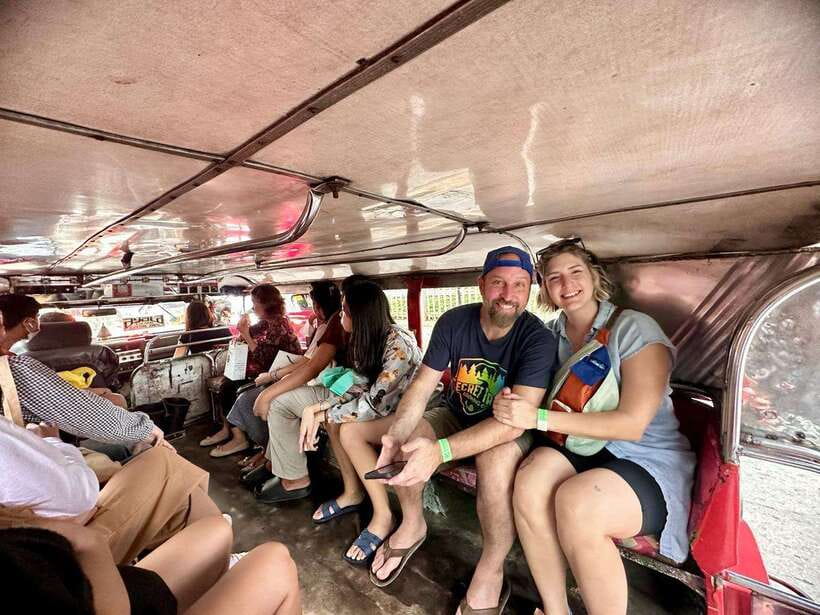
This is one area where a guide can make a real practical difference. A solo guest was helped through Carbon Market and Colon Street safely, and another guide helped a solo participant arrange a taxi home. That does not mean you should stop paying attention to your belongings or surroundings, but it does mean the tour offers useful local support in areas that may feel unfamiliar.
The market can be crowded and the route is on foot. Wear shoes that can handle uneven pavement and keep your cash secure. Jewelry is not allowed on the tour, so leave it behind.
Magellan’s Cross and the 1521 turning point
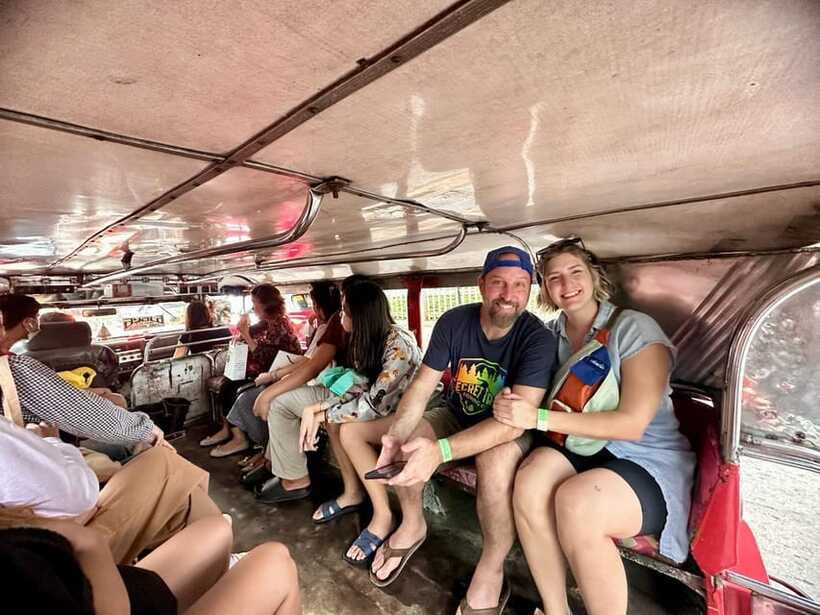
The route then reaches Magellan’s Cross, where a Christian cross was placed by Spanish explorers led by Ferdinand Magellan in 1521. This is one of Cebu’s best-known historical markers and a key date in the country’s colonial story.
The cross is important, but the broader context matters more than the object alone. Your guide can explain how this event connects with the later Spanish settlement, the rise of Catholic Cebu, and the buildings visited earlier in the route.
This stop is also a good example of why guided interpretation helps. Without background, you might see a cross, take a picture, and move on. With context, it becomes part of a chain of events that shaped the city and the Philippines.
Expect a short visit rather than a long museum session. The tour continues to Cebu Metropolitan Cathedral, and the full route is designed to cover several major sites in a limited time.
Cebu Metropolitan Cathedral and a city rebuilt
The final major landmark is Cebu Metropolitan Cathedral. The church was destroyed during the Second World War and rebuilt in the 1950s. That detail adds another layer to the tour, since Cebu’s historic buildings have not all survived unchanged.
The cathedral helps you see that Cebu’s history is not frozen in the sixteenth century. War, rebuilding, and modern city life are also part of the story. The result is a route that covers Spanish arrival, older domestic architecture, Catholic institutions, wartime destruction, and present-day markets.
This stop may appeal most to visitors who want a quick historical overview rather than a specialist architectural tour. The guide can point out the building’s importance, but three hours does not allow for a long study of every design feature.
Food is served during the tour as well, so the final part is not only about looking at another church. The exact selection can vary, and you should approach it as a sampling experience rather than a carefully planned food crawl.
What $90 buys you
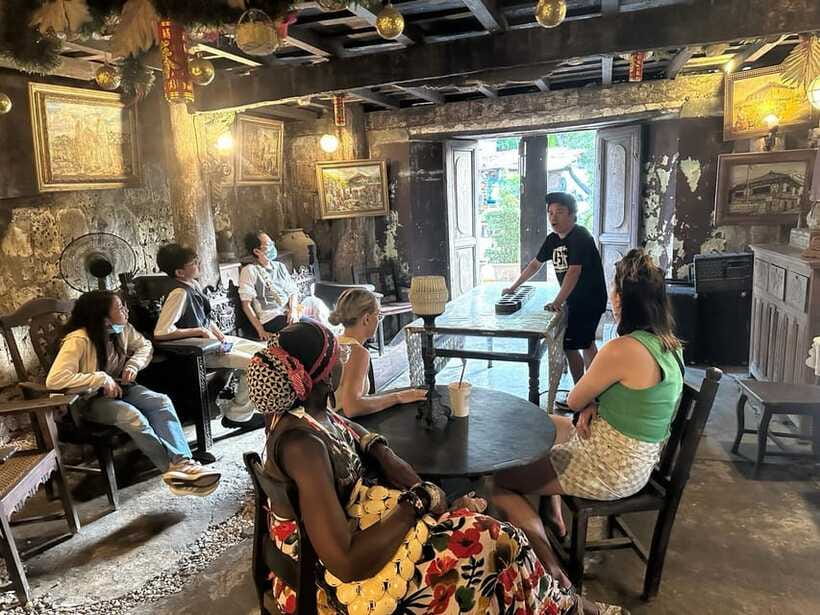
At $90 per person, this tour costs more than walking the same general area with a guidebook or free map. The question is what you value.
You are paying for a live English-speaking guide, a small group limited to 10, food and drinks, and help making sense of several historic sites in a short time. For a first visit, that structure can save you planning time. You also get a local person who can answer questions and help you manage the route through markets and busy streets.
The price is easier to justify if you are traveling alone, have only a short time in Cebu, or want cultural context without arranging each stop yourself. The personal attention can be especially useful when the group is very small. One participant had a guide’s full attention and was able to ask many questions about food and history.
The price is harder to justify if you are comfortable using public transport, researching Cebu’s landmarks, and buying your own snacks. One participant felt the tour could be done independently and did not think the food matched a price close to $100. That is a fair concern.
I would compare this with the cost of your time, not only the cost of admission. If you have one free afternoon and want a ready-made introduction, the tour may be worthwhile. If you have several days and enjoy planning, self-guided exploration gives you more freedom and costs less.
Timing, meeting point, and practical details
The activity lasts three hours, with starting times depending on availability. Hotel transfer is not included, so do not assume a vehicle will collect you from your accommodation. You are told to wait in the designated meeting area, where the guide will hold a paper with your name.
Pickup is listed in the activity details, but hotel transfer is specifically excluded. Confirm the exact meeting instructions before the day, and use the operator’s Facebook page, Cebu City Historical Street and Food Tour, if you need to message the team.
The guide speaks English, and the tour operates in a small group. It runs rain or shine. Bring comfortable shoes, comfortable clothes, a camera, and cash. Jewelry is not allowed.
You can cancel up to 24 hours before the start for a full refund, and reserve now while paying later. Those terms are helpful if your Cebu schedule is still shifting.
Who should book it
I would recommend this tour to a first-time Cebu visitor who wants a quick introduction to the city’s oldest center, enjoys trying local food, and prefers having a guide nearby. It is also a good fit for solo visitors who want company and practical help while walking through markets and Colon Street.
It suits you less if your main goal is a serious food tour, a slow architectural study, or the lowest possible price. The route covers many places, so each stop receives limited time. The food is part of the experience, but not enough on its own to justify $90 for everyone.
For the best value, book it early in your Cebu stay. You will get an orientation to the historic center, learn which sites deserve a later return, and have a guide to answer the basic questions that shape the rest of your visit. I would choose it for context and convenience, not simply for the snacks.
FAQ
How long does the Cebu City Historical Street and Food Tour last?
The tour lasts three hours.
What language is the tour conducted in?
The live tour guide speaks English.
How many people can join the tour?
It is a small-group tour limited to 10 participants.
Is balut included in the food tasting?
Yes. Balut, a boiled salted duck egg, is one of the local foods included in the experience.
Which historic churches are visited?
The route includes Basilica Minore del Sto. Niño de Cebu and Cebu Metropolitan Cathedral.
Does the tour visit Magellan’s Cross?
Yes. The route stops at the site where a Christian cross was placed by Spanish explorers led by Ferdinand Magellan in 1521.
Is hotel transfer included?
No. Hotel transfer is not included. You should go to the designated meeting area, where the guide will hold a paper with your name.
What should I bring?
Bring comfortable shoes, comfortable clothes, a camera, and cash. Jewelry is not allowed, and the tour takes place rain or shine.
More Food Trips in the world
- Historic Ybor City Food Walking Tour
★ 5.0 · 2,210 reviews - Barcelona Tapas Walking Tour: Food, Wine & History
★ 4.5 · 1,928 reviews - Boston Food & History: Pizza, North End & Freedom Trail
★ 5.0 · 1,772 reviews - Dublin Historical Centre Food Tour with 8 Food Tastings & Drinks
★ 5.0 · 1,718 reviews
Just added around the world
- 6-Day Cultural Tour to Machu Picchu★ 5.0 · 76 reviews
- Scenic Train ride to historical cities of Morretes and Antonina★ 4.0 · 188 reviews
- Jewish Heritage of Curacao★ 4.5 · 68 reviews
- The Curacao’s Colorful History Walking Tour★ 5.0 · 55 reviews
- Discover Scuba Diving Amathounta’s Ancient Port★ 5.0 · 30 reviews
- Olous – Guided Snorkelling Excursion to Discover Olous Sunken Ancient City★ 4.5 · 31 reviews
- Night Walking Tour of Medieval Cuenca★ 5.0 · 64 reviews
- WWII – The Battle of Crete Day Tour★ 5.0 · 103 reviews
Food, compared.
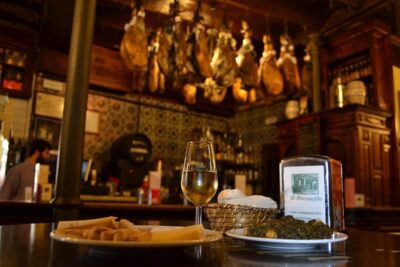
Sevilla Food Tour: Tapas, Wine, History & Traditions
Read our review →
Madrid Tapas & Taverns Small Group Food & History Tour
Read our review →
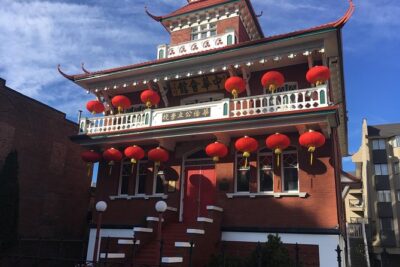
Barcelona Tapas Walking Tour: Food, Wine & History
Read our review →
Boston Food & History: Pizza, North End & Freedom Trail
Read our review →
Dublin Historical Centre Food Tour with 8 Food Tastings & Drinks
Read our review →Browse the lists this tour appears in