
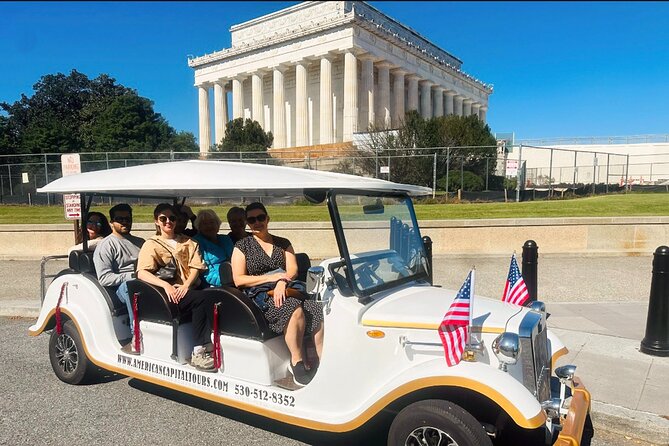
Review · WASHINGTON DC
DC Monuments & History Guided E-Cart Tour-Blankets
Washington, DC’s monuments spread across a wide area, and this two-hour electric-cart tour gives you a fast way to connect the dots. You’ll roll from Capitol Hill past the National Mall, stop for photos at the major memorials, and finish at the White House. The best part is the guide-led storytelling, which turns a string of grand buildings into a readable story of American power, war, civil rights, and presidents.
I like two things right away: you cover a lot without wearing out your feet, and you get real time outside the cart at key stops. Guides such as Lorenzo, Feyzi, Elmira, and Fernando have earned praise for their history, humor, and willingness to take photos. The main caution is the open-air vehicle, especially in winter. Blankets help, but they do not replace a warm coat, gloves, and protection from wind.
Key points before you book
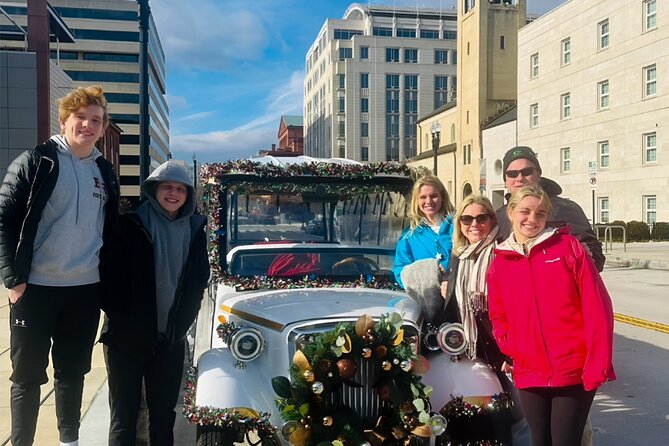
- Two hours, many landmarks: You see Capitol Hill, the National Mall, several memorials, and the White House in one compact outing.
- Open-air electric cart: The ride offers broad views, but the carts are not heated and the cover may vary by vehicle and weather.
- Strong guide element: Lorenzo, Feyzi, Elmira, Fernando, and other guides are praised for clear stories, jokes, local facts, and photo help.
- Useful for a short visit: It works well if you have limited time or want an overview before choosing which sites deserve a longer visit.
- Photo stops are built in: You get time outside at the Washington Monument, Jefferson Memorial, Martin Luther King Jr. Memorial, and Lincoln Memorial.
- Good value at $52.70: The price is reasonable for two hours of transport and live commentary, but less attractive if you want interior museum visits.
A fast ride through the capital’s big story
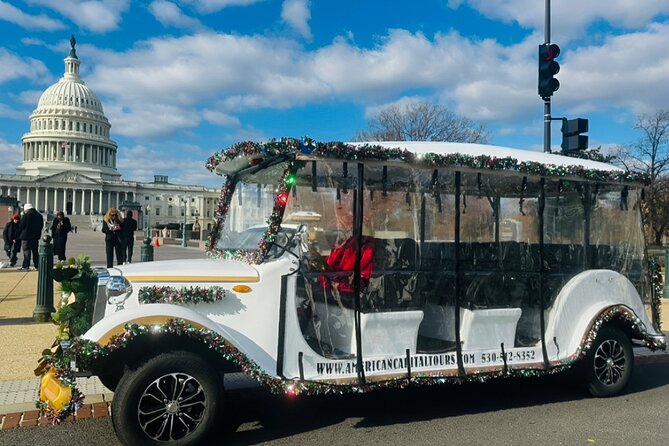
This is not a museum tour, and it does not take you inside the Capitol, Smithsonian museums, Washington Monument, or White House. Think of it as a moving introduction to central Washington, with short stops where you can walk, take pictures, and ask questions.
That distinction matters. You are paying for transportation, orientation, and a guide’s narration, not admission to exhibits. Since most of the sights on the route are free to enter, you can return later and explore them properly after learning which ones appeal to you.
The route covers enough ground to make the tour useful on your first day in Washington. It also makes sense near the end of a short visit, when you want to see the major sights without spending another half day walking between them.
More History Tours by Bike, Segway and Tuk-Tuk in the USA:
- Charlotte’s Ultimate Southern Charm Historical City Cart Tour
★ 5.0 · 1,347 reviews - Asheville Historic Downtown Guided Electric Bike Tour with Scenic Views
★ 5.0 · 1,234 reviews - Private Guided Historic Electric Cart Tour of St. Augustine
★ 5.0 · 1,194 reviews
Capitol Hill begins with power and architecture
The tour starts at 333 G Street NW and heads toward Capitol Hill, the symbolic and working center of the federal government. The United States Capitol’s dome, the Senate and House chambers, and the Supreme Court give this area a strong sense of purpose. You are looking at the machinery of American government, not just handsome marble buildings.
The stop is listed at about five minutes, so expect an introduction and a view rather than a full visit. Eastern Market is also part of the Capitol Hill story. Its redbrick market halls and surrounding stalls bring in produce, meat, cheese, crafts, and antiques, giving the grand government district a more local side.
The route then passes major cultural institutions, including the National Gallery of Art, the National Museum of Natural History, and the National Museum of African American History and Culture. These are not full interior visits, but your guide can help you understand where they fit on the National Mall and what you may want to see later.
The National Gallery holds more than 150,000 works across painting, sculpture, decorative arts, photography, prints, and drawings. The Natural History Museum is free and open 364 days a year. The African American History and Culture Museum, opened in 2016, adds an essential national story to the route. If any of these museums interests you, note its location during the ride and return with several hours to spare.
The Washington Monument gives the route its center
The Washington Monument is the first major timed stop, with about ten minutes outside the cart. At 555 feet and 5/8 inches, the marble, granite, and bluestone gneiss obelisk dominates the Mall. It was completed over 36 years, a reminder that even symbolic national projects can move slowly.
From the ground, the monument’s scale is difficult to judge. Your short stop lets you frame it against the sky and the Mall, take pictures, and hear why its Egyptian-inspired form became such a strong part of Washington’s identity.
An admission ticket is not included, but this tour does not promise a visit inside. If you want the elevator ride to the top, plan that separately. On a clear day, the view can reach 30 to 40 miles, but the cart tour is about seeing the monument from outside.
Jefferson, Roosevelt, and King form a powerful sequence
The Jefferson Memorial follows, with about ten minutes to explore. Its circular neoclassical design sits beside the Tidal Basin, and the memorial honors Thomas Jefferson, principal author of the Declaration of Independence and the nation’s third president.
The stop works well with a guide because Jefferson’s ideals and political life invite questions. The memorial presents an idealized version of its subject, while the larger story of early American democracy is more complicated. A good guide can give you context without turning the stop into a lecture.
The route then includes the Franklin Delano Roosevelt Memorial. This is one of Washington’s more open-ended memorials, dedicated not only to Roosevelt but also to the era of the Great Depression and World War II. Its outdoor setting and sequence of spaces reward a slower walk than the tour schedule allows, so treat the passing visit as a preview.
Next comes the Martin Luther King Jr. Memorial, where the Stone of Hope rises from the granite. The memorial covers four acres in West Potomac Park and honors King’s leadership in the civil rights movement. You get about eight minutes here, enough for photographs and a quick look, though not enough to read every inscription at an unhurried pace.
This stretch of the tour is one reason the experience has value. You move from the founding era to the New Deal and then to the civil rights movement in a short distance. The guide’s explanation helps connect those moments instead of leaving you with a series of impressive but unrelated statues.
More Guided Tours in the USA:
- History and Hauntings of Salem Guided Walking Tour
★ 5.0 · 14,564 reviews - Historic Charleston Guided Sightseeing Walking Tour
★ 5.0 · 6,216 reviews - Historic Savannah Guided Walking Tour
★ 5.0 · 2,918 reviews - 2-Hour Gettysburg Battlefield Guided History Bus Tour with a National Park Guide
★ 4.5 · 2,201 reviews
Lincoln Memorial and the war memorials
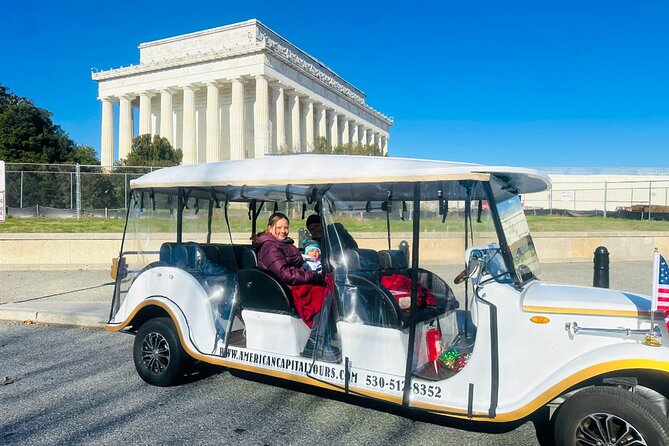
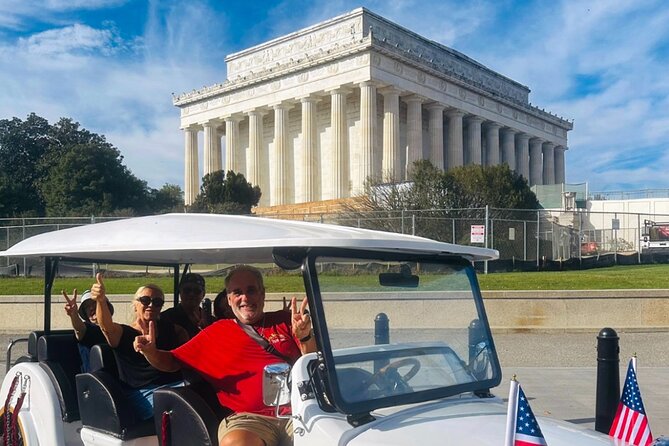
The Lincoln Memorial receives the longest listed stop, about 15 minutes. Its 36 Doric columns represent the states in the Union at the time of Lincoln’s death. Two more columns mark the entrance behind the colonnade, each 44 feet tall.
You climb the steps to see Lincoln seated above the chamber, then look back toward the Reflecting Pool and Washington Monument. This is one of the most rewarding photo stops on the route, especially if you want the classic Mall view without walking the full length of the reflecting pool.
The Vietnam Veterans Memorial follows. Its simple, low design and wall of names create a different mood from the grand memorials. You can approach the names, reflect, and take in the setting near the Mall.
The Korean War Veterans Memorial is nearby in West Potomac Park. Its patrol of stainless-steel figures cuts across a field, while the memorial honors those who served in the Korean War. The tour also passes the Albert Einstein Memorial, a large bronze seated figure with manuscript pages in hand.
These sites are easy to group geographically, but their subjects are not interchangeable. Lincoln represents national crisis and reunification. Vietnam focuses on personal loss and remembrance. Korea recalls a war that is less familiar to many people. Einstein adds a lighter, unexpected stop. Listen for the guide’s explanation, then decide which memorial deserves a return visit.
The White House is the final landmark
The tour ends its main circuit at the White House, with about five minutes for an outside view. At 1600 Pennsylvania Avenue NW, it has served as the president’s residence and workplace since John Adams moved there in 1800.
Five minutes is enough for a photograph and a quick orientation, not an interior tour. Admission is not included, and the activity returns to the original meeting point rather than dropping you at the White House. Keep that return detail in mind when planning dinner or another appointment.
The White House works well as the final stop because it brings the tour back to the present day. After the memorials and museums, you see the building where current presidential business takes place.
Why the guides matter more than the cart
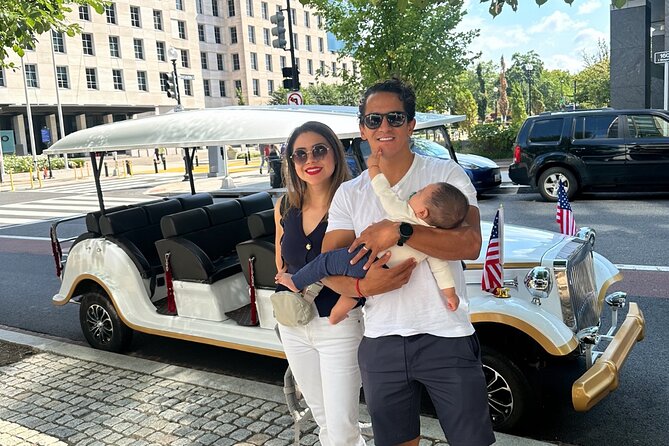
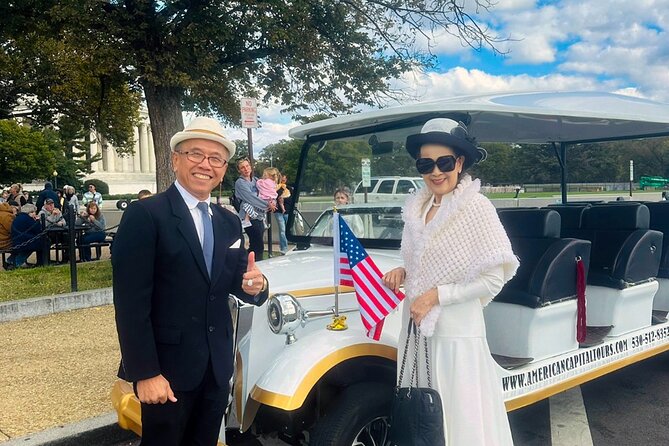
The electric cart is useful, but the guide determines how much you get from the ride. Strong guides on this experience have been praised for explaining small historical details, answering questions, making jokes, and stopping to take pictures for the group.
Lorenzo is noted for his stories and willingness to help with family photos. Feyzi has drawn praise for warmth, humor, and keeping teenagers engaged. Elmira is known for adding extra facts and pun-filled jokes. Fernando has also received praise for friendly narration and thoughtful help on a cold day.
Those details matter because the schedule is tight. A guide who simply names each building would leave you with a sightseeing checklist. A guide who explains why the memorials were designed as they were, and how the sites relate to each other, gives the ride lasting value.
You also have time to ask questions. Use it. Ask about the memorial that interests you, the best museum for your schedule, or where to return for a longer visit. The experience is most useful when you treat it as a conversation rather than a one-way audio track.
The cold-weather issue is real
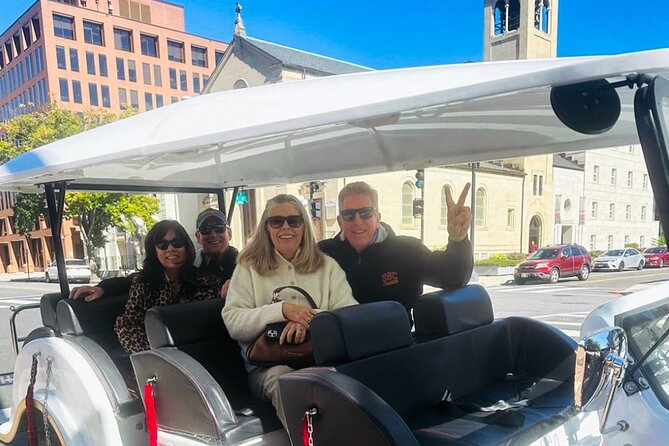
The biggest concern is weather. The carts are open-air, and some vehicles may have plastic curtains or a cover while others may not. The operator has supplied blankets, and some rides have included extra touches such as a hot chocolate stop for children, but the vehicle is not heated.
Several winter experiences have been uncomfortable because of cold and wind. A blanket helps your lap, but it does not fully protect your face, hands, or upper body while the cart is moving. If you book between late fall and early spring, wear a full winter coat, hat, gloves, and scarf. Do not dress as if the cart’s pictured cover is guaranteed.
The operator has said that enclosed transportation may be available when the weather is very cold, but vehicle arrangements can vary. Contacting the provider before booking is sensible if warmth is a major concern. In mild weather, the open sides become an advantage because you get better views and easier photographs.
Night tours can also be appealing. The monuments take on a different look after dark, and the route still allows photo stops. You will need to balance the atmosphere with lower light and cooler temperatures.
Is $52.70 a fair price?
At $52.70 per person, the tour offers fair value if you want transport and live commentary in one package. You see a large portion of central Washington in two hours, avoid a long walk between far-flung memorials, and get a guide who can answer questions.
The value is strongest for first-time visitors, families, older participants, and anyone with limited time. It is also useful when government buildings are closed, since the outdoor memorials and public views remain available.
The value is weaker if you want to enter museums or spend serious time at each memorial. The National Gallery, Natural History Museum, and African American History and Culture Museum deserve more than a passing view. You will need to pay no admission for many of them, but you must return on your own and allow several hours.
Compared with a larger sightseeing bus, the cart offers a closer, more personal feel and easier interaction with the guide. Compared with walking, it saves energy and time. Compared with a private car, it is less flexible and may not feel as sheltered. The right choice depends on whether you value coverage or depth.
Who should book this cart tour?
I would choose this experience for a first visit, a short stay, or a family that wants the main sights without a long day on foot. It is also a good orientation ride before you select one or two museums for a deeper visit.
It suits people who enjoy stories, quick photo stops, and a relaxed question-and-answer style. A solo participant can also fit in well. One solo rider described a particularly entertaining experience, which suggests the guide can keep the outing engaging even without a large group.
I would not make it your first choice in freezing, rainy, or very windy weather unless the vehicle covering is confirmed. You should also skip it if your main goal is to tour the inside of the Capitol, Washington Monument, White House, or Smithsonian museums.
The tour accepts service animals, is near public transportation, and most people can participate. It has a maximum listed capacity of 71, though the feel of your ride depends on the cart and the day. Confirmation arrives when you book. Free cancellation is available up to 24 hours before the start time, while cancellations inside that window are not refunded.
My call: book it for coverage, not depth
Book this tour if you want a clear, efficient introduction to Washington’s major sights and you can handle an open-air ride. The route is smart, the price is reasonable, and a good guide can turn two hours into a useful primer on the capital.
Before booking, check the forecast and ask which vehicle will be used. In mild weather, the cart is a fun way to see the city. In deep winter, an enclosed bus may be the wiser choice. For most first-time visitors with limited time, this is a practical starting point, then you can return to the Lincoln Memorial, museums, or another favorite site at your own pace.
FAQ
How long is the DC Monuments and History Guided E-Cart Tour?
The tour lasts approximately two hours.
Where does the tour begin?
It begins at 333 G Street NW, Washington, DC 20001.
Where does the tour end?
The activity ends back at the original meeting point.
Is the tour offered in English?
Yes. The tour is offered in English.
Does the price include admission to the monuments and museums?
The experience includes the electric-cart ride, guide, historical introduction, and outside stops. Admission to the Washington Monument and White House is not included, and the tour does not include interior museum visits.
Are blankets provided?
Yes. Blankets are provided, including during cold-weather rides. You should still wear suitable winter clothing because the cart is not heated.
Is the electric cart covered?
The vehicle covering can vary. Some carts may have plastic curtains or a cover, while others may be open. Confirm the vehicle details before booking if protection from wind is important to you.
Can I cancel for a full refund?
Yes, if you cancel at least 24 hours before the experience starts. Cancellations made less than 24 hours before the start time are not refunded.
Just added around the USA
- Red Rocks Amphitheatre Historical Walking Tour★ 5.0 · 74 reviews
- 1-Hour Segway Tour of Cheyenne Cañon Art, History and Nature★ 5.0 · 36 reviews
- Colorado Springs – Guided Walking Ghost / History Tour★ 5.0 · 168 reviews
- Ancient Landscapes Private Geology Hike at Garden of the Gods★ 5.0 · 31 reviews
- Village Food Tours Lunch & History Tour★ 5.0 · 80 reviews
- 2.5 Hour Kayaking with Manatee and History Tour in Tarpon Springs★ 5.0 · 24 reviews
- Safety Harbor Ghost Tour★ 5.0 · 60 reviews
- Historical Bicycle Tour of Dunedin★ 5.0 · 44 reviews
Washington DC History Tours, compared.
Guided African American History Tour with Reserved Museum Entry
Read our review →
African American History Tour with Museum of African American History Ticket
Read our review →
Historic Georgetown: History, Gossip, & Architecture Walking Tour
Read our review →
Washington, DC: African American History Tour & Museum Entry
Read our review →
D.C: Monuments & History Guided Open-Air Bus Tour-Day &Night
Read our review →
DC: Ghosts of Georgetown Haunted History Nighttime Tour
Read our review →
DC: Georgetown History & Architecture Tour with Local Guide
Read our review →
Washington DC: African American History Museum Private Tour
Read our review →Browse the lists this tour appears in