
Review · HISTORY TOURS
Goree Island: discover Senegalese history and culture
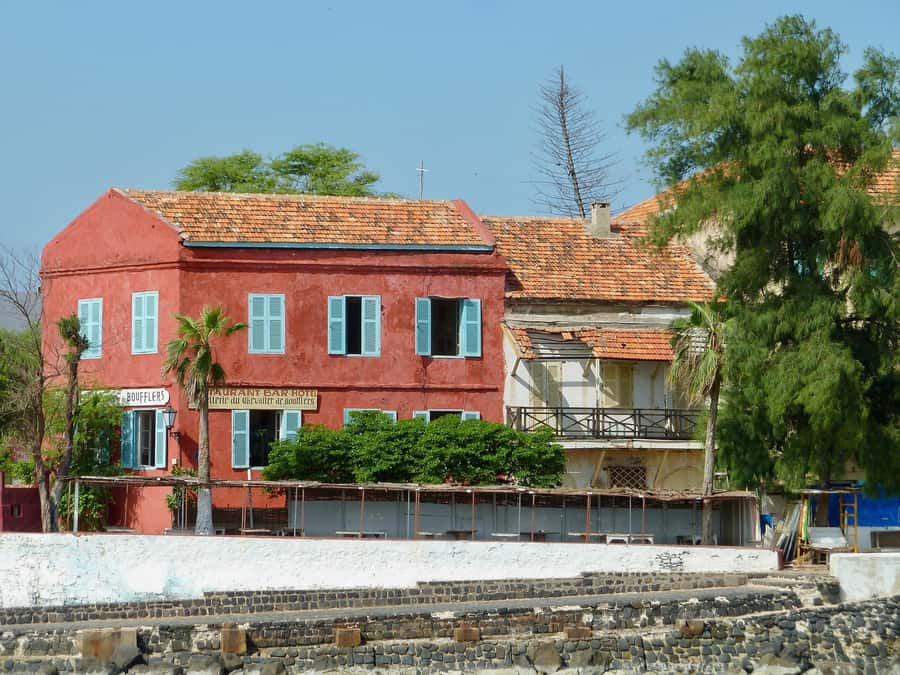
Gorée Island confronts you with Senegal’s painful connection to the transatlantic slave trade, then surrounds that memory with pretty streets, sea views, churches, and colorful homes. The visit to the House of Slaves is the emotional center, but the island makes more sense when you also see its fort, mosque, church, and memorials.
I like the way this private tour handles the ferry, hotel pickup, and island walk in one package. I also like the guides, especially Ousmane, who is praised for explaining Senegalese history in clear English, answering questions patiently, and pointing out quiet corners most people would miss.
The main drawback is timing: four hours goes quickly, and the House of Slaves can be closed on Mondays or crowded later in the morning. I would book an early departure, confirm the museum opening day, and bring an ID card or passport.
Key points to know before you book
- The first ferry can change the whole visit: Departing around 7:30 AM may help you avoid crowds, heat, and long lines.
- The House of Slaves needs time and care: Its cells and Door of No Return are difficult to see, but essential for understanding Gorée.
- Ousmane is a major strength: He is praised for fluent English, local knowledge, warmth, and thoughtful storytelling.
- You see more than a slavery museum: The route includes Saint-Charles Church, the mosque, Le Castel, botanical gardens, and modern memorials.
- Lunch adds local flavor: The meal may include fresh fish, Senegalese dishes, fruit, and baobab juice.
- The $140 price buys convenience: Private transport, ferry coordination, a guide, museum entry, and food tasting make this more than a simple ferry outing.
Why Gorée Island matters beyond a day trip
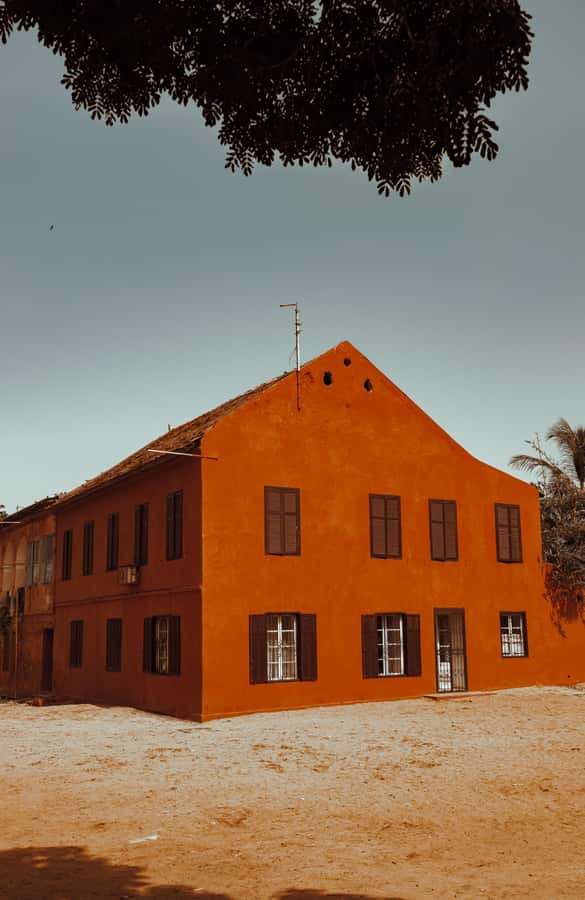
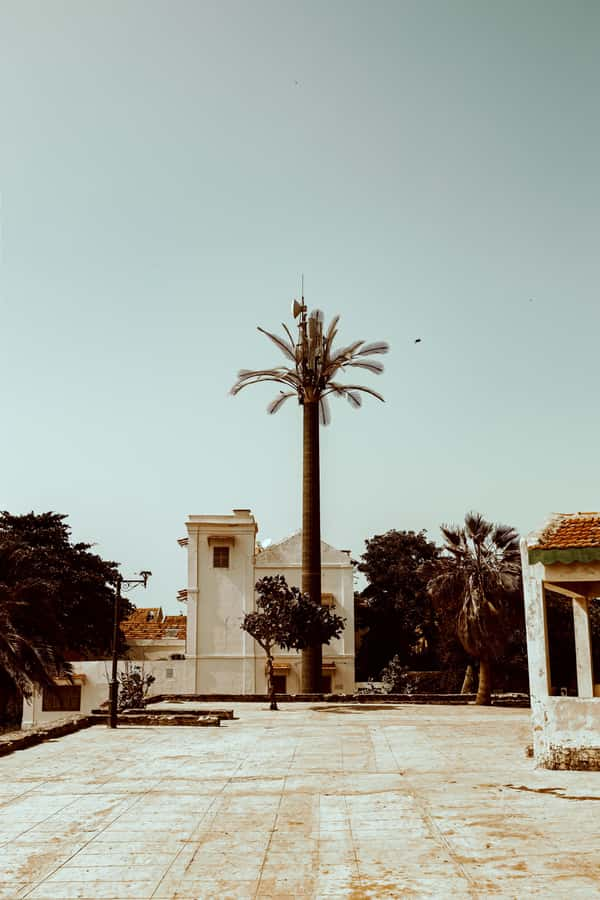
Gorée Island is a small place with a very large historical weight. Located off Dakar, it was shaped by colonial rule, Atlantic trade, religion, military power, and the long struggle for freedom. You can walk much of it in a morning, but the meaning of what you see is not small or simple.
The island is often presented through the House of Slaves, and rightly so. Yet a guide helps you connect that building to the wider story of Senegal and West Africa, as well as to the Americas and Europe. Ousmane is particularly good at making those links clear without turning the visit into a dry classroom lesson.
I would not treat Gorée as a cheerful sightseeing stop with a sad museum added on. You will see beautiful views and inviting streets, but the memory of captivity is present throughout the visit. Give yourself room to listen, ask questions, and pause.
More Local Culture and Traditions Tours in the world:
- Amsterdam Food and Cultural Tour with Tastings
★ 5.0 · 4,315 reviews - Sevilla Food Tour: Tapas, Wine, History & Traditions
★ 5.0 · 3,468 reviews - Tromsø: Reindeer Camp and Sami Cultural Tour with Lunch
★ 4.7 · 3,326 reviews
Starting in Dakar and crossing by ferry
The tour begins with pickup in Dakar, followed by a short drive of about 15 minutes to the harbor. Hotel pickup and drop-off are included, which matters in Dakar because it removes the work of arranging a car, finding the port, and coordinating your return.
The crossing takes about 25 minutes. It is short enough to fit easily into a half-day, and the ferry gives you an early sense of the island’s position offshore. Ousmane has used the ride to begin explaining Dakar, Senegalese history, and even a little Wolof.
If you can choose your start time, ask for the earliest practical ferry. The 7:30 AM departure is repeatedly recommended because it can mean cooler walking conditions and fewer people at the main sites. An early start also gives you a calmer look at Gorée before shops and tour groups fully get going.
The ferry line may still be long, and schedules can shift. Your guide handles the process, but you should keep some flexibility. The convenience is one of the clearest reasons to choose a private tour instead of going alone.
First views: the botanical garden and island streets
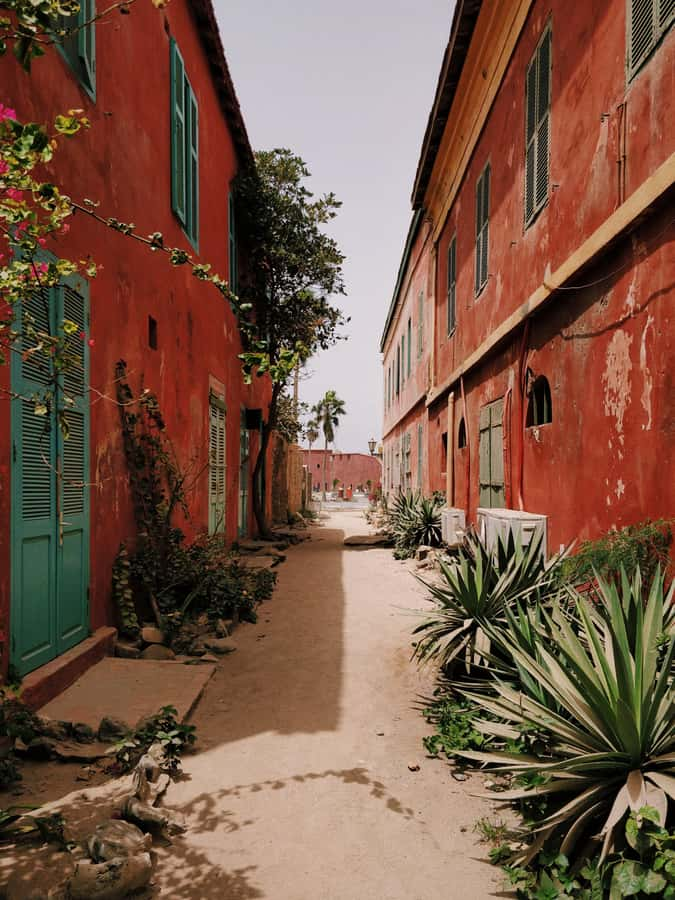
After arrival, the guide gives a short safety briefing and begins the walk. The route includes the Canarien Botanical Garden for a brief visit and photo stop. It is not a long garden tour, but it offers a gentle way to get your bearings before the heavier historical stops.
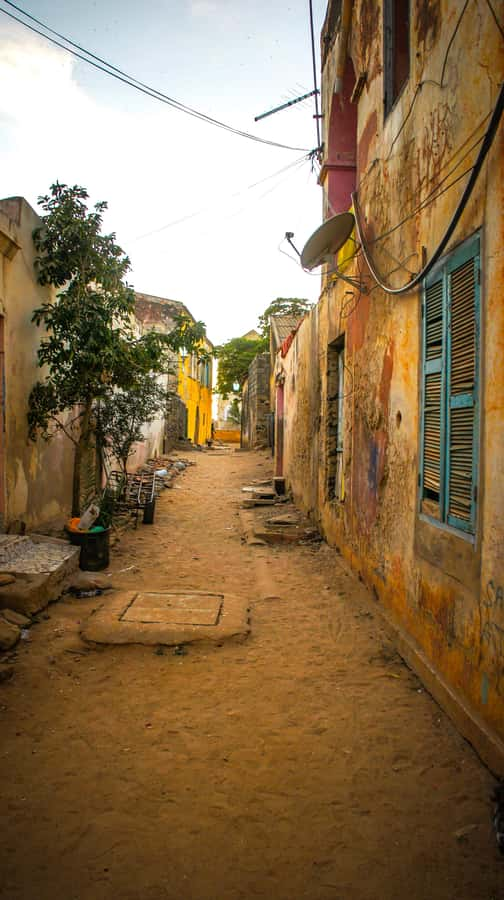
Gorée’s appeal comes partly from its scale. You move on foot through a compact setting of old buildings, small lanes, sea-facing viewpoints, and local businesses. The guide can point out places you might pass without understanding, including scenic corners and less crowded areas.
Do not expect four hours of nonstop formal guiding. The schedule includes short photo stops, pauses, lunch, and 15 minutes of free time. That rhythm works well for a private group because you can ask for more explanation, slow down for photographs, or spend a little longer at a place that matters to you.
The island’s beauty can feel uncomfortable beside its past. That contrast is not something to smooth over. It is part of what makes the visit powerful.
Inside the House of Slaves
The House of Slaves is the core of the tour. The guided visit lasts about 30 minutes, though the emotional impact may stay with you much longer. You will see the cells used to hold men, women, and children, along with the Door of No Return associated with departure by ship.
The building brings the slave trade down to the level of rooms, walls, and human confinement. Instead of hearing only numbers and dates, you are standing in spaces connected to people who were detained before being sent across the Atlantic. That physical setting can be overwhelming.
A guide is especially valuable here. Ousmane has been praised for explaining the conditions of captivity, the time people could be held before shipment, and the connection between Gorée, Africa, the Americas, and Europe. He also makes room for questions rather than simply delivering a speech.
Be prepared for a serious visit. The cells are not an easy attraction, and the experience can be upsetting. You may want to keep your schedule flexible afterward instead of rushing straight into photographs or shopping.
The museum’s opening schedule needs attention. It has been closed on Mondays, and one early visit found the site unavailable that day. The provided schedule also suggests that the House of Slaves may open later than the first ferry, so confirm the day and start time before booking. Private groups may sometimes enter ahead of the general line, but that should not be treated as guaranteed.
More History Tours in the world:
- Prague: Medieval Dinner with Unlimited Drinks
★ 4.4 · 19,847 reviews - Pompeii: Entry Ticket and Guided Tour with an Archaeologist
★ 4.8 · 19,459 reviews - History and Hauntings of Salem Guided Walking Tour
★ 5.0 · 14,564 reviews - Athens: Acropolis & up to 5 Archaeological Sites Combo Pass
★ 4.2 · 13,904 reviews
Saint-Charles Church and the island’s religious story
Saint-Charles Church provides a sharp change of mood. Built in 1830, this Catholic church brings colonial-era religious history into the walk. Its architecture and quiet interior offer a pause after the House of Slaves.
The church also helps you see Gorée as more than one chapter. The island was not only a holding point in Atlantic trade. It was also a settled community shaped by different faiths, outside powers, local families, and changing social life.
The visit is brief, around 15 minutes, so you will not get a long architectural study. Still, the stop earns its place because it gives the tour balance. You move from captivity to faith, from dark rooms to a building designed for worship and community.
Le Castel and wide Atlantic views
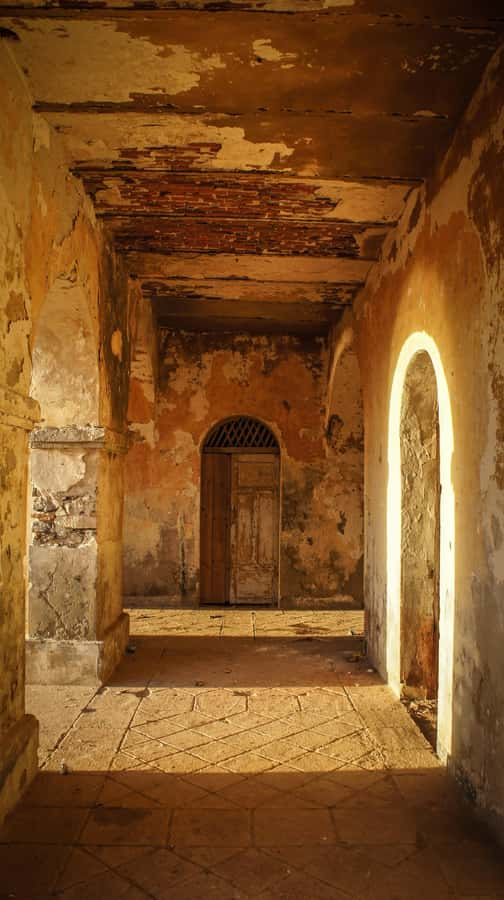
Le Castel is a former military fort with substantial stonework and open views toward the Atlantic. The guided stop lasts about 15 minutes, with time for photographs and an explanation of its military role.
This is one of the places where a guide can add real value. Without context, a fort may look like another attractive viewpoint. With context, it becomes part of the struggle to control the island, its harbor, and the sea routes around it.
Bring a hat, water, and shoes you can walk in comfortably. The tour is not presented as strenuous, but it is outdoors and includes several stops in warm weather. The views are a welcome mental break after the House of Slaves, though they should not turn the site into a casual photo backdrop.
The mosque and a broader picture of Gorée
The mosque, built in 1860, adds another important layer to the island’s religious life. Its architecture and community role help show that Gorée cannot be understood through its colonial buildings alone.
The visit takes about 10 minutes. You should expect a concise explanation and a look at the exterior and surroundings rather than a long service or formal religious program. Dress and behave respectfully, as you would at any place of worship.
Placed after the church and fort, the mosque helps create a fuller picture of the island. The route moves through Catholic, Muslim, military, and memorial spaces without pretending they tell the same story. Each one adds a different piece.
Modern memorials and the meaning of liberation
The Mémorial Gorée-Almadies is a short photo and guided stop, followed later by the Statue of Liberation from Slavery. The statue was erected in 2007 and gives the visit a modern focus on freedom and remembrance.
This closing section matters because Gorée is not only a place of mourning. The memorials also ask what liberation means now, how historical memory is preserved, and how Senegal presents this past to the world.
The statue visit lasts about 10 minutes. It is a short stop, but it helps move the tour beyond the House of Slaves. You finish with a symbol of release and resistance rather than leaving the island only with the image of confinement.
Some guides also include community-focused places, such as an art and craft playhouse connected with safe spaces for local children. This is not listed as a fixed stop for every departure, so ask if you want to know what your guide plans to include.
Lunch, local food, and a little free time
Lunch on Gorée takes about an hour, followed by 15 minutes of free time. Food tasting is included, and the meal may feature fresh fish, Senegalese dishes, fruit, or baobab juice. One meal included fresh fish at an open-air restaurant near the ferry area, while another included a cold fruit cup on a hot day.
The menu details are not fixed, so do not book this expecting one specific dish. Shrimp may arrive as an appetizer rather than the main course, and chicken can be available alongside fish. If you have dietary needs, explain them when arranging the tour.
Lunch is more than a break. It gives you time to talk with the guide about Senegal today, not only Senegal’s past. Ousmane has shared stories about a girls’ basketball academy he founded and supports in Dakar, which can make the conversation feel connected to current community life.
The free time is short. Use it for a quick look at shops, a final photograph, or a quiet pause. Some sellers may be persistent, so stay polite and clear about what you do or do not want to buy. A guide can also help you judge souvenir prices.
What the private format adds
This is a private-group tour, not a large coach outing. That changes the pace. You can ask direct questions, request clearer explanations in English or French, and spend more time at a place that catches your attention.
Ousmane is the guide most often associated with this experience, but assignments can vary. Other named guides include Omar, Diatta, Chérif, and Suleymane. Chérif grew up on Gorée and can add personal knowledge of island life, while Ousmane is praised for his history, English, punctuality, and ability to adjust plans.
The private format also helps with practical issues. Guides have changed departure times, rearranged bookings, added nearby Dakar stops, and adjusted plans when the ferry or museum schedule required it. That flexibility is useful, but you should still confirm exactly what is included in your own booking.
The tour is wheelchair accessible according to the activity details. Since the route includes ferry travel and walking between several sites, discuss your needs in advance so the guide can explain the day’s practical arrangements.
Is $140 per person good value?
At $140 per person, this is not the cheapest way to visit Gorée. If you only want a ferry ride and a short look around, going independently may cost less.
The price becomes easier to justify when you count what is bundled: hotel pickup and drop-off, transport to the harbor, ferry coordination, a private guide, House of Slaves admission, and food tasting. You are also paying for someone to connect the sites and handle changes, not simply point out buildings.
For a first visit to Senegal, I think the value is strong if history is your main reason for coming. The guide’s role is particularly important inside the House of Slaves and when connecting Gorée to wider Atlantic history.
The value is weaker if you dislike fixed schedules, want several hours of shopping, or prefer to explore alone. Four hours gives you a well-shaped introduction, not a slow, open-ended day.
Who should book this Gorée Island tour?
I would recommend it to first-time visitors to Dakar, people with a serious interest in Senegalese and Atlantic history, and anyone who wants the ferry and museum details handled for them. It also suits families who want a guide to explain the past to children, though parents should prepare younger children for difficult material.
It is a good choice for English-speaking visitors who want a clear explanation. French is also available. The guides are used to questions and can adjust the discussion to your background, including visitors with West African heritage or prior knowledge of the slave trade.
I would think twice if you want a relaxed beach day. Gorée has attractive views, but this is a reflective history tour first. The pace is manageable, yet the subject is heavy.
Should you book it?
Book this tour if you want Gorée Island to make sense, not merely to see it. Choose an early ferry, avoid Monday unless the House of Slaves opening has been confirmed, and ask who your guide will be.
The strongest reason to book is the combination of access and explanation. Ousmane has earned repeated praise for his warmth, clear English, local insight, and respectful handling of painful history. The private format, included meal, and hotel transport add real convenience.
I would skip it only if you are happy arranging the ferry and museum yourself or if $140 feels too high for a half-day. For most first-time visitors who want a serious, organized introduction to Gorée, this is a thoughtful and useful choice.
FAQ
Where does the tour begin?
Pickup is provided in Dakar, with hotel pickup and drop-off included.
How long does the experience last?
The tour lasts about four hours, including transport, the ferry crossing, the island visit, lunch, and the return to Dakar.
How do you reach Gorée Island?
You travel by bus or coach from Dakar to the port, then take a ferry that takes about 25 minutes.
Is the ferry ticket included?
The activity details include transport arrangements, and the tour handles the ferry journey. Confirm the exact ferry inclusions when booking.
What languages are available?
Live guiding is available in English and French.
Is the tour private?
Yes. It is offered for a private group.
What is the main historical site?
The House of Slaves is the main historical site, with cells, exhibits, and the Door of No Return connected to the transatlantic slave trade.
Is the House of Slaves open every day?
The House of Slaves has been closed on Mondays, so confirm its opening day before booking.
Is lunch included?
Food tasting is included, and the schedule allows about one hour for lunch on Gorée Island. Meals may include fish, chicken, fruit, or baobab juice.
What should you bring?
Bring a passport or ID card. Comfortable walking clothes, water, and sun protection are also sensible for the ferry and island walk.
Just added around the world
- Scenic Train ride to historical cities of Morretes and Antonina★ 4.0 · 188 reviews
- 6-Day Cultural Tour to Machu Picchu★ 5.0 · 76 reviews
- Jewish Heritage of Curacao★ 4.5 · 68 reviews
- The Curacao’s Colorful History Walking Tour★ 5.0 · 55 reviews
- Discover Scuba Diving Amathounta’s Ancient Port★ 5.0 · 30 reviews
- Olous – Guided Snorkelling Excursion to Discover Olous Sunken Ancient City★ 4.5 · 31 reviews
- Night Walking Tour of Medieval Cuenca★ 5.0 · 64 reviews
- WWII – The Battle of Crete Day Tour★ 5.0 · 103 reviews