
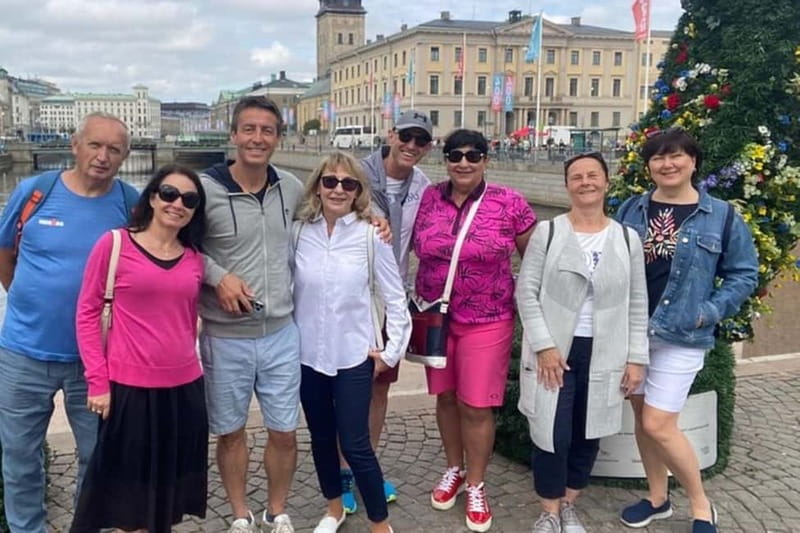
Review · HISTORY TOURS
Gothenburg: Historical Walking Tour in Central City
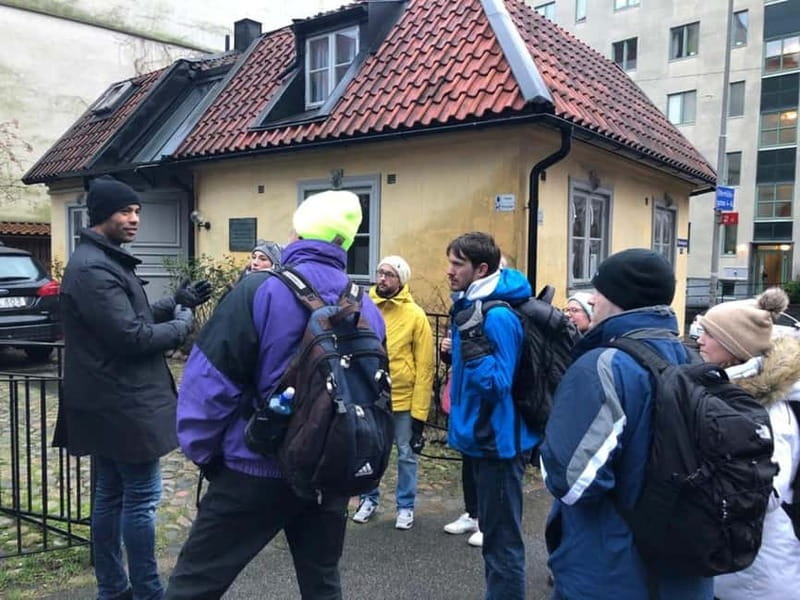
Gothenburg reveals itself best on foot, where old fortifications, market halls, canals, churches, and merchant squares sit close together. This two-hour walk with Marcus, a Gothenburg native, gives you the city’s basic story while also pointing out where to eat, drink, shop, and return later.
I like the balance between history and practical local advice. I also like that the walk includes viewpoints and less obvious corners, not just the city’s standard postcard stops. The main consideration is pace: 17 stops in two hours means short explanations rather than long visits, and some of the route may feel brisk if you prefer a slow photographic stroll.
Key points to know before you book
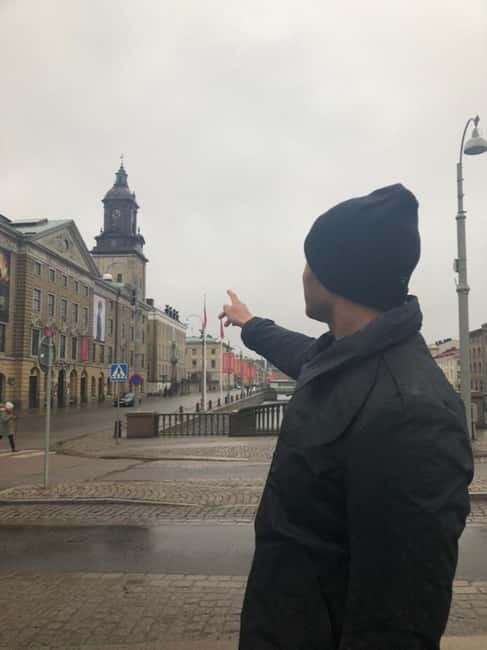
- A strong first-day orientation: Use the route to get your bearings before deciding how to spend the rest of your visit.
- Seventeen stops in two hours: Expect an overview of central Gothenburg, not extended entry time inside each sight.
- A native guide with local tips: Marcus was born and raised in Gothenburg and still lives there.
- History with food advice: The walk includes restaurants, bars, cafés, markets, and shopping streets.
- Small-group feel: Several people specifically valued the manageable group size and the chance to ask questions.
- Easy central meeting point: Begin beside the statue in Gustaf Adolfs Torg, close to Brunnsparken tram and bus station.
Why this walk works best at the start of your stay
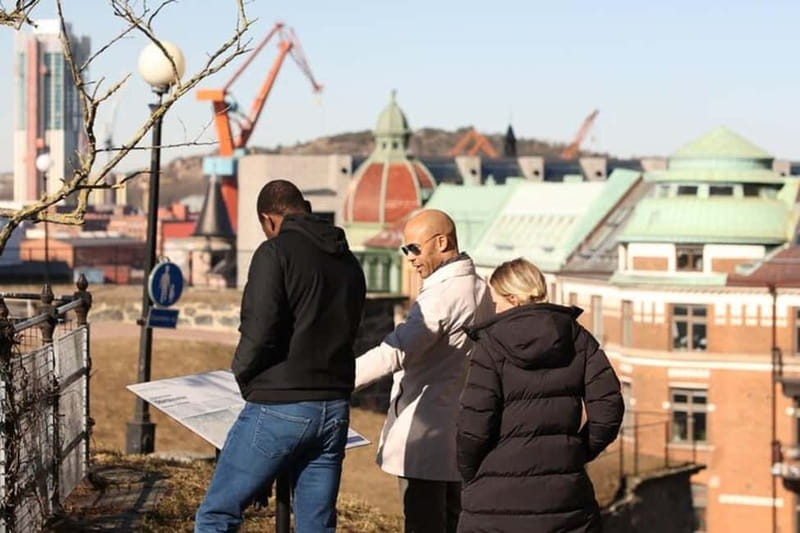
A city walk is most useful when it does more than point at monuments. This one is designed to help you decide what comes next. You get an introduction to Gothenburg’s older center, a look at its viewpoints, and a running list of places to eat and drink.
That makes the tour especially useful for a first visit or a short stay. You can mark down a market, restaurant, shopping street, or historic corner and return later with more time. One practical tip is to save locations on your phone as you go. The central area offers many choices, and it is easy to forget which café or bar caught your attention.
The guide’s local connection is a real part of the experience. Marcus was born and raised in Gothenburg and has lived there all his life. That gives the walk a present-day angle. You are not only hearing about old buildings. You can also ask what to do now, where locals go, and how to shape the rest of your visit.
The tour is offered in English or Swedish. English-speaking visitors can ask questions throughout the walk, while Swedish-speaking visitors have the same choice of language. The conversation matters here. Several people appreciated that Marcus answered questions about history, culture, current affairs, food, and everyday life rather than delivering a fixed speech and moving on.
More History Walking Tours in the world:
- History and Hauntings of Salem Guided Walking Tour
★ 5.0 · 14,564 reviews - Lisbon: History, Stories and Lifestyle Walking Tour
★ 4.8 · 10,902 reviews - Amsterdam: Life of Anne Frank and World War II Walking Tour
★ 4.8 · 10,467 reviews
Gustaf Adolfs Torg: starting in the city’s practical center
The meeting point is beside the statue in the middle of Gustaf Adolfs Torg. This is a convenient place to begin because Brunnsparken tram and bus station is nearby.
Starting here helps you understand the layout of central Gothenburg. The route later returns to the same square, so you do not need to learn a complicated end point. If you arrive early, check the square and transport connections before the group sets off.
The walk’s circular shape is useful for a first visit. You are not simply being led from one attraction to another and left in an unfamiliar neighborhood. You finish where you began, with a better sense of how the central streets connect.
German Church, Kronhuset, and Inom Vallgraven
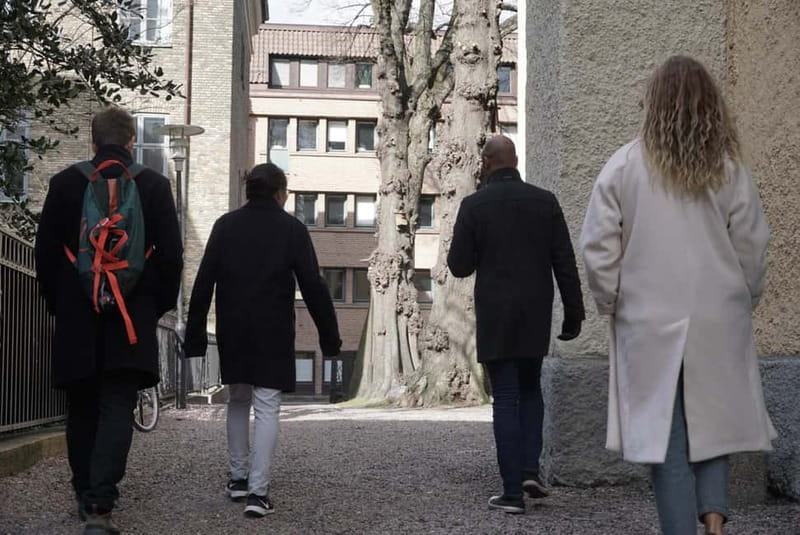
The first historic stops include the Deutsche Kirchengemeinde Göteborg, also known as the German Church, followed by Kronhuset and Inom Vallgraven.
These locations introduce the older city and its connections with trade, administration, and defense. Kronhuset is among the city’s notable old buildings, while Inom Vallgraven refers to the area within the former canal defenses. The point is not just to admire separate structures. Marcus uses them to explain how Gothenburg developed inside its old boundaries.
This is where a local guide can add value. A sign may tell you a building’s name and date, but the walk connects the name to the wider shape of the city. You begin to see why the central streets, squares, canals, and fortified remains sit where they do.
Do not expect a long indoor visit at each stop. The tour is built around walking and outdoor explanation. If your priority is detailed architectural study or extended time inside historic buildings, you will need to explore independently afterward.
Lilla Torget and the city’s old commercial character
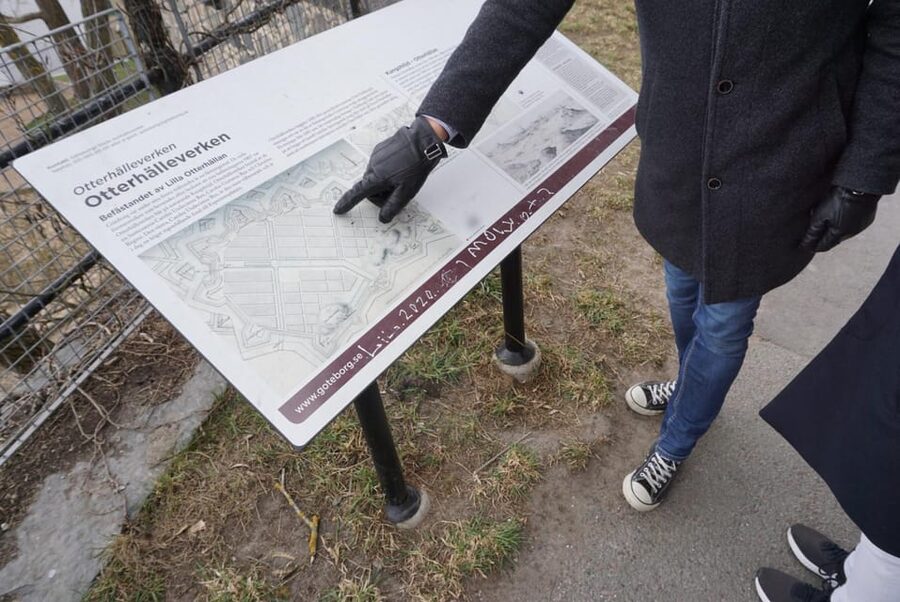
Lilla Torget is another central square on the route. Its place in the walk helps connect Gothenburg’s old urban setting with its later food and social life.
The tour does not treat history as something sealed away from the present. Marcus points out restaurants, bars, cafés, and other places to consider after the walk. That combination is useful because you can see the setting first, hear why the area matters, and then decide if you want to return for a meal or drink.
The practical value depends on your questions. Ask about the kind of food you want, the atmosphere you prefer, and how much time you have. The guide specifically invites questions about what to do and see, so this is a good part of the experience to make the advice personal rather than simply collecting a general list.
More History Tours in the world:
- Prague: Medieval Dinner with Unlimited Drinks
★ 4.4 · 19,847 reviews - Pompeii: Entry Ticket and Guided Tour with an Archaeologist
★ 4.8 · 19,459 reviews - Athens: Acropolis & up to 5 Archaeological Sites Combo Pass
★ 4.2 · 13,904 reviews - Colosseum: Underground and Ancient Rome Tour
★ 4.7 · 12,691 reviews
Victor Noblesse and Gothenburg Cathedral
The itinerary continues to Victor Noblesse and Gothenburg Cathedral. The cathedral provides one of the clearest historical and architectural reference points in the center, while Victor Noblesse adds another stop to the city’s mix of old buildings and present-day places.
The walk gives you context rather than a formal cathedral tour. You should expect Marcus to explain the importance of the place as part of the city center, then continue along the route. That works well if you want a broad introduction, but visitors who want quiet time inside the cathedral should plan a separate visit.
The pace has received praise for feeling balanced, but the schedule remains full. With 17 sights across two hours, you will spend more time listening and walking than lingering. Wear shoes suited to a city walk and leave room in your schedule for the occasional pause or question.
Drottning Kristinas Jaktslott and Carolus XI Rex Bastion

The stops at Drottning Kristinas Jaktslott and Carolus XI Rex Bastion bring the city’s royal and military past into view.
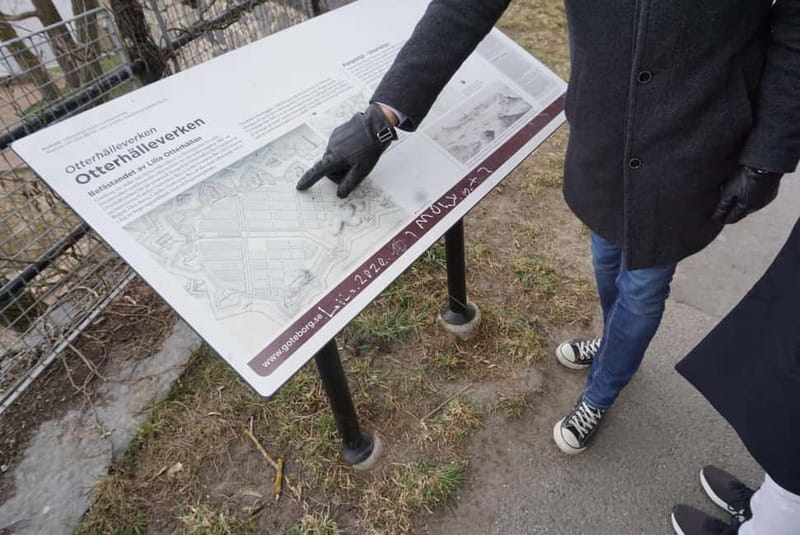
These are useful stops because Gothenburg’s story is not only about merchants and markets. The city’s position and defenses shaped its development, and fortification remains help you picture that earlier setting. Marcus’s explanations give the names meaning instead of leaving them as isolated curiosities.
The bastion stop also adds variety. After churches, squares, and commercial streets, you get a reminder that the city center once had a defensive purpose. The tour’s strength is this steady change of subject. You are not looking at one type of building for two hours.
A word of advice: pay attention to the names as well as the structures. Gothenburg has many unusual place names, and the guide’s explanation can help you remember what you saw. If a particular military or royal detail interests you, ask for more context during the walk.
Feskekôrka: a famous market stop
Feskekôrka, Gothenburg’s well-known fish market building, is one of the route’s most recognizable stops. Even if you have seen photographs, it makes more sense when placed within the city’s food culture and central geography.
This is also one of the points where the tour’s restaurant advice becomes especially relevant. Marcus shares recommendations for restaurants and bars around town, and the market stop gives you a useful reference for thinking about local food.
The itinerary lists Feskekôrka as a visit, but the experience is still a walking overview rather than a dedicated food tour. Do not book this expecting tastings or a full market meal. Instead, use the stop to learn where it is, hear its place in Gothenburg, and decide if you want to return independently.
Grönsakstorget and the Market Hall
The route then moves to Grönsakstorget and Gothenburg’s Market Hall. These stops broaden the food theme beyond one famous building.
Markets are often among the most useful places to visit early in a city stay. They show what people buy, how food fits into local life, and where you might find a meal or ingredient later. The tour does not promise tastings, so think of this as orientation and recommendation time.
I particularly like this part of the route for visitors who want more than monuments. Gothenburg’s story is tied to commerce and food, and the market stops make that connection easy to understand. They also give you options for your own plans after the tour.
The itinerary passes through Inom Vallgraven again later. That may sound repetitive on paper, but it helps reinforce the central layout. A first-time visitor often benefits from seeing how districts connect rather than being shown each street only once.
The Garden Society and views over Gothenburg
The Garden Society is passed rather than visited in detail. That distinction matters. You may see the setting as part of the route, but you should not expect a garden tour or extended time there.
The experience also includes viewpoints over the city heights. The supplied information does not specify exactly how long you spend at each viewpoint or identify every location, so treat this as a chance to see Gothenburg from above rather than a dedicated scenic excursion.
These viewpoints add breathing room to a route otherwise centered on streets and buildings. They can help you understand the city’s shape and give you a different angle for photographs. If views are your main reason for booking, ask Marcus during the tour which viewpoint you should revisit when you have more time.
Fredsgatan 6, Let’s Boat, and the return to the square
Fredsgatan 6 is another visit on the itinerary, followed by Let’s Boat as a pass-by stop. These final points keep the focus on central Gothenburg as a place people use now, not only as a collection of old sights.
The tour then returns to Gustaf Adolfs Torg. By this stage, you should have a working map of the central area, a list of places worth investigating, and a clearer idea of what deserves more time.
The end of the route is a good moment to ask for final suggestions. Marcus provides a list of recommended restaurants and bars around town, along with ideas for things to do and see. Have your interests ready. Ask about cafés, nightlife, shopping, museums, or a particular kind of meal rather than simply accepting a broad list.
What the guide does particularly well
The strongest feature is Marcus’s combination of clear historical explanation and relaxed conversation. The people who liked the tour most valued his enthusiasm, his pride in Gothenburg, and his ability to keep the mood easy while still giving facts.
He also adapts to the group. Questions are welcomed during the walk, and one account specifically noted that he checked in about comfort and accommodated a bathroom break. That does not mean the tour is completely flexible, but it suggests a guide who pays attention to the people in front of him.
Group size is another plus. The experience is described as a small-group tour, and the manageable size allows more interaction than a large city walk. In some cases, the group may be small enough to feel almost private. That cannot be guaranteed for every departure, but the format supports conversation.
A small limitation is that the tour’s value depends partly on the guide’s personal recommendations. If you want a strictly academic presentation with exact dates and long explanations at each sight, this may feel informal. If you prefer a local voice and the chance to ask practical questions, that informality is a strength.
Price, timing, and who gets the best value
The price is $50 per person for two hours. That is not the cheapest way to see a city center, especially because most stops are viewed from outside and the tour does not include meals, entry tickets, or tastings.
Still, I think the cost can make sense for a first-time visitor who wants to use a short stay well. You are paying for a local guide, a planned route through 17 sights, city views, historical context, and advice that can shape the rest of your visit. The value is highest if you follow up on the restaurant, bar, shopping, and sightseeing suggestions.
It is a particularly good fit for:
- First-time visitors who want quick orientation
- People visiting Gothenburg for only a few days
- English-speaking visitors who want a local perspective
- Anyone who likes to ask questions rather than listen silently
- Visitors interested in both history and present-day food spots
- People who want a small-group walking experience
It may be less suitable if you have limited walking ability, dislike a full two-hour route, or want long indoor visits at individual attractions. The available information does not provide a specific accessibility assessment, so ask the provider if you have mobility concerns.
You can cancel up to 24 hours before the start for a full refund, and you can reserve now and pay later. Starting times vary, so check availability when booking.
Should you book Marcus’s Gothenburg walk?
Book it if you are new to Gothenburg and want a useful introduction before choosing your restaurants, markets, bars, and other sights. The mix of 17 central stops, city views, local advice, and friendly conversation gives you a practical first look rather than a narrow monument tour.
I would schedule it near the beginning of your stay and keep the rest of that day flexible. Bring questions, save places on your phone, and treat the walk as a well-organized introduction. Skip it if you want a slow, highly detailed visit inside each attraction or a food tour with included tastings.
For most first-time visitors, the strongest reason to book is simple: Marcus can help you understand where you are and what to do next.
FAQ
Where does the Gothenburg walking tour start?
The tour starts beside the statue in the middle of Gustaf Adolfs Torg. Brunnsparken tram and bus station is nearby.
Where does the tour finish?
The walk returns to Gustaf Adolfs Torg, the same square where it begins.
How long does the tour last?
The walking tour lasts two hours.
How many sights are included?
The route includes 17 listed stops, visits, or pass-by points around central Gothenburg.
What languages does Marcus speak during the tour?
The tour is offered in English and Swedish.
Who leads the tour?
The guide is Marcus, who was born and raised in Gothenburg and still lives there.
Does the tour include restaurant recommendations?
Yes. Marcus points out restaurants, bars, cafés, and other food spots during the walk, then provides a list of recommended restaurants and bars at the end.
Does the tour include viewpoints?
Yes. Viewpoints over the city are included as part of the experience.
Does the tour include food or drink?
The available information lists restaurant and bar advice, but it does not state that food, drinks, or tastings are included.
Can I cancel the booking?
You can cancel up to 24 hours in advance for a full refund. You can also reserve and pay later, subject to the booking terms.
Just added around the world
- Scenic Train ride to historical cities of Morretes and Antonina★ 4.0 · 188 reviews
- 6-Day Cultural Tour to Machu Picchu★ 5.0 · 76 reviews
- Jewish Heritage of Curacao★ 4.5 · 68 reviews
- The Curacao’s Colorful History Walking Tour★ 5.0 · 55 reviews
- Discover Scuba Diving Amathounta’s Ancient Port★ 5.0 · 30 reviews
- Olous – Guided Snorkelling Excursion to Discover Olous Sunken Ancient City★ 4.5 · 31 reviews
- Night Walking Tour of Medieval Cuenca★ 5.0 · 64 reviews
- WWII – The Battle of Crete Day Tour★ 5.0 · 103 reviews