
Review · BUDAPEST
Jewish Heritage / Full tour
The most powerful part of this Budapest walk is the contrast between living city streets and places marked by murder and loss. You move from the Dohány Street Synagogue and its cemetery to the Shoes on the Danube, then consider how Hungary remembers its wartime past today.
I like the small-group format and the chance to talk openly about Jewish life in Hungary now, not only the events of World War II. I also like the guide Edith’s personal approach, clear English, and willingness to shape the walk around your questions. The main catch is cost: the $80.86 tour price does not include the synagogue’s €26 entrance fee, and the subject matter can be emotionally heavy.
Key points at a glance
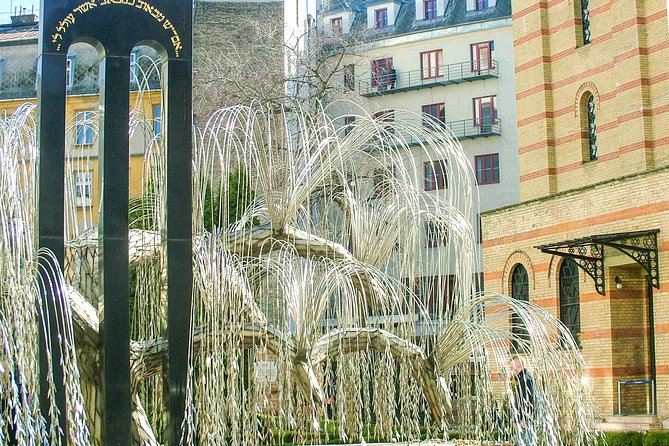
- Dohány Street Synagogue anchors the tour: See the synagogue, cemetery, Emmanuel Tree memorial, and Raoul Wallenberg Memorial Garden.
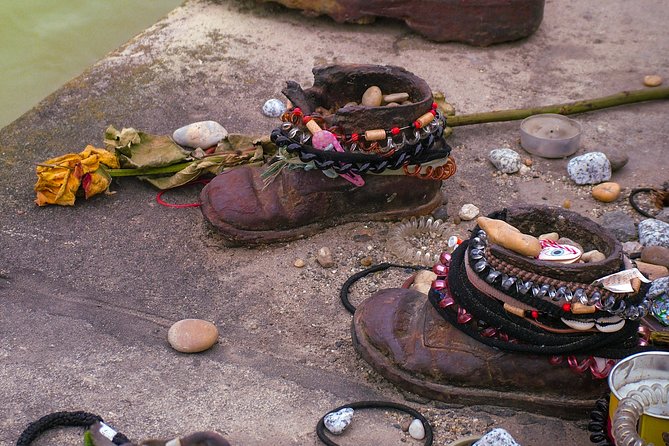
- The Shoes on the Danube is brief but powerful: Allow time to pause at this riverbank memorial to Jews murdered in 1944 and 1945.
- Edith brings personal context: She combines Hungarian Jewish history with reflections on life in Budapest across the past 70 years.
- The tour connects past and present: The Jewish district now includes street art, nightlife, ruin bars, and functioning synagogues.
- Plan for extra admission cost: The guided experience costs $80.86 per person, while Dohány Synagogue admission is listed separately at €26.
- Three hours fits neatly into a busy day: You get a focused history walk without giving up an entire morning or afternoon.
Why this walk matters in Budapest
Budapest’s Jewish quarter is not a museum frozen in time. It is a working part of the city, with synagogues, memorials, cafés, street art, nightlife, and streets that once held large Jewish communities. That mix gives this tour more weight than a simple list of historic buildings.
You will hear about Hungarian Jewish life before World War II, the destruction of the Holocaust, the postwar and Soviet years, and Jewish life in Hungary today. The guide is encouraged to make the experience a discussion, so you can ask about difficult subjects rather than simply listen to dates.
I find that approach especially useful in Budapest. Memorials here do not all tell the same story, and some remain the subject of public argument. A good guide helps you understand both the event being remembered and the debate surrounding the memorial itself.
The experience is offered in English and lasts about three hours. It is short enough to fit beside a museum visit, thermal bath, or evening meal, but long enough to connect several important sites.
More Jewish Heritage Tours in Budapest:
- Budapest Jewish Heritage Memorial Walking Tour & Synagogue Entry
★ 5.0 · 568 reviews - Budapest: Jewish Heritage Guided Tour with Synagogue Ticket
★ 4.8 · 533 reviews - Budapest: Jewish History Guided Walking Tour with Historian
★ 4.8 · 205 reviews
Meeting near Deák Ferenc tér
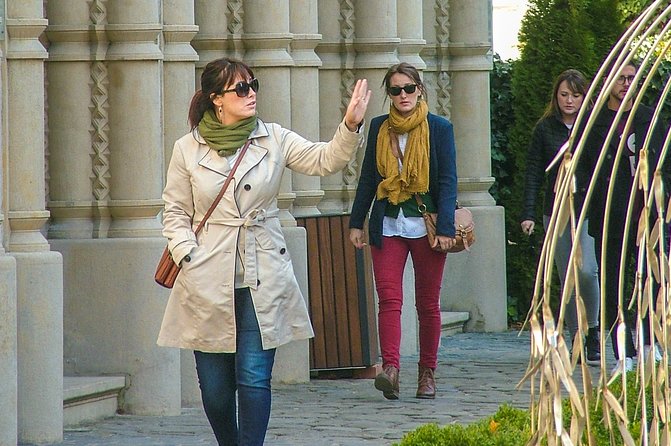
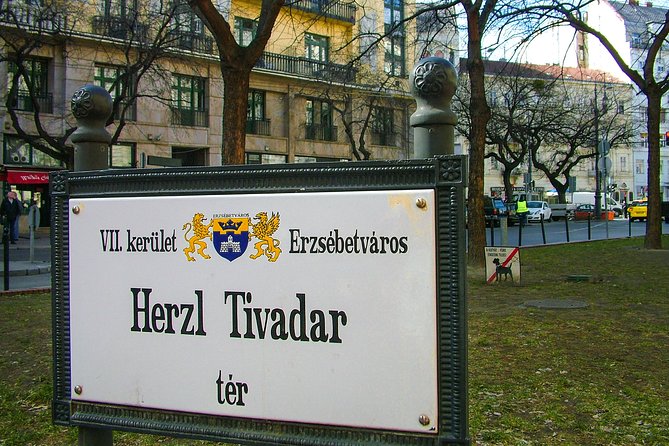
The walk begins at Deák Ferenc tér, a central Budapest meeting point. The tour ends at Dohány Street Synagogue, at Dohány u. 2, in the heart of the Jewish district.
This start and finish make practical sense. Deák Ferenc tér is near public transportation, and finishing beside the synagogue leaves you in one of the city’s most useful areas for a meal, a café, street art, or evening entertainment. The tour itself does not include transportation, though some past outings have used walking and the rapid transit system when needed.
Pay close attention to the meeting instructions you receive. Edith has been praised for giving clear directions and confirming the meeting place, which matters in a busy central square with several churches, streets, and transit exits nearby.
The group is intended to be small and personal. The main description says a maximum of ten people, while the additional booking information gives a maximum of 13. Either way, this is not designed as a large coach outing. The smaller format gives you a better chance to ask questions and hear the guide clearly.
Dohány Street Synagogue and the Jewish quarter
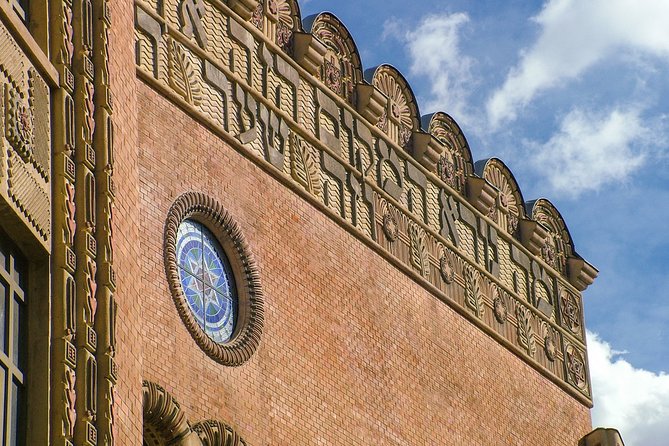
The tour spends about two hours around the Dohány Street Synagogue and the surrounding Jewish district. This is the longest section, and rightly so. The synagogue complex offers several separate points of interest rather than one quick photo stop.
Dohány is described as the second-largest synagogue in the world and the largest in Europe. Its scale alone is striking, but the wider complex gives the visit its emotional force. You may see:
- The main synagogue building
- The Jewish cemetery
- The Raoul Wallenberg Memorial Garden
- The Emmanuel Tree memorial
- The surrounding streets and former community spaces
- A second functioning synagogue from the outside
The cemetery inside the complex is particularly important. It is not simply a quiet patch of ground beside a grand building. Its presence reflects the terrible conditions of the Budapest ghetto during the Holocaust, when many people died within the city rather than being transported away.
The Emmanuel Tree, established by Tony Curtis, is one of the best-known memorials in Budapest. Its metal leaves carry names connected with Jewish victims. You will want time here, not just a quick look before moving on.
The Raoul Wallenberg Memorial Garden honors the Swedish diplomat who helped save Hungarian Jews during the final months of the war. The guide can place his work within the larger story of rescue efforts, persecution, and the choices made by individuals during a period of state-backed violence.
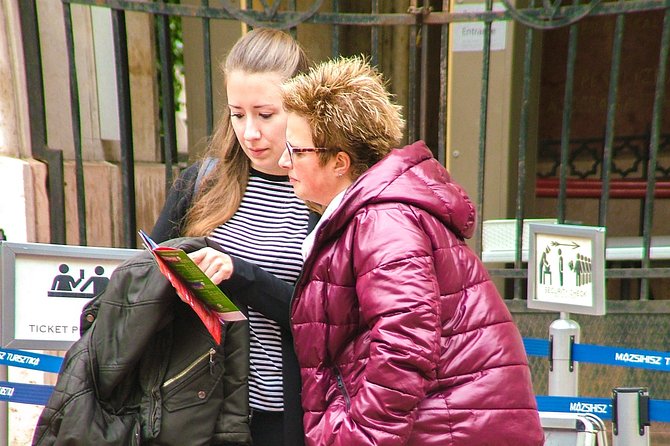
Admission to the synagogue is not included. The listed entrance fee is €26 per person, in addition to the $80.86 tour price. That makes the total cost noticeably higher than the headline figure, so budget for both before booking.
The synagogue can also be visited independently, but the guide adds context that a self-guided visit may not provide. Edith has been praised for explaining cultural details, answering questions patiently, and using photographs and personal stories to make the sites easier to understand.
Streets with a present-day Jewish life
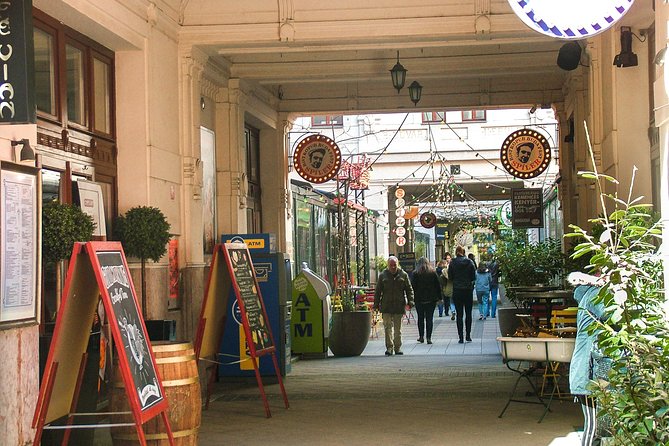
The walk does not treat the Jewish district as a memorial zone only. You will also see an area known for street art and nightlife, including the famous ruin-bar scene.
That contrast is worth noticing. A building may carry memories of a vanished community, while the street outside is filled with restaurants, bars, murals, and young people. The area’s current life does not erase the past. It shows that Budapest’s Jewish quarter is still part of the city’s daily rhythm.
The tour also includes an outside look at another functioning synagogue. This helps distinguish the district’s active religious life from its memorial sites. The exact amount of time spent there can depend on the group’s interests and the pace of discussion.
I like this part of the route because it keeps the experience from becoming too narrow. You learn about loss, but you also see that Jewish life in Hungary is not only a subject from history books.
More History Tours in Budapest:
- Budapest: Historic Cruise with Welcome Drink
★ 4.7 · 6,512 reviews - Budapest Historical Sightseeing – Free Walking Tour
★ 5.0 · 1,302 reviews - Buda Castle District Dark History, Legends and Vampire Night Tour
★ 4.5 · 1,240 reviews - Budapest: Sir Lancelot Medieval Dinner with Drink and Show
★ 4.1 · 1,155 reviews
Shoes on the Danube Bank
The stop at the Shoes on the Danube takes about 15 minutes and is free to visit. It is one of Budapest’s most affecting memorials.
The bronze shoes represent Jewish men, women, and children who were shot beside the river by members of the Hungarian Arrow Cross in 1944 and 1945. Victims were ordered to remove their shoes, which had value, before they were killed and left to fall into the Danube.
The memorial is simple. There are no large statues or grand walls. The empty shoes along the water make the absence of the victims impossible to ignore.
Fifteen minutes is enough for a focused visit, but you may want to linger. This is not a stop to rush through while taking photographs. Edith’s role is valuable here because the site’s meaning can be explained without turning it into a dry historical lecture.
The riverbank location also places the memorial within the modern city. Boats pass, pedestrians walk nearby, and Budapest continues around it. That ordinary setting can make the memorial feel even more direct.
The German Invasion memorial and a continuing argument
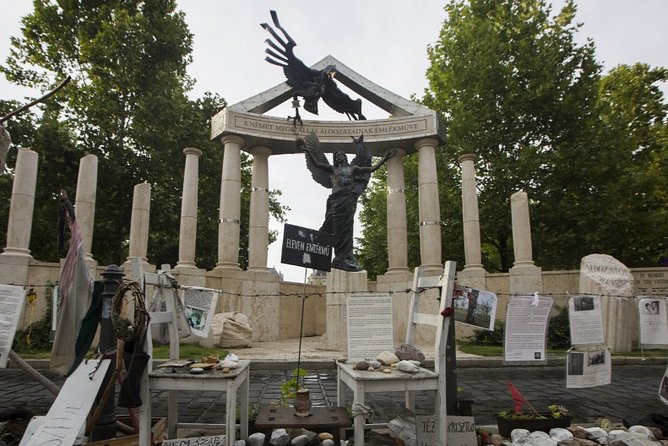
The final listed stop is the Memorial to the Victims of the German Invasion, another short visit of about 15 minutes. It is one of Budapest’s most controversial public memorials.
The monument presents Hungary as a victim of German aggression. The objection, as explained on the tour, is that this version gives too little attention to the role of the Hungarian state and Hungarian authorities in the persecution and murder of Jews. Most of the people represented by the memorial’s victims were Jewish.
The memorial was erected at night and guarded by police, and public protest has continued since its installation. Informational materials and counter-memorial items have been placed in front of it.
This stop is valuable because it shows that historical memory is active and political. You are not merely looking at an old monument and accepting its message. You are examining how a country presents responsibility, suffering, and national identity.
The tour’s open discussion format suits this location. Edith has been praised for handling difficult questions and for sharing personal reflections on Hungary and Budapest over several decades. That can help you see the difference between a government-approved story and the wider historical record.
Edith’s guiding style
The guide is a major part of the experience. Edith has received repeated praise for her clear English, warmth, punctuality, and command of Hungarian Jewish history.
What matters most is not simply how many facts she can recite. She explains why places matter, responds to questions, and connects large events with personal stories. You can expect discussion of Jewish culture, the Holocaust, Soviet influence, postwar Hungary, and Jewish life today.
Several tour experiences have been tailored around individual interests and physical limits. That does not guarantee a private tour, but it does suggest that the small format allows some flexibility. Edith has also helped with directions and public transportation when needed.
The personal element is central. She has shared family stories and reflections on Budapest over the past 70 years, which can make the history feel close rather than abstract. At the same time, you should be comfortable with a guide who encourages serious conversation. This is not a light sightseeing loop.
Is $80.86 good value?
The price is $80.86 per person, with the Dohány Synagogue entrance fee of €26 extra. For a three-hour activity, the total is not cheap, especially for couples or families.
I would judge the value by the kind of visit you want. If you only need directions between the synagogue and memorials, you can see several of these places independently for less. The added cost pays for the guide’s explanation, route planning, historical context, and the ability to ask questions in a small group.
The price makes more sense if you care about Jewish history, want help interpreting contested memorials, or prefer a focused introduction early in your Budapest stay. Edith’s personal connection and clear communication are also part of the value.
The tour is booked an average of 75 days ahead, so planning early is sensible if your dates are fixed. Confirmation is provided within 48 hours, subject to availability.
Who should take this tour?
I would recommend it to first-time visitors who want a serious introduction to Budapest’s Jewish heritage without spending an entire day on the subject. It also suits returning visitors who saw the main synagogue before but want more context about the district, memorials, and present-day Jewish life.
It is a good match for:
- People interested in Holocaust history and remembrance
- Visitors who prefer a small group and conversation
- Anyone who wants help understanding Budapest’s disputed memorials
- Families with older children who can engage with difficult subjects
- Visitors who want a short morning or afternoon activity
- People who value a guide with a personal connection to the subject
You should think twice if you want a fast photo walk, dislike emotionally difficult history, or need every cost included in the advertised price. The €26 synagogue admission is an important extra, and the tour’s subject requires attention and respect.
The route includes walking, though the exact pace can be adjusted to some extent. Most people can participate, and service animals are allowed. It is near public transportation, but transportation itself is not included.
Should you book it?
Book this tour if you want Budapest’s Jewish quarter explained rather than simply photographed. The strongest parts are the Dohány complex, the Shoes on the Danube, and the discussion of how Hungary remembers its past. Edith’s clear English, personal stories, and ability to answer questions add real value.
Skip it if you only want the lowest-cost way to enter the synagogue or see the memorials. For everyone else, the three-hour format is well judged, and the small-group setting gives this difficult subject the time and care it deserves.
Free cancellation is available up to 24 hours before the start time. Changes or cancellations inside that window are not refunded, and poor weather can lead to a new date or full refund.
FAQ
How long does the Jewish Heritage tour last?
The tour lasts approximately three hours.
What language is the tour offered in?
The experience is offered in English.
Is admission to Dohány Street Synagogue included?
No. The synagogue entrance fee is listed separately at €26 per person.
Where does the tour begin?
The tour begins at Deák Ferenc tér in Budapest.
Where does the tour end?
It ends at Dohány Street Synagogue, Dohány u. 2, Budapest.
Is transportation included?
No. Transportation is not included, though the tour is near public transportation and may involve walking or use of the rapid transit system.
How many people can join the tour?
The tour description gives a maximum of ten people, while the additional booking information lists a maximum of 13. It is designed as a small-group experience.
Can I cancel for a full refund?
Yes. You can cancel at least 24 hours before the start time for a full refund. Cancellations or changes made less than 24 hours before the start time are not refunded.
Just added around Budapest
- Time Machine Budapest Historical Exhibition Ticket★ 5.0 · 32 reviews
- Budapest Jewish Heritage: Synagogues, Shoes, Secrets & Flódni★ 5.0 · 47 reviews
- Michael Jackson History Exhibition Ticket★ 5.0 · 42 reviews
- Private Jewish Heritage Tour including Hotel Pickup★ 4.5 · 35 reviews
- Jewish Heritage in Hungary with a Historian★ 5.0 · 37 reviews
- Communist History Evening Walking Tour of Budapest★ 4.5 · 23 reviews
- Budapest Paddle Steamer Danube Cruise with Tokaj & Audio Guide★ 4.5 · 338 reviews
- Budapest Historic Downtown Bicycle Tour in small groups★ 5.0 · 288 reviews
Budapest History Tours, compared.
Budapest Historical Sightseeing – Free Walking Tour
Read our review →
Buda Castle District Dark History, Legends and Vampire Night Tour
Read our review →
Budapest: Sir Lancelot Medieval Dinner with Drink and Show
Read our review →
BloodThirsty Hungary: Walking tour & Dark Historical Stories
Read our review →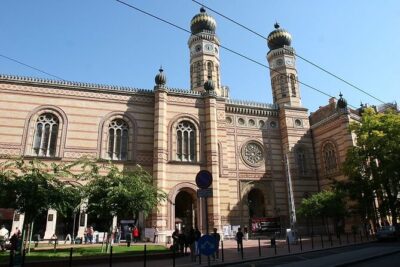
Budapest Jewish Heritage Memorial Walking Tour & Synagogue Entry
Read our review →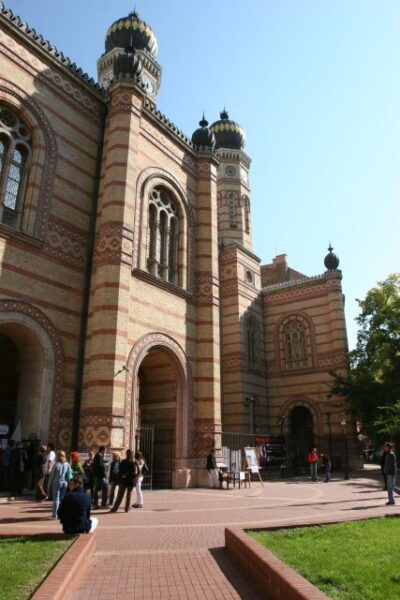
Budapest: Jewish Heritage Guided Tour with Synagogue Ticket
Read our review →
Budapest Paddle Steamer Danube Cruise with Tokaj & Audio Guide
Read our review →Browse the lists this tour appears in