Review · USA
Kona Tour: Bee Farm, Kona Coffee, and National Historical Parks
Kona’s best stories are spread along the coast, and this small-group tour ties many of them together in one long, well-filled day. You’ll search for turtles and monk seals, walk through sacred Hawaiian sites, watch bees at work, and finish among Kona coffee trees with lunch and a hot cup of coffee.
I like the mix of real history and farm visits, rather than a day made up only of photo stops. I also like the minivan format, capped at 12 people, because guides such as Dreu, Kai, Oni Oni, and Nick have room to explain the island instead of simply pointing out windows. The tradeoff is time: seven hours, plenty of driving, and enough walking to leave you tired by the end.
Key points to know before booking
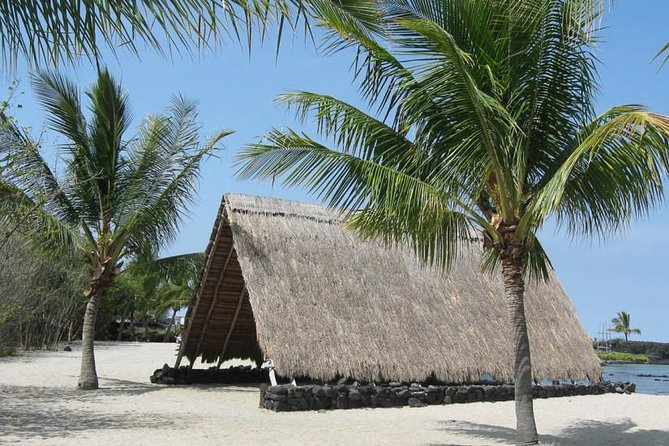
- Look for sea turtles at Honokohau Beach: The first stop combines shoreline views with fishponds, seawalls, temples, and petroglyph areas.
- Two national historical parks: You’ll visit Kaloko-Honokohau and Pu’uhonua o Honaunau, with guided context about Hawaiian law, worship, and coastal settlement.
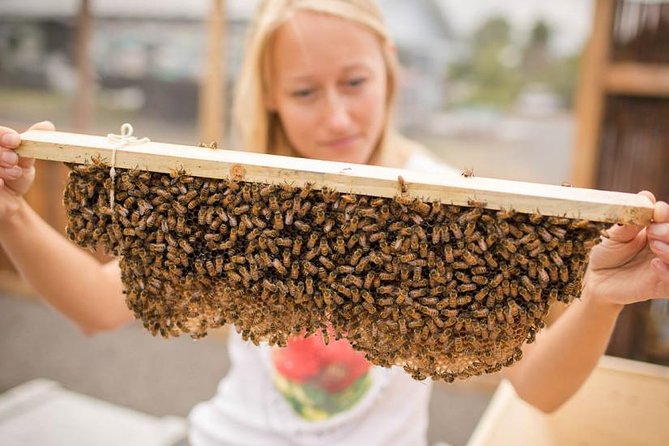
- Honey tasting at Big Island Bees: A beekeeper presentation and protected hive viewing make this more than a quick gift-shop stop.
- Coffee orchard visit with lunch: At Bay View Farm, you’ll see how Kona coffee is grown, harvested, milled, and roasted, then eat overlooking Kealakekua Bay.
- Small van, personal guiding: The maximum group size is 12, and past guides including Dreu, Kai, and Oni Oni have been praised for strong storytelling.
- A full-day value calculation: At $198.17 per person, the price includes transport, admissions, food, water, honey, coffee, and a guide, but not gratuity.
Why this Kona day works
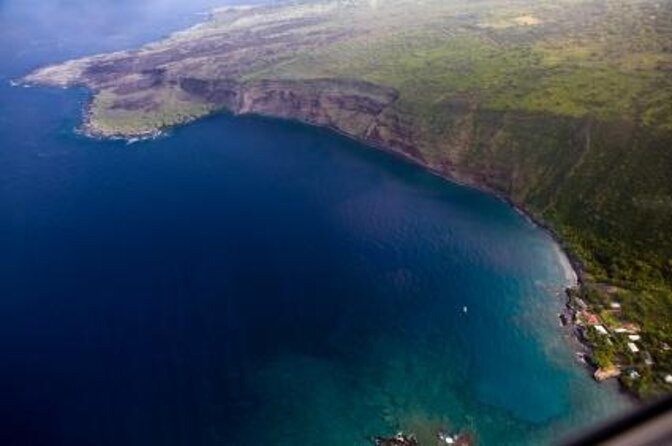
Many Big Island visitors see Kona as a string of beaches and resort roads. This tour gives you a better sense of how the western coast fits together. You begin near the modern Kona resort area, pass through places tied to ancient Hawaiian life, visit farms that still shape the local economy, and finish in the uplands where Kona coffee grows.
The route also has a useful rhythm. The first half leans toward shoreline history and Hawaiian culture. The middle brings in Captain Cook and beekeeping. The final stop shifts uphill into coffee country, with cooler mountain air, orchard views, lunch, and a cup of locally grown coffee.
That variety is the main reason I’d consider this tour. You are not spending seven hours on one theme. You get nature, cultural sites, food, and a guide’s running explanation of what you are seeing.
The main limitation is that the day is packed. Some stops are short, including about 15 minutes at Kealakekua Bay. If you want long beach time, an extensive coffee workshop, or a slow visit at each historical site, this format may feel rushed. If you want a broad introduction to the Kona side of the island, the pace makes sense.
A few more history tours around the USA worth a look
- Kona Shore Excursion: Sea Turtles, Historic Kona & Coffee
★ 4.5 · 324 reviews - Coffee, History, and Architecture of the French Quarter
★ 4.9 · 71 reviews - Colima Volcano Cultural Tour: Coffee Plantation, Hacienda and Comala Magic Town
★ 5.0 · 30 reviews
Kaloko-Honokohau and the search for turtles
Your day begins with hotel pickup from Kona or the Kohala Coast, followed by a drive to Kaloko-Honokohau National Historical Park. The park’s coastal setting is attractive, but the human story is the real point.
Your guide explains how abundant sea life supported Hawaiian settlements for centuries. You’ll see or hear about handmade fishponds and seawalls, then follow a trail toward sacred temples and petroglyph areas among the black rocks.
The planned visit lasts about 40 minutes. That is enough time for a guided introduction and a shoreline walk, but not an extended exploration of the whole park. Wear closed-toe shoes, as requested, and expect uneven ground and sun exposure.
Honokohau Beach brings the wildlife element. You’ll look for green sea turtles surfacing near shore, and you might spot a Hawaiian monk seal resting on the sand. Wildlife sightings are never promised, so treat them as a bonus rather than the reason to book the day.
One practical point deserves attention. Access to the petroglyph area can change. A February 2025 visit was affected when a park ranger did not allow the group to reach the expected petroglyph location, and the operator later issued a partial refund. That does not make the park a poor stop, but it does show that conditions and park rules can alter the plan.
Kona’s historic core and Kealakekua Bay
The route continues through Kona, where you’ll see landmarks such as Mokuaikaua Church, identified as the oldest Christian church in Hawaii. This is a quick historical look rather than a dedicated walking tour of every downtown building, so listen closely while your guide connects the site to the wider story of Kona.
Farther south, the group pauses at Kealakekua Bay. The stop lasts about 15 minutes, giving you time for a scenic view and an explanation of Captain James Cook’s arrival and death at the bay. You’ll also hear about the ancient village that occupied the area when Cook first arrived.
This brief stop works best for people who enjoy historical context from a guide. It is not designed as a long swim, snorkel, or shoreline outing. The value comes from understanding why this particular bay mattered before and during European contact.
The guides are a major part of this section. Dreu has been singled out for his explanations of Big Island geology and history. Kai has been praised for adding enough detail to make the sites feel connected, while Oni Oni has been remembered for his stories and friendly manner. Names and guide assignments can change, but the company’s strongest days clearly depend on having a guide who treats the van ride as part of the tour, not dead time.
Big Island Bees and the working farm visit
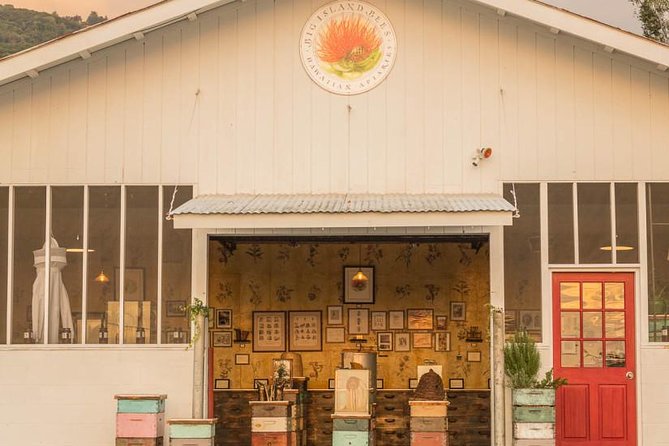
At Big Island Bees, you’ll spend about an hour learning how organic honey is produced. The farm has been making honey since 1972, and a beekeeper explains the tools and methods used to harvest it.
The most interesting part is the protected viewing area, where you can see an open hive with thousands of bees working inside. You’ll also sample raw organic honey and hear why bees matter to a healthy ecosystem.
This stop is a good change of pace. It is hands-on without requiring you to handle the insects, and the tasting gives the visit a clear local-food angle. The beekeeper presentation has been especially well received, in part because it combines practical information with humor.
You should keep your expectations realistic. One past visitor felt the public portion looked more like a small demonstration area and gift shop than a full working operation, with only a few hives visible. I would describe it as an educational farm visit, not a large-scale agricultural tour. If you want a close look at beekeeping and a chance to taste several kinds of honey, it fits. If you expect to walk through a huge production facility, it may seem modest.
Same city, a different century:
- History and Hauntings of Salem Guided Walking Tour
★ 5.0 · 14,564 reviews - Charleston’s Old South Carriage Historic Horse & Carriage Tour
★ 5.0 · 10,023 reviews - Beneath The Streets Underground History Tour
★ 4.5 · 8,006 reviews - Big Island in a Day: Volcanoes Waterfalls Sightseeing and History
★ 5.0 · 6,569 reviews
Pu’uhonua o Honaunau and the city of refuge
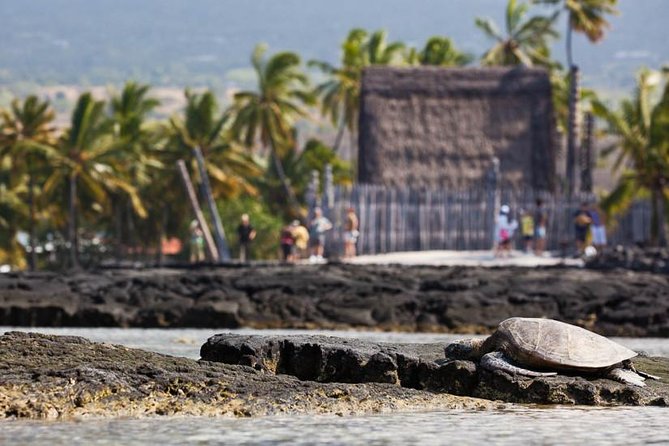
The most powerful historical stop is Pu’uhonua o Honaunau National Historical Park. The guided walk lasts about an hour and explains how this seaside place served as a city of refuge.
Under the ancient kapu system, breaking certain laws could bring severe punishment. A person who reached the pu’uhonua and was absolved by a priest could return to society. That simple explanation gives the site a clear purpose and helps you understand why location, sacred space, and political authority mattered so much in old Hawaii.
The tour also helps put the coastal setting in context. This was not an isolated monument dropped into an empty field. It was part of a functioning Hawaiian community, with religious and social rules tied closely to the sea and the surrounding land.
Bring water and wear shoes suited to walking. The tour includes a narrated walk rather than a vehicle-only visit, and the day includes several outdoor stops. Visitors with a moderate level of fitness should manage it, but you may want to book this earlier in your vacation rather than after several demanding activity days.
Kona coffee, lunch, and the cooler uplands
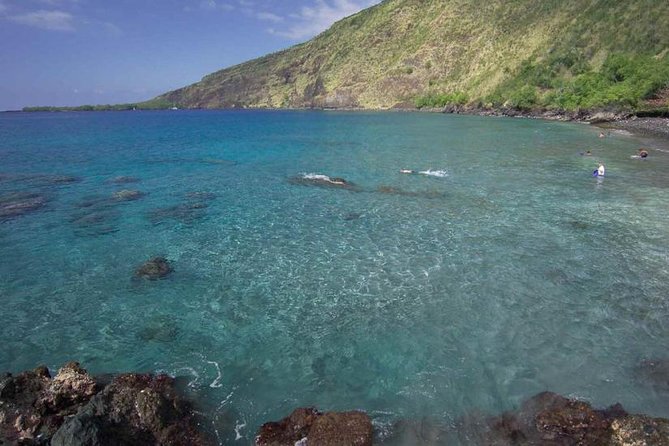
The final major stop takes you uphill into the Kona coffee belt at Bay View Farm. After the coastal heat, the mountain air and possible mist can feel refreshing.
You’ll walk through coffee orchards and learn how the beans are grown, picked, processed, milled, and roasted. This step-by-step explanation is useful because Kona coffee’s price and reputation make more sense once you understand how much work goes into producing it.
You’ll also sample Kona-grown coffee and eat a picnic-style lunch overlooking Kealakekua Bay. Lunch, snacks, bottled water, honey, coffee, and admissions are included, which matters at this price. You are not being asked to pay separately at every stop or organize your own midday meal.
The coffee visit appears to balance orchard time with production information. One past account described the farm as a good mix of actual groves and processing. That makes it more useful than a simple tasting counter, though the exact order of the walk, lunch, and tasting can vary.
Coffee lovers should note one limit: this is an introduction, not a specialist roasting course. You’ll learn the full path from tree to cup, but the tour still has several other major stops to cover.
Is $198.17 a fair price?
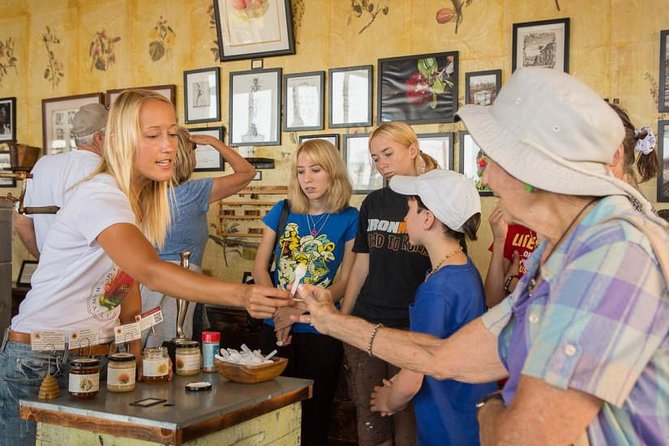
At $198.17 per person, this is not a cheap sightseeing outing. It becomes easier to justify when you count what is included: round-trip transport from Kona or Kohala hotels, a professional certified guide, park admissions, lunch, snacks, bottled water, honey tasting, and coffee tasting.
You also avoid renting a car and planning a route that covers several distant sites. The driver handles the long coastal connections, while the guide provides commentary between stops. For a first Big Island visit, that convenience has real value.
The price is harder to defend if you mainly want one national park, a long beach stop, or a deep coffee-farm visit. A rental car could give you more freedom and more time at individual places, though you would need to handle driving, parking, navigation, and your own interpretation of the sites.
The small maximum of 12 helps. You are not being moved around in a large coach, and a good guide can respond to questions. The strongest feedback has centered on guides who add geology, history, and local stories throughout the day. If your guide is someone with the style of Dreu, Kai, Oni Oni, or Nick, the commentary can be a major part of the value.
Who should book this tour?
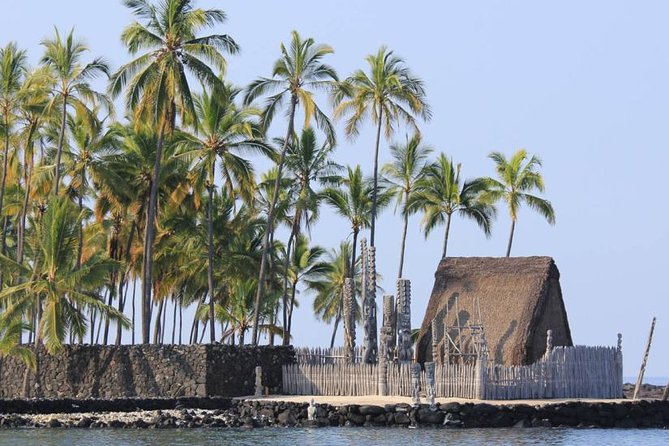
I’d recommend it to first-time Big Island visitors who want a broad view of Kona without driving themselves. It suits couples, families with children over age five, and friends who enjoy a full day mixing history, food, and outdoor stops.
It is especially useful if you are staying in Kona or along the Kohala Coast and want hotel transport. Cruise ship visitors can also arrange pickup at Kona Pier, but the port-call risk deserves attention. If a ship cancels its Kona visit because of high swells, the tour operator’s standard policy may not provide the same full refund that a cruise-line excursion would. Consider travel insurance and read the cancellation terms before booking.
This is not the best choice for very young children, since children under five cannot participate. It may also disappoint anyone seeking a slow, private, highly specialized experience. The day is designed to show you many sides of Kona, not to linger at one place.
Book at least 24 hours ahead if your plans are firm. You can cancel for a full refund up to that point, while later cancellations and changes are not refunded. The tour runs in all weather conditions, although poor weather can lead to a date change or full refund if the operator cancels.
Final call
Book this tour if you want one organized day that connects Kona’s coast, Hawaiian history, honey, coffee, wildlife, and lunch. Its best feature is the combination of places, with a small van and a guide who can make the drive useful.
Skip it if you want a leisurely beach day, a long coffee tasting, or complete control over your schedule. For most first visits, though, the included transport and wide range of stops make the $198.17 cost reasonable, especially when the guide brings the sites to life.
FAQ
How long does the Kona tour last?
The experience lasts approximately seven hours, including transportation between the coastal, historical, honey, and coffee stops.
Where does hotel pickup take place?
Pickup is available from major hotels and resorts in Kona and along the Kohala Coast. Vacation-rental visitors are directed to a nearby hotel or specified meeting point.
Can cruise ship visitors join the tour?
Yes. Pickup is available from Kona Pier, so the tour is suitable for cruise ship visitors. A ship’s port call can still be affected by sea conditions, so check the cancellation terms before booking.
What is the maximum group size?
The tour has a maximum of 12 travelers and uses a minivan.
Are meals and tastings included?
Yes. The price includes a picnic-style lunch, snacks, bottled water, honey tastings, and Kona coffee tastings.
Are park admission fees included?
Yes. Admission to Pu’uhonua o Honaunau National Historical Park is included, and the Kaloko-Honokohau stop lists no separate admission charge.
Are children allowed on the tour?
Children under five years old are not allowed to participate. All other children must meet the tour’s general physical requirements.
What should I wear?
Wear closed-toe shoes and summer clothing. You should also be prepared for walking outdoors and for changing conditions, including possible mountain mist near the coffee farm.
Just added around the USA
- Red Rocks Amphitheatre Historical Walking Tour★ 5.0 · 74 reviews
- 1-Hour Segway Tour of Cheyenne Cañon Art, History and Nature★ 5.0 · 36 reviews
- Colorado Springs – Guided Walking Ghost / History Tour★ 5.0 · 168 reviews
- Ancient Landscapes Private Geology Hike at Garden of the Gods★ 5.0 · 31 reviews
- Village Food Tours Lunch & History Tour★ 5.0 · 80 reviews
- 2.5 Hour Kayaking with Manatee and History Tour in Tarpon Springs★ 5.0 · 24 reviews
- Safety Harbor Ghost Tour★ 5.0 · 60 reviews
- Historical Bicycle Tour of Dunedin★ 5.0 · 44 reviews
USA History Tours, compared.
History and Hauntings of Salem Guided Walking Tour
Read our review →
Charleston’s Old South Carriage Historic Horse & Carriage Tour
Read our review →
Boston: Freedom Trail History Small Group Walking Tour
Read our review →
Historic Charleston Guided Sightseeing Walking Tour
Read our review →
Savannah History and Haunts Candlelit Ghost Walking Tour
Read our review →
Tour of Historic Fenway Park, America’s Most Beloved Ballpark
Read our review →