
Review · HISTORY TOURS
Longyearbyen: Historic Coal Mine Tour at Gruve 3
Gruve 3 gives you a rare look at the hard, practical work that built Longyearbyen. You walk through a mine shut down in 1996, see its old machinery, and enter a narrow production tunnel where coal was once cut from a thin seam. The guide’s stories make the cold, dark work easier to picture.
I especially like the hands-on format and the clear link to modern Svalbard. You do not just look at mining tools behind a barrier. You put on an overall, wear a helmet and headlamp, and crawl into a low tunnel if you choose. The stop near the Global Seed Vault also connects coal mining with the island’s later scientific and storage projects.
The main drawback is the footing and confined space. The mine has uneven ground, old cross-ties, and a tunnel only about 60 centimeters high. It is not suitable for wheelchair users or people with mobility limits, and anyone with claustrophobia should think carefully before booking.
Key points to know before you go
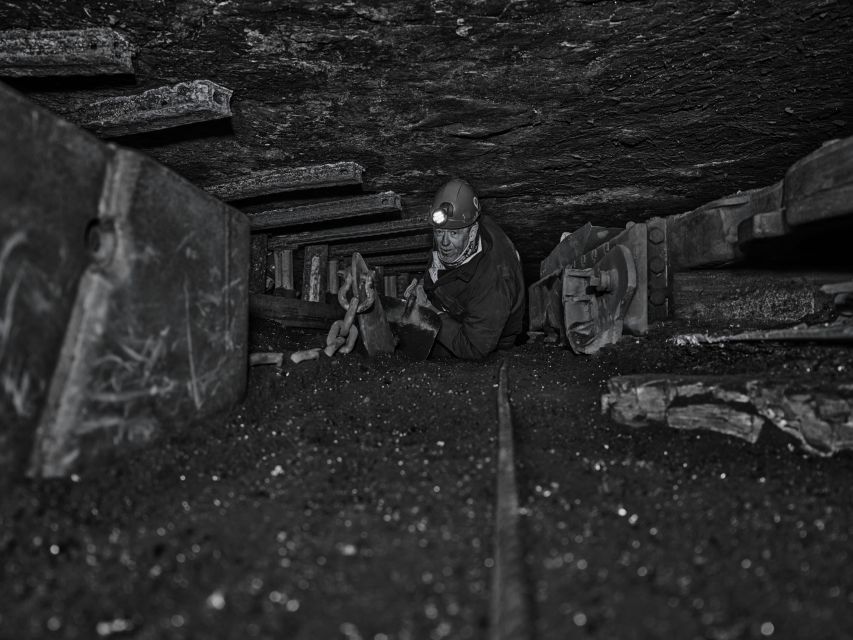
- The old production tunnel is optional: You can crawl through a section about 60 centimeters high to get a real sense of thin-seam mining.
- Almost 800 meters of mine walking: The tour enters the main tunnel and three side tunnels, so sturdy footwear and warm clothing matter.
- Guides bring the mine to life: Camilla, Anders, Caroline, Michael, Sophie, and others have been praised for clear explanations, humor, and strong personal storytelling.
- Gruve 3 links past and present: The mine helped inspire the first Svalbard seed bank, opened here in 1984, before the Global Seed Vault was built nearby.
- The $120 price buys a full half-day outing: Transport, hotel pickup, equipment, and a three-hour tour are included, but food and drinks are not.
- This is an active physical visit to an old mine: Expect darkness, cold underground air, uneven ground, and restricted spaces rather than a polished museum walk.
Why Gruve 3 matters to Longyearbyen
Longyearbyen can seem like a base for Arctic adventures, but coal is the reason the settlement exists in its present form. This tour gives you the backstory beneath the restaurants, hotels, and expedition boats.
The mine shows how men came north about a century ago, often for dangerous work in severe conditions. The guide explains why coal mattered, how the settlement developed, and why mining shaped daily life in Svalbard. That context makes the town feel less like a remote tourist outpost and more like a working community with a hard industrial past.
Gruve 3 was the last mine in Longyearbyen to use thin-seam production. That means coal was extracted from a relatively narrow layer, forcing miners to work close to the ground in cramped conditions. A mine model helps explain the process before you see the actual tunnels.
I find this useful because the model gives you a mental map. Once underground, it is easy to see only rock, rails, timber, and old equipment. The model shows how the tunnels related to one another and how the coal was reached.
More History Tours in the world:
- Prague: Medieval Dinner with Unlimited Drinks
★ 4.4 · 19,847 reviews - Pompeii: Entry Ticket and Guided Tour with an Archaeologist
★ 4.8 · 19,459 reviews - History and Hauntings of Salem Guided Walking Tour
★ 5.0 · 14,564 reviews
From your hotel to the mine entrance
Pickup is included from many central locations in Longyearbyen, including Svalbard Hotell Polfareren, Funken, Gjestehuset 102, Basecamp Hotel, the harbour, Radisson Blu Polar Hotel, Svalbard Turistinformasjon, Coal Miners’ Cabin, Mary-Ann’s Polarrigg, and Svalbard Hotell The Vault.
Choose your pickup point carefully when booking. Wait outside or just inside the main entrance, since the guide comes to find you. The vehicle ride is short, but it saves you a walk to an outlying facility and makes this a simple activity to fit into a busy Svalbard schedule.
The drive also passes the Global Seed Vault. You do not tour the vault itself, but the stop in the story is important. The first seed bank on Svalbard opened in Mine 3 in 1984, using the stable permafrost and requiring no electricity for storage. That early idea helped lead to the Global Seed Vault nearby.
This is one of the tour’s best connections. Coal mining and seed storage may seem like unrelated subjects, but both depend on Svalbard’s cold ground. The mine is not just a relic of one industry. It also forms part of the story behind one of the world’s best-known Arctic storage projects.
Orientation, maps, and a miner’s working world
Inside the facility, the guide starts with an introduction to Longyearbyen and Svalbard. Maps help you understand the settlement, the mine’s place outside town, and the wider setting.
The opening talk is worth paying attention to. It gives you the historical framework before the physical part begins, and it explains why people accepted such difficult working conditions. Guides such as Camilla and Anders have been praised for combining clear information with humor, while Caroline has been noted for her friendly delivery and personal connection to the mining story.
The best guides do more than list dates. They explain how coal was extracted, how miners moved through the workings, and why thin-seam production required such cramped positions. If you have questions, this is a good time to ask them, before the headlamps become your main source of light.
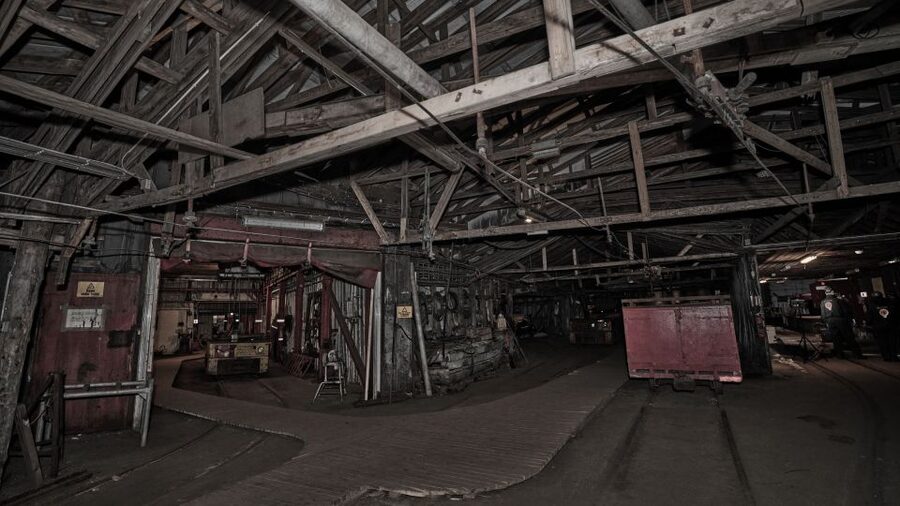
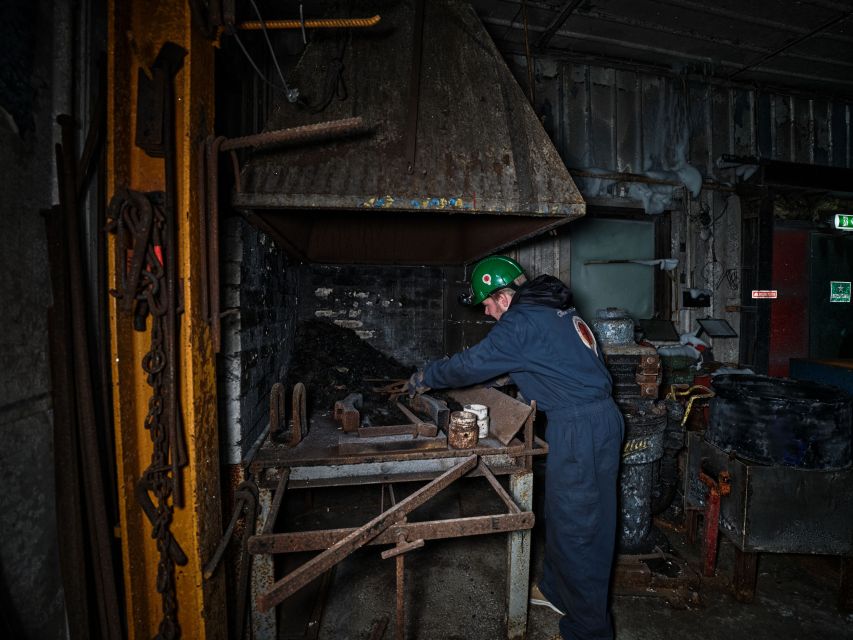
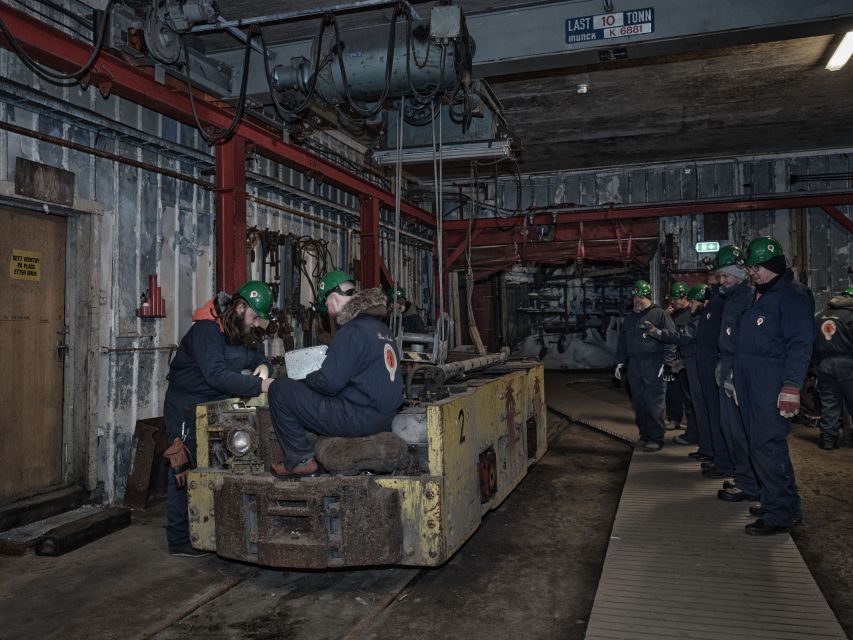
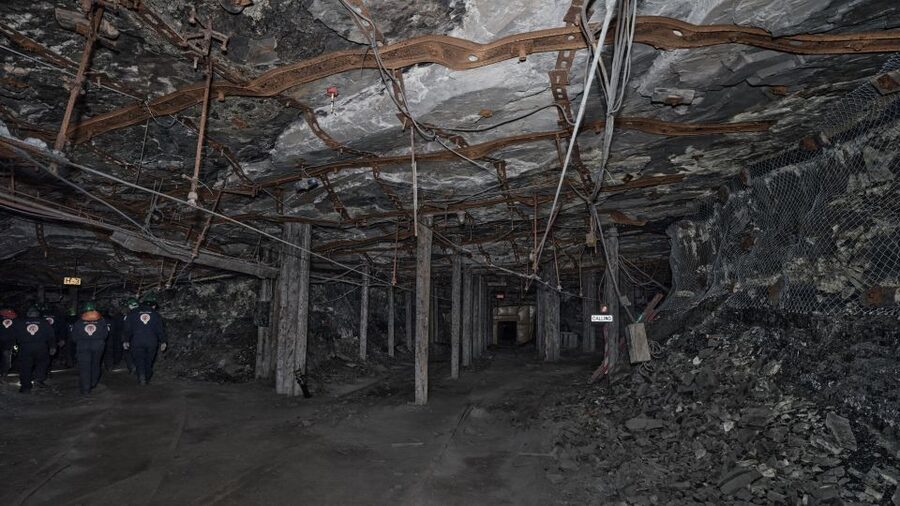
You then see workshops, tools, and machinery left behind when Gruve 3 closed in 1996. The equipment gives the mine a strong industrial character. It is not a recreated display designed to look old. Much of what you see was part of the working operation.
Putting on the gear and crawling into the stope
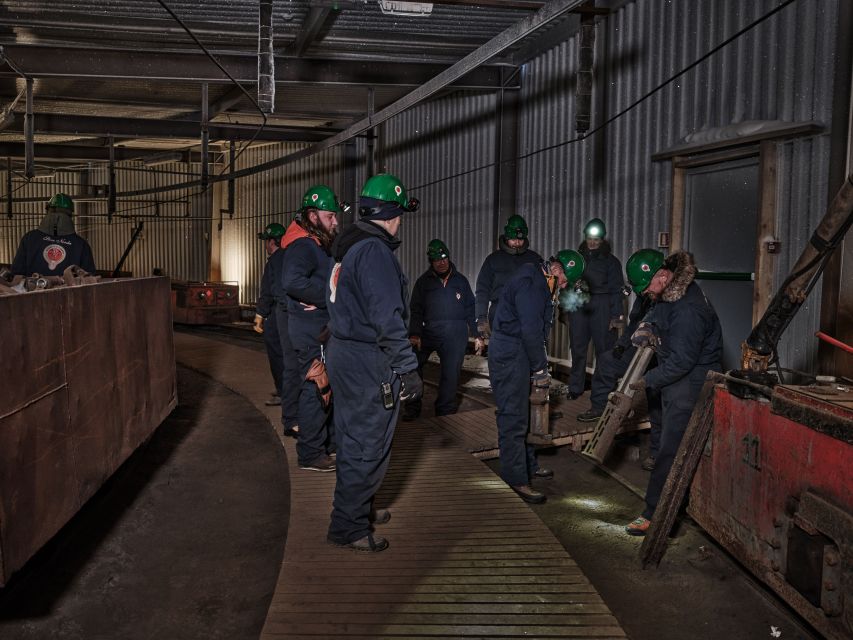
The tour provides a miner’s overall, helmet, and headlamp. Warm clothing remains your responsibility, and you should take that advice seriously. Several parts of the visit are underground, where it can feel cold even if conditions outside Longyearbyen are mild.
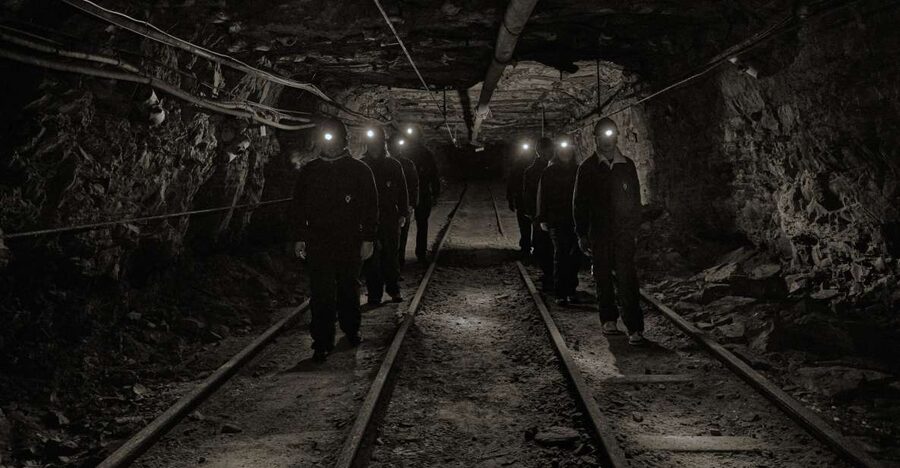
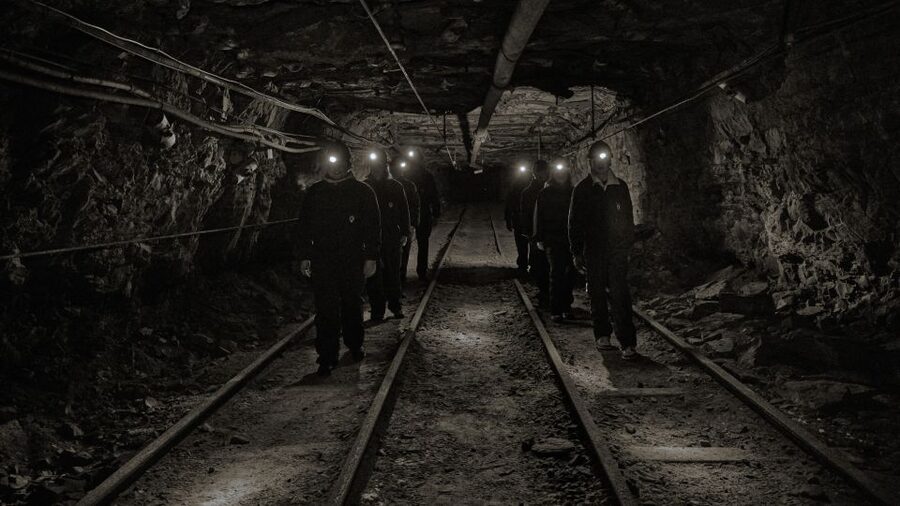
The helmet and lamp are not just safety items. Once the group moves into darker sections, the beam from each lamp becomes part of the experience. One guide keeps the lighting limited to helmet lamps, which helps you understand how dependent miners were on small pools of light while working.
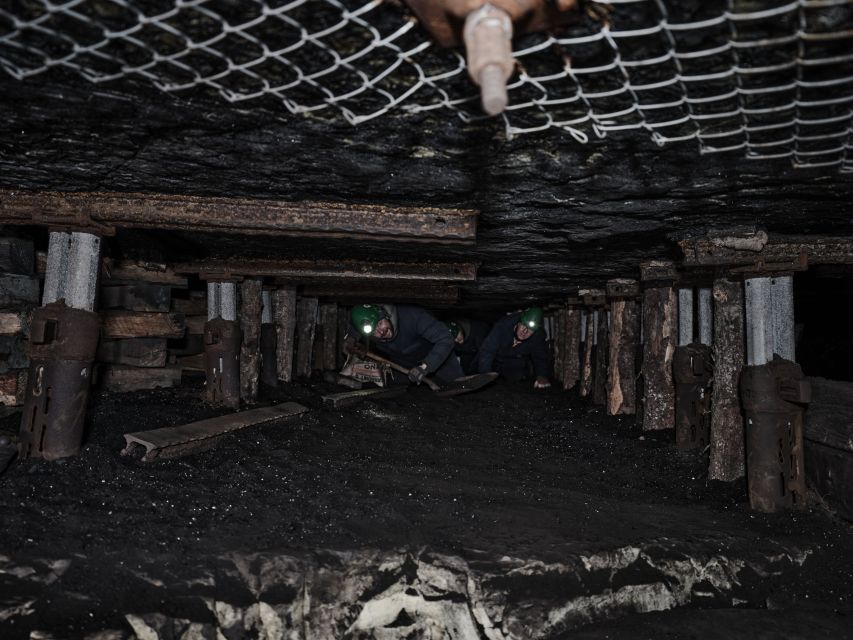
The optional crawl is the most physical and memorable part. You can enter an old production tunnel, sometimes described as a stope, that is roughly 60 centimeters high. You may need to move on hands and knees, and the space is genuinely tight.
You do not have to crawl if you would rather stay out. That choice is important because the rest of the tour still offers plenty to see. But if you are comfortable with confined spaces, the crawl gives you a much sharper sense of the miners’ working position than a talk or photograph could provide.
This is also where the tour earns its price for me. You are not being asked to imagine an abstract hardship. You feel the awkward posture, the restricted view, and the need to work close to the floor. The experience remains safe for visitors, but the conditions make the original work easier to respect.
Same city, a different century:
- Athens: Acropolis & up to 5 Archaeological Sites Combo Pass
★ 4.2 · 13,904 reviews - Colosseum: Underground and Ancient Rome Tour
★ 4.7 · 12,691 reviews - Pompeii: Small Group Tour with an Archaeologist
★ 4.8 · 12,264 reviews - Lisbon: History, Stories and Lifestyle Walking Tour
★ 4.8 · 10,902 reviews
Nearly 800 meters through the old mine
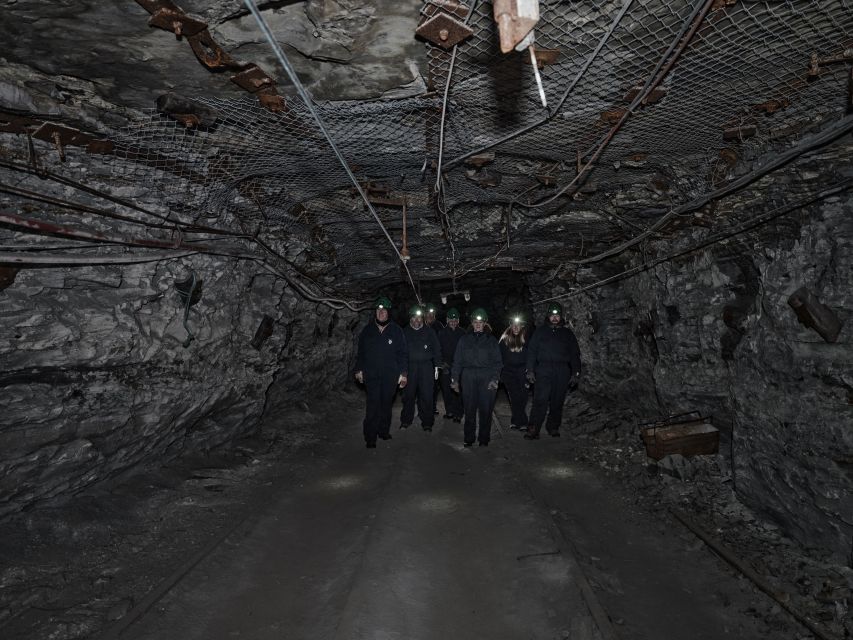
Toward the end, the group walks almost 800 meters into the mine and enters three side tunnels. The route follows the main tunnel excavated in the 1970s.
Expect an uneven surface, old cross-ties, and sections that require careful footing. One visitor specifically found the walking tough because of the uneven ground, especially for older legs. That is a fair warning. This is not a smooth museum corridor, and you should wear sturdy, comfortable shoes.
The mine’s scale becomes clearer as you walk farther in. Workshops and machinery show the practical side of the operation, while the side tunnels show how the workings spread into the rock. The changes in width and height help you understand why coal mining required strength, patience, and constant attention.
The tour does not promise a vast underground expedition, and one person would have preferred more walking. Still, almost 800 meters, three side tunnels, the workshop areas, and the optional crawl make this a substantial visit for a three-hour activity.
Your headlamp creates a focused view rather than a broad one. You see a tool, timber support, or wall of rock as the guide discusses it, then continue into darkness. That limited visibility is useful rather than frustrating, since it gives you a small taste of the working conditions.
The guides make the difference
The strongest part of this activity is the guiding. The tour has been led by Camilla, Anders, Caroline, Michael, Sophie, and others, and the consistent praise centers on their ability to explain the mine in a lively, human way.
Camilla is described as bringing the miners’ story back to life, with personal experience that adds weight to the explanation. Anders is known for humor and lively commentary. Caroline has been praised for her warmth and clear grasp of the history, while Michael received particular praise for explaining how the mine worked and how miners used the narrow workings.
Guide quality matters more here than at many sightseeing stops. A mine can easily become a collection of dark corridors and abandoned machinery. A strong guide tells you what each space was for, how people worked there, and why the design made sense.
You should also expect different personalities. Some guides focus more on historical explanation, while others add more humor and personal stories. The common thread is practical knowledge and an effort to make the old workings understandable.
What $120 gets you
At $120 per person, this is not the cheapest short activity in Longyearbyen. The value depends on how much you want to understand the settlement rather than simply see Arctic scenery.
The fee includes hotel pickup and drop-off, transportation, a three-hour mine tour, an English or Scandinavian-speaking guide, helmet, and headlamp. You do not need to arrange transport to the mine or rent the basic safety equipment. Food and drinks are not included, so eat beforehand or carry what you need within the tour rules.
I think the price is reasonable if you value a guided, historical experience with real access to an old mine. The equipment, transport, and extended underground route add up to more than a quick stop at a small museum. It is also a useful backup when weather cancels a boat or RIB outing, since much of the activity takes place indoors.
The value is weaker if you dislike history, industrial sites, or physical walking. You are paying for explanation and atmosphere, not dramatic wildlife, open views, or a fast-paced adventure.
Who should book, and who should skip it
This tour suits you if you want to understand why Longyearbyen developed, enjoy unusual museums, or like experiences that let you handle and enter historic spaces. It works well for solo visitors and groups, and the included pickup makes it easy to fit around other activities.
It is also a good choice for anyone curious about the contrast between old industry and modern Svalbard. The Global Seed Vault connection gives the mine a second layer, tying permafrost technology to both coal storage and seed preservation.
Think twice if you have limited mobility. The route includes uneven ground and cross-ties, and the activity is specifically unsuitable for wheelchair users and people with mobility impairments. Claustrophobia is another serious concern, even though the narrow crawl is optional. Warm clothing is essential, and alcohol and drugs are not allowed.
The three-hour duration is long enough to feel worthwhile without taking up an entire day. With ten pickup and drop-off locations, you can usually choose a point near your accommodation, but remember to select one when booking.
How to get the most from your visit
Wear warm layers that allow you to move easily. You will put on a miner’s overall, so bulky clothing may feel awkward, while too little clothing will leave you cold underground.
Use shoes with firm soles and good grip. The old mine has uneven ground, and the most interesting sections are not designed like a modern visitor center.
Listen closely during the opening explanation. The maps and mine model will make the later walk far easier to follow. If you only focus on the equipment, you will miss the larger story of settlement, work, and technological change.
Finally, decide in advance how you feel about the crawl. You can skip it, but knowing that it is optional removes some pressure. If you do enter, move slowly and follow the guide’s instructions.
Should you book Gruve 3?
Book this tour if you want the human story behind Longyearbyen, not just an Arctic photo stop. The abandoned machinery, thin-seam model, 1970s tunnel, seed-bank connection, and optional crawl create a layered experience that is both educational and physical.
Skip it if uneven ground or tight spaces would make you uncomfortable. For most able-bodied visitors who dress warmly and enjoy history, Gruve 3 is one of the most useful ways to understand why Longyearbyen is here at all. The reported score of 4.8 from 401 ratings fits the experience: the mine is interesting, but the guides are what make it memorable.
FAQ
Where does the Gruve 3 tour begin?
Pickup is available from listed hotels, guesthouses, the harbour, and Svalbard Turistinformasjon in Longyearbyen. You must choose a pickup location when booking and wait outside or just inside its main entrance.
How long does the activity last?
The full activity lasts three hours. The guided mine visit itself takes about two and a half hours, with transportation included.
Is transport included?
Yes. Hotel pickup and drop-off, as well as transportation to and from Mine 3, are included.
What equipment is provided?
You receive a helmet and headlamp for safety. A miner’s overall is also used during the visit. You need to bring warm clothing.
Do I have to crawl through the narrow tunnel?
No. The crawl into the old production tunnel is optional. The space is about 60 centimeters high, so you can skip it if you do not want to enter.
Is the tour suitable for people with mobility impairments or claustrophobia?
No. The tour is not suitable for people with mobility impairments or wheelchair users, and it may not suit people with claustrophobia. The mine has uneven ground, cross-ties, and confined spaces.
Just added around the world
- 3 Hour Whiskey and History Tour★ 5.0 · 152 reviews
- Private Nightlife Tour in Denver: Culture, History, and Cocktails★ 5.0 · 48 reviews
- Downtown Denver History & Highlights – Small Group Walking Tour★ 5.0 · 285 reviews
- Denver – Capitol Hill Guided Walking Ghost / History Tour★ 4.5 · 75 reviews
- Delphi: Archaeological Site & Museum Ticket with Audio★ 3.5 · 24 reviews
- Tip Based: Capitol Hill History & Ghost Tour★ 5.0 · 34 reviews
- 1-Hour Thunderball WWII Adventure Jet Skiing in Darwin★ 5.0 · 70 reviews
- Bombing of Darwin World War II Tour with Harbour Cruise★ 4.5 · 219 reviews