
Review · USA
Memphis 2-Hour Historic Walking Tour: Beyond Beale
Memphis reveals its split personality on this walk: polished old-Southern city on one block, rough river town on the next. You’ll follow stories of cotton money, gamblers, gangsters, the Civil War, and Dr. Martin Luther King Jr.’s last march, then watch the famous Peabody ducks make their daily entrance.
I like the way the tour gets beyond the usual Beale Street focus, and I like its practical mix of views, streets, parks, and major historical sites. Guides such as Kate, Shannon, Mary, and Charlie have been praised for clear storytelling and friendly answers. The main drawback is timing: the duck ceremony takes a fixed slice of the tour, and one group found the final approach rushed.
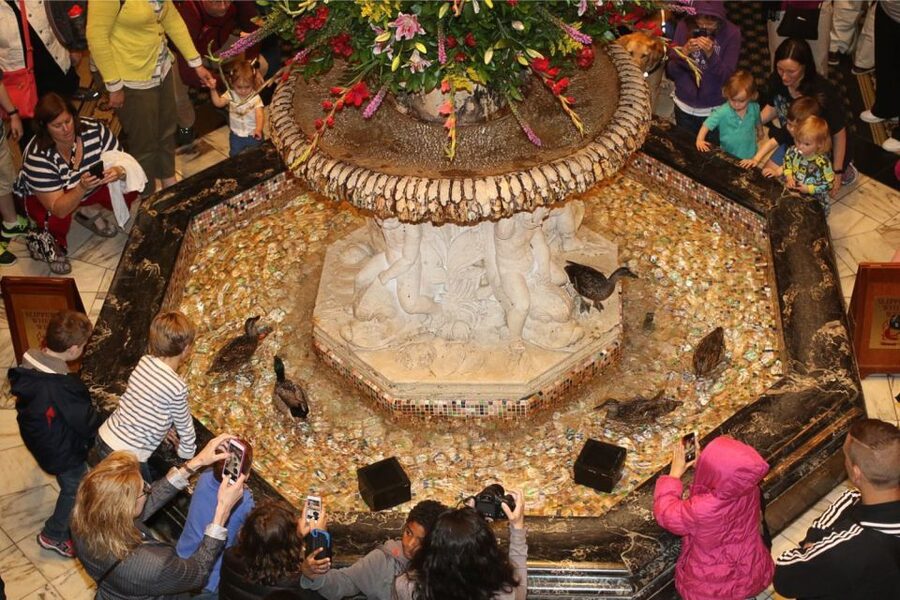
- The Peabody Duck March: Watch a Memphis tradition that has been part of the hotel’s daily routine since 1933.
- A wider view of downtown: See Court Square, Cotton Row, Main Street, and Fourth Bluff Park.
- Civil War connections: Visit places tied to the Battle of Memphis and Forrest’s Raid.
- Memphis at street level: Walk through Deadman’s Alley and the route of Dr. Martin Luther King Jr.’s last march.
- A rooftop perspective: Gain a higher view over the city during the walk.
- A useful first-day orientation: Two hours gives you a clear framework for exploring downtown on your own.
Why This Walk Goes Beyond Beale Street

Beale Street is Memphis’s famous calling card, but it is only one piece of the city. This tour turns your attention toward older streets, civic spaces, river views, cotton commerce, military conflict, and the people who shaped Memphis.
That broader view matters. You’ll hear how Memphis could be both refined and unruly, a city of grand hotels and river trade as well as rough characters and hard living. The tour does not treat Memphis as a single-note music destination. Instead, it connects the city’s past with the streets you are walking through now.
I would use this as an early activity in a Memphis visit. It gives you names, locations, and stories that make later sightseeing easier. After two hours with a guide, you’ll have a better sense of where the downtown core sits, how the riverfront relates to the city, and which places deserve a closer look.
The price is $32 per person. That is a fair deal if you want a live guide and a clear introduction to several parts of downtown. You are paying for interpretation, not admission tickets or transportation, so the value depends on how much you enjoy walking and listening to local stories.
Starting Inside the Peabody Memphis

The meeting point is inside the Peabody Memphis lobby, near the Concierge Desk. Arrive 15 minutes early. This is not a curbside pickup, and there is no hotel transportation included, so give yourself enough time to enter the hotel, find the lobby, and check in with the guide.
Starting at the Peabody makes practical sense. The hotel is one of the city’s best-known landmarks, and it provides a clear indoor meeting place. It also sets up the tour’s most distinctive scheduled moment, the Peabody Duck March.
The guides named in the feedback include Kate, Shannon, Mary, and Charlie or Charley. Their styles differ, but the repeated strengths are easy to identify: clear explanations, patience with questions, good local stories, and an approachable manner. If you enjoy asking questions, this is the sort of tour where doing so can add a lot.
The group size can affect how well you hear. One group of 16 had trouble with the microphone, especially when the guide turned up the volume and the sound became scratchy. If you have difficulty hearing, stay fairly close to the guide and speak up early rather than waiting until the group is spread out.
More History Walking Tours in the USA
- History and Hauntings of Salem Guided Walking Tour
★ 5.0 · 14,564 reviews - Boston: Freedom Trail History Small Group Walking Tour
★ 5.0 · 6,450 reviews - Historic Charleston Guided Sightseeing Walking Tour
★ 5.0 · 6,216 reviews
Seventy-Five Minutes Through Downtown Memphis
The main walk lasts about 75 minutes before the return to the Peabody. That is enough time to cover a good section of downtown without turning the activity into an all-day march.
Expect a steady walking pace with stops for stories and sightseeing. Comfortable shoes are essential. The route includes streets, parks, historic areas, and a rooftop viewpoint, so the appeal comes from changing settings rather than from one long indoor presentation.
Your guide’s job is to tie each place to Memphis’s larger story. A square is not just a square. A street is not just a route between attractions. The strongest part of the tour is the way individual sites help explain the city’s changes over time.
Court Square and Memphis’s Civic Side

Historic Court Square shows you a more formal side of Memphis. It fits the story of the city as an old Southern center shaped by business, public life, and cotton wealth.
This stop is useful because it gives you a contrast with the rougher tales that come later. Memphis has never been only one thing. The polished civic face and the rowdy river-town character developed side by side, and the guide uses places such as Court Square to make that contrast clear.
Pay attention to how the guide describes the people connected to the city, not only the buildings. The tour focuses on characters and events, which helps keep the walk from becoming a list of dates and architectural labels.
Fourth Bluff Park and the Mississippi River
At Fourth Bluff Park, you get a view toward the Mississippi River. This is one of the tour’s best changes of pace. After walking through downtown streets, the open riverfront helps you understand Memphis’s physical setting.
The river is not just a scenic backdrop here. It helps explain why Memphis developed as a trading city and why river traffic shaped its fortunes and reputation. The tour’s old stories of riverboats, cotton money, roughnecks, gamblers, and gangsters make more sense when you pause and look out from the bluff.
The view also gives you a good photo opportunity. Bring a camera, as recommended, but do not expect a long sightseeing break. This remains a walking tour, so the stop is part of a moving story rather than a leisurely waterfront visit.
Same city, a different century:
- Charleston’s Old South Carriage Historic Horse & Carriage Tour
★ 5.0 · 10,023 reviews - Beneath The Streets Underground History Tour
★ 4.5 · 8,006 reviews - Big Island in a Day: Volcanoes Waterfalls Sightseeing and History
★ 5.0 · 6,569 reviews - Charleston Horse-Drawn Carriage Tour: Explore Historic Charleston
★ 5.0 · 3,561 reviews
Civil War Sites With Local Context
The route includes locations tied to the Battle of Memphis and Forrest’s Raid. These stops add a serious layer to the tour and show how military events affected the city.
You will not be covering every Civil War detail in two hours. That is not the purpose. Instead, the guide places specific events on the downtown map and explains how Memphis fits into the period being discussed.
I like this approach because it keeps the history connected to real ground. You are not only hearing about a conflict in the abstract. You are standing at places where the city’s wartime story unfolded. If Civil War history is a main interest, treat these stops as an introduction and allow extra time elsewhere for more specialized sites.
Cotton Row and the Business of Memphis

Walking through Cotton Row brings you into the commercial story of Memphis. Cotton helped shape the city’s wealth, status, and connections to the river.
This portion of the walk is especially useful for anyone who has seen the grander side of Memphis but wants to understand where its money came from. The guide links trade and commerce with the city’s social character, helping explain why Memphis could look genteel while also operating as a hard-edged river port.
The tour does not ask you to admire the past uncritically. Its appeal comes from showing the city’s contradictions. Cotton wealth, river trade, public pride, and rough behavior all belong to the same Memphis story.
Deadman’s Alley and the City’s Rougher Reputation
Deadman’s Alley shifts the tone. The name alone prepares you for a darker, less polished part of the city’s past.
This is where the tour’s two-sided portrait of Memphis becomes most entertaining. The guide moves from formal squares and commercial history to stories of violence, vice, and colorful local characters. The details help explain why Memphis earned a reputation as a place where respectable appearances and unruly behavior could exist close together.
Do not expect a long stop at every location. The value comes from the connection between sites. One story leads to another, and the route keeps you moving through the downtown core.
Main Street and Dr. Martin Luther King Jr.’s Last March
Main Street gives the tour another way to connect past and present. Here, the focus includes Dr. Martin Luther King Jr.’s last march, bringing the civil rights story into the same downtown setting as the older tales of cotton and river trade.
This is an important part of the experience because it keeps Memphis’s history from becoming a collection of colorful anecdotes. The city’s past also includes moments of injustice, protest, leadership, and loss. Hearing about King’s last march while standing along the route gives the subject a direct sense of place.
The guide’s delivery matters here. A good explanation needs to be clear and respectful, with enough context to show why the event remains important. The named guides have been praised for answering questions and explaining Memphis in a way that connects earlier events with the city today.
The Peabody Duck March: Charming, Crowded, and Timed

The Peabody Duck March is the tour’s most unusual feature. The tradition dates to 1933, and watching the ducks make their march is a lighthearted break from the heavier parts of Memphis history.
You return to the Peabody for about 20 minutes, including the duck ceremony and a photo stop. This is a major reason to choose this particular walk over a standard downtown history tour. You get a well-known Memphis ritual without having to plan a separate visit.
There is one practical catch: the ceremony runs on its own schedule, and the walking route must fit around it. One group felt rushed because late arrivals delayed the start, leaving little time to find a good viewing position. That is why arriving early matters, and why you should not assume you can wander in at the last minute and get the best view.
Another group felt that the 30 minutes connected with the duck march could have been optional, especially for anyone who had already seen it. That is a fair point. If you have watched the ducks before, you might prefer more time for Beale Street stories or additional downtown history. If this is your first visit, the ceremony adds a memorable bit of Memphis character.
The Final Twenty Minutes and the Rooftop View
After the Peabody portion, the tour includes about 20 more minutes in downtown before returning to the hotel. This final section helps round out the route rather than simply ending after the duck ceremony.
You will pass through more of downtown and gain a rooftop perspective over the city. The higher view helps you connect the streets you have just walked with the broader shape of Memphis.
The rooftop stop is also a useful reminder that this tour is not only about listening. You are seeing the city from several angles: at street level, beside the river, inside a famous hotel, and from above. Those changes keep two hours from feeling like one long lecture.
How the $32 Price Holds Up
At $32 per person, the tour offers solid value for a first visit. You receive two hours with a live English-speaking guide, a planned route through several historic areas, the Peabody Duck March, and the convenience of a single organized experience.
The price works best if you would otherwise spend time trying to piece downtown together on your own. A guide gives you context that a quick walk and a few photos would not provide. The cost is less attractive if you mainly want to see Beale Street, avoid walking, or have already toured the Peabody and downtown in detail.
There is no hotel pickup or drop-off, and there are no listed admissions beyond the included tour experience. Plan to reach the Peabody independently and wear shoes you can use comfortably for two hours.
Free cancellation is available up to 24 hours before the start time, and you can reserve now while paying later. Those terms are useful if your Memphis schedule is still changing, but the real decision comes down to your interest in guided history and walking.
Who Will Enjoy This Memphis Walk Most
I would recommend this tour to first-time visitors who want a quick orientation before exploring on their own. It suits people who enjoy local characters, civic history, river stories, and the occasional odd bit of Memphis tradition.
It is also a good fit if you want more than music history. The tour touches on Memphis’s commercial past, Civil War connections, civil rights history, downtown streets, and the Mississippi River. That range gives you a better sense of the city than a narrow focus on one famous district.
You should think twice if you dislike fixed schedules or prefer to set your own pace. The group needs to stay on time for the duck ceremony, and the route covers enough ground that you cannot linger everywhere.
The experience is conducted in English. Unaccompanied minors are not allowed, and weapons or sharp objects are prohibited. Those rules are simple, but families should check them before booking.
Should You Book Beyond Beale?
Book it if you want a friendly, story-led introduction to Memphis that includes much more than Beale Street. The strongest reasons are the varied route, the river view, the Civil War and civil rights stops, and the chance to see the Peabody ducks as part of the same outing.
Choose an early start if possible, arrive 15 minutes ahead, and stay near the guide so you can hear clearly. If you have already seen the duck march, you may prefer a tour that gives more time to Beale Street or lets you choose each stop yourself.
For $32, this is a sensible first-day choice. It will not cover every corner of Memphis, but it gives you a strong starting map and enough local context to make the rest of your visit more rewarding.
FAQ
Where does the Memphis walking tour begin?
Meet your guide in the Peabody Hotel lobby, near the Concierge Desk.
How early should I arrive?
Arrive 15 minutes before the scheduled start time so you can find the lobby meeting point and check in.
How long does the tour last?
The walking tour lasts two hours.
What language is the tour conducted in?
The live tour guide speaks English.
Is the Peabody Duck March included?
Yes. Watching the Peabody Duck March is included in the tour.
Does the tour include hotel pickup and drop-off?
No. Hotel pickup and drop-off are not included.
What should I bring?
Bring comfortable shoes and a camera. Weapons and sharp objects are not allowed, and unaccompanied minors cannot join the activity.
More Two-Hour Tours in the USA
- 2-Hour Gettysburg Battlefield Guided History Bus Tour with a National Park Guide
★ 4.5 · 2,201 reviews - 2 Hour LoDo Historic Walking Tour in Denver
★ 5.0 · 1,106 reviews - 2 Hour Historic Market Food Tour and Hands-On Biscuit Class
★ 5.0 · 251 reviews - 2-Hour Food, History and Street Art Tour of Ponce City Market
★ 5.0 · 159 reviews
Just added around the USA
- Red Rocks Amphitheatre Historical Walking Tour★ 5.0 · 74 reviews
- 1-Hour Segway Tour of Cheyenne Cañon Art, History and Nature★ 5.0 · 36 reviews
- Colorado Springs – Guided Walking Ghost / History Tour★ 5.0 · 168 reviews
- Ancient Landscapes Private Geology Hike at Garden of the Gods★ 5.0 · 31 reviews
- Village Food Tours Lunch & History Tour★ 5.0 · 80 reviews
- 2.5 Hour Kayaking with Manatee and History Tour in Tarpon Springs★ 5.0 · 24 reviews
- Safety Harbor Ghost Tour★ 5.0 · 60 reviews
- Historical Bicycle Tour of Dunedin★ 5.0 · 44 reviews
USA History Tours, compared.

History and Hauntings of Salem Guided Walking Tour
Read our review →
Charleston’s Old South Carriage Historic Horse & Carriage Tour
Read our review →
Boston: Freedom Trail History Small Group Walking Tour
Read our review →
Historic Charleston Guided Sightseeing Walking Tour
Read our review →
Savannah History and Haunts Candlelit Ghost Walking Tour
Read our review →
Tour of Historic Fenway Park, America’s Most Beloved Ballpark
Read our review →
Oahu: Mauka Warriors Luau Honoring Polynesia’s Forgotten History
Read our review →Browse the lists this tour appears in