
Review · HISTORY TOURS
Nairobi: Historic and Modern Highlights Walking Tour
Nairobi reveals itself quickly on foot: colonial-era buildings, working markets, busy avenues, religious landmarks, and new office towers all sit within a compact central district. This three-hour walking tour gives you a useful first look, with a local guide to explain what you are seeing and help you move around with confidence.
I like the fresh fruit stop at City Market and the chance to learn practical Swahili words rather than only hearing dates and building names. I also like the final view from the KICC helipad, where the city’s shape makes more sense. The main consideration is pace: you cover many stops in three hours, and KICC entry costs extra.
Key points to know
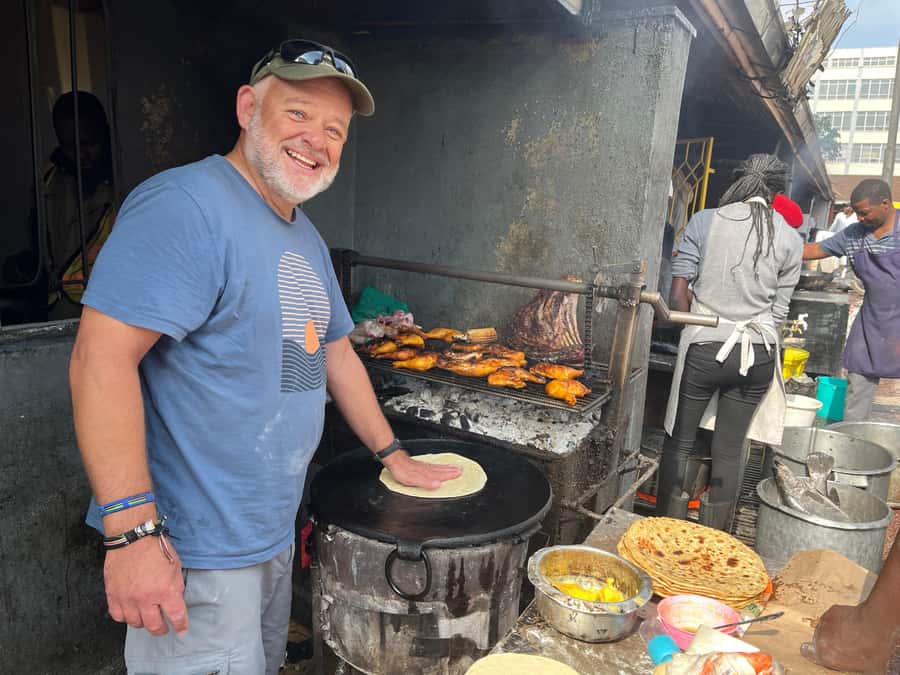
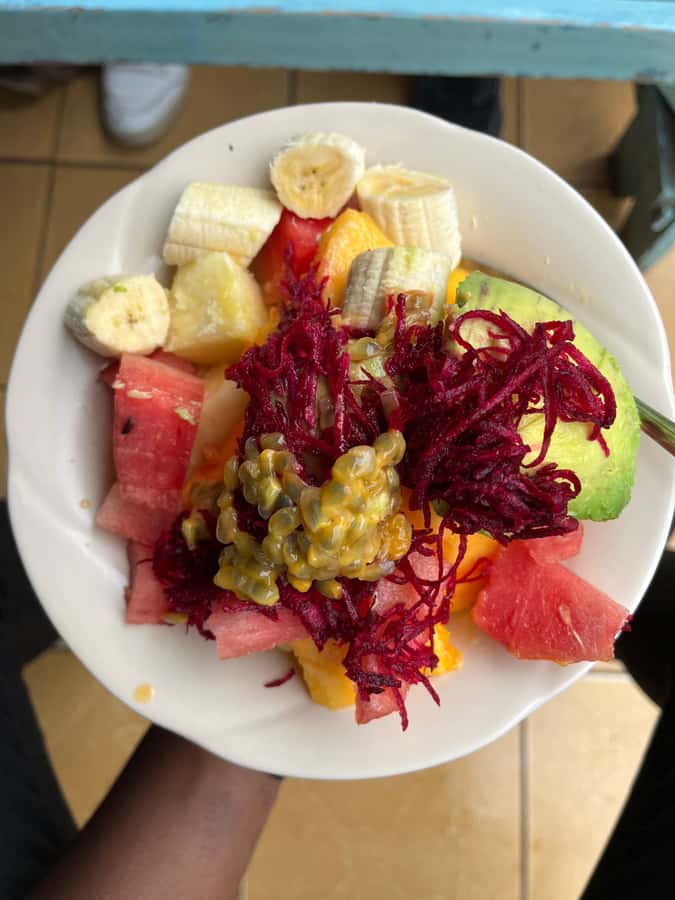
- City Market adds local flavor: Enjoy a paid-for fruit salad and learn about Kenyan food, with Nyama Choma available as an optional taste.
- The guides make the difference: Jacqueline, Simon, Jeff, Sharon, Jackie, Leah, and Dennis have led tours praised for clear explanations, patience, and care with safety.
- You see old and new Nairobi together: The route links Jeevanjee Gardens, Jamia Mosque, monuments, hotels, courts, Parliament, and modern city landmarks.
- Souvenir shopping is less stressful: Your guide can point you toward fixed-price stores, as well as explain where bargaining is expected.
- KICC is the big finish: The rooftop offers broad views across central Nairobi, though the entry fee is not included.
- Pickup needs attention: Hotel transport is optional, and a taxi may sometimes be requested and paid for to get you to or from the meeting point.
Why this walking tour is a useful first look at Nairobi
Nairobi can feel hard to read during your first few hours. Streets change character quickly, security advice is not always obvious, and a map tells you little about how the city actually works. This tour gives you a local companion while you get your bearings.
The route mixes major sights with ordinary city life. You pass offices, shops, churches, cafés, market stalls, government buildings, and streets where people are going about their day. That mix is more useful than a string of isolated photo stops because it shows how Nairobi’s past and present share the same few blocks.
The strongest part of the experience is the guide. Jacqueline is frequently praised for her patience and warmth, while Simon is valued for explaining the city from the moment he collects people. Jeff is known for clear English and practical advice, and Sharon has a friendly style that helps the group relax. Other guides, including Jackie, Leah, and Dennis, also lead the route.
The exact guide depends on the date and group, so you should not book expecting one particular person. You can expect an English, Swahili, or Spanish tour, with Google Translate available if your English is limited.
More History Walking Tours in the world:
- History and Hauntings of Salem Guided Walking Tour
★ 5.0 · 14,564 reviews - Lisbon: History, Stories and Lifestyle Walking Tour
★ 4.8 · 10,902 reviews - Amsterdam: Life of Anne Frank and World War II Walking Tour
★ 4.8 · 10,467 reviews
Starting on Koinange Street and learning the city’s rules
The meeting point is outside CJ’s restaurant on Koinange Street, an uptown area described as safe and easy to find. The guide wears a Happy Tribe cap or shirt, and restaurant staff can help if you are unsure where to wait.
The first few minutes cover safety and the basic shape of the walk. This is a worthwhile pause. You can ask where it is sensible to walk, how to handle purchases, and what to expect in the central business district before the route gets busy.
Hotel pickup and drop-off are available only with the appropriate option. If you choose pickup, wait in your hotel lobby about 10 minutes before the scheduled time. If you arrange your own transport, head to CJ’s on Koinange Street and wait outside.
Allow some flexibility around transport. In some cases, the company may request and pay for a taxi, including a tip, to bring you to the meeting point or return you afterward. This can prevent delays when several people are being collected, but it also means your pickup plan may not be as direct as a private car service.
Jeevanjee Gardens and Nairobi’s early civic story
Jeevanjee Gardens is the first proper stop. You walk through the gardens for about 10 minutes while your guide sets out part of Nairobi’s civic story.
This opening stop works well because it gives you a calmer place to begin before the route enters the market and main streets. Listen for the links between public space, the city’s development, and changing ideas about who Nairobi is for. The guide can also help you place later sights in context.
The walk is not a long garden visit. If you want a leisurely park stroll, this tour does not provide one. Think of Jeevanjee Gardens as a short introduction, not a separate attraction.
City Market, fruit, and practical shopping advice

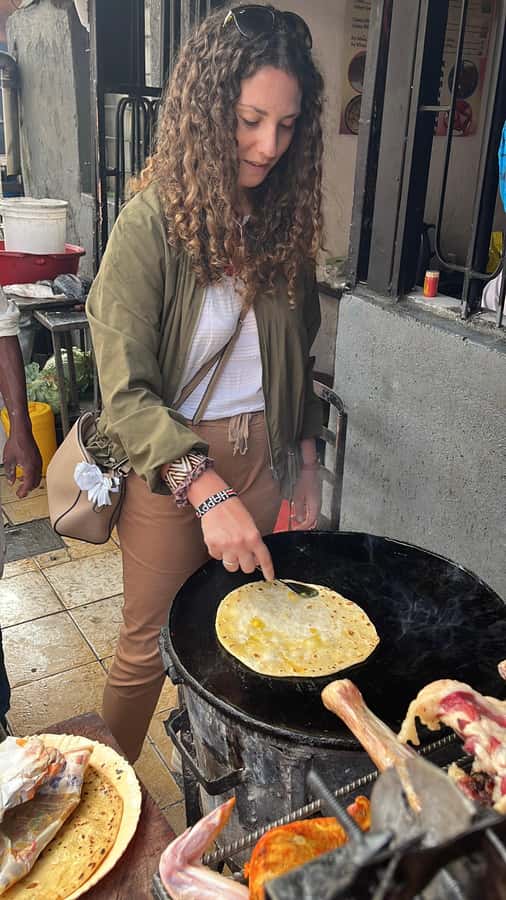
City Market is the most hands-on part of the morning or afternoon. You have roughly 30 minutes to look around, followed by time for food and discussion.
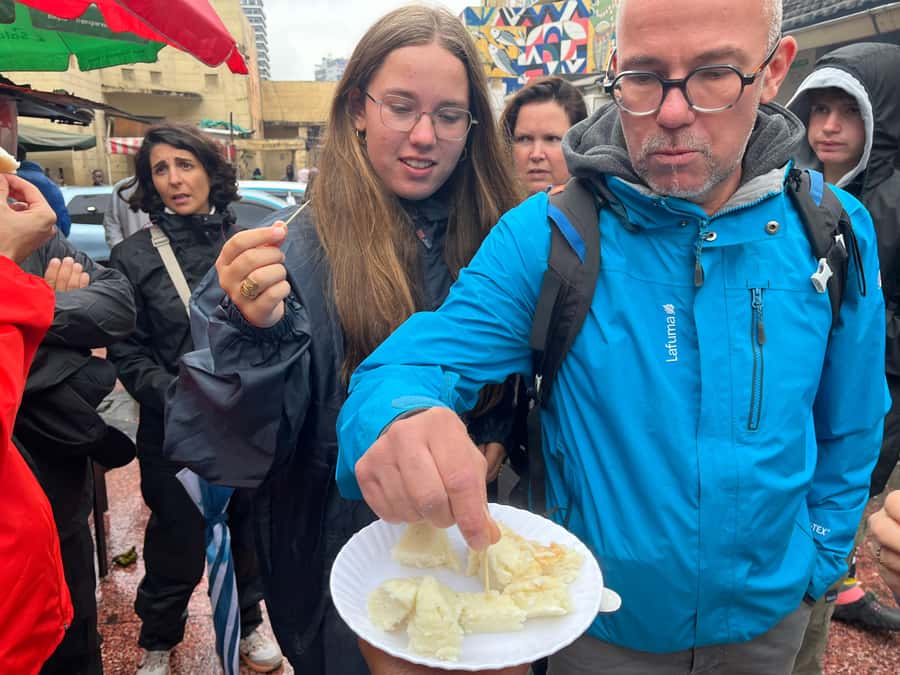
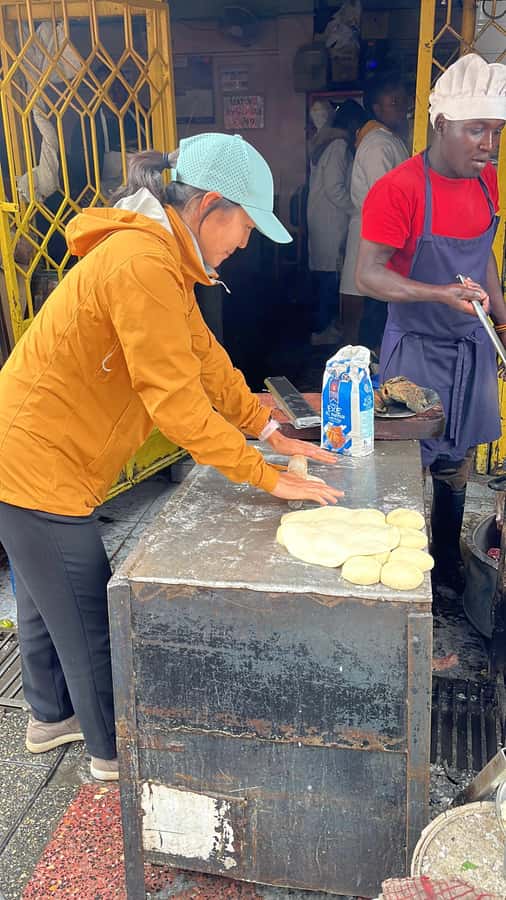
The market gives you a chance to see how Nairobi residents buy food and goods, rather than viewing the city only from the pavement outside grand buildings. Your guide explains the role of food in Kenyan life and may arrange a fresh fruit salad for you. The fruit is included, along with bottled Dasani water, and it provides a simple, refreshing break in the walk.
Nyama Choma, Kenyan roasted goat meat, may also be sampled, but treat it as an optional possibility rather than a guaranteed part of the included package. Additional food and drinks are not covered, so ask your guide what is included before ordering anything else.
This is also where the shopping advice becomes useful. Your guide can explain normal prices, show you fixed-price shops, and point out places where you can buy souvenirs without having to bargain. That matters if you find haggling tiring or worry about paying far too much on your first day.
You still need to make your own buying decisions. Fixed-price stores remove much of the pressure, but you should check what you are buying and keep your valuables secure in a crowded market. A comfortable pair of shoes helps, since the route continues on foot after the food stop.
More History Tours in the world:
- Prague: Medieval Dinner with Unlimited Drinks
★ 4.4 · 19,847 reviews - Pompeii: Entry Ticket and Guided Tour with an Archaeologist
★ 4.8 · 19,459 reviews - Athens: Acropolis & up to 5 Archaeological Sites Combo Pass
★ 4.2 · 13,904 reviews - Colosseum: Underground and Ancient Rome Tour
★ 4.7 · 12,691 reviews
Jamia Mosque, McMillan Library, and the city’s mixed character
After City Market, the walk passes Jamia Mosque and the McMillan Memorial Library. You see these sites briefly, with about five minutes around each.
The value here comes from the contrast. Jamia Mosque reflects Nairobi’s Muslim community and its place in the center of the city. McMillan Memorial Library points to the city’s older public and educational institutions. You are not spending long inside either site, but the guide adds the context that a quick solo walk might miss.
You also pass Nation Centre, one of the city’s modern commercial landmarks, before moving along Kenyatta Avenue. The route then reaches the Sarova Stanley, one of Nairobi’s best-known hotels. These stops help you read the city through its buildings: business, media, religion, hospitality, and public life all appear within a short distance.
Monuments that explain Kenya’s political past
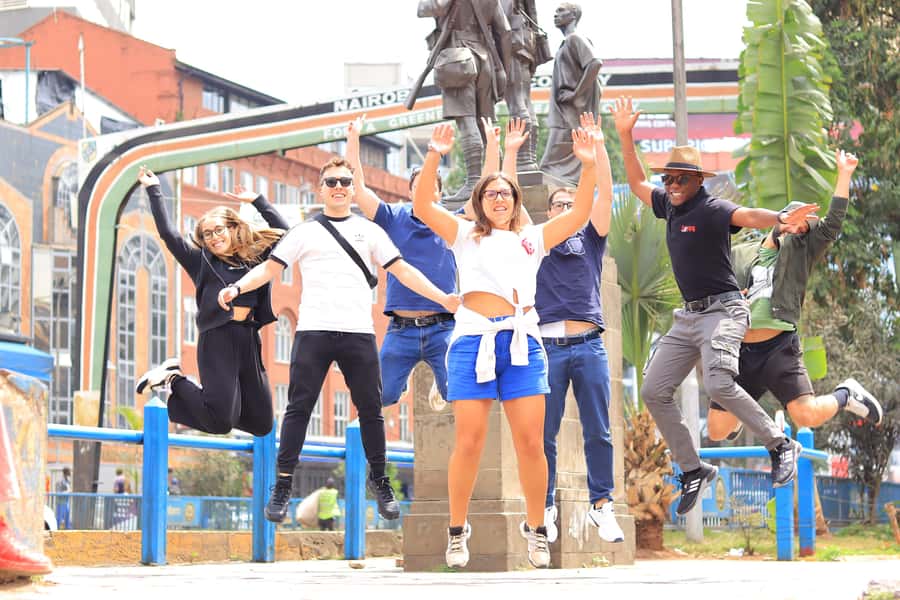
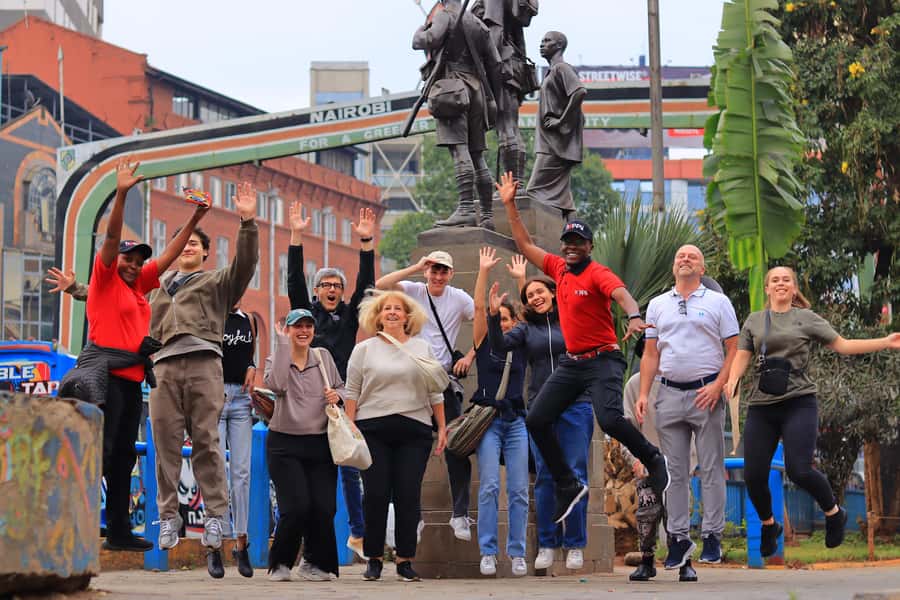
The Askari Monument and Dedan Kimathi Monument give the walk a more direct political edge. These are brief sightseeing stops, but they are important because Nairobi’s streets are full of reminders of colonial rule, resistance, independence, and the country’s changing identity.
Your guide is the key here. The tour is not simply pointing at statues. You can ask about the people and events represented, how the monuments are viewed today, and how Kenya’s past still shapes public spaces.
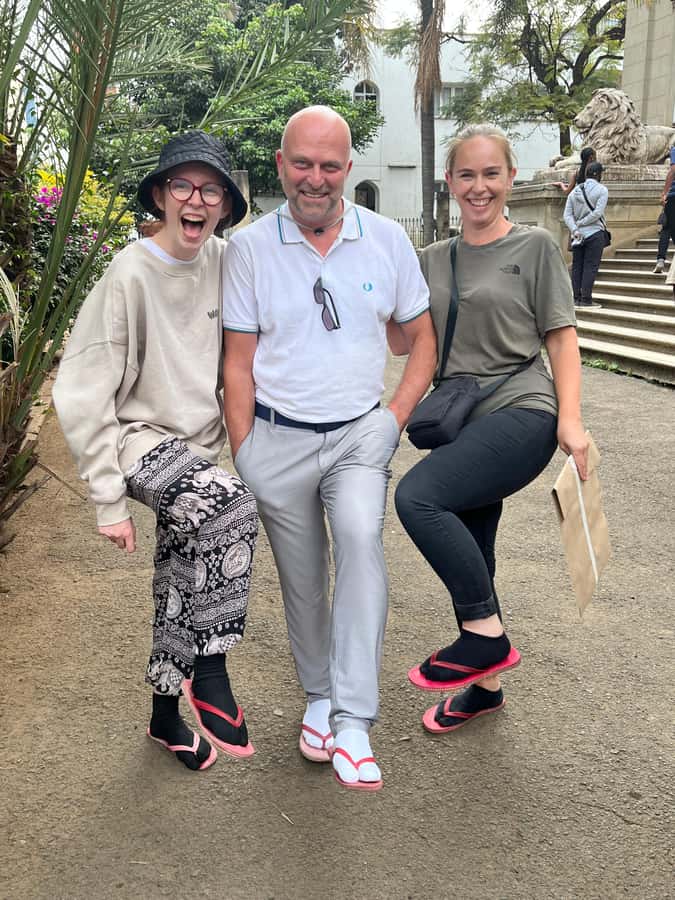
The route continues past the Hilton area, where there may be time for a shoe shine from a local vendor and a street-style photograph. These touches are small, but they make the experience feel connected to the people working in the city rather than limited to monuments.
The photograph is taken by a local urban photographer, according to the tour details. It is worth confirming how and when you will receive it, since the information does not specify the delivery method. The shoe shine is included as part of the added experiences.
Coffee, courts, Parliament, and Holy Family Basilica
A 20-minute break at Java House on Mama Ngina Street gives your feet a rest. Coffee and coffee tasting are part of this pause, but extra drinks or food may cost more.
This break is also a good time to ask questions. The best guides, including Simon and Jeff, use informal stops like this to explain daily life, work, transport, prices, and social customs. You can also compare the busy market with a polished café, two very different pieces of modern Nairobi.
After coffee, the route passes the Supreme Court, the Governor’s Office, and the Parliament Buildings. These are short viewing stops, not extended tours inside the buildings. You should expect to see them from the outside and hear why they matter.
The Holy Family Basilica appears near the end of the route, followed by the Galton-Fenzi Memorial. The basilica adds another religious and architectural note to a walk that has already shown a mosque, a library, commercial towers, and government buildings. The Galton-Fenzi Memorial is a small final historical marker before the major viewpoint.
KICC rooftop: the clearest view of Nairobi
The KICC rooftop is the tour’s visual payoff. You have about 30 minutes for the visit and views, weather permitting. From up high, you can better understand the layout of the central district and see how Nairobi spreads beyond the buildings you have just passed.
You should know that KICC entry is not included in the $23 price. Budget for that separate charge, and confirm the current amount when booking or with your guide. The rooftop can also feel high for anyone uneasy with heights. One participant specifically found the tower too high, so this is not a minor detail if you dislike elevated viewpoints.
For most people, the stop earns its place. After walking past offices, streets, churches, and government buildings, you finally see the whole setting at once. The cool breeze and open view offer a welcome change from the traffic and close streets below.
The usual end points include KICC, CJ’s, or Nairobi, depending on the arrangement. If you need to reach another location, ask about the return plan before the tour ends.
What $23 includes, and what it does not
At $23 per person, this is good value if you want orientation, local explanation, and several small extras in one outing. You receive a guide, bottled water, WiFi hotspot access, and a fruit salad. The price may also cover the shoe cleaning, local food experience, and street photograph arranged during the walk.
The value is less about admission-heavy sightseeing and more about access and confidence. Many of the places are seen from outside, so you are paying for the guide’s interpretation, route planning, and help with local customs rather than a series of museum tickets.
Hotel pickup and drop-off can be included if you select that option. KICC entry, extra food, and extra drinks are not included. If you want a substantial meal, plan to pay separately.
The advertised duration is three hours, but timing can shift. One group found that the tour ran longer so everyone could receive the full experience, while another experienced a one-hour delay. Ask for an update if you book close to the start time, and avoid scheduling a tight connection immediately afterward.
Who will enjoy this tour most
I would choose this for a first day in Nairobi, especially if you are staying in or near the city center and want a friendly introduction before exploring alone. It also suits solo visitors who would rather not navigate the central district without help.
You will get the most from it if you enjoy asking questions. The guides welcome questions about Kenyan culture, prices, transactions, food, history, and ordinary city life. The Swahili lesson is simple but practical, giving you a few words to use during the rest of your stay.
Families with older children and adults who walk comfortably should find the format manageable. The tour is not suitable for wheelchair users or people with mobility impairments. Wear comfortable clothes and sturdy walking shoes, and bring protection from the sun or light rain as needed.
Sunday timing matters. Sunday morning can feel quiet, with many shops closed and fewer people in the center. Sunday afternoon is more active, with young people gathering for TikTok and Instagram videos, cycling, skating, photography, modeling, and music videos. Choose the time based on the kind of city you want to see.
Should you book the Nairobi Historic and Modern Highlights Walking Tour?
Book it if you want a safe, guided introduction to central Nairobi with history, food, shopping advice, and a strong rooftop finish. The fruit, coffee stop, Swahili lesson, shoe shine, and street photograph add character without turning the outing into an expensive package.
Skip it if you want long indoor visits, a quiet architectural tour, or a completely fixed schedule. You will walk at a steady pace, see many places briefly, pay separately for KICC, and may need patience with pickup timing.
For most first-time visitors, the balance is right. You see the major central landmarks, learn how to move through the city, and leave with enough local context to make your next Nairobi outing less uncertain.
FAQ
How long does the Nairobi walking tour last?
The stated duration is three hours. The actual timing can vary if pickup is delayed, the group needs more time, or transport arrangements take longer.
What is the price of the tour?
The listed price is $23 per person.
Is hotel pickup included?
Hotel pickup and drop-off are available if you select the appropriate option. If transport becomes difficult, the company may request and pay for a taxi to bring you to or from the meeting point.
Where is the meeting point?
The meeting point is outside CJ’s restaurant on Koinange Street in Nairobi. The guide wears a Happy Tribe branded cap or shirt, and the restaurant staff can help direct you.
Is food included?
A fruit salad snack and bottled Dasani water are included. Extra food and drinks are not included. Nyama Choma may be offered as an optional local food taste.
Is the KICC rooftop entry included?
No. KICC entry is not included in the tour price.
Which languages are available?
The tour is available in English, Swahili, and Spanish. Google Translate may be used if you do not speak fluent English.
What should I wear?
Wear comfortable clothes and comfortable walking shoes. The tour includes several hours on foot.
Can wheelchair users join the tour?
No. The experience is not suitable for wheelchair users or people with mobility impairments.
Just added around the world
- Scenic Train ride to historical cities of Morretes and Antonina★ 4.0 · 188 reviews
- 6-Day Cultural Tour to Machu Picchu★ 5.0 · 76 reviews
- Jewish Heritage of Curacao★ 4.5 · 68 reviews
- The Curacao’s Colorful History Walking Tour★ 5.0 · 55 reviews
- Discover Scuba Diving Amathounta’s Ancient Port★ 5.0 · 30 reviews
- Olous – Guided Snorkelling Excursion to Discover Olous Sunken Ancient City★ 4.5 · 31 reviews
- Night Walking Tour of Medieval Cuenca★ 5.0 · 64 reviews
- WWII – The Battle of Crete Day Tour★ 5.0 · 103 reviews