

Review · HISTORY TOURS
Nairobi Walking tour:Explore History Culture and Traditions
Nairobi’s best introduction may be on foot, where a mosque, a market, a colonial-era library, a green park, and a government tower sit within one compact city center. This three-hour walk with local guides such as Edwin, John, and Pierre gives you a useful first look at how Nairobi’s past and present fit together.
I like the clear route through major landmarks, and I like that the guides make room for questions about Kenyan life, politics, food, sport, and daily culture. The main consideration is the pace: you will cover a lot of ground, and the city center can be sunny, noisy, and crowded. Comfortable shoes and water matter.
Key points to know before you book
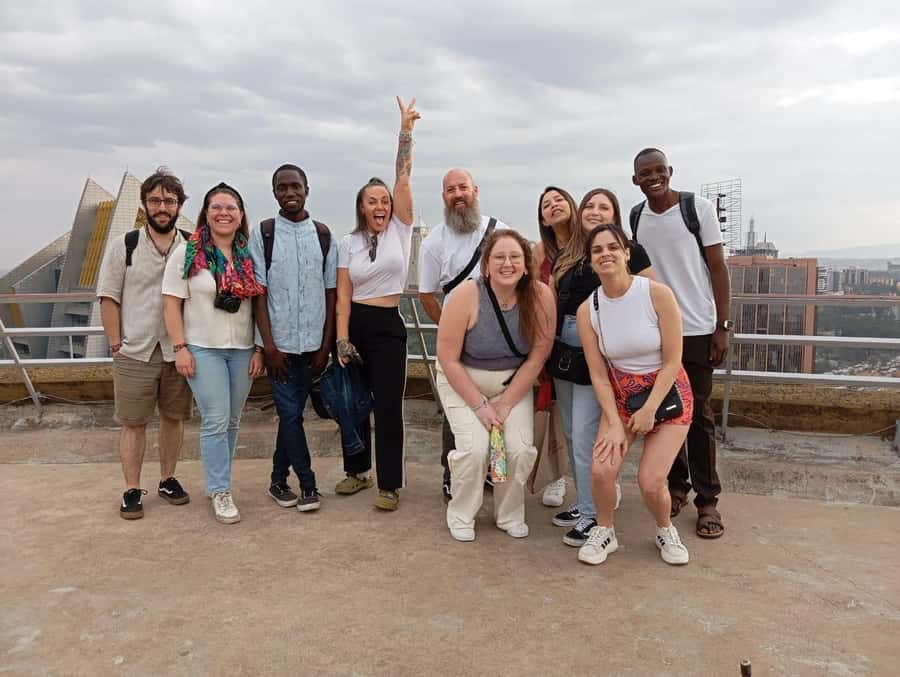
- A strong first look at Nairobi: Cover major central sights without having to plan your own route.
- Local stories are the main attraction: Edwin and other guides explain history, culture, politics, architecture, and ordinary city life.
- Coffee break included as an option: Stop at a local café, but pay separately if you choose coffee.
- Uhuru Park adds breathing room: Sit on the grass, rest from the sun, and enjoy one of central Nairobi’s best green spaces.
- KICC offers a memorable city view: The helipad is an optional extra, with a separate fee.
- Good value at $22: Transport to the starting point, guiding, McMilan Memorial Library entry, and Uhuru Park entry are included.
Starting beside the Supreme Court
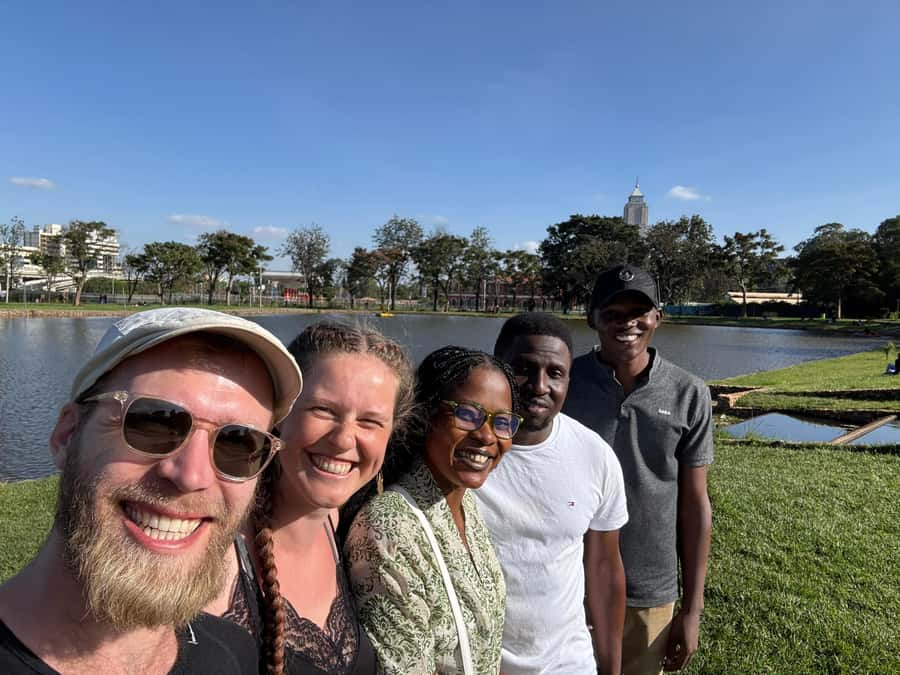
The tour begins at the Carrefour entrance next to Nairobi’s Supreme Court building. If you are staying within about 10 kilometers of Nairobi Municipality, pickup is arranged at your hotel, apartment, or hostel entrance. The long list of pickup locations includes hotels around the airport, Westlands, Kilimani, the central business district, and other parts of Nairobi.
That pickup service is useful because central Nairobi can be confusing when you are new to the city. It also saves you from trying to find the meeting point after a long flight. If your accommodation is not on the listed pickup options, you can send your location by WhatsApp.
A short safety briefing comes first. This is a sensible feature for a city walk, since you will cross busy streets and move through several very different parts of downtown. The guide sets the tone before you begin, and you can ask about the route, pace, and photo stops.
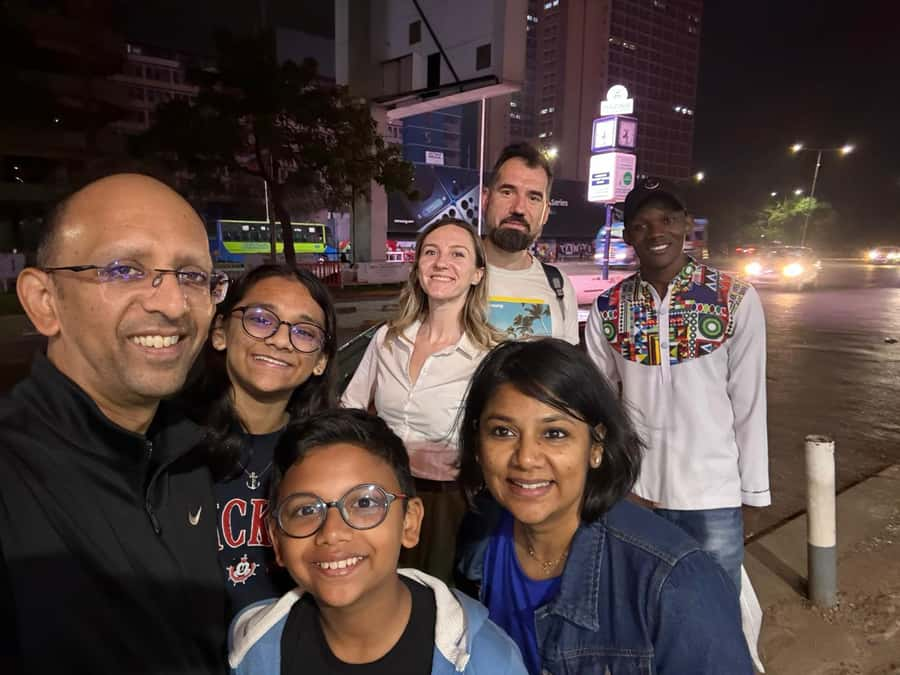
The walk is advertised at three hours. In practice, the timing can change with the group, the guide, and your interests. One evening outing lasted a little over two hours, while another nearly reached four hours because the guide allowed extra time for conversation and stops. Plan your day with some flexibility.
More Local Culture and Traditions Tours in the world:
- Amsterdam Food and Cultural Tour with Tastings
★ 5.0 · 4,315 reviews - Sevilla Food Tour: Tapas, Wine, History & Traditions
★ 5.0 · 3,468 reviews - Tromsø: Reindeer Camp and Sami Cultural Tour with Lunch
★ 4.7 · 3,326 reviews
Monuments, a monastery, and Nairobi’s early story
The first stretch introduces Nairobi through its public buildings and memorials. War monuments provide a way into Kenya’s twentieth-century story, while the McMilan Memorial Library points to an older era of public education and civic life.
The library is one of the more interesting stops because it is not just a quick photo opportunity. Entry is included, giving you a chance to see an important historic building from inside. The guide can place it in the wider story of Nairobi, a city shaped by colonial rule, independence, migration, commerce, and rapid modern growth.
A monastery is also included early in the route. The information provided does not specify how long you spend there, so expect a brief sightseeing stop rather than a long religious visit. As with all places of worship, dress and behavior should be respectful.
This part of the tour works best if you are willing to listen rather than simply collect photographs. The guides often use the buildings as starting points for wider conversations about Kenya, including how traditions have changed and how people adapt to modern city life.
Jamia Mosque and the city’s many communities
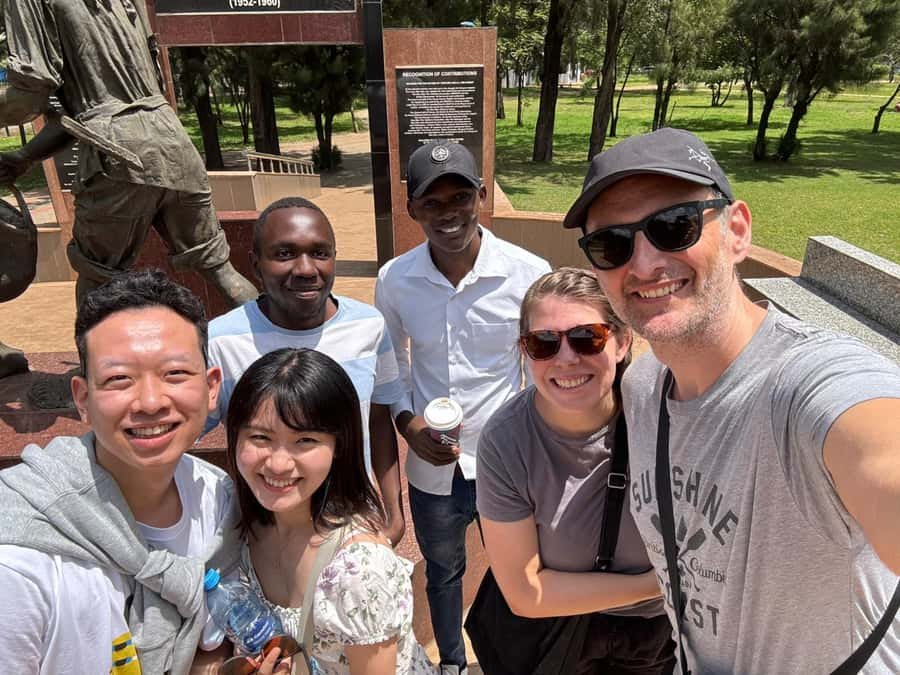
Jamia Mosque is one of the central stops, and it gives the walk a useful cultural balance. Nairobi is not a city that can be understood through government buildings and monuments alone. Religious institutions, shops, markets, and ordinary street activity reveal the city’s mix of communities.
The visit is listed as a stop rather than a formal guided interior tour, so access may depend on timing and local conditions. Follow your guide’s instructions and dress modestly. Photography is allowed on the tour, but you should still ask before photographing people or entering sensitive areas.
This is also a good place to ask questions. The guides speak English, Spanish, and French, and several of the strongest experiences came from direct conversation. Pierre, for example, is described as speaking excellent French and teaching some Swahili during the walk. If you want practical language help, ask for a few useful words early in the tour.
City Market, Jevanjee Garden, and a local coffee break
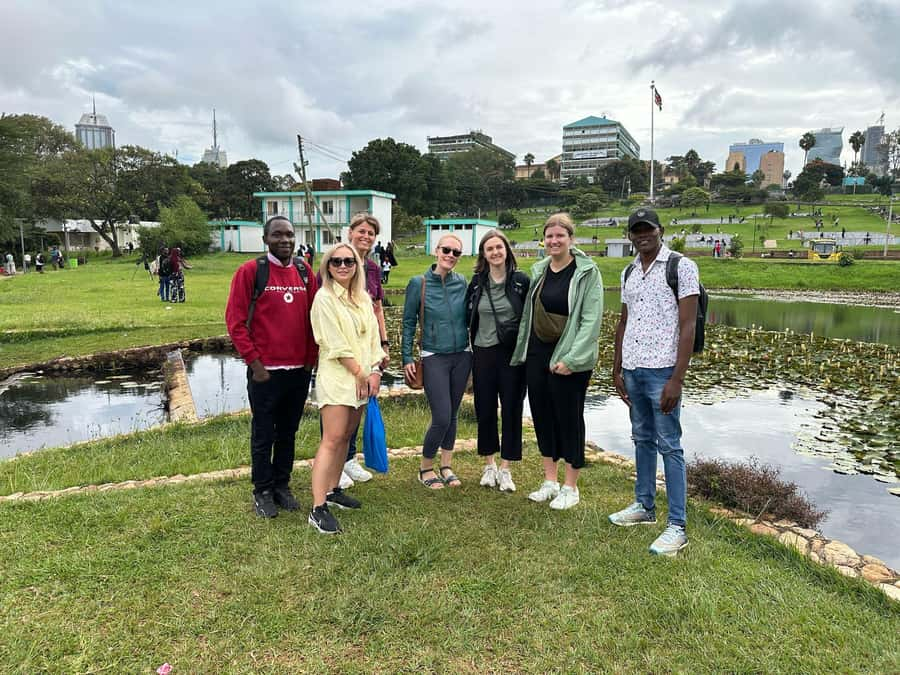
City Market brings you into the working commercial side of Nairobi. It is a shopping stop and also a pass-by point, so the amount of time inside can vary. You may see local produce, food, flowers, crafts, and the everyday movement of downtown commerce.
The nearby Jevanjee Garden gives the route another change of pace. Together, the market and garden show two sides of central Nairobi: the quick, practical rhythm of buying and selling, and the need for small public spaces where people can pause.
The coffee break takes place at a local café. Kenyan coffee is one of the pleasures of the stop, but the drink is optional and not included in the tour price. This is also the scheduled washroom break, which makes it a useful pause rather than a decorative add-on.
I would not skip the break simply to squeeze in another few minutes of sightseeing. Nairobi’s sun can feel strong, and the route includes several hours on foot. Use the café stop to drink water, have coffee if you want it, and check that your shoes and sunscreen are doing their job.
More History Walking Tours in the world:
- History and Hauntings of Salem Guided Walking Tour
★ 5.0 · 14,564 reviews - Lisbon: History, Stories and Lifestyle Walking Tour
★ 4.8 · 10,902 reviews - Amsterdam: Life of Anne Frank and World War II Walking Tour
★ 4.8 · 10,467 reviews - Berlin: Third Reich & Cold War Guided Walking Tour
★ 4.9 · 8,378 reviews
University of Nairobi and the Norfolk Hotel

The walk continues toward the University of Nairobi. This section helps connect the formal city center with student life and the institutions that shape modern Kenya.
You also get a glimpse of the Norfolk Hotel, one of Nairobi’s best-known historic hotels. The tour does not present it as a long hotel visit, so think of it as an exterior sight and a chance to hear about the city’s early hotel and colonial-era development.
This is where a good guide adds real value. A simple building can seem ordinary if you walk past it alone. With context, it becomes part of a story about Nairobi’s growth, class divisions, tourism, government, and changing ideas of public space.
Uhuru Park, the best pause on the route
Uhuru Park is the tour’s most welcome open space. After streets, traffic, and buildings, the park gives you greenery and room to slow down. Entry is included.
The word Uhuru means freedom in Swahili, making the park an important name in independent Kenya. The visit is not only about scenery. It also offers a chance to discuss national identity and the role of public parks in city life.
This is where the walking tour can become more personal. Some guides allow you to sit on the grass, rest from the sun, and talk about everyday matters rather than rushing to the next monument. That flexibility suits you if you prefer an easy pace, but it may frustrate you if you want a tightly timed sightseeing sprint.
Bring a hat, sunscreen, and water. Nairobi’s weather can change, so a light layer is also sensible. The park is a pleasant place for photographs, but give yourself time to simply look around.
Holy Family Basilica and central Nairobi’s religious landmarks
The Cathedral Basilica of the Holy Family is another major stop. Its location near the center’s government and commercial buildings makes it a useful contrast with Jamia Mosque.
The tour includes a visit, but the exact access and length of time can depend on services and local conditions. Keep voices low and follow the guide’s instructions. Photography is permitted generally on the activity, but that does not mean every interior or ceremony should be photographed.
What I like about this section is the variety. In a single half-day, you see Islamic, Catholic, civic, commercial, and public park spaces. That mix gives you a better sense of Nairobi than a route focused only on famous monuments.
KICC and the city from above
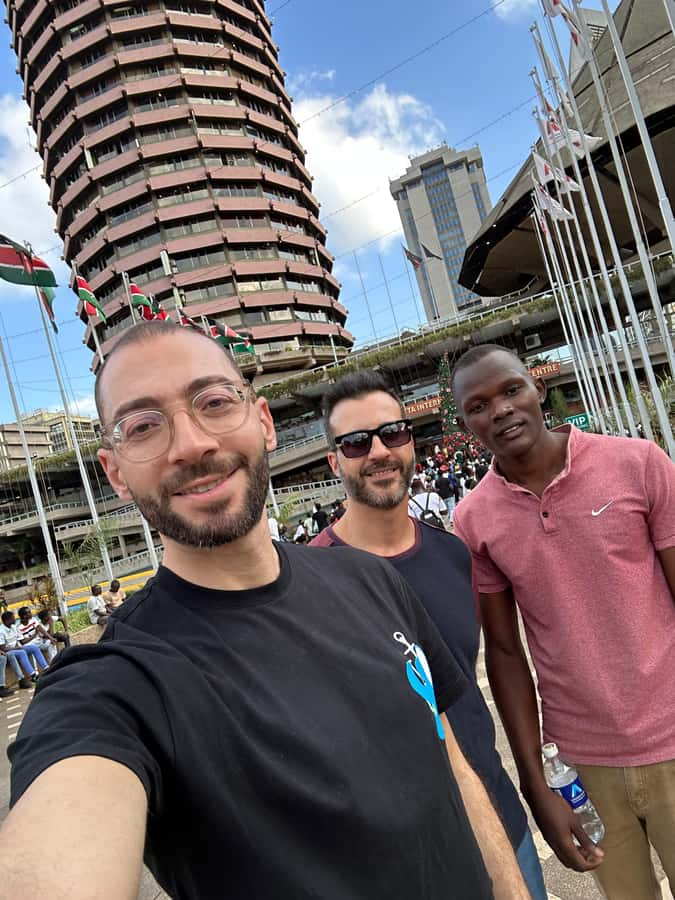
The Kenyatta International Conference Centre is the tour’s strongest architectural landmark. Its tower is one of Nairobi’s defining sights, and the surrounding government buildings give you a close look at the formal heart of the capital.
The tour includes a visit and photo stop. The helipad view is an optional extra, and the fee is not included. If the helipad is open during your visit, it can provide a broad view across central Nairobi. Confirm the extra cost before you decide.
This stop is especially useful near the end of the walk because it helps you understand the city layout. From ground level, Nairobi can feel like a series of separate streets and buildings. A higher viewpoint gives you a clearer sense of how the central district, parks, roads, and government quarter relate to one another.
Do not assume the helipad fee is part of the $22 price. The basic tour remains good value without it, but the extra view may be worth paying for if you enjoy city photography.
Masai Market and the art of buying souvenirs

The Masai Market adds a shopping element to the experience. It is a lively place for local crafts and cultural goods, including items that may appeal to you as souvenirs.
This stop is more enjoyable when you treat it as a chance to browse rather than a guaranteed bargain. Prices can be negotiable, and having a local guide nearby is useful. One guide helped a visitor find better prices and choose souvenirs without pressure.
You should still make your own decisions. Ask about materials, compare several stalls, and do not buy something simply because the seller starts with a high price. The guide can help with local customs and negotiation, but you remain responsible for your purchases.
The market may be one of the more social parts of the tour, especially if you want to take home a small reminder of Kenya. If shopping is not your interest, tell the guide. The route has enough history and public spaces to remain worthwhile.
Railway Museum and Bomb Blast Memorial Park
The Kenya Railway Museum offers another window into Nairobi’s development. Rail transport played a major role in the city’s early growth, and the museum connects the capital to the wider history of movement, trade, and colonial infrastructure.
The stop may be a visit or a pass-by depending on timing. The supplied schedule gives it about twelve minutes, so you should not expect a full museum afternoon. If you are especially interested in railway history, ask how much time is available before the group moves on.
The final memorial stop is Bomb Blast Memorial Park. This is a quiet and serious place, and the visit calls for respect. It adds a modern layer to the tour, reminding you that Nairobi’s story includes painful events as well as architecture, commerce, parks, and national pride.
The contrast between the Railway Museum and the memorial park gives the closing section emotional weight. You move from the city’s early infrastructure to a place of remembrance, then finish with a better sense of Nairobi as a living capital rather than a collection of tourist sights.
What the $22 price really buys you
At $22 per person, this is inexpensive for a guided three-hour introduction to central Nairobi. The price includes the guide, pickup to the starting point within the stated service area, entry to McMilan Memorial Library, entry to Uhuru Park, and the planned sightseeing route.
You pay separately for meals, drinks, optional coffee, personal purchases, and the KICC helipad fee. That arrangement is fair because it lets you choose how much extra to spend. I would budget for coffee and a small purchase at the Masai Market, but neither is required.
The real value is not simply the number of stops. It is the ability to walk between them without constantly checking a map or wondering which streets are sensible for a first-time visitor. The strongest guides, especially Edwin, John, and Pierre, turn the route into a conversation about Kenyan culture, politics, food, geography, sport, and city life.
The experience also received a 4.8 rating from 222 reviews, with repeated praise for the guides’ storytelling, safety awareness, friendliness, flexibility, and ability to adjust the pace. That does not guarantee that every group will have the same guide, but it does point to the human side of the experience as its main strength.
Who should book this Nairobi walk?
I would choose this tour if you have a short stay in Nairobi, want to understand the center before exploring farther afield, or feel unsure about walking downtown alone. It is also a good fit for solo visitors who want company and for first-time visitors who prefer local explanation over a self-guided map route.
It suits you if you enjoy questions and conversation. Guides have adapted the walk to different interests, offered extra explanations, and allowed time for photographs and rest. A slower pace is possible, but you should mention your needs early.
I would be cautious if you dislike walking in sun and city traffic, need a highly exact schedule, or want long museum visits at every stop. Three hours is enough for a broad introduction, not a detailed examination of every building.
Wear comfortable walking shoes and bring water, a hat, and sunscreen. Keep your belongings secure, listen during the safety briefing, and ask before photographing people or religious interiors.
Should you book it?
Book this tour if you want a practical, affordable first chapter in Nairobi. The route covers more than the usual postcard sights, and the best part is the guide’s explanation of how the city works.
Skip it only if you already know central Nairobi well or want a quiet, museum-heavy day. For $22, the combination of pickup, landmarks, park time, local stories, and optional city views makes this a strong starting point, especially with a guide such as Edwin, John, or Pierre leading the conversation.
FAQ
How long does the Nairobi walking tour last?
The advertised duration is three hours. The exact length can vary with the group, pace, stops, and guide. Some tours may finish earlier, while a relaxed outing can run longer.
Where does the tour start?
The meeting point is at the Carrefour entrance beside Nairobi’s Supreme Court building. Pickup is available from the entrance of hotels, apartments, or hostels within 10 kilometers of Nairobi Municipality.
Is hotel pickup included?
Yes, pickup to the starting point is included for locations within the stated service area. If your accommodation is not listed among the pickup options, you can send the location by WhatsApp.
Which languages are available?
The tour is available in English, Spanish, and French.
Is coffee included in the price?
Coffee is optional and is not included. The café stop also provides a useful break and washroom opportunity.
Is the KICC helipad included?
The KICC visit and photo stop are included, but the helipad fee is not. You should pay that extra charge only if you want the higher city view.
Is the tour wheelchair accessible?
Yes, the activity is listed as wheelchair accessible. You may still wish to confirm the route details for your specific needs before booking.
What should I bring?
Wear comfortable walking shoes and bring water, a hat, and sunscreen. Prepare for changing weather, and remember that photography is allowed.
Just added around the world
- Scenic Train ride to historical cities of Morretes and Antonina★ 4.0 · 188 reviews
- 6-Day Cultural Tour to Machu Picchu★ 5.0 · 76 reviews
- The Curacao’s Colorful History Walking Tour★ 5.0 · 55 reviews
- Discover Scuba Diving Amathounta’s Ancient Port★ 5.0 · 30 reviews
- Jewish Heritage of Curacao★ 4.5 · 68 reviews
- Olous – Guided Snorkelling Excursion to Discover Olous Sunken Ancient City★ 4.5 · 31 reviews
- Night Walking Tour of Medieval Cuenca★ 5.0 · 64 reviews
- WWII – The Battle of Crete Day Tour★ 5.0 · 103 reviews