
Review · BUCHAREST
Roma Culture, Realities and Slavery History, Walking tour
Bucharest’s Roma story is not a side note. It reaches from centuries of slavery to Holocaust persecution, communist rule, and the discrimination Roma people still face today. This three-hour walk puts that story onto the city streets, using landmarks, photographs, humor, and plain explanations to separate fact from lazy stereotype.
I like two things here. First, the route connects difficult subjects to real places, including a former slave-market site and Romania’s Holocaust Memorial. Second, guides such as Andreea, Daniela, and Mihail explain the topic with care while still making room for questions, stories, and a little humor. The main consideration is that the tour is largely told by the guide, with limited direct interaction with Roma people unless you add the workshop.
Key points at a glance
- A former slave-market site: Begin with Romania’s long history of enslaving Roma people, a subject many visitors do not expect to encounter in Bucharest.
- A clear route through modern history: The walk links Roma experience to the Athenaeum, communism, Revolution Square, and the Holocaust Memorial.
- Guides who handle sensitive subjects well: Andreea, Daniela, Mihail, and other English-speaking guides bring patience, candor, visual aids, and a sense of humor.
- A useful myth-busting focus: You learn how popular images of Roma culture were formed, and how they often miss the realities of Roma life.
- Optional hands-on finish: At Mesteshukar ButiQ, you can add a jewelry workshop with a Roma craftsman and make your own piece.
- Good value at $30: For three hours of focused guiding and a central Bucharest route, the price is fair, though food and drinks cost extra.
Why Bucharest is the right place for this story
Most first-time walks in Bucharest focus on grand boulevards, old churches, royal buildings, and communist architecture. This tour uses some of those same sights, but asks a different question: who gets remembered in the city’s official story, and who gets left out?
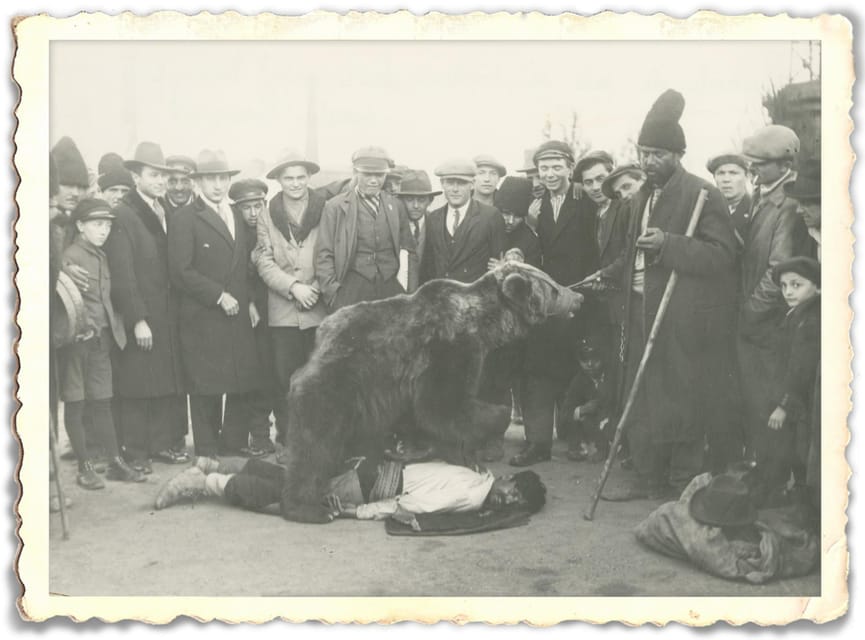
That question matters because Roma history in Romania is long, painful, and often poorly understood. Roma people were enslaved for centuries in the Romanian principalities. Emancipation came in the nineteenth century, but legal freedom did not erase prejudice, poverty, or exclusion. Later, Roma communities suffered under the Holocaust and faced fresh pressures under communism.
You will not get a general introduction to Bucharest with a few Roma facts added at the end. This is a focused social-history walk. If you want the usual checklist of monuments, choose a standard city tour. If you want to understand how Romanian society has treated one of its largest minority groups, this is a far more useful use of three hours.
More Local Culture and Traditions Tours in Bucharest:
- Private Bucharest: History & Food with Traditional Meal
★ 5.0 · 34 reviews - Amsterdam Food and Cultural Tour with Tastings
★ 5.0 · 4,315 reviews - Sevilla Food Tour: Tapas, Wine, History & Traditions
★ 5.0 · 3,468 reviews
Starting at Ion Creangă Theatre and Piața Romană
The meeting point is the small square in front of Teatrul Ion Creangă, about a three-minute walk from Piața Romană metro station. That makes the start easy to reach if you are staying near central Bucharest or using public transport.
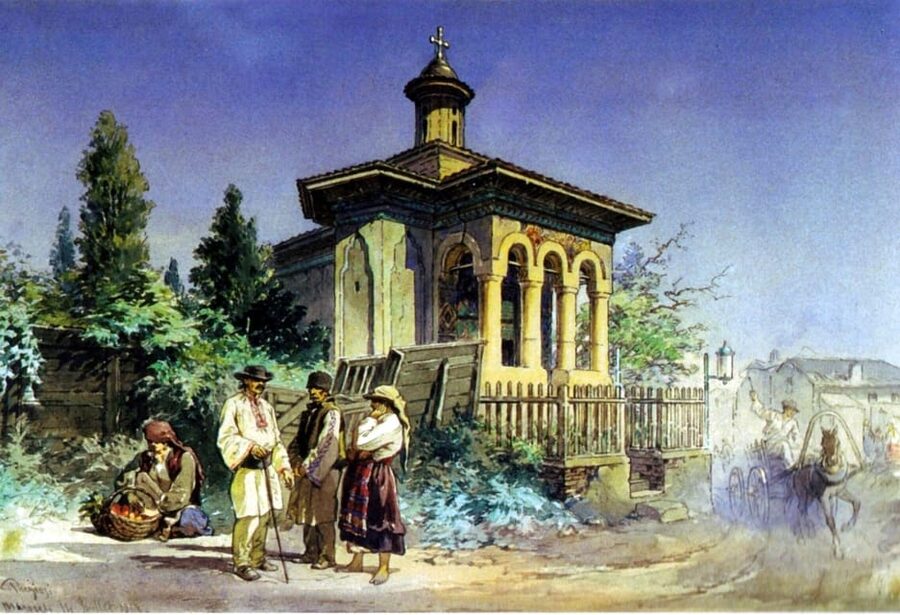
The first stop is described as a secret stop and takes about ten minutes. In practice, this opening gives the group its historical footing before the walk turns toward the better-known city sights. Expect the guide to explain the former slave market and the system that treated Roma people as property.
This is a sobering beginning. It also prevents a common mistake: viewing present-day prejudice as something that appeared from nowhere. The guide links old laws and social attitudes to later beliefs about Roma identity. You will hear about the long effects of slavery, including how emancipation did not instantly bring equal access to property, education, work, or public respect.
The stop is not a museum visit, and there is no major exhibition to walk through. Its value comes from the explanation. Listen closely at the start, because the rest of the route keeps returning to this foundation.
The Romanian Athenaeum and the power of public culture
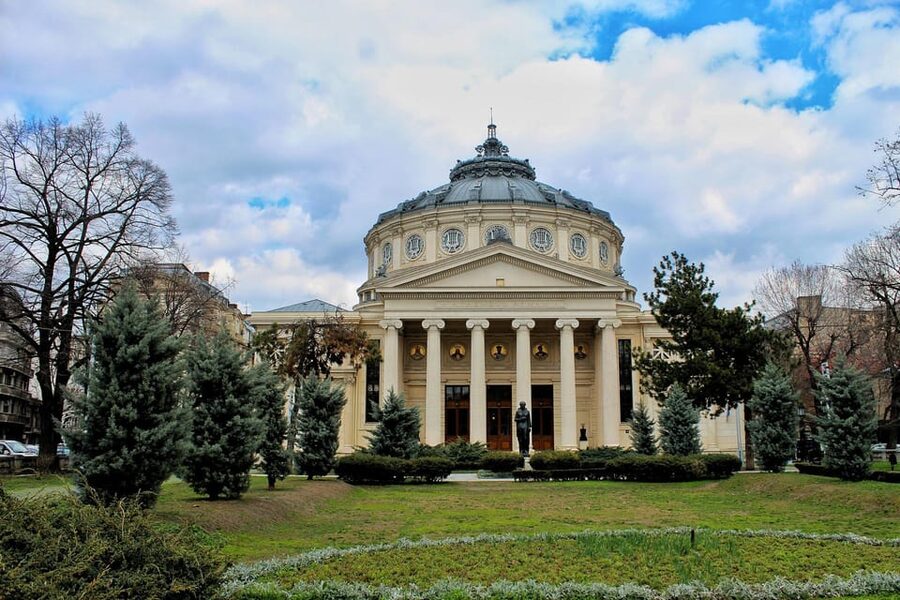
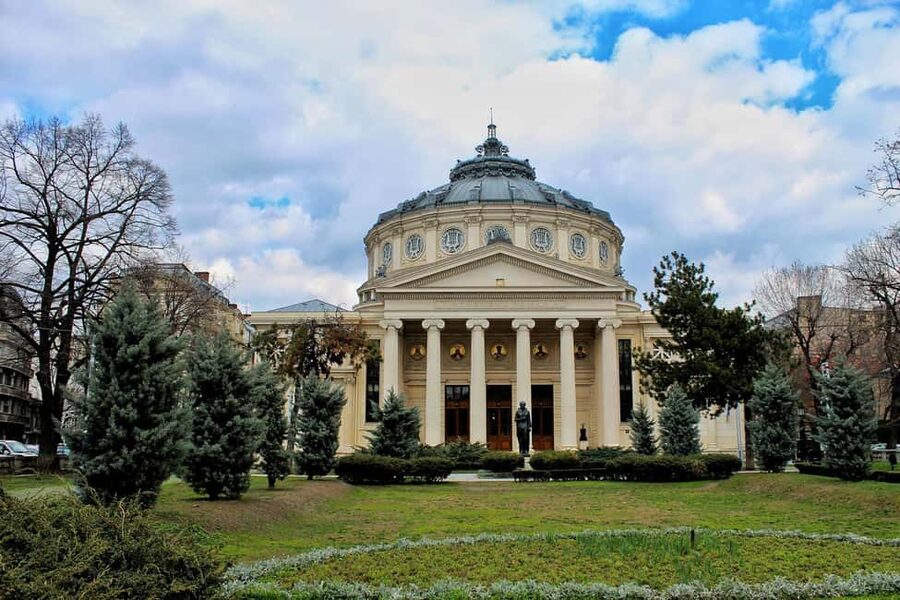
The Romanian Athenaeum is one of Bucharest’s grandest buildings, with a formal facade and a strong place in the country’s cultural life. You pass by rather than enter, spending about fifteen minutes on the building and its wider meaning.
Here the conversation shifts from law and slavery to national identity and the arts. The Athenaeum helps the guide explain how music, performance, and public culture have shaped ideas about Romania and about Roma people. Roma musicians and artistic traditions have often been admired while Roma communities themselves have faced contempt. That contradiction is worth noticing.
This is one of the tour’s strengths. It does not treat Roma culture as a collection of colorful customs for tourists to consume. Instead, you look at the gap between romantic images of Roma musicians and the real treatment of Roma citizens.
Guides use stories and, in some cases, images to make the discussion easier to follow. Daniela has been especially praised for sharing links to folkloric and manele music after the walk, while Andreea is known for using visual material and nearby public art to connect places with events.
A café pause that gives the discussion room
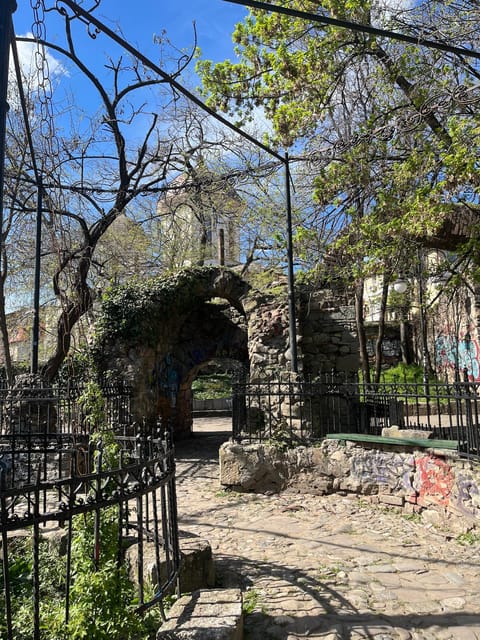
The route includes a fifteen-minute stop at a local café. Food and drinks are not included, so bring money if you want coffee, water, or a snack.
This pause matters more than it might seem. The subject is heavy, and three hours of uninterrupted walking and talking would be tiring. The café gives you a chance to ask about terms, check your understanding, or simply take a breath before the next section.
The pace is generally designed as a mix of walking, talking, pictures, and rest. On hot days, guides have stopped in shaded areas and built in regular water breaks. Larger groups may move more slowly, and one guide may share the work with another, so do not expect a private conversation at every moment.
More History Walking Tours in Bucharest:
- Bucharest: Communism and History Guided City Walking Tour
★ 4.9 · 918 reviews - Guided Walking Tour of Historical Bucharest
★ 5.0 · 84 reviews - History and Hauntings of Salem Guided Walking Tour
★ 5.0 · 14,564 reviews - Lisbon: History, Stories and Lifestyle Walking Tour
★ 4.8 · 10,902 reviews
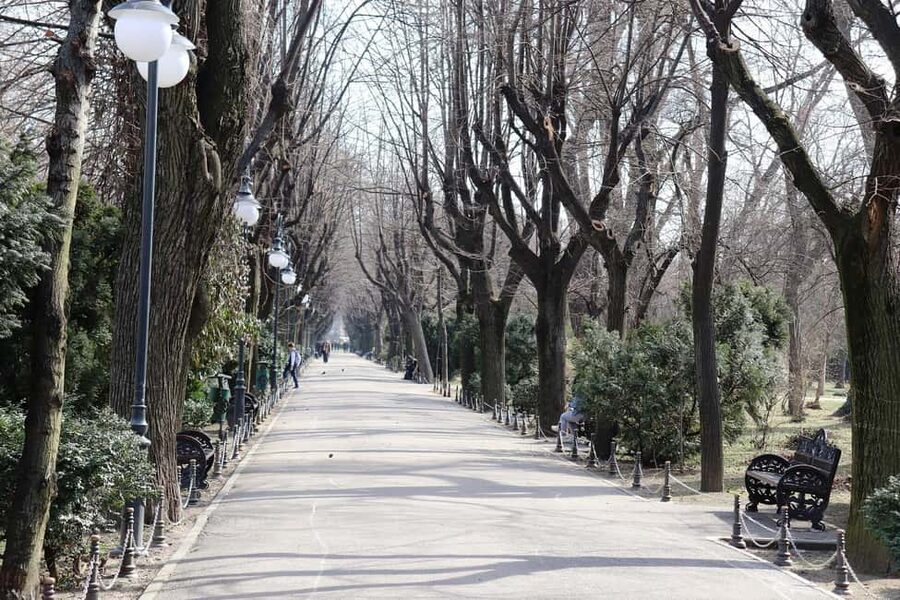
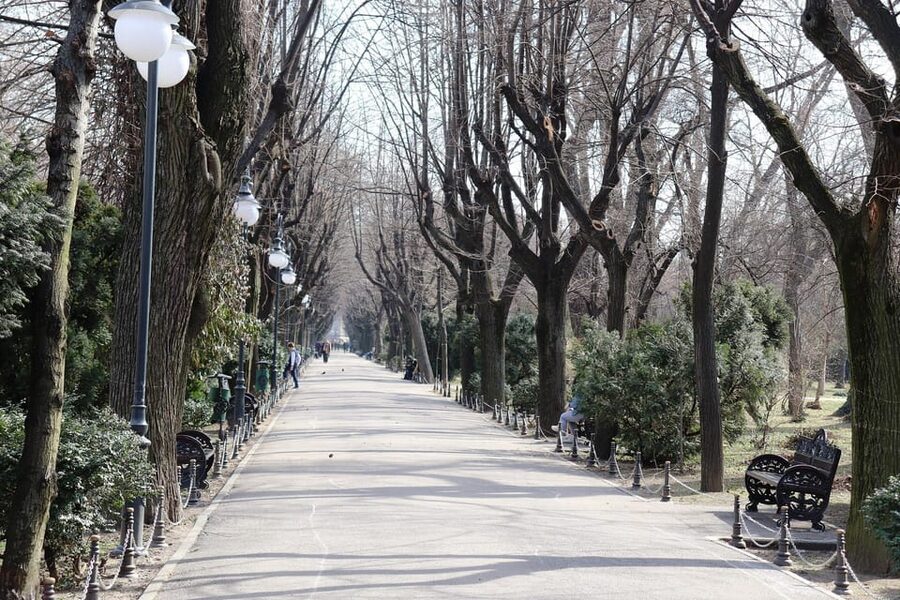
Cișmigiu Gardens: myths, traditions, and daily life
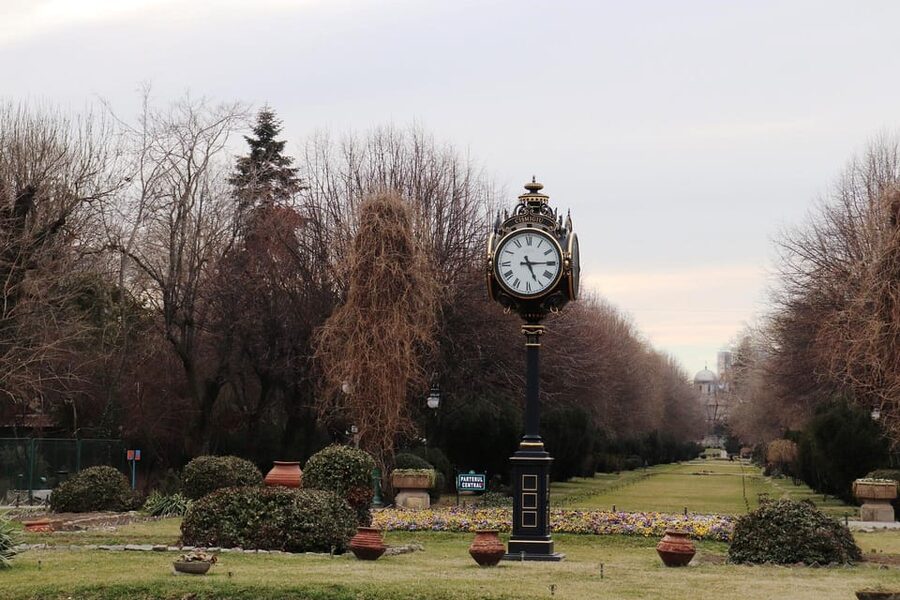
From the café, the walk continues into Cișmigiu Gardens, Bucharest’s oldest and largest public garden. You spend about thirty minutes here, making it one of the longer stops.
The park offers a calmer setting for a more careful discussion of Roma traditions and the myths attached to them. This is where the tour can move beyond slavery and persecution and talk about Roma life as something more than suffering.
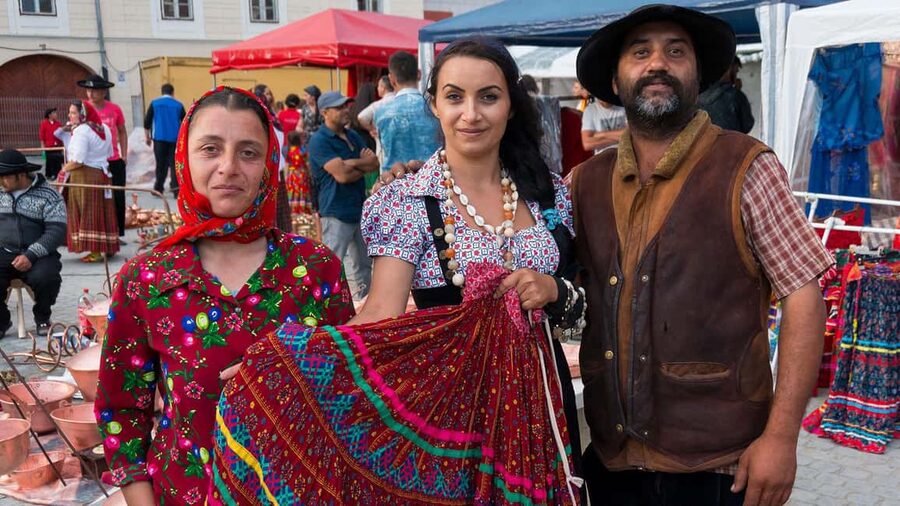
You will examine popular ideas about Roma family life, work, music, travel, and tradition. The goal is not to replace one set of stereotypes with another. It is to show that Roma communities are not all the same, and that customs can change across families, regions, generations, and social conditions.
I find this part especially useful for visitors who have heard broad claims about Roma people but have never had the chance to test those claims against history. The guide explains what is documented, what is exaggerated, and what outsiders have misunderstood.
The park also gives you a practical break from city traffic. There are places to sit, and the relaxed setting helps when the discussion becomes emotionally demanding. Do not mistake this for a light sightseeing stroll, though. The subject remains serious even when the setting is pleasant.
The Holocaust Memorial and the Roma victims of genocide
The Holocaust Memorial is one of the most important stops on the route. You spend about fifteen minutes there for a photo stop, guided explanation, and time to pay respects.
Romania’s Holocaust history is often less familiar to international visitors than the history of Nazi Germany or occupied Poland. The memorial helps place the persecution of Roma people within the wider story of wartime genocide. Thousands of Roma lives were lost, and that fact deserves more than a passing footnote.
The guide approaches the stop with respect rather than spectacle. You learn about the victims and the way memory has been handled in Romania. The setting gives the earlier discussion of discrimination a sharper edge: prejudice is not merely rude language or unfair treatment. In extreme conditions, it can become state violence and mass murder.
This is likely to be one of the tour’s most moving moments. Allow time to look, listen, and ask questions. It is not a stop to rush through for a photograph.
Piața Kogălniceanu and the communist years
At Piața Kogălniceanu, the route turns toward the communist period and the way the regime affected Roma communities. This section lasts about ten minutes, but it adds an important layer to the story.
Communism is often presented to visitors through architecture, shortages, surveillance, and the rule of Nicolae Ceaușescu. Here, you consider the period from the Roma point of view. The guide discusses pressures faced by Roma people and how state policy shaped work, housing, identity, and public attitudes.
The subject is not simple. Communist rule could challenge some old social structures while also restricting personal freedom and failing to remove deep prejudice. The tour does not treat the regime as either a simple solution or a single source of every modern problem.
That balance is useful. You get a wider view of Bucharest’s recent past without losing sight of the tour’s main subject.
Revolution Square and the unfinished story
The walk passes through Revolution Square for about fifteen minutes. This is one of Bucharest’s key public spaces, linked to the events that brought down Romania’s communist regime in 1989.
The square helps connect national political change to the everyday experience of minority communities. A revolution can alter a government quickly, but it does not automatically erase inherited prejudice or economic disadvantage. The guide uses the space to show how Roma people fit into the wider Romanian story before, during, and after communism.
This stop also gives the route a strong visual ending before the workshop. You move through major public places that usually symbolize national pride and political change, while keeping the focus on people who have often been excluded from the center of that story.
Finishing at Mesteshukar ButiQ
The tour ends at Mesteshukar ButiQ, known as MBQ. You can add an optional jewelry workshop, with transportation included if you select that option.
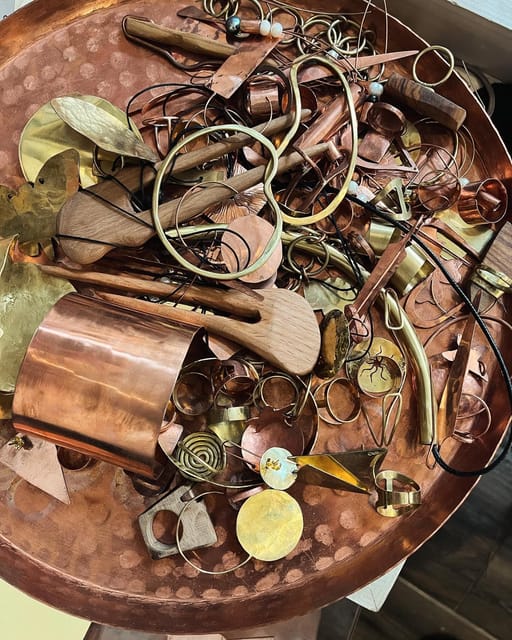
The workshop is a practical way to finish a discussion that could otherwise remain abstract. You make your own piece of jewelry with an authentic Roma craftsman and learn more about traditional workshop skills. It adds a direct, hands-on element and gives you something tangible to take away.
The workshop is optional, and one person who did not have time to join still saw the space and found it appealing. That means you can choose the walking tour on its own if your schedule is tight. If you want more direct contact with Roma craft and a creative activity, the extra option makes sense.
Keep the distinction clear: a workshop cannot represent every Roma community or answer every question about Roma life. But it can support the broader aim of the tour by placing contemporary work and skill alongside the historical discussion.
Guides, pace, and group feel
The tour is conducted in English by a live guide. Andreea, Daniela, and Mihail have led this experience, and each brings a slightly different style. Andreea is noted for her careful explanations, clear pacing, and use of images. Daniela combines broad knowledge with candor, empathy, humor, and useful follow-up material. Mihail has been praised for handling difficult subjects directly while avoiding fresh stereotypes.
That variety matters because the topic requires more than memorized dates. You need a guide who can explain uncertainty, answer uncomfortable questions, and avoid reducing Roma people to victims or folk characters.
A large group is possible. In that case, two guides may share the work, and the presentation can feel less personal than a small-group walk. Still, the route includes pauses, sitting opportunities, and time for questions. On a hot day, sensible pacing and shade make a real difference.
One fair criticism is the limited interaction with Roma people during the walking portion. The guide offers context and interpretation, but you should not expect to meet Roma residents at several stops. The optional jewelry workshop is the clearest way to add direct contact with a Roma craftsperson.
Is $30 a fair price?
At $30 per person, this is a reasonable buy for a three-hour, guide-led experience in central Bucharest. You are paying for focused interpretation rather than entry tickets, and the walking route itself uses public streets, parks, and memorial sites.
The value is strongest if you are willing to listen and ask questions. This is not a quick photo walk. Its purpose is to help you understand why certain attitudes exist and how historical events still shape public life.
Food and drinks are not included, and the jewelry workshop is an added option. If you want the lowest possible cost, book only the walking tour and bring water. If the craft session appeals to you, check the final price before booking.
Free cancellation up to 24 hours before the start and a reserve-now, pay-later option make it easier to fit into a changing Bucharest schedule.
Who should book this walk?
I would choose this tour if you have already seen Bucharest’s main sights and want a more focused social-history experience. It also works well early in a visit, since it gives the Athenaeum, Cișmigiu Gardens, Revolution Square, and the Holocaust Memorial added meaning.
You should book it if you:
- Want a serious introduction to Roma history in Romania
- Prefer guided explanation to independent reading
- Are interested in slavery, genocide, communism, and present-day prejudice
- Enjoy asking questions and considering uncomfortable subjects
- Want the option of a traditional jewelry workshop
You may prefer another tour if your main goal is architecture, food, nightlife, or a fast survey of central Bucharest. You should also know that the experience is emotionally demanding at points, and the limited direct interaction with Roma residents may leave you wanting more.
Final verdict: a worthwhile, focused Bucharest experience
Book this tour if you want to understand Bucharest beyond its grand buildings and communist-era headlines. The route is manageable, the guide quality is a major strength, and the stops give difficult history a physical setting.
I especially value the clear attention to myths, slavery, Holocaust memory, and the Roma place in Romanian society today. Add the jewelry workshop if you want a more active finish. Skip it if time is short, but do not skip the walk simply because the subject is unfamiliar. That unfamiliarity is exactly why this experience earns a place in your Bucharest plans.
FAQ
How long does the Roma Culture, Realities and Slavery History walking tour last?
The tour lasts three hours.
What language is the tour conducted in?
The live tour guide speaks English.
Where does the tour begin?
Meet in the small square in front of Teatrul Ion Creangă, about a three-minute walk from Piața Romană metro station.
Where does the tour finish?
The walk finishes at Mesteshukar ButiQ, also called MBQ.
What Bucharest sights are included?
The route passes the former slave-market site, the Romanian Athenaeum, Cișmigiu Gardens, the Holocaust Memorial, Piața Kogălniceanu, and Revolution Square.
Is the jewelry workshop included?
The jewelry workshop is optional. If you select it, jewelry workshop access and transportation are included with that option.
Are food and drinks included?
No. Food and drinks are not included, including during the café break.
How much does the walking tour cost?
The listed price is $30 per person.
Can I cancel the booking?
Yes. You can cancel up to 24 hours in advance for a full refund. You can also reserve now and pay later.
Just added around Bucharest
- Private Tour: Transylvanian Castles and Brasov’s Medieval Old Town★ 5.0 · 42 reviews
- Visit Bulgaria – Veliko Tarnovo Medieval Fortress – Private tour from Bucharest★ 5.0 · 51 reviews
- Guided Walking Tour of Historical Bucharest★ 5.0 · 84 reviews
- Day Trip to Medieval Bulgaria- Small group tour★ 3.5 · 75 reviews
- Bucharest Jewish Heritage | Holocaust Memorial | Private Car Tour★ 5.0 · 38 reviews
- 2-Day Medieval Transylvania with Brasov,Sibiu and Sighisoara Tour from Bucharest★ 4.5 · 145 reviews
- Day trip to Dracula’s Castle, Peles Castle and Medieval Brasov★ 4.5 · 41 reviews
- 3-Day Medieval Transylvania Package Tour★ 4.7 · 31 reviews
Bucharest History Tours, compared.
Bucharest: Communism and History Guided City Walking Tour
Read our review →
From Bucharest: Small Group Day Trip to Medieval Bulgaria
Read our review →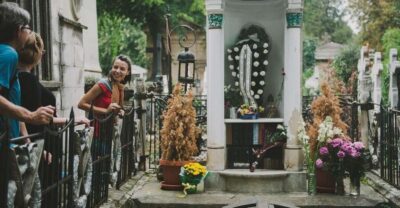
Bucharest: 3-Hour Dark History Tour with a Local
Read our review →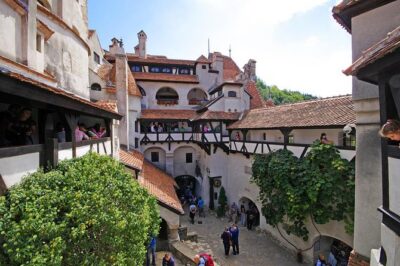
Peles Castle, Dracula’s Castle and Medieval Town of Brasov in one day
Read our review →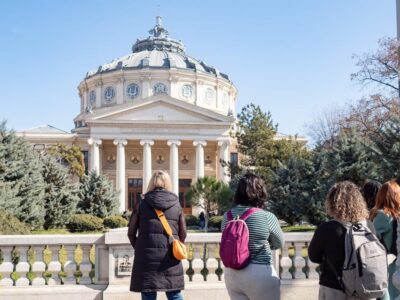
Bucharest: Small Group History, Art & Secrets Tour
Read our review →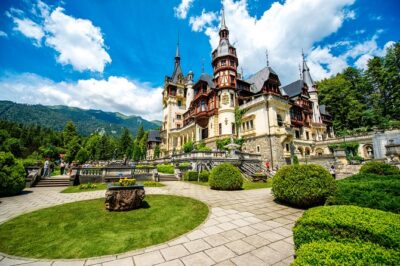
2-Day Medieval Transylvania with Brasov,Sibiu and Sighisoara Tour from Bucharest
Read our review →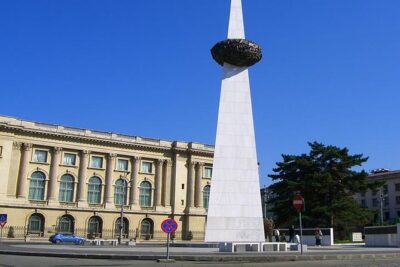
Browse the lists this tour appears in