Review · ROME
Rome Pantheon Semi-Private Guided Tour with an Archaeologist
The Pantheon is easy to underestimate. From outside, it can look like a grand old temple wedged into the city center. Inside, the huge unreinforced dome and open oculus reveal why this is one of Rome’s most remarkable buildings. Archaeologist Daniele gives the structure a clear story, linking its design to mathematics, engineering, astronomy, religion, and power.
I like the tour’s small-group format and its useful start in Piazza della Minerva, where Bernini’s elephant gives you an immediate lesson in Rome’s habit of layering art over ancient streets. I also like that the Pantheon ticket is included, so you can focus on the building rather than the ticket queue. The main consideration is pace: a 1.5-hour visit packed with history may feel intense if you prefer a quick look and a few photographs.
Key points at a glance
- Start with Bernini’s elephant: Begin in Piazza della Minerva and get context for the streets and churches around the Pantheon.
- Enter with a specialist guide: Archaeologist Daniele explains the building’s design, history, symbolism, and later religious use.
- Look up at the oculus: The open roof at the center of the dome becomes more meaningful when you learn how it relates to light, time, and the seasons.
- See more than the famous dome: Columns, proportions, royal tombs, and changes through the centuries all receive attention.
- Keep the group personal: A small group makes it easier to hear, ask questions, and follow detailed explanations.
- Plan for church dress rules: Shoulders and knees must be covered, and flash photography is not allowed.
Why the Pantheon needs a guided visit
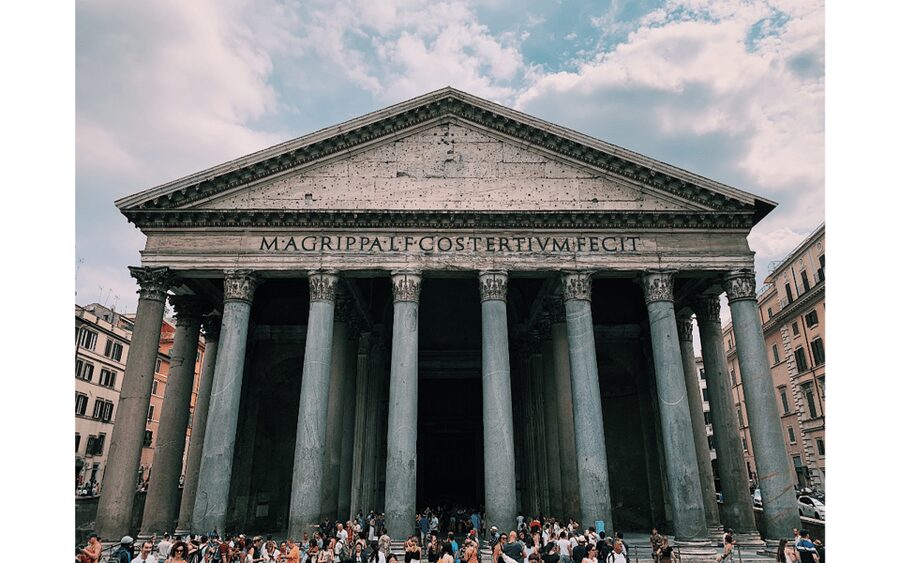
You can walk into the Pantheon on your own and be impressed in about twenty minutes. You see the columns, look up through the oculus, take a few pictures, and move on. The problem is that much of the building’s importance is invisible until someone explains what you are looking at.
This tour turns a short sightseeing stop into a longer lesson in how the Pantheon works. Daniele’s archaeology background is especially useful because the visit is not limited to dates and famous names. You hear about construction methods, proportions, physics, astronomy, and the way the monument changed meaning over time.
That approach suits me. The Pantheon is not only an old Roman building. It is also an engineering problem solved on a grand scale, a place shaped by religious change, and a powerful piece of political architecture. Once you understand those layers, the dome becomes more than a beautiful ceiling.
The guide also uses pictures and videos during explanations, according to the details shared by past participants. That can help when a feature is difficult to understand from floor level, especially the dome’s structure or the way the building may have functioned in earlier periods.
More Private History Tours in Italy
- Ancient Ostia Antica Semi-Private Day Trip from Rome by Train with Guide
★ 4.5 · 579 reviews - Colosseum & Ancient Rome Semi-Private Tour
★ 5.0 · 208 reviews - Colosseum & Ancient Rome for Kids Private Family Tour
★ 5.0 · 190 reviews
Piazza della Minerva: a smart place to begin
The meeting point is in Piazza della Minerva, beside the Pantheon. This is a good choice because it gives you a little space to get oriented before entering the crowded monument.
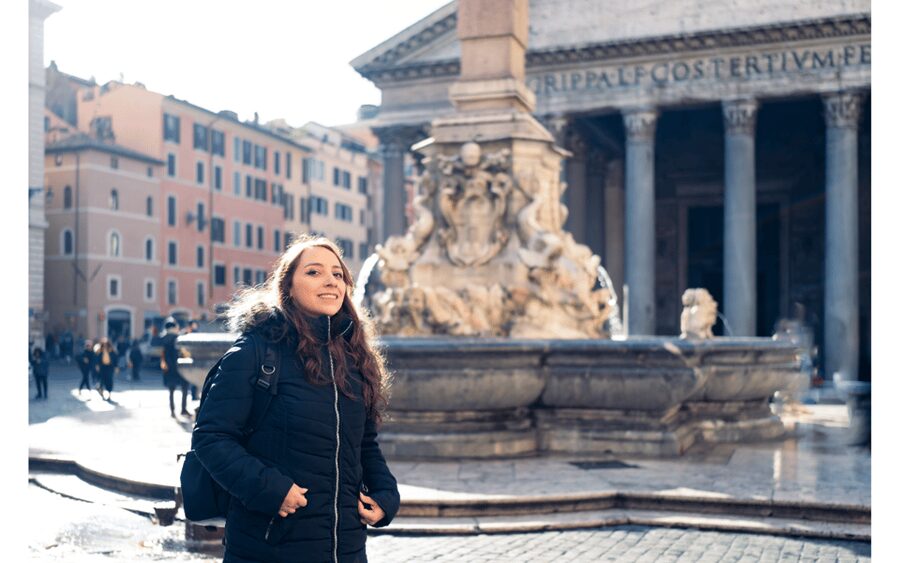
The square’s most memorable feature is Bernini’s small elephant carrying an ancient Egyptian obelisk. It is playful, unusual, and easy to overlook if you are rushing toward the Pantheon. Daniele uses the square to point out its artwork and historic surroundings, helping you see how Rome combines ancient remains, church buildings, sculpture, and everyday city life in a single view.
This opening also sets up the Pantheon well. Instead of treating the building as an isolated attraction, the guide places it within the surrounding streets and nearby churches. One past visit even included additional explanations at nearby churches when a mass affected the original plan. That suggests some flexibility when local conditions change, though the exact route can depend on access and religious services.
Give yourself enough time to find the correct meeting point. The information says there may be two starting-location options depending on the booking, so check your confirmation carefully. Piazza della Minerva is central, but Rome’s historic center has narrow lanes, busy foot traffic, and plenty of distractions.
Inside the Pantheon: the dome takes center stage
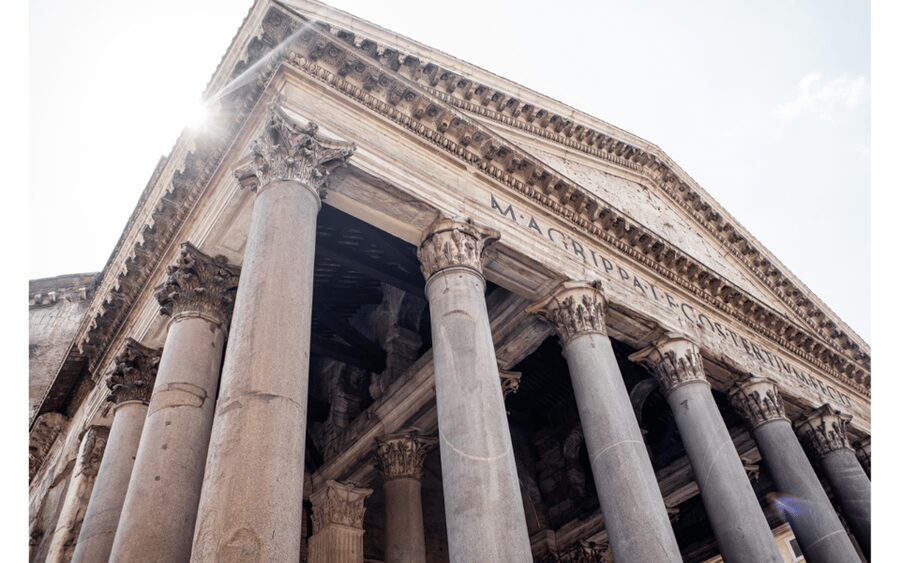
The Pantheon’s interior is the heart of the tour. Your guide leads you through the building for about an hour, focusing on the features that are easy to admire but hard to interpret alone.
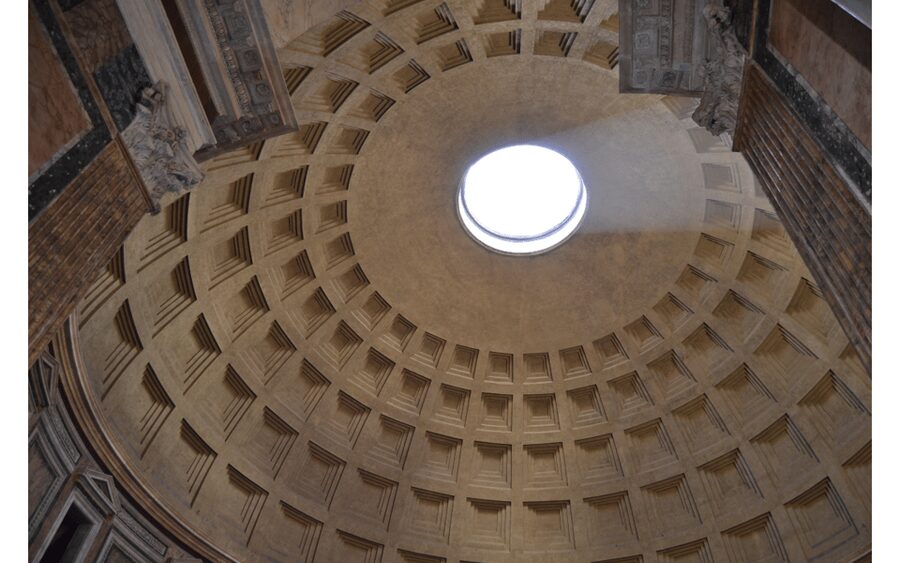
The first thing to do is look straight up. The dome’s central opening, the oculus, is not covered by glass. Light enters directly, and rain can come in as well. The floor is designed to handle water, but the practical details are only one part of the story. Daniele connects the oculus with astronomy, the movement of light, and the way ancient builders used the building to express order.
The dome’s scale is also easier to appreciate with an explanation of its structure. You will hear about the technical choices that made such a large space possible, including the importance of weight, shape, and materials. The building’s age becomes more astonishing when you understand that its dome has survived for roughly 2,000 years.
I especially like this science-based angle because it prevents the tour from becoming a string of legends. You are encouraged to notice how the building works, not just memorize who built it. That is a strong reason to choose an archaeologist rather than rely on an audio guide.
The interior also rewards careful looking at floor level. The columns, geometric proportions, wall design, and sightlines all contribute to the sense of balance. A guide can show you details you might otherwise pass without noticing.
From Roman temple to Christian church
The Pantheon’s meaning changed over time, and that transition is an important part of the visit. The building began as a Roman temple and later became a Christian church. This explains why the interior is not simply an ancient ruin preserved in place.
The tour covers this transformation and the way the Pantheon continued to matter through later centuries. You also see royal tombs inside, which add another chapter to the monument’s story. The building is not frozen in one period. It has been reused, reinterpreted, and brought into new religious and national settings.
This is where a guided visit gives you more than attractive architecture. You begin to see Rome as a city that keeps adding new meaning to old spaces. Ancient Roman design, Christian worship, and royal memory all occupy the same building.
The Pantheon remains an active church, so respectful behavior and suitable clothing matter. Your shoulders and knees must be covered to enter. Services may affect access or timing, and the guide may need to adjust the route if a mass is taking place. Treat that as part of visiting a living religious site, not just a museum.
More Private History Tours in Rome
- Private Rome Food Tour in the Historic Centre with 8+Tastings
★ 5.0 · 135 reviews - Private Colosseum & Ancient Rome Family Tour for Kids
★ 4.8 · 124 reviews - Rome: Colosseum Arena Private Tour with Ancient City
★ 4.9 · 75 reviews - Rome: Private Colosseum Experience and Ancient Ruins Tour
★ 4.6 · 25 reviews
Daniele’s guiding style
The strongest pattern in the feedback is the enthusiasm and clarity of Daniele. People describe him as warm, funny, highly informed, and able to explain difficult subjects without making the visit feel like a classroom lecture.
That balance matters at the Pantheon. Engineering and archaeology can become dry if the guide piles on technical terms. Daniele appears to keep the material moving by mixing scientific explanation with stories, humor, modern comparisons, and questions for the group.
His passion also seems to be a major part of the appeal. Several people who had already visited the Pantheon said this tour gave them a much better understanding of the building. That is a useful distinction. You are not paying simply to enter a place you could see independently. You are paying for a more organized way to notice what is already there.
He has also been praised for giving practical suggestions about other things to do in Rome. That can be helpful, but the main value remains the Pantheon itself. Book this tour for the site and the archaeology, not only for general city advice.
The languages offered are English, Spanish, and French. If you have a preferred language, confirm the available departure before booking. The group is described as small, which should make it easier to ask questions and stay close to the guide.
How long the visit really feels
The advertised duration is 1.5 to 2 hours, with about one hour inside the Pantheon and the rest used for the introduction and surrounding area. That is long enough to cover the building properly without taking up half your day.
Still, this is not a quick photo stop. Daniele’s style includes detailed explanations, and the tour can feel full if you want a relaxed wander with lots of time for independent photography. The best approach is to treat the visit as a focused history and architecture lesson.
You may find the timing especially useful early in a Rome trip. The explanations about Roman design, religion, and city development can help you understand other sites afterward. One participant described the tour as improving their understanding of the rest of Rome, which makes sense: the Pantheon brings together many themes that appear across the city.
Wear comfortable shoes. The tour is on foot, and the area around the Pantheon is best explored slowly rather than with luggage or uncomfortable footwear. Bring water, particularly in warm weather, and dress for the conditions while still meeting the church’s clothing rules.
Is the $50 price good value?
At $50 per person, this is not the cheapest way to see the Pantheon. You can view the exterior for free, and entering without a guide may cost less depending on the current admission arrangements. The question is what you want from the visit.
For a simple look inside, skip this tour. If you want the dome explained, the oculus placed in an astronomical and architectural context, and the building’s changes across the centuries tied together, the price is easier to justify.
The included entrance ticket also removes one small task from your day. You do not need to arrange a separate Pantheon admission, and the tour is designed around the monument rather than a long list of unrelated stops. That focused format is useful if you have limited time in Rome.
The value improves for anyone who has already seen the Pantheon and felt they had missed something. Several people who had visited before found that the guided version gave the building new meaning. I would also consider it good value for families with older children or teenagers who need a strong story and visual details to stay interested.
The price may feel high for very young children, especially if they will not follow a long explanation. It is also less suitable for someone who wants only a fast visit. The tour earns its cost through interpretation, not through the length of the route.
Who should book this Pantheon tour?
I would choose this for:
- First-time visitors who want a strong introduction to Roman architecture.
- History, archaeology, engineering, or astronomy fans.
- Families with teenagers who can follow a detailed explanation.
- People who have seen the Pantheon before but want to understand it better.
- Visitors who prefer a small group to a large flag-led tour.
- Anyone who likes a guide with enthusiasm and a sense of humor.
I would think twice if you dislike structured tours, have very limited patience for detailed commentary, or only want a few minutes inside. The building is compact, and the tour asks you to slow down and pay attention.
The tour is wheelchair accessible, which is useful for visitors who need step-free access. Exact conditions can still vary with church operations or temporary access changes, so check the booking details if accessibility is essential for your plans.
Practical details before you go
Book with the flexible cancellation terms in mind: you can cancel up to 24 hours in advance for a full refund. The reserve-now, pay-later option also helps if your Rome schedule is still changing.
Check the meeting point and starting time carefully because the exact starting location may vary with the option selected. Arrive ready to walk and listen rather than carrying bulky bags.
Remember these simple rules:
- Cover your shoulders and knees.
- Do not use flash photography.
- Wear comfortable shoes.
- Bring water.
- Dress for the weather.
- Check the language and meeting point before setting out.
The tour finishes at the Pantheon, leaving you in a useful part of central Rome. You can continue on foot from there, but no further route is promised, so plan your next stop separately.
Should you book it?
Book this tour if you want the Pantheon to become more than a beautiful building you happened to enter. The strongest reason is Daniele’s archaeology background and his ability to connect the dome, oculus, columns, tombs, science, religion, and Roman history into one clear story.
At $50, it is a considered purchase rather than a casual add-on. For a fast visit, save your money. For a focused, small-group lesson that can change how you see one of Rome’s most important buildings, it is a strong choice. Dress properly, allow the full 1.5 to 2 hours, and arrive ready to look up.
FAQ
How long does the Pantheon tour last?
The activity lasts about 1.5 to 2 hours. The guided visit inside the Pantheon is listed as approximately one hour.
Is the Pantheon entrance ticket included?
Yes. Entrance to the Pantheon and the guided tour with an archaeologist are included.
Which languages are available?
The live tour guide is available in English, Spanish, and French.
Where does the tour start?
The listed starting point is Piazza della Minerva, at Piazza della Minerva 69. The exact meeting point may vary depending on the option booked, so check your booking details.
Is the tour wheelchair accessible?
Yes, the tour is described as wheelchair accessible.
What should I wear to enter the Pantheon?
Because the Pantheon is a church, your shoulders and knees must be covered. Comfortable shoes and weather-appropriate clothing are also recommended. Flash photography is not allowed.
More Archaeological Site Tours in Rome
- Rome: Ostia Antica Archaeological Park Ticket & Audio App
★ 4.6 · 146 reviews - Ancient Rome: Archeological area Largo Argentina
★ 3.9 · 49 reviews - Pompeii: Entry Ticket and Guided Tour with an Archaeologist
★ 4.8 · 19,459 reviews - Athens: Acropolis & up to 5 Archaeological Sites Combo Pass
★ 4.2 · 13,904 reviews
More Ancient Rome and Colosseum Tours
- Colosseum: Underground and Ancient Rome Tour
★ 4.7 · 12,691 reviews - Rome: Colosseum with Arena, Roman Forum and Palatine Guided Tour
★ 4.0 · 5,598 reviews - Colosseum with Arena, Roman Forum and Palatine Hill Guided Tour
★ 4.5 · 3,526 reviews - Colosseum & Ancient Rome with Arena Floor Option I Max 6 People
★ 5.0 · 3,306 reviews
Just added around Rome
- Rome: Colosseum and Ancient Rome Guided Walking Tour★ 4.5 · 95 reviews
- Secrets of Rome: Historical True Crime Small Group Tour★ 4.9 · 85 reviews
- Rome: Rome at Night Evening Historical Walking Tour★ 4.9 · 24 reviews
- Rome Secrets: Dark History & Tasty Bites Tour★ 5.0 · 37 reviews
- Rome: Introduction to the Colosseum and Ancient City Tour★ 4.8 · 75 reviews
- Rome: Ostia Antica Archaeological Park Ticket & Audio App★ 4.6 · 146 reviews
- Rome: Food Tour of the Historic Center with Rooftop Spritz★ 4.7 · 43 reviews
- Rome: Guided Tour of Colosseum and Ancient Rome★ 4.9 · 74 reviews
Rome History Tours, compared.
Colosseum: Underground and Ancient Rome Tour
Read our review →
Rome: Colosseum with Arena, Roman Forum and Palatine Guided Tour
Read our review →
Colosseum with Arena, Roman Forum and Palatine Hill Guided Tour
Read our review →
Colosseum & Ancient Rome with Arena Floor Option I Max 6 People
Read our review →
Rome: Colosseum, Ancient Rome Tour or AudioGuided Tour
Read our review →
Colosseum Underground & Ancient Rome Guided Tour
Read our review →
Rome: Colosseum Arena, Roman Forum & Palatine Hill Tour
Read our review →