
Review · NEW YORK CITY
Soul of Harlem: Strivers Row, Apollo Theatre, Gospel History
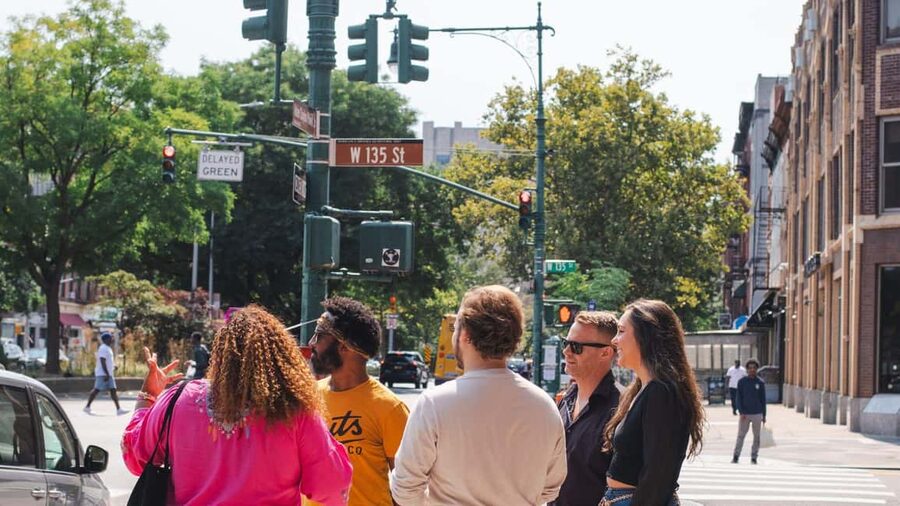
Harlem’s story comes alive block by block on this compact walking tour. You’ll trace the neighborhood’s ties to Ella Fitzgerald and Duke Ellington, hear about the Harlem Renaissance, and learn the wonderfully odd tale of Fidel Castro being turned out of a midtown hotel for keeping chickens in his room. Music, politics, faith, and daily life all meet here.
I like the focused route and the local feel. You get Strivers’ Row, Bill’s Place, the Schomburg Center, and the Apollo Theater without spending half the day crossing Manhattan. I also like that the strongest guides, including Altovise and Ron, connect the past to present-day Harlem and can suggest places to eat afterward.
The main limitation is its short length. Two hours gives you a lively introduction, not a full survey of Harlem. You’ll generally see major sites from the outside, and the Apollo is not guaranteed to offer an interior visit, especially during renovation or restricted access.
Key points at a glance
- A concentrated Harlem route: Cover several important landmarks within a manageable two-hour walk.
- Music history with real names: Follow the Harlem Renaissance and the careers of Ella Fitzgerald, Duke Ellington, and other major performers.
- Sunday gospel option: Eligible Sunday tours include skip-the-line access to a gospel experience at a local church.
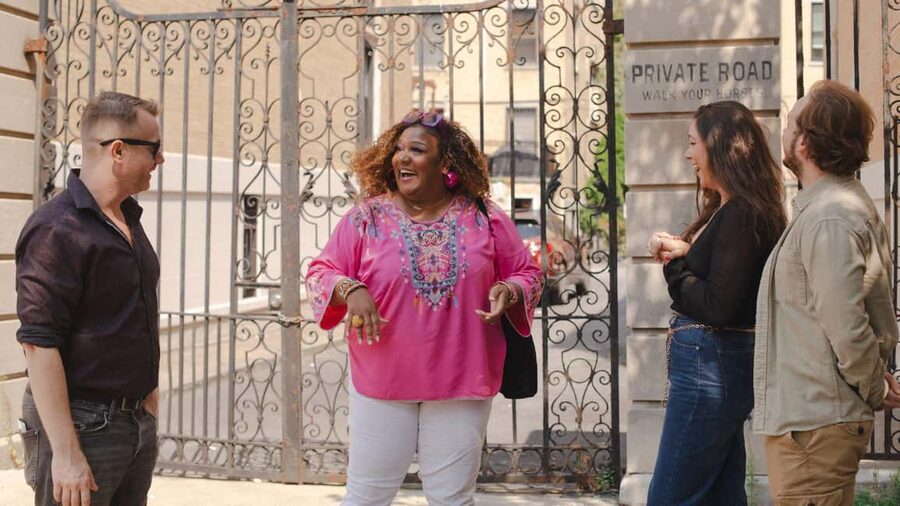
- Guides with community ties: Guides such as Altovise and Ron add personal stories, local connections, and practical suggestions.
- A mix of serious and surprising history: Expect stories about race, culture, politics, housing, entertainment, and Fidel Castro’s unusual hotel trouble.
- Easy booking terms: The $49 price includes the guided walk, with cancellation up to 24 hours ahead and a reserve-now, pay-later option.
Why this two-hour Harlem walk works

Harlem can feel like a large subject. Its history reaches back roughly 400 years and includes major changes in population, religion, housing, music, politics, and business. Trying to cover all of that on foot in one outing would leave you with a blur of names and streets.
This tour takes a better approach. It concentrates on a walkable section and uses specific buildings and blocks to explain the larger story. You’re not simply told that Harlem mattered to American culture. You’re shown where key institutions and artists fit into the neighborhood.
That focus makes the tour useful early in a New York visit. You can get your bearings, learn what you want to explore later, and finish near the Apollo Theater or Memorial Baptist Church. The route also suits you if you want a serious introduction without committing to a full-day excursion.
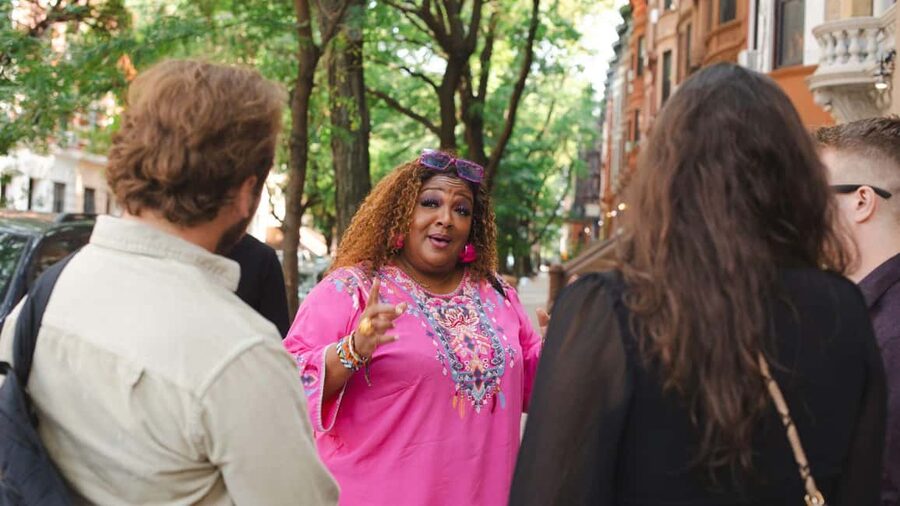
The guide makes a large difference. Altovise is praised for being funny, energetic, and closely connected to the area. Ron is described as lively and well prepared, with plenty of supporting material and stories. You may not receive the same guide on every departure, but the experience is designed around a live English-speaking guide rather than a recorded script.
More History Tours in the USA:
- History and Hauntings of Salem Guided Walking Tour
★ 5.0 · 14,564 reviews - Charleston’s Old South Carriage Historic Horse & Carriage Tour
★ 5.0 · 10,023 reviews - Beneath The Streets Underground History Tour
★ 4.5 · 8,006 reviews
Starting near the Apollo Theater
The advertised starting options include 515 Malcolm X Boulevard and the Apollo Theater. Check your selected departure carefully, since the meeting point can vary by booking option.
Starting near the Apollo puts you close to one of Harlem’s best-known cultural landmarks from the first minute. It also gives the guide a natural way to explain how entertainment helped shape the neighborhood’s identity. The Apollo is not just a concert venue in this context. It represents the careers, ambitions, and barriers faced by Black performers in American popular music.
The route finishes at either the Apollo Theater or Memorial Baptist Church. That is useful planning information. If you have tickets or dinner plans, you can choose a later commitment that allows some breathing room. A walking tour can end a few minutes early or late depending on questions, street crossings, and the pace of the group.
Wear comfortable shoes. The distance is not presented as a strenuous hike, but you’ll be outdoors and on your feet for about two hours. Since the experience is a walking tour, weather can affect your comfort.
The Apollo and Harlem’s musical identity
The Apollo Theater is the natural headline stop. Its connection to Ella Fitzgerald, Duke Ellington, and other Harlem Renaissance figures gives the walk a strong musical thread.
The value here is not only in seeing the facade. A good guide can place the theater within the wider story of Harlem as a launch point for performers who changed American music. You’ll hear about the streets and institutions that helped artists find audiences, build careers, and influence music far beyond New York.
Set your expectations correctly. The listed experience includes a photo stop at the Apollo, not a guaranteed backstage or interior tour. One person specifically wished for a chance to look inside, even at a higher price, particularly while renovation affected access. If stepping inside the theater is your main goal, this walk may leave you wanting more.
Still, the exterior visit works well as part of a broader route. You’re hearing the stories in the neighborhood that produced them, rather than viewing the Apollo as an isolated attraction.
Abyssinian Baptist Church and the role of faith
The Abyssinian Baptist Church is included as a visit and photo stop. Harlem’s religious institutions are central to its social and cultural story, so this stop adds balance to the music-focused parts of the walk.
You’ll encounter a place of worship within a neighborhood known for its many churches and changing communities. The guide can help you see why churches have mattered as gathering places, sources of leadership, and anchors for local life.
The Sunday option adds another layer. On Sundays only, the experience includes skip-the-line access to a gospel experience at a local church. This is not simply a quick photo stop. Gospel music gives you a chance to hear a living tradition rather than only learn about its past.
The church experience is the clearest reason to choose a Sunday departure. It also requires respect and attention. You are entering a working place of worship, not attending a staged theater show. The supplied details do not specify the exact church, service length, or seating arrangements, so check the current departure information before you book if those details matter to you.
Same city, a different century:
- Big Island in a Day: Volcanoes Waterfalls Sightseeing and History
★ 5.0 · 6,569 reviews - Boston: Freedom Trail History Small Group Walking Tour
★ 5.0 · 6,450 reviews - Historic Charleston Guided Sightseeing Walking Tour
★ 5.0 · 6,216 reviews - Charleston Horse-Drawn Carriage Tour: Explore Historic Charleston
★ 5.0 · 3,561 reviews
Schomburg Center for Research in Black Culture
The Schomburg Center appears as both a visit and photo stop. Its role gives the tour an important intellectual side.
Harlem’s story is often reduced to performers and nightlife. The Schomburg Center points you toward the work of preserving books, records, photographs, and other material connected to Black life and culture. That makes it a useful stop for understanding how history is collected and passed on.
As with several locations, the exact depth of the visit depends on the group and the guide. You should expect an exterior-focused stop or a brief visit rather than a long research session. Even so, it broadens the tour beyond famous names and entertainment venues.
I especially like this stop for visitors who want more than a celebrity walking tour. The center helps explain why Harlem matters as a place of ideas, memory, and scholarship.
Bill’s Place and the stories behind the streets
Bill’s Place is listed as a photo stop in Harlem. The name adds a more local, neighborhood-scale point to a route otherwise anchored by famous institutions.
This is where the guide’s storytelling matters most. A building can look ordinary until you learn who used it, what happened there, or how it fits into the neighborhood’s past. Guides with strong local ties can give you the kind of street-level context that is difficult to get from a map.
The supplied information does not promise a meal, performance, or interior access at Bill’s Place. Plan on seeing the location and hearing its story, not on treating it as a separate entertainment booking.
That distinction helps you judge the $49 price fairly. You are paying for interpretation and access to a connected route, not for a series of paid admissions or a restaurant tasting.
Strivers’ Row and Harlem’s changing communities
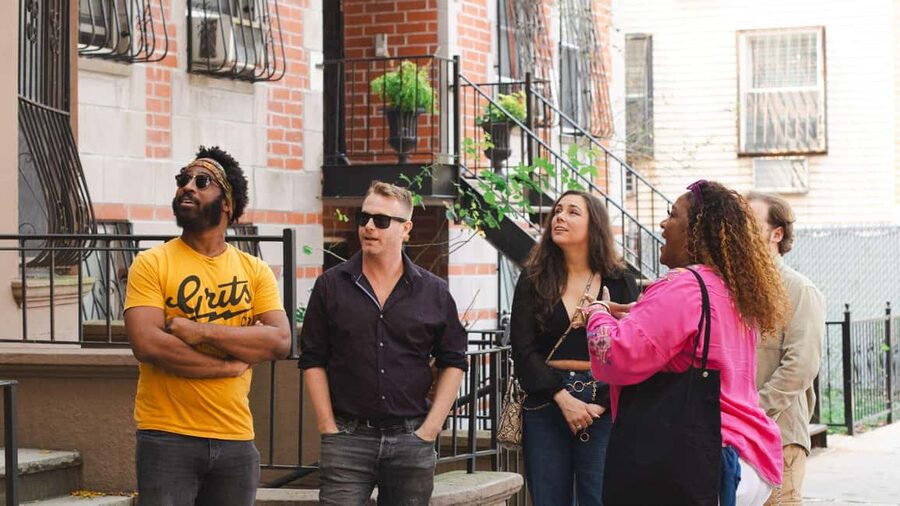
Strivers’ Row is one of the most visually appealing stops. The historic homes provide a chance to talk about housing, ambition, and the people who shaped Harlem’s middle-class life.
The name itself opens the door to a larger discussion about status and opportunity. The neighborhood has never had just one identity. Its population, income levels, businesses, and cultural life have shifted over time, and the buildings show only one part of that story.
You’ll likely stop for photographs and hear how the row fits into Harlem’s development. The tour does not promise entry into private homes, so the experience is about the streetscape and the explanation around it.
I like this part because it slows the pace. After stories about performers, churches, and political figures, the residential blocks remind you that Harlem’s history is also made of homes and ordinary daily routines.
The Fidel Castro story and other unexpected details
A good walking tour needs a few odd details to keep the history human. The story of Fidel Castro sleeping in Harlem after being removed from a midtown hotel for having chickens in his room is exactly that sort of detail.
It is funny, but it also points toward Harlem’s place in international and political history. The neighborhood has been connected not only to local residents and American performers, but also to major events and public figures from abroad.
This mixture is one of the tour’s strengths. You may move from a discussion of the Harlem Renaissance to a church, then to architecture, politics, or a practical tip about where to eat. The subject matter is broad, but the walking route keeps it grounded.
Several guides are praised for answering questions and drawing everyone into the conversation. That matters because a two-hour tour can become a lecture if the guide simply recites facts. The best version of this experience sounds more like a guided exchange, with room for your questions and observations.
How much value do you get for $49?
At $49 per person, this is not the cheapest way to walk around Harlem, but it can be good value if you want a guide who connects the stops into one story.
You are paying for two hours of live interpretation, local context, and a route that includes several significant locations. The Sunday gospel option makes that price more attractive if attending a church service and hearing gospel music is important to you.
The value is lower if you only want photographs of the Apollo and Strivers’ Row. You can see exterior landmarks independently, and the tour does not promise extensive interior access. In that case, the price pays mainly for the stories and the convenience of a planned route.
It is also good value for a first visit because the guide may help you decide how to spend the rest of your time in Harlem. One guide offered suggestions for eating afterward, and another connected the group with additional local resources. Those tips can be useful if you plan to stay in the area after the walk.
The reserve-now, pay-later option and free cancellation up to 24 hours before the start also reduce the risk of booking. These details are especially helpful when New York plans are still changing.
Who should book this Harlem experience?
I would recommend it to you if you want:
- A short introduction to Harlem’s culture and history
- A route centered on music, faith, architecture, and local stories
- A Sunday gospel experience
- A guide who can answer questions and add current neighborhood context
- A structured alternative to visiting landmarks without background
- A tour that works well as part of a larger New York day
It suits first-time visitors particularly well. It also works for New Yorkers or repeat visitors who know Manhattan’s main sights but have not spent much time in Harlem.
Families and mixed-age groups may appreciate the range of subjects. Music fans will find the Apollo and Harlem Renaissance material appealing, while history-minded visitors may prefer the Schomburg Center, Abyssinian Baptist Church, and stories about social change.
You may want something else if your priority is an extended museum visit, an Apollo Theater interior tour, or a long food-focused outing. The format is a guided walk with photo stops, not a full-day cultural program.
Practical details before you go
The tour lasts two hours and is conducted in English by a live guide. The experience is listed as wheelchair accessible, though the exact route and any temporary street conditions can still affect movement. If access needs are important, confirm the current meeting point and route when booking.
There are two listed starting options, and the meeting point may vary according to the option you choose. Read that detail closely so you do not head to the wrong end of Harlem.
Sunday is the key choice. The gospel experience is available on Sundays only, so do not assume a weekday booking includes it. If gospel music is your main reason for booking, select a Sunday departure and check the current inclusions.
The walk ends at the Apollo Theater or Memorial Baptist Church. Use that information when planning lunch, another tour, or transportation afterward. You’ll want to leave some extra time rather than schedule a tight connection.
Should you book it?
Book this tour if you want Harlem explained through its streets, institutions, and people rather than reduced to a few famous names. The strongest guides, especially Altovise and Ron, bring humor, local connections, and enough detail to make a compact route feel substantial.
Choose Sunday if gospel is a priority. Choose another Harlem activity instead if you need guaranteed interior access at the Apollo or prefer a longer, slower visit to museums and historic buildings.
For $49, this is a sensible introduction with a clear focus and a useful amount of local context. It gives you enough history to understand what you’re seeing, while leaving room to return and explore Harlem at your own pace.
FAQ
How long is the Soul of Harlem tour?
The walking tour lasts two hours.
What language is the tour conducted in?
The tour is conducted in English with a live guide.
Where does the tour start?
The listed starting options are 515 Malcolm X Boulevard and the Apollo Theater. The exact meeting point can vary depending on the option you book.
Where does the tour finish?
The listed drop-off points are Memorial Baptist Church and the Apollo Theater.
Is gospel included on every tour?
No. The gospel experience is available on Sundays only, with skip-the-line access at a local church.
What locations are included?
The route includes Harlem, Abyssinian Baptist Church, the Schomburg Center for Research in Black Culture, Bill’s Place, Strivers’ Row, and the Apollo Theater.
Is the tour wheelchair accessible?
The experience is listed as wheelchair accessible.
What is the cancellation policy?
You can cancel up to 24 hours in advance for a full refund. A reserve-now, pay-later option is also available.
Just added around the USA
- Red Rocks Amphitheatre Historical Walking Tour★ 5.0 · 74 reviews
- 1-Hour Segway Tour of Cheyenne Cañon Art, History and Nature★ 5.0 · 36 reviews
- Colorado Springs – Guided Walking Ghost / History Tour★ 5.0 · 168 reviews
- Ancient Landscapes Private Geology Hike at Garden of the Gods★ 5.0 · 31 reviews
- Village Food Tours Lunch & History Tour★ 5.0 · 80 reviews
- 2.5 Hour Kayaking with Manatee and History Tour in Tarpon Springs★ 5.0 · 24 reviews
- Safety Harbor Ghost Tour★ 5.0 · 60 reviews
- Historical Bicycle Tour of Dunedin★ 5.0 · 44 reviews
New York City History Tours, compared.

NYC: Speakeasy Drinks and Prohibition History Tour
Read our review →
The Original Greenwich Village Food & Cultural Tour Since 1999
Read our review →
The Speakeasy Adventure: A Tipsy Trip Through History
Read our review →
Speakeasy Drinks and Prohibition History Tour NYC
Read our review →
NYC: Night Out Prohibition History Bar and Speakeasy Tour
Read our review →
NYC: History of Slavery & Underground Railroad Walking Tour
Read our review →
New York: Mafia and Gangster History Tour in Little Italy
Read our review →
New York City: Flatiron Food, History, and Architecture Tour
Read our review →Browse the lists this tour appears in