
Review · FULL-DAY
Stockholm Viking History Full Day Tour to Sigtuna + Uppsala
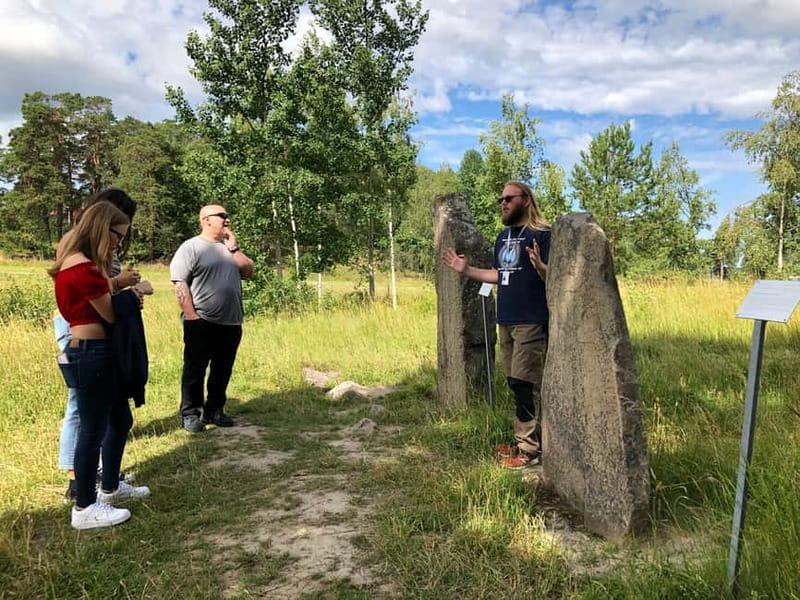
The most memorable part of this day is not a museum display. It is standing beside real Viking Age rune stones, burial mounds, and old meeting places scattered across the countryside north of Stockholm. At Broby Bridge, Jarlabanke Bridge, and Arkil Assembly site, you see the places where people lived, worshipped, buried their dead, and settled disputes more than 1,000 years ago.
I like the way the tour connects small archaeological sites with major towns. Sigtuna gives you medieval lanes and church ruins, while Uppsala and Old Uppsala widen the story into royal power, Christianity, and Swedish identity. I also like the comfortable transport and hotel pickup, especially since these sites are spread too far apart for a practical do-it-yourself day.
The main tradeoff is pace. You cover a lot in eight to nine hours, and one guide described the schedule as a little fast for personal wandering. The later Uppsala portion also leans more toward medieval and Swedish history than the Viking Age itself, so this is best for a broad historical day rather than a single-period archaeology tour.
Key points at a glance
- Six carefully chosen historical settings: Visit Viking burial grounds, rune stones, an ancient assembly site, Sigtuna, Uppsala, and Old Uppsala.
- Broby Bridge’s burial ground: Learn about pagan and early Christian burials, including the influential Viking woman Estrid.
- Jarlabanke Bridge: Walk across a partly reconstructed Viking bridge and examine its unusual runic inscription.
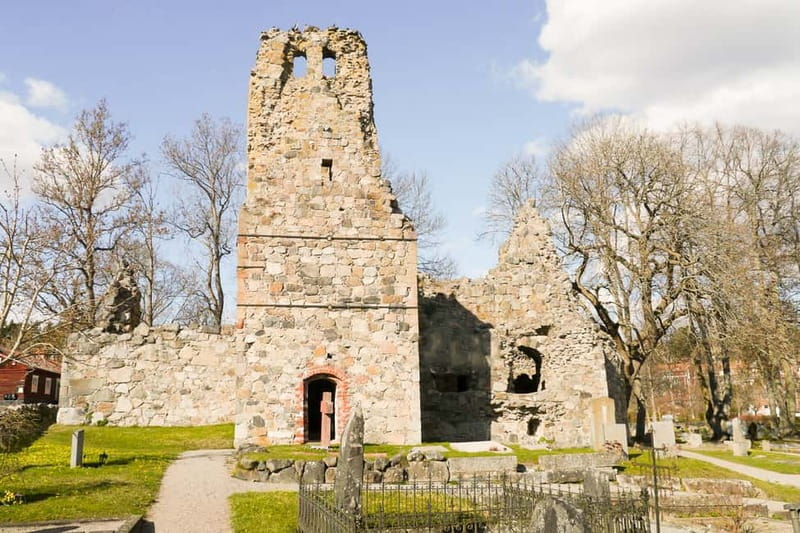
- Sigtuna walking tour: Explore Sweden’s oldest town, with wooden buildings, narrow lanes, and medieval church ruins.
- Old Uppsala’s towering mounds: See three large burial mounds, some reaching about 11 meters high, beside the site of an early cathedral.
- Small-group feel: The company offers private groups, and the regular experience is designed around comfortable transport rather than a large coach.
Why the Viking sites outside Stockholm matter
Stockholm is a fine base for Swedish history, but the city itself cannot show you everything. The Viking Age sites on this route are spread through Stockholm County and Uppsala County, often in places where the remains are easy to miss without a guide.
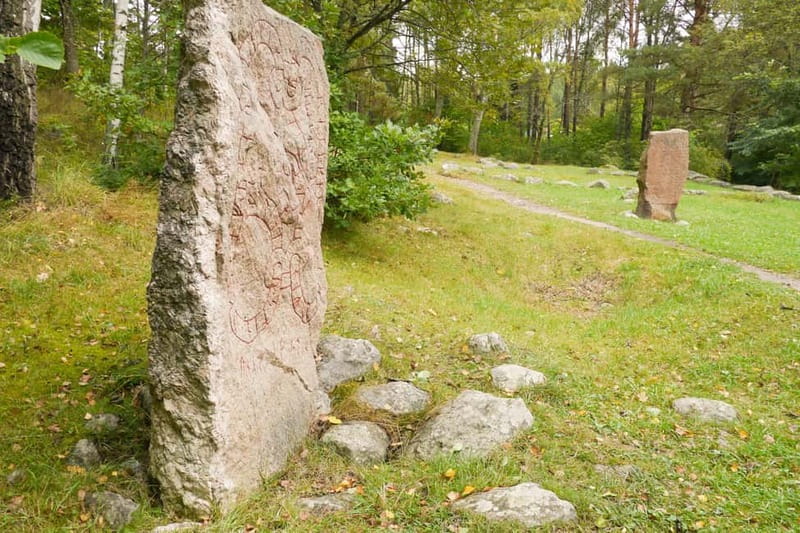
That makes the guide central to the experience. You are not simply driven to a stone in a field, given a quick label, and sent back to the vehicle. The guide explains how rune stones worked as public messages, how burial customs changed as Christianity gained ground, and how family ties shaped Viking society.
The company uses several guides, including Olof, Åsa, Calle, Gabriel, Urban, and others. The exact guide depends on the departure date, but the strongest praise consistently centers on clear English, humor, and the ability to separate historical evidence from Viking legend. Åsa is also an archaeologist and university teacher, while other guides bring long experience in Swedish history and local culture.
I would not expect a theatrical reenactment or a collection of weapons to handle. This is an outdoor history tour. Its appeal lies in seeing the original locations and understanding how the pieces fit together.
More Medieval History Tours in the world:
- Prague: Medieval Dinner with Unlimited Drinks
★ 4.4 · 19,847 reviews - Prague: Oldtown, Medieval Underground & Dungeon History Tour
★ 4.3 · 10,277 reviews - Ghent: 50-Minute Medieval Center Guided Boat Trip
★ 4.5 · 5,637 reviews
Broby Bridge and the story of Estrid
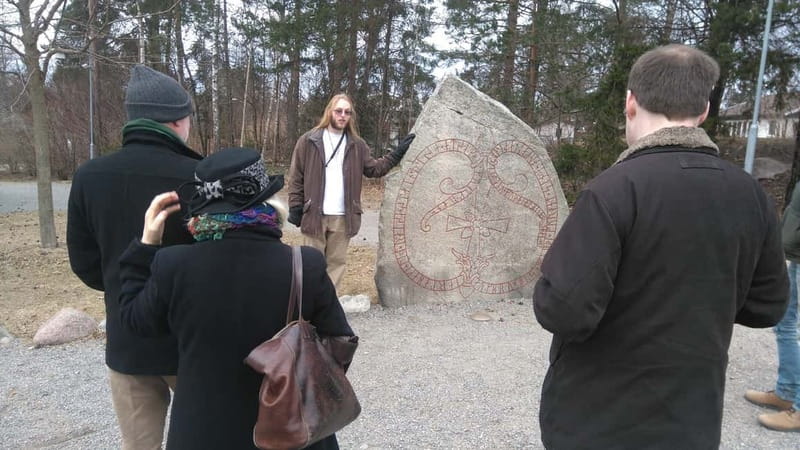
The first major stop is Broby Bridge, where you spend about 40 minutes with the guide. This is one of Sweden’s best-known burial grounds, and it helps explain a major change in Scandinavian society.
Here you hear about both pagan and early Christian burials. That transition matters because the Viking Age was not a neat switch from one belief system to another. Old Norse customs and Christianity overlapped for a time, and the burial ground gives the guide a physical setting for that change.
The story of Estrid adds a human face to the site. She was a powerful Viking woman whose life is tied to several runic monuments in the area. You will hear how a woman of status could be remembered publicly through family connections, land, and memorial stones.
The stop involves a visit and a photo opportunity, with views along the route. Outdoor conditions matter here. In wet weather, uneven ground can feel less forgiving, so wear shoes that can handle grass and dirt rather than relying on city footwear.
Jarlabanke Bridge and a strange runic message
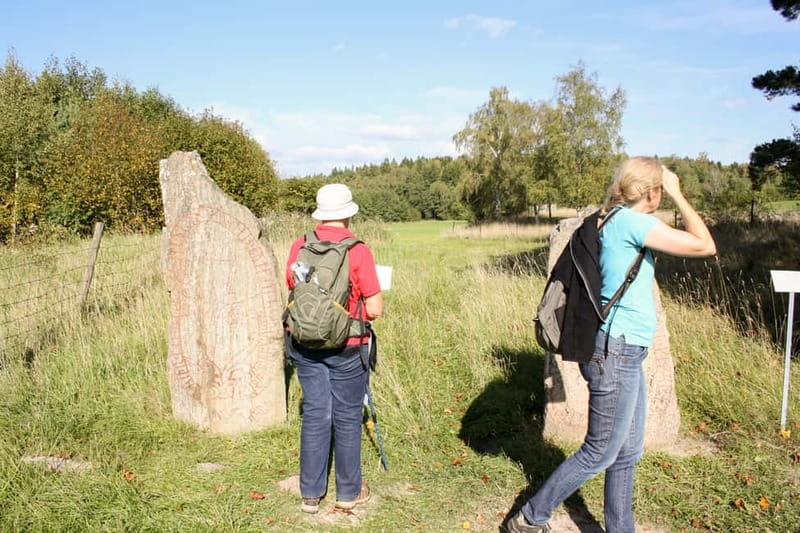
At Jarlabanke Bridge, the focus shifts to a partly reconstructed Viking bridge and its runic inscription. The bridge gives you something physical to walk across, which helps make the engineering side of Viking life less abstract.
The name Jarlabanke is linked with a local Viking-era landowner who used rune stones to announce his power and accomplishments. The inscription here is unusual, and your guide explains why it has attracted attention.
You have about 40 minutes at this stop. That is enough time for photographs, a short walk, and a proper explanation, but not a long independent exploration. I like this stop because it shows that rune stones were not only memorials. They could also advertise status, family, public works, and control of land.
Arkil Assembly site and Viking law
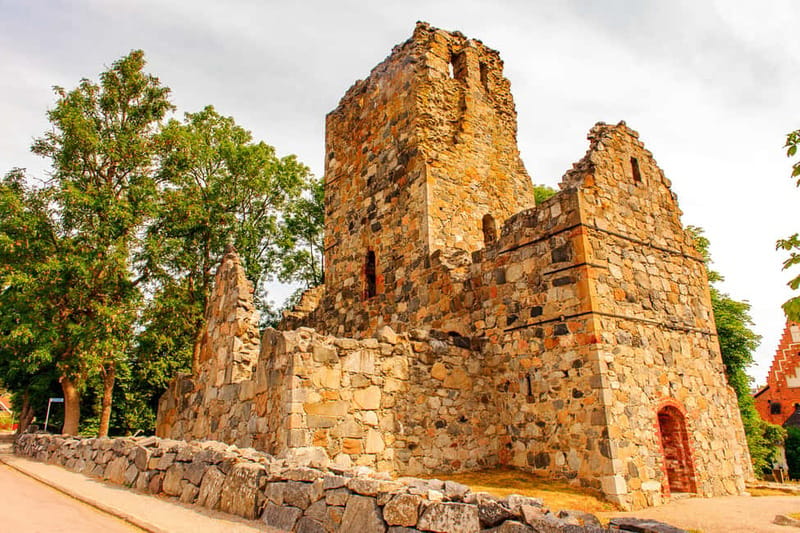
The third historical stop is Arkil Assembly site, another 40-minute visit. This was a Viking-era meeting place, sometimes described as a Viking parliament. The word parliament can be useful for orientation, but do not picture a modern chamber with elected representatives and written agendas.
The guide explains how local assemblies worked, how laws were remembered and applied, and how disputes could be settled. You also learn about kin groups, which formed a base of Viking society. Family ties could provide support, protection, and obligations, but they could also keep conflicts alive.
This is one of the most useful parts of the day because it moves beyond the familiar image of Vikings as raiders. The site shows people organizing communities, handling property disputes, and deciding how society should function.
The stop is outdoors and fairly focused. If you prefer monuments with large buildings or museum displays, it may feel simple. If you like seeing the place where decisions were made, it gives the tour real substance.
More Full-Day Trips in the world:
- Ninh Binh Heritage Full Day Tour with Buffet Lunch and Limousine
★ 5.0 · 2,692 reviews - Normandy American D-Day Beaches Full Day Tour from Bayeux
★ 5.0 · 2,103 reviews - Bali: Tanah Lot UNESCO World Heritage Sites Full-Day Tour
★ 4.7 · 1,947 reviews - UNESCO’s Ayutthaya Historical Park: Full-Day Tour from Bangkok
★ 4.5 · 1,559 reviews
Sigtuna, Sweden’s oldest town
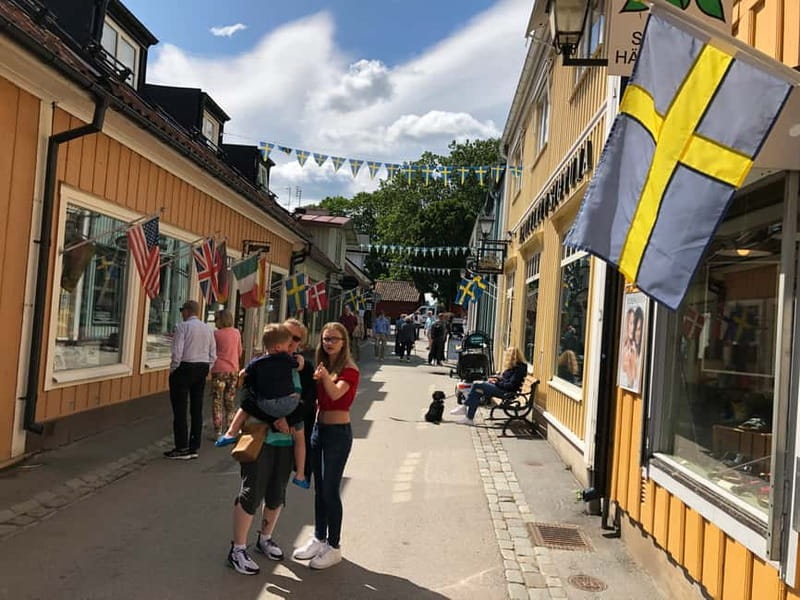
Sigtuna receives the longest stop, about 100 minutes, and it is a welcome change after several rural archaeological sites. You take a guided walk through the old town, with time for photographs, lunch, and some sightseeing.
Sigtuna is known as Sweden’s oldest town. Its wooden buildings, small lanes, and medieval church ruins give you a feel for the period after the earliest Viking centuries, when trade, Christianity, and royal authority were taking firmer shape.
The town is also a popular weekend destination for Swedes, and that gives it a more lived-in feel than an isolated archaeological park. You can walk among several ruined churches and see how much of the old town remains woven into everyday streets.
Do not expect a long, free shopping period. The schedule includes a guided walk and a lunch break, but one past participant found that there was not much time to explore independently. If you want to linger over every lane, Sigtuna alone could fill half a day. Here, it is one part of a much larger route.
Food is not included in the tour price. You receive a lunch break, but you pay for your own meal and drinks. That is worth planning for, especially because the later café stop also involves your own purchases.
The drive toward Uppsala County
After Sigtuna, the route continues through Uppsala County, with about 40 minutes set aside for a guided drive and views along the way. This section gives the day some breathing room after several stops, while the guide continues to connect the sites to Swedish history.
The vehicle is a major practical advantage. These locations are not arranged along one simple public transport route, and reaching rural burial grounds independently would take planning, transfers, and extra time. Hotel pickup and drop-off within three kilometers of Stockholm Central Station keep the day simple.
Pickup is also available from cruise ships, except for arrivals at Nynäshamn. You wait in your hotel lobby at the agreed time and look for a guide wearing a blue jacket with the Sweden History Tours logo.
The regular arrangement feels more intimate than a large bus excursion. Private groups are available, and the small-group format allows more questions. Still, group size can vary, so I would not book assuming a completely private day unless you select that option.
Uppsala and its great cathedral
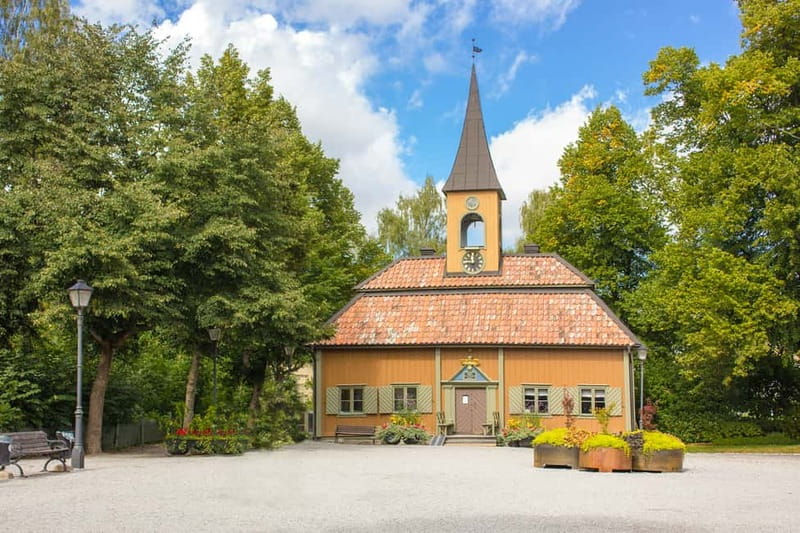
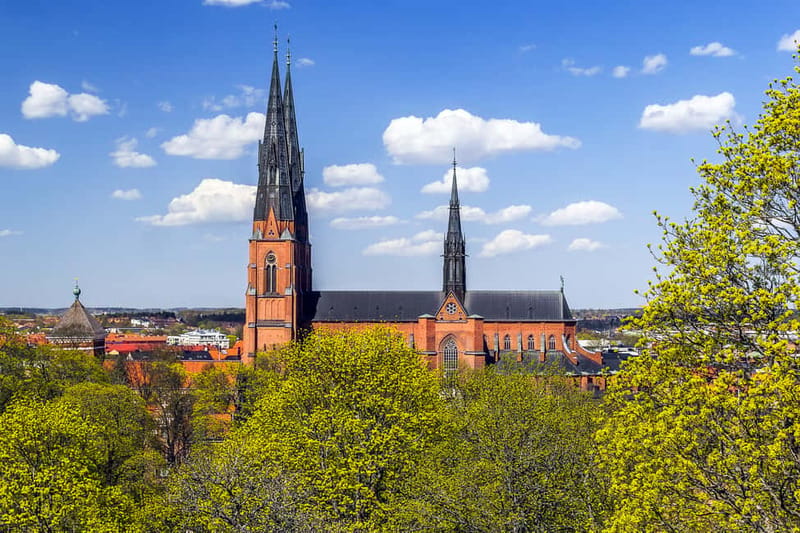
Uppsala receives about 30 minutes for a guided walk, followed by roughly 35 minutes at Uppsala Cathedral. This is where the tour broadens beyond the Viking period.
Uppsala is one of Sweden’s major historic cities, and the cathedral is the largest church in the Nordic countries. The building gives you a sense of the power Christianity later held in Sweden, especially when set against the earlier pagan burial grounds and assembly sites from the morning.
The cathedral stop is more about orientation, architecture, and Swedish religious history than Viking archaeology. That is not a weakness, but it is important to know what you are booking. If your main goal is rune stones and Norse mythology, the first half will likely feel more concentrated. If you want to understand how Sweden changed from the Viking Age into the medieval period, Uppsala completes the story.
Time inside the cathedral is limited. You will see the building with a guide, but this is not a long architectural study or a free afternoon in Uppsala. The route is designed to give you a solid introduction before moving on to Old Uppsala.
Old Uppsala’s royal burial mounds
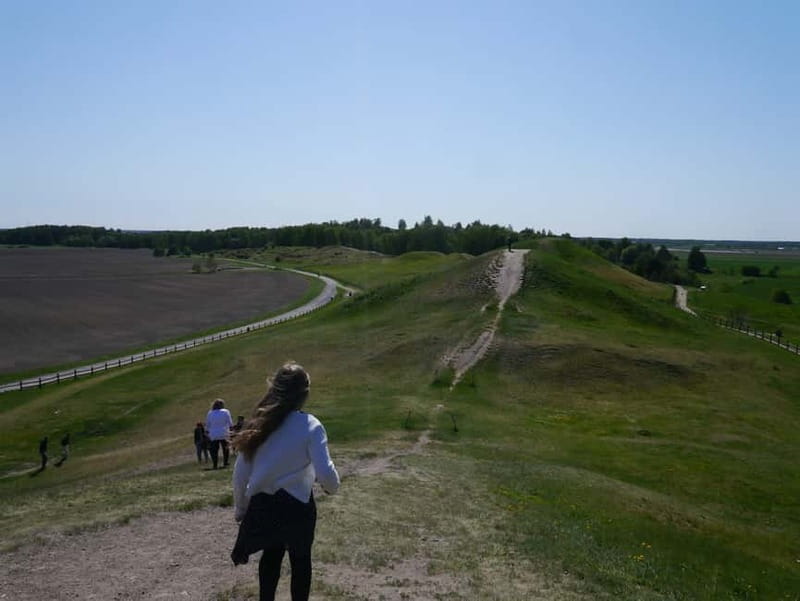
Gamla Uppsala, or Old Uppsala, is one of the day’s strongest stops. You spend about 40 minutes here, seeing the large royal burial mounds and learning why this place remains central to Swedish history.
The mounds date back about 1,500 years and rise dramatically above the surrounding ground. Some reach about 11 meters high. Their size gives you a clear sense of the status and resources held by the people buried there, even when much remains uncertain about their exact identities.
You also explore the site of a former medieval cathedral. That pairing is useful: the mounds point to older beliefs and royal power, while the cathedral site shows the later Christian presence that reshaped the area.
The guide helps you avoid treating every mound or legend as proven fact. Several participants especially valued explanations that separated evidence from popular Viking stories. That approach is important here, since Old Uppsala has attracted many dramatic tales over the centuries.
The walk is limited rather than strenuous, but it is still outdoors. Dress for the forecast, and remember that the tour operates in all weather.
The café break and the return to Stockholm
A local café stop lasts about 40 minutes and includes time for regional food or snacks. It is a useful pause late in the day, particularly after repeated walks and historical explanations.
Food and drinks are not included, so budget separately for both lunch and the café. The break is less about a formal meal provided by the operator and more about giving you time to rest and buy something local.
The return drive to Stockholm completes a long day. Several guides use the journey to answer questions and add context about Swedish culture, but energy can vary by the end. If you want a quiet ride after Old Uppsala, you may need to say so.
The transport itself has received strong praise for comfort and heating, including during cold-weather departures. That matters in Sweden, where outdoor conditions can change the feel of the day quickly.
Price, pace, and what the $292 buys you
At $292 per person, this is not a low-cost sightseeing trip. The price makes the most sense if you value a full day with transport, hotel pickup and drop-off, an English-speaking guide, and access to scattered sites that are awkward to connect on your own.
You are paying for planning as much as distance. The route covers Broby Bridge, Jarlabanke Bridge, Arkil Assembly site, Sigtuna, Uppsala, Uppsala Cathedral, and Old Uppsala in one day. Public transport could take much longer, and a rental car would leave you without the historical explanation that gives the stones and mounds meaning.
The limitation is that entry fees, food, and drinks are not included. The activity information does not list a separate entrance charge for the cathedral or other sites, so check current details when booking and carry money for your meals.
The eight to nine-hour schedule is well organized but full. I would choose it if I want breadth and structure. I would not choose it if I want a slow Sigtuna visit, a long cathedral inspection, or extended time at each burial site.
Who will get the most from this day
I would recommend this tour to you if you want Viking history presented through real places rather than only through museum objects. It suits first-time visitors to Stockholm, families with older children, and anyone interested in how Norse beliefs, Christianity, law, and royal power overlapped.
It also works well for repeat visitors. Several people used it to see parts of Sweden they would not have reached on a normal city stay. The guide-led format adds local context that is hard to pick up from road signs.
Limited walking makes the route manageable for many people, but it is not completely effortless. You will walk at outdoor sites, on town streets, and around Old Uppsala’s mounds. Ask about your own mobility needs before booking if uneven ground is a concern, since the supplied information does not promise step-free access.
The tour is conducted in English. If you want a fully private experience, select the private-group option rather than relying on the standard group arrangement.
Should you book the Stockholm Viking history tour?
Book it if you want to see the Viking sites around Stockholm efficiently and hear the story from a guide who can connect archaeology with modern Swedish culture. The strongest part is the morning sequence of burial grounds, rune stones, the bridge, and assembly site. Sigtuna adds charm, while Uppsala and Old Uppsala show what came before and after the Viking Age.
Skip it if you dislike a structured day or want long stretches of free time. The route is ambitious, and the second half includes substantial medieval and later Swedish history.
For most history-minded visitors, the $292 price is fair when you count the private-style transport, hotel pickup, guide, and difficult-to-reach sites. Bring lunch money, dress for outdoor weather, and expect a full day rather than a relaxed country outing.
FAQ
How long does the Stockholm Viking history tour last?
The tour lasts about eight to nine hours, including transportation, guided visits, meal breaks, and the return to Stockholm.
Where does pickup take place?
Pickup is available within three kilometers of Stockholm Central Station. You should wait in your hotel lobby at the appointed time and look for a guide wearing a blue jacket with the Sweden History Tours logo.
Can cruise passengers join the tour?
Yes, cruise pickup is available, but the tour does not provide pickup for arrivals at Nynäshamn.
Is the tour conducted in English?
Yes. The live tour guide speaks English.
Is food included?
No. Food and drinks are not included, but the schedule includes a lunch break and a later local café break.
How much walking is involved?
The tour involves limited walking, including guided walks in Sigtuna, Uppsala, and Old Uppsala, plus outdoor visits at the archaeological sites.
What happens at Broby Bridge?
You visit a famous burial ground and learn about pagan and early Christian burials, the transition between Norse religion and Christianity, and the Viking woman Estrid.
Does the tour include Sigtuna and Uppsala?
Yes. You take a guided walk in Sigtuna, visit Uppsala, see Uppsala Cathedral, and explore the burial mounds and former cathedral site at Old Uppsala.
Can I cancel or pay later?
You can cancel up to 24 hours before departure for a full refund. The reserve-now, pay-later option lets you book without paying at the time of reservation.
Just added around the world
- Scenic Train ride to historical cities of Morretes and Antonina★ 4.0 · 188 reviews
- 6-Day Cultural Tour to Machu Picchu★ 5.0 · 76 reviews
- Jewish Heritage of Curacao★ 4.5 · 68 reviews
- The Curacao’s Colorful History Walking Tour★ 5.0 · 55 reviews
- Discover Scuba Diving Amathounta’s Ancient Port★ 5.0 · 30 reviews
- Olous – Guided Snorkelling Excursion to Discover Olous Sunken Ancient City★ 4.5 · 31 reviews
- Night Walking Tour of Medieval Cuenca★ 5.0 · 64 reviews
- WWII – The Battle of Crete Day Tour★ 5.0 · 103 reviews
Full-Day, compared.
Ninh Binh Heritage Full Day Tour with Buffet Lunch and Limousine
Read our review →
Normandy American D-Day Beaches Full Day Tour from Bayeux
Read our review →
Bali: Tanah Lot UNESCO World Heritage Sites Full-Day Tour
Read our review →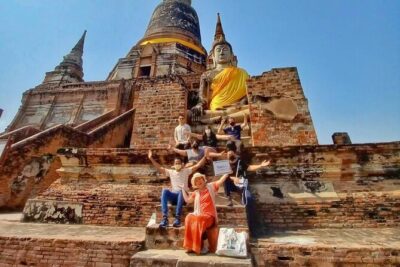
UNESCO’s Ayutthaya Historical Park: Full-Day Tour from Bangkok
Read our review →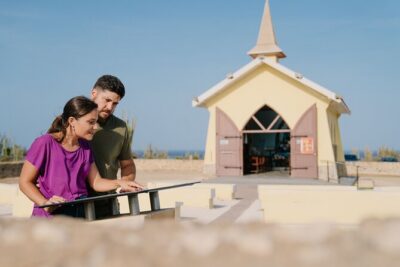
Full-Day Aruba History and Must-See Landmarks Tour
Read our review →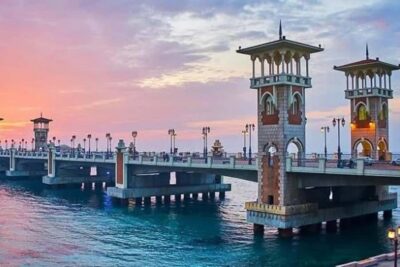
From Cairo: Private Full-Day Tour of Historical Alexandria
Read our review →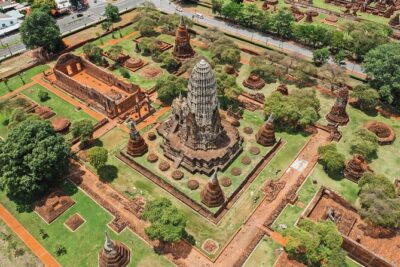
Historical City of Ayutthaya – Unesco Full Day Tour From Bangkok
Read our review →
From Paris: Normandy D-Day Landing Beaches Full-Day Tour
Read our review →Browse the lists this tour appears in