
Review · FRANCE
Strasbourg: Guided Historical Neighborhoods Walking Tour
Strasbourg’s past is unusually easy to read in its streets. In 150 minutes, this small-group walk links grand imperial squares, medieval lanes, half-timbered houses, and the great cathedral, while a lively guide explains how the city moved between French and German influence. Davide, also called David by some groups, is often praised for mixing clear history with jokes and practical restaurant advice.
I like the small group of no more than 10, which makes it easier to hear and ask questions. I also like the route itself: it gives you both the formal Neustadt district and the storybook feel of Petite France, rather than keeping you in only one postcard corner. The main drawback is simple: you walk for 2.5 hours, and cold, heat, or rain can make the open squares tiring. Cathedral entry is not included, so plan a separate visit if you want to go inside.
Key points to know before booking
- A useful first look at Strasbourg: The route covers Place de la République, Place Broglie, Place Kléber, Grand’Rue, Petite France, and Notre Dame Cathedral.
- History with personality: Guides such as Davide and David explain Strasbourg from its earliest settlement through modern wars, using anecdotes and humor.
- Small groups matter: With up to 10 people, the guide can keep the pace personal and questions are easier to handle.
- Practical local advice: You can ask for suggestions on restaurants, cafés, bars, and places to visit after the walk.
- The cathedral is an exterior stop: You finish at Place de la Cathédrale, but entrance fees are not included.
- Bring sensible clothing: Wear comfortable shoes and dress for the weather, especially for winter mornings and hot summer days.
Why this walk is a smart introduction to Strasbourg
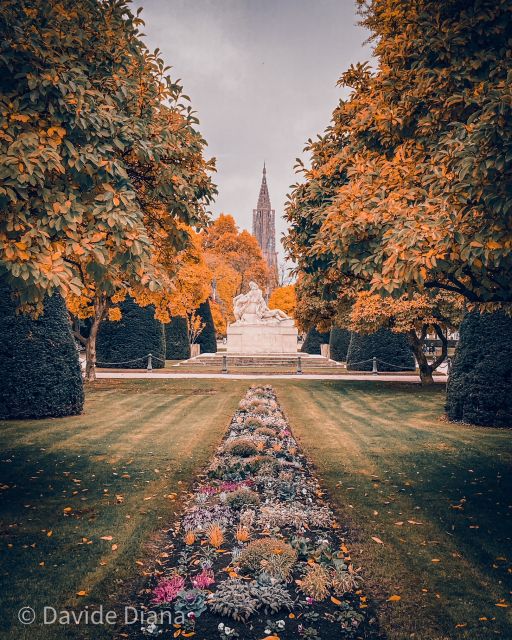
Strasbourg can feel like several cities placed side by side. The old center has medieval lanes and timbered houses, while Neustadt has broad avenues and imposing late nineteenth-century buildings. The political story is just as layered. Strasbourg and Alsace have moved between French and German control, and the city’s buildings, place names, and culture reflect that past.
This tour gives you a framework before you explore on your own. Instead of seeing a pretty square as just a place for photos, you get an explanation of why it matters and how it fits into the city’s story. That is especially useful if you have only a day or two in Strasbourg.
The guide’s style is a big part of the experience. Davide is described as an Italian guide living in Strasbourg, and his delivery is energetic, humorous, and easy to follow. Several groups have appreciated how he handles serious subjects without turning the walk into a lecture. That balance matters here, since Strasbourg’s past includes conflict, shifting borders, and wartime change.
The 4.9 rating from 275 reviews points to a very consistent experience. The praise focuses less on a single landmark and more on the guide’s presentation: clear explanations, good energy, helpful food suggestions, and a pace that keeps the walk moving.
More History Walking Tours in France
- Paris: Dark History and Ghostly Guided Walking Tour
★ 4.7 · 1,000 reviews - Vieux Lyon Cultural & Historical Walking Guided Tour (English)
★ 5.0 · 942 reviews - Strasbourg on Foot: Historic Center and Petite France with a Local Guide
★ 4.7 · 223 reviews
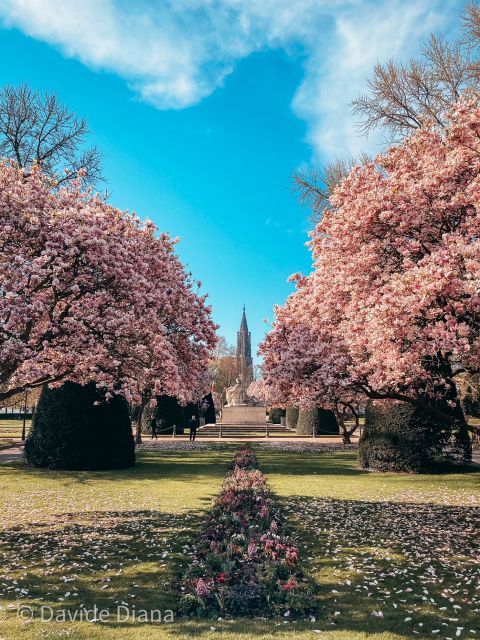
Starting at Place de la République and entering Neustadt
Meet your guide in the center of Place de la République, in front of the war memorial. This is a practical meeting point, but give yourself enough time to locate the exact spot. The square is open, and you will want to arrive ready to walk rather than searching at the last minute.
The first section explores Neustadt, Strasbourg’s nineteenth-century district. You spend about 30 minutes here, walking and listening as the guide explains the setting and its place in the city’s development. This is an important early contrast with the medieval center you will see later.
Neustadt is less about narrow lanes and timbered façades. Its scale is more formal, with broad spaces and monumental buildings. The tour uses this change in architecture to explain how Strasbourg developed through different political periods. That context helps you read the city instead of simply moving from one attractive building to the next.
This part may appeal most to people interested in urban design, government, and European history. If you came mainly for old houses and cute lanes, the opening can feel more serious. I would still keep it in the route because it gives the rest of the walk a clearer meaning.
Place Broglie and the city’s grand public spaces
The route continues to Place Broglie for about 10 minutes. This is a shorter stop, but it helps connect Neustadt with the central historic area. Your guide points out the character of the square and adds more detail about Strasbourg’s public spaces and changing role.
Do not expect a long standalone visit here. It is part of the walking sequence, not a separate attraction with extended free time. That is typical of a city orientation tour: you get an explanation, a look around, and then continue to the next major location.
The benefit is efficiency. In one morning or afternoon, you see several districts without arranging separate visits. The tradeoff is that you will not have much time to linger at every square. If you want detailed architectural study or quiet photography, return later on your own.
Place Kléber and Strasbourg’s Christmas tradition
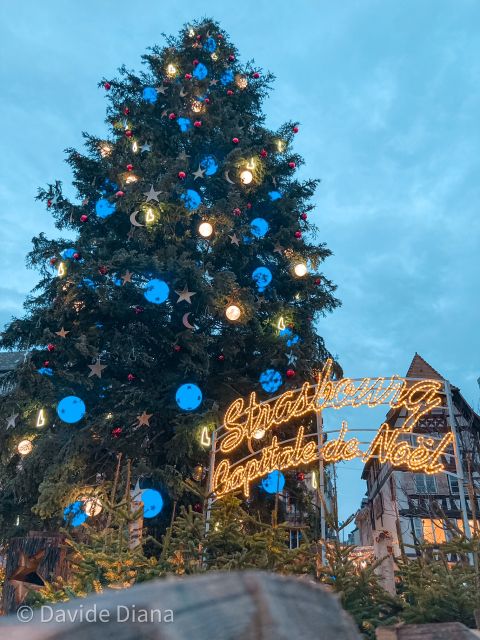
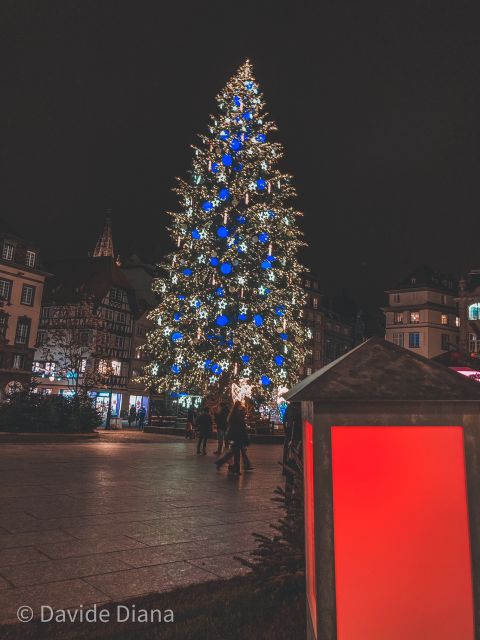
Place Kléber is the city’s most important central square and receives about 20 minutes of guided attention. It is one of the tour’s key pauses because it connects everyday city life with Strasbourg’s most famous seasonal tradition.
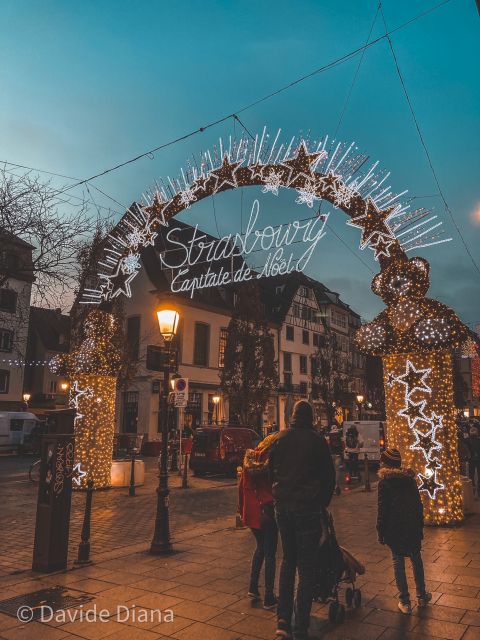
Your guide explains the large Christmas tree tradition and the winter market, often described as one of France’s most beautiful. This information is useful even if you visit outside December. You learn why the square becomes such a major gathering place and how the market fits into Strasbourg’s public identity.
At Christmas, the square can be crowded, and the walk will not provide a dedicated market shopping session. The point is orientation and background, not a guided food or shopping tour. You can use the guide’s suggestions to decide where to return later.
I like this stop because it moves beyond architecture. You hear about a living tradition that shapes how the city presents itself today. The guide also shares recommendations for nearby places to visit, giving you ideas for the rest of your stay.
Same city, a different century:
- Normandy D-Day Sites & Cemetery Day Trip from Paris with Lunch
★ 5.0 · 6,877 reviews - Paris: Louvre Museum Entry with History of Mona Lisa
★ 3.9 · 2,823 reviews - Normandy D-Day Small-Group Day Trip with Omaha Beach, Cemetery & Cider Tasting
★ 5.0 · 2,786 reviews - Normandy D-Day Beaches and American Cemetery Day Trip from Paris
★ 4.5 · 2,673 reviews
Grand’Rue and the transition toward Petite France
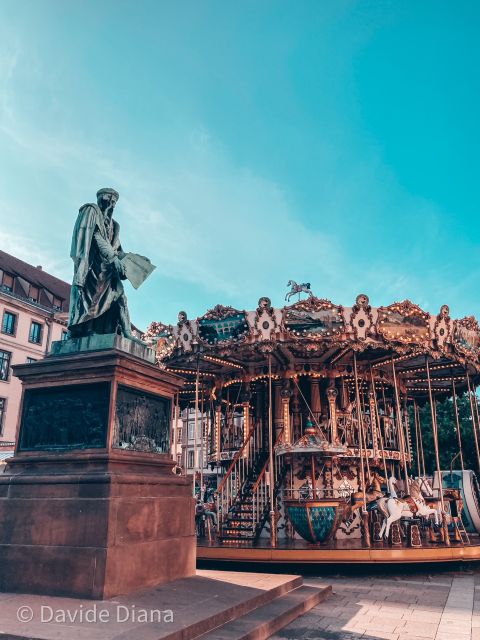
The walk then follows Grand’Rue for about 10 minutes. This section acts as a bridge between the central squares and Petite France. Your guide continues the story while you move through the city rather than stopping for long stretches.
That walking format is one reason the experience feels lively. You are not planted in one place listening to a long speech. The route keeps changing, and the guide can point out details that are easy to miss when you explore alone.
You should expect a steady walking pace. One person described the guide as keeping the group moving along well, while another noted that a very cold morning would have been easier with more walking and less standing. That is useful advice: the tour is active, but some stops still require you to stand outdoors.
Petite France and the story behind its name
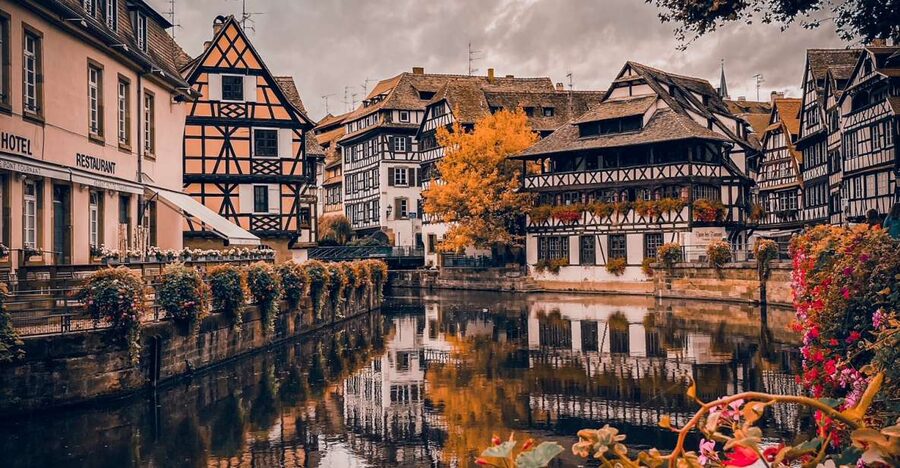
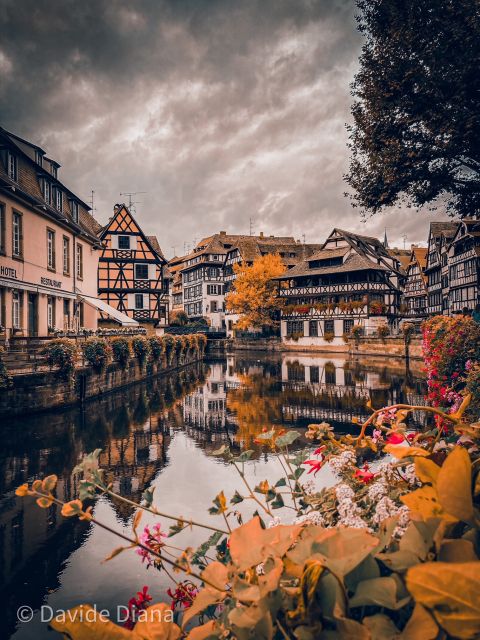
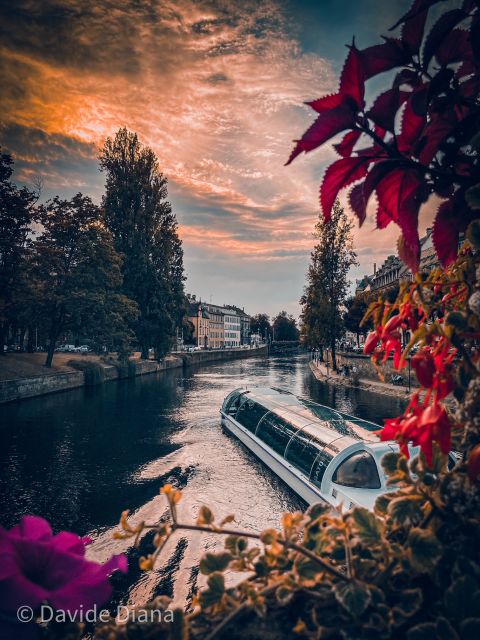
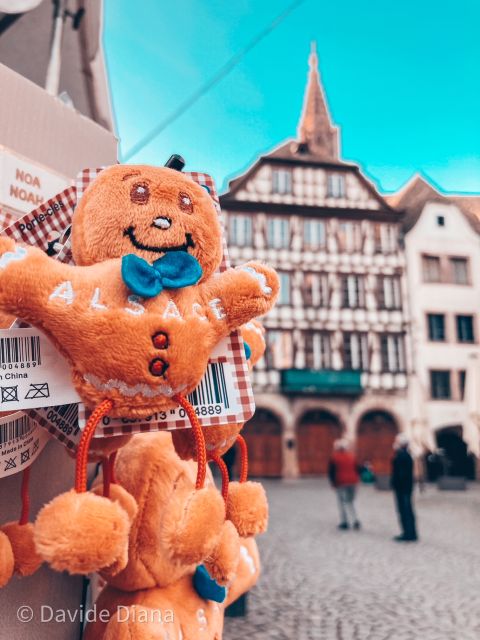
Petite France receives about 30 minutes and is likely the most immediately charming part of the route. You walk through one of Strasbourg’s best-known neighborhoods, see original half-timbered homes, and stop for photos.
The guide explains where the name Petite France came from and how the area changed over the centuries. That detail adds substance to the pretty façades. You are not just photographing a row of old houses. You are hearing how the neighborhood developed and why it looks different from the grander districts visited earlier.
This is also where the tour’s mix of history and everyday advice works well. Petite France is easy to enjoy at a glance, but a local guide can direct your attention to features you might otherwise pass without noticing. Several groups have appreciated being shown places they would not have found alone.
Keep in mind that this is still a guided walk, not a long free period. You will have time for photos, but the group continues on schedule. If you want the classic Petite France pictures without a crowd around you, make a note of the spots and return early or later in the day.
The neighborhood can also be a good place to ask about eating and drinking. The guide is known for giving suggestions for restaurants, cafés, and bars away from the most obvious tourist choices. Treat these as useful starting points rather than a formal food itinerary. No meal or coffee is included in the price.
Notre Dame Cathedral and the final view
The tour ends at Strasbourg’s Notre Dame Cathedral, with about 20 minutes devoted to the building and its story. You will see the Rayonnant Gothic exterior and hear anecdotes about one of Strasbourg’s defining landmarks.
Ending here makes good practical sense. Place de la Cathédrale gives you a clear point from which to continue exploring, take photos, find a café, or enter the cathedral independently. The tour itself does not include admission, so budget extra time if you want to see the interior.
That separation is worth noting before you book. A guide can explain the cathedral’s place in Strasbourg’s story, but you will not receive an included entry or an interior tour through this activity. If the cathedral is your main priority, you may want to check opening arrangements separately and plan a return visit.
For many people, the exterior stop is enough for a first orientation. The cathedral is visually striking, and the guide’s stories give you a better sense of its importance. Still, do not mistake the end of the walking tour for a full cathedral visit.
How the guide’s style affects the experience
The strongest part of this walk is the delivery. The guides are repeatedly described as funny, animated, enthusiastic, and easy to listen to. Davide is the name that appears most often, though some groups refer to him as David or Danny. The listing specifies English and Italian, so check the language you need when booking.
The humor is not just decoration. It helps keep complicated subjects clear, especially when the guide moves from early settlement to modern conflict. You get a broad outline of Strasbourg’s past without having to remember a long list of dates.
I also like the practical side of the commentary. The guide gives suggestions for food, coffee, bars, and other places to see. One group even appreciated a short café or bathroom break during the walk. That is not described as a formal included stop, so do not book this expecting a café tour, but the route may include a chance to pause.
The small group helps the presentation. With a maximum of 10 people, you can usually hear the guide more easily than in a large city group. It also makes it simpler to ask about a building, a neighborhood, or your plans for later in the day.
Price, pace, and physical comfort
At $35 per person, this is fair value if you want a guided orientation rather than only a list of landmarks. You are paying for 150 minutes of local commentary, a route through several major districts, and advice that can improve the rest of your stay.
The value is strongest on a first day in Strasbourg. You see where the main areas are, learn how they connect, and finish with ideas for independent exploring. If you already know the city well, the price may be harder to justify unless you specifically want the historical stories and a guide’s perspective.
The walk is wheelchair accessible, according to the activity details. You should still consider your own comfort with a 2.5-hour outdoor route and changing weather. Comfortable shoes are essential, even though the walking distance is not specified.
Pregnant women are listed as unsuitable for this activity. The tour is also not ideal for anyone who dislikes standing outdoors or needs frequent indoor breaks. Winter can be particularly demanding in the large open squares. In hot weather, the guide has been noted for planning breaks, but you should still bring weather-appropriate clothing and prepare for sun.
Free cancellation up to 24 hours before the start and reserve-now, pay-later booking make it easier to fit the walk into a changing itinerary. Those terms are useful, but the bigger planning point is timing: book it early in your stay so the restaurant and sightseeing suggestions can still help you.
Who should book this Strasbourg walking tour?
I would choose this tour for a first visit, a short city break, or a traveler who wants the main districts explained in one continuous walk. It suits people who enjoy history but do not want a dry lecture, and it is a good match for couples, families, and small groups who value direct contact with a guide.
It is also useful if you want help getting your bearings. The route covers the main squares, Grand’Rue, Petite France, and the cathedral, so you can decide what deserves a longer return visit.
I would look elsewhere if you want cathedral entry, a food-focused experience, extensive free time, or a slow photography walk. The route is broad rather than deeply detailed at each stop. Its strength is the combination of coverage, clear storytelling, humor, and practical local tips.
Should you book it?
Yes, if you want a friendly and efficient introduction to Strasbourg, especially early in your visit. The small group, lively delivery, and broad route give you more than a simple photo walk, and $35 is reasonable for 2.5 hours with an English- or Italian-speaking guide.
Book with realistic expectations. You will walk outdoors, some stops involve standing, and the cathedral interior is not included. Bring good shoes, dress for the forecast, and leave time afterward to revisit Petite France or enter Notre Dame Cathedral on your own.
FAQ
How long is the Strasbourg historical neighborhoods walking tour?
The tour lasts 150 minutes, or 2.5 hours.
Where does the tour begin?
It begins at Place de la République. Your guide waits in the center of the square, in front of the war memorial.
Where does the tour finish?
The tour finishes at Place de la Cathédrale, outside Notre Dame Cathedral.
Which languages are available?
The live tour guide is available in English and Italian.
Is the tour suitable for wheelchair users?
Yes. The activity is listed as wheelchair accessible.
Is entry to Strasbourg Cathedral included?
No. The tour includes a guided exterior visit and stories about the cathedral, but entrance fees are not included.
How many people are in the group?
The tour is a small-group experience limited to 10 participants.
What should I bring?
Bring comfortable shoes and clothing suited to the weather. The activity is not considered suitable for pregnant women.
Just added around France
- Medieval Carcassonne: Interactive Ghost Story & City Game★ 3.5 · 33 reviews
- Carcassonne ‘s Medieval Walls: A Self-Guided Tour★ 4.5 · 43 reviews
- Carcassonne During World War 2★ 5.0 · 127 reviews
- Small Group Guided D-Day Tour and Mémorial de Caen Museum★ 5.0 · 237 reviews
- Normandy: Private tour D-Day landing beaches American sector★ 5.0 · 62 reviews
- Mémorial de Caen Museum Admission and Guided Tour of D-Day Sites★ 4.5 · 275 reviews
- Private Day Tour including Normandy Landing Beaches & Battlefields from Caen★ 5.0 · 53 reviews
- Private Bordeaux History Tour with a glass of Bordeaux wine.★ 5.0 · 28 reviews
France History Tours, compared.

Normandy D-Day Sites & Cemetery Day Trip from Paris with Lunch
Read our review →
Paris: Louvre Museum Entry with History of Mona Lisa
Read our review →
Normandy D-Day Small-Group Day Trip with Omaha Beach, Cemetery & Cider Tasting
Read our review →
Normandy D-Day Beaches and American Cemetery Day Trip from Paris
Read our review →
Normandy American D-Day Beaches Full Day Tour from Bayeux
Read our review →
Normandy American D-Day Experience – Group tour from Bayeux
Read our review →
Normandy Beaches Half-Day Afternoon Trip from Bayeux (A2)
Read our review →
Omaha Beach D-Day Experience – Afternoon group tour from Bayeux
Read our review →Browse the lists this tour appears in