
Review · POLAND
Gdańsk City Sights & History Guided Walking Tour in English
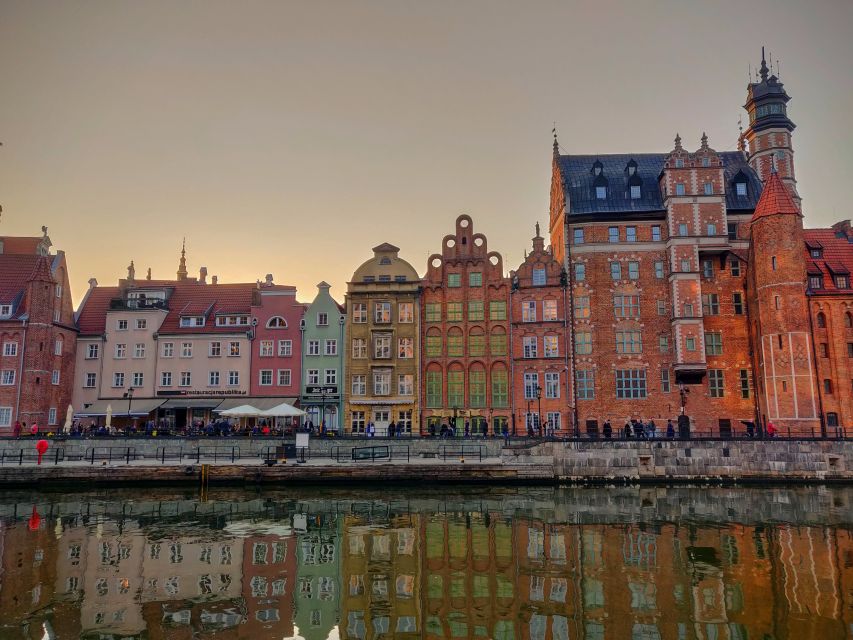
Gdańsk’s most impressive feature is not just its handsome waterfront or colorful old town. It is the way the city’s past keeps changing meaning as you walk: royal processions, Baltic trade, wartime destruction, and the Solidarity movement all appear along the same route. I like the tour’s strong historical thread and the way guides connect grand buildings with ordinary city life. I also like that it covers the main sights without rushing through them.
The main consideration is that this is a general walking tour, not a private experience. Group size can sometimes make busy streets and narrow viewpoints harder to manage, and 150 minutes on foot can feel long in cold or wet weather. The tour runs rain or shine, so proper clothing matters.
Key points at a glance
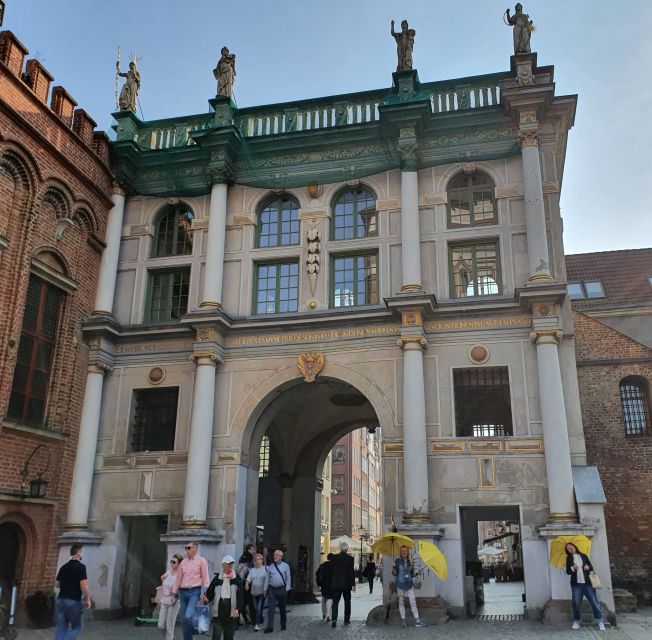
- Golden Gate starting point: Meet beneath the yellow umbrella at Złota Brama, a central and easy-to-recognize beginning for your first look at Gdańsk.
- Royal Route and Long Market: Follow the historic path used by Polish kings while seeing merchant houses and Neptune’s Fountain.
- St. Mary’s Basilica: Study the brick Gothic exterior and, with good timing, possibly see the church clock’s moving figures at noon.
- Zuraw crane and waterways: See the medieval treadwheel crane that became one of Gdańsk’s best-known symbols.
- WWII and Solidarity: Hear how war began in the city and how the Solidarity movement helped bring down communism in Eastern Europe.
- Clear, lively guiding: Guides including Tufi, Sandra, Kate, Philip, Marcin, and Paul are praised for humor, strong English, personal stories, and practical recommendations.
Why this 150-minute walk is a smart introduction to Gdańsk
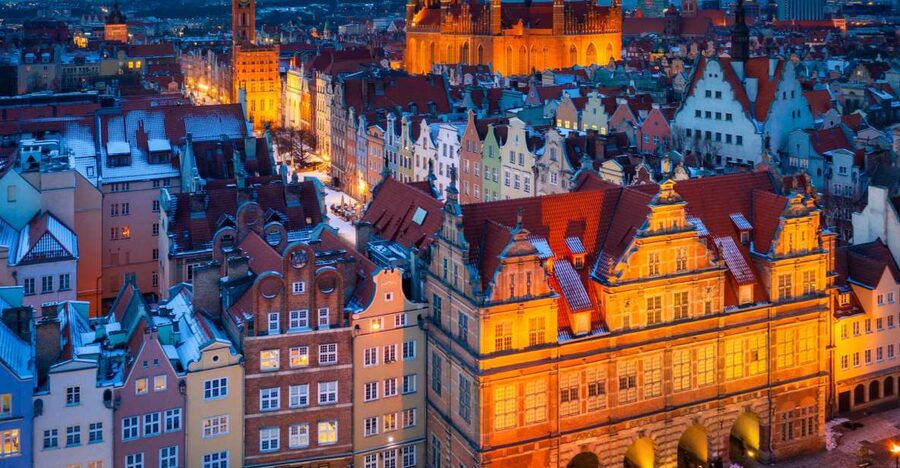
Gdańsk can look almost too polished at first glance. The tall merchant houses are painted in cheerful colors, the streets are tidy, and the waterfront feels made for photographs. Yet much of the historic center was destroyed during the war and later rebuilt. That fact gives the city a different character from an old town that simply survived unchanged.
This tour helps you read the streets instead of only admiring them. Your guide explains the Polish, Dutch, and German influences that shaped Gdańsk, then places the buildings within the city’s long struggle for control and independence. You are not just ticking off sights. You are learning why this particular port became so wealthy and why its identity has remained such a sensitive subject.
At $26 per person, the price is good for a two-and-a-half-hour orientation, especially if you are staying in Gdańsk for several days. You receive a live English-speaking guide and a route through the main historic center, with no need to arrange transport between stops. The value rises if you take the walk early in your stay and use the guide’s later suggestions to plan meals and additional sights.
The tour is not built around museum entry or a long interior visit. It is an outdoor introduction, with the emphasis on streets, façades, public spaces, churches, canals, and stories. If you want a detailed look inside every monument, you will need separate visits afterward.
More History Walking Tours in Poland
- Warsaw: Jewish History Guided Walking Tour in English
★ 4.7 · 324 reviews - Historic Krakow : Old Town & Wawel Castle Walking tour
★ 5.0 · 318 reviews - World War 2 in Warsaw walking tour in English
★ 4.7 · 237 reviews
From the Golden Gate into the royal route
The meeting point is the Golden Gate, known locally as Złota Brama. Look for the yellow umbrella. The meeting instructions are simple, though one useful detail is worth noting: the gate can be confusing from different sides, so arrive a little early and confirm you are waiting at the correct side.
From here, the walk follows the route traditionally associated with Polish kings entering and passing through the city. That gives the opening section a clear sense of direction. Instead of wandering from one isolated sight to another, you move through the same grand corridor that once displayed Gdańsk’s wealth and civic pride.
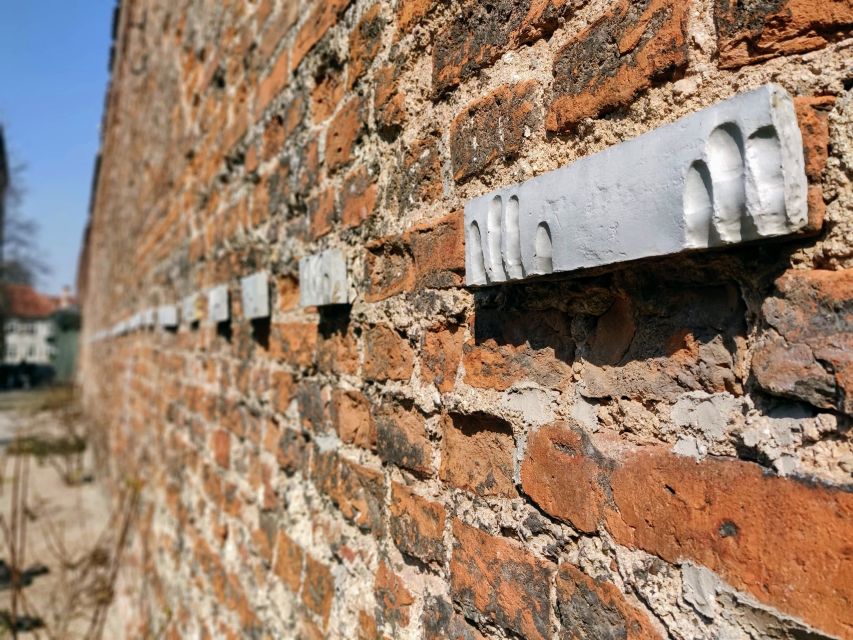
The first views focus on merchant townhouses. Their narrow fronts, ornament, and bright colors make them easy to photograph, but your guide also explains the less pretty part of the story: the original historic center suffered severe wartime damage and was rebuilt with great care. This is one of the most useful facts to learn early, since it changes how you look at every later building.
I like this beginning because it avoids treating Gdańsk as a simple collection of old façades. You get the city’s central question right away: how do you rebuild a place so that it feels historic while also reflecting a modern national identity?
Long Market and Neptune’s Fountain
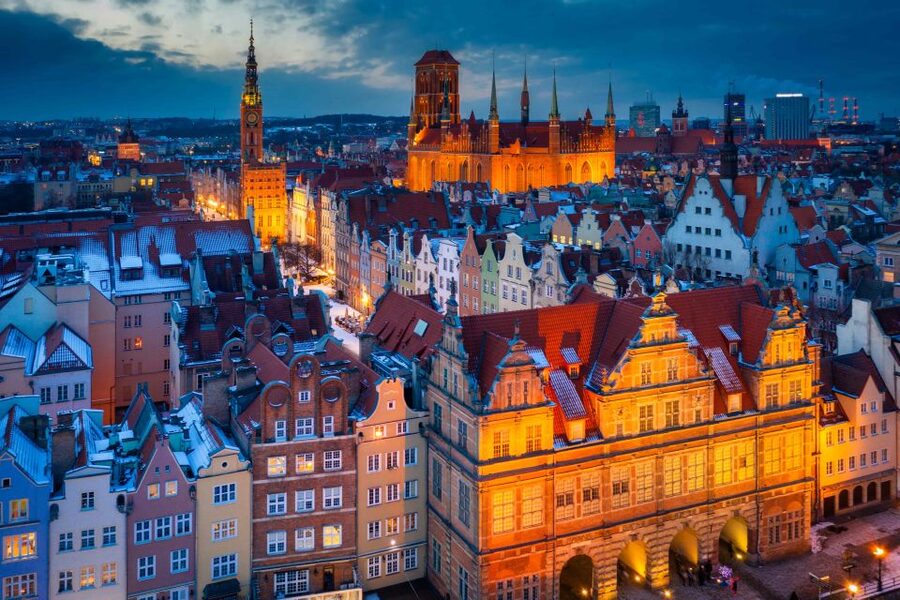
Long Market is the visual heart of the walk. The broad street is lined with tall houses and leads toward Neptune’s Fountain, one of the city’s most recognizable public landmarks. Your guide uses the space to explain how merchants helped make Gdańsk one of the wealthiest ports on the Baltic Sea.
This is where the city’s international character becomes easier to understand. Polish, Dutch, and German influences are not abstract labels. They appear in the architecture, the trading history, and the city’s changing political connections. A good guide makes those layers understandable without turning the stop into a list of dates.
The fountain itself is a natural pause for photographs, but do not spend the whole stop looking only through your camera. Listen for the explanation of what the market meant as a public stage for commerce, ceremony, and power. The route is most useful when the buildings and open spaces are treated as evidence of how people lived and worked.
Some guides add personal stories, humor, or local recommendations here. Tufi, Sandra, Kate, Philip, Marcin, and Paul are among the guides praised for keeping the explanations lively and easy to follow. Names can vary according to the day, but the experience depends heavily on the individual guide’s style.
St. Mary’s Basilica and the value of good timing
St. Mary’s Basilica is one of the tour’s major visual rewards. Its brick Gothic construction is immense, and it is described as the largest brick Gothic church in the world. Even from outside, the scale makes a strong impression.
The guide places the basilica within Gdańsk’s religious and civic story rather than treating it as a quick photo stop. The brickwork also helps explain why this city looks different from places where pale stone dominates the historic center. You get a clearer sense of local materials and the practical side of medieval building.
One especially useful bit of timing can make this stop memorable. Some tours have reached the basilica in time for noon, when the church clock’s figures move. That timing is not guaranteed, but if your walk begins near the right part of the day, it can add a small theatrical moment to the visit.
The basilica stop is also a reminder that this is primarily a walking tour. You may hear much of the explanation outdoors, and the focus is on the building and its place in the city. If you want an extended interior visit, set aside separate time before or after the tour.
Same city, a different century:
- Gdansk: City Cruise on Historical Polish Boat
★ 4.8 · 2,913 reviews - Warsaw: POLIN Museum of the History of Polish Jews Ticket
★ 4.7 · 1,142 reviews - Gdańsk: Sunset Cruise on a Historic Polish Boat
★ 4.9 · 977 reviews - Historic City Center Tour Gdansk in German
★ 4.6 · 455 reviews
The Zuraw crane and Gdańsk’s working waterfront
Near the harbor, the Zuraw crane gives the tour a different mood. The bright townhouses and formal market streets give way to the practical world of ships, cargo, rivers, and canals. Zuraw is a medieval treadwheel crane and the largest of its kind in the world, as well as a symbol of Gdańsk.
This is one of the stops that helps you understand why the city became wealthy. Merchant houses make more sense when you see the machinery and waterways that supported their trade. The crane was not simply an ornament. It represented the work that connected Gdańsk with the wider Baltic.
I like the shift from royal route to harbor because it keeps the walk from becoming a parade of façades. You see the city as a port, not just as a reconstructed old town. Your guide may also point out the rivers and canals along the route, giving you a better sense of how water shaped the city’s growth.
The harbor can be busy, and the group may need to gather tightly so everyone can hear. This is one place where a very large group is less convenient than a small one. The tour is still manageable, but you should stay close to the yellow umbrella or guide and avoid drifting behind for photographs.
WWII, destruction, and the city rebuilt
The historical section on World War II is central to the tour. Gdańsk is closely tied to the opening of the war, and your guide explains how the conflict began in the city and what followed. The discussion also returns to the destruction of the historic center and its painstaking reconstruction.
This context matters because the old town’s beauty can hide how recent much of the rebuilding is. Without the wartime story, you might assume that every colorful façade survived centuries intact. With it, you see the city as a place that made deliberate choices about memory, appearance, and identity.
The best guides handle this part with a clear narrative rather than a pile of facts. Tufi has been praised for making battles and struggles easy to follow, while guides such as Kate and Sandra are noted for presenting complex history in a calm, absorbing way. A guide’s ability to explain cause and effect is more useful here than simply knowing a long list of dates.
The subject can be serious, but the overall style is not said to be dry. Humor appears where appropriate, and questions are welcomed. That balance helps the walk remain accessible if you know little about Polish history.
Solidarity and Gdańsk’s modern identity
The tour does not stop in the medieval period. It also explains Gdańsk’s continuing push toward independence and the Solidarity movement’s role in the fall of communism across Eastern Europe.
This modern section gives the city’s older stories a purpose. Gdańsk was not only a place where merchants defended their interests or rulers displayed authority. It was also a city where people challenged political control in the recent past. The guide links those different periods without suggesting that the city’s identity has ever been simple.
If you are especially interested in Solidarity, this walk works best as an introduction. It gives you a framework for a later visit to places connected with the movement, but it is not presented as a specialist museum tour. You will learn why the subject matters and how it fits into Gdańsk’s wider story.
The historical range is one reason some people may find the tour information-heavy. You move from medieval trade to royal Poland, wartime destruction, and the end of communism in 150 minutes. The strong guides make the sequence coherent, but you may want to take notes or ask for the most important follow-up sights at the end.
The guide makes the difference
The strongest part of this experience is the human delivery. Names associated with particularly well-received walks include Tufi, Sandra, Kate, Philip, Marcin, Paul, Katie, Zosia, Isabella, and Sophia. That does not mean you can choose a specific guide when booking, but it shows the range of personalities used by Walkative Tours.
The most useful qualities are consistent: clear English, enthusiasm, humor, a willingness to answer questions, and the ability to explain difficult history without sounding like a classroom lecture. Some guides add personal or family stories, which can make the city feel less distant.
The cold-weather comments are practical. Guides have adjusted the rhythm by bringing the group indoors for part of the explanation or allowing time for coffee, bathrooms, or a warm drink. One guide stopped for a warming break with mulled wine or coffee, while another timed the basilica visit around noon. These choices matter more than they might on a mild summer day.
You should still dress for the forecast. The tour operates rain or shine, and Gdańsk’s exposed streets and harbor can feel cold. Wear shoes suitable for a long city walk and clothing that handles wind or rain.
Group size, pace, and accessibility
The walking pace is generally described as relaxed, with time for photos and questions. It is not a race between landmarks. Still, the total duration is 150 minutes, and you will be on your feet for much of it.
The tour is wheelchair accessible, though the exact ease of moving through every gathering point can depend on crowds and street conditions. If you use a wheelchair, it is sensible to contact the supplier before the day if you need precise route details.
This is a shared tour. The price covers your reservation and the guide’s payment, but it does not buy a private group. If you want a smaller private walk, contact the supplier after booking to arrange one. A shared group offers good value, but the tradeoff is less flexibility and occasional difficulty hearing when the streets are crowded.
One person found the end of the payment arrangement confusing because the tour joins a general walking format. To avoid awkwardness, understand in advance that your booked amount covers the stated reservation and guide costs. You are not expected to negotiate a price at the end.
Is $26 good value?
For $26, you receive a live English tour lasting two and a half hours through the central sights. That works out as a reasonable cost for a first orientation, especially when you consider the guide’s historical explanation and local recommendations.
The real value depends on how you use it. If you simply follow the route and take photos, the experience is pleasant but limited. If you listen closely, ask questions, and note suggestions for later, the walk can shape the rest of your time in Gdańsk.
The tour does not include hotel pickup, drop-off, or admission to a separate attraction. That keeps the price down and makes sense for a compact historic center. Plan your own transport to the Golden Gate and allow extra time to find the yellow umbrella.
Free cancellation up to 24 hours ahead and the reserve-now, pay-later option make the booking flexible. These details are useful if your schedule may change, but the main decision should be the shared format and the outdoor duration.
Who should book this Gdańsk walk?
I would choose this tour for a first day in Gdańsk. It gives you a map in your head, explains why the rebuilt center looks as it does, and points you toward the places that deserve a longer second visit.
It suits you especially well if you enjoy history but do not want a lecture. The guides use stories, humor, architecture, and personal recommendations to make the material easier to absorb. It also works for a short city break, since the route covers many headline sights without requiring transport.
You may prefer a private tour if your group needs a slower pace, has mobility concerns that require detailed planning, or wants to focus tightly on one subject such as WWII or Solidarity. You may also want a different format if standing outdoors for 150 minutes sounds tiring.
Final verdict: book it early in your stay
Book this walking tour if you want a well-priced introduction to Gdańsk’s architecture, port life, wartime story, and modern political identity. The combination of Long Market, Neptune’s Fountain, St. Mary’s Basilica, and the Zuraw crane gives you the essential visual route, while the WWII and Solidarity sections explain why the city matters beyond its good looks.
Go prepared for a shared group, changing weather, and a substantial amount of history. Choose a morning or afternoon slot that suits your plans, dress warmly in colder months, and keep a note of the guide’s restaurant and sightseeing suggestions. For most first-time visitors, this is a practical and worthwhile way to get oriented before exploring Gdańsk on your own.
FAQ
Where does the Gdańsk walking tour meet?
The tour meets at the Golden Gate, called Złota Brama. Look for the yellow umbrella.
How long does the walking tour last?
The tour lasts 150 minutes, or two and a half hours.
What language is the tour conducted in?
The live tour is conducted in English.
What sights are included?
The route includes the Golden Gate, merchant townhouses, Long Market, Neptune’s Fountain, St. Mary’s Basilica, the Zuraw crane, rivers, canals, and historical locations connected with WWII and Solidarity.
Is the tour private?
No. It joins a general walking tour. The amount paid covers the reservation fee and the guide’s payment. A private, smaller tour can be organized by contacting the supplier after booking.
Is the tour wheelchair accessible?
Yes, the activity is listed as wheelchair accessible.
Does the tour run in bad weather?
Yes. The tour takes place rain or shine, so bring weather-appropriate clothing.
Can I cancel the booking?
Yes. You can cancel up to 24 hours in advance for a full refund. You can also reserve now and pay later.
Just added around Poland
- Best of Wroclaw 3-Hour History and Culture Walking Tour★ 4.9 · 49 reviews
- Krakow: Vistula River Cruise with Historical Views★ 3.5 · 357 reviews
- Krakow: Kościuszko Mound Ticket – History & Views!★ 4.4 · 303 reviews
- Krakow Old Town Segway Tour — 2H of History, Fun & Discovery★ 4.8 · 91 reviews
- Warsaw: Historic Private Tour in Retro Fiat★ 4.9 · 41 reviews
- Archaeological Museum of Krakow Entrance Ticket★ 3.8 · 31 reviews
- Private Tour: Warsaw’s Communist History by Retro Fiat★ 5.0 · 115 reviews
- Private Historical Tour of Warsaw by a Retro Fiat with Pickup★ 5.0 · 190 reviews
Poland History Tours, compared.

Gdansk: City Cruise on Historical Polish Boat
Read our review →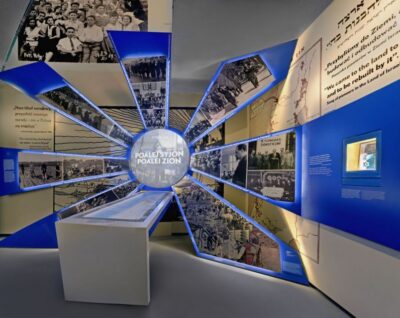
Warsaw: POLIN Museum of the History of Polish Jews Ticket
Read our review →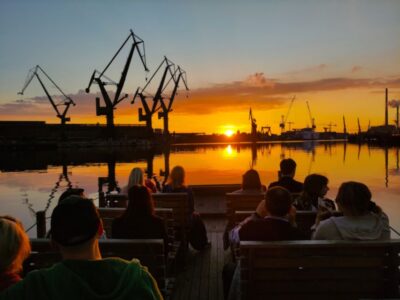
Gdańsk: Sunset Cruise on a Historic Polish Boat
Read our review →

Warsaw: Chopin Concert at Historical Venue in Old Town
Read our review →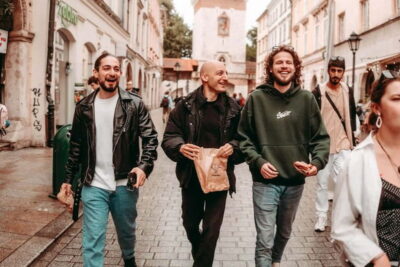
Krakow: Tipsy Polish Food Tour With History, Pierogi & Shots
Read our review →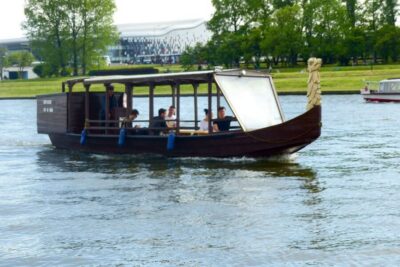
Krakow: Vistula River Cruise with Historical Views
Read our review →
Warsaw: Jewish History Guided Walking Tour in English
Read our review →Browse the lists this tour appears in