
Review · BUDAPEST
Budapest: Jewish Heritage Guided Tour with Synagogue Ticket
Budapest’s Jewish Quarter is best understood on foot, where grand synagogues, memorials, courtyards, and ordinary streets reveal the story of a community shaped by faith, creativity, persecution, and survival. This tour brings those pieces together, from the Moorish Revival Rumbach Street Synagogue to the solemn Tree of Life memorial.
I especially like the personal, question-friendly guiding and the way the walk links Jewish religious life with the wider story of Budapest. I also like that the tour does not stop at one famous building: you visit the Jewish Museum, Martyrs’ Cemetery, Heroes’ Temple, Raoul Wallenberg Memorial Park, and several synagogues.
The main consideration is cost. At $81 per person, this is not a casual budget walk, and the shorter option may feel expensive if you want plenty of museum time. The four-hour version offers better value if you have the energy and interest for the extra sites.
Key points to know before booking
- Dohány Street Synagogue is the grand centerpiece, with ornate interiors and a major place in Jewish history.
- Benjamin, Orshi, Scilla, Barbi, and Suzanne are among the guides praised for clear explanations, warmth, and personal insight.
- The Jewish Museum covers worship, holidays, art, family life, and the Hungarian Holocaust.
- Raoul Wallenberg Memorial Park and the Tree of Life provide the tour’s most reflective moments.
- The four-hour option adds Rumbach Synagogue and the Ghetto Wall exhibition, making it the stronger choice for serious history enthusiasts.
- Comfortable shoes and a passport or ID card are required, while large bags and pets are not allowed.
Why this walk gives Budapest’s Jewish Quarter meaning
You can visit Budapest’s Jewish Quarter on your own and see striking buildings, cafés, bars, and street life. The harder part is understanding what you are looking at. This walk supplies the context, connecting the district’s religious buildings to the story of Hungarian Jewry, the Holocaust, and Jewish life today.
I like the balance between indoor visits and outdoor walking. You are not sitting in a museum for two hours, but you also are not simply passing facades while listening to a list of dates. The guide talks as you move through the streets, then lets the synagogues, exhibits, cemeteries, and memorials carry some of the emotional weight.
The tone is serious without being hopeless. The Holocaust is central to the experience, as it must be, but the tour also covers traditions, holidays, art, everyday life, and the survival of Jewish identity in Hungary. Guides such as Benjamin have been praised for adding personal knowledge of Budapest and Jewish heritage, while Orshi, Scilla, Barbi, and Suzanne are also noted for clear and engaging explanations.
More Jewish Heritage Tours in Budapest:
- Budapest Jewish Heritage Memorial Walking Tour & Synagogue Entry
★ 5.0 · 568 reviews - Budapest: Jewish History Guided Walking Tour with Historian
★ 4.8 · 205 reviews - Budapest Grand Half-Day Jewish Heritage Tour
★ 4.8 · 135 reviews
Starting at Dohány Street Synagogue
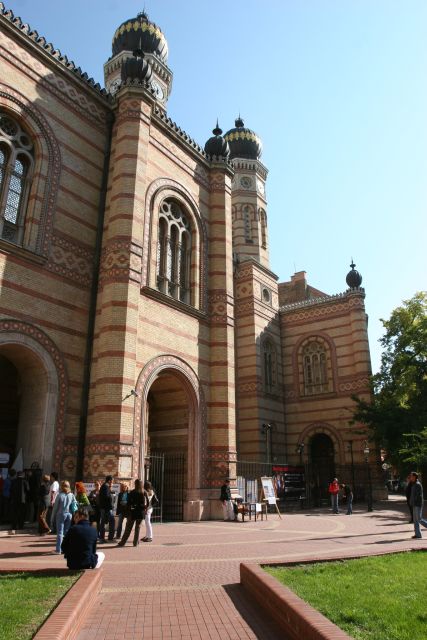
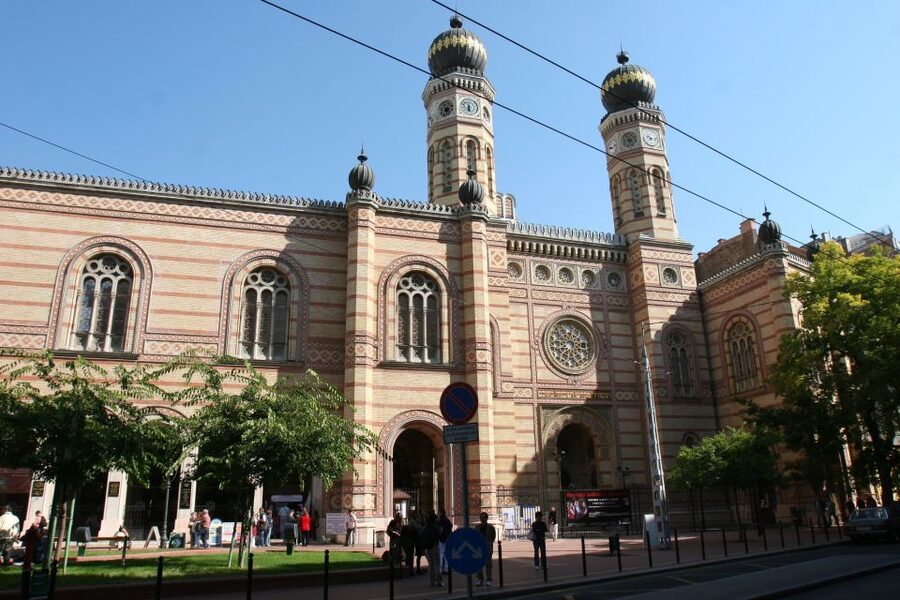
The meeting point may vary with your booking, but Dohány Street Synagogue is one listed starting point. This makes sense, since the building immediately gives you a sense of the scale and importance of Budapest’s Jewish community.
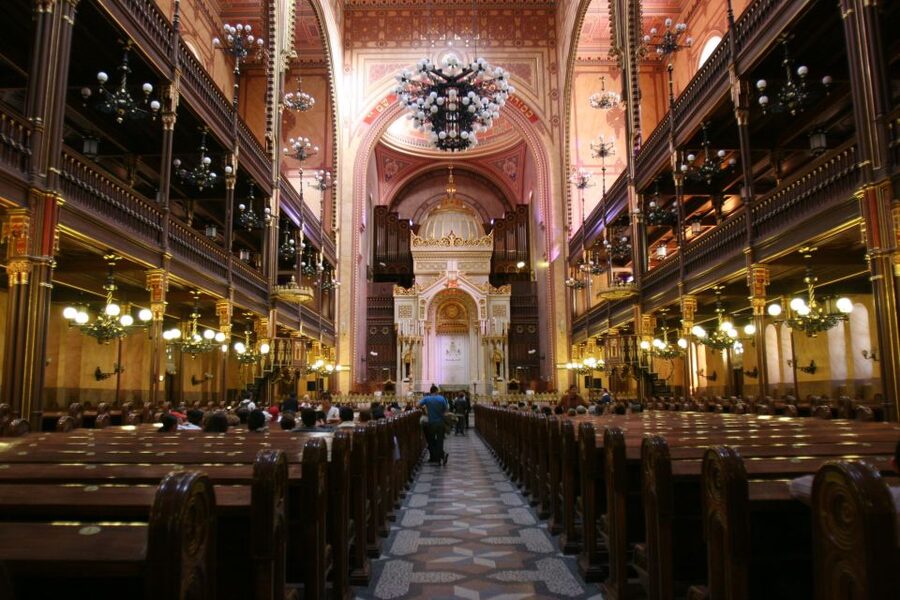
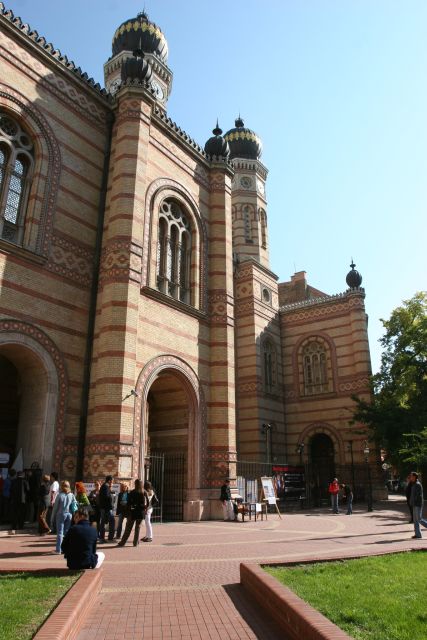
Dohány is described as the largest synagogue in Europe and the second largest in the world. Its high ceilings, ornate interior, and Moorish Revival design make it an architectural highlight even before the historical explanation begins. I find that a guide helps here because the building can otherwise be reduced to a photo stop.
Inside, expect discussion of the synagogue’s role in Jewish history and its connection to the surrounding district. The setting also introduces the complex story of Hungarian Jewish life, including religious traditions, community institutions, war, and loss.
The separate entrance for tour groups helps with access, though entry still depends on the venue’s rules and security. Bring your passport or ID card, and leave large bags behind. The attraction is not suitable for wheelchair users, so mobility should be considered before booking.
The Jewish Museum and its everyday stories
The Jewish Museum Budapest gives the walk its cultural and human center. Its collection includes art from Hungary and Eastern Europe, along with material connected to Jewish customs, holidays, religious practice, and daily life.
This matters because the Holocaust section is not presented as the whole story. You first see evidence of a living community with its own beliefs, objects, celebrations, and artistic traditions. That wider frame makes the later memorial sites more meaningful.
The museum also has a room dedicated to the Hungarian Holocaust and the people who died during that period. Expect the mood to shift here. You may want time to read labels and look closely at the displays, but the short tour can move at a brisk pace.
This is one of the clearest differences between the two options. The shorter version covers the main sights in about two hours, while the longer version gives you more locations and a fuller account. If you read every museum panel or prefer quiet time with exhibits, you may find the museum visit too short on the shorter route.
Rumbach Street Synagogue and Moorish Revival design
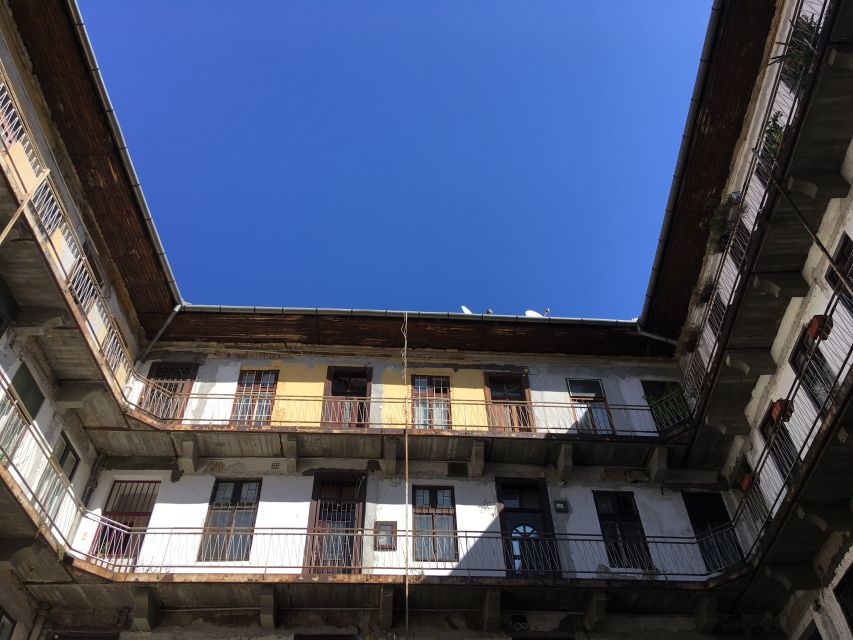
Rumbach Street Synagogue is viewed from the outside on the shorter experience and visited on the four-hour option. Its Moorish Revival architecture provides a useful contrast with Dohány Street Synagogue, so I would choose the longer tour if buildings and design interest you.
The exterior alone is striking, but entry lets you look more closely at the structure and understand its place within the district. The tour uses the synagogues to show that Budapest’s Jewish community was not a single, uniform group. Different congregations and traditions shaped the neighborhood.
The longer option also includes the Ghetto Wall exhibition. That addition gives you a more direct connection to the wartime history of the quarter. It is another reason the extra time can justify the higher commitment, especially if this is your main Jewish heritage visit in Budapest.
More Tickets in Budapest:
- Michael Jackson History Exhibition Ticket
★ 5.0 · 42 reviews - Time Machine Budapest Historical Exhibition Ticket
★ 5.0 · 32 reviews - Pompeii: Entry Ticket and Guided Tour with an Archaeologist
★ 4.8 · 19,459 reviews - Edinburgh: Edinburgh Castle Guided History Tour with Tickets
★ 4.8 · 9,933 reviews
Martyrs’ Cemetery and the Tree of Life
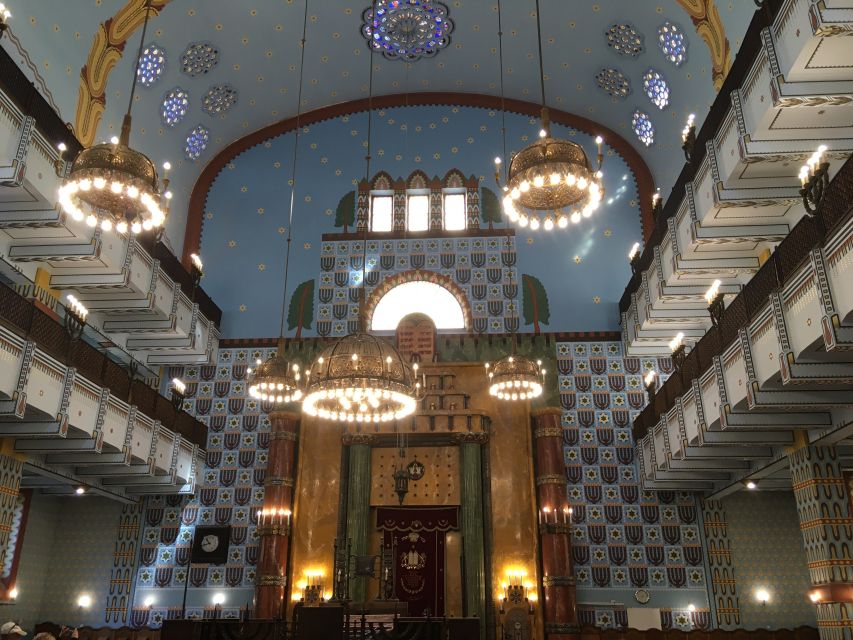
After the museum, the walk continues to Martyrs’ Cemetery and Raoul Wallenberg Memorial Park. These are not ordinary sightseeing stops. You are being asked to pause, remember, and consider the scale of the lives lost.
The Tree of Life is the best-known feature in the park. Its metal leaves carry names connected with Holocaust victims, turning a large historical tragedy into something personal and visible. The memorial is powerful because it asks you to look closely rather than simply admire a building.
The Heroes’ Temple adds another layer to the visit. Your guide can explain how the religious buildings and memorial spaces fit together, helping you see the area as both a place of worship and a place of mourning.
I would not schedule this tour immediately before a rushed restaurant booking or another timed attraction. The subject deserves room in your day, and you may want a quiet break afterward.
Kazinczy Street Synagogue and the living quarter
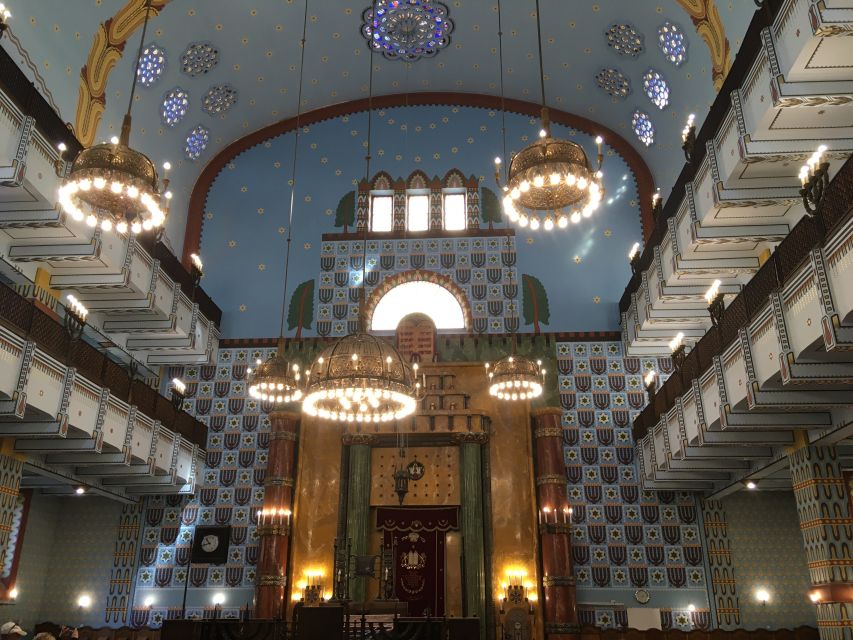
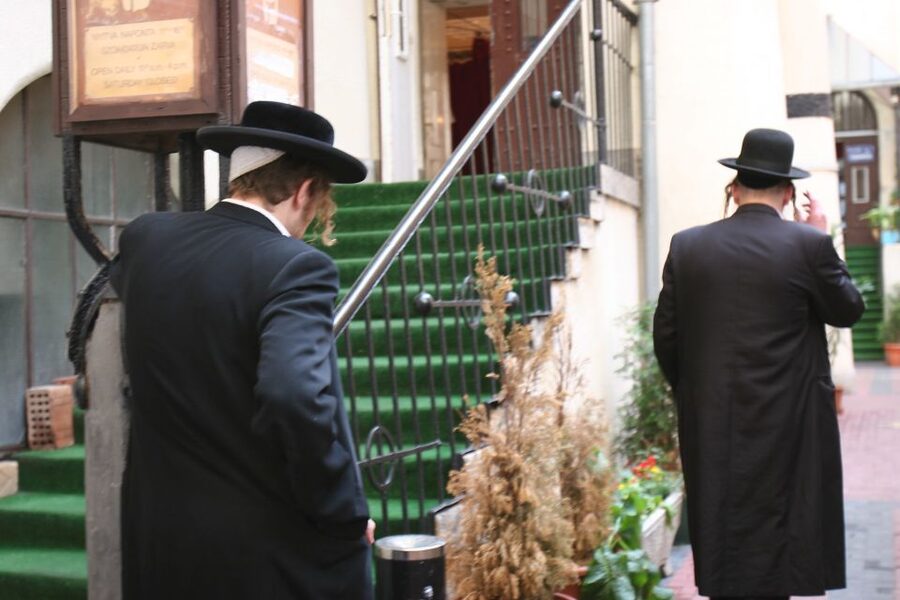
Kazinczy Street Synagogue is included in the listed route, adding another religious site to the walk. The surrounding Jewish Quarter is also a living part of Budapest, not only a collection of memorials. The tour connects past Jewish life with the district as it exists now.
That present-day link is one of the experience’s strengths. Guides are able to discuss Jewish life in Hungary today alongside the earlier chapters. Several guides are praised for answering questions openly and relating history to current community life.
The walking format also gives you a better feel for the district than a coach tour could provide. You move through the streets between major stops, seeing how synagogues, memorials, businesses, and residential areas share the same compact part of Pest.
The route is not described as physically extreme, but it does involve standing and walking for two to four hours. Comfortable shoes are essential. One guide was especially appreciated for keeping a pace that worked well for older participants, though you should still choose the shorter option if you have limited stamina.
The guides make the difference
The strongest feature of this experience is the guiding. Benjamin receives especially frequent praise for his passion, personal connection to Budapest, humor, patience, and ability to answer difficult questions in detail. Several people describe him as Budapest-born and raised, with a strong connection to Jewish heritage.
Other named guides receive similar praise for warmth and clarity. Orshi is noted for explaining Jewish history and customs in a precise way. Scilla is praised for handling the wartime story with care and balance. Barbi and Suzanne are also described as personable, organized, and well informed.
Of course, you cannot guarantee a particular guide unless the booking specifically states one. Still, the repeated emphasis on guide quality tells you what makes this tour work: it is not simply admission to several buildings. The guide turns separate sites into one connected story.
I like that the guides invite questions. That is important on a subject where visitors may arrive with family memories, religious questions, or very different levels of background knowledge. The best experience will be an active conversation, not a passive lecture.
Two hours or four hours?
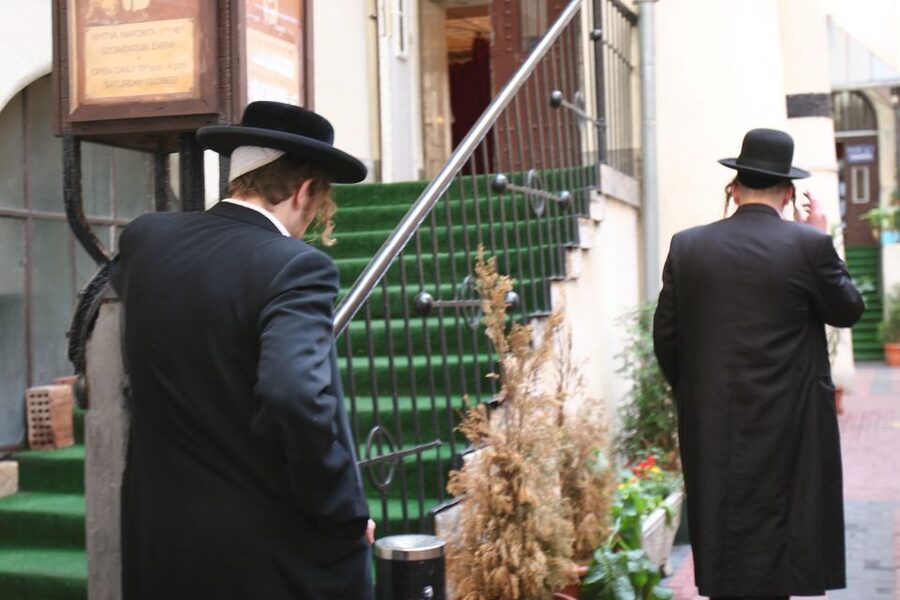
The two-hour option suits you if you want a focused introduction and have other plans in Budapest. You get the Dohány Street Synagogue, Jewish Museum, Raoul Wallenberg Memorial Park, and the main outdoor sites. It gives you a clear foundation without taking over your day.
The four-hour tour is better if this subject is a main reason for your visit. It adds entry to Rumbach Synagogue and the Ghetto Wall exhibition, with more time for the quarter’s history and architecture.
The tradeoff is simple. The short tour is easier on your feet and schedule, but museum time can feel limited. The long tour costs more in time and energy, yet it gives you a fuller visit and may be better value than trying to arrange each admission and explanation separately.
Some people have extended their original shorter booking to the longer version after meeting the guide. That option may not always be available, so choose the four-hour experience at the start if you already know you want a detailed visit.
Is $81 a fair price?
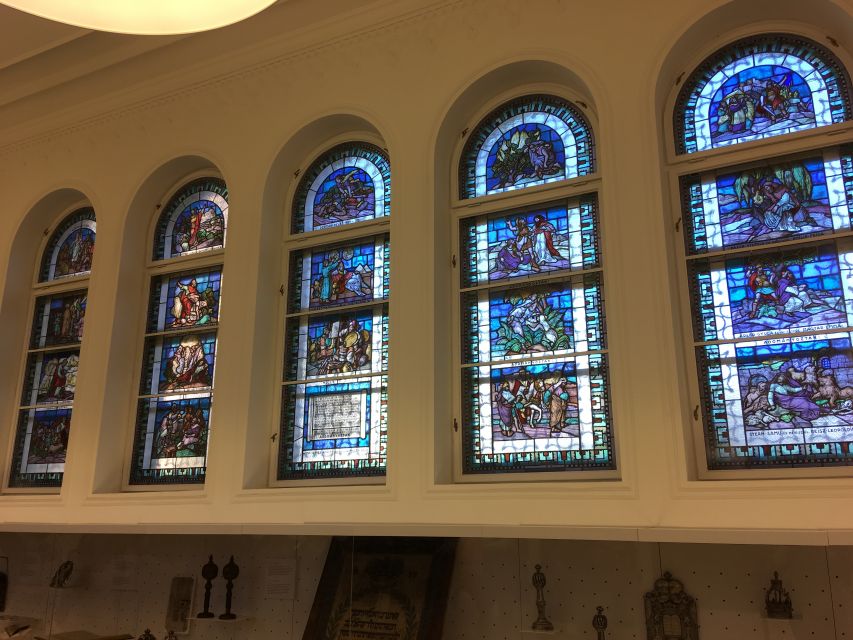
At $81 per person, the tour is priced as a guided heritage experience rather than a basic walking tour. The cost includes the guide, walking route, Jewish Museum, Dohány Street Synagogue, Raoul Wallenberg Memorial Park, and, with the four-hour option, Rumbach Synagogue and the Ghetto Wall exhibition.
The value depends on how much context you want. If you only want to enter Dohány Synagogue and take a few photographs, you can likely find less expensive ways to see part of the area. If you want the sites explained together, with access to several important places and time for questions, the price is easier to justify.
I would especially consider it good value for a first visit to Budapest’s Jewish Quarter. The history is difficult, layered, and easy to misunderstand when seen without guidance. A strong guide saves you research time and helps you notice why each site matters.
The main warning is the short museum visit. If you are a slow reader or a museum-focused visitor, the price may feel high for the shorter option. In that case, choose the four-hour route and plan for a more complete experience.
Practical details for a respectful visit
Wear comfortable shoes and bring a passport or ID card. Large bags and luggage are not allowed, and pets cannot join the tour.
The tour is conducted in English with a live guide. It is not suitable for wheelchair users, so check your mobility needs carefully before reserving. Starting times and the exact meeting point depend on the option selected.
The subject includes persecution, deportation, and mass death. You should expect a solemn experience, especially at the cemetery, Holocaust memorial, and museum Holocaust room. At the same time, the tour also covers Jewish customs, art, community life, and present-day identity, so it does not reduce the district to tragedy alone.
The experience allows cancellation up to 24 hours before the start for a full refund, and you can reserve now and pay later. Those terms are useful if your Budapest schedule is still changing.
Who should book this Budapest Jewish heritage tour?
I would recommend it to anyone who wants more than attractive synagogue interiors. It suits history-minded visitors, people with Jewish family connections, and anyone trying to understand Budapest’s role in the wider story of European Jewish life.
The tour also works for first-time visitors who want a clear introduction without spending a full day in museums. Choose the four-hour option if you want Rumbach Synagogue, the Ghetto Wall exhibition, and more time with the subject. Choose two hours if you need a compact overview.
I would skip it only if you dislike guided walks, cannot manage several hours of walking and standing, or want a light sightseeing activity. This is thoughtful and sometimes painful material. The payoff is a much clearer understanding of the quarter, its buildings, its losses, and its continuing life.
FAQ
How long does the Jewish heritage tour last?
You can choose between a two-hour and a four-hour option. Check the available starting times when booking.
What language is the tour conducted in?
The tour is conducted in English with a live guide.
Which sites are included?
The experience includes the Jewish Museum, Dohány Street Synagogue, Raoul Wallenberg Memorial Park, Rumbach Street Synagogue, and Kazinczy Street Synagogue. The four-hour option also includes the Ghetto Wall exhibition.
Is entry to the synagogues included?
Entry to Dohány Street Synagogue is included. Entry to Rumbach Synagogue is included with the four-hour option.
What should I bring?
Bring a passport or ID card and wear comfortable shoes. Large bags, luggage, and pets are not allowed.
Is the tour suitable for wheelchair users?
No. The experience is listed as unsuitable for wheelchair users.
Just added around Budapest
- Time Machine Budapest Historical Exhibition Ticket★ 5.0 · 32 reviews
- Budapest Jewish Heritage: Synagogues, Shoes, Secrets & Flódni★ 5.0 · 47 reviews
- Michael Jackson History Exhibition Ticket★ 5.0 · 42 reviews
- Private Jewish Heritage Tour including Hotel Pickup★ 4.5 · 35 reviews
- Communist History Evening Walking Tour of Budapest★ 4.5 · 23 reviews
- Jewish Heritage / Full tour★ 5.0 · 59 reviews
- Jewish Heritage in Hungary with a Historian★ 5.0 · 37 reviews
- Budapest: Historic Downtown ride on E-Bicycles Buda & Pest★ 5.0 · 227 reviews
Budapest History Tours, compared.

Budapest Historical Sightseeing – Free Walking Tour
Read our review →
Buda Castle District Dark History, Legends and Vampire Night Tour
Read our review →
Budapest: Sir Lancelot Medieval Dinner with Drink and Show
Read our review →
BloodThirsty Hungary: Walking tour & Dark Historical Stories
Read our review →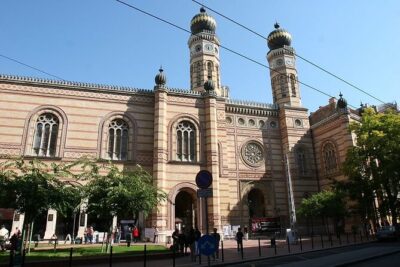
Budapest Jewish Heritage Memorial Walking Tour & Synagogue Entry
Read our review →
Budapest Paddle Steamer Danube Cruise with Tokaj & Audio Guide
Read our review →
Budapest Historic Downtown Bicycle Tour in small groups
Read our review →Browse the lists this tour appears in