
Review · NEW DELHI
Old Delhi: Spices, Heritage and Bazaars Walking Tour
Old Delhi reveals itself one lane at a time. This three-hour walk moves from the grand steps of Jama Masjid into narrow lanes, old havelis, goldsmith quarters and Khari Baoli, the huge spice market where sacks of cardamom, chili, cumin and other goods fill the air with scent.
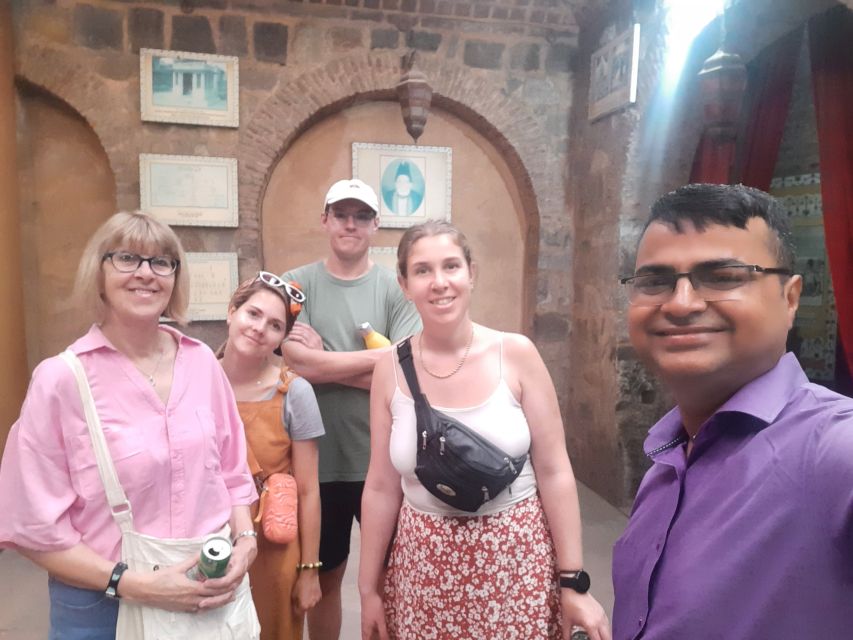
I like the small group, limited to seven, and the way guide Jai Singh brings together imperial history and ordinary street life. I also like the practical route: you see major sights, but much of the walk takes you into working neighborhoods that are easy to miss on your own.
The main caution is the setting. Old Delhi is crowded, noisy and uneven underfoot, and the walk is not suitable for people with mobility impairments or pregnant women. Entry to Jama Masjid is optional and costs INR 450 if you choose to go inside.
Key points to know
- Jama Masjid begins the story: See Shah Jahan’s 400-year-old mosque and, if you pay the separate entrance fee, views across Old Delhi.
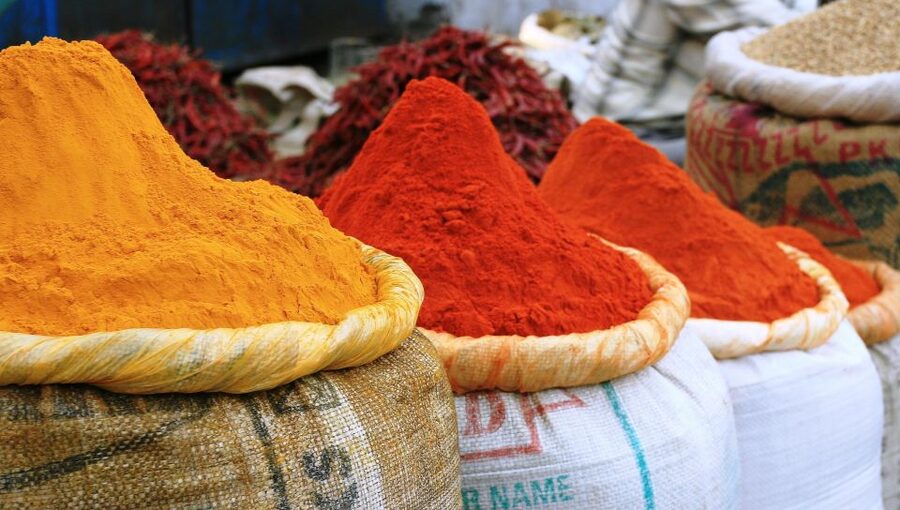
- Khari Baoli is a sensory stop: Walk through a vast wholesale spice market where merchants handle large sacks and negotiate over goods.
- The back lanes matter most: Chandni Chowk includes havelis, textile sellers, jewelry shops and old artisan neighborhoods.
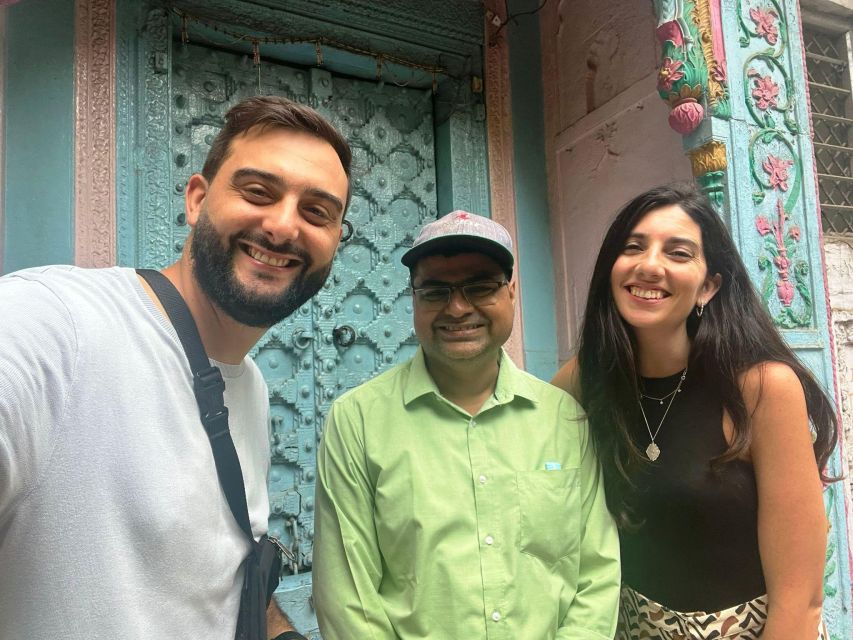
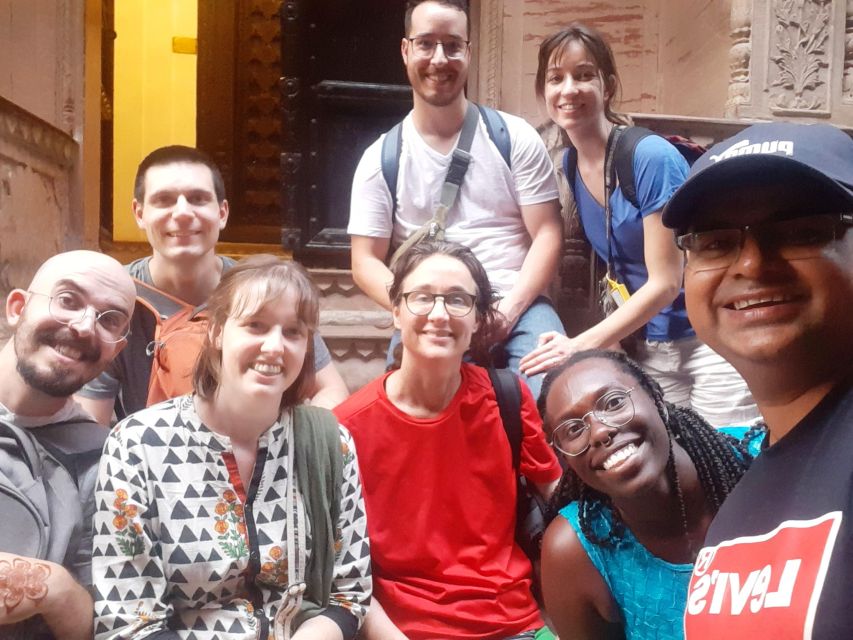
- Jai Singh is the guide to request: His tours are praised for clear explanations, patience, local contacts and care with solo visitors.
- This is good value at $13: The fee includes guiding and one bottle of water, but not food, drinks, tips or mosque admission.
- Come light and prepared: Large bags are not allowed, and WhatsApp contact helps you find the guide at Metro exit gate 1.
Why this Old Delhi walk works
Old Delhi can feel like several cities compressed into one place. A monumental mosque, a market of inexpensive household goods, a wholesale spice district and small family-run workshops all sit within walking distance.
That mix is the real strength of this tour. You are not simply ticking off Jama Masjid and Chandni Chowk. You are also watching the city work: shopkeepers opening stalls, spice merchants handling sacks, artisans carrying on trades linked to the Mughal period, and local residents moving through lanes designed long before cars.
The tour begins at gate number 1 of Jama Masjid Metro Station. This is a sensible meeting point because it is easy to identify, but you should still allow time to find the correct exit. Send your WhatsApp or Indian mobile number when booking. If you arrive a few meters away, Jai can coordinate with you by phone.
The usual group is small, with no more than seven participants. That matters here. A large group would block the lanes and make it hard to hear explanations over traffic, vendors and people going about their day.
More History Walking Tours in India
- Fontainhas Heritage Walk by Make It Happen
★ 5.0 · 2,834 reviews - The Great Indian Food Tour: Old Delhi Food and Heritage Walk
★ 5.0 · 1,698 reviews - Old Goa Heritage Walk by Make It Happen
★ 5.0 · 797 reviews
Jama Masjid and Meena Bazaar
The first approach takes you through Meena Bazaar, once associated with luxury goods and precious stones during the Mughal era. Today, it serves a much wider public, with budget clothing and everyday merchandise sold from temporary stalls.
That change gives you a useful opening lesson. Old Delhi is not a museum frozen in the time of the emperors. Its old commercial spaces have adapted to new customers while keeping their historic layout and constant trade.
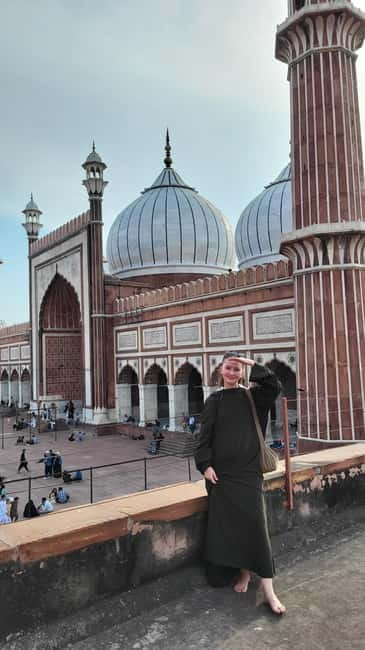
From the bazaar, broad stone steps lead up to Jama Masjid. Shah Jahan, the Mughal emperor who commissioned the Taj Mahal, also ordered this mosque. It is one of the defining landmarks of Old Delhi, and the scale becomes clear as you climb toward the entrance.
The guided visit lasts about 30 minutes. The mosque visit itself is optional, so you can remain outside for photographs if you prefer. If you enter, the separate fee is INR 450 per person. That charge is not included in the $13 tour price, so budget for it before you arrive.
The most useful part of this stop is the setting. From the mosque area, you can look back toward the packed streets and rooftops of the old city. The view helps you understand how tightly the neighborhoods are arranged, though the exact access and views can depend on conditions at the site.
Wear shoes you can remove and put back on without fuss if you choose to enter. The route involves steps, standing and walking, so this is not a gentle sightseeing stroll.
Chandni Chowk beyond the main street
From Jama Masjid, the tour heads toward Chandni Chowk and its side lanes. The main road is only part of the experience. The more interesting route turns into narrower passages where the city suddenly becomes quieter, darker and more intimate.
Here you may see traditional havelis, old residential buildings designed around courtyards and narrow entrances. Some have been altered over time, but the basic shapes help explain how prosperous families once lived close to the commercial heart of Delhi.
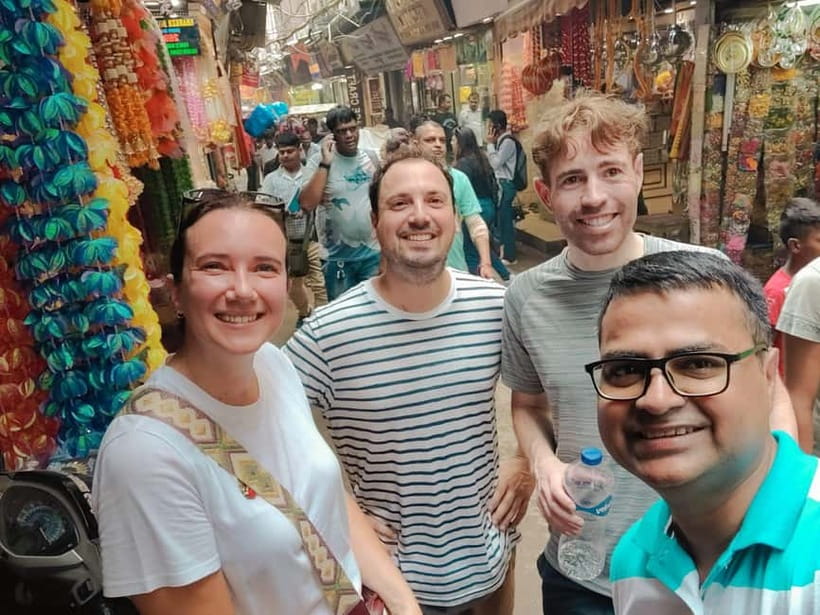
The route also passes through markets selling ethnic clothing, jewelry, textiles and household goods. Some streets have been trading since the Mughal period, while others have changed products and customers many times. Jai’s role is especially useful here because he can explain what you are seeing without reducing every stall to a shopping stop.
Several people who joined the walk appreciated his flexibility. If you want to learn about food, religion, local customs, market practices or shopping, tell him early. He has also helped participants find tea, spices, silverware and other purchases, but you should still make your own decisions about what to buy and how much to pay.
A particularly distinctive part of the route is the old goldsmith neighborhood. Families have lived and worked in this quarter since the Mughal era, keeping an artisan trade tied to the identity of the area. It is a better look at local life than a polished showroom because you are seeing a working district, not a staged cultural display.
The walk can also include stops that are not listed as fixed itinerary points. Past outings have included a jewelry shop, wedding fabric lanes, a woman-owned spice shop, local tea sellers and, in some cases, a Jain temple. Treat these as possible additions rather than guaranteed stops, since the exact route can change with time, crowding and group interests.
Khari Baoli and the spice trail
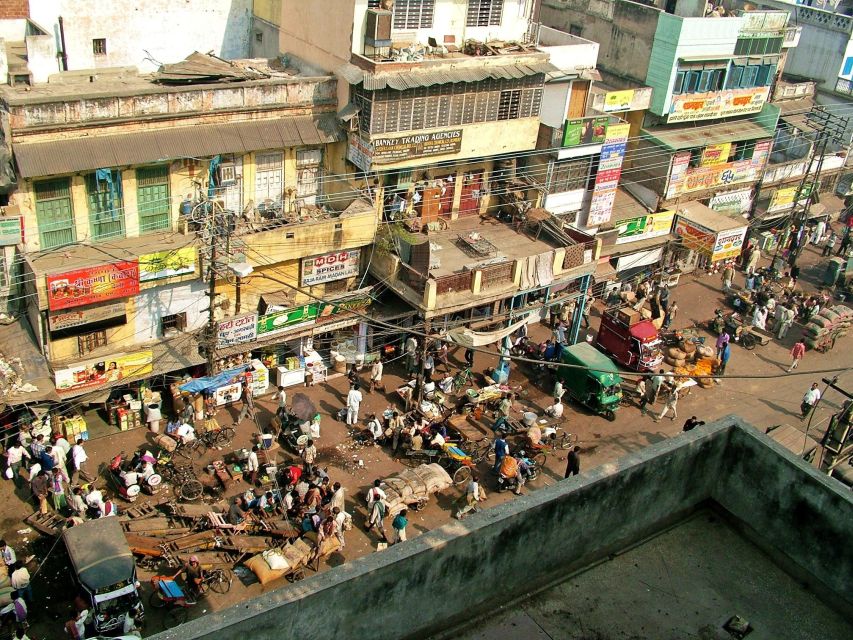
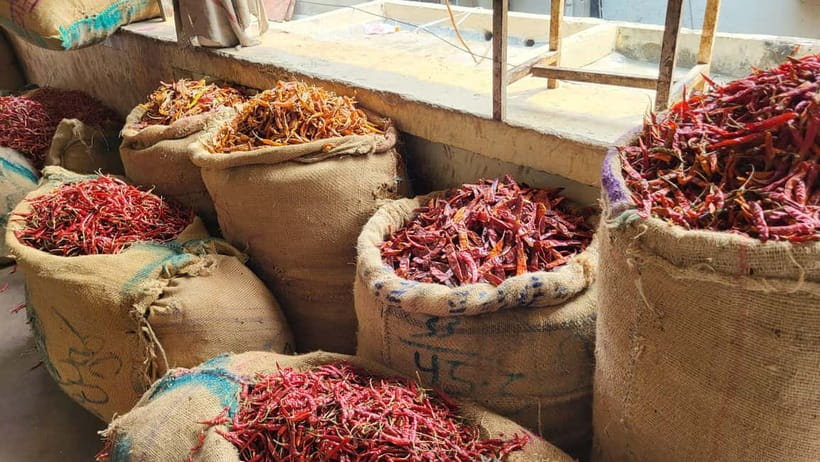
Khari Baoli is the tour’s strongest stop for anyone who likes food and trade. It is described as Asia’s largest spice market, and the scale is easier to understand once you see the wholesale side of the business.
This is not a neat row of tourist shops. Large bags are opened for inspection, and merchants gather in warehouse buildings to compare products and make deals. The air can be thick with the smell of ground and whole spices. You might see sacks of goods cut open for display while the guide explains how different spices are used in Indian cooking.
The experience is valuable because you learn about the market as a supply chain, not simply as a place to buy a packet of curry powder. Jai has explained spice production, the working schedules of shopkeepers, the make-up of curry blends and the difference between goods sold locally and products exported abroad.
The market can be dusty, crowded and physically demanding. Keep your belongings close, avoid carrying large bags and follow the guide through the warehouse areas. The activity specifically does not allow luggage or large bags, which is both a rule and a practical benefit in narrow lanes.
Tea and snacks have been part of some walks, including masala chai and local treats. A few participants also had short rickshaw rides or local drinks. These extras are not listed as included, and food and drinks are officially excluded from the price, so bring some cash if you want to stop for something. Do not assume every food tasting or ride will be provided.
If you are curious about spices, ask questions rather than rushing to shop. You can learn what you are buying, compare prices and get advice about where to purchase tea or seasonings. The guide’s local knowledge is useful, but you are never required to buy anything.
Same city, a different century:
- Old Delhi Food, Heritage&Cultural Walk with Rickshaw ride to Masterji Kee Haveli
★ 5.0 · 742 reviews - Blue City Heritage Private Walking Tour With Pickup and Drop-Off
★ 5.0 · 441 reviews - Kolkata Heritage Tram Tour
★ 4.0 · 395 reviews - Private Heritage Walking Tour in Jaisalmer Fort and Old Bazaar
★ 5.0 · 306 reviews
Jai Singh’s guiding style
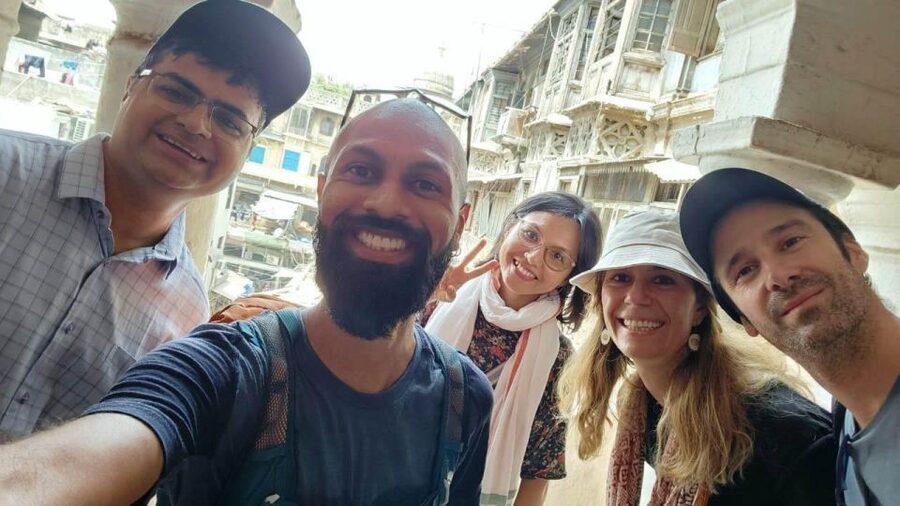
The guide can make or break an Old Delhi walk. Here, Jai Singh receives repeated praise for his historical explanations, calm manner and practical help.
His strongest quality is range. He can discuss Shah Jahan and Mughal architecture, then shift to market customs, street food, local prices, transport or the way a neighborhood functions today. That combination gives the walk more purpose than a string of dates and monument names.
He also seems to adjust well to the group. Some outings move at a steady three-hour pace, while others run longer when participants want more stops. One walk lasted about four hours, which suited the group but may feel long if you have an evening train, a flight or limited energy.
Jai has been especially attentive with solo visitors and small groups of women. He has kept in touch when people could not find the meeting point, helped arrange rides at the end and checked that participants reached their next destination safely. That extra help is not a formal inclusion, but it is useful in an area where traffic and directions can be confusing.
The walking pace is generally described as comfortable rather than rushed. Still, you should expect crowds, uneven lanes, traffic crossings, stairs at Jama Masjid and long periods on your feet.
Price, timing and what you receive
At $13 per person, this is inexpensive for a three-hour guided walk in central Delhi. The price includes an English-speaking local guide and one bottle of mineral water. It does not include hotel transportation, food, drinks, guide tips or the INR 450 Jama Masjid entry fee.
That makes the value quite strong if you mainly want orientation and local context. You are paying for access to a route that would be difficult to follow confidently on your own, especially around Khari Baoli and the side lanes of Chandni Chowk.
Hotel pickup is optional for centrally located hotels, but the stated meeting point is Jama Masjid Metro Station, gate number 1. Confirm your pickup details before setting out. The listed end points are Connaught Place or Khari Baoli, which gives you useful options for continuing your day.
The activity lasts three hours, although the actual timing can stretch if the group adds food, shopping or extra sights. Plan some breathing room afterward rather than booking a tight connection.
Free cancellation is available up to 24 hours before the start, and you can reserve now and pay later. These policies are handy if your Delhi schedule is still shifting.
Who should book this walk
I would choose this tour if you want Old Delhi explained while you walk through it, rather than simply photographed from a vehicle. It suits first-time visitors who want a clear introduction, solo visitors who prefer a guide in crowded lanes, and returning visitors who want more local detail than the main monuments provide.
Food lovers will get the most from Khari Baoli. Architecture fans will appreciate Jama Masjid and the havelis. Shoppers may enjoy the jewelry, textiles, tea and spice stops, though the tour is not primarily a shopping excursion.
It is less suitable if you dislike crowds, strong smells, traffic, narrow lanes or uncertain timing. You should also skip it if walking is difficult, since the activity is not suitable for people with mobility impairments or pregnant women.
The walk is conducted in English. If your interests are specific, tell Jai at the start. The small group makes it easier to ask about food, religion, architecture, family trades or buying spices without holding up a large party.
Practical tips for a smoother morning
- Meet at Jama Masjid Metro Station, exit gate number 1, not simply somewhere near the mosque.
- Give the operator a working WhatsApp or Indian mobile number and keep your phone charged.
- Carry water beyond the included bottle if you need more, especially in hot weather.
- Leave large luggage at your hotel because bags are not allowed on the tour.
- Bring small amounts of cash for food, drinks, tips, purchases or the mosque admission fee.
- Wear comfortable shoes and expect steps, uneven paving and plenty of standing.
- Keep the afternoon flexible in case the group adds a tea stop, rickshaw ride or extra market visit.
- Ask before photographing people, workshops or religious spaces.
- If you do not wish to enter Jama Masjid, you can wait outside and take photographs from the surrounding area.
Should you book the Old Delhi Spices, Heritage and Bazaars walk?
Book it if you want a low-cost, people-focused introduction to Old Delhi, especially if the spice market and working neighborhoods interest you. The best value comes from Jai Singh’s local explanations, not from the headline sights alone.
Skip it if you want a quiet, polished sightseeing tour or a fixed schedule with no crowds. For most visitors who can handle the physical setting, this is a smart three-hour use of your Delhi time: Jama Masjid gives you the landmark, Chandni Chowk gives you the maze, and Khari Baoli gives you the smell, noise and trade that make Old Delhi memorable.
FAQ
Where does the tour meet?
Meet the guide at exit gate number 1 of Jama Masjid Metro Station. If you arrive by Uber, use the provided map pin and contact the guide by WhatsApp if needed.
How long does the experience last?
The planned duration is three hours. Some outings may last longer if the group adds food stops, shopping, rickshaw rides or other nearby sights.
What language is the tour conducted in?
The tour is conducted in English.
How large is the group?
The small group is limited to seven participants.
Is Jama Masjid entry included?
No. Visiting the mosque is optional, and entry costs INR 450 per person. You can take photographs from outside if you do not wish to enter.
What does the price include?
The $13 price includes a local guide and one mineral water bottle per person.
Are food and drinks included?
No. Food and drinks are not included. Some outings may include optional tea, snacks or local drinks, but you should bring money if you want to purchase anything.
Is hotel pickup available?
Optional pickup is available from centrally located hotels. The main meeting point is still Jama Masjid Metro Station, exit gate number 1.
Can I bring luggage?
No. Luggage and large bags are not allowed on the tour.
Is the tour suitable for people with mobility impairments?
No. The tour is not suitable for people with mobility impairments or pregnant women because it involves extended walking, narrow lanes, uneven surfaces and steps.
Just added around India
- Exploring Mylapore: A Cultural & Historical Walking Tour★ 5.0 · 42 reviews
- Chennai Heritage & Cultural Walk (2 Hours Guided Walking Tour)★ 3.5 · 32 reviews
- Georgetown heritage walking tour in Chennai about the founding of Chennai★ 5.0 · 144 reviews
- The Hipster Chandigarh Architecture History Tour★ 5.0 · 54 reviews
- See Bangalore through my eyes (Cultural / Historical / Walking Tour)★ 5.0 · 60 reviews
- 2 days Private tour of Hampi world heritage site from Bangalore by car★ 5.0 · 75 reviews
- Discover Bangalore with Me (A Private Historical Walk Tour)★ 5.0 · 24 reviews
- Treasures of Mysuru – day tour★ 5.0 · 27 reviews
New Delhi History Tours, compared.
The Great Indian Food Tour: Old Delhi Food and Heritage Walk
Read our review →
Old Delhi Food, Heritage&Cultural Walk with Rickshaw ride to Masterji Kee Haveli
Read our review →
Old Delhi Food-Spice Market-Temples Tour Soon Featured on NETFLIX
Read our review →
3-Hour Old Delhi Heritage Walking tour with Rickshaw ride
Read our review →The Great Indian Food Tour: Old Delhi Food and Heritage Walk
Read our review →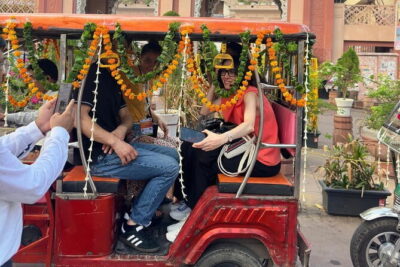
Old Delhi Walking Tour: Food, Culture & Spice Bazaars
Read our review →Browse the lists this tour appears in